
Review · ROME
Rome Food Tour: Campo de’ Fiori, Ghetto, Trastevere Winner 2024
Rome’s best food lessons often come between landmarks. This tour moves from Campo de’ Fiori’s market to old grocery shops, a Roman bakery, the Jewish Ghetto, Tiber Island, and Trastevere, with food at nearly every turn. You get a useful introduction to dishes such as suppli, fried artichoke, pizza bianca, cacio e pepe, and amatriciana rather than simply walking past restaurants.
I like the small group size, capped at 12, because guides such as Luca, Natalia, Clelia, Lisa, and Anastasia can explain the food and answer questions without shouting over a crowd. I also like the mix of eating and neighborhood history, especially the connection between the Campo de’ Fiori market, the Inquisition-era statue of Giordano Bruno, the Jewish Ghetto, and Roman cooking traditions.
The main consideration is the sheer amount of food and walking. Five tasting stops, wine, cobblestones, and roughly three and a half hours can be a lot, especially if you have mobility limits or serious food allergies. The exact market experience also depends on timing: afternoon tours and Sunday morning departures do not include the market visit.
Key things to know before booking
- Fifteen tastings replace a normal meal: Expect pizza, cured meats, cheeses, fried specialties, two Roman pasta dishes, wine, and gelato.
- The route covers three distinct areas: You walk from Campo de’ Fiori through the Jewish Ghetto and across Tiber Island before finishing in Trastevere.
- The morning departure offers the fullest market experience: On other departures, you browse local shops instead of visiting Campo de’ Fiori market.
- Groups are limited to 12 people: That gives you a better chance to hear the guide and ask about ingredients or Rome’s food customs.
- Seasonality affects the menu: Fried artichoke may be replaced by fried zucchini flower outside the artichoke season.
- This is not a vegan-friendly tour: Vegetarian and dairy-free arrangements are possible with advance notice, but serious allergies require a private option or may prevent participation.
From Piazza Farnese to Campo de’ Fiori
Your meeting point is by the newspaper stand at the corner of Piazza Farnese and Via dei Baullari. The walk begins with a short orientation before heading toward Campo de’ Fiori, one of Rome’s most useful places to see food as part of daily life rather than as a restaurant performance.
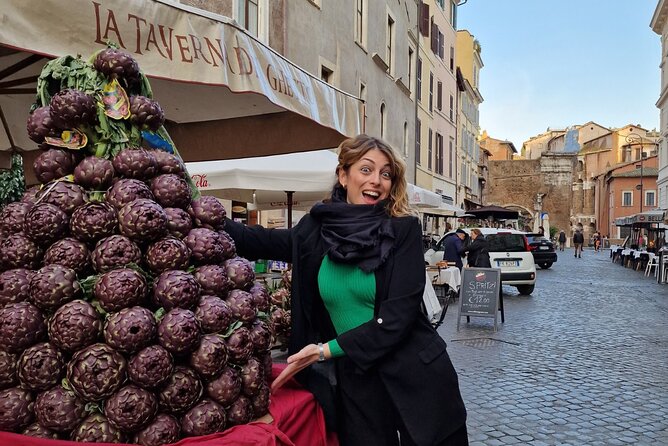
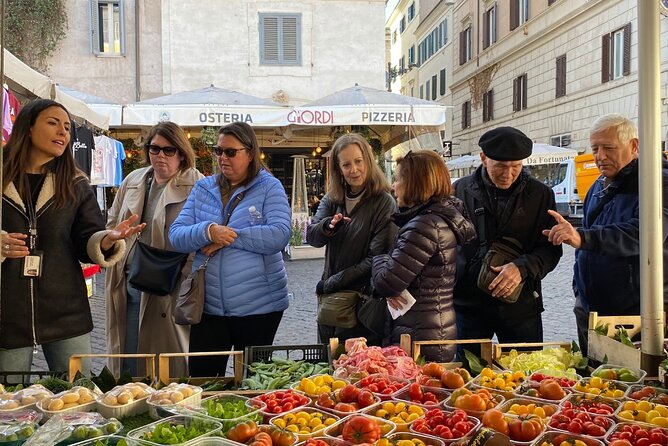
On the morning tour, you spend about 20 minutes at the market. Stalls display seasonal vegetables, meats, cheeses, and other produce, and the guide explains what Romans buy and when certain ingredients appear. That seasonal detail matters. Roman cooking is not just a fixed list of famous dishes. Artichokes, zucchini flowers, tomatoes, and other produce change with the calendar.
The nearby statue of Giordano Bruno adds a short historical pause. Your guide explains the Inquisition period and the way Campo de’ Fiori’s past connects with local food traditions. It is only about five minutes, but it gives the square more meaning than a quick market photo.
If you choose an afternoon departure or a Sunday morning tour, the market stop is not included. You will have time to browse nearby shops instead. I would choose the morning option if the market matters to you, especially if you want to see the ingredients before tasting them.
More food tours around Rome:
- Winner 2025 Rome Twilight Trastevere Food Tour by Eating Europe
★ 5.0 · 5,157 reviews - Rome: Street Food Tour with Local Guide
★ 4.8 · 4,077 reviews - Rome Food Tour: Unlimited Tastings with Fine Wine & Barolo
★ 5.0 · 3,365 reviews
Old shops, cured meats, and Roman pizza
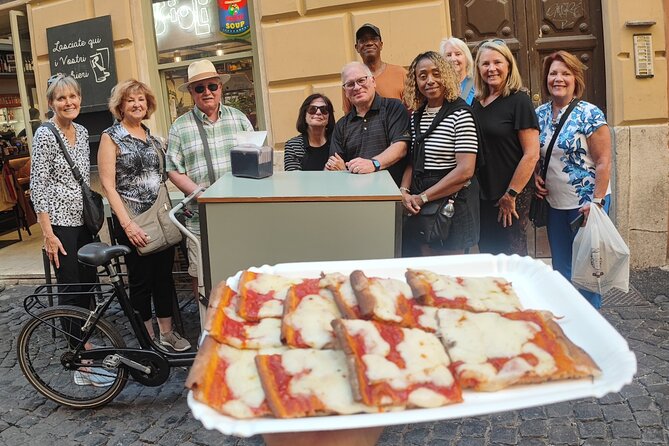
The first tastings take place in long-established food businesses rather than generic snack counters. At Ancient Pizzicheria Ruggeri, you meet the Ruggeri family and sample specialties from this old grocery shop. The point is not just the food on the plate. You get a look at the type of shop where Roman food traditions remain tied to family businesses and familiar ingredients.
At Norcineria Viola dal 1890, cured meats hang overhead, including guanciale, salami, and prosciutto. These ingredients explain much about Roman pasta. Guanciale, the cured pork jowl used in dishes such as amatriciana and cacio e pepe variations, is not a decorative extra. It supplies the salty, savory backbone of several Roman recipes.
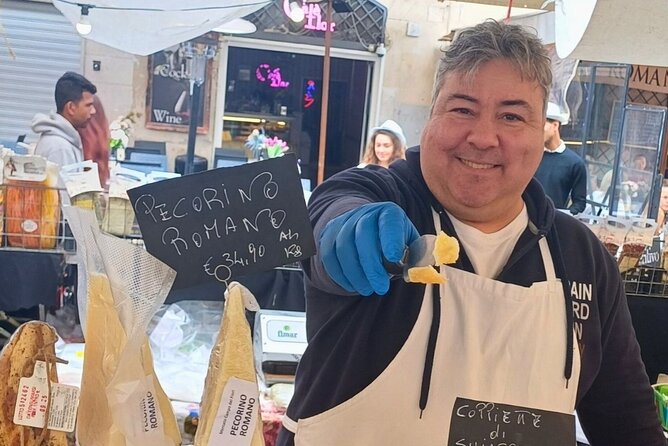
The menu can include Roman salami, buffalo mozzarella, and pecorino Romano, along with pizza bianca topped with mortadella and pizza rossa. This is a good stage of the tour for learning how Romans balance salty meats, sharp sheep’s cheese, bread, and simple sauces.
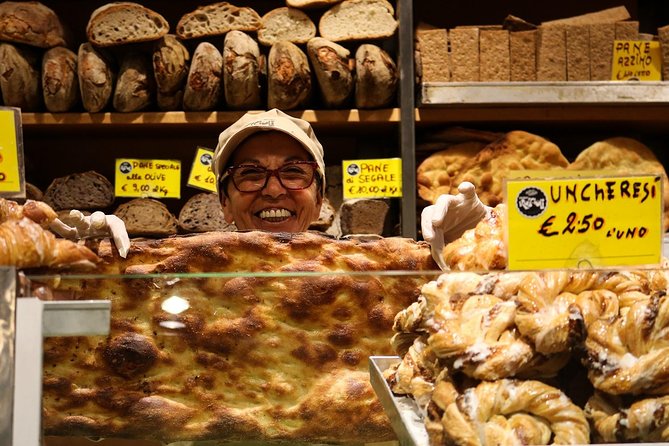
At Antico Forno Roscioli, you try Roman-style pizza at a bakery described as the oldest in town. Expect pizza bianca and pizza rossa rather than the round, restaurant-style pizza many people picture. Roman bakery pizza is a useful distinction to learn: it is often sold by the slice and works as a quick food for daily life.
These early stops can be more filling than they sound. If you eat a large breakfast, you may regret it by the pasta course. I would arrive hungry but not empty, since the tour includes a steady stream of bread, meats, cheese, fried food, pasta, wine, and gelato.
The Jewish Ghetto and its Roman specialties
From Campo de’ Fiori, the route turns toward the Jewish Ghetto, an old district known for its synagogue, small food shops, vintage stores, and art studios. The walk gives you a change of mood from the market square, and the guide explains the area’s place in Rome’s cultural and culinary story.
You pass the oldest synagogue in Rome before continuing toward Piazza della Cinque Scole and the Portico of Octavia. At Il Portico di Ottavia, the tasting centers on fried Roman specialties. Depending on the season, this may include fried artichoke or fried zucchini flower, along with codfish and other local favorites.
The artichoke point is worth noting before you book. The tour follows seasonality, so fried artichoke is generally associated with the cooler artichoke season, while fried zucchini flower may appear in summer. One departure may also differ from another, so do not treat every sample as guaranteed year-round.
This part of the walk is one of the tour’s strongest features. You are not only eating fried food. You are seeing where Jewish-Roman cooking fits into the city and how ingredients show up in local shops and restaurants. The portion is brief, but the food gives the history a practical focus.
The tour then crosses Ponte Fabricio toward Isola Tiberina, Rome’s only island. The crossing takes only a few minutes, yet it breaks up the eating and gives you a pleasant look at the Tiber. The route is not a sightseeing tour built around long monument stops, so these short pauses help connect the neighborhoods.
Pasta and wine on Tiber Island
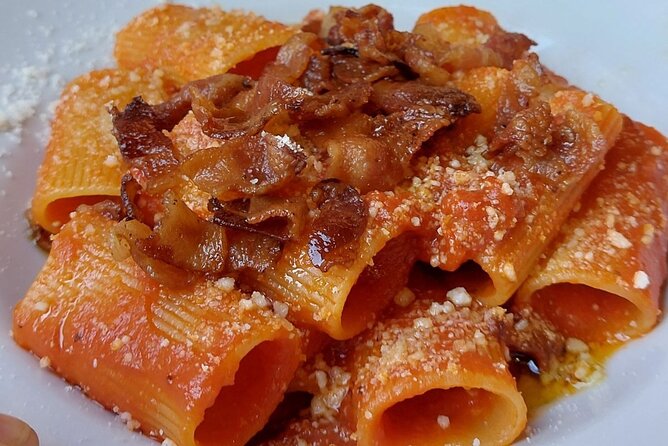
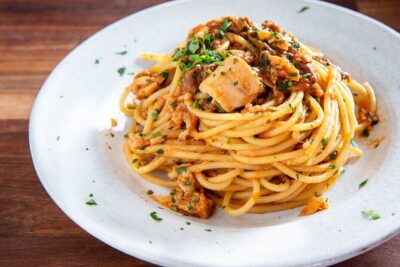
The centerpiece for many people will be the pasta course. At Ristorante Sette Oche in Altalena, you sit down for a special pasta and wine pairing. The planned dishes include cacio e pepe and amatriciana, two of Rome’s best-known pasta preparations.
Cacio e pepe is built around pasta, pecorino Romano, and black pepper. It looks simple, but the sauce depends on getting the cheese and pasta water to combine properly. Amatriciana brings tomato and cured pork into the picture. Tasting both in one sitting lets you compare two very different expressions of Roman comfort food.
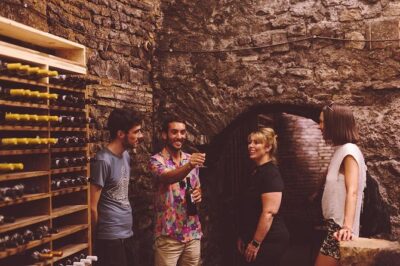
The wine tastings are served at different points along the route, with three wine samples included overall. You should not expect a formal wine course with extensive technical detail. The purpose is more practical: connect a local wine with the food in front of you and enjoy the meal at a slower pace.
One useful warning comes from the format itself. The tour description promises a pasta experience, but the food can vary by season, supplier, and departure. One listed menu includes both cacio e pepe and amatriciana, while the short two-hour street food option does not include pasta. If pasta is a priority, book the full 3.5-hour experience, not the shorter option.
Same city, a different plate:
- Rome: Guided Food Walking Tour with Wine in Trastevere
★ 4.9 · 3,105 reviews - Rome: Trastevere Food tour with Free-Flowing Fine Wine
★ 5.0 · 2,853 reviews - Rome: Trastevere & Campo de Fiori Street Food Walking Tour
★ 4.9 · 2,768 reviews - Rome Street Food Tour with Local Guide
★ 5.0 · 2,361 reviews
Trastevere, more pasta, and the final gelato
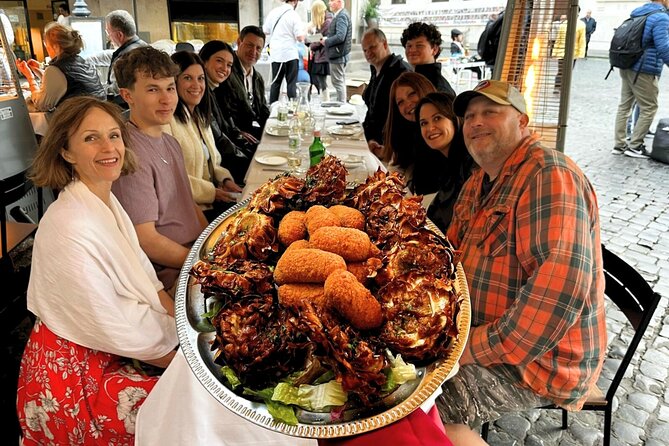
After the island, you continue to Trastevere, an area known for nightlife, narrow lanes, and local restaurants. The neighborhood can feel more social and evening-focused than the earlier stops, especially on a later departure.
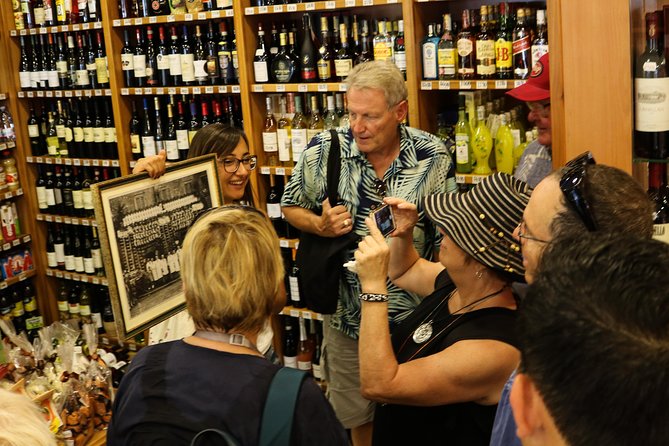
At Ercoli Trastevere, the route includes cacio e pepe with an appetizer and wine, surrounded by shelves, bottles, and food displays. This stop gives you another chance to see how a Roman classic is presented in a modern specialty shop setting. If you have already eaten a pasta course at Sette Oche, pace yourself. The meal is generous.
You also visit a shop famous for suspended salami and prosciutto. That detail gives the stop a bit of theater, but the useful part is the chance to see the range of cured products available in Rome. The tour does a good job of mixing sit-down food with quick samples, so you are not stuck at one table for the whole afternoon.
The final stop is Fiordiluna, an artisan gelateria associated with Eugenio Morrone, winner of a 2020 world gelato title. Gelato is a smart ending because it gives your palate a cool, sweet finish after salty meats, cheese, fried food, and pasta. Flavors can vary, but a strawberry-grape gelato has been especially memorable on this route.
The tour ends on Via della Lungaretta in Trastevere, near the Basilica of Santa Maria in Trastevere, which you see from outside. That location is handy for continuing into the neighborhood, finding a drink, or walking onward after the tour.
Is $88.28 a fair price?
At $88.28 per person, this is not a cheap snack walk, but the amount included is substantial. You receive 15 food tastings at five locations, three wine tastings, a local English-speaking guide, a free restaurant guidebook and cookbook, and about three and a half hours of guided walking and eating.
The value depends on how you use it. If you would independently visit several food shops, pay for pasta, order fried specialties, buy gelato, and arrange tastings, the price becomes easier to justify. You are also paying for access to a planned sequence of family-run shops and restaurants, plus the guide’s explanations and local recommendations.
I would not book this tour only for a quick introduction to Roman food. The shorter street food option may suit you better if you want a lighter outing. The full tour is for someone who wants food to be the main activity and is happy to spend much of an afternoon or morning eating while walking through central Rome.
The group limit of 12 is another part of the value. A smaller group makes it easier for the guide to manage food orders, explain ingredients, and offer recommendations. Several guides, including Lisa, Anastasia, Natalia, Luca, Clelia, and Silvia, are praised for combining food knowledge with Roman history and personal restaurant advice. The guide matters a great deal here, since the route itself is only half the experience.
Timing, walking, and food restrictions
Wear comfortable shoes. The route includes cobblestones and varied ground, and you move through several neighborhoods rather than staying in one square. The pace is generally manageable, but this is still a walking tour with repeated stops and a full meal’s worth of food.
The tour runs in all weather, so bring clothing that suits the forecast. Rain does not cancel the activity, and there may be less shelter while moving between stops.
Vegetarian and dairy-free choices are available if you notify the provider when booking. The tour is not recommended for vegans, and a person with serious celiac disease or dangerous allergies should contact the provider about a private tour. Possible allergens include milk, eggs, soy, mustard, nuts, and gluten, while some food allergies involving nuts, beans, soy, and other serious triggers may prevent participation altogether.
People with reduced mobility should ask about a private option. The standard route includes cobblestones, walking between neighborhoods, bridges, and restaurant access that may not suit every participant.
The cancellation policy is simple: cancel at least 24 hours before the start for a full refund. Inside 24 hours, changes and refunds are not accepted.
Who should book this Roman food walk?
I would choose this tour for a first or second day in Rome, when you still want help understanding the city’s food customs and need restaurant ideas for the rest of your stay. It is also a good fit if you enjoy history in small portions, with a bite attached to each explanation.
You should book it if you want:
- A full meal spread across several old shops and restaurants
- Roman classics such as suppli, pizza, cacio e pepe, and amatriciana
- A small group rather than a large food crowd
- A route that links Campo de’ Fiori, the Jewish Ghetto, Tiber Island, and Trastevere
- Practical food advice from guides such as Luca, Clelia, Lisa, Natalia, or Anastasia
You may want another option if you are vegan, have severe food allergies, dislike walking on cobblestones, or prefer a short tasting with fewer courses. You should also avoid the full tour if you want a light snack, since the portions can leave you too full for another meal.
Should you book it?
Yes, if you want Rome explained through what people eat, where they shop, and how recipes connect to neighborhood history. The best parts are the small group, the family-run food stops, the Jewish Ghetto walk, the two Roman pasta dishes, and the generous finish at Fiordiluna.
Choose the morning departure if Campo de’ Fiori market is important to you. Tell the provider about dietary needs before booking, wear comfortable shoes, and treat the $88.28 price as the cost of a substantial meal, several tastings, wine, and a guided neighborhood walk. For a hungry first-time visitor who wants both food and context, this is a strong use of half a day.
FAQ
How long does the Rome food tour last?
The full tour lasts approximately 3 hours and 30 minutes.
How many food tastings and wine tastings are included?
The tour includes 15 food tastings at five locations and three wine tastings.
Where does the tour start and finish?
It starts at Via Dei Baullari 106, near Piazza Farnese and the corner of Via dei Baullari. It finishes at Via della Lungaretta 12 in Trastevere.
Is the Campo de’ Fiori market included on every departure?
No. The market visit is included on the morning tour, except on Sunday morning. It is not included on the afternoon tour, when you have free time to browse local shops instead.
Can vegetarians or people who avoid dairy join?
Vegetarian and dairy-free options are available if you advise the provider when booking. The tour is not recommended for vegans.
What happens if I need to cancel?
You can receive a full refund if you cancel at least 24 hours before the experience begins. Cancellations or changes made within 24 hours are not refunded.
Fresh off the menu around Rome
- Rome: 3-Hour Guided Food Tour with Tastings★ 4.9 · 41 reviews
- Rome: Trionfale and Prati Food and Wine Tasting Tour★ 4.8 · 115 reviews
- Rome: Vegan Street Food Tour with Local Guide★ 5.0 · 37 reviews
- Rome: Trastevere & Tiber Island Street Food Tour at Sunset★ 4.9 · 71 reviews
- Rome Trastevere Walking Food Tour★ 4.8 · 97 reviews
- Rome: Vatican Street Food and Wine Tour with Farmers Market★ 5.0 · 37 reviews
- Rome: Trastevere Food Walking Tour with Beer and Wine★ 4.9 · 71 reviews
- Rome: Trastevere Quarter Street Food Tour with Sightseeing★ 4.9 · 21 reviews
Rome Food Tours, compared.
Winner 2025 Rome Twilight Trastevere Food Tour by Eating Europe
Read our review →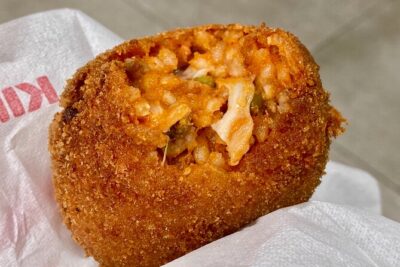
Rome Food Tour: Unlimited Tastings with Fine Wine & Barolo
Read our review →
Rome: Guided Food Walking Tour with Wine in Trastevere
Read our review →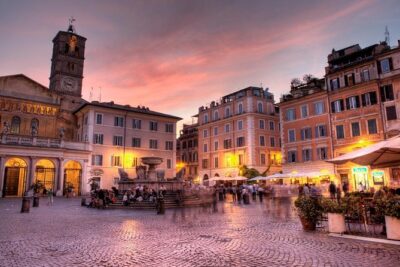
Rome: Trastevere Food tour with Free-Flowing Fine Wine
Read our review →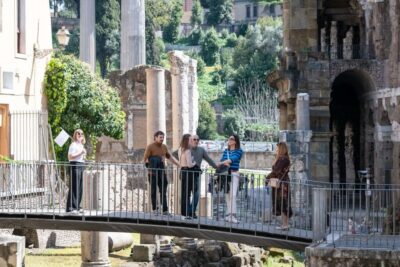
Rome: Trastevere & Campo de Fiori Street Food Walking Tour
Read our review →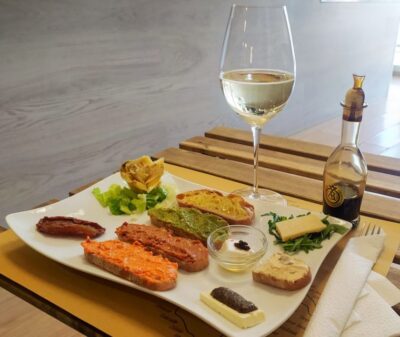
Rome: Gourmet Food Tour with Dinner & Barolo Wine
Read our review →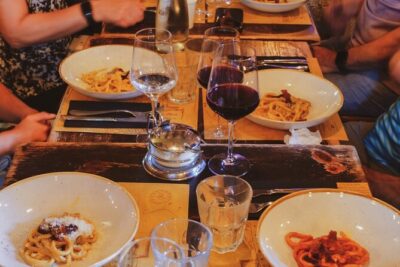
Rome: Award Winning Trastevere Group Food Tour with Wine
Read our review →Browse the lists this tour appears in