
Review · ITALY
Syracuse: Sicilian Street Food Hands-On Cooking Class
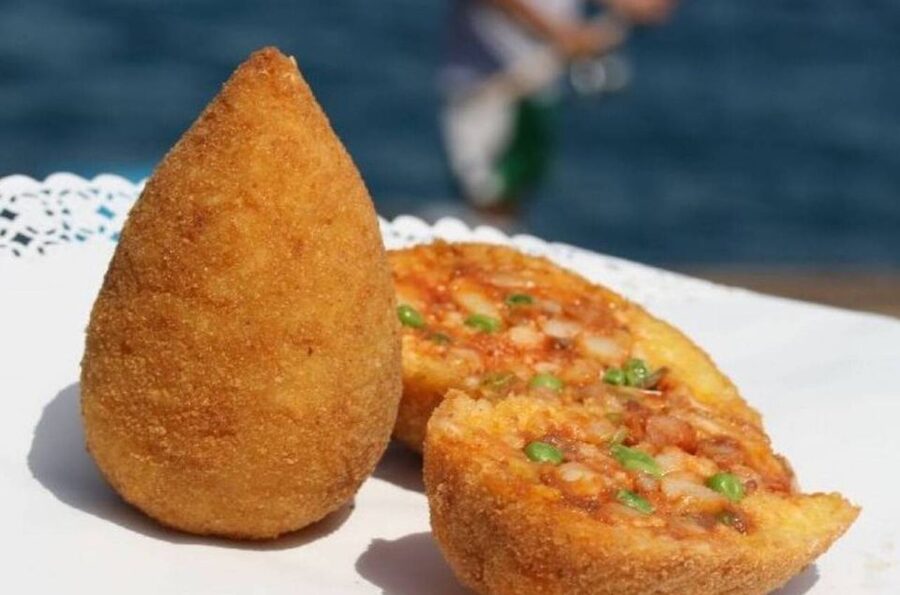
Syracuse’s best food lesson may begin before you reach the stove. Chef Ettore can take you through the local market, introduce you to vendors, and help you see the ingredients behind classic Sicilian street food. Then you make arancini and cannoli yourself, rather than simply watching a demonstration.
I like the small group size, capped at eight, and the warm, hands-on teaching style. I also like that the experience connects food with daily life in Syracuse: market produce, family recipes, local wine, and a shared table. The main drawback is dietary flexibility. Gluten-free dishes are not available, so this class is not suitable for anyone who needs a gluten-free meal.
Key points at a glance
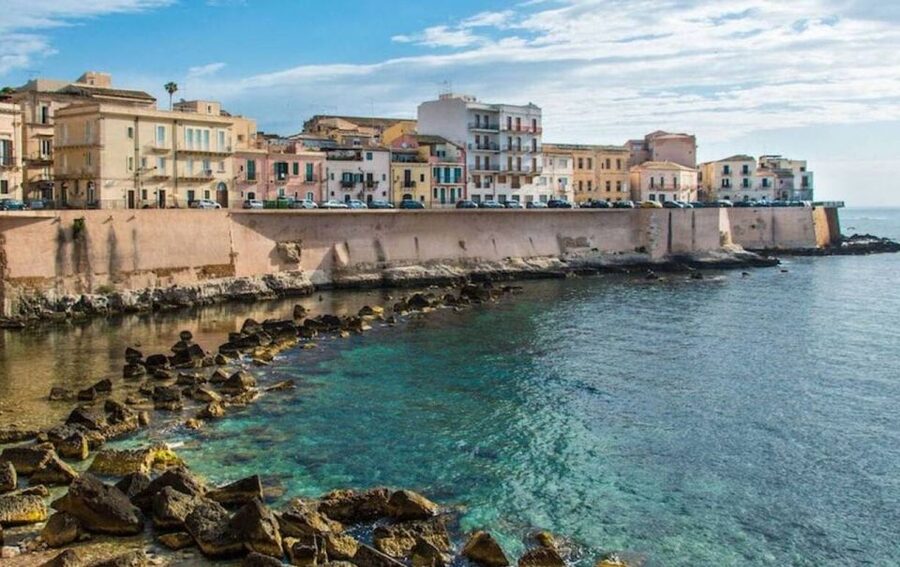
- Market first, cooking second: The experience may start with a walk through Syracuse’s market, where you can sample ingredients and see Ettore greet local vendors.
- Two unmistakable Sicilian dishes: You prepare arancini and cannoli, with some sessions also including several arancini fillings or a different fruit dessert.
- A real hands-on class: You do more than watch. Ettore gives practical tips, clear instructions, and room to work with the food.
- A friendly local host: Ettore is the chef and guide, with English and Italian available. His daughter may also help during some classes.
- Small group setting: With no more than eight participants, you should have a better chance to ask questions and take part.
- Good value for food lovers: At $112.15 per person for three hours, the price covers instruction, the prepared tasting, wine, and water.
Why arancini and cannoli make a good Syracuse lesson
Arancini and cannoli are not random choices for a cooking class. They are two of Sicily’s most recognizable foods, and each teaches you something different about the island’s cooking.
Arancini are stuffed rice snacks, usually shaped, coated, and fried. The class focuses on the traditional method and may include several varieties, including a ragù filling. You learn how a simple rice mixture becomes a crisp, portable snack with a soft, savory center.
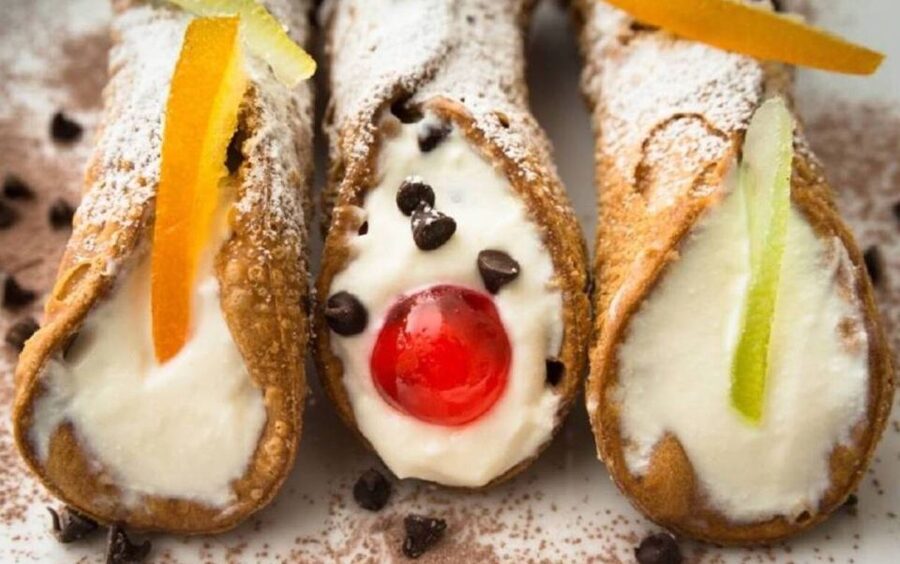
Cannoli provide the sweet finish. Their contrast of crisp shell and creamy filling makes them a useful lesson in texture, balance, and presentation. Some sessions describe the dessert as a deconstructed cannoli, while others include a strawberry dessert, so the exact sweet course can vary.
That small variation is worth noting. The core promise is arancini and cannoli, but the precise preparation may depend on the day, the available ingredients, or the way Ettore structures the lesson. If you are hoping to make one exact recipe, ask when booking.
More Street Food Tours in Italy
- Naples: Street Food Walking Tour with Local Guide
★ 4.9 · 4,976 reviews - Rome: Street Food Tour with Local Guide
★ 4.8 · 4,077 reviews - Florence: Cinque Terre Park Day Trip with Optional Street Food
★ 4.5 · 3,593 reviews
Meeting Ettore at Bar Cristina
The stated meeting point is Bar Cristina at Piazza Emanuele Pancali, 24, Via Trento 1, in Syracuse. You return to the meeting point when the activity ends.
Arrive early and keep the meeting details close at hand. One person reported a mix-up involving the meeting time and location, which led to a late start and a missed market visit. That appears to have been an isolated coordination problem, but it is a useful practical warning: confirm the starting time and exact meeting instructions before the day of the class.
The class lasts three hours, so the schedule matters. If you are planning a museum visit, boat trip, or train connection afterward, leave extra time rather than booking them tightly together. The experience may include a market visit, food preparation, tasting, and conversation, and the pace can change depending on the group.
The host speaks English and Italian. You do not need advanced cooking skills. The teaching style is described as clear, encouraging, and practical, with tips you can use at home.
A market walk with samples and local connections
The market portion gives the class much of its local character. Instead of receiving a fixed basket of ingredients in a classroom, you may walk through the market with Ettore and see the produce, seafood, cheeses, and other foods that shape Sicilian meals. The precise stalls and ingredients are seasonal, but the point is clear: you see what is available before you cook.
Ettore is familiar with the market sellers and may stop to greet them. That changes the mood from a standard shopping trip to a short introduction to the social side of Sicilian food culture. You can sample different products along the way, and there is no pressure for you to buy anything. Ettore purchases the ingredients needed for the class.
This is especially useful if you are curious about how locals shop. A market can look like a colorful collection of food, but a guide can explain how ingredients are chosen and used. Even if you never recreate the full meal, you leave with a better sense of what to look for at Syracuse’s food stalls.
The market stop is also one reason to avoid thinking of this as only a recipe lesson. You are seeing the chain from ingredient to finished dish. The downside is that the market portion may be the first thing lost if a meeting problem or delay occurs, so double-check the arrangements before setting out.
Learning to shape and cook Sicilian arancini
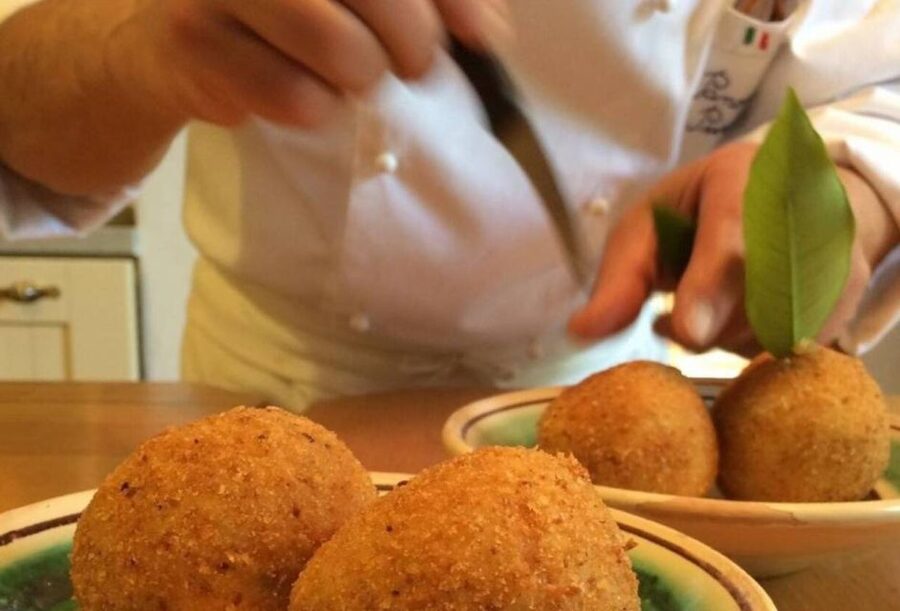
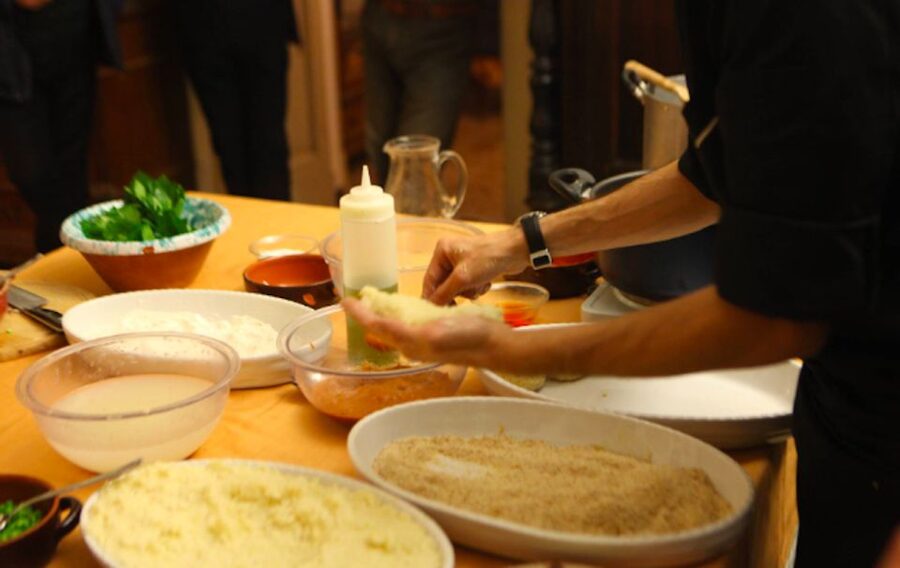
The main cooking section is focused on participation. You help prepare the food, follow Ettore’s instructions, and taste the results with the group. The class is not presented as a formal culinary-school course, so expect an informal lesson rather than a technical examination of every cooking method.
Arancini can look simple when you buy one from a bakery or café. Making them shows why the details matter. You work with the rice, filling, shape, coating, and cooking process. Several people found the instructions easy to follow, while still gaining useful tips they could take home.
The possible fillings make the lesson more interesting. Traditional ragù arancini may be included, and one class prepared three types of arancini. That gives you a chance to compare flavors and see how the same basic form can change with its filling.
The class also gives you the pleasure of eating food you helped prepare. That sounds obvious, but it changes the meal. You are paying attention to texture and seasoning because you have handled the ingredients yourself. If you enjoy cooking at home, this is the part most likely to repay the cost after your holiday ends.
Families can consider the class, too. A six-year-old child was included successfully in one session, with Ettore adapting his approach well. Still, children should be comfortable with a three-hour food activity and able to follow instructions around a working kitchen.
Same city, a different plate:
- Winner 2025 Rome Twilight Trastevere Food Tour by Eating Europe
★ 5.0 · 5,157 reviews - Winner 2025 Florence Sunset Food & Wine Tour by Eating Europe
★ 5.0 · 5,015 reviews - From Florence: Small Group Wine Tasting Tour to Tuscany
★ 4.9 · 3,902 reviews - Rome Food Tour: Unlimited Tastings with Fine Wine & Barolo
★ 5.0 · 3,365 reviews
Cannoli, dessert, and the shared table
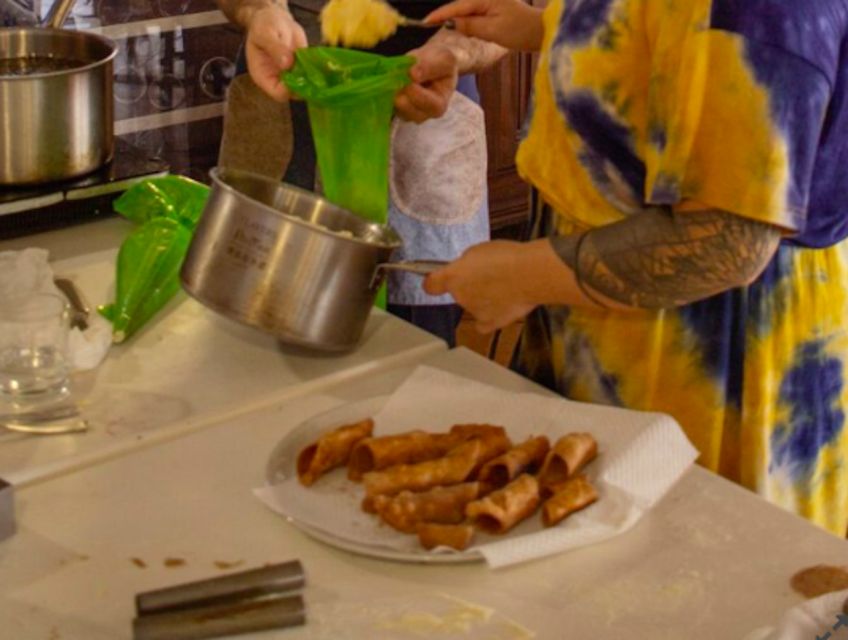
The sweet course brings a different rhythm to the class. Cannoli are a classic Sicilian dessert, and preparing them gives you a chance to work with crisp pastry and a sweet filling. In some sessions, the dessert has been presented in a deconstructed form. A strawberry dessert has also appeared, which suggests the menu can respond to seasonal ingredients.
Do not expect a restaurant tasting menu. The meal is built around the dishes you make, with a local wine selected to accompany them and water also provided. The emphasis is on generosity, conversation, and the pleasure of sitting down together.
That shared-table idea is central to the experience. Sicilian cooking is closely tied to family gatherings, and the class tries to bring that feeling into the lesson. You cook, taste, talk, and spend time with the chef rather than rushing through a demonstration.
The wine is included as part of the tasting. Other food and drinks outside the included tasting are not covered, so do not assume the price functions as an open bar or a full restaurant meal. If you have particular drinking preferences, ask what is available on the day.
What makes Ettore’s teaching style work
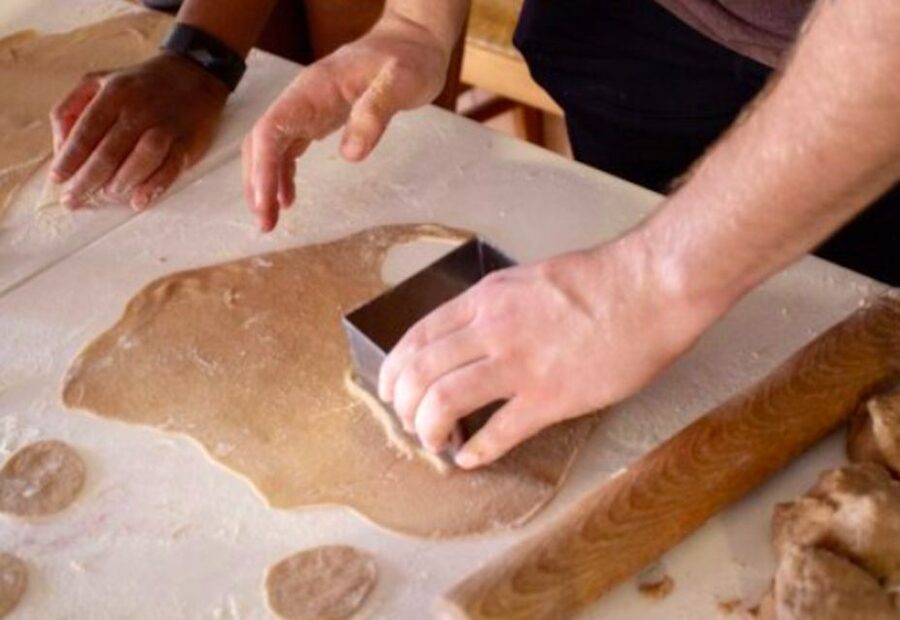
Ettore is the heart of the class. His approach combines cooking instruction with conversation and humor. He is described as passionate about food, generous with tips, and good at making people feel comfortable quickly.
That matters in a small cooking lesson. A rigid teacher can make beginners nervous, while an overly casual host may leave you unsure what to do. Here, the useful balance appears to be clear guidance with plenty of warmth. You can ask questions without feeling that you are slowing the class down.
His connection with the market adds another layer. He knows the sellers and can introduce you to the people behind the ingredients. In the kitchen, he shifts from host to working chef, showing you how the food comes together.
There is one unusual account of the class taking place during a busy restaurant service. Instead of a quiet lesson, the participant watched Ettore handle orders while explaining the cooking and offering samples. That was described as memorable, but it also shows that the exact setting and pace may not always be perfectly controlled. If you want a calm, highly structured workshop, this may feel less polished than a dedicated cooking school.
Group size, pace, and the $112.15 price
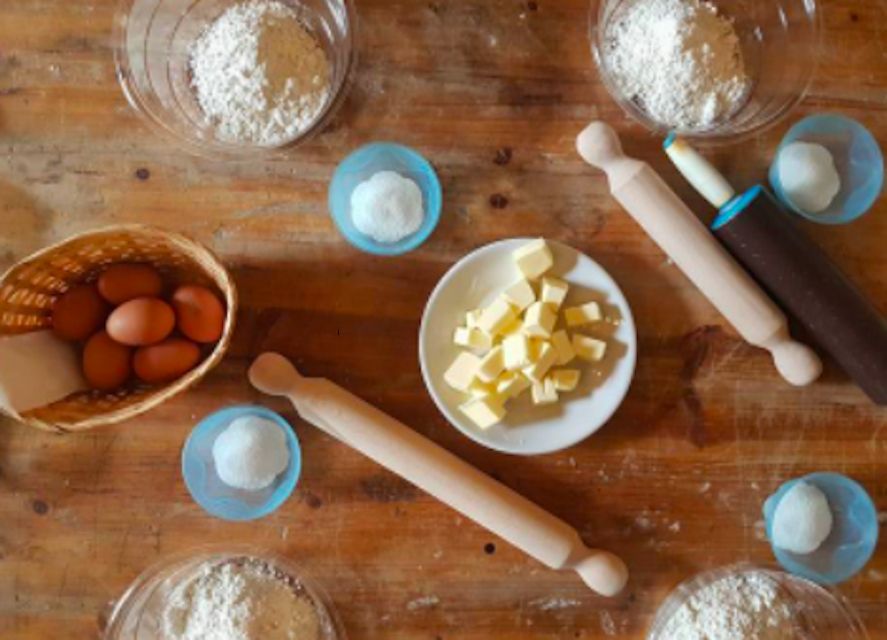
The maximum group size is eight. That is small enough for personal attention, but not so small that you should expect a private lesson. You may be cooking alongside couples, friends, or families, and the social side is part of the appeal.
At $112.15 per person, the class is not a cheap meal. It becomes better value when you count the market visit, instruction, food you prepare, wine, water, and three hours with a local chef. You are also paying for access to a more personal side of Syracuse than you usually get from a quick market visit or restaurant meal.
The price makes the most sense for you if you enjoy food as an activity, not just as something served at the end. If you only want to eat arancini and cannoli, you can find them elsewhere for less. If you want to understand how they are made and leave with methods you can use at home, the class offers more.
The small group helps protect that value. With eight or fewer people, Ettore can give individual help and keep the class active. The experience may feel less worthwhile for someone who dislikes group cooking, needs a strict timetable, or has limited interest in Sicilian food.
Dietary needs and practical limits
Tell the operator about allergies or intolerances when you book. This is important because the class centers on wheat-based and fried foods, and gluten-free dishes are not available.
The supplied details do not promise vegetarian, vegan, dairy-free, or other special menus. If you have any restriction beyond the stated gluten-free limitation, ask before paying. Do not assume a substitution will be possible simply because the class uses fresh ingredients.
The activity is offered in English and Italian. The cooking format should suit beginners, but no formal accessibility details are provided, so ask directly about any mobility or other access needs before booking.
Free cancellation is available up to 24 hours before the activity for a full refund. You can also reserve and pay later, which helps if your Syracuse schedule is still shifting. The class is not available on December 8, December 13, or December 19 through December 26, December 31, January 1, or January 2.
Who should book the Syracuse cooking class?
I would choose this for a food-focused afternoon, especially if you want something more active than another church, museum, or viewpoint. It suits couples, friends, solo food lovers, and families with children who can manage a three-hour class.
It is also a smart choice early in your Sicily trip. The market visit and ingredient advice may help you understand later meals, shop with more confidence, and recognize the difference between a dish made for tourists and one tied to local habits.
You should think twice if you need gluten-free food, dislike shared cooking, or want a precise professional curriculum. The atmosphere is friendly and informal, and the setting may have the energy of a working restaurant rather than a quiet teaching kitchen.
Should you book it?
Book this class if you want to meet a personable local chef, walk through Syracuse’s market, and learn two classic Sicilian foods by making them yourself. The strongest reasons are the small group, Ettore’s personal style, the market connections, and the chance to eat arancini and cannoli fresh from your own work.
Before booking, confirm the meeting time and place, report every allergy or intolerance, and check whether the dessert and arancini fillings match what you hope to cook. For a traveler who values food, conversation, and practical recipes, $112.15 is a fair price for three hours of local contact. For anyone seeking a low-cost meal or a gluten-free menu, choose a different Syracuse experience.
FAQ
How long does the cooking class last?
The experience lasts three hours. Starting times depend on availability.
Where does the activity begin?
You meet the chef at Bar Cristina, Piazza Emanuele Pancali, 24, Via Trento 1, 96100 Siracusa SR.
Where does the activity finish?
The activity ends back at the meeting point.
Who teaches the class?
Chef Ettore leads the cooking class. English and Italian are available.
What food will I prepare?
The class includes Sicilian arancini and cannoli. Some sessions may include different arancini varieties or a seasonal dessert such as strawberries.
Are wine and water included?
Yes. The included tasting comes with wine and water. Food and drinks outside the included tasting are not included.
Is the class suitable for gluten-free diets?
No. Gluten-free dishes are not available. You should also report allergies or intolerances when booking.
What is the cancellation policy?
You can cancel up to 24 hours in advance for a full refund. Reserve-now-and-pay-later booking is also available.
More food workshops around Italy
- Authentic Pizza Making Class in Naples with Appetizers and Drink
★ 5.0 · 3,178 reviews - Rome: Pizza & Tiramisu Class with Free Flowing Fine Wine
★ 5.0 · 973 reviews - Naples: Neapolitan Pizza and Tiramisù Making Class
★ 4.8 · 839 reviews - Sorrento: Pizza Making Class
★ 4.9 · 706 reviews
More cooking classes around Italy
- Small Group Cooking Class & Market Food Tour in Florence
★ 5.0 · 1,574 reviews - Milan: Italian Cooking Class with Food and Wine
★ 4.7 · 509 reviews - Florence: Cooking Class with Local Food Market Tour
★ 4.9 · 407 reviews - Sorrento: Pizza Making Class at Tirabusciò Cooking School
★ 4.8 · 188 reviews
Fresh off the menu around Italy
- Taormina: Shared or Private Food & Wine Walking Tour★ 4.6 · 167 reviews
- Taormina Pizza making class★ 4.8 · 140 reviews
- Taormina: Pizza Making Class with Lunch and Wine Tasting★ 4.8 · 145 reviews
- Taormina: Half-Day Pizza Making Class★ 4.8 · 353 reviews
- Syracuse: The Street Food Tour in Ortigia with a Local Guide★ 5.0 · 134 reviews
- Street Food Walking Tour: Discover Livorno’s Local Flavors★ 5.0 · 72 reviews
- Lecce: Guided Street Food Walking Tour with Food and Wine★ 4.6 · 273 reviews
- Sorrento: Pizza Making Class at Tirabusciò Cooking School★ 4.8 · 188 reviews
Italy Food Tours, compared.
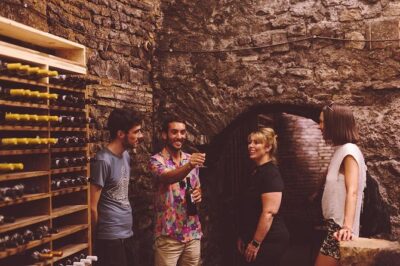
Winner 2025 Rome Twilight Trastevere Food Tour by Eating Europe
Read our review →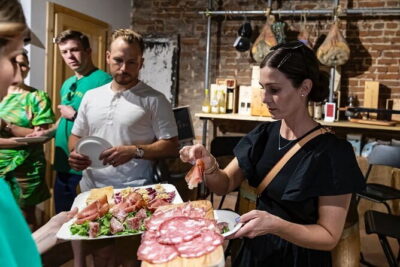
Winner 2025 Florence Sunset Food & Wine Tour by Eating Europe
Read our review →
Naples: Street Food Walking Tour with Local Guide
Read our review →

From Florence: Small Group Wine Tasting Tour to Tuscany
Read our review →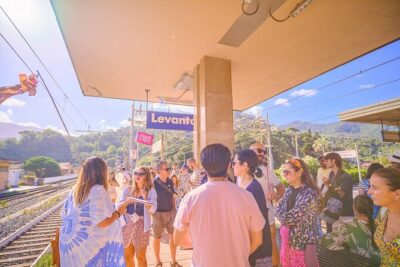
Florence: Cinque Terre Park Day Trip with Optional Street Food
Read our review →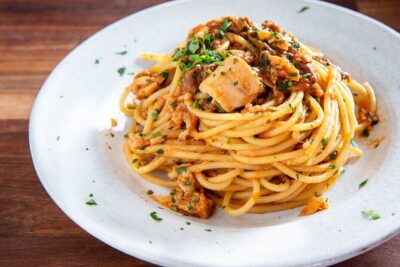
Rome Food Tour: Unlimited Tastings with Fine Wine & Barolo
Read our review →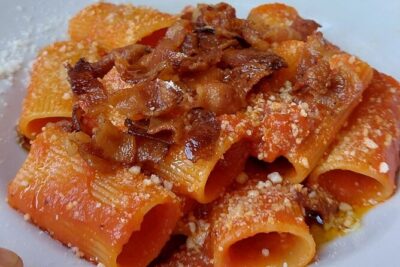
Rome Food Tour: Campo de’ Fiori, Ghetto, Trastevere Winner 2024
Read our review →Browse the lists this tour appears in