
Review · MONTREAL
The Only Locally Owned Non-Touristy Food Tour by Spade & Palacio
Montreal’s food culture makes the most sense when you leave Old Montreal behind. This three-hour walk starts at Jean-Talon Market, then moves through Little Italy and Rosemont-La Petite-Patrie, with stops for market samples, coffee, Salvadoran food, and bean-to-bar chocolate. The best part is the connection between each bite and the people who make it.
I like the small group limit of 10, which gives guides such as Chris, Marie, Jeff, and Rodrigo room to answer questions. I also like the mix of places: a major public market, quiet neighborhood streets, family-run eateries, and a women-owned chocolate shop. You get food and a useful introduction to several Montreal communities in one outing.
The main thing to consider is location. You do not meet near the Old Montreal hotels, and the tour involves steady walking between stops. The route is not difficult, but you should arrive ready to walk, eat, and spend time outdoors, especially in winter.
Key points to know before booking
- Jean-Talon Market comes first: Explore vendors and specialty shops, taste several samples, and get free time to browse.
- The route reaches beyond the usual tourist circuit: Little Italy and Rosemont-La Petite-Patrie provide a more local setting than Old Montreal.
- Food comes from several cultures: Expect a changing mix that may include Quebec products, Italian specialties, Salvadoran pupusas, coffee, and chocolate.
- Guides shape the experience: Chris, Marie, Jeff, Rodrigo, Danny, Pasqual, Pax, and Rufus have all led tours, with each bringing local stories and personal recommendations.
- The pace leaves room to breathe: The full experience lasts about three hours, with time for market exploration and pauses along the way.
- Come prepared for purchases: Bring a bag if you plan to shop at Jean-Talon Market after tasting the vendors’ food.
Why this Montreal food walk feels different
Many Montreal food outings focus on Old Montreal, poutine, and a short list of famous restaurants. This one takes a different route. You begin at Jean-Talon Market, but the market is only the opening chapter. From there, you walk through neighborhoods where immigrant communities, independent businesses, and small food producers shape daily life.
That matters because Montreal’s food identity is not one single cuisine. French and Quebec traditions are part of it, but so are Italian, Vietnamese, Latino, Salvadoran, and other influences. The tour uses food to explain those connections in a way that feels practical. You are not just hearing names of neighborhoods. You are stopping at places where people make and sell food.
The company also presents itself as locally owned and focused on independent vendors. That gives the tour a clear point of view. You are not being led only to the most famous or polished addresses. You are being introduced to smaller businesses, family-run spots, women-owned businesses, and places you might not find by walking around Old Montreal.
The group cap of 10 is a real advantage. A smaller party is easier to manage inside a market, and you can ask about ingredients, neighborhood changes, or where to eat later in your trip. Guides named in the tour’s recent schedule include Chris, Marie, Rod or Rodrigo, Jeff, Danny, Pasqual, Pax, and Rufus. The specific guide can vary, but the repeated praise centers on friendly presentation, local knowledge, and an ability to make different age groups feel included.
More food tours around Canada:
- Montreal Mile End Authentic Food Tour with 7 Delicacies Tastings
★ 5.0 · 2,598 reviews - Victoria Guided Food and History Tour
★ 5.0 · 2,015 reviews - Gastown Historic Walking Food Tour
★ 5.0 · 1,863 reviews
Jean-Talon Market: a strong first hour
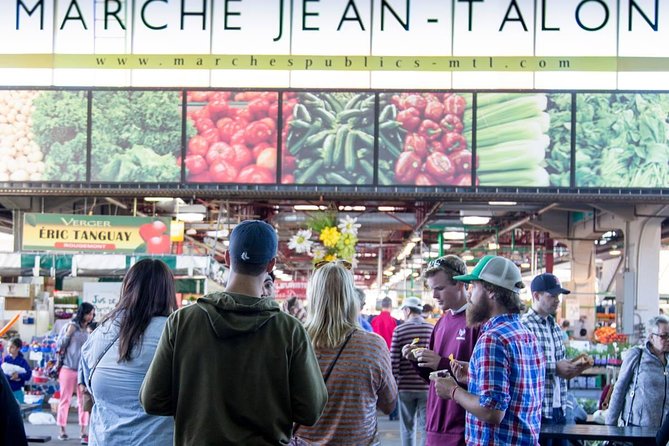
The first stop is Marché Jean-Talon, one of the most useful places in Montreal to understand the city’s relationship with food. You will visit vendors and specialty shops, hear about how their businesses work, and sample several items. The plan includes at least three tastes, while the exact number and type can change with the season and the businesses open that day.
The market section lasts about an hour and includes free time. That is important. A rushed market stop can feel like a parade from one counter to the next, but free time lets you look more closely at the displays or return to a vendor that catches your interest.
You might encounter Quebec cheeses, baked goods, maple products, charcuterie, or other seasonal items. A family account singled out charcuterie and pupusa as favorites, while another described Quebec cheeses, fresh-baked goods, maple products, and additional surprises. The tour does not promise one fixed menu, so you should treat the food list as a guide rather than a guarantee.
I especially like the focus on the businesses behind the samples. Your guide explains what vendors make, how the market works, and why fresh food matters to Montreal residents. That turns the market from a shopping hall into a place with a story.
The free time also gives you a chance to buy food for later. Bring a reusable bag if you want to take home market items or assemble a picnic. Some people received discounts at certain vendors after mentioning the tour, but this should not be treated as a guaranteed benefit at every stop.
Little Italy and a slower look at the neighborhood
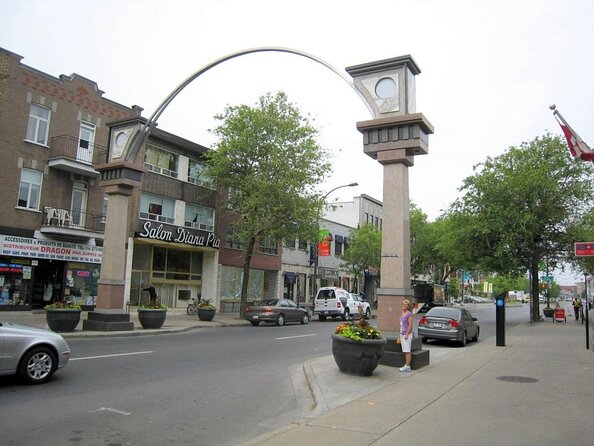
From the market, the route continues into Little Italy. This part lasts about 45 minutes and includes a coffee tasting. The description refers to progressive coffee, which means the experience builds your understanding of the drink and the people preparing it rather than treating coffee as a quick caffeine stop.
Little Italy is a useful bridge between the market and the later tastings. You will walk through neighborhood streets, hear about the area, and see how Montreal’s Italian influence fits into the larger food scene. The route is not limited to restaurant dining. It uses coffee, shops, public spaces, and street-level details to introduce the neighborhood.
The coffee stop may be especially welcome midway through the outing. The overall tour includes enough food that many people describe leaving full but not uncomfortably stuffed. A coffee pause helps break up the tasting rhythm and gives you a moment to reset before the next stop.
Do not expect an extended historical tour of every building in Little Italy. The emphasis is food, community, and the businesses along the route. If you want a long architectural tour, this is not the right experience. If you want a short, edible introduction to a neighborhood you might otherwise pass by, it fits well.
Rosemont-La Petite-Patrie: family food and small streets
The final section moves through Rosemont-La Petite-Patrie and lasts about an hour. Here, the experience becomes more intimate. You sit down at a small family-run business for a Salvadoran tasting, with pupusas appearing in several accounts as a memorable bite.
This stop shows how food can explain Montreal’s changing communities better than a general city talk. You are not simply told that the city has Latino influences. You taste one expression of that influence and hear about the people and neighborhoods connected to it.
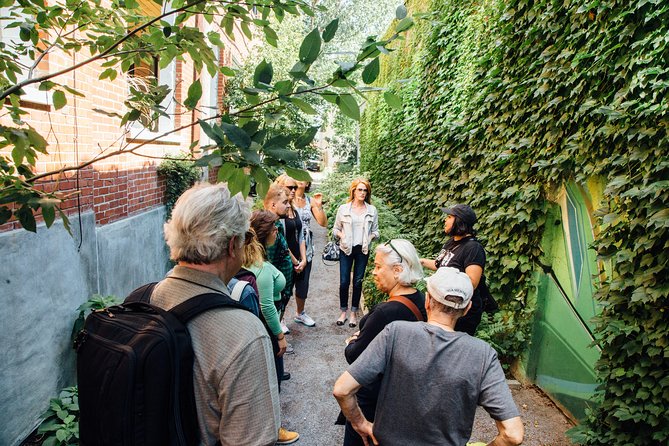
The group also wanders along smaller streets and visits a family-run third-wave coffee location. The route then includes a high-end tasting at a bean-to-bar chocolate factory, identified as État de choc at the ending address on Boulevard Saint-Laurent. A bean-to-bar producer controls more of the chocolate-making process than a shop selling finished bars, so this stop gives you a chance to think about chocolate as a crafted product rather than just a sweet ending.
The chocolate stop is also notable for its environmental and ownership details. One account highlighted an eco-friendly chocolate business run by women. Those details fit the broader purpose of the tour: spend money with smaller local operators and learn about the people behind the food.
Because the tour covers several businesses in one morning or afternoon, the exact tasting sequence may shift. Seasonal availability affects market products, and independent businesses can change what they serve. That variety is part of the appeal, but you should not book expecting a fixed restaurant menu.
Same city, a different plate:
- Old Quebec City Food Tour with 10+ Autentic Local Tastings
★ 5.0 · 1,288 reviews - Toronto’s International Food Tour – Kensington Market
★ 5.0 · 786 reviews - A Wok Around Chinatown: Culinary and Cultural Walking Tour Led by a Chef
★ 5.0 · 610 reviews - Granville Island Market Food Tour by Vancouver Foodie Tours
★ 5.0 · 552 reviews
How much food do you actually get?
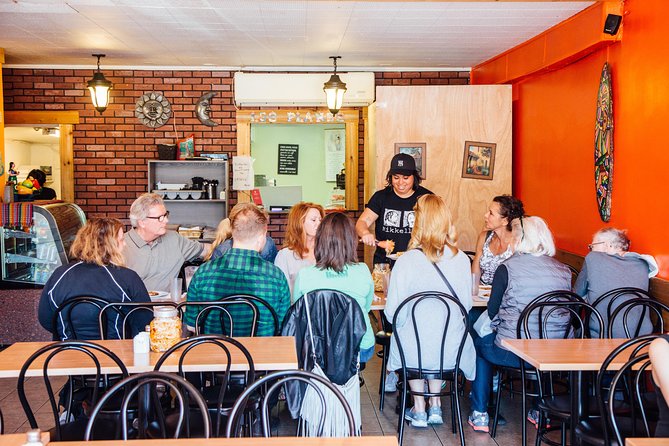
You should arrive hungry, but you do not need to plan for a full restaurant meal at every stop. The experience includes multiple small bites, tastings, and platters, with one description estimating as many as 10 samples. The amount is intended to build into a satisfying meal rather than overwhelm you at the first stop.
The food range is the strongest reason to choose this tour. Within three hours, you can move from market products to coffee, Italian-influenced treats, Salvadoran food, and chocolate. The variety makes the experience more useful than a tour devoted to one specialty.
The route also handles dietary needs when the company knows in advance. A vegetarian option is available, and you must provide food restrictions or allergies in the special requirements field when booking. Do not wait until the tour begins. The stops are selected ahead of time, so advance notice gives the company a fair chance to plan.
A child rate applies only when a child shares with two paying adults. The activity allows most people to participate, and children have joined the tour successfully, but the day still involves walking, standing, and eating unfamiliar foods. Families should judge based on the child’s patience and interest in food.
The guides make the stories work
The food is important, but the guide determines how much you take away. Chris has been praised for being personable and for connecting dishes with the neighborhoods around them. Marie has led families with young children and has offered recommendations based on personal interests. Jeff is known for introducing the area and explaining the vendors in a clear, welcoming way.
Rodrigo, also referred to as Rod in one account, has led groups through market stops and neighborhood food locations. Danny has connected food and buildings with personal stories. Pasqual, also called Pax in some accounts, has been singled out for enthusiasm and practical restaurant suggestions. Rufus has led a family group with teenagers and helped make the cultural background accessible to different ages.
You cannot choose your guide from the information provided, but the range of names gives you an idea of the company’s approach. Guides are described as licensed, local, and closely connected to the businesses on the route. That is useful in a food tour, since the best questions are often about who runs a place, how long it has been there, and what to order next time.
You also get a recommendation list at the end. This is more valuable than it may sound. After several tastings, you will have a better sense of which parts of Montreal’s food scene interest you, and the list can help you plan the rest of your stay.
Price, timing, and what the $73 covers
The price is $73 per person. That includes the local guide, food, and drinks, but not hotel pickup or drop-off. At roughly three hours, the cost is reasonable if you value several tastings, a small group, neighborhood interpretation, and recommendations for later meals.
The value depends on how you use it. If you only want a cheap snack crawl, the price may feel high. If you would otherwise pay for coffee, market samples, a Salvadoran meal, chocolate, and a guided neighborhood walk separately, the package makes more sense.
The tour is booked around 38 days ahead on average, so I would not leave it until the last day of a short Montreal visit. Booking early also gives you time to disclose allergies or vegetarian needs.
You must make your own way to 531 Rue Bélanger, Montreal, for the start. The tour ends at État de choc, 6466 Boulevard Saint-Laurent. Since the start and end are different, plan your next activity with the walking route in mind. The tour does not return you to your hotel.
The ticket is mobile and the tour is offered in English. The maximum group size is 10. Weather can affect the schedule, since the experience requires good conditions. If poor weather cancels the tour, you will be offered another date or a full refund.
Walking, weather, and practical comfort
The walking is described as manageable rather than strenuous, but you should wear comfortable shoes. The route includes the market, neighborhood streets, indoor businesses, and outdoor sections. Public bathroom quality can vary, so take advantage of facilities when they are available rather than waiting until the last minute.
Winter does not automatically make the tour a bad choice. It has been enjoyed in cold weather, but you will need proper layers and footwear. The market experience is especially different by season. Summer brings a fuller open-air market atmosphere, while winter may put more emphasis on indoor vendors and warm drinks.
Arrive on time, but contact with the guide is possible if you are running late. Still, this is a group outing with timed food stops, so being late can mean missing part of the experience. Give yourself extra time to reach the starting address, especially if you are coming from Old Montreal.
Who should book this food tour?
I would choose this tour if you want to understand Montreal through independent food businesses rather than famous sights alone. It is a good match for people who enjoy trying several small portions, asking questions, and walking through neighborhoods without needing a formal sightseeing checklist.
It also works well for families, solo visitors, and friends. The group size is small enough for conversation, while the food variety gives different ages and tastes something to anticipate. Adventurous eaters will get the most from it, but the vegetarian option makes it workable for people who plan ahead.
You may want a different experience if you dislike walking, need a fixed meal, or prefer to stay near Old Montreal. This is not a hotel pickup tour, and its appeal depends on reaching Jean-Talon Market and the surrounding neighborhoods.
The strongest aspect is the balance between food and context. You are not only eating samples. You are learning why the market matters, how Italian and Latino communities shape the area, and how small producers fit into Montreal’s food culture.
Should you book it?
Book it if you want a local food introduction with several cultures, independent businesses, and enough time to look around Jean-Talon Market. The combination of market browsing, Salvadoran food, coffee, and bean-to-bar chocolate gives you a useful first taste of neighborhoods that many Montreal itineraries skip.
I would especially recommend it early in your visit. The recommendation list, vendor knowledge, and neighborhood suggestions can guide your later meals. Just remember the practical limits: the meeting point is away from Old Montreal, the menu can change, food restrictions must be reported ahead of time, and the route requires comfortable walking.
At $73, it is a fair buy for a small group experience with food and drinks included. If you arrive hungry, bring a bag for market purchases, and keep an open mind about the tastings, this is a smart way to get beyond Montreal’s most familiar tourist stops.
FAQ
Where does the Montreal food tour begin?
The tour begins at 531 Rue Bélanger, Montreal, Quebec H2S 1G5, Canada.
Where does the tour end?
The tour ends at État de choc, 6466 Boulevard Saint-Laurent, Montreal, Quebec H2S 3C4, Canada.
How long does the experience last?
The tour lasts approximately three hours.
How much does the tour cost?
The listed price is $73 per person.
What does the price include?
The price includes a local guide, food, and drinks.
Is hotel pickup included?
No. Hotel pickup and drop-off are not included.
What language is the tour offered in?
The tour is offered in English, and the ticket is mobile.
How many people can join the tour?
The maximum group size is 10 people.
Can I request vegetarian food or report an allergy?
Yes. A vegetarian option is available. You must report food restrictions or allergies in the special requirements box when booking.
What happens if I need to cancel?
You can receive a full refund if you cancel at least 24 hours before the start time. Cancellations or changes made within 24 hours are not refunded or accepted. If poor weather or an insufficient number of bookings causes the company to cancel, you will be offered another date or experience, or a full refund.
Fresh off the menu around Canada
- Quebec City: Old Quebec 5-Course Gourmet Food Tour★ 5.0 · 107 reviews
- Montréal: Mile End Foodie Tour with Tasting★ 4.9 · 291 reviews
- Montreal Old Port: Craft Brewery and Beer Tasting Tour★ 4.8 · 87 reviews
- Montreal: Old Montreal Food and Drink Guided Walking Tour★ 4.8 · 92 reviews
- Montreal: Mile End District Food Tour with 8+ Tastings★ 4.8 · 150 reviews
- Montreal: Cooking Class & Lunch with Michelin-Trained Chef★ 4.4 · 32 reviews
- Montreal: Jean-Talon Market & Beyond Locally Owned Food Tour★ 5.0 · 50 reviews
- Kelowna: Walking Food Tour with 7 Tastings and 4 Drinks★ 5.0 · 100 reviews
Montreal Food Tours, compared.

Montreal Mile End Authentic Food Tour with 7 Delicacies Tastings
Read our review →
Old Montreal Guided Food Tour with 8+ Local Delicacies Tastings
Read our review →
Montreal Mile End Local Guided Food Tour by Local Montreal Tours
Read our review →
Montreal: Mile End District Food Tour with 8+ Tastings
Read our review →
Montreal: Old Montreal Food and Drink Guided Walking Tour
Read our review →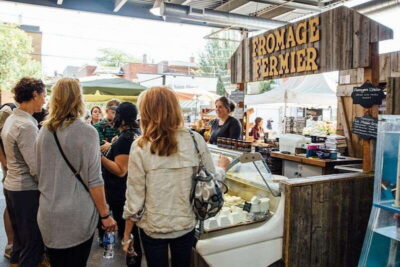
Montreal: Jean-Talon Market & Beyond Locally Owned Food Tour
Read our review →
Montreal: Cooking Class & Lunch with Michelin-Trained Chef
Read our review →Browse the lists this tour appears in