
Review · VANCOUVER
A Wok Around Chinatown: Culinary and Cultural Walking Tour Led by a Chef
Vancouver’s Chinatown is best understood through its food and Chinese Canadian story, and this tour puts both on the same route. Chef-guide Bob Sung leads you through the Dr. Sun Yat-Sen Classical Chinese Garden, food shops, cookware and herbal medicine stores, cultural sites, and a dim sum lunch. You may also be led by Thomas, a retired chef who has guided some departures.
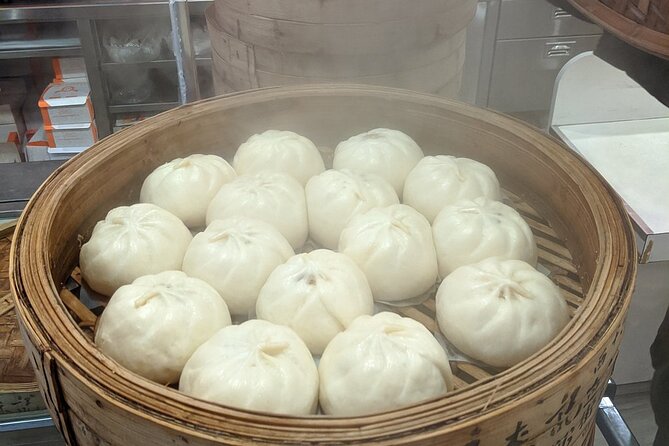
I like the personal scale, with no more than 14 people, and the way the tour connects a pork bun, tea service, or dumpling to Chinese customs and Canadian history. I also like that the food is not an afterthought: tastings and lunch are included, and several people found the portions generous enough to finish the morning very full.
The main consideration is pace. This is a four-hour walking and eating lesson, not a quick snack crawl. You may wait while food is arranged, and the guide’s stories and explanations can feel long if you prefer a brisk route with food ready at every stop.
Key points to know before booking
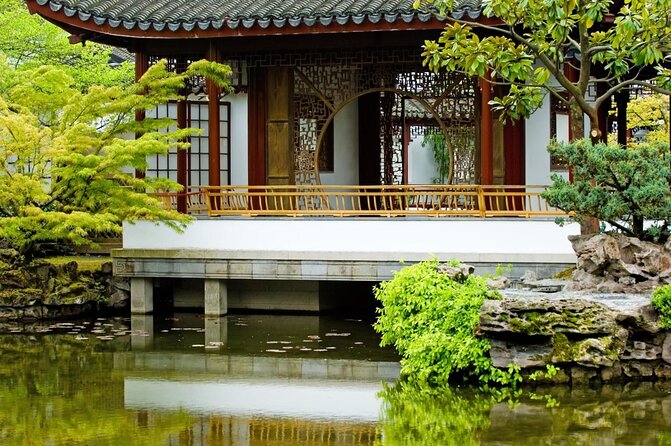
- The Dr. Sun Yat-Sen Garden begins the story: You start in a calm urban garden, where traditional Chinese ideas and design set the tone for the walk.
- Chef-led food tasting: Expect sweet and savory samples, Chinese BBQ, pork buns, tea, and a sit-down dim sum lunch.
- A strong Chinese Canadian focus: The tour explains immigration, railroad labor, racism, community life, food customs, and Vancouver Chinatown.
- Small groups matter: The maximum is 14 people, with many departures feeling more like a shared outing than a large formal tour.
- Allow four hours and bring an open appetite: The food is substantial, the walk includes stops and discussion, and the schedule can feel unhurried.
- Chinatown’s present-day condition is part of the picture: Empty storefronts and people living on the street may be visible along the route.
Starting at the Dr. Sun Yat-Sen Classical Chinese Garden
Meet at 11 a.m. outside the Dr. Sun Yat-Sen Classical Chinese Garden at 578 Carrall Street. The tour begins here for a good reason. The garden offers a quiet pause from the city and gives your guide a place to explain Chinese design, values, and symbolism before you begin walking through the neighborhood.
The garden is not just a pretty opening photograph. Its rocks, water, pavilions, and carefully arranged spaces give the guide useful objects to discuss. Bob often uses the setting to explain traditional Chinese values and the idea of finding a small version of nature within a city.
That makes this first stop more useful than a simple admission visit. You begin to notice that Chinese culture is expressed through design, food, ceremony, family ties, and community spaces. The garden also gives you a calm start before the noise, traffic, shops, and street activity of Chinatown.
Admission is included. If you visit in late autumn or winter, the garden will look different from its leafy summer version. The trees may be bare, but the garden’s stones, water, and spare shapes still provide plenty to discuss. If greenery and foliage are important to you, warmer months may offer the more attractive view.
More Chinatown food tours around Canada:
- NYC: Chinatown & Little Italy Food Tour with 7 Flavorful Tastings
★ 5.0 · 2,733 reviews - Original NYC Guided Food Tour of Chinatown and Little Italy
★ 5.0 · 2,194 reviews - Chinatown & North BeachLittle Italy: 7 Tastings & History
★ 5.0 · 1,070 reviews
Walking Chinatown through food and memory
From the garden, the experience becomes a walking tour through Vancouver’s Chinatown. The route combines food shops, cultural locations, and local businesses. You may visit cookware and herbal medicine stores, see Chinese BBQ, and stop at places that you might pass without understanding on your own.
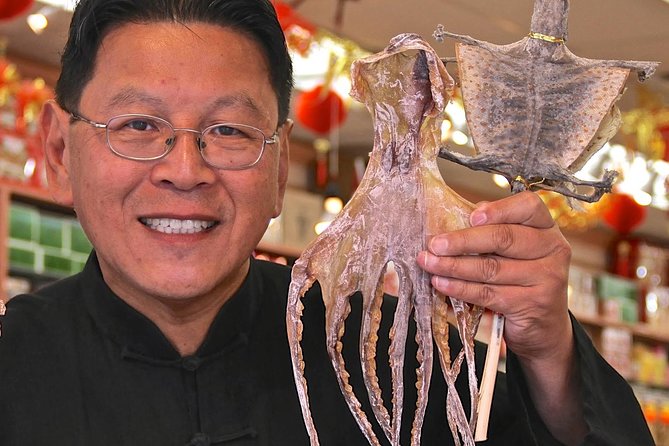
The guide’s role is central here. Bob Sung is closely connected to Vancouver Chinatown and brings personal knowledge of the neighborhood and Chinese Canadian life. His approach is conversational. You get history while walking, waiting for food, or looking at a shop rather than receiving a detached lecture at one fixed site.
The historical subject matter is serious. You learn about Chinese immigration to Canada, railroad construction, institutional racism, and the effort required to build and maintain a community. The tour also addresses how Chinese culture has developed in Canada, rather than treating Chinatown as a frozen piece of old-world tradition.
That context makes the food more meaningful. A bun or dumpling is not presented as a random bite. You learn how food connects to family gatherings, celebrations, hospitality, symbolism, and daily life. The tour works best if you enjoy asking questions and listening to the explanation behind what you are eating.
You should also understand what Chinatown looks like now. Parts of Vancouver’s Chinatown have empty buildings and visible street disorder. One person found this disappointing and felt it affected the mood of the walk. That is a fair concern, especially if you expect a polished shopping district.
The tour does not hide those realities. They are part of the neighborhood’s current setting. If you want only attractive streets and neatly packaged attractions, this may not be the right outing. If you want to see a historic community as it exists today, the less polished sections add useful context.
Tasting Chinese BBQ, buns, sweets, and unfamiliar bites
The food stops are spread through the walk. You may taste Chinese BBQ, pork buns, sweet items, savory foods, and other samples selected by the guide. Some food is passed around for the group to share, so you are sampling rather than ordering a full dish at every shop.
The portions appear to be generous. Several people finished the tour feeling very full, and one person specifically praised the large dumplings and the overall amount of food. The included tastings and lunch make this more than a series of token bites.
You may also be asked to try something unfamiliar. One group mentioned tasting jellyfish, which gives you an idea of the tour’s willingness to go beyond the safest choices. You are encouraged to share food with the group, but you should tell the operator about allergies or dietary needs when booking.
There is a practical drawback to the food format. Some samples may not be waiting when you arrive. The guide may need to place an order or arrange a platter, leaving the group outside for a few minutes. If you prefer a tightly timed food tour with every bite prepared in advance, this can feel inefficient.
The advantage is freshness and flexibility. The guide can choose foods that fit the day and explain them as they appear. The disadvantage is that a four-hour schedule can stretch around ordering and preparation. Go in expecting a food-and-culture walk, not a precisely choreographed restaurant circuit.
Cookware, herbal medicine, and the everyday Chinatown
The stops at cookware and herbal medicine shops help move the experience beyond restaurant food. These businesses show how Chinese food culture depends on tools, ingredients, preservation methods, and traditional ideas about health.
A cookware shop can make familiar kitchen objects look different. Woks, steamers, cleavers, and serving pieces are not simply souvenirs. They reflect cooking methods that shape the food you are tasting. The visit is most useful if you treat it as a look at daily life, not as a shopping requirement.
The herbal medicine stop adds another layer. You may hear about traditional practices and how they fit within Chinese community life. The tour is not presented as medical advice, so you should listen as cultural information rather than assume that any product is right for you.
Some people may feel that shop visits take time away from eating or sightseeing. Others will appreciate seeing places they would likely ignore alone. The difference comes down to your interests. If you like local businesses and material culture, these stops add substance. If you want only food, they may feel like pauses.
More food tours around Canada:
- Montreal Mile End Authentic Food Tour with 7 Delicacies Tastings
★ 5.0 · 2,598 reviews - Victoria Guided Food and History Tour
★ 5.0 · 2,015 reviews - Gastown Historic Walking Food Tour
★ 5.0 · 1,863 reviews - Old Quebec City Food Tour with 10+ Autentic Local Tastings
★ 5.0 · 1,288 reviews
Museums and the Chinese Canadian experience
The route can include museum or cultural displays documenting Chinese life in British Columbia. This is where the food stops gain their strongest context. You are not simply hearing that Chinatown is old. You are learning about the people who built community under difficult conditions and maintained traditions while adapting to Canada.
The tour links the neighborhood to the broader Chinese Canadian experience. Railroad work, exclusion, racism, family separation, community organization, and cultural survival are part of the discussion. Bob’s own connection to the area can make those subjects feel personal rather than abstract.
One particularly meaningful aspect is the attention to family history. A museum visit may connect local exhibits to the guide’s own family story. That personal link can give the stop more emotional weight, though the amount of time and detail may vary by departure and guide.
This is not a museum-heavy tour. You will not spend the whole morning reading exhibits. Instead, the museum or cultural stop is one part of a moving conversation that includes streets, stores, food, and the garden.
Dim sum lunch and the meaning behind the dishes
The included dim sum lunch is the main meal and one of the tour’s strongest features. You sit down together after the earlier tastings, which gives the group time to eat, talk, and compare reactions to the foods tried along the way.
The guide explains dim sum customs, food symbolism, and table etiquette. That helps you understand why certain dishes appear together and how the meal fits into Chinese social life. You are not left to guess what to pick from a long menu or how to handle unfamiliar dishes.
The lunch is substantial, but the experience may not be leisurely for everyone. One person felt the meal was rushed, while others described the food as excellent and plentiful. The schedule has several stops to cover, so you should not expect an open-ended restaurant afternoon.
Dietary needs need advance attention. The operator asks you to provide information about allergies and food considerations. Do that when booking, and repeat the information to the guide at the start. The supplied information shows that groups with several dietary restrictions have been accommodated, but the details of substitutions are not specified.
Alcohol is not included, though alcoholic drinks are available for purchase. The price covers the walking tour, food samples, tea, and dim sum lunch.
Tea, ceremony, and the slower ending
Tea is included and often provides the final food-related stop. The tea service is presented with attention to history, custom, and manners, making it more than a drink at the end of a long walk.
I like this ending because it slows the group down. After several tastes and a full meal, tea gives you a chance to think about what you have seen. It also reinforces a key idea of the tour: food is tied to social behavior and hospitality, not just flavor.
There may be a tea shop visit along the route. One person considered that stop overpriced and felt the time could have been used elsewhere. That is worth keeping in mind if you are careful with your budget or do not plan to buy anything.
You are not required to purchase products. The value is in the explanation and tasting, not in shopping. If you dislike sales-oriented stops, ask how much time will be spent there before making a decision about the tour.
What the $122.28 price includes
At $122.28 per person, this is not the cheapest way to eat in Chinatown. You could buy dim sum and several snacks on your own for less. The price needs to be judged against the four-hour route, garden admission, guide service, tea, multiple samples, and included lunch.
I see the value in the interpretation. You are paying for someone to connect the places and dishes, explain the Chinese Canadian story, manage the meal, and introduce businesses you might not find on your own. A small group also lets you ask questions and hear the guide without competing with dozens of people.
The value is weaker if you mainly want a quick meal or already know Chinatown well. The food is included, but the tour’s real product is the combination of food and explanation. You should book it for the full experience, not simply for the amount of food.
The group maximum is 14, though some departures have been much smaller. A group of five or six should feel quite personal. Even with a full group, the size is manageable for walking and shared tastings.
Who will enjoy this Chinatown tour most
This outing suits you if you like food with context. It is a strong choice for first-time Vancouver visitors, families with older children, couples, and people who want to understand Chinese Canadian culture rather than simply photograph Chinatown’s gates.
It also works well for repeat visitors. Even if you have walked Chinatown before, you may not have entered the garden, heard the guide’s family connections, or learned why certain foods and customs matter.
You should be comfortable walking for several hours, standing outside shops briefly, and trying shared foods. Most people can participate, and the tour is near public transportation. The supplied information does not give a detailed accessibility assessment, so contact the operator if you have mobility needs.
This is less suitable if you dislike group eating, need a fast schedule, want a luxury food experience, or prefer to choose every dish yourself. It is also not ideal if you expect Chinatown to look uniformly restored and polished.
Booking details that affect your day
The tour starts at 11 a.m. and ends back at the Dr. Sun Yat-Sen Classical Chinese Garden meeting point. It lasts about four hours, though the amount of walking, ordering time, and discussion can affect the exact finish.
A minimum of two people is required for a booking. The activity may be canceled if that minimum is not met. Confirmation is sent within 48 hours, subject to availability, so do not build an inflexible same-day plan around it until your booking is confirmed.
The tour is offered in English and uses a mobile ticket. Free cancellation is available until 24 hours before the start time. Changes or cancellations inside that window are not accepted for a refund.
Should you book A Wok Around Chinatown?
Book it if you want a guided cultural lesson with a full meal, not just a list of restaurant stops. Bob Sung brings a personal connection to Vancouver Chinatown, and Thomas offers a chef’s perspective on food, etiquette, and cooking. The garden, museum material, shops, tastings, tea, and dim sum create a rounded half-day.
Think twice if you need a fast, tightly timed route. You may wait for food, hear extended explanations, or spend time at shops that do not interest you. The neighborhood’s empty storefronts and street disorder may also surprise you.
For most visitors who want to understand the food and the people behind it, the price is reasonable because the meal, samples, admission, and guide are bundled together. Bring an appetite, mention every dietary concern in advance, and reserve enough time afterward that you are not watching the clock.
FAQ
Where does the tour start?
It starts at the Dr. Sun Yat-Sen Classical Chinese Garden, located at 578 Carrall Street in Vancouver, British Columbia.
What time does the tour begin?
The start time is 11 a.m.
How long does the tour last?
The tour lasts approximately four hours.
Where does the tour end?
It ends back at the Dr. Sun Yat-Sen Classical Chinese Garden meeting point.
What food and drinks are included?
The price includes food samples, tea, and a dim sum lunch. Alcoholic drinks are not included but can be purchased.
Is admission to the garden included?
Yes. Admission to the Dr. Sun Yat-Sen Classical Chinese Garden is included.
How many people can join the tour?
The maximum group size is 14 people.
Is the tour offered in English?
Yes. The tour is offered in English.
What should I do if I have food allergies or dietary restrictions?
Provide your food allergies or dietary considerations when booking. The operator specifically asks for this information so arrangements can be considered.
Fresh off the menu around Canada
- Quebec City: Old Quebec 5-Course Gourmet Food Tour★ 5.0 · 107 reviews
- Montréal: Mile End Foodie Tour with Tasting★ 4.9 · 291 reviews
- Montreal Old Port: Craft Brewery and Beer Tasting Tour★ 4.8 · 87 reviews
- Montreal: Old Montreal Food and Drink Guided Walking Tour★ 4.8 · 92 reviews
- Montreal: Mile End District Food Tour with 8+ Tastings★ 4.8 · 150 reviews
- Montreal: Cooking Class & Lunch with Michelin-Trained Chef★ 4.4 · 32 reviews
- Montreal: Jean-Talon Market & Beyond Locally Owned Food Tour★ 5.0 · 50 reviews
- Kelowna: Walking Food Tour with 7 Tastings and 4 Drinks★ 5.0 · 100 reviews
Vancouver Food Tours, compared.
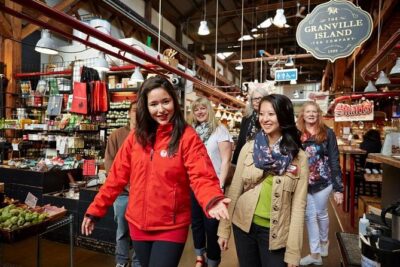
Granville Island Market Food Tour by Vancouver Foodie Tours
Read our review →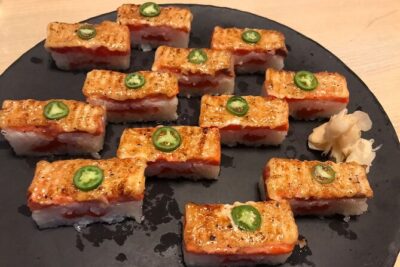
Vancouver Food Tour with 6 Tastings of Sushi, Chocolate, and more
Read our review →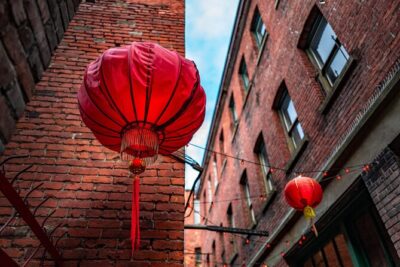
Experience Gastown Vancouver’s Elite Walking Food Tour
Read our review →Browse the lists this tour appears in