
Review · MONTREAL
Montreal: Cooking Class & Lunch with Michelin-Trained Chef
Montreal’s food cultures come together in this private cooking class with Chef Rob, a Michelin-trained chef and food writer who teaches you how to build a dish instead of simply handing you a recipe. You may work with salmon, duck, pork belly, unusual spices, or seasonal produce, then sit down to eat the three-course meal you helped create.
I like the focus on sauces and flavor balance, two skills that can change the way you cook at home. I also like the small, relaxed setting, where Chef Rob can explain why an ingredient works rather than rushing you through a long menu. The main catch is timing: the afternoon start can shift between 12:30 and 1:30, depending on farm and fish deliveries, and drinks cost extra.
Key points to know before booking
- Chef Rob teaches principles, not just recipes: You learn sauce ratios, seasoning, cutting, cooking methods, and plating.
- The menu changes with local supply: Courses draw from Caribbean, Asian, Persian, French, and Quebecois cooking.
- You cook and eat: Each person helps with one course before sitting down to a three-course tasting.
- The class takes place in a private home near Montreal’s Old Port: Text when you arrive downstairs and buzz number 5.
- The afternoon start is confirmed late: Plan for a start between 12:30 and 1:30, with final confirmation 24 to 48 hours ahead.
- The $128 price covers a full 2.5-hour food experience: Drinks are not included, though past pairings have included wine and unusual nonalcoholic teas.
A cooking class built around Montreal’s food cultures
This is not a standard class where you copy three recipes from a printed sheet. Chef Rob uses a three-course menu to show how Montreal’s food cultures can share the same table.
One course may lean Caribbean, another may draw on Asian or Persian flavors, and another may reflect French bistro or Quebecois cooking. The exact menu depends on what is available from the farmers and fishermen working with the chef. That gives the meal a local connection, but it also means you should not book expecting a fixed list of dishes.
I like this format because it gives the food a reason to exist. You are not simply making a generic starter, main course, and dessert. You are learning how different traditions use spice, acidity, texture, fat, and heat to create balance.
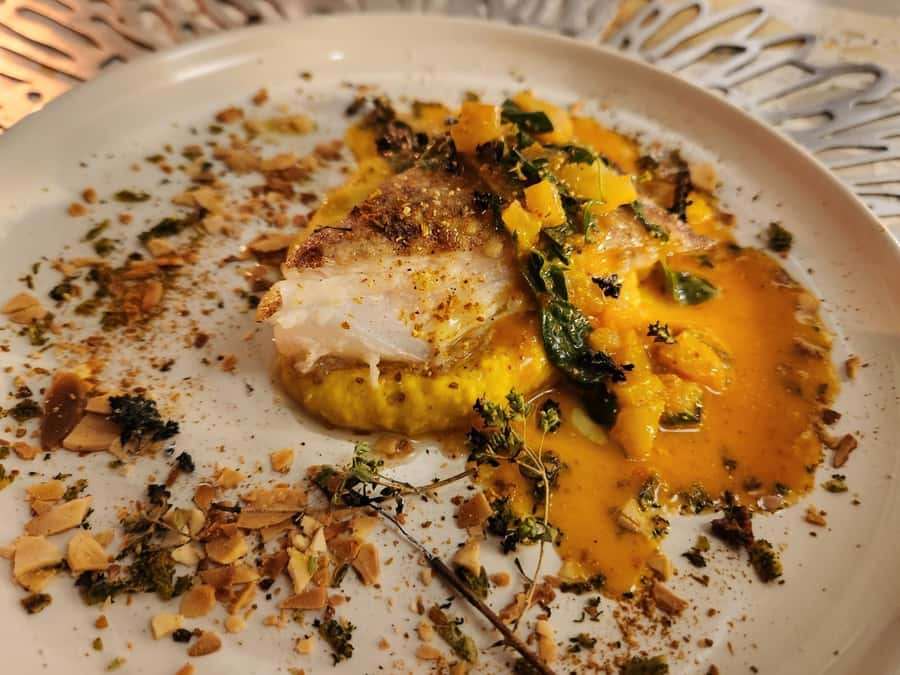
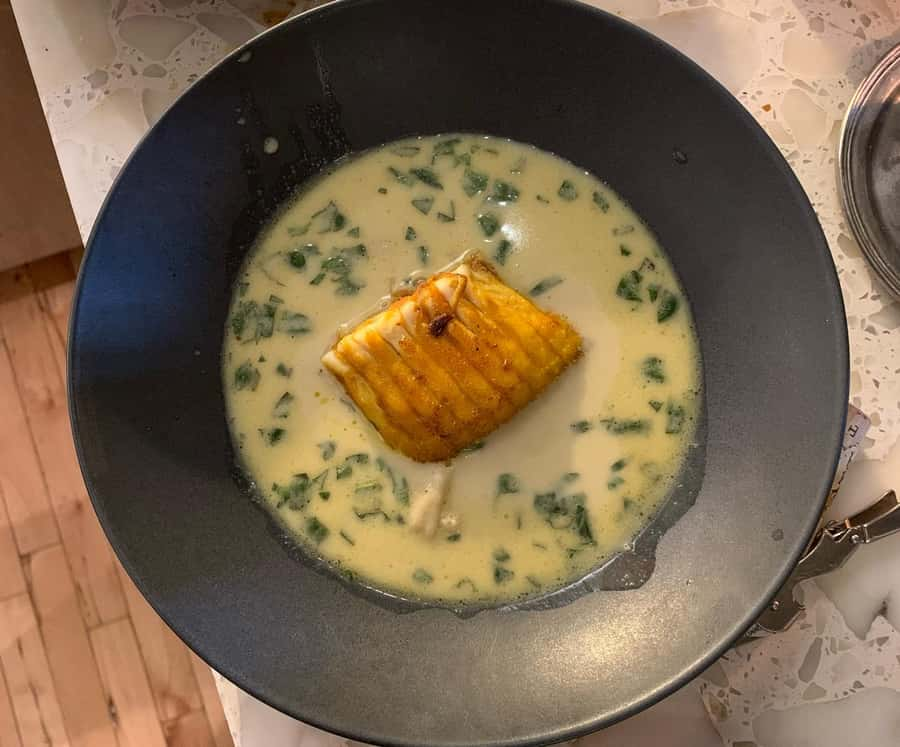
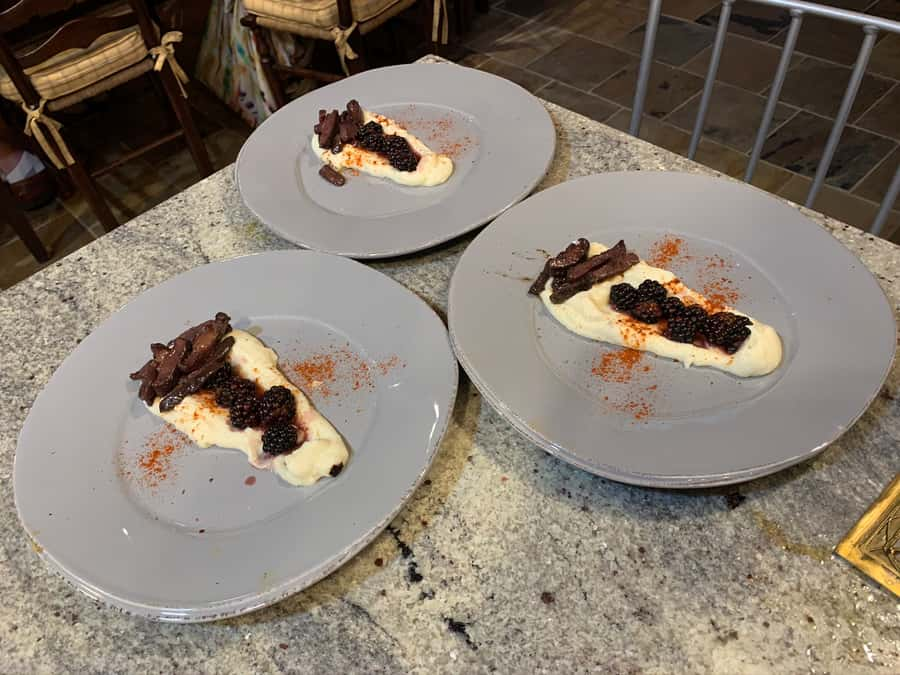
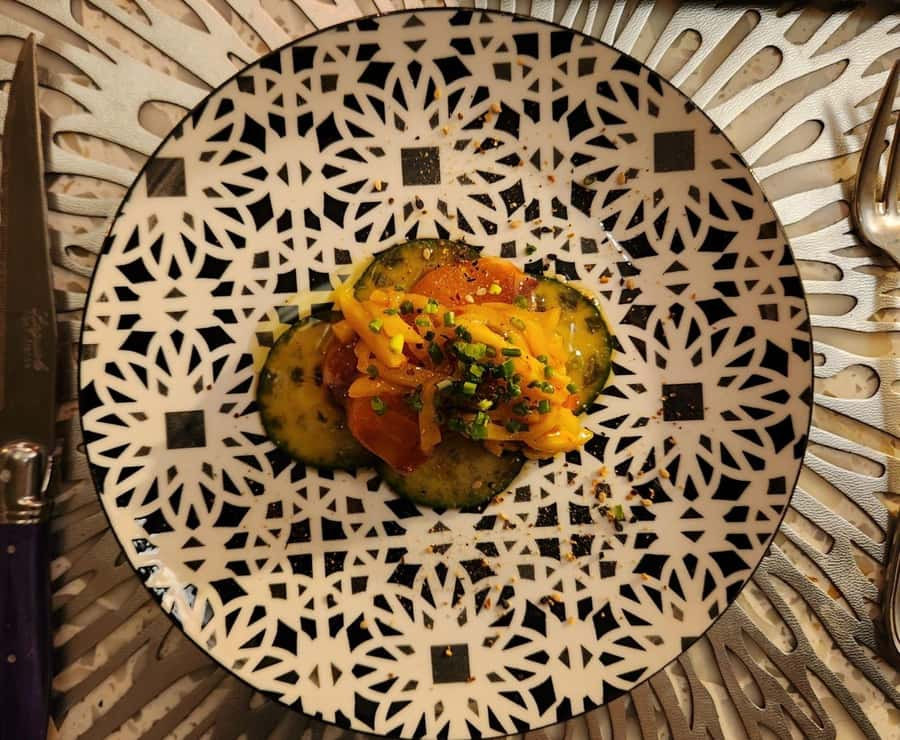
The class has also included dishes such as salmon with an unusual sauce, smoked pork belly with cucumber, mango, and Caribbean spices, and duck prepared with less familiar methods. Those examples show the range of the cooking. The food can move from French technique to Caribbean seasoning without losing the central lesson: how to make a dish taste complete.
More cooking classes around Canada:
- Ramen Cooking Class at Ramen Factory in Kyoto
★ 5.0 · 1,937 reviews - Small Group Cooking Class & Market Food Tour in Florence
★ 5.0 · 1,574 reviews - Athens: Food Market Visit and Cooking Class with Wine
★ 4.9 · 1,087 reviews
Meeting Chef Rob in the Old Port
The meeting point is 375 Rue Saint-Paul East, in the Old Port area of Montreal. When you arrive downstairs, text the chef and buzz number 5. You are asked to keep quiet in the hallways while walking upstairs, so this is a private home setting rather than a public cooking school with a large sign out front.
That detail matters. A home kitchen can feel more personal and relaxed, but you should arrive ready for a more intimate setup. The group is private, and the experience is conducted in English.
Chef Rob’s teaching style is practical. He explains what he is doing, then lets you take part in the work. Past classes have covered knife and cutting skills, sauce preparation, seasoning, and plating. One especially useful lesson involved cutting cherry tomatoes without losing their juices. It is a small technique, but it shows the class’s general approach: simple moves that make home cooking cleaner and more precise.
The class is wheelchair accessible, which is useful to know when comparing it with other cooking experiences in older Montreal buildings. Still, the meeting instructions are specific, so contact the provider if you need additional access details before booking.
The first course: building flavor from the start
The class begins with an introduction to the food cultures behind the menu. This is more than a quick explanation of where an ingredient comes from. Chef Rob connects the dish to broader cooking traditions, then shows you how those ideas appear in the food on your plate.
The key lesson is flavor building. You may learn how to use seasoning in stages, how to add acidity, or how to combine ingredients that you would not normally place together. The goal is not to make you memorize a chef’s formula. It is to help you understand why a dish tastes flat, sharp, heavy, or balanced.
For home cooks, this may be the most useful part of the afternoon. A recipe tells you what to add. A technique lesson helps you adjust when your vegetables are sweeter than expected, your sauce is too thick, or a piece of fish needs more contrast.
The first course may also introduce the cultural theme for the meal. Caribbean spices could meet fruit and cool vegetables. Persian flavors might bring fragrant herbs or a different approach to seasoning. French bistro ideas may appear in the sauce or cooking method. The details change, but each course is designed to show how a cuisine creates character.
Sauces are the main lesson
Chef Rob puts unusual weight on sauces, and that is a good choice. Sauce work separates a merely edible meal from one that feels finished. It also gives you a skill you can use with many different proteins, vegetables, and grains.
You learn professional ratios for making sauces, rather than treating sauce preparation as a vague matter of taste. That does not mean the class becomes a chemistry lecture. The practical point is that you can understand the relationship between fat, liquid, seasoning, and acidity, then adjust the result.
Past instruction has included several different sauces in one class. You might learn to make a sauce for salmon, build a spicy dressing for pork belly, or create a finishing element that pulls a plate together. The exact examples depend on the menu and available ingredients.
I would pay close attention here and take notes afterward. Sauce ratios are the kind of information that can be forgotten once the meal is over. The chef’s approach gives you a framework you can repeat at home, even when you replace salmon with chicken or change the vegetables.
More food tours over lunch around Canada:
- Montserrat & Cogwheel Train, Gourmet Wine Tasting & Tapas/Lunch
★ 5.0 · 6,290 reviews - From Porto: 2 Wine Regions, Farm-to-Table Lunch & Boat
★ 4.9 · 5,724 reviews - San Francisco Super Saver: Muir Woods & Wine Country w/ optional Gourmet Lunch
★ 4.5 · 3,352 reviews - Bateaux Parisiens Seine River Gourmet Lunch & Sightseeing Cruise
★ 4.5 · 2,680 reviews
Cooking techniques: searing, pan roasting, and oven poaching
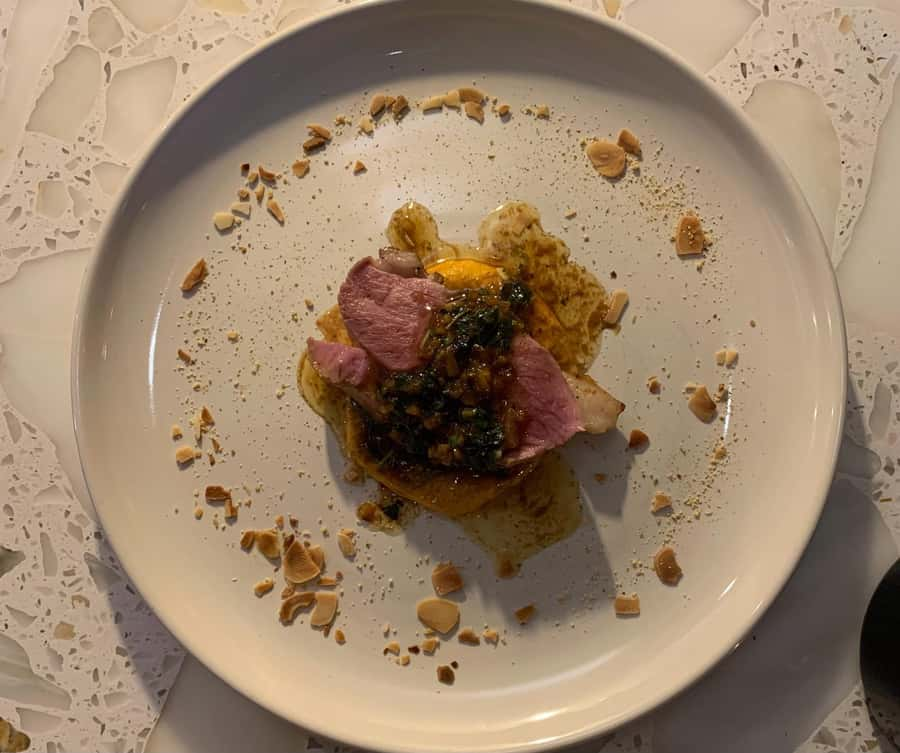
Each person collaborates on a course, learning one or more professional cooking methods along the way. The class may include searing, pan roasting, oven poaching, or careful slicing. You are not expected to work alone without guidance, and Chef Rob explains the reason behind each step.
Searing is not simply about making a brown crust. You learn how heat affects the food, when to leave an ingredient alone, and how the cooking surface contributes flavor. Pan roasting adds another layer, moving an ingredient from the stovetop into the oven. Oven poaching offers a gentler method for delicate foods.
These techniques are useful because they are flexible. You can apply them to different menus later, rather than repeating one fixed dish. A visitor who already cooks regularly may find the class more useful than a beginner who only wants a simple demonstration, but the instruction is designed to remain practical and clear.
The class also allows for some pleasant surprises. One participant who avoided onions and scallions found that the chef’s preparation changed the way those ingredients tasted. That is a good reminder that technique can matter as much as the ingredient itself. A food you usually avoid may work when sliced differently, balanced with acidity, or paired with the right main ingredient.
The three-course tasting at the table
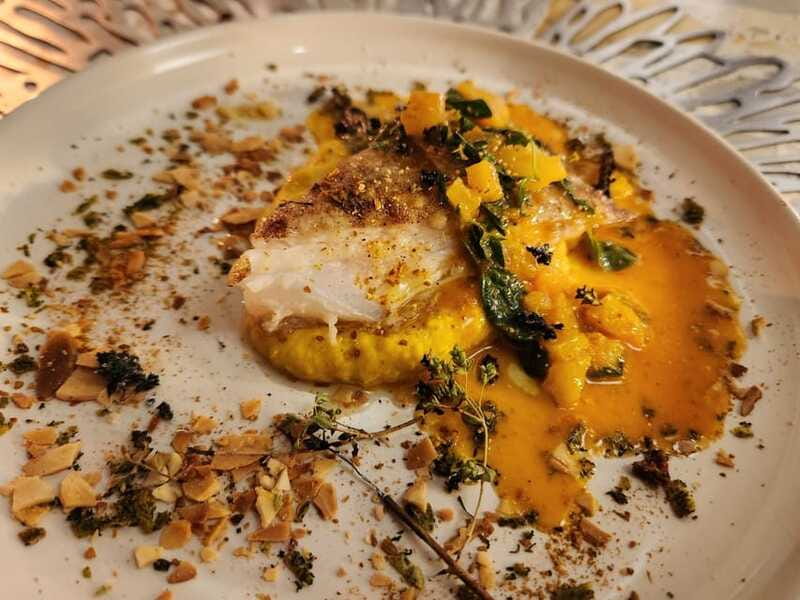
After the preparation, Chef Rob serves the three-course tasting menu. This is when the afternoon shifts from lesson to meal. You can see how the individual tasks fit together and taste the results without having to rush back into the kitchen.
The menu is described as French bistro cooking shaped by Montreal’s many food cultures. That means you may find classic cooking methods alongside Caribbean spices, Asian flavor combinations, Persian touches, or Quebecois ingredients. It is a broad brief, but the class is designed around the chef’s choices and the day’s supplies.
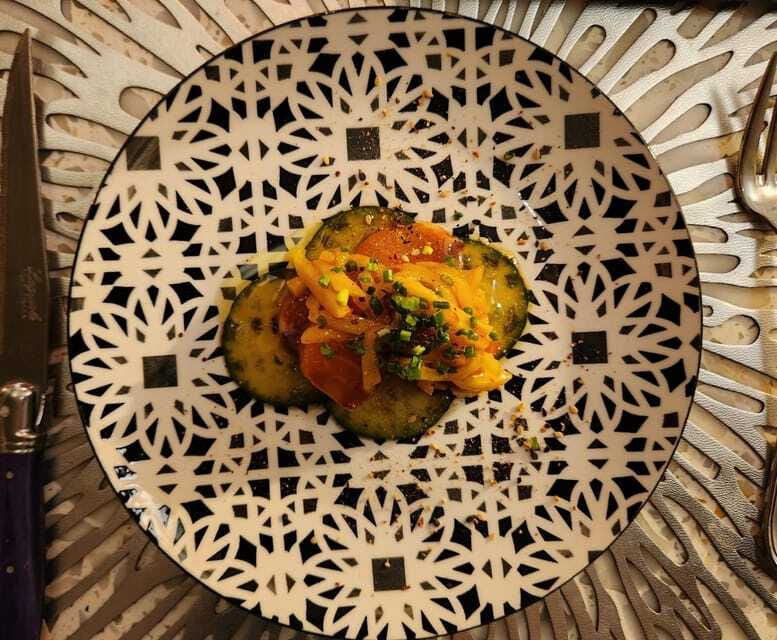
Past dishes have included salmon, duck, and smoked pork belly. One pork belly plate paired the meat with cucumber, mango, and Caribbean spices, creating a useful contrast between richness, coolness, sweetness, and heat. The salmon class included careful slicing and an unexpected pairing with scallions.
Because the menu changes, I would treat the meal as a tasting experience rather than a guaranteed way to learn a particular dish. If you have allergies, strong dislikes, or dietary limits, contact the provider before booking. The supplied details do not promise a specific accommodation or menu substitution.
Drinks and pairings are separate
Drinks are not included in the $128 price. That is worth noting because pairing has been part of some past classes, including wine and nonalcoholic tea.
The nonalcoholic option sounds particularly interesting for anyone who does not drink or simply wants something beyond water or soft drinks. Past pairings have included rare tea flavors selected to work with the food. Adult beverage pairings have also been praised as a highlight, but you should confirm availability and cost before assuming they are part of your booking.
The price makes more sense if you count the class and meal together. You are paying for 2.5 hours of instruction, a private group format, a three-course tasting, and a chef who teaches techniques rather than merely demonstrating them. If you only want lunch, the cost is high. If you want practical cooking lessons during your Montreal visit, the value is stronger.
Timing requires a little flexibility
The experience usually takes place in the afternoon, but the start time is not fixed far in advance. It can fall between 12:30 and 1:30, and the final time is confirmed 24 to 48 hours before the class.
The reason is practical: the chef works around farm and fish deliveries. That can be inconvenient if you have a museum ticket, train, or tightly planned walking route afterward. I would leave the rest of your afternoon open and avoid scheduling a hard-to-move activity immediately after the class.
This flexible timing also helps explain why the menu can change. The chef is working with what arrives, not simply opening a box of ingredients chosen weeks earlier. If you care most about local supply and a menu that responds to the day, the shifting schedule is a fair trade.
The stated duration is 2.5 hours. Add a little extra time for arrival, texting downstairs, and getting settled. The meeting instructions ask you to keep quiet in the hallway, so do not treat this like a large venue where you can wander around looking for a front desk.
Who will enjoy this most
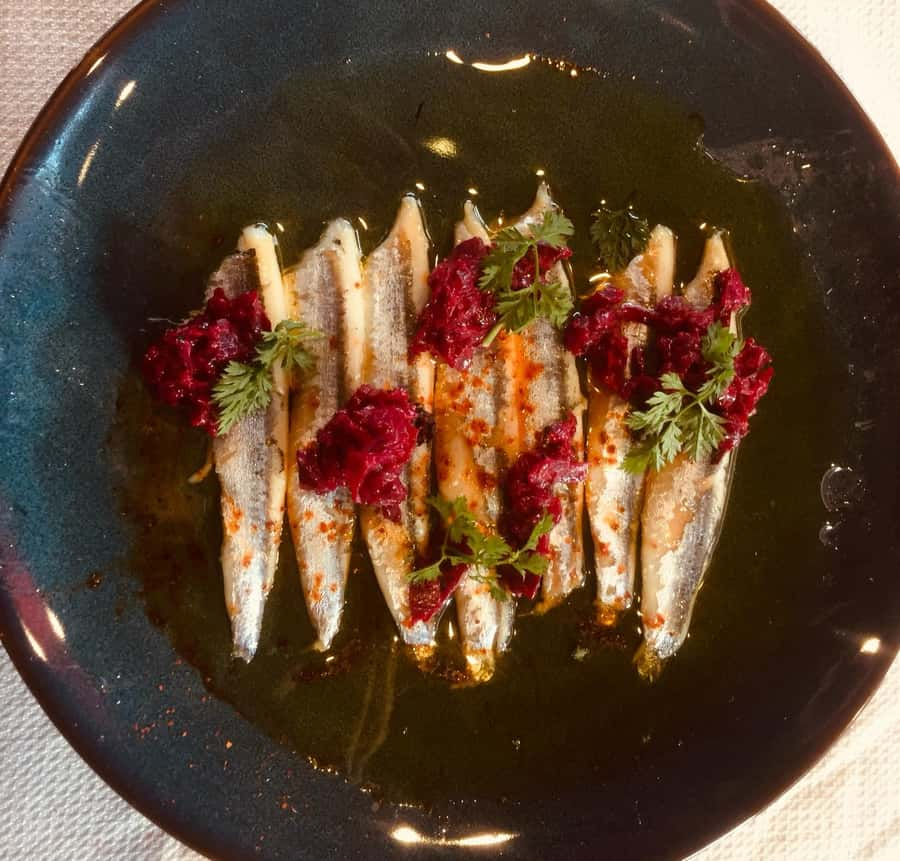
I would choose this class if you enjoy eating as much as you enjoy understanding what is on the plate. It suits home cooks who want better control of sauces, seasoning, knife work, and presentation.
It also works well for couples, families, or a small private group looking for a shared activity in Montreal. The private format gives you more room to ask questions than a crowded public demonstration. Past classes have included three couples and have sometimes led to new friendships among people from Montreal and elsewhere.
You do not need to be an expert cook, but you should be willing to participate. This is not a passive lunch with a chef in the background. You will collaborate on a course and learn by doing.
I would be more cautious if you need a fixed start time, want a guaranteed dish, or prefer a large professional school with a dedicated teaching kitchen. I would also ask about drinks and dietary needs before paying, since neither is fully covered in the base details.
Booking details and cancellation
The activity costs $128 per person and lasts 2.5 hours. It is offered in English and is wheelchair accessible.
You can reserve now and pay later, which helps if your Montreal plans are still changing. Cancellation is free up to 24 hours before the experience for a full refund.
The class has a rating of 4.4 from 32 ratings, with the strongest praise focused on Chef Rob’s teaching, sauce instruction, creative flavor combinations, and relaxed private setting. The most useful expectation to carry into the class is that you will leave with cooking ideas you can adapt, not just a recipe card to follow.
Should you book Chef Rob’s Montreal cooking class?
Book it if you want a personal food experience that combines lunch with real instruction. The strongest reason to choose it is Chef Rob’s focus on sauces, flavor balance, and plating. Those lessons can change how you cook long after your Montreal visit.
The $128 price is reasonable for a private 2.5-hour class and three-course meal, but it is not a bargain lunch. Keep your afternoon flexible, confirm the start time when contacted, and ask about drink pairings if that matters to you.
If you enjoy learning why food works, this is a good choice. If you only want to eat or need a precise itinerary, pick a more predictable meal instead.
FAQ
Where does the cooking class meet?
The class meets at 375 Rue Saint-Paul East in Montreal’s Old Port area. Text when you are downstairs and buzz number 5. You are asked to keep quiet in the hallways while walking upstairs.
How long does the experience last?
The cooking class and meal last 2.5 hours.
What time does the class begin?
The start time varies between 12:30 and 1:30 in the afternoon. The exact time is confirmed 24 to 48 hours ahead because of farm deliveries.
What food will I prepare?
The three-course menu is inspired by Caribbean, Asian, Persian, French, and Quebecois food cultures. Specific dishes can change based on the available farm and fish deliveries. Past classes have included salmon, duck, and smoked pork belly.
Are drinks included?
No. Drinks are not included in the price. Past experiences have included wine pairings and nonalcoholic tea pairings, but you should confirm availability and cost.
Is the class private and accessible?
Yes. The experience is offered as a private group and is wheelchair accessible.
Can I cancel for a refund?
Yes. You can cancel up to 24 hours in advance for a full refund. You can also reserve now and pay later.
More food workshops around Canada
- Sushi Making Tokyo Roll and Authentic Japanese Sushi Class
★ 5.0 · 3,971 reviews - Authentic Pizza Making Class in Naples with Appetizers and Drink
★ 5.0 · 3,178 reviews - Tokyo: Roll and Authentic Sushi Making Class in Asakusa
★ 4.9 · 1,957 reviews - Tokyo: Sushi Making Class in a Happi Coat near a Famous Spot
★ 4.9 · 1,377 reviews
Fresh off the menu around Canada
- Quebec City: Old Quebec 5-Course Gourmet Food Tour★ 5.0 · 107 reviews
- Montréal: Mile End Foodie Tour with Tasting★ 4.9 · 291 reviews
- Montreal Old Port: Craft Brewery and Beer Tasting Tour★ 4.8 · 87 reviews
- Montreal: Old Montreal Food and Drink Guided Walking Tour★ 4.8 · 92 reviews
- Montreal: Mile End District Food Tour with 8+ Tastings★ 4.8 · 150 reviews
- Montreal: Jean-Talon Market & Beyond Locally Owned Food Tour★ 5.0 · 50 reviews
- Kelowna: Walking Food Tour with 7 Tastings and 4 Drinks★ 5.0 · 100 reviews
- Jasper: Downtown Foodie Tour★ 4.9 · 79 reviews
Montreal Food Tours, compared.

Montreal Mile End Authentic Food Tour with 7 Delicacies Tastings
Read our review →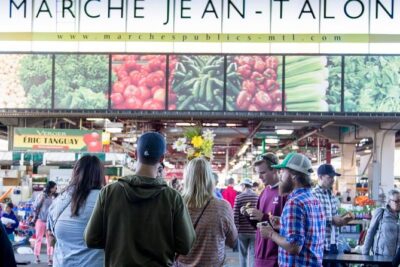
The Only Locally Owned Non-Touristy Food Tour by Spade & Palacio
Read our review →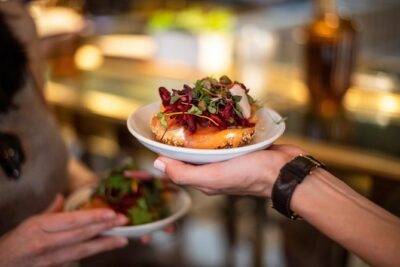
Old Montreal Guided Food Tour with 8+ Local Delicacies Tastings
Read our review →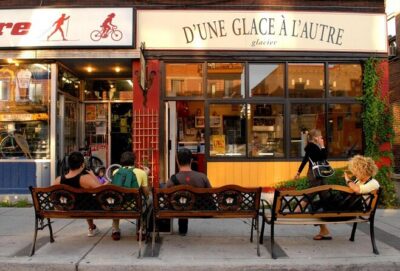
Montreal Mile End Local Guided Food Tour by Local Montreal Tours
Read our review →

Montreal: Mile End District Food Tour with 8+ Tastings
Read our review →
Montreal: Old Montreal Food and Drink Guided Walking Tour
Read our review →
Montreal: Jean-Talon Market & Beyond Locally Owned Food Tour
Read our review →Browse the lists this tour appears in