
Review · ITALY
Siena: Food and Wine Walking Tour
Siena’s food culture makes the most sense when you taste it in the places where locals buy and serve it. This two-hour walk pairs wine tasting at the Tuscan Wine School with stops for cheese, cured meats, olive oil, bread, sweets, and gelato-style treats.
I like the mix of food and local history, especially the explanation of why Tuscan bread is traditionally plain and saltless. I also like that you taste both white and red wines while learning about Cinta Senese pork, truffles, cheeses, and olive oil from people who work with these products.
The main drawback is the pace. Two hours goes quickly, and this is not a full meal or a long sightseeing tour. You will walk Siena’s hilly streets, so comfortable shoes matter, and the experience is not suited to people with limited mobility.
Key points to know before booking
- Taste Siena’s core products: Expect local cheeses, cured meats, extra virgin olive oil, bread, sweets, and two or three glasses of wine.
- Begin at the Tuscan Wine School: The opening tasting gives you a useful introduction to regional white and red wines.
- Meet local food vendors: The walking route connects food with Siena’s daily life and traditions.
- Learn the story behind plain Tuscan bread: Your guide explains its historic lack of salt and its place in modern recipes.
- Guides add personality: Paulo, Elio Martino, and Georgia have each led highly praised tours, with humor and clear explanations.
- Plan for hills and uneven streets: The tour requires walking and is not recommended for people with mobility impairments.
Starting with wine at the Tuscan Wine School
The tour begins with wine at the Tuscan Wine School, a sensible first stop because it gives you a frame for everything that follows. You taste a typical Tuscan white and red wine, with two or three glasses included in total.
This is not just a quick pour and move on. Your guide explains local wine production and how Italian wines connect to their regions. That background helps you understand why a wine from Tuscany is more than a drink on a tasting board. It reflects local grapes, farming, food customs, and long-standing production methods.
Elio Martino has led this experience as a sommelier, and Paulo has also received special praise for his good humor and clear explanations. Georgia has guided the opening wine discussion as well. The exact guide may vary, but the format is built around an English-speaking guide who can explain both Italian wine in general and the products of Tuscany.
You do not need to be a wine expert. In fact, this tour may be most useful if you are new to wine and want the basics without a formal classroom setting. You can ask questions, compare the white and red, and learn what makes regional wine different from a generic bottle ordered at a restaurant.
The tasting is also a practical way to decide what to drink later in your trip. Siena’s restaurants offer many Tuscan wines, and a little context can make a menu feel less puzzling.
More Food and Wine Tours around Italy:
- Winner 2025 Florence Sunset Food & Wine Tour by Eating Europe
★ 5.0 · 5,015 reviews - From Florence: Tuscany Wine & Food Tour with Guide
★ 4.9 · 1,746 reviews - Rome by Night – Ebike Small Group Tour – Food and Wine (Option)
★ 5.0 · 1,275 reviews
Cheese, cured meats, and olive oil
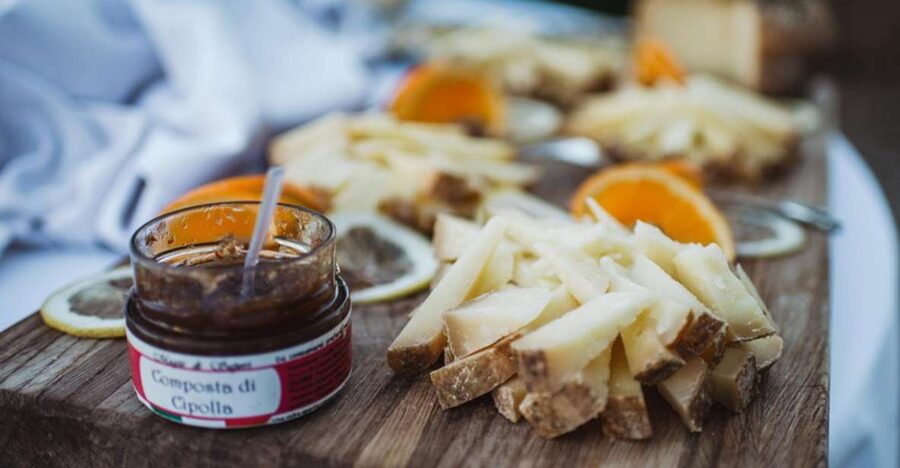
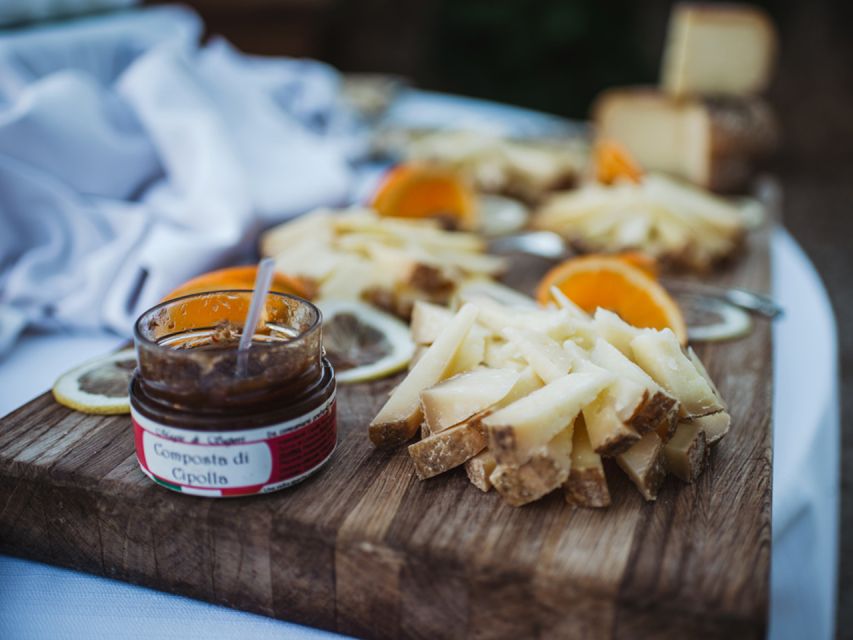
After the wine introduction, the focus broadens to the food that usually shares a Tuscan table. You taste cheeses, cured cuts, and extra virgin olive oil, with explanations of how each product is made.
The cured meats are tied to local traditions, including Cinta Senese, a historic Tuscan breed of pig. The tour introduces how this local product fits into Siena’s food culture. You may not leave with a full lesson in butchery or production, but you will have a better sense of why local ingredients matter here.
Olive oil receives its own attention. Your guide discusses extra virgin olive oil and regional production, helping you think about it as an ingredient rather than a simple dipping sauce. With bread, cheese, and cured meat on the table, you get to taste how the products work together.
The food portions are described as tastings, not a sit-down lunch. That distinction matters. I would book this as a food education tour with plenty of bites, not as a replacement for dinner. If you arrive hungry, the samples should take the edge off, but you may still want a meal afterward.
The stops also give the tour a local feel. Instead of keeping you inside one tasting room for the entire two hours, the route includes food vendors around Siena. You get to connect the products with the streets and neighborhoods where food is bought and enjoyed.
Siena’s bread, recipes, and medieval food customs
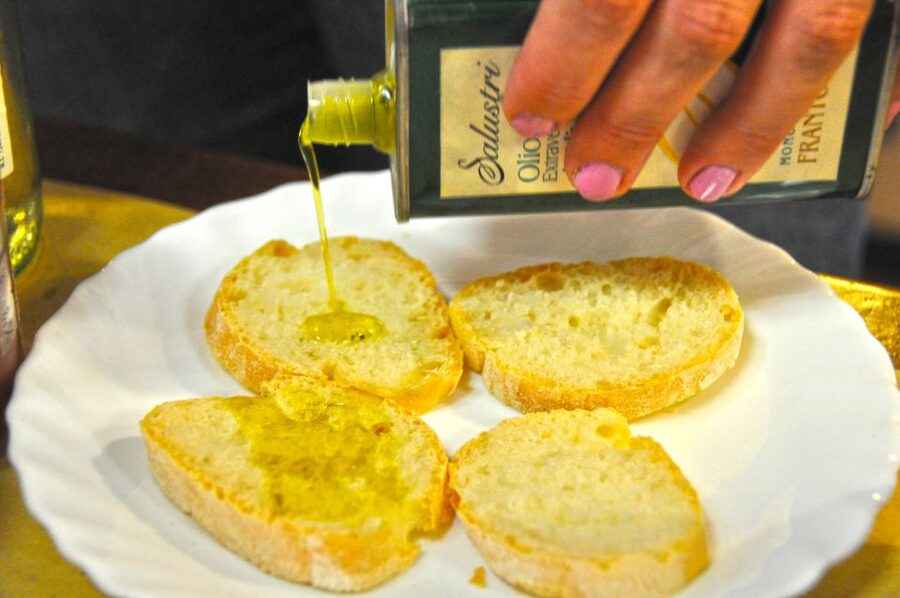
One of the more memorable subjects is Tuscan bread. Your guide explains why it is traditionally made without salt, how it appears in recipes today, and how older medieval food customs shaped its use.
This is the sort of detail that makes a food walk worthwhile. A plain piece of bread can seem unremarkable until you learn that its taste and texture reflect local history. The lesson also gives you something to watch for during the rest of your trip. Bread in Tuscany is not always meant to be eaten alone. It can support toppings, soak up sauces, or become part of another dish.
The tour links recipes to Siena’s past without turning into a formal history lecture. That balance suits the short format. You hear enough to understand the tradition, then move on to another taste or street.
The same approach applies to the other ingredients. Cheese, cold cuts, olive oil, wine, and sweets are treated as parts of one food culture rather than isolated samples. For me, that connection is one of the strongest reasons to choose this experience over a simple wine tasting.
Walking Siena between the food stops
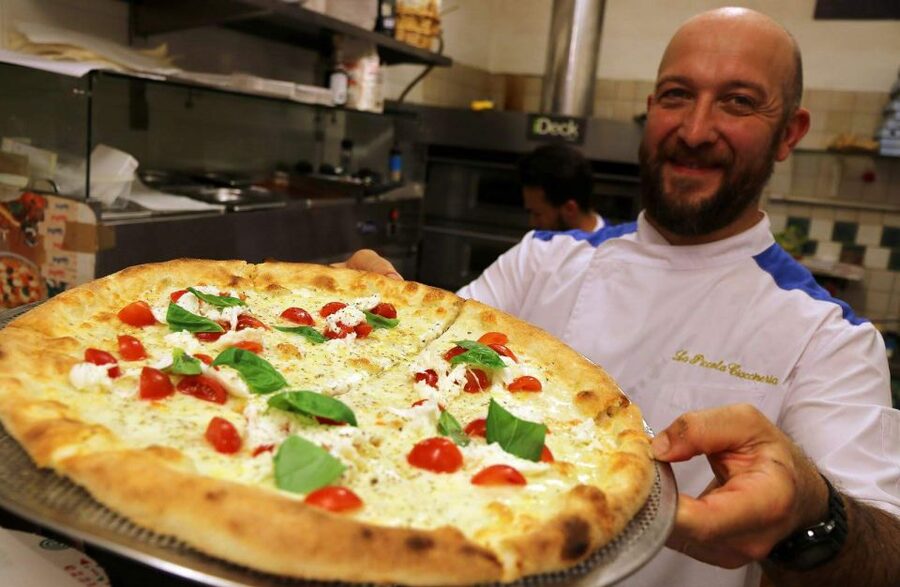
The walking portion lets you see Siena at street level. You follow your guide through charming streets, stopping to meet local vendors and find the city’s best-known food products.
Because the experience lasts only two hours, expect a compact route rather than an all-day city tour. The emphasis is food, not major monuments or detailed sightseeing. Still, moving between stops gives you a better sense of how Siena’s food life fits into its old urban setting.
Wear shoes you trust on stone streets and slopes. Comfortable footwear is specifically recommended, and this is not a good pick if walking is difficult. The activity is not recommended for people with limited mobility.
You should also arrive five minutes before the start time. The meeting point is connected with the Tuscan Wine School, but the supplied details do not provide a separate street address, so check the confirmed booking information carefully before setting out.
The route may feel especially useful at the beginning of a Siena stay. You can learn where to look for local food, recognize ingredients on menus, and return to products you enjoyed. If you take the tour late in your visit, it can still be a pleasant final taste of Tuscany, but you will have less time to use the advice.
More food tours around Italy:
- Winner 2025 Rome Twilight Trastevere Food Tour by Eating Europe
★ 5.0 · 5,157 reviews - Naples: Street Food Walking Tour with Local Guide
★ 4.9 · 4,976 reviews - Rome: Street Food Tour with Local Guide
★ 4.8 · 4,077 reviews - From Florence: Small Group Wine Tasting Tour to Tuscany
★ 4.9 · 3,902 reviews
Sweets, dessert, and the final tastes
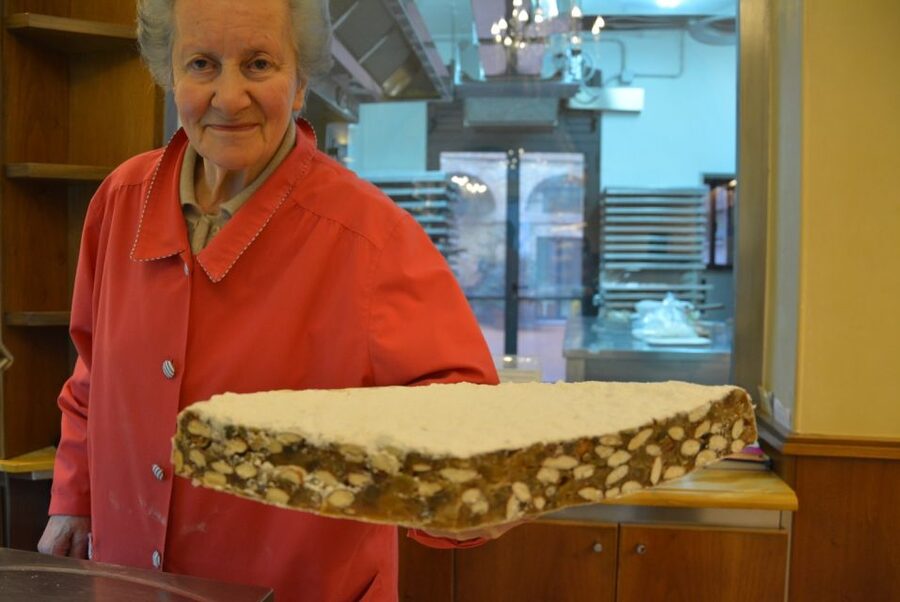
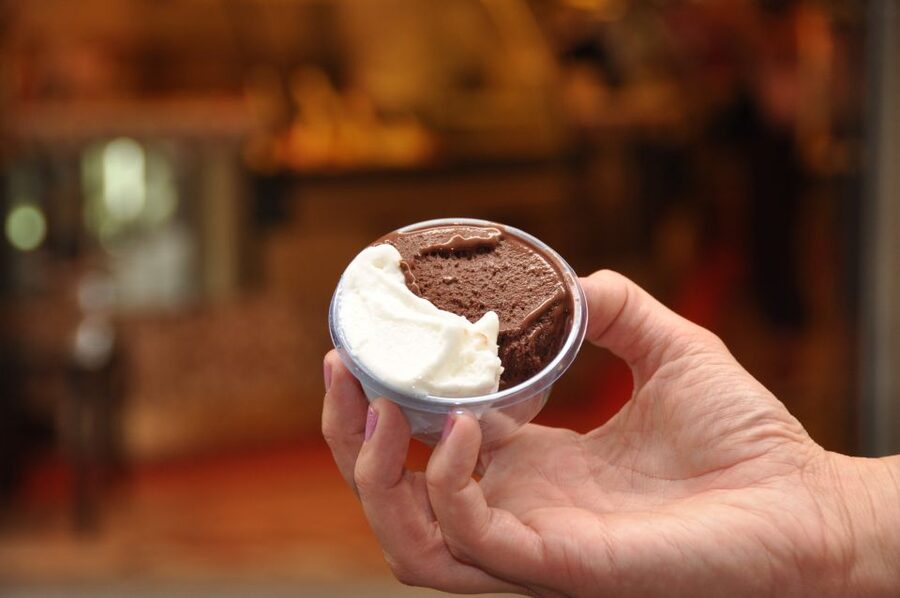
Dessert and sweet foods are included, giving the walk a proper finish. The exact sweets are not specified in advance, but the experience can include a stop for gelato or another local treat before returning for dessert.
That last course keeps the tour from feeling too heavy. You move from wine and savory products to something sweet, and the change helps the experience feel like a small meal spread across Siena rather than a series of unrelated samples.
Do not expect a pastry workshop or a long dessert tasting. The tour is about trying a range of local products and understanding their place in the region. The sweet stop is one part of that larger picture.
The guides make a real difference
A food tour rises or falls on the person leading it. Here, the guide names that appear most often in the available information are Paulo, Elio Martino, and Georgia.
Paulo is described as warm, good humored, and well informed about both local products and production methods. Elio leads as a sommelier and is especially strong on Italian and local wine, balsamic products, and oils. Georgia has guided the wine introduction and explained regional food customs before the walking portion.
You cannot choose a specific guide unless the booking allows it, so treat these names as examples of the people who may lead the experience, not a promise. What you can reasonably expect is a live English-language guide rather than an audio recording or self-guided tasting.
The best part of this format is the chance to ask questions. If you are curious about wine, Cinta Senese, truffles, bread, or olive oil, speak up. A short tour has limited time, and the most useful details often come from the questions you ask along the way.
Is $71 a fair price for two hours?
At $71 per person, this is not the cheapest way to eat in Siena. You are paying for more than the food itself: a guided walk, wine instruction, access to several tasting points, and explanations of local production and food traditions.
The value is strongest if you want an introduction. You taste two or three local wines, several savory products, olive oil, sweets, and possibly gelato-style treats, while learning how they connect to Tuscany. Buying the same range of items on your own could be difficult if you do not know which shops to choose or what to ask for.
The value is weaker if your main goal is a large meal. The portions are tastings, and the tour lasts only two hours. I would budget for another meal later, especially if you have a large appetite.
For a first visit to Siena, the price is reasonable if you care about food, wine, and context. It is less compelling for someone who already knows Tuscan wines and simply wants the lowest-cost way to sample cheese and cured meat.
Who should book this Siena food walk?
I would recommend this tour to you if you enjoy trying local products but want someone to explain what you are tasting. It suits first-time wine tasters particularly well because the white and red wine samples come with regional context.
It also works for couples, friends, and small family groups who want an easy introduction to Siena’s food culture. The mix of walking, conversation, and tastings keeps the experience moving.
You should think twice if you need step-free access, have difficulty walking on Siena’s streets, or want a formal sightseeing tour focused on monuments. This is a food route, not a substitute for exploring Siena’s major sights.
You should also avoid booking it too close to another large meal. The samples add up, even though they are not served as a full lunch or dinner.
The tour offers free cancellation up to 24 hours before the start, and you can reserve now while paying later. Those terms are useful if your Siena plans may change, but check the final booking conditions before confirming.
Should you book it?
Book this Siena food and wine walk if you want a compact, friendly introduction to Tuscan eating and drinking. The strongest reasons are the range of tastings, the stories behind ordinary ingredients such as saltless bread, and the chance to learn directly from an English-speaking guide.
I would be especially inclined to book it early in a Siena visit. You will gain useful ideas for later meals and a better feel for local products. Just wear comfortable shoes, arrive five minutes early, and treat the $71 price as payment for guidance and context as much as for the food.
Skip it if you want a full meal, a long wine seminar, or an accessible route. For everyone else who likes food with a story, this is a well-shaped two-hour introduction to Siena.
FAQ
How long does the Siena Food and Wine Walking Tour last?
The tour lasts two hours.
How much does the tour cost?
The listed price is $71 per person.
What wines are included?
The tour includes two or three glasses of different local wines, including a typical Tuscan white and red wine.
What food is included?
Food tastings include cheese, cured meats, extra virgin olive oil, dessert, and sweet foods.
Is the tour conducted in English?
Yes. The tour has a live English-speaking guide.
Where does the tour meet?
The experience begins at the Tuscan Wine School, with the exact meeting details provided at booking.
Should I arrive early?
Yes. You should arrive five minutes before the tour starts.
Is the tour suitable for people with limited mobility?
No. It is not recommended for people with mobility impairments because it includes walking through Siena.
Can I cancel for a full refund?
Yes. You can cancel up to 24 hours in advance for a full refund.
Fresh off the menu around Italy
- Taormina: Pizza Making Class with Lunch and Wine Tasting★ 4.8 · 145 reviews
- Taormina: Shared or Private Food & Wine Walking Tour★ 4.6 · 167 reviews
- Taormina Pizza making class★ 4.8 · 140 reviews
- Taormina: Half-Day Pizza Making Class★ 4.8 · 353 reviews
- Syracuse: The Street Food Tour in Ortigia with a Local Guide★ 5.0 · 134 reviews
- Syracuse: Sicilian Street Food Hands-On Cooking Class★ 4.9 · 38 reviews
- Street Food Walking Tour: Discover Livorno’s Local Flavors★ 5.0 · 72 reviews
- Lecce: Guided Street Food Walking Tour with Food and Wine★ 4.6 · 273 reviews
Italy Food Tours, compared.
Winner 2025 Rome Twilight Trastevere Food Tour by Eating Europe
Read our review →
Winner 2025 Florence Sunset Food & Wine Tour by Eating Europe
Read our review →
Naples: Street Food Walking Tour with Local Guide
Read our review →
From Florence: Small Group Wine Tasting Tour to Tuscany
Read our review →
Florence: Cinque Terre Park Day Trip with Optional Street Food
Read our review →
Rome Food Tour: Unlimited Tastings with Fine Wine & Barolo
Read our review →
Rome Food Tour: Campo de’ Fiori, Ghetto, Trastevere Winner 2024
Read our review →Browse the lists this tour appears in