
Review · SEOUL
Seoul: Gwangjang Market Netflix Food Tour
Gwangjang Market is the star here, but the smart part of this tour is the route to it. You begin among Insa-dong’s galleries and antique shops, pass through the old hanok lanes of Ikseon-dong, then arrive hungry at one of Seoul’s best-known food markets.
I like the strong cultural mix: you get art, old neighborhoods, food customs, and local history in one walk. I also like that the guide handles the ordering and explains what you are eating. The catch is simple: three to five tastings are not a full meal, and the larger portions come near the end, so eat lightly beforehand rather than skipping food altogether.
Key points to know before booking
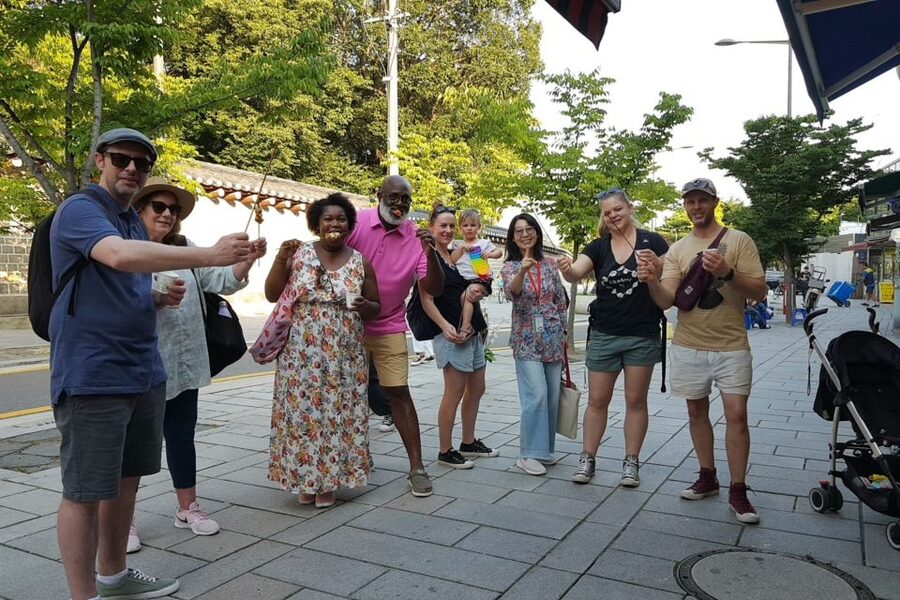
- The walk starts at Anguk Station and finishes at Gwangjang Market, so plan your next stop from the market rather than returning to the starting point.
- Insa-dong and Ikseon-dong provide the cultural setting, with traditional arts, antique shops, hanok buildings, cafés, and narrow lanes.
- Food tastings are included, usually three to five kinds depending on the option you choose.
- The guide makes the market easier to understand, especially if you are unsure how Korean dishes are ordered or eaten.
- The tour lasts three hours and costs $64 per person, a fair price if you value guidance, context, and several tastings rather than only a quick market visit.
- The portion sizes build toward the end, so arrive ready to eat but not on an empty stomach.
A smart Seoul introduction in three hours
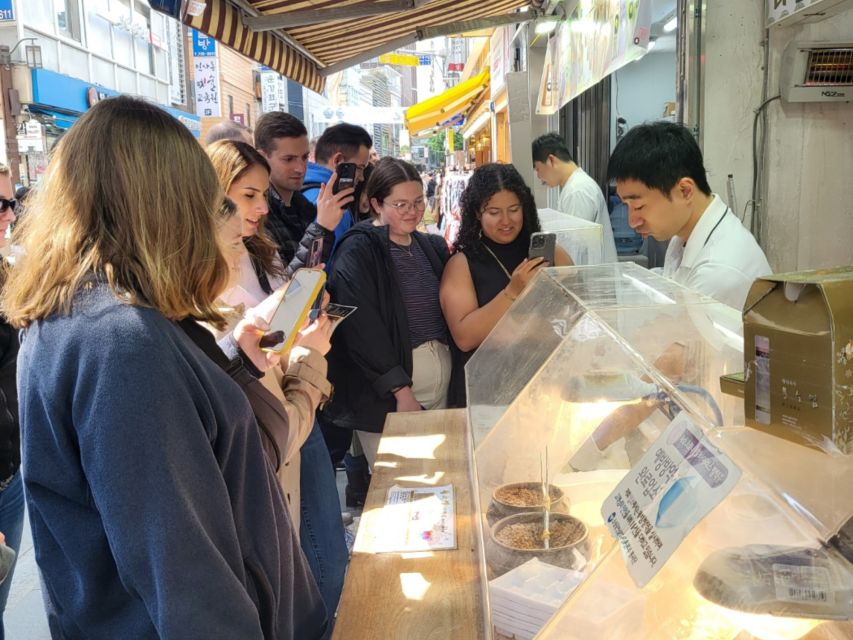
This experience works because it joins three different sides of central Seoul. Insa-dong gives you traditional art and shopping, Ikseon-dong shows how old hanok homes have been adapted for modern city life, and Gwangjang Market brings you face to face with Korean food.
I would choose this early in a Seoul visit. The walking route helps you get your bearings, while the guide gives you cultural context that is hard to pick up by simply wandering from shop to shop. You also learn how the market works before trying food on your own later.
The pace is active but manageable for most people who are comfortable walking for three hours. You will move through streets and alleys rather than spend much time sitting, so comfortable shoes matter. The route is also more about close-up street life than grand views or major palace interiors.
The guides vary by departure. Past departures have been led by Peter, Sally, Alan, Sam, and Charlie, among others. The strongest pattern is clear: the guide is important here. Peter has been praised for his history and food knowledge, Alan for explaining customs and helping with food choices, and Sally for her warm, flexible style. Sam and Charlie have also been singled out for making the experience both informative and fun.
More Market Food Tours in the world:
- Chef Guided Food Tour of Pike Place Market
★ 5.0 · 3,733 reviews - Tokyo Tsukiji Fish Market Food and Culture Walking Tour
★ 5.0 · 3,184 reviews - London Bridge & Borough Market Food Tour with 7 Authentic Dishes
★ 5.0 · 1,972 reviews
Starting at Anguk Station and entering Insa-dong
Meet your guide in front of Exit 6 at Anguk Station on Seoul Subway Line 3. Arrive 10 to 15 minutes early. This is not the place to cut things close, since a guide leading a small group through central Seoul cannot easily pause the tour for late arrivals.
From the station, you head toward Insa-dong Culture Avenue. This area is known for traditional Korean arts, galleries, antique shops, and small stores selling handmade goods. It is a good first stop because it introduces the old-and-new contrast that runs through the whole walk.
You might find polished boutiques beside older shops, art displays beside cafés, and streets that feel designed for browsing rather than rushing. The guide’s role is to explain why Insa-dong matters, not simply point at storefronts. You get a sense of how the district changed from a traditional cultural center into a popular neighborhood that still trades on its artistic identity.
I like this part because it gives the food a setting. Korean dishes make more sense when you have first seen the places where art, craft, old buildings, and everyday commerce overlap. If you are hoping for a long shopping session, though, keep your expectations in check. This is a guided walk, not a dedicated retail tour.
Insa-dong’s art, antiques, and old Seoul character
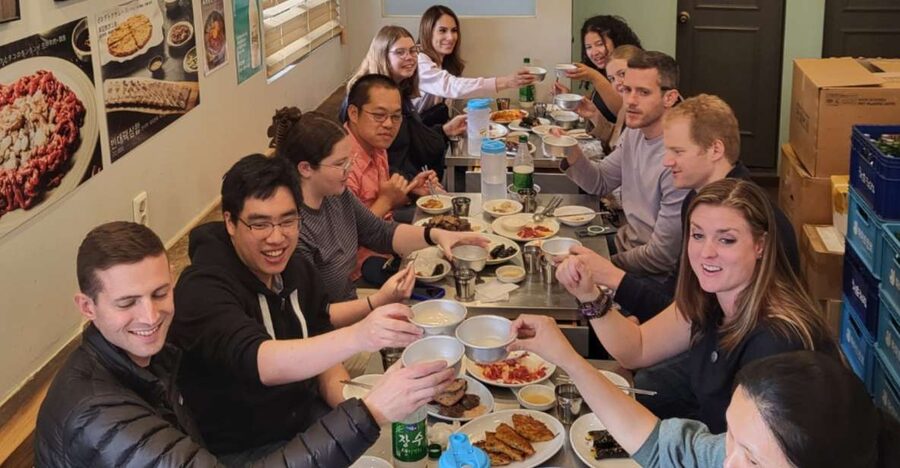
Insa-dong is easy to visit without a guide, but easy to misunderstand without one. A quick solo walk can become a string of attractive shop windows. With a guide, you can ask about the area’s past, the role of traditional arts, and the way modern businesses use older Korean design.
The tour is especially useful if you enjoy cultural detail but do not want a formal museum visit. You are outside, moving through working streets, and learning as the neighborhood unfolds. I would not expect a long stop at every gallery or antique store, since the route must eventually reach Gwangjang Market.
The guide also helps you notice the small difference between a place built for tourists and a place still used by local businesses. Insa-dong has plenty of visitor appeal, but it remains valuable as an introduction to Korean visual culture. Look for the mix of old materials, shop signs, artwork, and compact storefronts rather than waiting for one big landmark.
Ikseon-dong’s hanok lanes and modern cafés
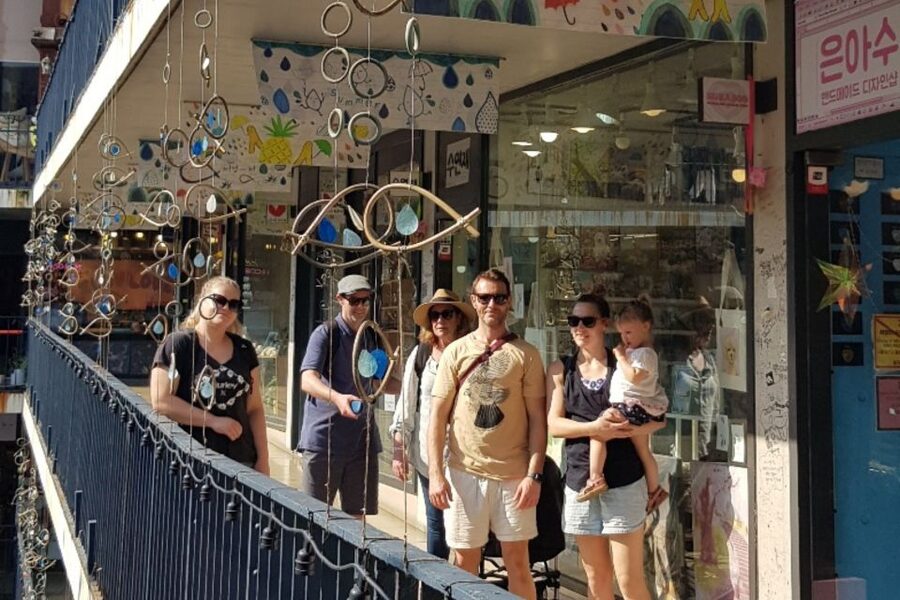
The route continues into Ikseon-dong, a district known for narrow lanes and traditional hanok buildings. These homes preserve an older Seoul feel, while many now contain cafés and contemporary businesses.
That combination is one of the walk’s best visual moments. You can see traditional rooflines and compact alleyways alongside updated interiors and modern shops. It is a useful place to understand that preservation in Seoul does not always mean leaving a neighborhood untouched. Old buildings can remain part of daily city life while serving new purposes.
The lanes are narrow, so the group may need to move carefully when the area is busy. This is also a place where the guide’s timing and local familiarity help. You are not simply walking past buildings. You are hearing how the district fits into Seoul’s changing identity.
I would especially recommend this section to first-time visitors who want more than a food stop. If your only goal is eating at Gwangjang Market, you can get there faster on your own. If you want a compact look at old neighborhoods adapting to modern Seoul, Ikseon-dong makes the extra walking worthwhile.
More food tours around the world:
- Reykjavik Food Walk – Local Foodie Adventure in Iceland
★ 5.0 · 18,952 reviews - Dubai: Old Town, Creek, Museums, Souks, & Street Food Tour
★ 4.8 · 10,816 reviews - Madrid: Live Flamenco Show with Food and Drinks Options
★ 4.5 · 9,901 reviews - Ho Chi Minh City Street Food Tour & Sightseeing By Motorbike
★ 5.0 · 9,413 reviews
Arriving at Gwangjang Market hungry
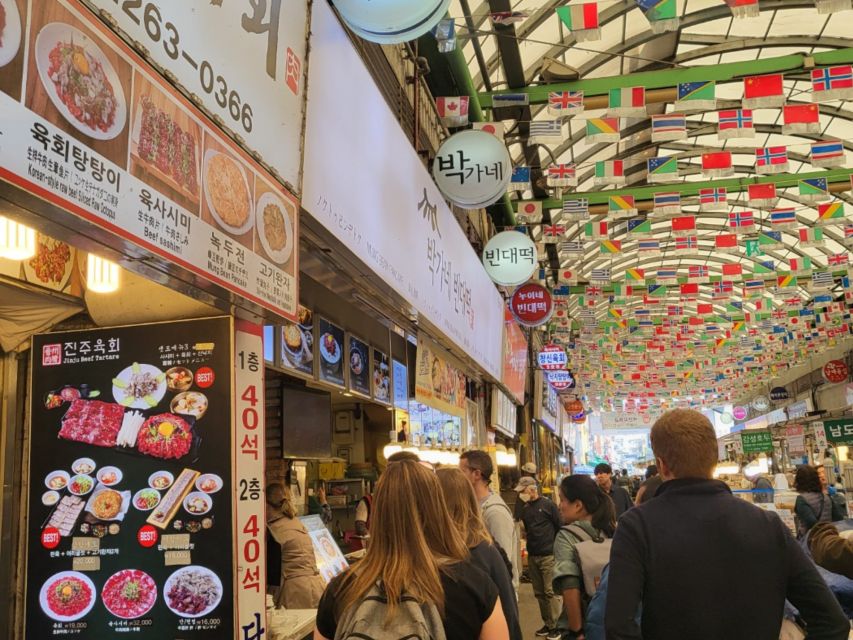
The final stop is Gwangjang Market, a historic marketplace dating to the early 1900s. Here, the tour changes from neighborhood walking to food tasting.
Expect colorful stalls, textiles, handmade goods, and rows of food vendors. The market is a place to watch everyday buying and eating happen around you. It can feel crowded and noisy, which is part of the point, but it may be less comfortable for anyone who dislikes tight spaces or a busy market setting.
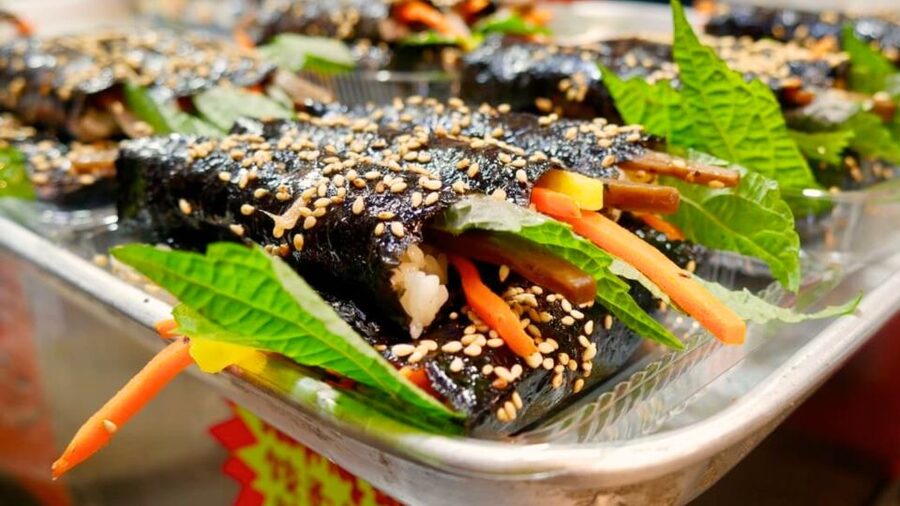
Your guide helps you choose and try several Korean street foods. The included tasting normally covers three to five kinds, depending on the option selected. Exact dishes can vary, so you should not book this expecting one fixed menu.
That flexibility is useful. A good guide can steer you toward food that fits the group and explain what you are seeing at the stall. Guides have helped explain Korean food customs, the origins of traditional dishes, and the local way of ordering and eating. For a first visit, that removes much of the guesswork.
What you actually eat, and how much
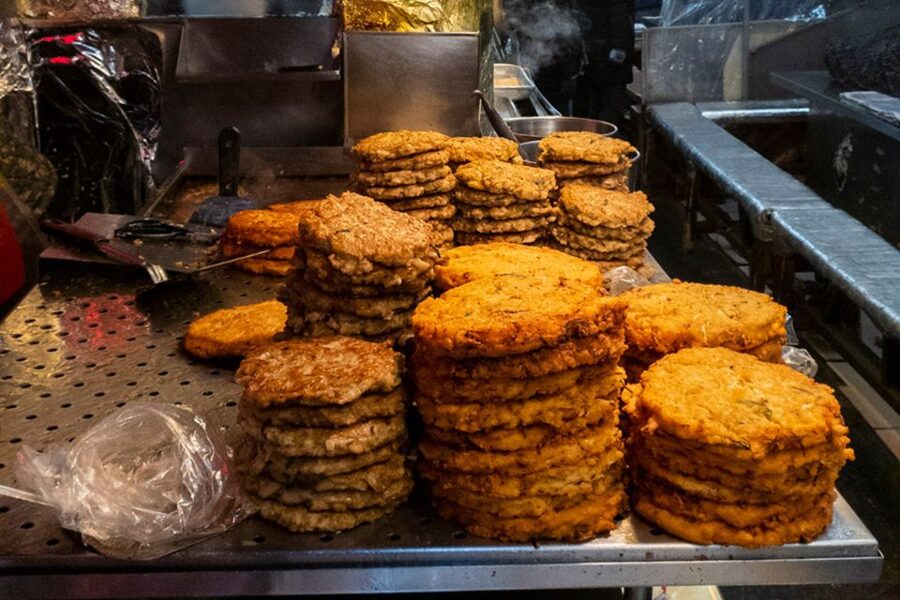
The tour includes samples rather than a complete meal. This distinction matters. You may try several dishes, but the experience is built around tasting and learning, not sitting down to a large lunch or dinner.
The bigger portions come near the end, so I would eat a light meal before meeting the guide. Do not arrive stuffed, since food is a major part of the tour. Do not skip meals completely either, since the early walking comes before the main market tastings.
One memorable food highlight has been octopus served toward the end of the tour. That suggests the final tasting may be the most substantial or adventurous part of the food route, though the exact dishes are not guaranteed. If you have dietary restrictions, allergies, or strong dislikes, ask before booking or tell the guide at the start. The supplied information does not promise substitutions.
The food side works best when you are open to trying several small portions. You learn more by tasting a few different things than by ordering one familiar dish, and the guide can explain how each item fits into Korean eating habits.
Is $64 a fair price?
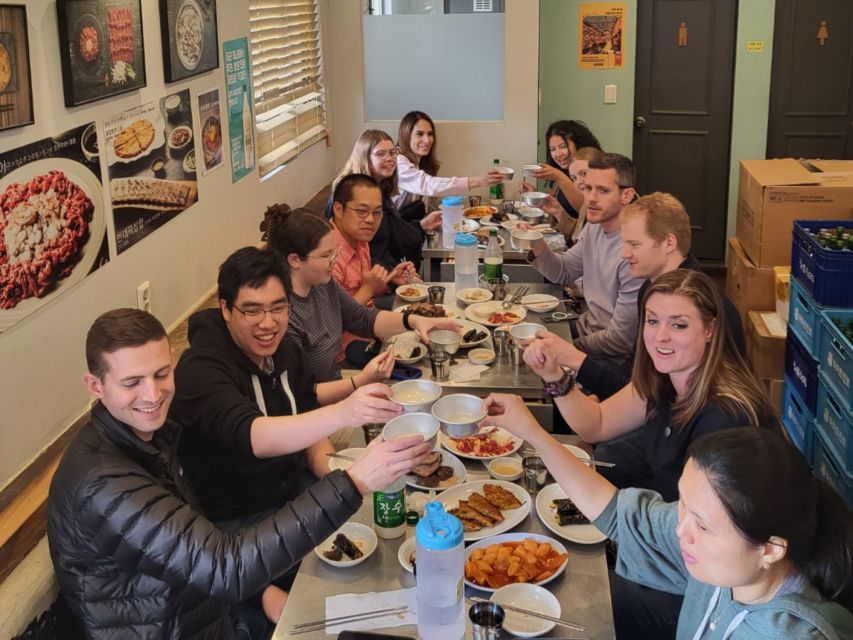
At $64 per person, this is not the cheapest way to visit Gwangjang Market. You can enter the market freely and buy food on your own for much less. The price pays for the guide, the three-hour route, entrance fees, and three to five tastings.
I think the value is good if you want an organized introduction to Seoul. You are paying for more than snacks. The guide connects Insa-dong, Ikseon-dong, and Gwangjang Market, explains history and customs, and removes the uncertainty of ordering unfamiliar food.
The value is stronger in a private or small group, where you can ask questions and move at a comfortable pace. A larger group could make the narrow alleys and market stops less personal, although the available group format lets you choose according to budget and preference.
If you already know Seoul well and mainly want a full meal, I would spend the $64 elsewhere. If you are new to the city and want a guided cultural walk with food built in, the price is easier to justify.
The guides make or break the experience
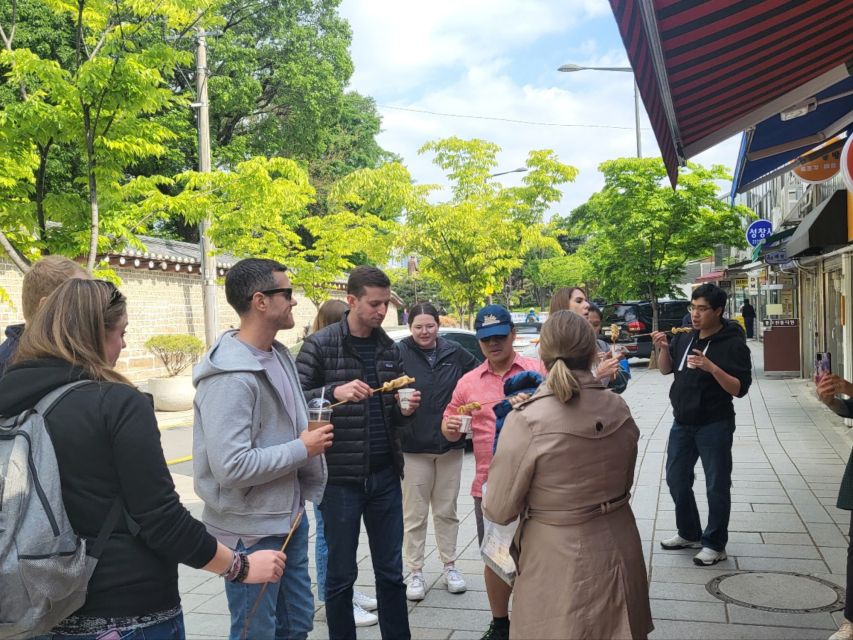
This tour depends heavily on the person leading it. The best guides do three jobs at once: they keep the walk moving, explain Korean history and culture in plain terms, and choose food that gives you a useful range of tastes.
Peter has been especially effective at linking food with history and culture, even in difficult weather. Alan has helped explain dishes, customs, and restaurant manners. Sally has been described as warm and flexible, which matters when families or mixed-age groups need a slower or slightly adjusted pace.
Sam and Charlie have also led enjoyable departures, with Sam praised for making good food choices and Charlie for keeping the history light and entertaining. Since the guide is assigned by date, you may not be able to select one particular person. Still, the repeated strength of the guide service is a good reason to book this rather than simply finding a market on your own.
Who should book this Seoul food tour?
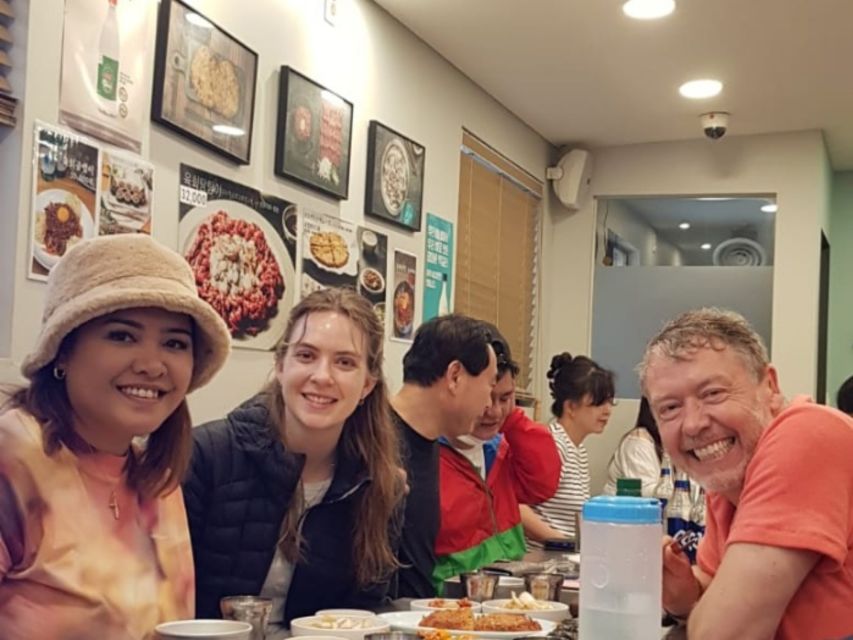
I would recommend it to first-time visitors, couples, families, and small groups who want food with context. It also suits anyone who feels unsure about ordering street food in a foreign language or navigating a large market alone.
The tour is a good fit if you enjoy walking, photography, traditional architecture, shopping streets, and small tastings. It gives you several angles on Seoul without taking a full day.
I would be more cautious if you want a sit-down feast, a slow museum-style tour, or a deep exploration of every corner of Gwangjang Market. One person specifically wanted more time to see the market and sample food, which is a fair criticism. The route gives you a broad introduction, not unlimited market time.
The tour ends at Gwangjang Market, so you can remain there afterward and continue exploring on your own. That helps offset the limited market time during the guided portion.
Practical details that affect your day
The meeting point is in front of Exit 6 at Anguk Station on Line 3. The tour lasts about three hours and ends at Gwangjang Market, not back at Anguk Station.
English and Korean guiding are available. Private and small-group options are offered, and you can reserve now and pay later. Cancellation is free up to 24 hours before the start time.
The experience requires a minimum number of participants. If that minimum is not reached, you will be offered another date or experience, or receive a full refund. Check the starting time when booking, since departures vary.
Wear shoes suited to steady city walking. Bring enough appetite for several tastings, but have something light first. If weather looks poor, a rain layer is sensible, since the route is outdoors and the walk continues between neighborhoods and market areas.
Should you book it?
Book this tour if you want a friendly introduction to Seoul that joins traditional arts, hanok streets, and Korean street food in one well-shaped route. The best reason to choose it is the guide: Peter, Sally, Alan, Sam, Charlie, and others have brought history, food customs, and practical help to the walk.
Skip it if you only want a large meal or several unhurried hours inside Gwangjang Market. For everyone else, $64 is a reasonable spend for three hours of orientation, included tastings, and a smoother first encounter with foods you might otherwise pass by.
FAQ
Where does the tour meet?
The meeting point is in front of Exit 6 of Anguk Station on Seoul Subway Line 3.
Where does the tour finish?
The tour finishes at Gwangjang Market.
How long does the experience last?
The walking and food tour lasts about three hours.
What food is included?
The experience includes three to five kinds of Korean street food, depending on the option selected.
Is the food a full meal?
No. The tastings do not make up a full meal, and the larger portions come near the end of the tour.
Which languages are available?
Live guiding is available in English and Korean.
Is this a private tour?
Private and small-group options are available.
What happens if the tour is canceled because of low enrollment?
You will be offered a different date or experience, or receive a full refund.
Fresh off the menu around the world
- Taste of Chiang Mai: Michelin Guide & Street Food Tour★ 4.9 · 159 reviews
- Eat Porto Like a Local: The Ultimate Full-Meal Food Tour★ 5.0 · 97 reviews
- Vienna: The Ultimate Full Meal Austrian Food Tour★ 4.8 · 112 reviews
- Jerez: Traditional Tapas Tour★ 4.6 · 138 reviews
- Taste my Fribourg Self-Guided Food Tour★ 4.5 · 29 reviews
- Taste of Albania: Tirana Food Tour★ 5.0 · 26 reviews
- Taormina Pizza making class★ 4.8 · 140 reviews
- Taormina: Pizza Making Class with Lunch and Wine Tasting★ 4.8 · 145 reviews
Seoul Food Tours, compared.
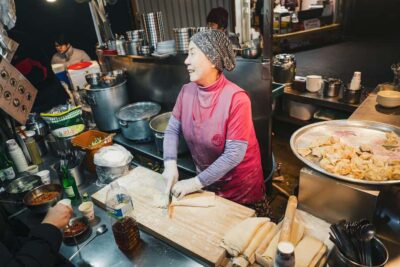
Seoul: Palace, Temple and Market Guided Foodie Tour at Night
Read our review →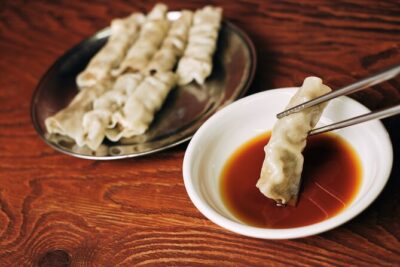
Downtown Seoul Guided Food & Market Tour with 8+ Local Tastings
Read our review →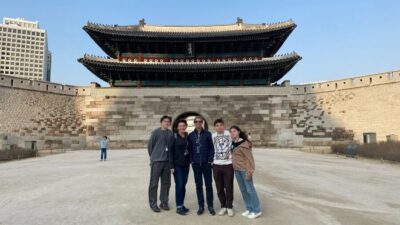
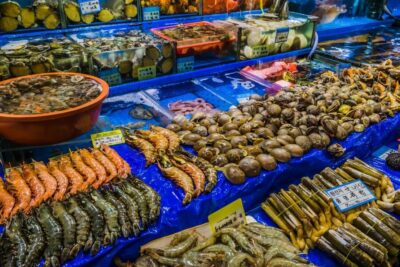
Seoul: The Biggest Sea-food Noryangjin Market Tour
Read our review →
Seoul: Temple & Starfield COEX Mall Gourmet Tour in Gangnam
Read our review →Browse the lists this tour appears in