
Review · SAN FRANCISCO
San Francisco: Chinatown Food and History Walking Tour
San Francisco Chinatown is best understood one bite and one street corner at a time. This 150-minute walk takes you from Dragon’s Gate through food markets, historic squares, bakeries, dim sum counters, and a fortune cookie factory, with the neighborhood’s past tied to each stop.
I like the small group of up to 12, which gives the guide room to answer questions and keep the walk personal. I also like the food lineup: tea and Chinese cookies or pork buns, dim sum, and a fresh fortune cookie make this more than a sightseeing stroll.
The main consideration is the price, $85 per person, which is fair only if you value both the food tastings and the historical guiding. You should also arrive ready to walk and eat on a set schedule, since the tour lasts two and a half hours and food choices can depend on availability.
Key points to know before you book
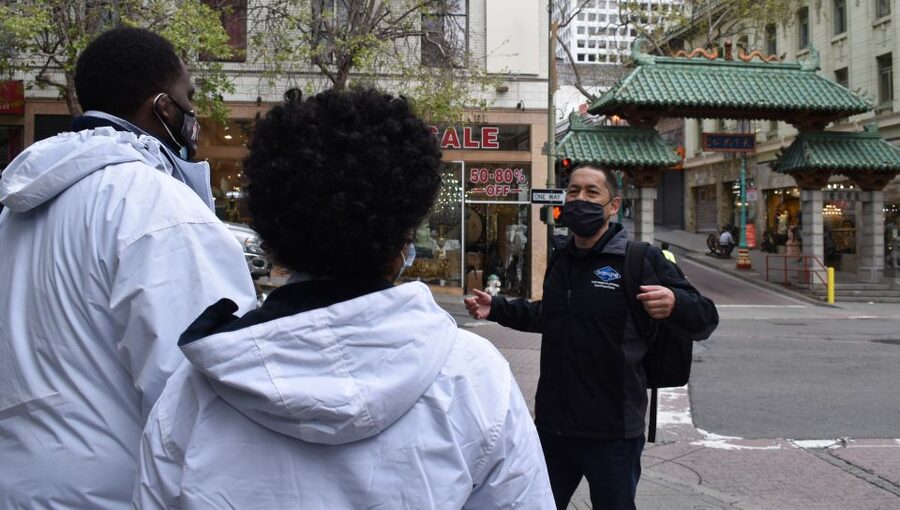
- Start at Dragon’s Gate: Meet the guide in front of the Starbucks cafe across from the main Chinatown entrance, wearing a Gray Line San Francisco uniform.
- Three distinct food stops: Expect Chinese cookies or a pork bun, dim sum at Delicious Dim Sum, and a fortune cookie at the factory.
- A strong history focus: The route connects Chinatown to the Gold Rush, California’s early years, religious life, and the neighborhood’s origins.
- Stockton Street feels local: Busy produce and food markets show a working side of Chinatown beyond the decorative main streets.
- Joseph is a guide to look out for: He has led this tour with detailed stories about both Chinatown and San Francisco, though your assigned guide may be someone else.
- Plan for a 12-person maximum: This is a better fit for questions and conversation than a large coach-group outing.
Starting beneath Dragon’s Gate
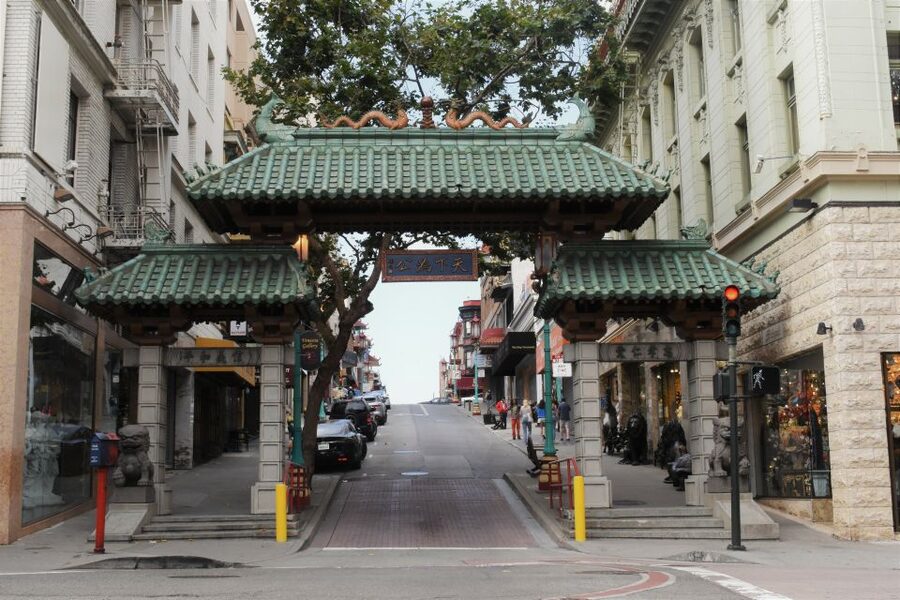
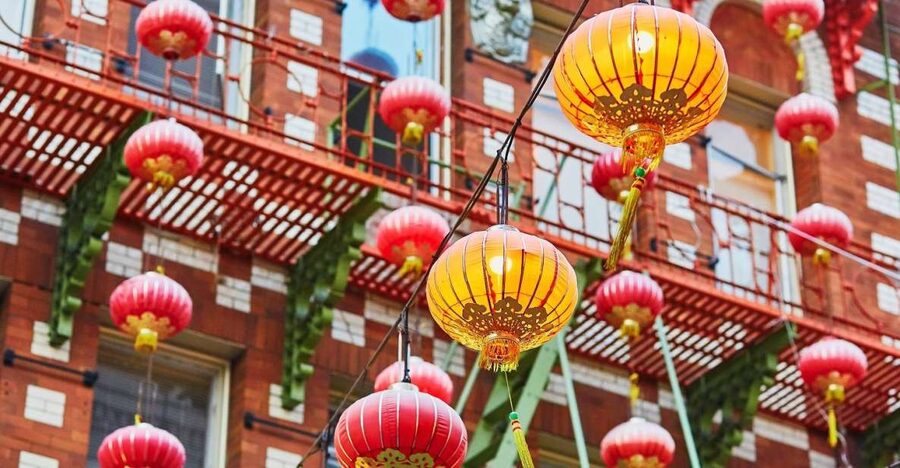
Your tour begins at Dragon’s Gate, Chinatown’s best-known entrance and an easy visual meeting point. Look for the guide in a Gray Line San Francisco uniform in front of the Starbucks cafe across from the gate, and arrive 15 minutes early so the group can leave on time.
That opening location gives you an immediate sense of place. Dragon’s Gate frames the neighborhood in the public imagination, but the tour quickly moves past the formal entrance and into streets where shopping, food, religion, and daily life overlap.
The guide sets the tone with background on Chinatown’s history, culture, and present-day identity. That matters here because the neighborhood can look like a postcard from one block and a busy local shopping district on the next.
With a group capped at 12, you should be able to hear the commentary without standing in a large crowd. A small group also makes it easier to stop at food counters and narrow streets without creating much fuss.
More Chinatown food tours around the USA:
- NYC: Chinatown & Little Italy Food Tour with 7 Flavorful Tastings
★ 5.0 · 2,733 reviews - Original NYC Guided Food Tour of Chinatown and Little Italy
★ 5.0 · 2,194 reviews - Chinatown & North BeachLittle Italy: 7 Tastings & History
★ 5.0 · 1,070 reviews
Stockton Street and the everyday side of Chinatown
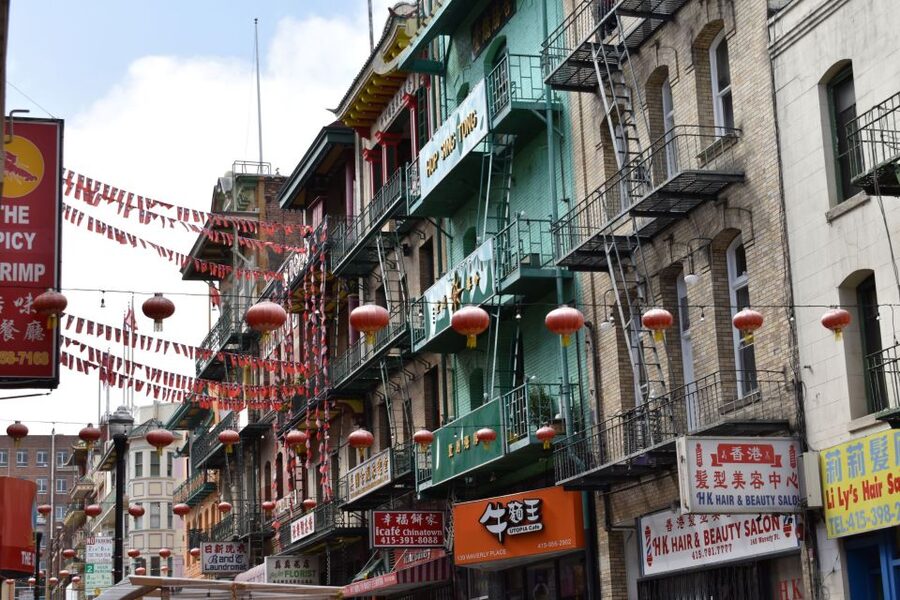
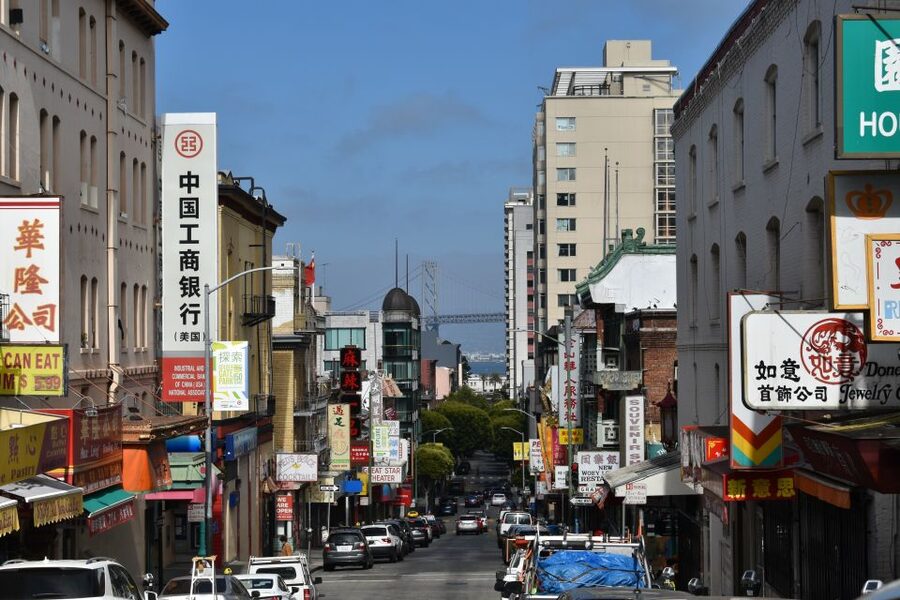
One of the most useful parts of the route is the walk along Stockton Street. Instead of staying only among souvenir shops and decorative facades, you pass markets selling fresh and unusual foods.
This is where the tour gives you a more grounded picture of Chinatown. The displays, smells, and compact storefronts show how the neighborhood serves people who shop and eat there regularly, not just people taking photographs.
Your guide explains what you are seeing as you walk, so the markets become part of the story rather than a quick visual stop. You may want to keep your camera ready, but do not spend the whole stretch looking through it. The street life is one of the best parts of the experience.
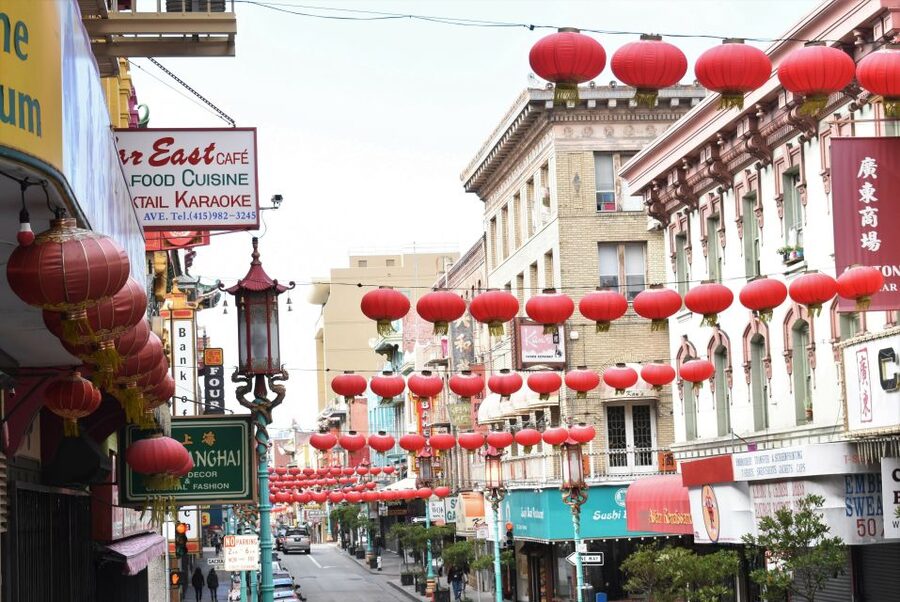
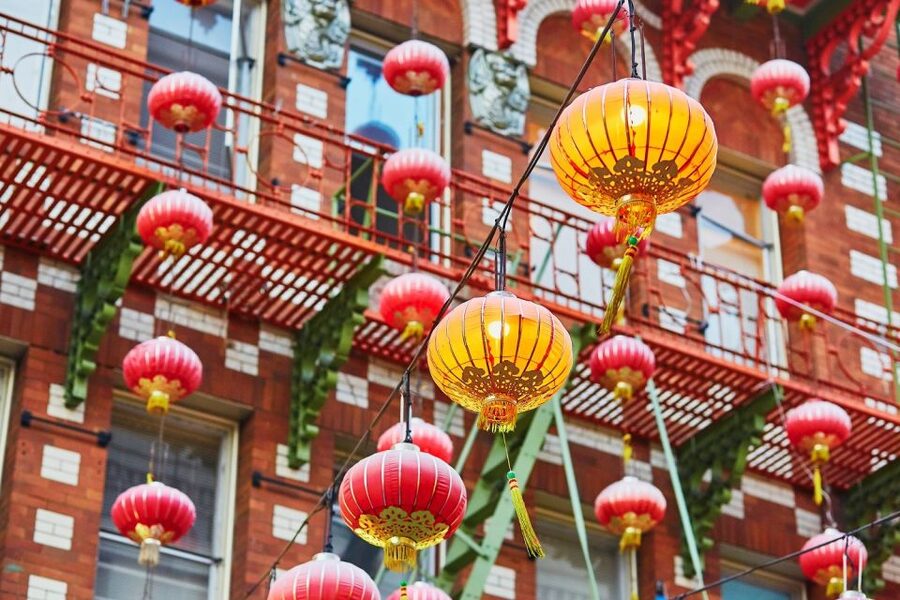
The route also passes buildings with pagoda-style designs and streets dressed with Chinese decorations. These details make good photo stops, but the real value comes from hearing how the neighborhood’s public image fits with its past and present.
Eastern Bakery and the first taste
Eastern Bakery is the first major food stop described on the route. Here you can taste traditional Chinese cookies and choose a tea, with a traditional pork bun offered when available.
The bakery visit is not treated as a simple handout. You can hear cooking tips from the bakery owners, which gives the stop a personal touch and helps explain what you are eating.
This is a good early pause because it breaks up the walking before the longer history sections. The portion is a taste rather than a full meal, so you should not expect one bakery stop to replace lunch.
Food availability is the key limitation. The cookies or pork buns are subject to what is available that day, so do not book this tour expecting one exact item. If you are set on a particular pastry, you may be disappointed, but the flexible approach suits a working bakery better than a fixed tasting menu.
Tea also makes this stop more than a quick sugar break. It gives the guide a chance to discuss food traditions in a relaxed setting, while you get a short rest indoors.
Old Saint Mary’s Cathedral and Chinatown’s religious story
The visit to Old Saint Mary’s Cathedral adds a different side of Chinatown. After markets, bakeries, and street decorations, the cathedral shifts the focus to religious culture and the history of the area.
This stop is valuable because it prevents the tour from reducing Chinatown to food alone. The neighborhood’s story includes faith, migration, community life, and the institutions that helped shape San Francisco.
The cathedral also creates a useful contrast with the Chinese visual details around it. You get to consider how different traditions exist close together in the same compact part of the city.
The itinerary says you will gain an understanding of the cathedral’s religious culture and history, but it does not promise a long interior visit or a formal service. Think of it as a guided landmark stop within a walking route, not a separate cathedral tour.
More food history walks around the USA:
- Historic Ybor City Food Walking Tour
★ 5.0 · 2,210 reviews - Boston Food & History: Pizza, North End & Freedom Trail
★ 5.0 · 1,772 reviews - New Orleans Food and History Walking Tour
★ 5.0 · 1,544 reviews - Boston’s North End Food Tour: Italian Flavors & Heritage Walk
★ 5.0 · 1,322 reviews
Portsmouth Square and the beginnings of Chinatown
Portsmouth Square is one of the most important history stops on the walk. Here the guide connects the area to the Gold Rush, California’s early beginnings, and the origin of Chinatown.
That context gives the rest of the tour more weight. The markets, bakeries, and narrow streets are easier to understand once you know why this part of San Francisco became a center of Chinese community life.
This is also where the tour broadens beyond neighborhood facts. Guides such as Joseph have been praised for explaining both old San Francisco and Chinatown, with enough detail to make the history clear without turning the walk into a lecture.
You should expect storytelling and discussion rather than a museum-style display. Portsmouth Square is experienced as part of the city itself, with the guide helping you read the place through its historical connections.
For anyone interested in San Francisco’s early development, this may be the strongest stop on the route. For visitors who want only food, it is the section that may feel slowest, but it is also what gives the tastings a sense of place.
Dim sum at Delicious Dim Sum
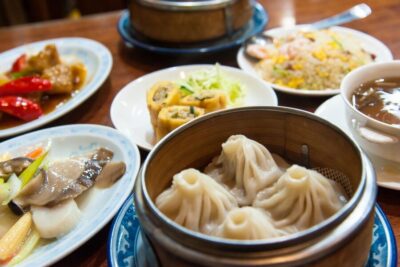
The stop at Delicious Dim Sum is the tour’s main savory tasting. You receive homemade dim sum and a chance to try food associated with one of San Francisco’s most important eating traditions.
The value here is variety in the overall experience. The bakery offers a sweet taste and tea, while dim sum gives you something more filling and savory before the final fortune cookie stop.
The description promises dim sum at Delicious Dim Sum but does not list each item or allow you to choose a full meal. You should therefore treat this as a guided sample, not a restaurant reservation or a chance to order an entire table of dishes.
That distinction matters when you judge the $85 price. If you already planned to eat several Chinatown specialties on your own, the food portion alone may not justify the cost. The stronger reason to book is the combination of food, access to small local stops, and clear explanation of what makes the neighborhood important.
Some people may find the tasting schedule light for a full lunch. I would plan a later meal if you have a large appetite, especially since the experience is built around sampling rather than a sit-down feast.
Inside the fortune cookie factory
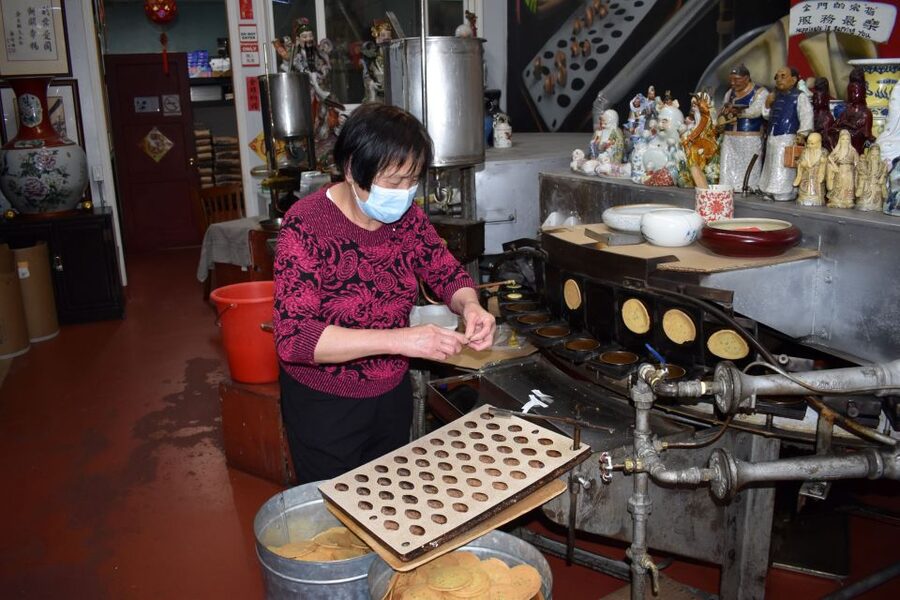
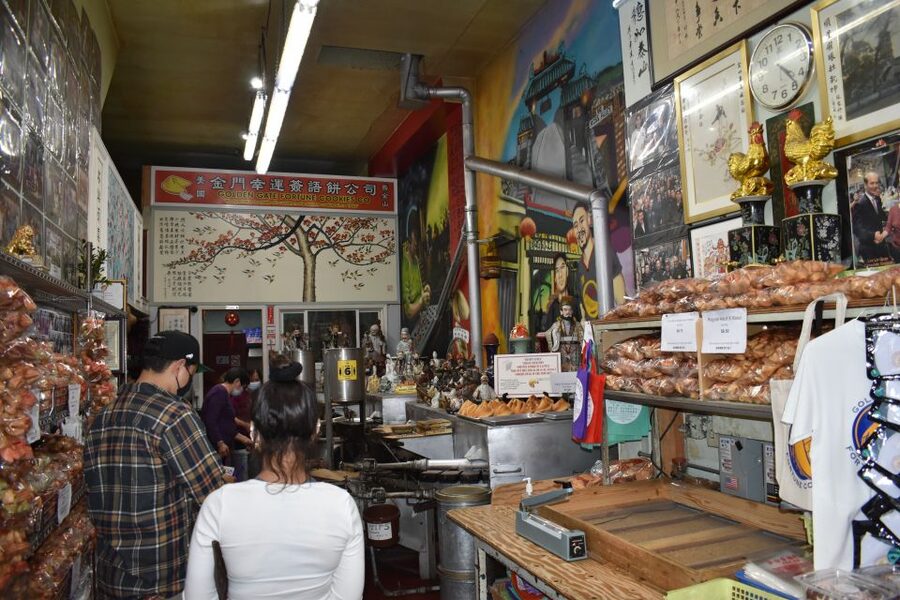
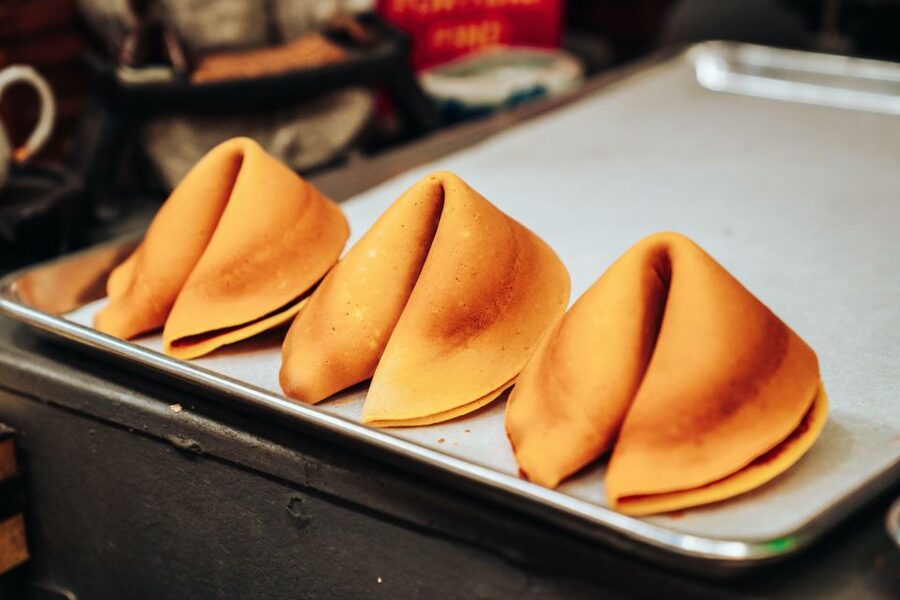
The tour finishes at a fortune cookie factory, where you taste a cookie and learn how it is made. You also hear about the historical meaning of fortune, which gives the final stop a playful but relevant ending.
This works well as the last stop because fortune cookies are closely linked with the way many people imagine Chinatown. The factory visit lets you move beyond the familiar symbol and see the technique behind it.
The factory also brings the tour back to the relationship between food and storytelling. A cookie is a small object, but it carries ideas about luck, messages, and the popular image of Chinese American food culture.
The stop is likely to appeal to families and first-time visitors, while still giving repeat visitors something specific to see. It is not presented as a large production tour, so expect a brief visit with a tasting and explanation rather than an extended factory program.
What the guide adds to the walk
The quality of this experience depends heavily on the guide. The strongest feedback centers on Joseph, who has been described as friendly, professional, and able to explain both Chinatown and wider San Francisco history in clear detail.
You should not assume Joseph will lead every departure, but his approach gives you a useful idea of what the tour aims to provide. The guide is expected to connect the stops, answer questions, and offer background instead of simply pointing out buildings.
Past participants have especially valued the amount of information. The best guide will give you enough history to understand the area without burying each stop under facts.
This is also a good tour for families because the route mixes movement, food, photographs, and short history sections. The experience is educational, but it does not rely only on a long talk.
Is $85 a fair price?
At $85 per person, this is not the cheapest way to walk through Chinatown. You can enter the neighborhood on your own, visit many streets for free, and buy food directly from bakeries and restaurants.
The price makes more sense when you count the included tastings and the guide’s time. You receive bakery treats or a pork bun when available, tea, dim sum, a fortune cookie, photo stops, and two and a half hours of local interpretation.
The small group is also part of the value. A 12-person limit should feel more focused than a large city tour, especially in narrow streets and compact food businesses.
Still, you are paying for a set experience rather than complete freedom. You do not control every food choice, the walking pace, or the amount of time at each shop. If you prefer to browse markets slowly and order exactly what you want, self-guided Chinatown exploration may suit you better.
I would book this tour if you want a clear introduction and plan to use the guide’s suggestions afterward. One past participant enjoyed a food stop enough to return to the restaurant after the tour, which is a good way to get extra value from the route.
Who should take this Chinatown tour?
This tour suits first-time San Francisco visitors who want food and history in the same outing. It is also useful if you have only a short stay and want an organized introduction to Chinatown without spending hours planning a route.
Food-curious visitors should enjoy the mix of cookies, tea, dim sum, and fortune cookies. The route gives you several small tastes rather than one large meal, so it works best if you like trying different things.
Families may appreciate the short food stops and fortune cookie factory. The guide’s explanations also give children a reason to notice the buildings, markets, and square rather than simply passing through them.
History-focused visitors should book if they want Chinatown placed within the story of San Francisco and California. If you want a full architectural tour, a cooking class, or a long sit-down dim sum lunch, this is not that kind of experience.
The walk is conducted in English, and the guide is live rather than recorded. Hotel pickup and drop-off are not included, so you need to make your own way to Dragon’s Gate.
Practical details for a smoother visit
Wear shoes suited to city walking. The experience lasts 150 minutes and moves through several streets and food stops, so comfort matters more than dressing for a formal meal.
Arrive 15 minutes early at the meeting point. Look for the Gray Line San Francisco uniform in front of the Starbucks cafe located across from Dragon’s Gate.
Keep your schedule flexible after the tour. The listed duration is two and a half hours, but you may want extra time to revisit a market, buy something from a bakery, or return to Delicious Dim Sum for another dish.
You can cancel up to 24 hours before the activity for a full refund, and the reserve-now, pay-later option lets you hold a place without paying immediately. Starting times vary, so check the available departure when you book.
Should you book it?
Book this tour if you want Chinatown explained as a living neighborhood, not just a set of colorful streets. The best reasons are the small group, the mix of sweet and savory tastings, the Portsmouth Square history, and the chance to hear a strong local guide such as Joseph.
Skip it if you want a large meal, free time at every market, or a self-paced visit. At $85, the value depends on using all parts of the experience: listen to the history, ask questions, taste the food, and note which places you want to revisit afterward.
FAQ
Where does the Chinatown walking tour meet?
Meet in front of the Starbucks cafe located across from Dragon’s Gate, the main entrance to San Francisco’s Chinatown.
How early should I arrive?
Arrive 15 minutes before the activity starts.
How long does the tour last?
The tour lasts 150 minutes, or two and a half hours.
What language is the tour conducted in?
The live tour guide speaks English.
What food is included?
The tour includes traditional Chinese cookies or a traditional pork bun, subject to availability, tea of your choice at Eastern Bakery, dim sum at Delicious Dim Sum, and a fortune cookie at a fortune cookie factory.
Is hotel pickup included?
No. Hotel pickup and drop-off are not included, so you must reach the Dragon’s Gate meeting point yourself.
Can I cancel for a refund?
Yes. You can cancel up to 24 hours in advance for a full refund.
Fresh off the menu around the USA
- Miami: South Beach Food Tour★ 4.7 · 141 reviews
- South Beach Tour des Forks: Eat Like a Local★ 4.7 · 68 reviews
- Sonoma Valley: Wine Trolley Tasting Tour with Lunch★ 4.3 · 22 reviews
- Shadows, Scandals & Secrets of Sacramento Ghost Tours★ 4.1 · 82 reviews
- Chicago: Secret Food Tour★ 4.8 · 68 reviews
- Las Vegas Strip: Foodie Walking Tour★ 4.8 · 69 reviews
- Seattle: Pike Place Market Seafood Tasting Tour★ 4.7 · 26 reviews
- Seattle: Plant-Based in Pike Place Food Tour★ 4.7 · 56 reviews
San Francisco Food Tours, compared.

San Francisco Super Saver: Muir Woods & Wine Country w/ optional Gourmet Lunch
Read our review →
Chinatown & North BeachLittle Italy: 7 Tastings & History
Read our review →
San Francisco Authentic Food Tour with 5 Locals Favorites Dishes
Read our review →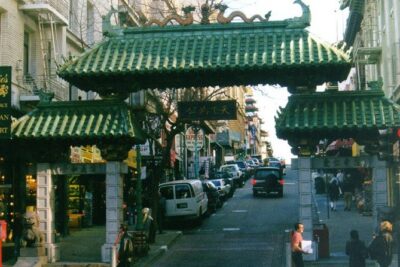
San Francisco: North Beach and Little Italy Food Tour
Read our review →
San Francisco: Food Walking Tour of Chinatown & North Beach
Read our review →
San Francisco: Mission District Food Tour with 6 Tastings
Read our review →Browse the lists this tour appears in