
Review · SAN FRANCISCO
San Francisco: Mission District Food Tour with 6 Tastings
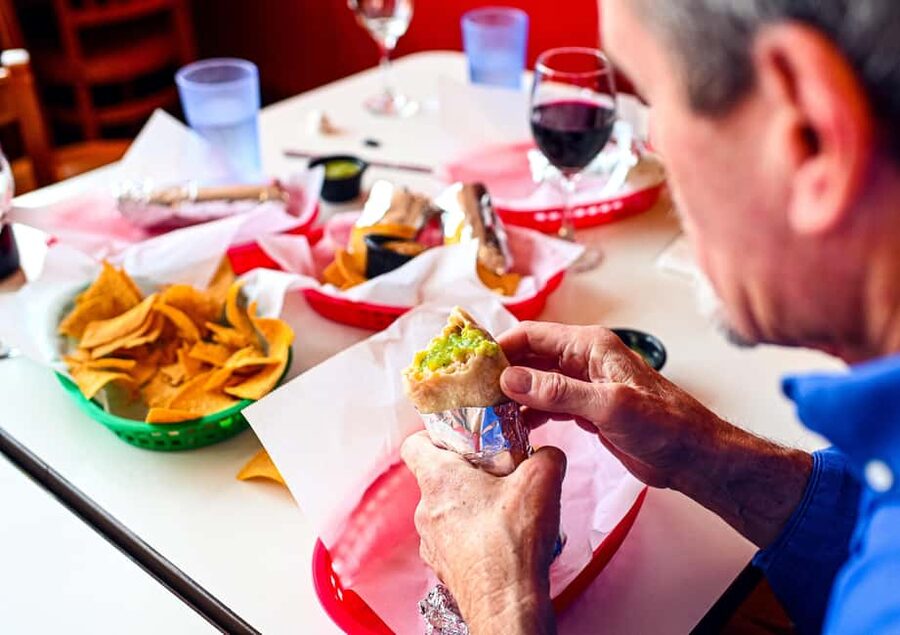
The best part of this tour is the way a Mission-style burrito and a painted wall can tell the same story. Over three hours, you eat your way through one of San Francisco’s most distinctive neighborhoods while your guide explains how immigrant communities, Latino culture, art, and small food businesses shaped the streets around you. I especially like the mix of familiar comfort food and less expected bites, including a Filipino-Mexican tocino taco. I also like that the tour gets you looking closely at murals instead of simply walking past them.
The main thing to consider is the pace and the food itself. You’ll walk a fair amount, and the tastings lean toward bread, tortillas, pastry, and other filling foods. That makes this good value for a hungry eater, but less ideal if you need gluten-free food or prefer a light, vegetable-heavy menu.
Key points at a glance
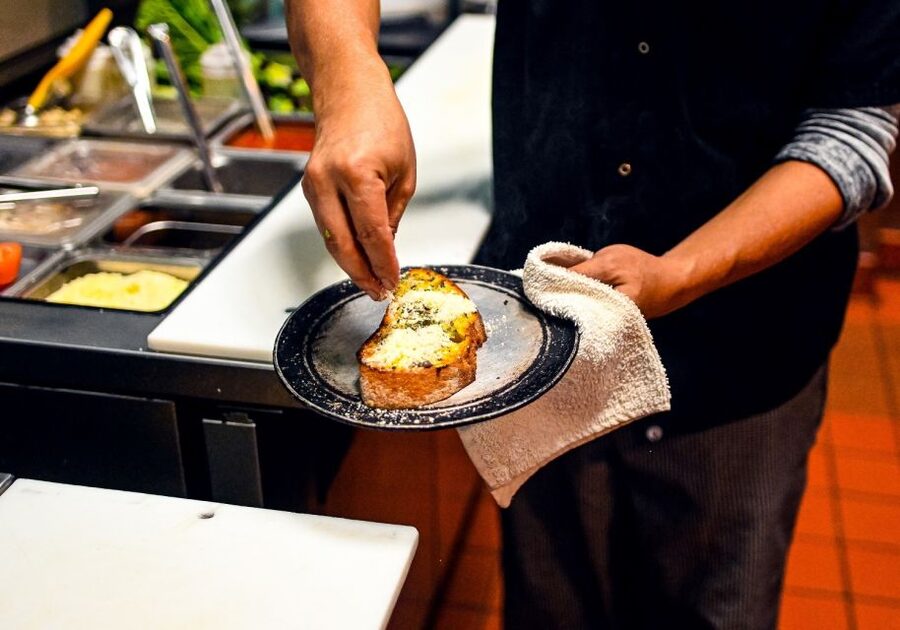
- Six tastings across three hours: Expect focaccia, a Mission-style baby burrito, a tocino taco, Mexican sweet bread, chocolate, and a secret final dish.
- Murals with meaning: Your guide connects street art to the people and communities of the Mission District.
- Guides bring different strengths: Dara, Mark, Zachary, Harrison, Mike, Dave, and others have led tours, with several bringing food-industry experience or personal ties to the city.
- A filling route: This is not a tiny-sample food crawl. Several portions are substantial, so arrive hungry.
- Walking matters: Comfortable shoes are essential, and the tour is not suitable for wheelchair users or people with mobility impairments.
- Good booking flexibility: You can cancel up to 24 hours before the start for a full refund, and reserve now while paying later.
Why the Mission District works so well for a food tour
San Francisco’s Mission District has changed hands and identities over time. Irish, German, and Italian immigrants were part of its earlier story. Today, it is widely associated with Latino culture, murals, taquerias, bakeries, and a food scene shaped by many communities.
That layered past gives the tour more substance than a simple list of places to eat. You are not just stopping for a burrito. You are hearing how people, businesses, recipes, and traditions helped shape the neighborhood.
I like that the food is tied to the setting. The Mission-style burrito makes sense here because it is one of the area’s signature foods. The tocino taco shows a newer kind of connection, combining Filipino and Mexican flavors in a way that reflects San Francisco’s mixed culinary influences.
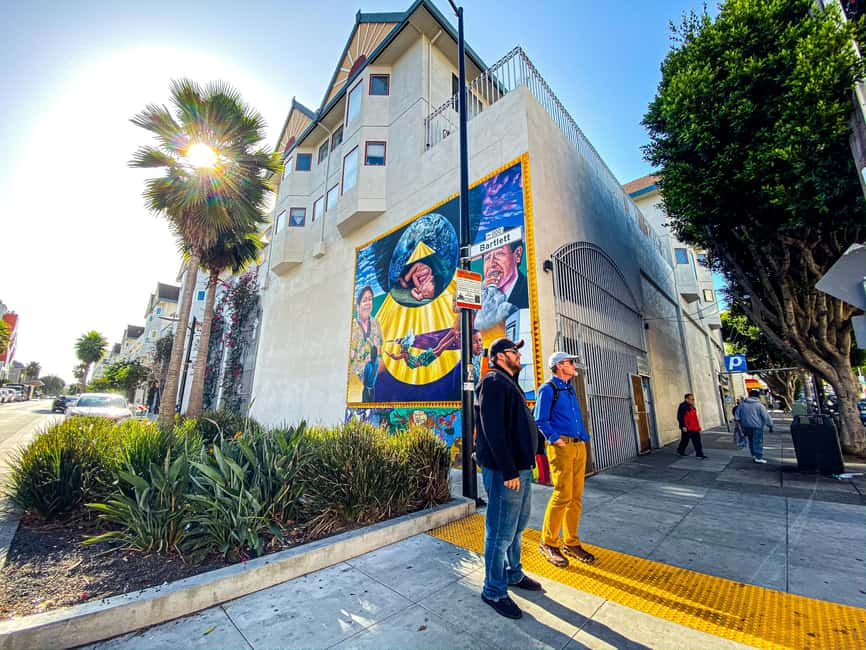
The street art adds another useful layer. The murals are not background decoration. Your guide points out their themes and explains how they connect to the local community. That gives you a better reason to slow down and look.
More food tours around the USA:
- New Orleans Food Walking Tour of the French Quarter with Small-Group Option
★ 5.0 · 6,118 reviews - Chef Guided Food Tour of Pike Place Market
★ 5.0 · 3,733 reviews - Savannah First Squares Culinary & Cultural Walking Food Tour
★ 5.0 · 3,229 reviews
The opening focaccia sets an easy pace
The tour begins with an artisan focaccia square from a Mission District bakery. It is a practical first bite: warm, savory, and substantial enough to take the edge off without filling you too early.
This stop also introduces one of the tour’s strengths. You are tasting food from a local business rather than receiving a generic snack selected only for convenience. The focus is on places with a connection to the neighborhood.
The route is designed as a walk with food stops spaced along the way. You should not expect to sit down for a full meal at each location. Instead, you eat, listen, walk, and then make room for the next taste.
The Mission-style baby burrito is the classic stop
The Mission-style baby burrito is likely to be the most familiar dish on the route, and for many people it will be the favorite. A smaller burrito portion makes sense on a food tour because you can enjoy the classic combination without using up your appetite at the second stop.
This is also the moment when the tour’s local focus becomes clearest. The Mission burrito is not just a convenient meal. It is one of the foods most closely linked with San Francisco’s identity, and eating it in the Mission District gives the dish a stronger sense of place.
If you are hoping for delicate tasting portions, keep your expectations in check. Even a baby burrito can be filling when it follows focaccia and comes before several more stops. Pace yourself, especially if you plan to eat dinner afterward.
The tocino taco adds a Filipino-Mexican turn
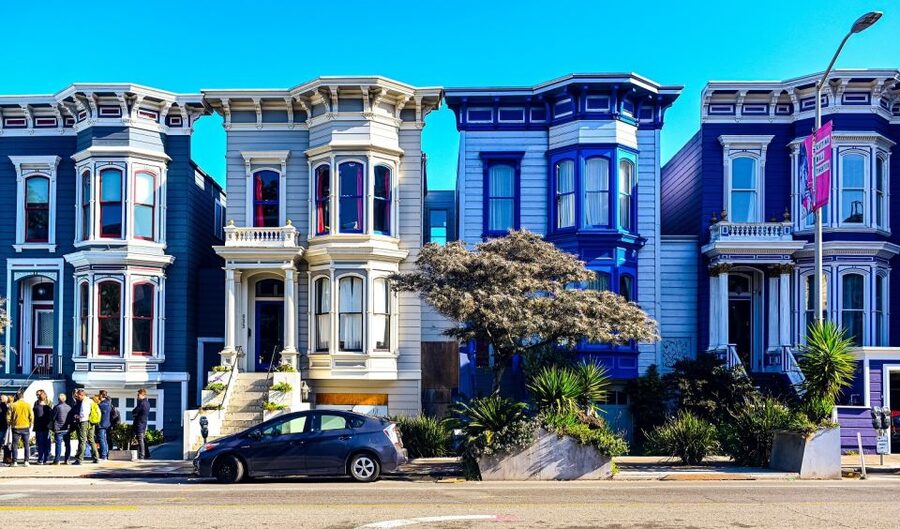
The Filipino-Mexican fusion taco, featuring tocino, is one of the more interesting tastings because it moves beyond the dishes most people already associate with the Mission.
Tocino brings a Filipino influence to a taco format. That combination shows how food in San Francisco keeps changing as communities meet and share ideas. It also gives the guide a natural opening to talk about the district’s wider cultural mix.
One useful feature of this stop is contrast. The burrito is a classic Mission food, while the tocino taco shows a more recent and creative direction. Together, they help you understand that the neighborhood’s cooking is not frozen in the past.
The taco was a highlight for some people on the route, and I can see why. It has a clear identity and offers something you may not order on your own, especially if you tend to stick to standard Mexican fare.
Same city, a different plate:
- San Francisco Super Saver: Muir Woods & Wine Country w/ optional Gourmet Lunch
★ 4.5 · 3,352 reviews - NYC: Chinatown & Little Italy Food Tour with 7 Flavorful Tastings
★ 5.0 · 2,733 reviews - Nashville: Food Tour with 5+ Tastings of Local Delicacies
★ 5.0 · 2,704 reviews - Historic Ybor City Food Walking Tour
★ 5.0 · 2,210 reviews
Mexican sweet bread brings the bakery tradition forward
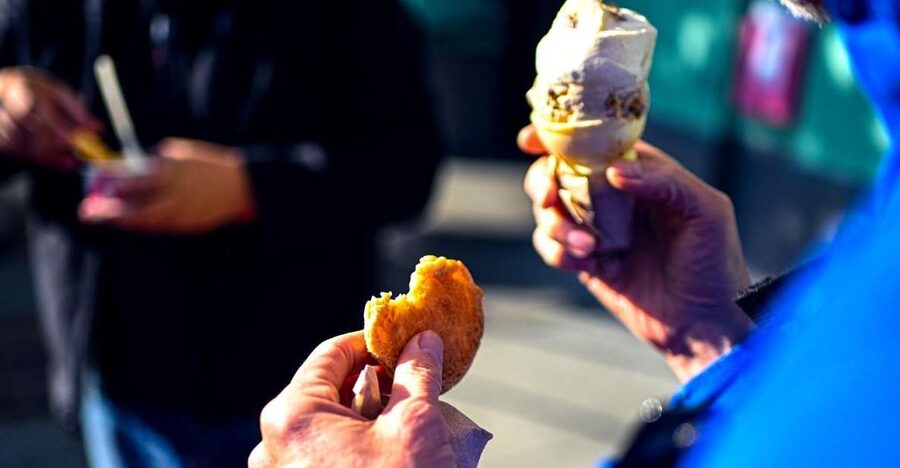
A traditional Mexican sweet bread from a long-running neighborhood bakery provides the sweet course. This is a different kind of local experience from a restaurant stop. Bakeries often reveal everyday food traditions more clearly than destination restaurants do.
The sweet bread also gives the meal a change of rhythm. After savory focaccia, burrito, and taco, a soft pastry helps reset your palate. The route has been described as fairly carb-heavy, so this is another reason to arrive hungry and avoid planning a large lunch immediately afterward.
The pastry selection can change. The menu depends on what is available, along with weather and other conditions. You may receive a pineapple pastry or another bakery item rather than one fixed product. That flexibility is worth accepting because it keeps the tour tied to what local businesses can provide that day.
Chocolate and the secret dish keep the ending uncertain
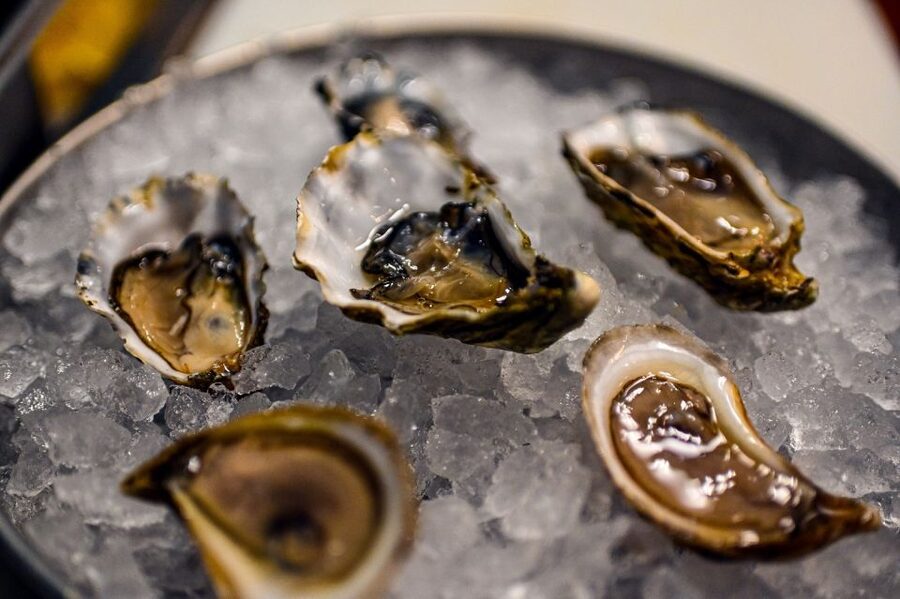
The experience includes small-batch chocolate and a Signature Secret Dish that is revealed during the tour. The exact item is intentionally not announced in advance, so you should book this for the pleasure of discovery rather than for a rigid checklist.
The secret course is useful in another way: it lets the guide and food stops respond to availability. The itinerary and menu can change, which means the tour is not promising an identical set of bites every day.
That is a minor drawback if you have your heart set on one exact dish. It is an advantage if you prefer a food walk that feels connected to current local offerings.
The supplied details also describe the food as generous overall. Some people found themselves very full by the finish. I would treat this as a light lunch replacement rather than a pre-dinner snack crawl.
Murals turn the walk into a cultural tour
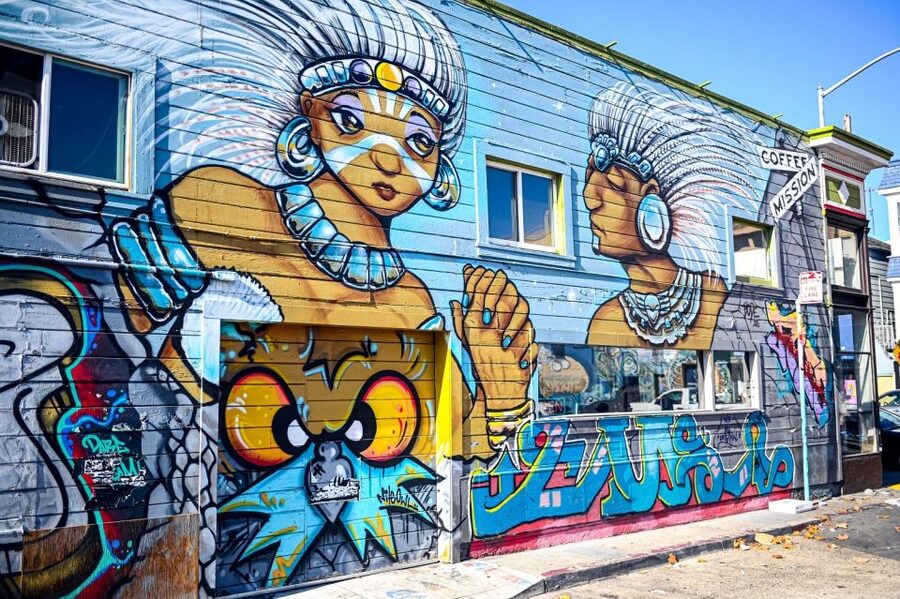
The Mission’s murals are a major reason to choose this experience over a standard restaurant crawl. You will pass colorful street art while your guide explains the stories and meanings attached to it.
The best guides appear to use the murals as conversation starters rather than giving a dry art lecture. Harrison, for example, was noted for adding quirky details to the walk, including an explanation of a brick-circle water tank that even caught the attention of people passing by.
That kind of detail matters. It shows you a neighborhood feature you might otherwise miss, and it makes the walk more memorable than a string of food counters.
The tour also brings in immigrant stories and the history of the area. Mark, Mike, Dara, Zachary, Dave, Corey, and other guides have been praised for connecting the food to the people and businesses around it. Their styles will differ, but the basic aim is the same: help you understand why these dishes belong in this particular district.
The guides shape the experience
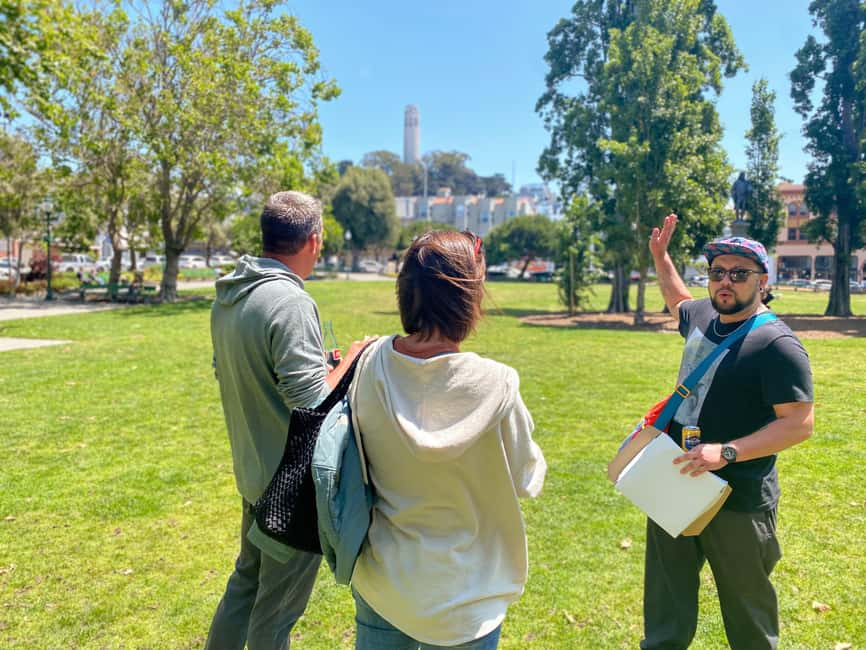
This is a guide-led tour, and the person holding the orange umbrella at the meeting point can make a real difference. The strongest feedback has focused on guides who combine food knowledge with stories about San Francisco and the Mission.
Mark has a background in the food industry and has been especially associated with detailed explanations of local restaurants and culinary traditions. Dara has been praised for making history and culture easy to follow. Zachary has handled mixed-age groups well, including teenagers, middle-aged adults, and seniors.
Harrison brings humor and unusual local details. Dave has been described as friendly and well informed, while Mike’s culinary experience adds useful context to the dishes themselves.
You should not expect a scripted lecture delivered at one fixed speed. The style can vary by guide, and one person may be more polished or more humorous than another. That said, the repeated strength of the tour is the guide’s ability to keep the food and the neighborhood connected.
Small groups make this easier. The experience has been described as manageable rather than crowded, with time to talk to other people in the group and ask questions. Group size can vary, so do not treat that as a guarantee, but the format is built for conversation.
How the $90 price holds up
At $90 per person, this is not the cheapest way to eat in the Mission District. You could buy a burrito and a pastry for far less. The value comes from combining six tastings with three hours of guiding, neighborhood context, mural viewing, and access to food stops you might not choose on your own.
I think the price makes sense if you want an introduction to the district and would otherwise spend time researching where to eat. It is also useful early in a San Francisco visit because the guide can help you understand the area before you return on your own.
The value is weaker if you only want a meal or already know the Mission well. You are paying for interpretation and route planning, not simply the ingredients.
The quantity helps. This is not a tour where six tastings mean six tiny crumbs. The burrito, taco, focaccia, bakery item, chocolate, and secret dish can add up to a full meal, so the $90 covers a substantial amount of food as well as the walk.
Who should book this Mission food walk
I would recommend it to first-time San Francisco visitors, food-focused couples, curious solo travelers, and families with older children or teens who can manage the walking. It also suits anyone who wants history delivered through everyday food rather than through a formal museum visit.
The English-speaking guide makes the tour easiest for people comfortable following stories and instructions in English. You should also bring a camera, since the murals are a major part of the route.
This is less suitable for anyone with limited mobility. The tour involves a fair amount of walking and is not designed for wheelchair users or people with mobility impairments.
Dietary needs require planning. Contact the operator before the tour with any requirements so they can do their best to help. Gluten-free diets cannot be accommodated, and the changing menu means you should not assume every ingredient will be known in advance.
Wear comfortable shoes. That advice sounds basic, but the route can involve around 10,000 steps according to one account, and the food stops are spread through the neighborhood.
Practical details that matter on the day
The meeting point is marked by an orange umbrella, with your guide waiting to greet you. Transportation to or from your accommodation is not included, so allow time to reach the starting point on your own.
The tour lasts three hours, though one group found that it ran longer than scheduled. I would avoid booking a tight appointment immediately afterward. The route includes walking, stops, questions, and conversation, so a little flexibility is wise.
Start with an appetite, but do not skip water. The menu is filling and includes several baked or tortilla-based foods. Since the food and route can change because of availability, weather, or other conditions, think of the listed dishes as a strong guide rather than a locked promise.
Cancellation is flexible up to 24 hours before the start for a full refund. You can also reserve now and pay later, which helps if your San Francisco plans are still shifting.
Should you book it?
Book this tour if you want food with context. The strongest part is not any one burrito or pastry. It is the combination of local dishes, murals, immigrant stories, and a guide who can explain why the Mission District tastes and looks the way it does.
Skip it if you need gluten-free food, cannot walk comfortably for several hours, or want a quiet sit-down meal. For most food lovers, though, $90 buys a substantial introduction to one of San Francisco’s most distinctive neighborhoods, with enough food to replace lunch and enough local detail to make the streets easier to understand when you return on your own.
FAQ
How long does the Mission District food tour last?
The tour lasts three hours. Because the route includes several food stops, walking, mural viewing, and conversation, you should leave some flexibility after the scheduled finish.
What food is included?
The planned tastings include an artisan focaccia square, a Mission-style baby burrito, a Filipino-Mexican tocino taco, traditional Mexican sweet bread, small-batch chocolate, and a Signature Secret Dish.
Can the menu change?
Yes. The itinerary and menu may change because of food availability, weather, or other circumstances. The secret dish is revealed during the tour.
Is the tour suitable for gluten-free diets?
No. Gluten-free diets cannot be accommodated. You should contact the operator in advance about other dietary requirements.
How much walking is involved?
The tour involves a fair amount of walking, so comfortable shoes are recommended. It is not suitable for people with mobility impairments or wheelchair users.
What language is the tour conducted in?
The live tour guide speaks English. The meeting point is identified by an orange umbrella, and transportation to and from your accommodation is not included.
Fresh off the menu around the USA
- Miami: South Beach Food Tour★ 4.7 · 141 reviews
- South Beach Tour des Forks: Eat Like a Local★ 4.7 · 68 reviews
- Sonoma Valley: Wine Trolley Tasting Tour with Lunch★ 4.3 · 22 reviews
- Shadows, Scandals & Secrets of Sacramento Ghost Tours★ 4.1 · 82 reviews
- Las Vegas Strip: Foodie Walking Tour★ 4.8 · 69 reviews
- Chicago: Secret Food Tour★ 4.8 · 68 reviews
- Seattle: Pike Place Market Seafood Tasting Tour★ 4.7 · 26 reviews
- Seattle: Plant-Based in Pike Place Food Tour★ 4.7 · 56 reviews
San Francisco Food Tours, compared.

San Francisco Super Saver: Muir Woods & Wine Country w/ optional Gourmet Lunch
Read our review →
Chinatown & North BeachLittle Italy: 7 Tastings & History
Read our review →
San Francisco Authentic Food Tour with 5 Locals Favorites Dishes
Read our review →
San Francisco: North Beach and Little Italy Food Tour
Read our review →
San Francisco: Food Walking Tour of Chinatown & North Beach
Read our review →
No Diet Club – Best street food tour in San Francisco !
Read our review →Browse the lists this tour appears in