
Review · NEW ORLEANS
New Orleans Food and History Walking Tour
New Orleans cuisine tells the city’s story one bite at a time. This three-hour French Quarter food walk moves from chicken and andouille gumbo to pralines, fried catfish po-boys, boudin, red beans and rice, muffulettas, and dessert. Along the way, your guide explains how Cajun, Creole, French, Spanish, African, Caribbean, and Italian influences shaped the food on your plate.
I like the tour’s generous portions, which turn the stops into a progressive lunch rather than a string of tiny samples. I also like the guides’ mix of food talk and city history. Beth, Meg, John, Sarah, Ben, and Dylan, sometimes introduced as Dr. Gumbo, have all led tours, and the best guides keep the group laughing while explaining recipes, place names, and local traditions.
The main drawback is the limited diet policy. A vegetarian option is available, but there is no gluten-free, dairy-free, or vegan option, and the stops can change with availability. The walking is generally manageable, but you should wear good shoes and expect a brisk pace.
Key points to know before booking
- Five food stops turn lunch into a full meal: Expect substantial servings rather than a few decorative nibbles.
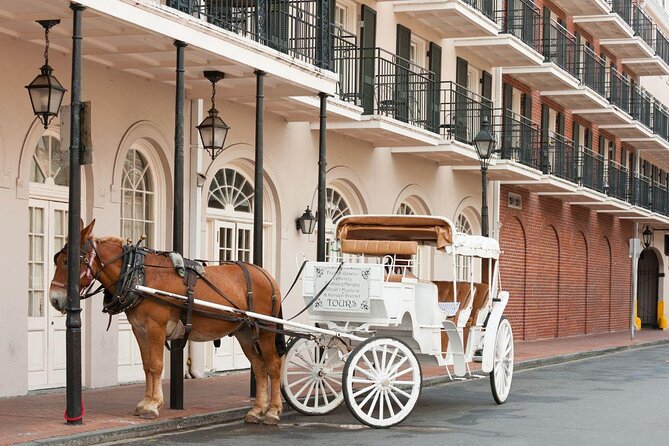
- The French Quarter is your classroom: You walk through the Vieux Carré while learning how New Orleans dishes developed.
- Gumbo, po-boys, pralines, and muffulettas lead the menu: You also might try boudin, red beans and rice, bread pudding, or Bananas Foster-style bread pudding.
- Guides make a major difference: Beth, Meg, John, and Dylan are praised for clear explanations, humor, recipes, and answers to questions.
- Dietary limits matter: Vegetarian food can be requested at checkout, but vegan, dairy-free, and gluten-free meals are not offered.
- Morning and afternoon departures help with planning: Book it early in your stay if you want restaurant ideas for later meals.
Starting with gumbo at 3rd Block Depot
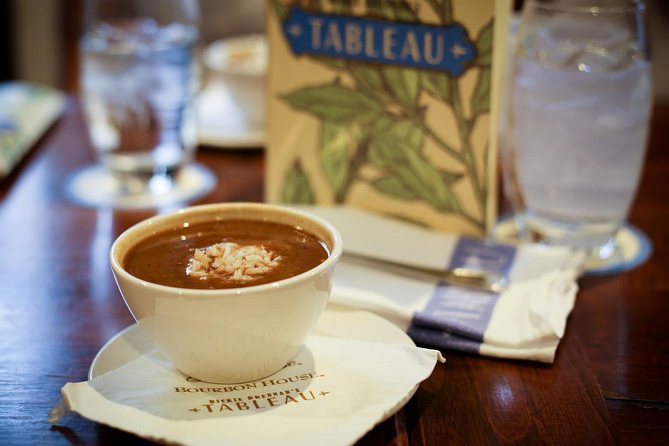
Meet at 3rd Block Depot on Chartres Street, in the French Quarter. This first stop sets the tone with rustic Cajun gumbo made from a dark roux, chicken, and andouille sausage. It comes with chicken stock and a spoonful of warm potato salad, a country-style touch that may be new to you if your gumbo experience has been limited to rice on the side.
The gumbo is more than an opening dish. It gives your guide a reason to explain the difference between a roux-based stew and other Louisiana preparations, as well as the role of smoked sausage, stock, seasoning, and slow cooking. You also hear how local geography and the city’s mix of cultures shaped the food.
You may buy a drink at the bar, but beverages beyond water are not included. That is worth noting at the first stop, since three hours of savory food and hot sauce can make a cold drink appealing. Some people have found the first stop a little long, while others liked having time to settle in and ask questions.
The quality of the first serving can vary with timing. The flavor has received praise, but one past meal arrived less hot than expected. I would treat this as a restaurant stop within a moving tour, not a private tasting kitchen.
More food history walks around the USA:
- Historic Ybor City Food Walking Tour
★ 5.0 · 2,210 reviews - Boston Food & History: Pizza, North End & Freedom Trail
★ 5.0 · 1,772 reviews - Boston’s North End Food Tour: Italian Flavors & Heritage Walk
★ 5.0 · 1,322 reviews
A hot sauce stop with a lot of heat
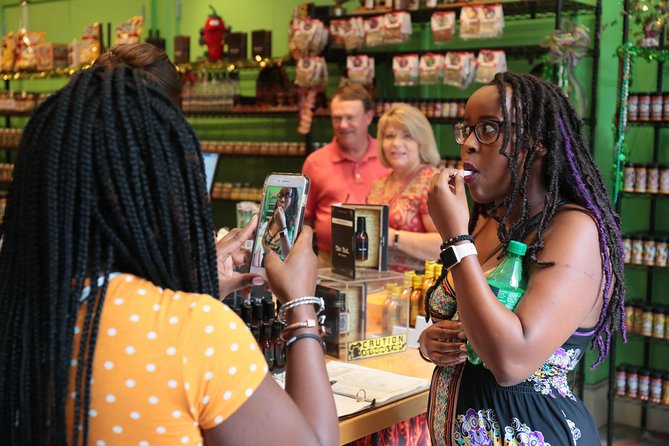
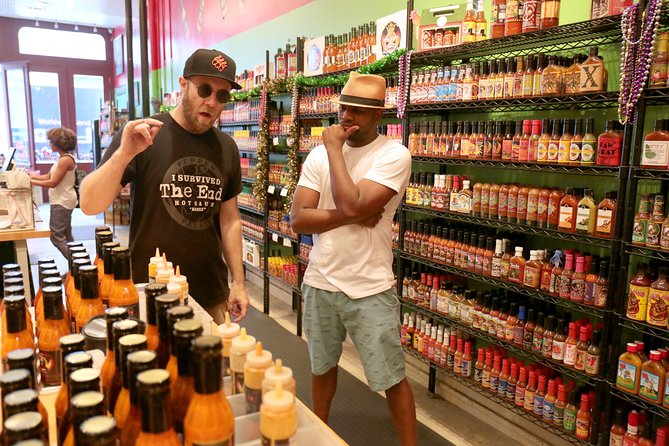
Next comes a hot sauce and seasoning shop. You can sample a wide range of hot sauces, dry rubs, barbecue sauces, marinades, and Buffalo-style sauces. This is a playful stop, but it also shows how seasoning is part of the region’s food culture.
Go slowly here. You do not need to prove anything to the bottle with the most dramatic label. Try a few styles, ask your guide how locals use them, and remember that the rest of the meal still lies ahead.
This stop is also the clearest example of the tour’s tradeoff. One menu can only cover so many classic dishes in three hours. If your priority is tasting as many different New Orleans dishes as possible, you might prefer another restaurant stop instead of the hot sauce shop. If you enjoy browsing food products and taking home a bottle or spice blend, the stop adds useful shopping time.
Pralines and Creole sweets at Leah’s
At Leah’s Pralines, the focus shifts from savory food to a classic New Orleans sweet. A traditional praline combines local brown sugar, dairy, and locally harvested pecans. You may also encounter a newer variation, such as bacon pecan brittle.
This is a good place to learn that New Orleans food is not only about gumbo and fried seafood. The city’s sweets reflect local ingredients and old recipes, but shops also experiment with new combinations. Your guide may explain the texture, cooking process, or difference between a soft praline and a brittle-style candy.
The stop can also be useful if you want edible gifts. Several people have returned to food shops from the tour later in their visit, either to buy treats or to eat at one of the restaurants again. Since the tour ends near other French Quarter addresses, you can continue exploring on foot afterward.
Comparing po-boys and muffulettas
The French Quarter walk continues past signs advertising po-boys and muffulettas, two sandwiches that deserve more explanation than a quick bite allows.
At NOLA Poboys, the scheduled sample is a fried catfish po-boy on local French bread. It is dressed with lettuce, tomato, mayonnaise, and pickles, with hot sauce available if you want more heat. Your guide also discusses Louisiana’s seafood harvest and the role of the region’s waterways in its cooking.
The po-boy is a useful lesson in texture. Crisp fried fish, soft bread, cool dressing, and pickles create a very different experience from the dark, slow-cooked gumbo. You may also learn why the sandwich is dressed in the local style rather than simply served with condiments on the side.
The muffuletta brings another tradition to the table. This Italian-style sandwich uses Sicilian bread with smoked ham, mortadella, Genoa salami, provolone, mozzarella, and local olive salad. It reflects the influence of Italian immigrants and the way New Orleans cooks adapted imported foods to local tastes.
These are not always served at the same stop or in the same form. The tour states that venues and dishes can change according to availability. Ask your guide early in the walk what you are likely to receive that day, especially if one particular dish is important to you.
More food tours around the USA:
- New Orleans Food Walking Tour of the French Quarter with Small-Group Option
★ 5.0 · 6,118 reviews - Chef Guided Food Tour of Pike Place Market
★ 5.0 · 3,733 reviews - Savannah First Squares Culinary & Cultural Walking Food Tour
★ 5.0 · 3,229 reviews - NYC: Chinatown & Little Italy Food Tour with 7 Flavorful Tastings
★ 5.0 · 2,733 reviews
Boudin, red beans, and the language of Louisiana food
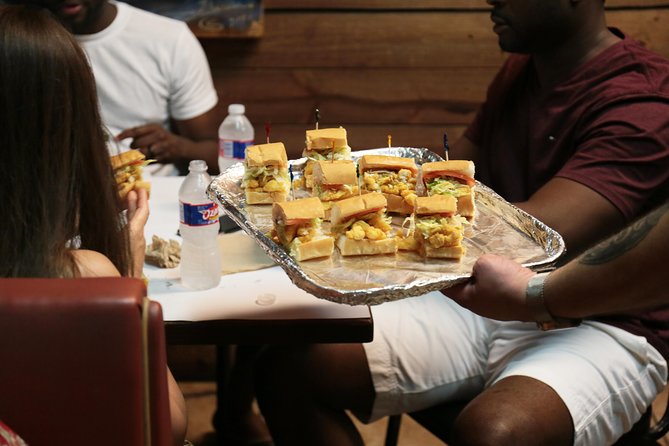
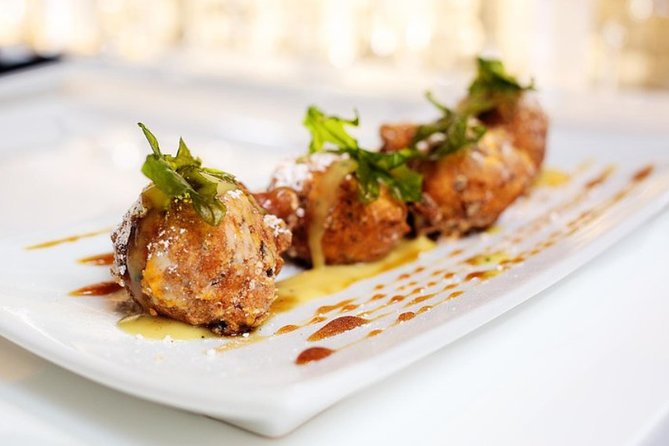
The larger menu includes several dishes that may appear at later stops. Boudin balls are fried Cajun sausage balls made with smoked pork, rice, and spices, served with Creole remoulade. They are compact but filling, and they show how rice and meat work together in Cajun cooking.
Red beans and rice offers a slower, softer contrast. The beans cook with smoked ham and andouille sausage before being served over rice with green onions. It is the kind of dish that makes sense as everyday food: inexpensive staples, smoky meat, patient cooking, and enough flavor to make a simple bowl satisfying.
Your guide may also explain the names behind dishes such as étouffée and jambalaya. These words are not just menu decoration. They point to the languages and cultural groups that shaped Louisiana cooking. The food talk is at its best when it connects a dish to how people cooked, traded, settled, and adapted in the city.
The tour cannot cover every major New Orleans plate. Jambalaya and étouffée may not both appear, and one past menu included gumbo without étouffée. If you want a full survey of Louisiana food, you will need more meals after the walk.
Ending with bread pudding near Toulouse Street
The tour ends at New Orleans Creole Cookery on Toulouse Street. Depending on the day, dessert may include seasonal bread pudding, baked or fried, with one menu version featuring Bananas Foster-style bread pudding.
This is a substantial finish after several savory courses. Plan your other meals with restraint, especially if you take full portions at each stop. The food is generous enough that you should not book the tour immediately before a major dinner reservation.
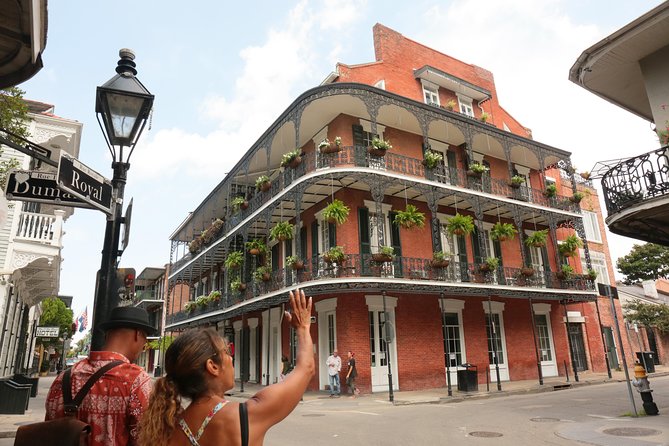
Ending in the French Quarter is practical. You are not dropped at an isolated location, and you can continue walking, return to a favorite stop, or use the end point as a reference for later dining. The tour does not provide a formal architecture walk, however. You will see the Quarter while moving between food stops, but the focus remains cuisine and its cultural roots.
What the $85 price really covers
At $85 per person, this tour is not the cheapest way to buy lunch. It can be good value if you would otherwise order several separate dishes, pay for a guide, and spend time guessing which places deserve your attention.
The price includes the set food menu and gratuities for servers at the establishments. Water is included, but other drinks cost extra. A tip for your guide is optional and not included.
The value depends on how you use the information. I would book this early in a New Orleans visit, then return to a restaurant or shop that suited your taste. The tour can save you trial and error, particularly if you have only a short stay and want a quick introduction to the major dishes.
It is less useful for a person who wants a quiet sit-down lunch at one restaurant or who prefers choosing every dish personally. The menu is fixed enough to keep the group moving, and the food stops are based on availability. You are paying for food, context, and direction, not a made-to-order dining experience.
Walking pace, group size, and weather
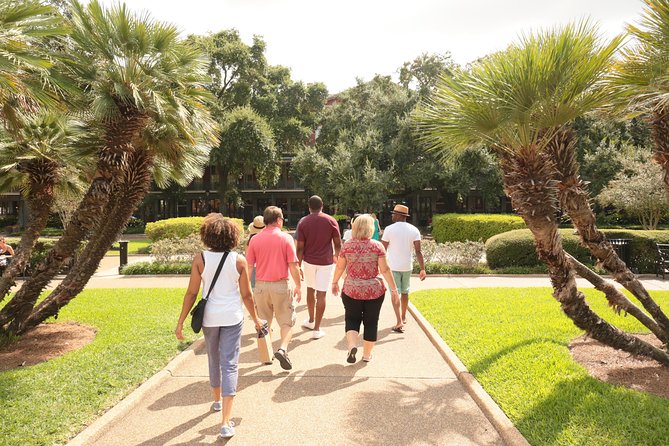
The group can have up to 16 people. That is small enough for questions and conversation, while still large enough that you should stay close to the guide at street crossings and inside busy venues.
The walking distances are generally easy, but the experience is not designed for people with walking or mobility issues. Some people describe it as a minimal-walking food tour, while others advise you to wear walking shoes and be ready to move quickly. Both points can be true depending on the guide, group, weather, and timing at each stop.
The tour operates in all weather conditions. Bring suitable clothing and an umbrella when rain is possible. A wet afternoon does not automatically cancel the experience, so check the forecast before leaving your hotel.
The meeting point is at 310 Chartres Street, and the end point is at 508 Toulouse Street. Both are in the French Quarter and near public transportation. Confirmation arrives when you book, and mobile tickets are accepted.
Guides who make the food make sense
A food tour rises or falls on its guide. Here, the strongest guide reports focus on humor, clear explanations, and an easy willingness to answer questions.
Beth is known for keeping the group engaged while explaining both New Orleans history and food traditions. Meg has been praised for her personality, pace, and ability to explain the origins of dishes. Dylan, also called Dr. Gumbo on some tours, is especially associated with putting each dish into a wider cultural story.
John, Sarah, and Ben have also led tours, with an emphasis on local food background and city history. Your guide will depend on the date, so do not book solely around one name. The consistent benefit is the chance to ask about recipes, ingredients, restaurant choices, and the meaning of dishes as you eat them.
Solo participants should feel comfortable here. The format gives you something to discuss at every stop, and the group size allows conversation without requiring you to arrive with companions.
Who should book this food walk?
I would choose this tour for a first visit to New Orleans, especially if you want a guided introduction before making your own restaurant plans. It suits curious eaters who like trying sausage, seafood, pickles, hot sauce, sweets, and dishes with unfamiliar names.
It also works well for a short stay. Three hours gives you several classic tastes and a useful food vocabulary without taking an entire day. A morning or afternoon departure lets you fit it around other plans.
I would pause if you have strict dietary needs. Vegetarian food is available when requested at checkout, but the tour cannot provide vegan, gluten-free, or dairy-free meals. Food allergies should be reported during checkout, and the operator asks you to distinguish allergies from simple dislikes.
You should also skip it if mobility limits make a three-hour walking route difficult. Service animals are allowed, and most people can participate, but the activity is not recommended for travelers with walking issues.
Should you book the New Orleans Food and History Walking Tour?
Book it if you want a full introduction to New Orleans food rather than one isolated restaurant meal. The combination of gumbo, po-boy, praline, muffuletta, boudin, red beans and rice, sauces, and dessert gives you a strong starting point, even though the exact selection may change.
I would book it near the start of your visit and arrive hungry. Leave room for drinks, wear walking shoes, and accept that the hot sauce stop may replace a dish you hoped to try. If you can manage those limits, $85 buys a useful meal and a guide who helps you understand why New Orleans tastes the way it does.
FAQ
How long does the New Orleans Food and History Walking Tour last?
The tour lasts approximately three hours.
Where does the tour start?
It starts at 3rd Block Depot, 310 Chartres Street, New Orleans, Louisiana 70130.
Where does the tour end?
It ends at New Orleans Creole Cookery, 508 Toulouse Street, New Orleans, Louisiana 70130.
What food is included?
The menu can include gumbo, hot sauce and seasoning samples, pralines, fried catfish po-boys, muffulettas, boudin balls, red beans and rice with andouille sausage, and bread pudding. Stops and dishes can change based on availability.
Are drinks included?
Only water is included. Other beverages are available at your own expense.
Is a vegetarian option available?
Yes. A vegetarian option is available if requested at checkout.
Can the tour accommodate vegan, dairy-free, or gluten-free diets?
No. The tour does not offer vegan, dairy-free, or gluten-free options.
How many people can join the tour?
The maximum group size is 16 people.
Can I cancel for a full refund?
Yes, if you cancel at least 24 hours before the experience starts. Changes or cancellations made less than 24 hours in advance are not accepted for a refund.
Fresh off the menu around the USA
- Miami: South Beach Food Tour★ 4.7 · 141 reviews
- South Beach Tour des Forks: Eat Like a Local★ 4.7 · 68 reviews
- Sonoma Valley: Wine Trolley Tasting Tour with Lunch★ 4.3 · 22 reviews
- Shadows, Scandals & Secrets of Sacramento Ghost Tours★ 4.1 · 82 reviews
- Las Vegas Strip: Foodie Walking Tour★ 4.8 · 69 reviews
- Chicago: Secret Food Tour★ 4.8 · 68 reviews
- Seattle: Pike Place Market Seafood Tasting Tour★ 4.7 · 26 reviews
- Seattle: Plant-Based in Pike Place Food Tour★ 4.7 · 56 reviews
New Orleans Food Tours, compared.
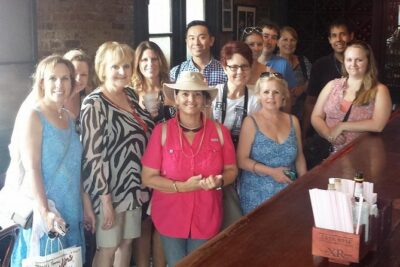
New Orleans Food Walking Tour of the French Quarter with Small-Group Option
Read our review →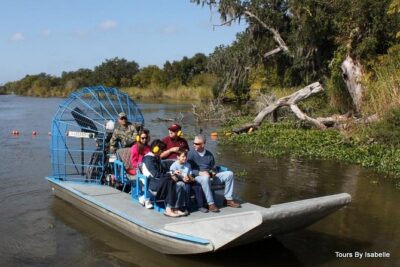
Airboat and Plantations Tour with Gourmet Lunch from New Orleans
Read our review →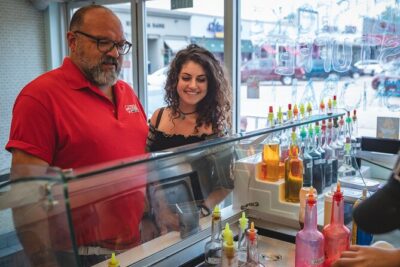
New Orleans French Quarter Food Tour: Cajun, Creole and Culture
Read our review →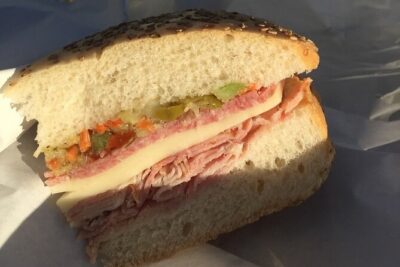
French Quarter walking Food Tour Famous Flavors of New Orleans
Read our review →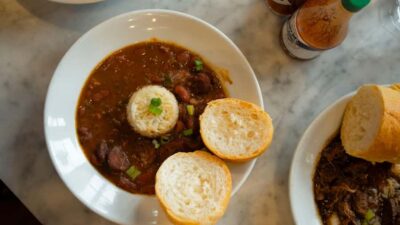
New Orleans: Beloved Bites & Famous Dishes Food Tour
Read our review →
New Orleans: Food Tour with Seafood Boil in French Quarter
Read our review →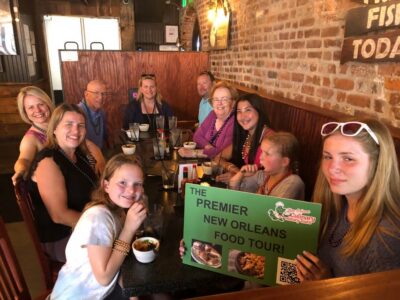
New Orleans: The Premier Food Tour — Your Must-Do Activity
Read our review →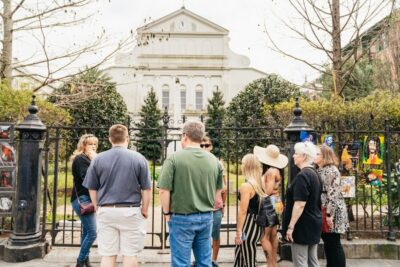
New Orleans: French Quarter Food Tour with Tastings
Read our review →Browse the lists this tour appears in