
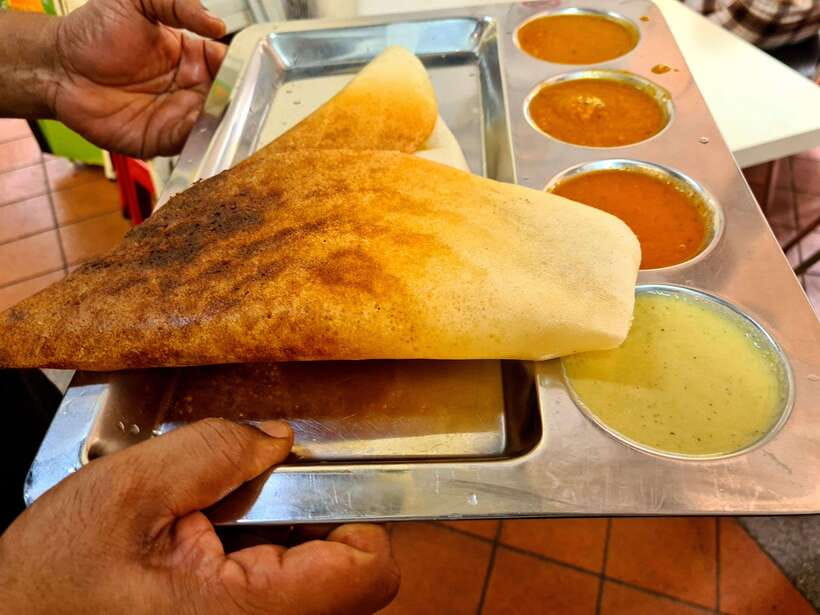
Review · SINGAPORE
Personalised 3in1 Food Tour: 3 Cultural Trails of Singapore
Singapore’s best food story is also its cultural story, and this five-hour tour makes that link clear. You move from Indian temples and hawker stalls to the Malay quarter and then Chinatown, eating as you go. I like the combination of 9 to 10 tastings and serious cultural context, especially when a guide such as Kelvin, Ronnie, Jeanette, or Monica adjusts the route to suit your interests.
I also like the small maximum of 10 people, which makes it easier to ask questions and share dishes. The main caution is pace: this is a long walking day, with one guest reporting about 6.5 miles, and the heat, rain, crowds, and waiting for hawker food can test your legs and patience.
Key details before you book
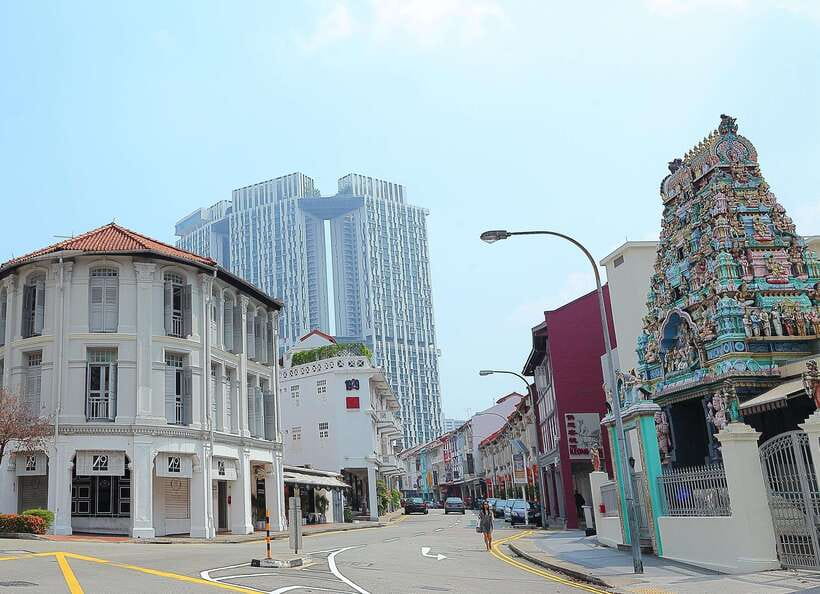
- Three districts in five hours: Visit Little India, Kampong Glam, and Chinatown in one tightly planned route.
- Nine to ten tastings: Expect local hawker food, Michelin-recognized dishes, drinks, and one alcoholic drink.
- Temples and mosques included: See Sri Veeramakaliamman Temple, Sultan Mosque, Buddha Tooth Relic Temple, and Sri Mariamman Temple.
- Small-group format: The maximum group size is 10 people, with English, Chinese, and Japanese available.
- A walking tour with transport: The route uses walking, and some groups also use Singapore’s MRT and buses.
- Come hungry and wear good shoes: You will eat often, walk a lot, and may wait for tables or food orders.
Why this food tour works
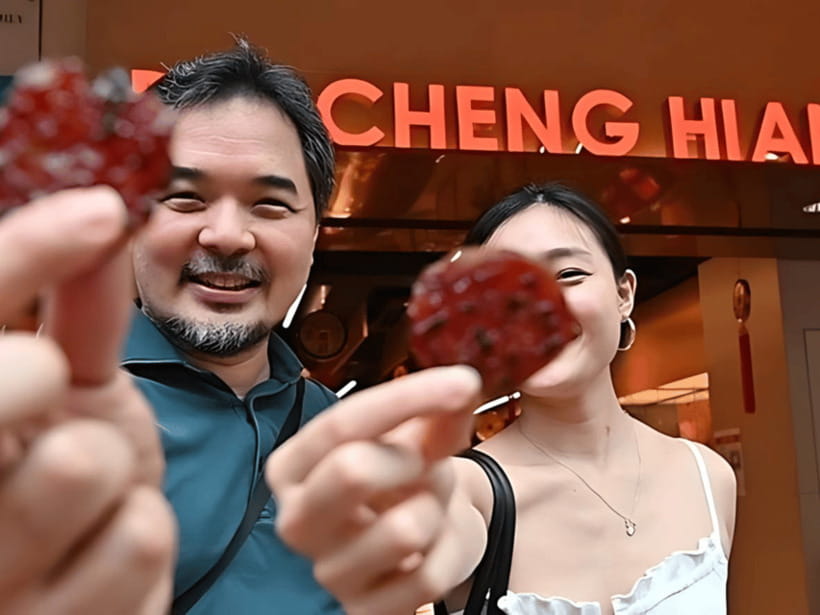
Many food tours keep you near one market. This one gives you a quick lesson in how Singapore was built from several communities, then lets you taste that story in three districts. Little India brings Indian dishes and Hindu traditions. Kampong Glam introduces Malay, Arab, and Muslim influences. Chinatown adds Chinese food, religion, and immigrant history.
That range is the strongest reason to book. You are not simply moving from one famous stall to another. You are seeing places of worship, old shophouses, market halls, murals, museums, and small alleys between meals.
The guides are a major part of the experience. Kelvin is praised for explaining Singapore’s past and present, while Ronnie is described as warm, funny, and full of enthusiasm for food and local culture. Jeanette is a good fit if you value a calm, thoughtful introduction, and Monica has led tours with a strong focus on religion, history, and food. One guide even adjusted the route for a guest interested in model cars and another who wanted to browse clothing.
That personal touch matters because the tour is not a fixed restaurant crawl. Food choices can be shaped around the group where possible. Still, dietary requests are not guaranteed on a shared tour, so contact the operator before booking if you have allergies, religious restrictions, or a special diet.
More food tours around Singapore:
- Small Group: Michelin and Local Hawker Food Tour with 9 tastings
★ 5.0 · 1,890 reviews - Small Group: Singapore Street Food & Night Tour with 9 tastings
★ 5.0 · 1,240 reviews - The Award-Winning PRIVATE Food Tour: 10 Tastings of 3 Cultures
★ 4.5 · 1,017 reviews
Starting in Little India
Meet your guide at Little India MRT Exit C, at street level. This is a sensible starting point because the neighborhood gives you an immediate introduction to Singapore’s Indian community, with colorful facades, food aromas, religious buildings, and market activity close together.
Sri Veeramakaliamman Temple is the first major sight. It is dedicated to Kali and is known for its colorful exterior and detailed sculptures. Your guide can explain the temple’s role and point out features you might miss if you simply stopped for a photograph.
Dress and behavior matter inside religious buildings. Follow your guide’s instructions, keep your voice low, and be ready for some areas to be viewed from outside rather than entered. The schedule allows about 35 minutes here and around Little India, enough for an explanation and photographs without turning the visit into a long museum stop.
The district is also a good place to begin tasting. You might try Indian specialties at Tekka Centre, where a wet market shares space with food stalls. This is one of the more useful stops for first-time visitors because your guide can explain what you are looking at and help you order dishes you might otherwise pass by.
Tekka Centre is not a polished food hall. It is practical, busy, and local in feel. That is part of its appeal, but it also means noise, shared seating, queues, and changing stall availability. The tour cannot reserve tables or pre-order dishes, so allow some flexibility.
Tekka Centre, Little India Arcade, and Indian heritage
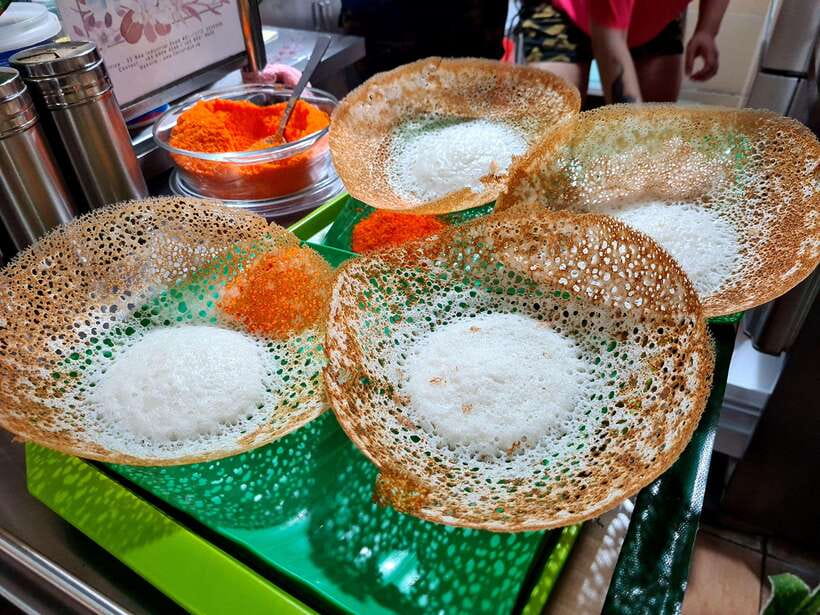
The route continues through Little India Arcade, where you can browse shops selling traditional clothing and handicrafts. This is a shorter stop, but it adds texture to the food and temple visits. If you enjoy textiles, souvenirs, or browsing market displays, ask your guide for time to look around.
The Indian Heritage Centre follows, with exhibits about the Indian community in Singapore. Entrance tickets to museums are not included, so confirm with your guide how the visit will work on your date. The schedule lists a guided stop, but the operator clearly states that museum admission costs extra.
I like this part of the route because it gives context to the neighborhood. Food tastes more meaningful when you understand that these districts are not theme parks built for sightseeing. They are working areas with places of worship, shops, homes, markets, and cultural institutions.
You may also see murals and colorful side streets as you walk. The tour specifically includes photograph-friendly alleys, though the exact murals can vary. Bring a camera, but do not let the photo stops distract you from the guide’s explanations.
Kampong Glam, Haji Lane, and Sultan Mosque
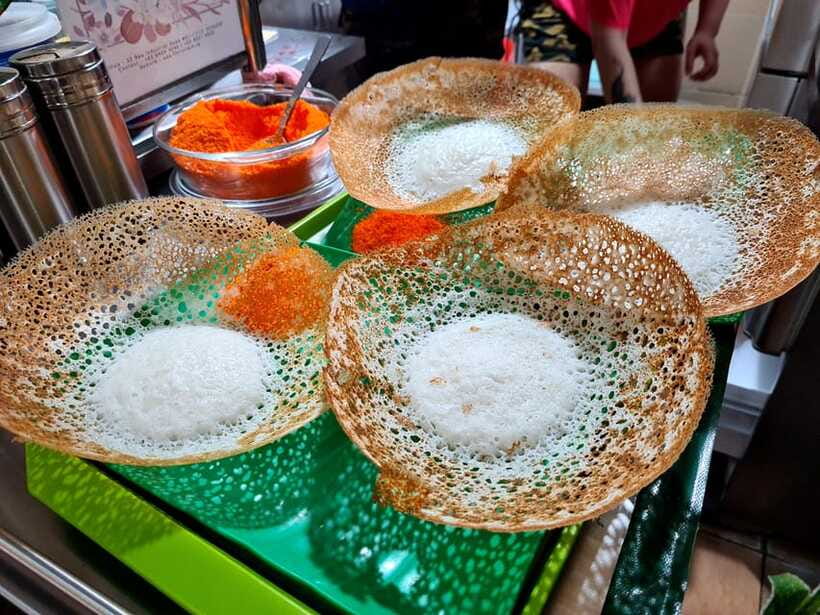
From Little India, the tour continues to Kampong Glam. Depending on the group and route, you may use Singapore’s MRT or buses, giving your feet a short break and showing you how easy it is to connect these central districts by public transport.
Haji Lane is the most playful stop on this section. Its narrow alley is lined with murals, small boutiques, and distinctive shopfronts. It is a natural place for photographs, but it can be crowded, especially when several groups are stopping at once.
Sultan Mosque provides a more serious counterpoint. The mosque’s golden domes and broad facade are among the most recognizable sights in Kampong Glam. Your guide explains the district’s Muslim and Malay connections, then takes you through nearby streets such as Kandahar Street and Muscat Street.
The Malay Heritage Centre and Spice Garden add another layer. The garden connects food to place through fragrant plants and spices, while the heritage center provides background on the Malay community and the neighborhood’s past. As with the Indian and Chinatown museums, admission tickets are not included.
The route may also pass Jalan Besar Road, the Camera Museum, and Bussola Street. These stops make the section feel less like a checklist of famous sights. You get a mix of major monuments, small shops, old shophouses, and side streets.
Food here brings different flavors from those in Little India. The tour description promises exotic tastes, but it does not publish a fixed menu. That is useful for freshness and flexibility, yet it means you should not book expecting a specific dish. The guide selects from available hawker or local food, with your preferences taken into account where possible.
Same city, a different plate:
- Singapore: Chinese, Indian & Arabic Quarters, Culture & Food Tour
★ 5.0 · 789 reviews - Singapore: Guided Street Food Tour at Night
★ 4.5 · 393 reviews - Singapore: Foodie Experience Guided Tour with 5 Tastings
★ 4.7 · 291 reviews - Singapore: Private Food Tour – 10 Tastings with Locals
★ 4.7 · 194 reviews
Chinatown’s temples and food stalls
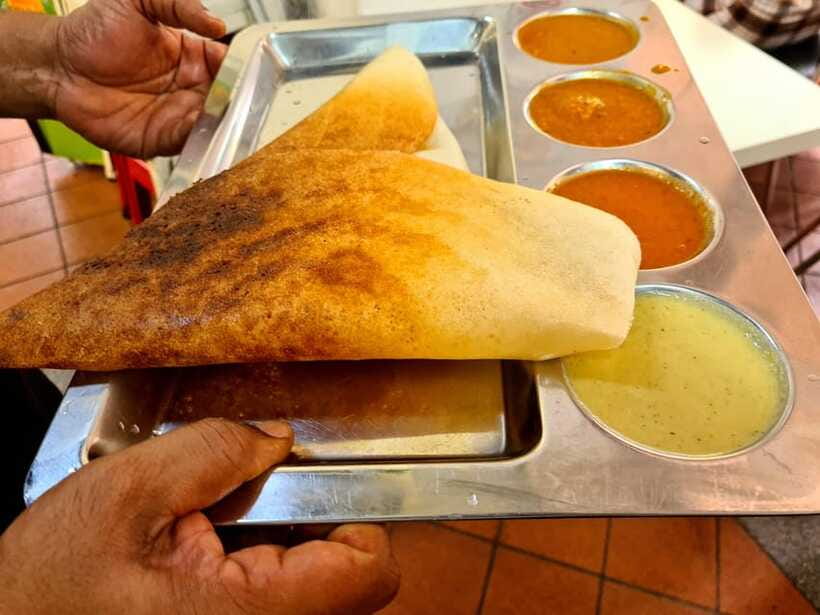
Chinatown is the final major district, and the Buddha Tooth Relic Temple is its visual centerpiece. The building has an ornate exterior and a museum section connected with Buddhist traditions. Your guide gives you time to look around and explains the site, but remember that not every museum admission is included in the tour price.
Sri Mariamman Temple adds an important contrast. It is Singapore’s oldest Hindu temple, with detailed decoration and a different atmosphere from the Buddhist temple. Seeing both in one day helps you understand how close different religious traditions sit within Singapore’s central districts.
Chinatown Street Market offers shops, food stalls, and souvenir browsing. I would treat this as a passing route rather than a long shopping session. Five hours is not enough for extended browsing in every neighborhood, especially when meals and temple visits are included.
The Chinatown Heritage Centre is another possible museum stop. It focuses on the lives of early Chinese immigrants and helps explain how the district developed. Admission is extra, and the guide may need to keep the visit brief to stay on schedule.
Maxwell Food Centre is where the final meal stops gather. It is one of Singapore’s best-known hawker centers, and the tour includes local food there, including Michelin-recognized hawker food when available. This is the place to save room for several small portions rather than filling up on the first plate.
What you will eat during five hours
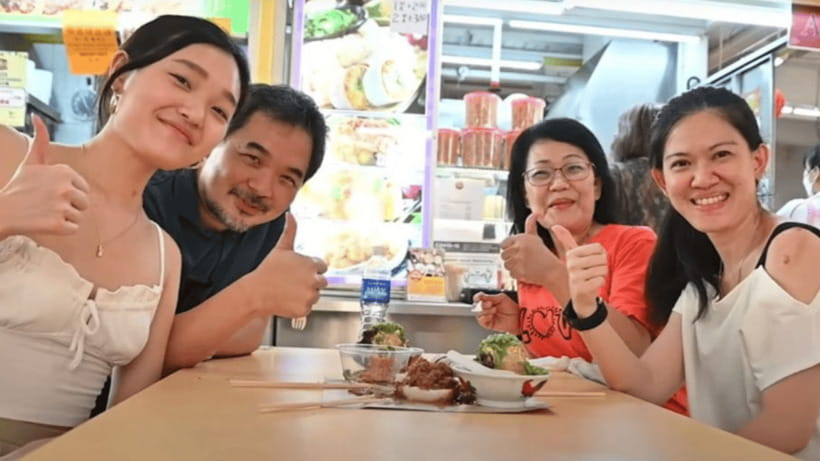
The tour includes 9 to 10 must-try food and drink tastings, including one alcoholic drink. Past food examples include kaya toast, chicken and rice, and chendol, along with Indian and Chinese specialties. Because the menu changes with availability and group preferences, the experience is more about variety than a guaranteed list.
The portions are designed for tasting, but there is enough food to replace breakfast and possibly lunch. Several guests specifically advise eating lightly beforehand. I agree. A normal breakfast could make the first half of the tour uncomfortable, especially in Singapore’s heat.
You will not necessarily sit down for a long meal at every stop. Hawker centers use shared seating, and finding places together can take time. Your guide may need to secure tables and order food while the group waits. That is a normal part of Singapore hawker culture, but it is worth knowing before you arrive.
The price is $150 per person. That is not cheap for a food tour, but the value depends on how much of the full package you use. You are paying for five hours with a licensed guide, 9 to 10 tastings, one alcoholic drink, a bottle of water, neighborhood interpretation, and a small group capped at 10.
If you only want cheap meals, you can spend far less by eating independently. If you want help navigating unfamiliar stalls, understanding religious sites, covering three districts, and tasting foods you might not order alone, the price is easier to justify. Museum admissions and personal purchases remain extra.
Walking, weather, and group size
Plan for a serious walk. One reported route covered roughly 6.5 miles, and the official schedule includes many stops across three districts. Comfortable shoes are essential. Sandals may be fine for some people, but supportive footwear is the safer choice.
Singapore’s heat can make the distance feel longer. Carry the supplied water, bring an umbrella or rain poncho, and expect the plan to slow down during rain. The tour is not wheelchair-accessible, and the combination of sidewalks, market halls, stairs, crowds, and public transport may be difficult for anyone with limited mobility.
A maximum of 10 people is a useful middle ground. You get more personal attention than on a large coach tour, but the tour may still feel social and busy. If you are traveling alone, this format can make the day easy to join. If you want complete control over food, shopping, or timing, a private tour would suit you better.
The tour is offered in English, Chinese, and Japanese. Children aged 0 to 2 can join free. The child ticket policy limits one child ticket per adult, two per two adults, and so on, with additional children charged at the adult rate.
Who should book this experience
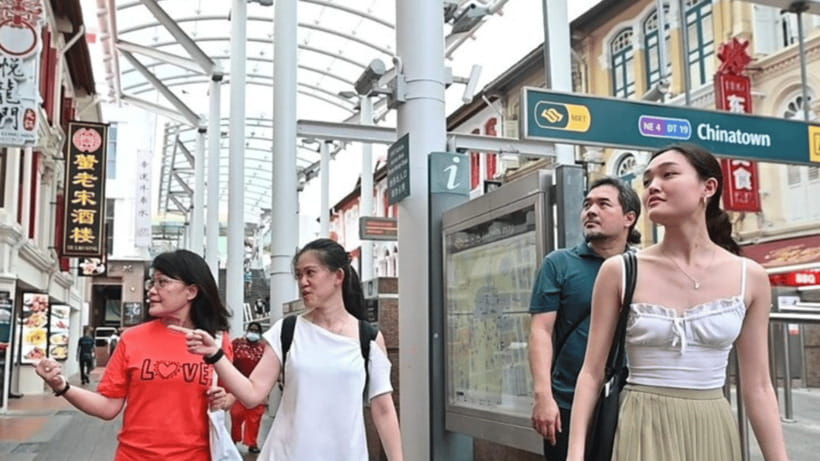
I would recommend this tour to a first-time visitor with limited time, especially someone staying in Singapore for only a day or two. It gives you a fast orientation to three important areas, and you can return later to the stalls, museums, or shops you want to explore at a slower pace.
It also suits people who want food with explanation. If you are curious about why a temple sits beside a market, how Muslim and Malay traditions shaped Kampong Glam, or how Chinese immigrant life influenced Chinatown, the guide-led format adds real value.
It is less suitable for a picky eater, anyone with strict dietary needs, or someone who dislikes shared seating and uncertain meal timing. It is also not a relaxed five-hour stroll. The pace is active, the route is broad, and public transport is part of the day.
Should you book the 3in1 food tour?
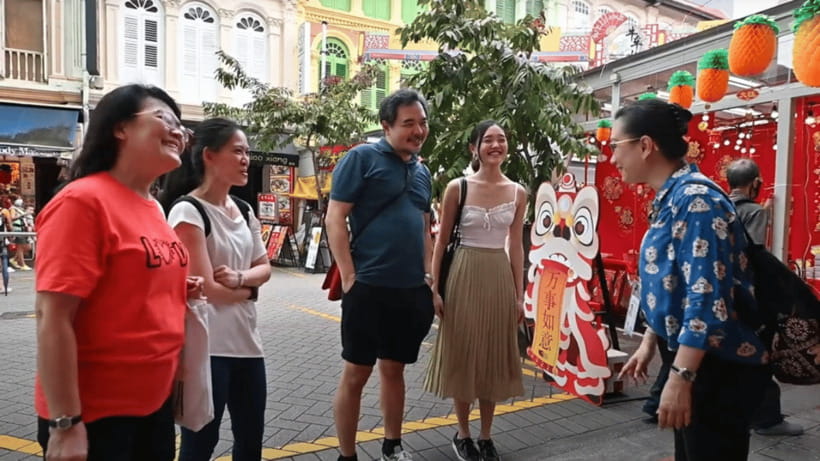
Book it if you want one well-packed introduction to Singapore’s food, faiths, and neighborhoods. The strongest features are the three-district route, the large number of tastings, and guides who can explain the country beyond the usual postcard sights.
Skip it if your main goal is a slow lunch, a fixed restaurant menu, or independent sightseeing. For most first-time visitors who can manage the walking, $150 buys a useful head start: you eat widely, learn how the districts connect, and leave with a list of places worth revisiting.
FAQ
Where does the tour begin?
The meeting point is at Little India MRT Exit C, at street level.
Where does the tour finish?
The tour finishes at Maxwell MRT Station, TE18.
How long does the tour last?
The experience lasts five hours. Starting times vary, so check availability when booking.
How many food tastings are included?
You receive 9 to 10 must-try food and drink tastings, including one alcoholic drink.
Are museum entrance tickets included?
No. Entrance tickets to museums are not included in the tour price.
Is the tour wheelchair-accessible?
No. The activity is not wheelchair-accessible.
What languages are available?
The tour is available in English, Chinese, and Japanese.
Fresh off the menu around Singapore
- Street Food, Cultural & Historical Tour of 3 Ethnic Quarters★ 5.0 · 23 reviews
- Singapore: Private Food Tour – 10 Tastings with Locals★ 4.7 · 194 reviews
- Singapore: Chinatown Hawker Guided 8-Dish Tasting Tour★ 4.9 · 41 reviews
- Singapore: Local Hawker Food Tour with Tastings★ 4.7 · 181 reviews
- Singapore: Local Street Food Tasting Tour★ 4.8 · 36 reviews
- Singapore: Little India Hawker Street Food Tour★ 4.8 · 27 reviews
- Singapore: Guided Street Food Tour at Night★ 4.5 · 393 reviews
- Singapore: Hawker Culture Food Tour and Sightseeing★ 4.8 · 23 reviews
Singapore Food Tours, compared.
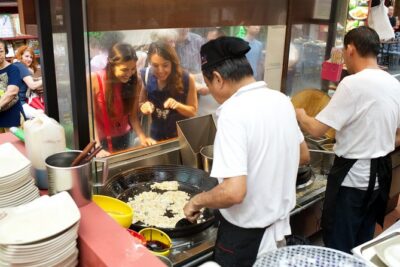
Small Group: Michelin and Local Hawker Food Tour with 9 tastings
Read our review →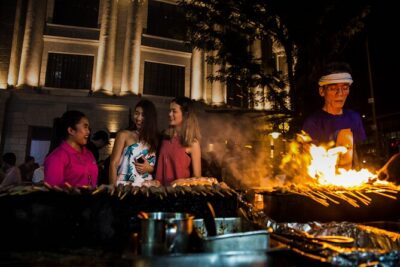
Small Group: Singapore Street Food & Night Tour with 9 tastings
Read our review →
The Award-Winning PRIVATE Food Tour: 10 Tastings of 3 Cultures
Read our review →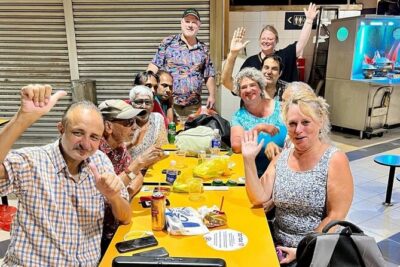
Singapore: Chinese, Indian & Arabic Quarters, Culture & Food Tour
Read our review →
Singapore: Foodie Experience Guided Tour with 5 Tastings
Read our review →
Singapore: Private Food Tour – 10 Tastings with Locals
Read our review →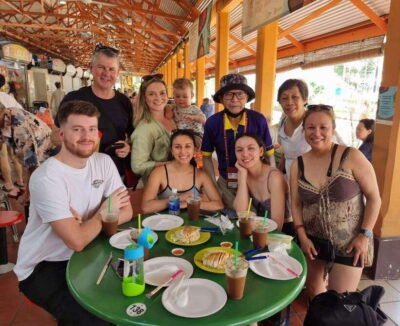
Singapore: Local Hawker Food Tour with Tastings
Read our review →Browse the lists this tour appears in