
Review · SINGAPORE
Street Food, Cultural & Historical Tour of 3 Ethnic Quarters
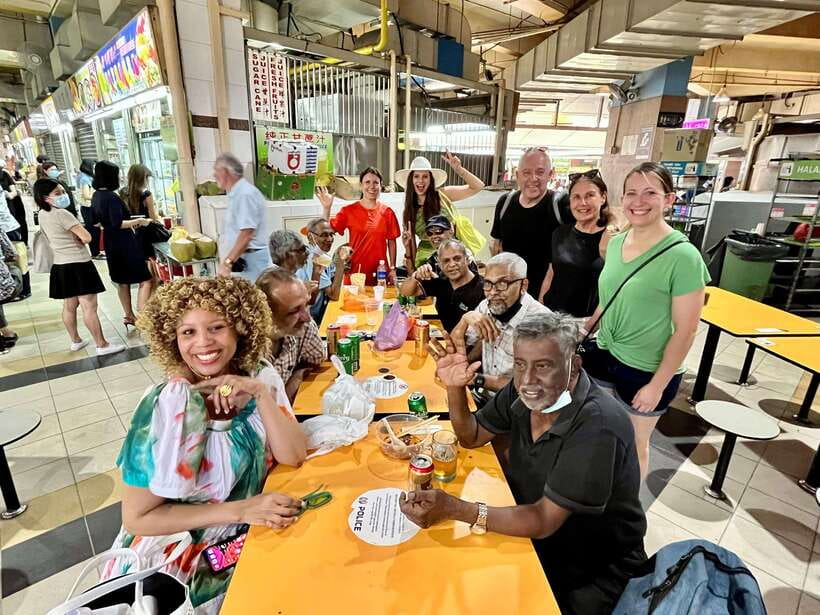
Singapore’s best introduction may come not from a grand monument, but from a table at a hawker centre. This six-hour tour moves through Chinatown, Little India, and Kampong Glam, linking food with the immigrant stories, markets, temples, mosques, and working neighborhoods that shaped modern Singapore.
I like the way Gerry, a Singapore-born Chinese Peranakan guide, uses old photographs and family history to make the city’s past easier to grasp. I also like the practical design: food and drinks are included, public transport is covered, and the group is limited to eight people. The main caution is physical. You’ll walk about 6,000 steps, use public transport, and spend time in busy markets, so this is not a gentle, sit-down tasting.
Key points at a glance
- Gerry’s personal connection: His great-grandparents arrived from Fujian, China, in 1910, giving the tour a direct link to Singapore’s immigrant past.
- Three ethnic quarters in one day: Chinatown, Little India, and Kampong Glam each show a different side of the city’s culture and food.
- Food is central: Expect hawker dishes, local drinks, market tastes, Indian and Malay food, dessert, and selected Michelin-listed stops.
- Markets show the real food chain: Seafood, meat, produce, herbs, spices, clothing, and textiles appear alongside the prepared food.
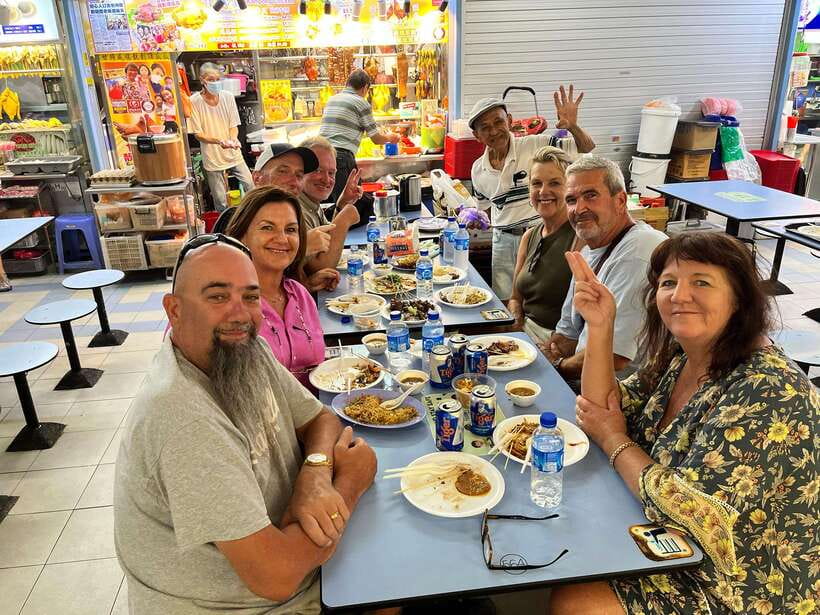
- Small-group format: The maximum group size is eight, making it easier to ask questions and keep up in crowded areas.
- Good value for serious eaters: At $148 per person, the price includes food, beer, drinks, transport, and city-area pickup when available.
Why this tour works as a Singapore introduction
Singapore can feel polished and easy to navigate, but its deeper character is found in the places where people shop, eat, worship, and work. This tour connects those ordinary settings to the city’s larger story.
The three districts were formally established as ethnic settlements by the colonial British in 1822. That arrangement shaped the city’s street life for generations, even as Singapore changed through independence, public housing, redevelopment, and strict urban planning.
Gerry’s approach is especially useful here. He was born in Singapore six years after independence in 1965, and his family story reaches back to early Chinese migration. He also brings old images that show how different these areas once looked. That gives you a visual way to understand the change, rather than simply hearing a list of dates.
The tour is rated 5 out of 5 from 23 ratings, and Gerry is the central reason it works so well. He is described as funny, attentive, and easy to talk with. One useful sign of a strong guide is that he handles questions outside the prepared story, and the feedback repeatedly points to his ability to do that.
More Street Food Tours in Singapore:
- Small Group: Michelin and Local Hawker Food Tour with 9 tastings
★ 5.0 · 1,890 reviews - Small Group: Singapore Street Food & Night Tour with 9 tastings
★ 5.0 · 1,240 reviews - Singapore: Guided Street Food Tour at Night
★ 4.5 · 393 reviews
Chinatown: hawker food and the hard edge of early immigrant life
The day begins at City Hall MRT or Raffles City, with pickup sometimes available from hotels in central areas. From there, Chinatown introduces the Chinese quarter through food, markets, and stories of early settlement.
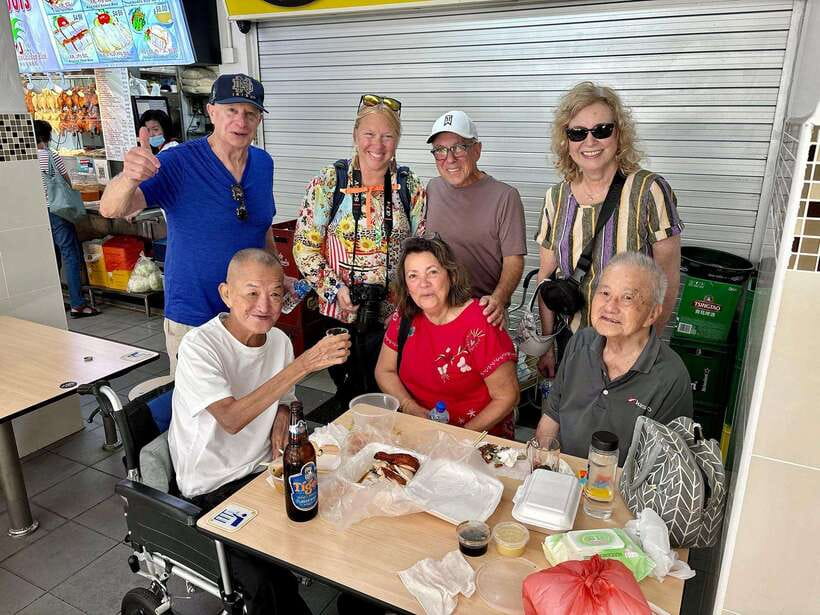
You’ll visit a hawker centre for Chinese food and drink. Singapore’s hawker centres are not just food courts. They are part of the country’s public culture, where family-run stalls and long-established vendors serve inexpensive meals in a shared setting. The hawker centre tradition is recognized by UNESCO, and eating here gives you a direct feel for a living part of Singaporean life.
Food is included, so you can sample without constantly reaching for your wallet. The exact dishes can vary, but the emphasis is on local favorites and drinks, with some food connected to Michelin-listed stalls or eateries.
Chinatown also brings in the less tidy parts of the past. You’ll hear about the Street of the Dead, red lanterns and private chambers, and opium dens. These subjects show the risks faced by newcomers who arrived with little money, few protections, and uncertain work.
The old images Gerry shares help put those stories in place. You’ll see how today’s preserved streets and restored buildings relate to earlier hardship. Singapore’s historic areas can sometimes look too neat to reveal their past, so this extra visual context matters.
A Buddhist temple and street market stalls add a more immediate sense of place. The market is useful not only for shopping but also for seeing how religious life, commerce, and tourism overlap in Chinatown. You should expect walking, crowds, and plenty of visual activity.
The Chinatown section lasts about an hour. That is enough time to get a strong introduction, but not enough for a slow museum visit or a detailed exploration of every lane. The benefit is variety. You get food, religion, history, and street life before moving on.
Little India: spices, produce, and food at the source
A short public transport ride, about 10 minutes, takes you to Little India. Singapore’s MRT and public transport system is clean, efficient, and well connected, and using it is part of the experience rather than a minor transfer between attractions.
Little India is the most market-focused part of the day. You’ll visit wet and dry produce areas with seafood, meat, fruit, vegetables, herbs, and spices. This matters because it lets you see the ingredients before you taste the finished dishes.
I find this kind of stop more useful than a restaurant-only food tour. You learn how food fits into daily life, what local shops sell, and how family businesses serve the surrounding community. The smells can be strong, especially around seafood, meat, and spices, so anyone sensitive to markets should know what to expect.
The clothing market and street stalls add another layer. Indian clothing is not treated as a decorative side note here. It is part of the neighborhood’s commercial life, alongside food and household shopping.
The food portion includes a family eatery serving local Indian and Malay food, with drinks that may include coffee, tea, beer, or other local refreshments. There are also local snacks and tastings. The mix is broad rather than narrowly focused on one regional cuisine.
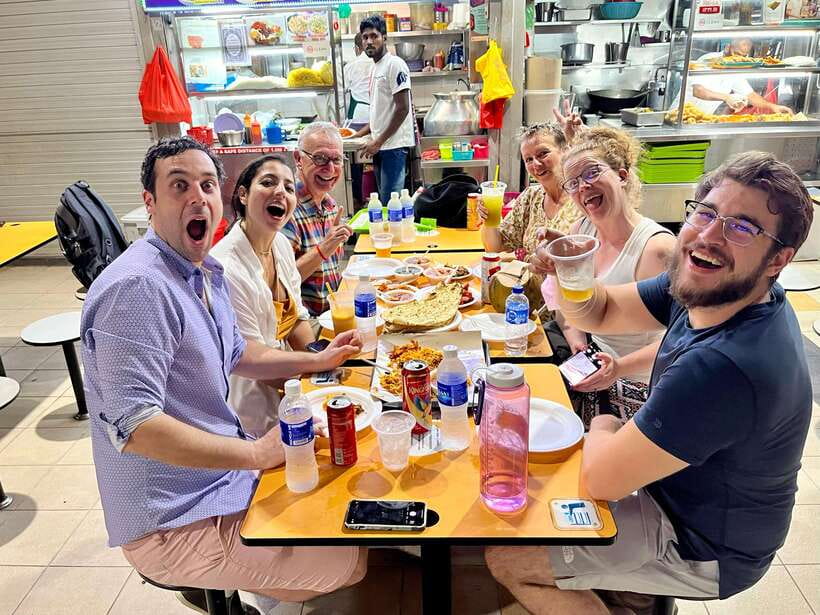
This is where the tour’s food quantity becomes important. Several people describe the day as generous enough that you should not eat a large breakfast beforehand. That advice is practical. You will be tasting across multiple stops, and the food is not limited to a token sample at each place.
Little India lasts about an hour in the stated schedule, although the full experience includes moving through the market, eating, and walking. The pace is active. You will not spend the whole hour seated, and you may need to keep close to the group in crowded lanes.
Kampong Glam: textiles, Haji Lane, and a historic dessert stop
Another short public transport ride leads to Kampong Glam, the Malay quarter. This final neighborhood shifts the mood from market food and Chinese hawker culture to Malay, Arab, and Muslim influences.
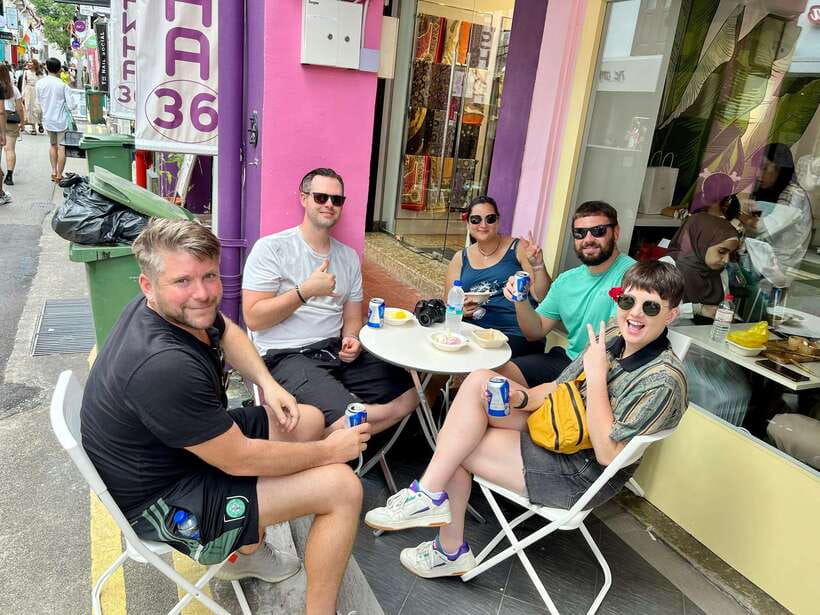
You’ll walk through Haji Lane, known for its colorful street art and independent-looking shopfronts, then see the graffiti walls of the surrounding neighborhood. The area has a more youthful, design-focused feel than the market streets earlier in the day.
Arab Street brings textile shops and a clearer connection to the district’s commercial past. You’ll also receive an introduction to Singapore’s first Sultan Mosque. The mosque is an important landmark in understanding Kampong Glam, though this tour is a neighborhood visit rather than a dedicated architectural tour.
Dessert comes in an old shophouse once used as accommodation by Muslim pilgrims during the 19th century. That detail gives the final food stop a strong sense of place. You are not simply ending at a modern café. The setting ties food to travel, faith, and the movement of people through Singapore.
One point to note: the final food offering may lean toward dessert and ice cream rather than another full savory dish. That suits some people after a day of eating, but if you want substantial food in all three neighborhoods, you may find the last stop lighter.
Kampong Glam is scheduled for about an hour and a half, making it the longest neighborhood stop. You’ll have time for the street art, textiles, mosque introduction, and dessert without rushing quite as much as in the earlier districts.
More food history walks around Singapore:
- Barcelona: Tapas Walking Tour with Food, Wine, and History
★ 4.8 · 4,261 reviews - Sevilla Food Tour: Tapas, Wine, History & Traditions
★ 5.0 · 3,468 reviews - Madrid Tapas & Taverns Small Group Food & History Tour
★ 5.0 · 2,664 reviews - Historic Ybor City Food Walking Tour
★ 5.0 · 2,210 reviews
What the food and drink package really includes
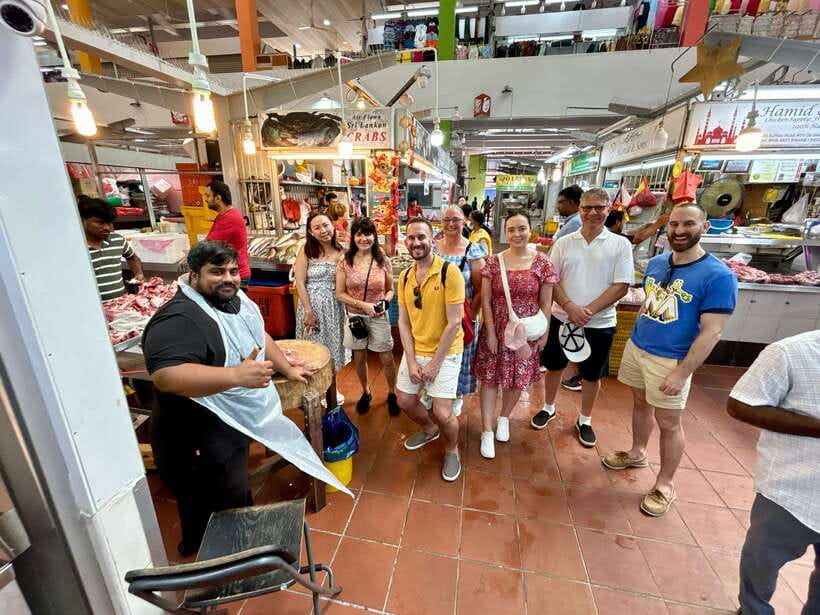
The $148 price looks high beside the cost of an individual hawker meal, but that is not the right comparison. You are paying for a six-hour guided experience with food and drink throughout, public transport tickets, historical interpretation, and a small group.
Beer is included, which is unusual enough to note. Coffee, tea, soft refreshments, snacks, dessert, and meals are also part of the day’s food program. The range is designed to give you repeated tastings rather than one formal lunch.
The food has a practical purpose beyond filling you up. It supports small businesses, lets you compare different ethnic food traditions, and shows how migration shaped Singapore’s cooking. You also see where ingredients are sold and meet the kinds of local traders and hawkers who keep these traditions going.
The amount of food is one of the tour’s most praised features, but it can also be a drawback. If you eat heavily before meeting the group, you may struggle later. A light breakfast and comfortable clothing make sense.
Dietary limits need careful attention. The tour is not suitable for vegans or people with gluten intolerance, and the provider does not list special dietary adaptations. If you have allergies or strict food requirements, ask before booking rather than assuming substitutions will be possible.
Public transport, walking, and group size
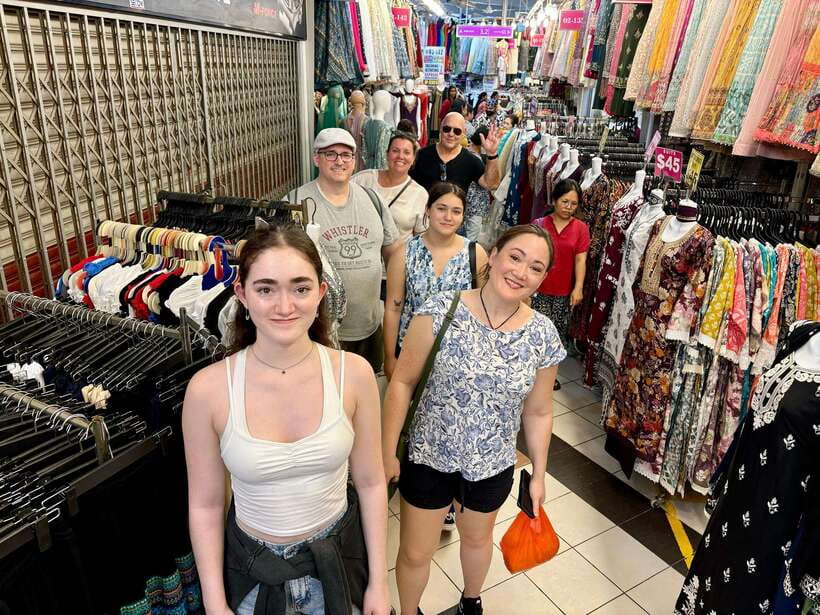
The tour uses public transport between the districts, with each transfer listed at about 10 minutes. That choice keeps the day connected to normal Singapore life and avoids spending the day inside a private vehicle.
The small group limit of eight is a real advantage. Gerry can answer questions, show photographs to everyone, and manage food orders more easily than a large coach guide. It also makes walking through markets less awkward.
You should expect around 6,000 steps over six hours. Wear comfortable shoes and light, comfortable clothes. The combination of walking, standing, eating, public transport, and crowded markets makes this a poor fit if you have a low level of fitness, back problems, vertigo, or mobility impairments.
The experience is not suitable for wheelchair users, non-folding wheelchairs, mobility scooters, walking frames, baby strollers, or large luggage. Babies under one year are not accepted, and the tour is not recommended for pregnant women.
Pickup and drop-off are included when the hotel is in an eligible city area. You can also meet at the first stop or at a nearby MRT station. Confirm the exact arrangement in advance, since hotel pickup depends on location.
Who should book this experience
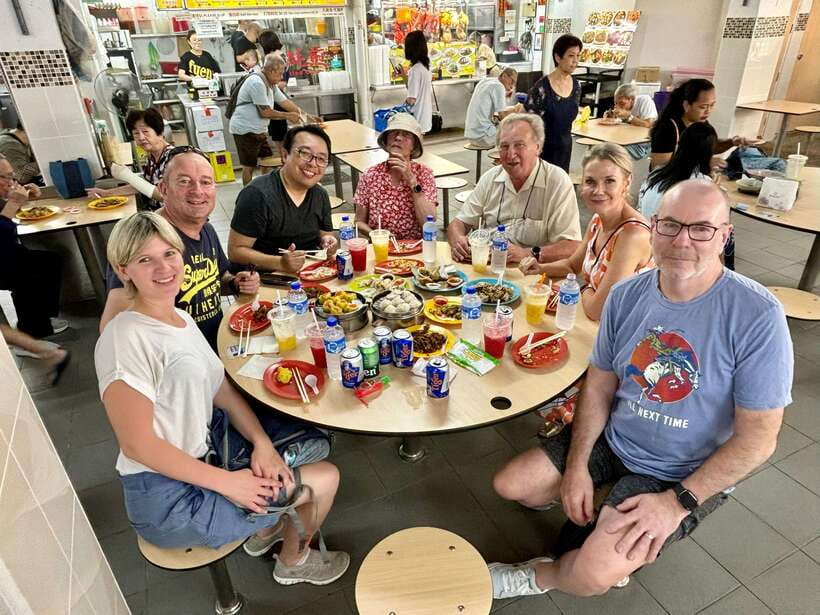
I would choose this tour if you want food and history treated as one subject. It is especially useful on a first Singapore visit, when you want a clear introduction to the city’s major cultural districts without planning several separate excursions.
It also suits curious eaters who want more than famous dishes. You’ll see markets, ingredient stalls, temples, clothing shops, textiles, hawker centres, and family businesses. The food is the thread that ties those places together.
Families with older children can do well here. A 15-year-old joined the tour and had a strong experience, but the walking and food pace may be tiring for younger children.
I would skip it if you prefer a private, slow-moving tour, dislike public transport, need a tightly controlled diet, or want a serious architectural study. The day is broad and social. It gives you a useful sense of Singapore rather than a specialist examination of one neighborhood.
Should you book the Singapore ethnic quarters food tour?
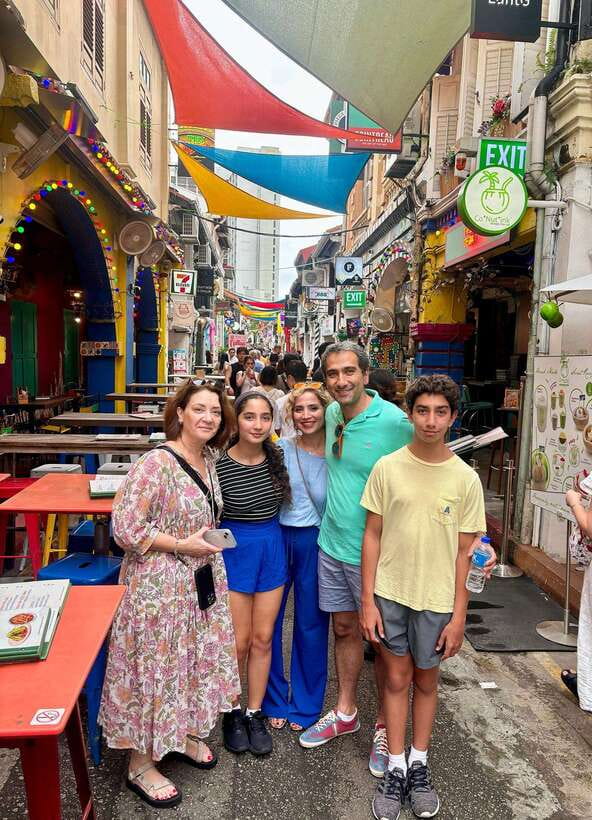
At $148 per person, this is good value if you would otherwise book a food tour, a city history walk, and several local transport rides separately. The included food is plentiful, the group is small, and Gerry’s family connection gives the storytelling a personal edge.
Book it if you want a full day of tasting, walking, and context, especially if you are happy to try unfamiliar dishes. Bring an appetite, wear good shoes, and keep your schedule light afterward.
Skip it if you need vegan or gluten-free food, have mobility limits, or want the final stop to be another full meal. For the right eater, this is one of the more efficient ways to understand how Singapore’s Chinese, Indian, and Malay communities continue to shape the city.
FAQ
How long does the tour last?
The experience lasts six hours and includes visits to Chinatown, Little India, and Kampong Glam, with public transport between the areas.
What food and drinks are included?
Food and drinks are included, including local street food, snacks, meals, dessert, coffee, tea, and beer. Some food stops are listed in the Michelin Guide.
Is hotel pickup included?
Hotel pickup and drop-off are included for eligible hotels in city areas. You can also meet at the first stop or at a nearby MRT station.
How large is the group?
The group is limited to eight participants, allowing for a more personal experience and easier questions during the walks and tastings.
What language is the tour conducted in?
The live tour guide speaks English.
How much walking is involved?
You should expect about 6,000 steps, along with standing in markets, walking through neighborhoods, and using public transport.
Is the tour suitable for dietary restrictions?
The tour is not suitable for vegans or people with gluten intolerance. If you have another dietary restriction, contact the provider before booking to confirm what can be accommodated.
Fresh off the menu around Singapore
- Singapore: Private Food Tour – 10 Tastings with Locals★ 4.7 · 194 reviews
- Singapore: Chinatown Hawker Guided 8-Dish Tasting Tour★ 4.9 · 41 reviews
- Singapore: Local Hawker Food Tour with Tastings★ 4.7 · 181 reviews
- Singapore: Local Street Food Tasting Tour★ 4.8 · 36 reviews
- Singapore: Hawker Culture Food Tour and Sightseeing★ 4.8 · 23 reviews
- Singapore: Little India Hawker Street Food Tour★ 4.8 · 27 reviews
- Singapore: Guided Street Food Tour at Night★ 4.5 · 393 reviews
- Singapore: Foodie Experience Guided Tour with 5 Tastings★ 4.7 · 291 reviews
Singapore Food Tours, compared.
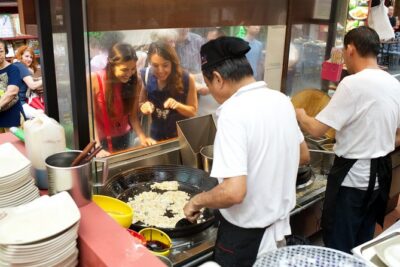
Small Group: Michelin and Local Hawker Food Tour with 9 tastings
Read our review →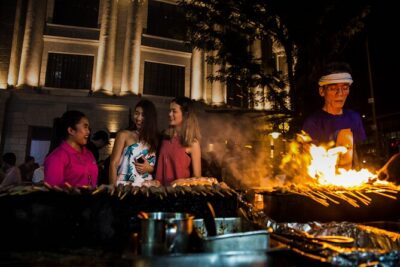
Small Group: Singapore Street Food & Night Tour with 9 tastings
Read our review →
The Award-Winning PRIVATE Food Tour: 10 Tastings of 3 Cultures
Read our review →
Singapore: Chinese, Indian & Arabic Quarters, Culture & Food Tour
Read our review →
Singapore: Foodie Experience Guided Tour with 5 Tastings
Read our review →
Singapore: Private Food Tour – 10 Tastings with Locals
Read our review →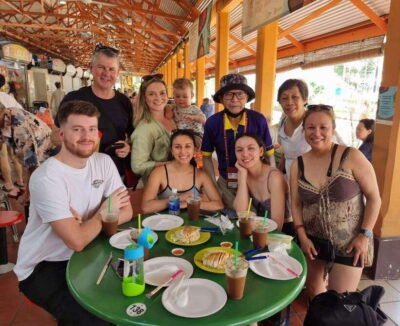
Singapore: Local Hawker Food Tour with Tastings
Read our review →Browse the lists this tour appears in