
Review · SINGAPORE
Singapore: Chinese, Indian & Arabic Quarters, Culture & Food Tour
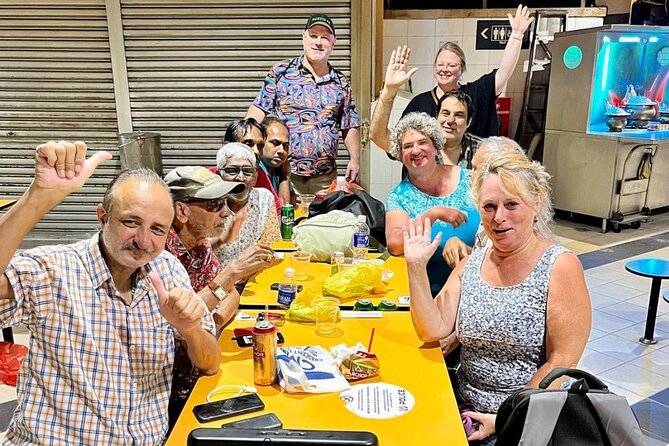
Singapore’s best introduction may come on a plate. This five-and-a-half-hour food and culture tour moves from Chinatown to Little India and Kampong Glam, pairing hawker dishes with the stories behind the neighborhoods. Gerry, a fourth-generation Singapore-Chinese-Peranakan guide, leads the day with personal insight and a strong connection to local food culture.
I like the small group of no more than eight, which makes it easier to ask questions and keep pace through busy streets. I also like that the food comes from hawker centres, including UNESCO-recognized sites, rather than being limited to restaurants designed for tourists.
The main drawback is simple: you will eat a lot and walk a lot. The tour is not suited to vegetarians, people with strict dietary restrictions, gluten intolerance, prams, or mobility devices, and Singapore’s heat can make the day feel longer than the clock suggests.
Key points to know before booking
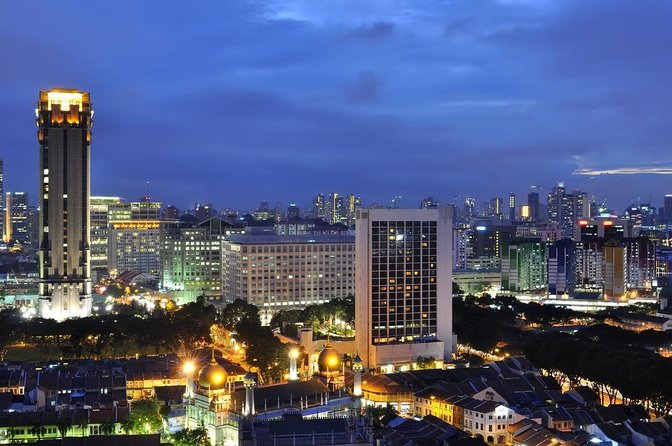
- Three distinct cultural districts: Chinatown, Little India, and Kampong Glam each bring a different side of Singapore to the day.
- Gerry leads with personal experience: His Singapore-Chinese-Peranakan background gives the food and neighborhood stories a personal frame.
- Food is a major part of the tour: Lunch, dinner, snacks, drinks, coffee or tea, soft drinks, water, and alcoholic beverages are included.
- Plan for a serious appetite: The portions are generous, and several people found there was more food than expected.
- Public transport is part of the lesson: The group uses the MRT and a bus between areas, which helps you get comfortable moving around Singapore.
- Expect a walking day: The route may reach around 9,000 steps, with heat and sun adding to the effort.
Why this tour works as a first morning in Singapore
The tour starts at 9:00 a.m. in Chinatown and returns to the same meeting point. That timing matters. You begin with food and local geography before spending the rest of your trip deciding which dishes, markets, and neighborhoods deserve a second visit.
Gerry’s approach combines food, history, and practical city orientation. He does not simply point out a temple, mosque, market, or stall and move on. He explains how the districts developed, how food traditions traveled through Singapore, and how old street scenes compare with what you see today.
One especially useful detail is the public transport. The group uses the MRT and a bus to move between districts. If you are new to Singapore, this gives you an early lesson in getting around, rather than leaving you dependent on taxis or hotel directions.
The group size makes a difference here. With a maximum of eight people, you can hear the guide more easily and ask about ingredients, customs, or local life without holding up a large crowd. If the other bookings do not arrive, the experience may even become a private tour, although that should not be treated as a guarantee.
More food tours around Singapore:
- Small Group: Michelin and Local Hawker Food Tour with 9 tastings
★ 5.0 · 1,890 reviews - Small Group: Singapore Street Food & Night Tour with 9 tastings
★ 5.0 · 1,240 reviews - The Award-Winning PRIVATE Food Tour: 10 Tastings of 3 Cultures
★ 4.5 · 1,017 reviews
Chinatown: begin with food and Singapore’s hawker culture
Chinatown is the opening chapter, with about 1 hour and 15 minutes spent exploring the area. The focus is not just on buildings and photo stops. Gerry uses the neighborhood to explain the struggles of early Chinese immigrants and the way Chinese culture became part of Singapore’s identity.
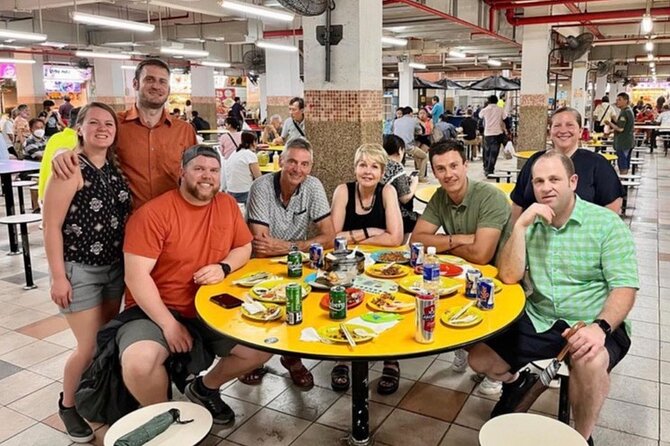
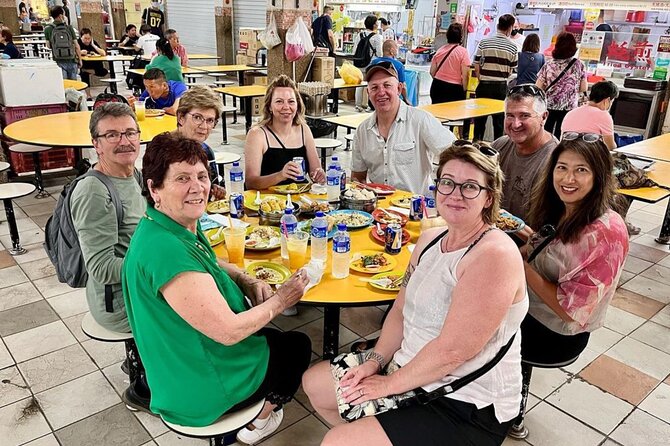
The food comes from a hawker centre, where shared tables, many small stalls, and quick service form part of the experience. You get to sample traditional dishes while learning why hawker food matters in everyday Singaporean life. The food is not an afterthought between attractions. It is the main way the city’s history is made understandable.
A useful detail from the tour is Gerry’s use of an iPad showing older views of the streets. You can compare the past with the present as you walk, which gives more meaning to buildings and lanes that might otherwise look like ordinary city scenery.
The portions are generous from the start. Do not eat a full breakfast before meeting the group. Even a light meal can leave you too full for the later stops, and the day continues with more food in Little India and Kampong Glam.
Chinatown is also where the tour seems to make its strongest connection between food and people. Gerry’s relationships with local vendors help create a less formal experience, and he pays attention to avoiding waste. That local contact is valuable because it can explain not only what you are eating, but how the hawker centre works as a social place.
Little India: color, markets, and stronger flavors
After Chinatown, the tour moves to Little India for another 1 hour and 15 minutes. Here, the setting changes quickly. You pass stalls with fresh fruit and vegetables, flower garlands, traditional clothes, and incense. The district gives you a more immediate sense of everyday commerce and religious life.
The food in this section is described as rich in flavor and, in some cases, spicy. If you enjoy heat, this may be one of your favorite parts of the day. If you are cautious with spice, ask Gerry what to expect before taking a large portion.
Little India is more than a place to eat. The walking portion takes you through shops and market areas, including a wet market and a vegetable market. That makes the stop useful for understanding how ingredients enter local kitchens and how the neighborhood serves residents, not just sightseers.
A Buddhist temple near the market is also part of the route. Gerry provides historical context as you move through the area, helping connect the food, markets, shops, and religious buildings. You are not left to guess why the district looks and sounds different from Chinatown.
This is a good place to pace yourself. By the time you leave Chinatown, you may already feel full, but the tour continues with more tasting. Small bites can add up quickly, especially when drinks are included. Several people found the quantity almost excessive, which is a pleasant problem if you arrive hungry but a real issue if you have already eaten.
Kampong Glam: Sultan Mosque and Singapore’s Malay quarter
The final neighborhood is Kampong Glam, the Malay Quarter. The area’s old streets and history provide another change of tone, with a focus on Malay royalty, the people connected to the district, and how this part of Singapore came to be.
The grand Sultan Mosque is the visual anchor. Even if you are not visiting for religious reasons, the building helps explain the importance of Kampong Glam and gives the walking route a strong sense of place.
The nearby streets include Middle Eastern restaurants, fabric shops, and carpet sellers. The district connects Malay, Arab, and broader Muslim influences, and the tour uses that mix to show that Singapore’s cultural identity is not divided into neat, isolated boxes.
Food and drinks continue here, including alcoholic and non-alcoholic options. Beer is specifically mentioned as part of the experience by several people, while coffee, tea, soft drinks, and bottled water are also included. If you do not drink alcohol, you can still take part fully.
Kampong Glam is a fitting final stop because it rounds out the cultural picture. Chinatown and Little India alone might leave you thinking of Singapore through Chinese and South Asian traditions. Kampong Glam adds the Malay and Muslim dimension, making the day feel like a tour of how several communities shaped one city.
Same city, a different plate:
- Singapore: Guided Street Food Tour at Night
★ 4.5 · 393 reviews - Singapore: Foodie Experience Guided Tour with 5 Tastings
★ 4.7 · 291 reviews - Singapore: Private Food Tour – 10 Tastings with Locals
★ 4.7 · 194 reviews - Singapore: Local Hawker Food Tour with Tastings
★ 4.7 · 181 reviews
The food: generous portions from hawker centres
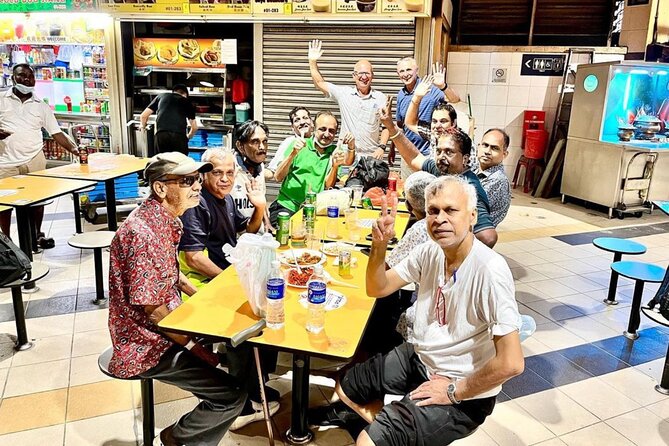
Food is the tour’s biggest selling point, but it also requires the most honest warning. You are not signing up for a few token tastings. Lunch, dinner, snacks, and drinks are included, and the portions can be substantial.
The exact dishes are not fixed in the information provided, so you should not book expecting a guaranteed menu. The stops focus on local street food from hawker centres, with traditional dishes across the three districts. This format lets Gerry adjust the food experience while showing how Singaporeans actually eat.
I like the value of this arrangement. A meal in a hawker centre can be inexpensive on its own, but the value here comes from trying several dishes while someone explains what you are eating, where it fits in local culture, and how to navigate the stalls. You are paying for access, guidance, and a full day of sampling, not simply a plate of food.
Drinks add to the value. Alcoholic drinks, soft drinks, coffee or tea, and bottled water are included. That is useful in Singapore’s heat, especially on a long walking route.
The tradeoff is dietary flexibility. This experience is not recommended for vegetarians, people with dietary restrictions, or anyone with gluten intolerance. The food is central to the tour, so substitutions could compromise the experience. Ask before booking if you have any concern, rather than assuming the guide can redesign the route around your needs.
Gerry’s guiding style and local perspective
Gerry is the part of the experience that gives the tour its character. He is described as a fourth-generation Singapore-Chinese-Peranakan guide, and his personal story is tied closely to Singaporean culture.
His role goes beyond reciting dates. He talks about food, current issues, neighborhood change, and the people who keep local stalls operating. He also answers questions throughout the day, which is important on a tour covering several communities and cuisines in a short time.
The strongest praise centers on his energy, humor, professionalism, and warmth. He is also described as someone with relationships across the city, including connections with food vendors. That can make the food stops feel less like a checklist and more like an introduction through someone who knows the people behind the stalls.
He also seems to take practical care of the group. Sanitizing tables, helping with drinks, keeping the schedule moving, and making sure food is not wasted are small touches, but they matter over five and a half hours.
You should still remember that the guide’s style is a major part of the experience. If you prefer a silent, self-guided food crawl, this may feel too structured and talkative. If you want context and conversation, Gerry’s approach is one of the main reasons to choose this tour.
Walking, weather, and the pace of the day
The published duration is about five hours and thirty minutes, though you should allow roughly six hours in practice. One account counted about 9,050 steps, despite the route being described elsewhere as around 6,000 steps. Either way, this is not a short stroll between restaurants.
Singapore’s heat and sun can make the walking more demanding. Wear comfortable shoes, bring a practical attitude toward humidity, and use the included water. The tour requires a moderate level of physical fitness.
The group uses public transport between districts, so the day is not one continuous walk. Still, you will spend plenty of time on foot in streets, markets, and hawker centres. This is not a good fit for children in prams or people using personal mobility aids or devices.
Pickup is offered, but the stated starting point is Chinatown, with the activity ending back there. Confirm the exact meeting arrangements before you go, especially if pickup would make a difference to your morning plan.
Is the $148 price fair?
At $148 per person, this is not a budget food crawl. You can eat cheaply in Singapore, and you could visit Chinatown, Little India, and Kampong Glam independently using public transport.
The question is what you would miss by doing that. The price includes a large amount of food, alcoholic and non-alcoholic drinks, transport guidance, a small group, and five and a half hours of explanation. You also avoid the guesswork of choosing stalls, ordering unfamiliar food, and fitting three districts into one day.
For a first visit, I consider the price reasonable if you want one substantial introduction rather than several separate activities. The tour can also save you from spending your first day researching hawker centres and deciding how to connect the neighborhoods.
The value is weaker if you already know Singapore well, have a narrow diet, or prefer choosing every dish yourself. It is also less appealing if you are looking for a relaxed, low-walking outing. The generous food can be a plus or a drawback depending on your appetite.
Who should book this Singapore food tour?
You should consider it if you want:
- A first-day overview of Singapore’s food and cultural districts
- A guide with a personal Singaporean background
- Plenty of food rather than one formal meal
- A small group and room for questions
- Help using the MRT and bus
- A full day that mixes history, markets, religious sites, and eating
You may want another experience if you are vegetarian, gluten intolerant, managing several dietary restrictions, traveling with a pram, or using a mobility device. You should also think twice if hot-weather walking is difficult or if you prefer a short tasting session.
The tour is best for curious eaters who want context. You will learn where Singapore’s food comes from, but also how neighborhoods changed, how communities remain visible, and why hawker centres matter.
Should you book it?
Book this tour if you want to understand Singapore through food and have the appetite for a long, active morning. Gerry’s personal connection, the small group, public transport practice, and three very different districts give the day more substance than a basic tasting route.
Skip it if your diet is restrictive or if you want a slower, less food-heavy outing. For most first-time visitors who can manage the walking and arrive very hungry, the $148 cost is justified by the amount of food, drink, guiding, and city orientation packed into one day.
Free cancellation is available up to 24 hours before the start time. If bad weather or an insufficient number of bookings cancels the tour, you are offered another date or a full refund.
FAQ
How long does the tour last?
The experience lasts approximately five hours and thirty minutes. You may want to allow about six hours for the full outing.
What time does the tour start?
The stated start time is 9:00 a.m.
Where does the tour start and end?
It starts in Chinatown, Singapore, and ends back at the meeting point. Pickup is offered, so confirm the exact arrangement when booking.
Which neighborhoods does the tour visit?
The route includes Chinatown, Little India, and Kampong Glam.
Is food included?
Yes. Lunch, dinner, snacks, coffee or tea, soft drinks, bottled water, and alcoholic beverages are included.
Are alcoholic drinks included?
Yes. Alcoholic beverages are included along with non-alcoholic drinks.
How many people can join the tour?
The tour has a maximum of eight travelers.
Is the tour suitable for vegetarians or people with dietary restrictions?
It is not recommended for vegetarians, people with dietary restrictions, or those with gluten intolerance because the food experience may be compromised.
What happens if I need to cancel?
You can receive a full refund if you cancel at least 24 hours before the experience begins. Cancellations or changes made less than 24 hours in advance are not refunded or accepted.
Fresh off the menu around Singapore
- Street Food, Cultural & Historical Tour of 3 Ethnic Quarters★ 5.0 · 23 reviews
- Singapore: Private Food Tour – 10 Tastings with Locals★ 4.7 · 194 reviews
- Singapore: Chinatown Hawker Guided 8-Dish Tasting Tour★ 4.9 · 41 reviews
- Singapore: Local Hawker Food Tour with Tastings★ 4.7 · 181 reviews
- Singapore: Local Street Food Tasting Tour★ 4.8 · 36 reviews
- Singapore: Little India Hawker Street Food Tour★ 4.8 · 27 reviews
- Singapore: Guided Street Food Tour at Night★ 4.5 · 393 reviews
- Singapore: Hawker Culture Food Tour and Sightseeing★ 4.8 · 23 reviews
Singapore Food Tours, compared.
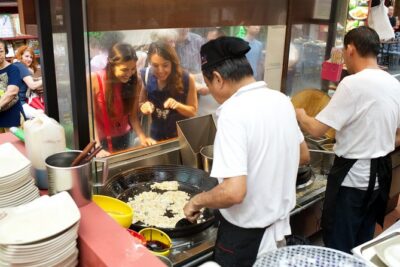
Small Group: Michelin and Local Hawker Food Tour with 9 tastings
Read our review →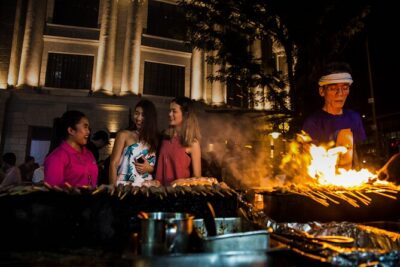
Small Group: Singapore Street Food & Night Tour with 9 tastings
Read our review →
The Award-Winning PRIVATE Food Tour: 10 Tastings of 3 Cultures
Read our review →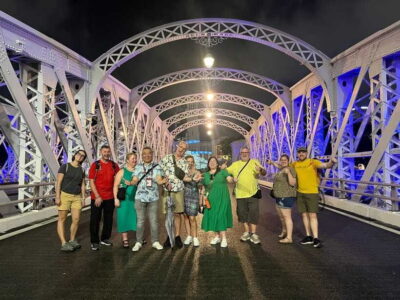
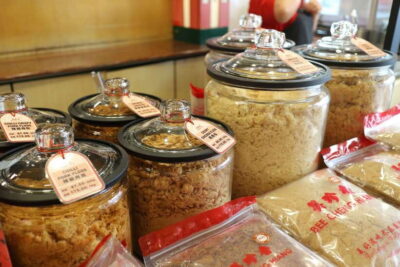
Singapore: Foodie Experience Guided Tour with 5 Tastings
Read our review →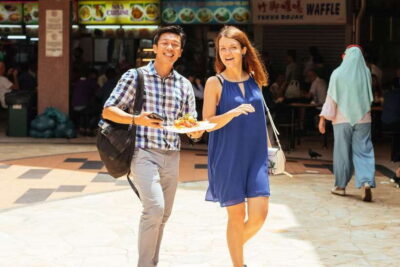
Singapore: Private Food Tour – 10 Tastings with Locals
Read our review →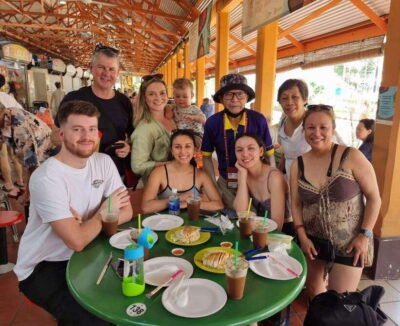
Singapore: Local Hawker Food Tour with Tastings
Read our review →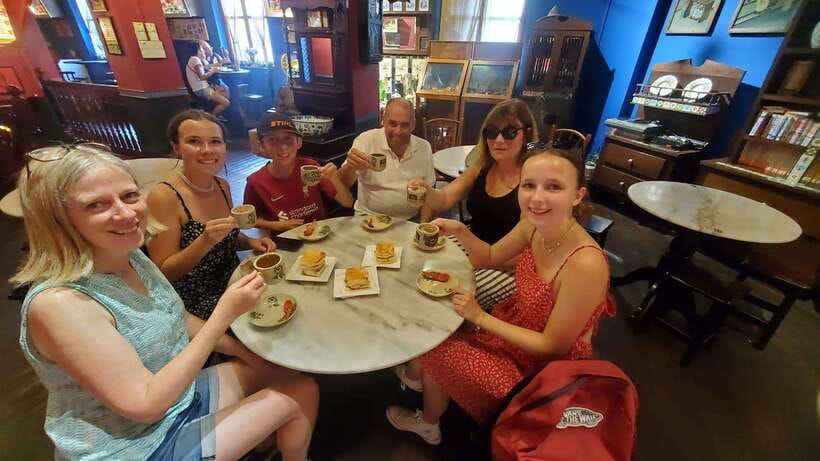
Singapore: Chinatown Hawker Guided 8-Dish Tasting Tour
Read our review →Browse the lists this tour appears in