

Review · LISBON
Lisbon: Tastes and Traditions Guided Food Tour
Lisbon’s food story makes the most sense one bite at a time. This 3.5-hour walk links old cafés, family-run taverns, specialty shops, and pastry counters across Baixa, Chiado, and Cais do Sodré, with nine tastings and three drinks along the way. The standout is the range, from acorn-fed Iberian ham and cherry liqueur to salt cod, alheira sausage, canned fish, and a warm custard tart.
I like that the tour gives you a proper meal at a family-run Tasca, not just a parade of tiny samples. I also like the way guides such as Natalia, Eva, Helena, and Borja mix food with Lisbon stories, so you understand why each dish matters. The main drawback is simple: this is not for vegans, people with celiac disease, or anyone who finds walking and frequent food stops difficult.
Key points to know
- Nine tastings and three drinks provide a full introduction to Portuguese food rather than one narrow specialty.
- The route covers three central districts, with stops in Baixa, Chiado, and Cais do Sodré.
- The lunch stop matters, offering salt cod, alheira sausage, and a glass of wine or beer at a family-run Tasca.
- Classic Lisbon drinks are part of the story, including coffee, cherry liqueur, and an alcoholic or non-alcoholic option where arranged.
- The tour works best early in your Lisbon stay, since your guide can help you understand the city and point out places to revisit.
- Come hungry and wear comfortable shoes, because the tastings add up and the route moves at a moderate walking pace.
Starting with Lisbon’s old food shops
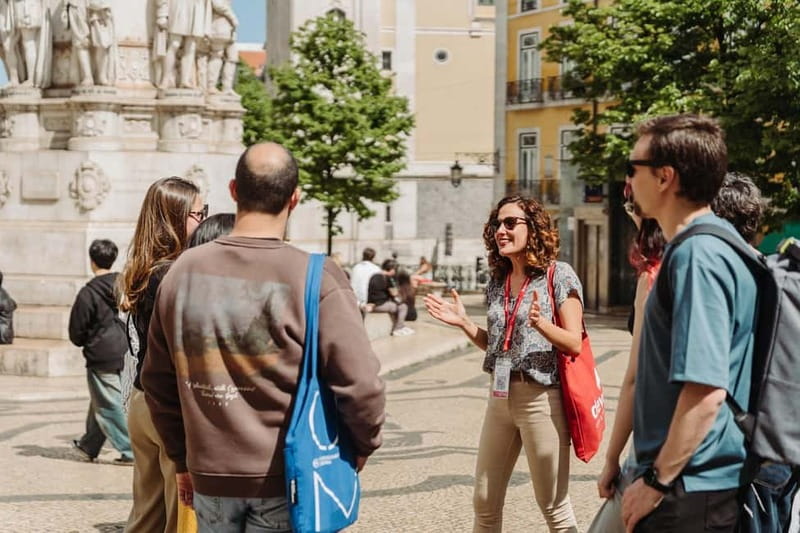
Meet your guide beside the large statue of King John I at Praça da Figueira. Look for the red bag or Devour Tours sign. This is a useful starting point because you are already in the middle of central Lisbon, close to the old commercial heart of Baixa.
The tour is conducted in English and is offered in private or small-group formats. Group size can affect the feel of the morning. A small group makes it easier to hear stories and ask questions, while a larger group may make the food stops feel more organized than intimate.
Your guide sets the tone early. The best guides on this route, including Natalia, Eva, Helena, and Borja, are praised for explaining not only what you are eating but also how Lisbon’s past shaped its food. Eva, who has an archaeology background, has been especially good at connecting food traditions with older layers of Portuguese culture.
This is why I would schedule the tour near the start of your visit. You get a working introduction to Portuguese ingredients, eating habits, local cafés, and the layout of central Lisbon. You also leave with ideas about where you may want to return.
More guided tastings around Lisbon:
- Lisbon: Guided Food and Wine Tasting Tour
★ 4.7 · 37 reviews - Dubai: Old Town, Souks, Street Food, Guided Tour & Abra Ride
★ 4.9 · 7,170 reviews - Hanoi: Guided Food Tour with Train Street Visit
★ 4.9 · 6,239 reviews
Coffee, ham, and pastries in Baixa
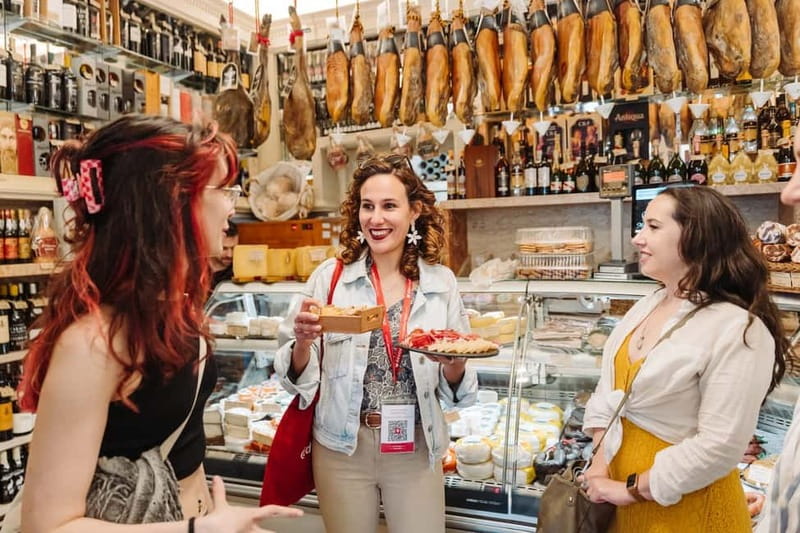
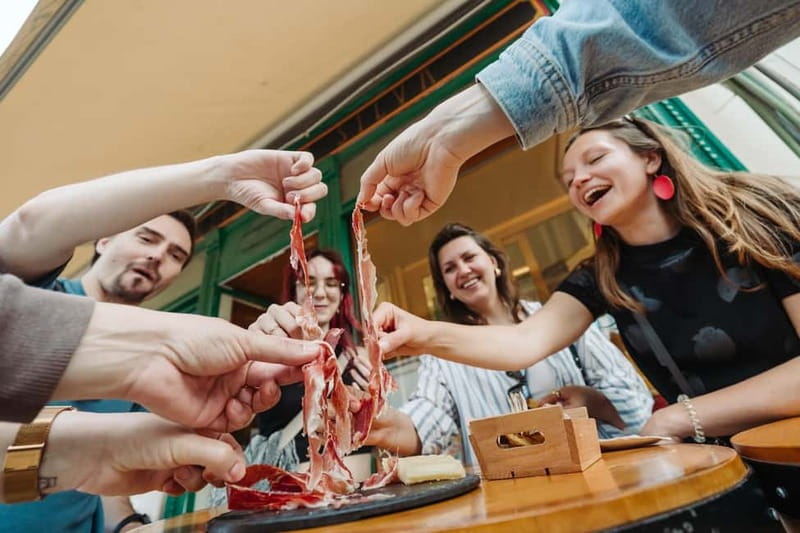
The first food stop is Manteigaria Silva, a traditional shop where you sample food and have Portuguese coffee. The stop lasts about 15 minutes. The shop is known for classic Portuguese provisions, and the tasting includes Portugal’s prized acorn-fed Iberian ham.
This is a good first taste because it shows that Portuguese food is not only about cooked dishes. Cured meats, bread, cheese, and pantry goods play a major role in everyday eating. If you are new to Iberian ham, notice how different it is from ordinary sandwich ham. The flavor is deeper and more savory, and the acorn-fed label points to the animal’s diet and the long tradition behind the product.
Next comes Confeitaria Nacional, one of Lisbon’s historic pastry houses. You have about five minutes here for a pastry tasting. The stop is short, but that is part of the point. Portuguese cafés are often places for a quick sweet bite and coffee, not only long sit-down meals.
You will not spend every stop in a grand old room with time for photographs and lingering. Some tastings are quick counter visits. That keeps the route moving, but it also means you should listen closely and eat when the food arrives.
The coffee and pastry opening helps you settle into Portugal’s daily rhythm. It is also a useful warning about the size of the tour: this is not a sequence of full restaurant meals. It is a series of small portions that builds toward lunch.
A small glass of Lisbon tradition
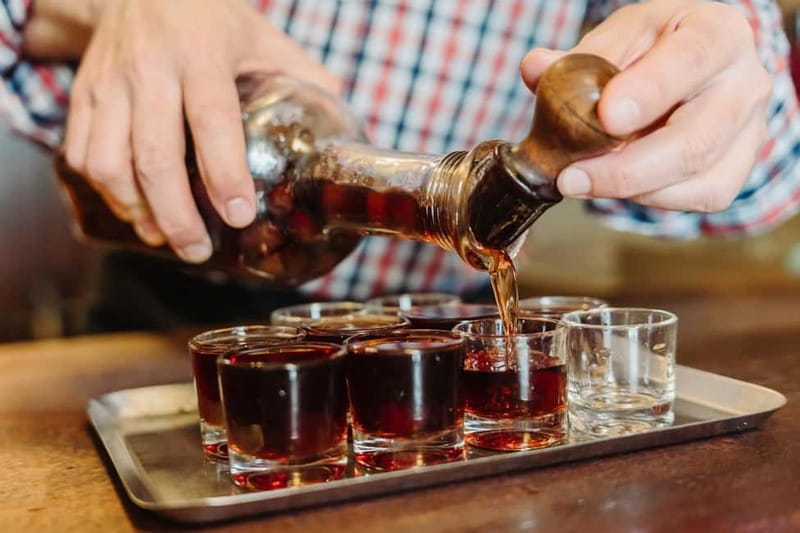
At Ginjinha Sem Rival, you stop for roughly 10 minutes to try ginjinha, Lisbon’s beloved sour-cherry liqueur. It is a small drink with a large place in the city’s food culture.
Ginjinha is often served as a quick local pleasure, and this stop gives your guide a chance to explain the custom rather than treating it as just another alcoholic sample. The no-frills setting fits the drink. You are not being sent to a polished cocktail lounge. You are getting a taste of an old Lisbon habit in a simple local spot.
If you do not drink alcohol, non-alcoholic options can be arranged, but you need to mention your needs after booking. Pregnant participants and people avoiding caffeine or alcohol can be accommodated in some cases, though there may not be a direct replacement at every stop.
This is also where the tour’s food-and-history balance becomes clear. A dish or drink can tell you about class, commerce, neighborhood life, and family customs. A good guide makes those links easy to follow without turning the walk into a lecture.
The pork sandwich at O Trevo
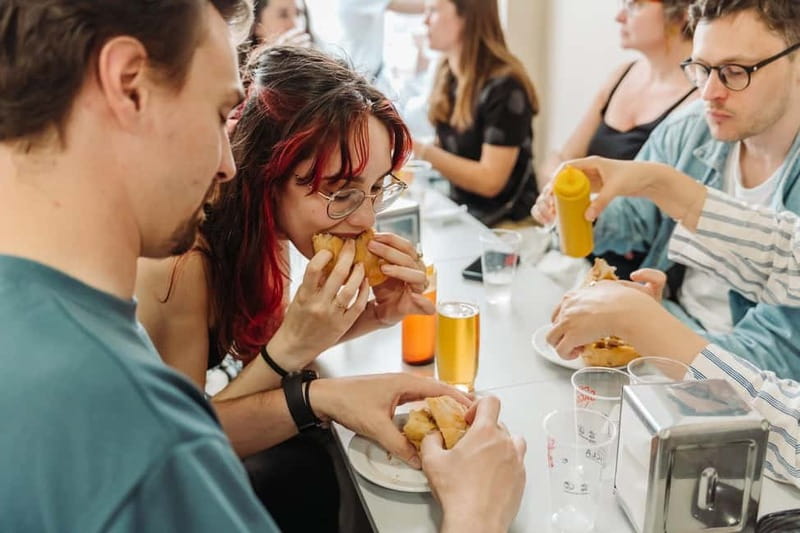
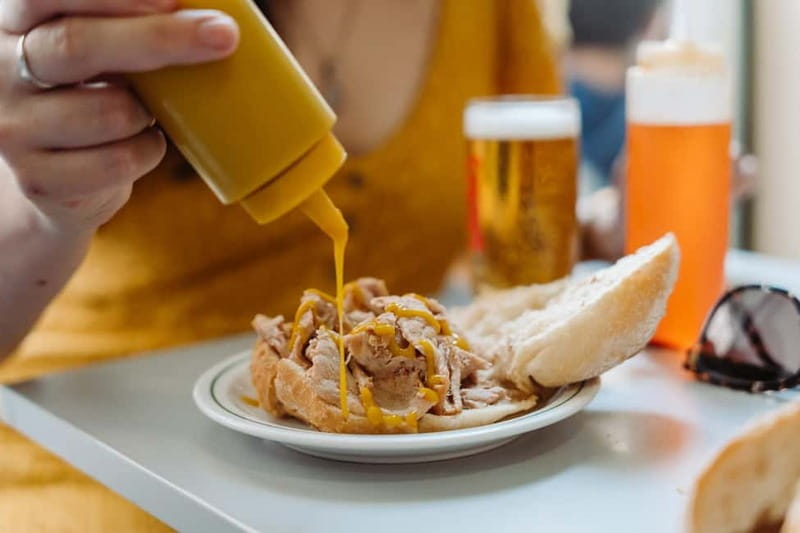
O Trevo is the next stop, with about 15 minutes set aside for a Portuguese pork sandwich. It is served at a lively bar and is one of the more filling savory bites on the route.
The sandwich gives you a change of pace after the sweet opening and small drink. Portuguese food can be hearty and direct, and this stop shows that side of the city. You get something warm, savory, and suited to a quick meal at a local bar.
The timing here matters. You are likely still thinking about the ham, pastry, and liqueur when the sandwich arrives, so pace yourself. The portions are designed to add up. I would not eat a large breakfast before meeting the group, even if you normally prefer to start a walking tour with a full meal.
O Trevo also helps the route feel less like a collection of formal tastings. You move through ordinary places where people come in for a quick drink or bite. That gives the food some context, even if you only spend a short time inside.
More food tours around Lisbon:
- Winner 2025 Undiscovered Lisbon Food & Wine Tour by Eating Europe
★ 5.0 · 6,390 reviews - Lisbon: Food and Wine Small Group Walking Tour
★ 4.9 · 4,082 reviews - Lisbon Small-Group Portuguese Food and Wine Tour
★ 5.0 · 3,972 reviews - Lisbon: Baixa District Food Tour with Dinner and Drinks
★ 4.9 · 1,997 reviews
Lunch at a family-run Tasca
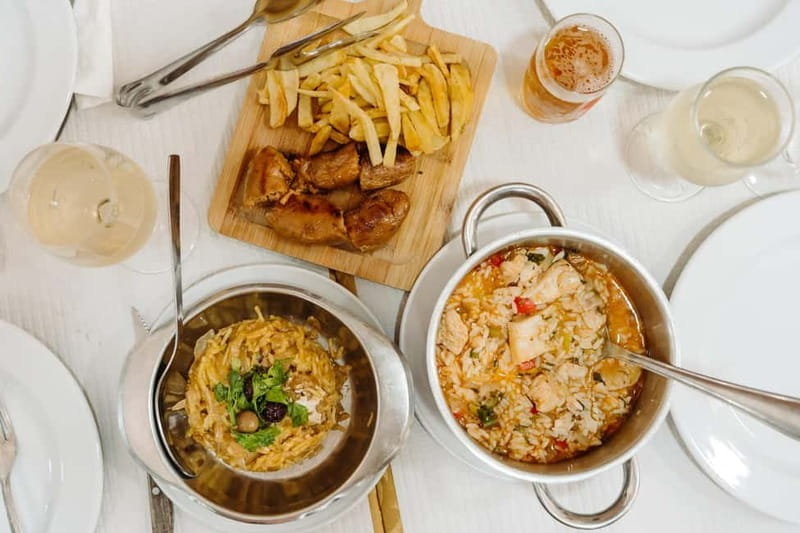
The most substantial stop is O Gaiteiro, where you spend about 30 minutes eating and having a drink. This family-run Tasca serves a home-cooked meal of classic salt cod with alheira sausage, paired with wine or beer.
For many people, this is the core of the experience. Salt cod is one of Portugal’s defining ingredients, and the tour gives you a prepared dish rather than a token flake on a tasting plate. Alheira adds another important piece of Portuguese food culture, with its distinctive sausage tradition and strong connection to the country’s regional cooking.
The lunch stop also gives the tour a pause. Until this point, you have mostly been moving from one short tasting to the next. At O Gaiteiro, you sit down, eat a more complete meal, and have time to talk with your guide and fellow group members.
The menu is fish-heavy, especially at lunch. If you are not fond of fish, this is the point to think carefully before booking. Pescatarians can be accommodated, and substitutions may be possible for some dietary needs, but the tour is not suitable for vegans or people with gluten intolerance or celiac disease.
Vegetarians, people avoiding dairy, pregnant participants, and those seeking non-alcoholic drinks should contact the provider after booking. The staff can plan around some restrictions, but you should not assume that every dish has an equal substitute. Serious allergies require an allergy waiver at the start of the tour.
Canned fish at Mercado da Ribeira
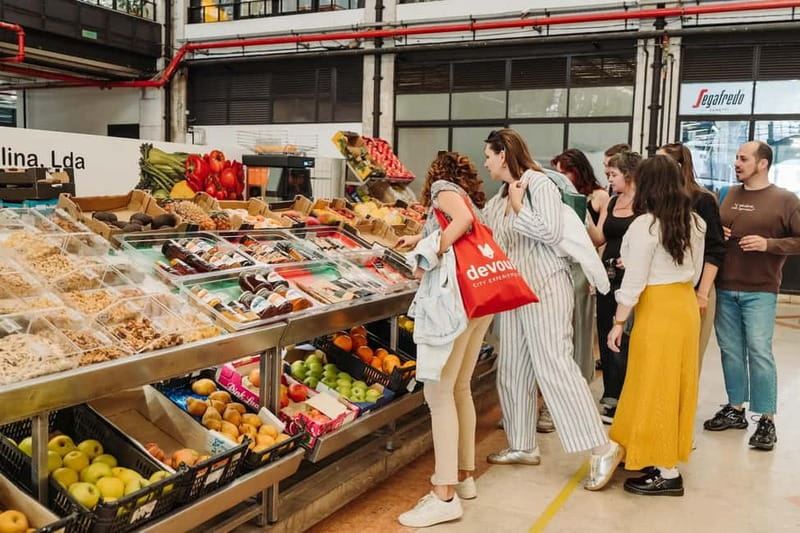
The route continues to Mercado da Ribeira for another food tasting, with about 20 minutes at the market. Here, canned fish becomes the surprise of the day.
Portugal has a long relationship with preserved seafood, and the tour shows you why canned fish deserves more respect than its humble image suggests. The idea is not simply to open a tin at home. Portuguese producers treat the contents, packing, oil, design, and presentation with care.
This tasting is useful for anyone who wants to bring home an edible souvenir. One participant received a can of sardines as a gift, a practical reminder that the country’s preserved seafood can travel well. You may find that this stop changes how you think about canned food.
Mercado da Ribeira can be a lively place, so the atmosphere is different from the quiet old shops earlier in the walk. Keep track of your guide and stay ready to move when the group does. The market stop is not only about eating. It is a chance to see a more modern food setting within the route.
The warm pastel de nata finale
The final food stop is Manteigaria, the factory and shop devoted to pastel de nata. You spend about 10 minutes tasting the famous custard tart, ideally warm and flaky.
This is one of the tour’s most satisfying endings because you get to see expert bakers making the pastry before biting into it. The contrast between the crisp pastry shell and soft custard is the reason the tart has become Portugal’s best-known sweet.
The stop also brings the tour back to the beginning. You started with coffee and pastries at old central institutions, then moved through drinks, sandwiches, lunch, and preserved seafood before returning to a pastry counter. The route gives you a broad picture of Portuguese eating rather than asking you to focus on one dish.
Do not expect a long baking class. The visit is short, and the main experience is watching the process and eating the finished tart. Still, it is a better way to understand the pastry than buying one without context.
Why the three-neighborhood route works
The walking route links Baixa, Chiado, and Cais do Sodré. These areas have different moods, but the tour uses them as a food trail rather than a sightseeing checklist.
You see central streets, cafés, bars, markets, and small shops while moving between tastings. Your guide fills in the gaps with stories about Lisbon and Portugal, and the food gives those stories a practical anchor. You are not only hearing about a place. You are tasting something connected to it.
The walking distance is manageable for someone who can keep a moderate pace, but this is not a good choice if you need a wheelchair, stroller, or frequent mobility breaks. Wear comfortable shoes. Lisbon’s central streets can be tiring when you combine walking with several standing tastings and a full lunch.
The tour ends with two possible drop-off points: Garrafeira Nacional or Time Out Market Lisbon. Both are useful places to continue your day, and the finish gives you a choice about what to do next.
What the $93 price includes
At $93 per person, this is not a cheap snack crawl. The value depends on how much you want from the guide as well as the food.
You receive nine tastings, three drinks, a walking tour, and a substantial lunch. If you bought every item separately, the food and drinks would account for part of the price, but the strongest value comes from the route design and explanations. You are paying to find several traditional places in one morning or afternoon and to understand what to order when you return on your own.
The tour also saves you from spending your first day guessing. You learn about ginjinha, salt cod, alheira, Iberian ham, canned fish, and pastel de nata in one organized outing. For a first visit, that can be more useful than choosing restaurants at random.
The price is less compelling if you eat very little, avoid most Portuguese staples, or prefer to explore independently. It is also a poor fit if you want a formal cooking lesson or long meals at each stop. The experience is designed for variety, movement, and conversation.
The guides make the difference
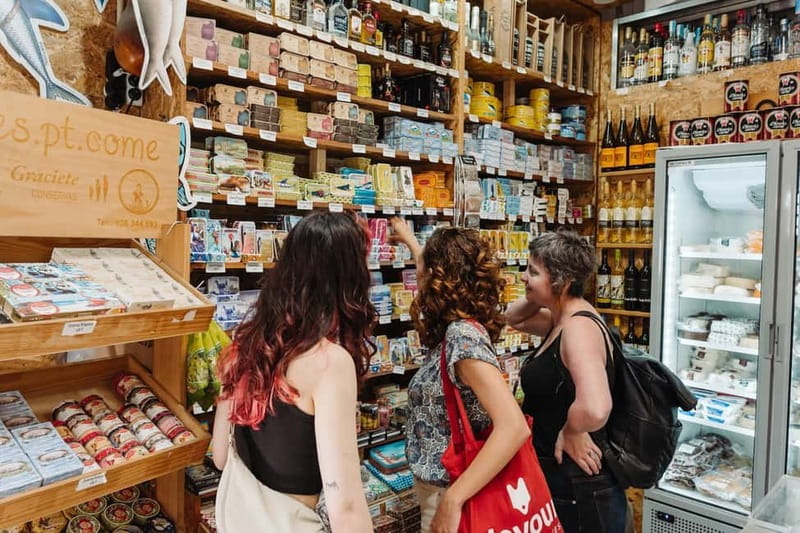
The food is strong, but the guide can determine how much you take away. Natalia is praised for using photos while explaining Lisbon’s past. Eva is known for combining archaeology and food culture. Helena, Borja, Merritt, Sara, Cecilia, Agathe, and others have also been singled out for their energy, clear explanations, and love of Portuguese food.
Guide assignments can change, so you should not book on the assumption that one specific person will lead your departure. The useful pattern is clear: guides are expected to explain the origin of dishes, the stories behind establishments, and the place of food in Portuguese culture.
I particularly like the advice to do this tour early in your stay. You get your bearings, learn food words and customs, and can return to a favorite stop later. It can also help you avoid ordering only the dishes you already recognize.
Who should book this food walk
This tour suits first-time Lisbon visitors who want an organized introduction to food, neighborhoods, and local customs. It is also a good choice if you prefer tasting many things instead of committing to one long restaurant meal.
Come with an empty stomach. The pastry, ham, sandwich, lunch, canned fish, and final tart are more than enough to fill you. If you are sensitive to caffeine, alcohol, fish, dairy, or gluten, contact the provider before the tour and explain exactly what you need.
Skip it if you are vegan, have gluten intolerance or celiac disease, use a wheelchair, or cannot walk at a moderate pace. You should also reconsider if fish is a deal-breaker, since salt cod and seafood are important parts of the route.
The tour offers free cancellation up to 24 hours before the start and a reserve-now, pay-later option. Those terms are useful if your Lisbon plans are still shifting, but the food and mobility limits are the more important booking questions.
Should you book the Lisbon food tour?
Book it if you want a generous first taste of Lisbon with real context, not just a list of snacks. The strongest parts are the family-run Tasca lunch, the contrast between old shops and modern market life, and the guides’ ability to connect food with Lisbon’s past.
Skip it if you need a vegan or gluten-free menu, dislike seafood, or want a slow, seated dining experience. For everyone else, $93 buys a well-packed half-day that can shape the rest of your eating in Lisbon. Schedule it early, wear good shoes, and arrive hungry.
FAQ
Where does the Lisbon food tour meet?
The tour meets at Praça da Figueira beside the large statue of King John I, called Dom João I in Portuguese. Your guide will carry a red bag or a Devour Tours sign.
How long does the tour last?
The walking food tour lasts 3.5 hours. Starting times vary, so check availability when booking.
How many tastings and drinks are included?
The experience includes nine food tastings and three drinks. Coffee, cherry liqueur, wine or beer, pastries, savory dishes, and canned fish are included among the planned stops.
Is the tour suitable for vegetarians or pescatarians?
The tour can be adapted for vegetarians and pescatarians, along with dairy-free, non-alcoholic, and pregnancy-related needs. You must email the provider after booking, and a replacement may not be available at every stop.
Is the tour suitable for vegans or people with celiac disease?
No. The tour is not suitable for vegans, people with gluten intolerance, or people with celiac disease.
Is the route accessible for wheelchair users or strollers?
No. The tour is not suitable for wheelchair users or strollers. You should be able to walk at a moderate pace without difficulty and wear comfortable shoes.
Fresh off the menu around Lisbon
- No Diet Club – Unique food tour in Lisbon with many Tastings★ 4.9 · 50 reviews
- Lisbon: Private Food Tour – 10 Tastings with Locals★ 4.8 · 73 reviews
- Lisbon Small-Group Food & Wine Tour Eat & Drink like a Local★ 4.9 · 77 reviews
- Lisbon Private Setúbal Region Wine Tasting Tour★ 4.9 · 149 reviews
- Lisbon: Private Food & Wine City Tour by Eco Tuk Tuk★ 4.8 · 21 reviews
- Lisbon: Original Morning Food Tour★ 4.6 · 26 reviews
- Lisbon: Portuguese street food cooking class with Drinks★ 4.9 · 37 reviews
- Lisbon: Evening Local Food Crawl with Drink Pairings★ 4.6 · 80 reviews
Lisbon Food Tours, compared.
Winner 2025 Undiscovered Lisbon Food & Wine Tour by Eating Europe
Read our review →
Lisbon: Food and Wine Small Group Walking Tour
Read our review →
Lisbon: Baixa District Food Tour with Dinner and Drinks
Read our review →
Lisbon Small-Group Food Tour with 18 Tastings in Alfama District
Read our review →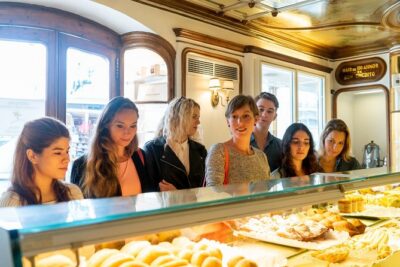
Devour Lisbon: The Ultimate Portuguese Food Tour
Read our review →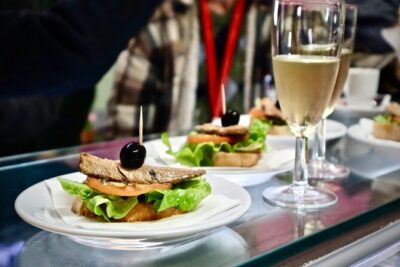
Lisbon Food Tour with 10+ Tastings of Local Delicacies & Wines
Read our review →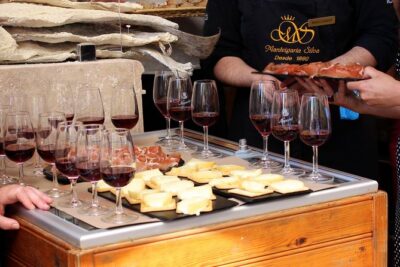
Award-Winning Original Lisbon Food Wine Tour: 19 Curated Tastings
Read our review →
Lisbon Exclusive PRIVATE Food Tour with 6 or 10 Tastings
Read our review →Browse the lists this tour appears in