
Review · LISBON
Lisbon: Food and Wine Small Group Walking Tour
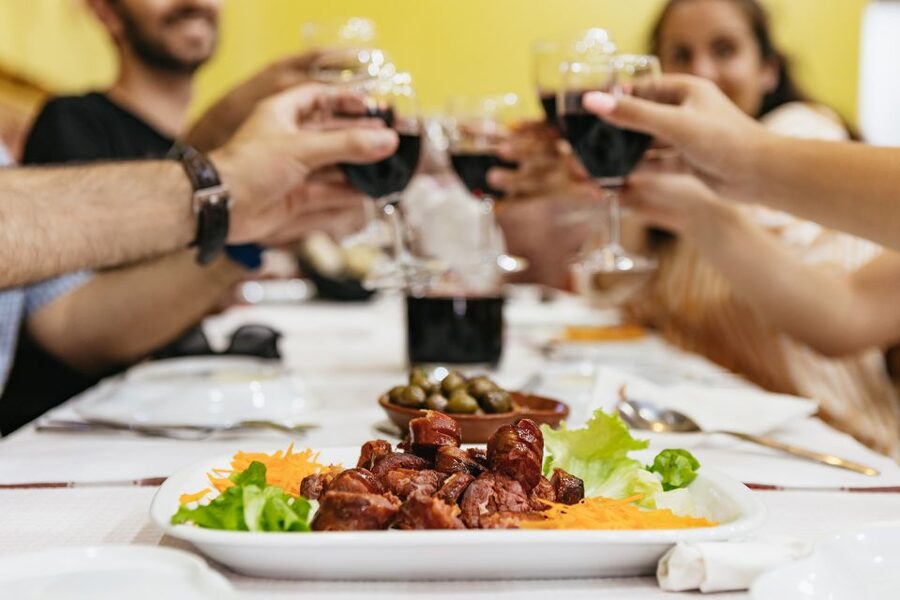
Lisbon’s best food lessons often happen at a counter, not in a museum. This three-hour walk through Baixa takes you into cafés, tascas, bars, and restaurants for 15 generous tastings, from codfish cake and Vinho Verde to bifana, Port, chouriço, and ginjinha.
I like the way the tour links each bite to Portuguese culture, and I like that the stops are close together, so you spend more time eating and less time marching. The main consideration is alcohol: wine, beer, Port, and liqueur come often, and vegan, vegetarian, celiac, kosher, and gluten-free alternatives are not available.
Key points at a glance
- Six local stops in three hours: The route stays around Rossio, Baixa, and nearby streets rather than sending you across the city.
- A full Portuguese sampler: Expect 15 tastings, including codfish cake, bifana, cheese, chouriço, rice, wine, beer, Port, and ginjinha.
- History with every glass: You learn why Port is fortified, how ginjinha became a Lisbon favorite, and how food reflects Portugal’s wider past.
- Traditional venues, not a formal cooking class: You visit cafés, taverns, bottle shops, and restaurants used by local residents.
- Good for first-time visitors: Guides such as José, Daniel, Filipa, Pedro, Alex, and Martin also offer practical ideas for eating and sightseeing later.
- Bring an appetite: Portions can be much more than tiny samples, and the drinks are served generously.
Why this Lisbon food walk works
At $72 per person, this is not a cheap snack crawl. It is a compact introduction to Portuguese food, wine, and central Lisbon, with six stops and a guide doing the explaining. If you paid separately for comparable food and drinks, the price would be easier to justify, especially because several tastings are proper portions rather than one-bite samples.
I see the tour as a useful first or second day activity. You get your bearings around Rossio and Baixa, learn what dishes to look for, and leave with a short list of places to return to. It also helps you avoid ordering blindly when a menu is filled with unfamiliar Portuguese names.
The social side matters, too. Group size can vary from a very small party to around 14 or 15 people. That means you may get a more personal conversation in one departure and a livelier shared meal in another. Solo visitors are well served because the format encourages people to talk while moving between stops.
The walking is moderate rather than strenuous. The venues are close, but Lisbon’s pavements can be uneven, and you will be on your feet for three hours. Wear comfortable shoes and do not plan a large dinner afterward.
More Food and Wine Tours around Lisbon:
- Winner 2025 Undiscovered Lisbon Food & Wine Tour by Eating Europe
★ 5.0 · 6,390 reviews - Lisbon Small-Group Portuguese Food and Wine Tour
★ 5.0 · 3,972 reviews - Eat & Walk Through Lisbon: A Local Food & Wine Experience
★ 4.9 · 458 reviews
Starting at Rossio Square
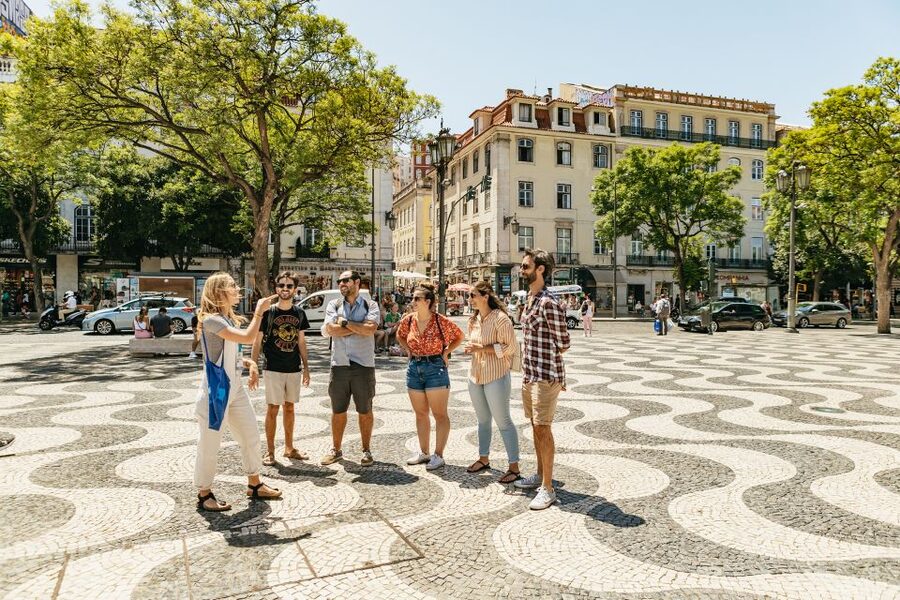
Meet your guide at the center statue in Praça Dom Pedro IV, usually called Rossio Square. Look for a blue badge, blue bag, or black backpack near the statue of King Pedro IV.
Pay attention to the statue detail. Rossio has a tall column with a man standing on top, along with two fountains. A nearby square has a man on horseback, and that is the wrong meeting point. The Rossio Metro station on the green line is the closest stop.
This is a practical starting place because the square sits at the edge of Baixa and near several major routes through central Lisbon. Your guide can introduce the area before the first tasting, then lead you into the smaller streets where the food stops are located.
Guides vary by departure. José is known for mixing humor with local background, while Daniel has a strong reputation for explaining both food and city history. Filipa, Pedro, Martin, Alex, Carlos, Guilherme, and others lead departures as well. The individual personality of your guide will shape the evening, but the format remains focused on food, drink, and place.
Vinho Verde and the codfish cake
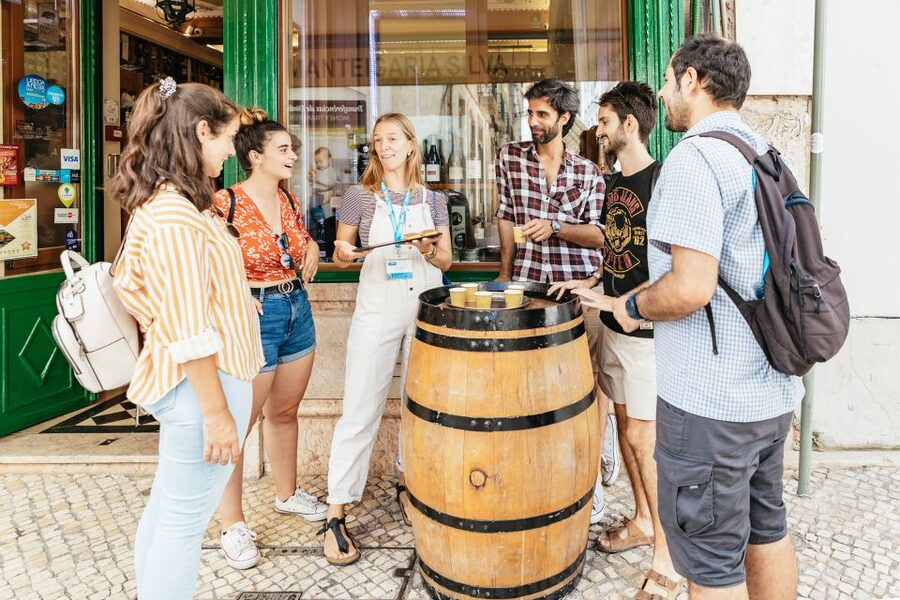
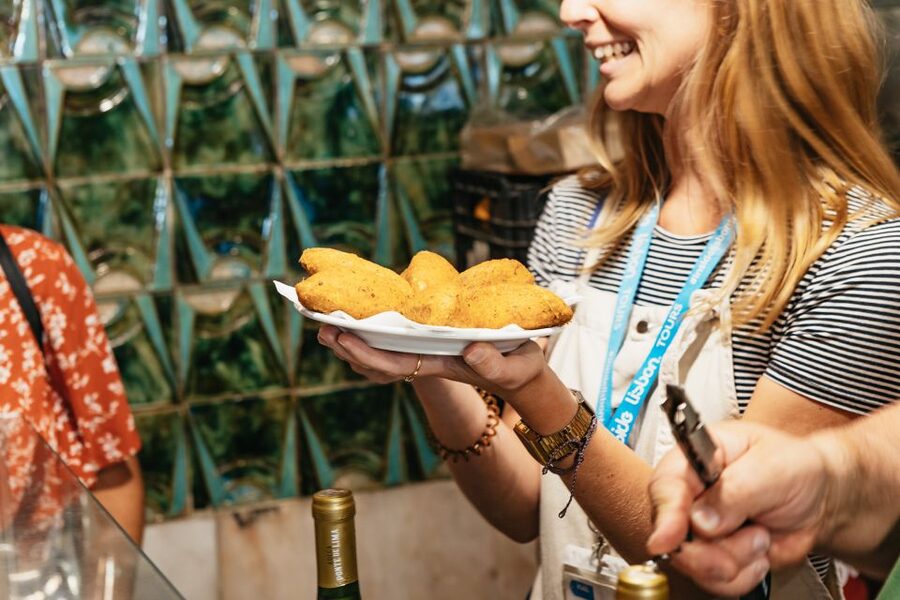
The first tasting pairs a glass of Vinho Verde with a traditional codfish cake. This is a smart opening because it gives you two familiar Portuguese reference points right away.
Vinho Verde translates as green wine, though the name refers to the young style of wine rather than its color. It is often refreshing and light, which makes it a useful match for the savory codfish cake. The tasting also introduces an important Portuguese habit: wine and small foods are often enjoyed together rather than treated as separate courses.
The codfish cake is a classic snack made with salted cod and potato. Your guide explains the role of cod in Portuguese cooking and gives you a first taste of a food you will see in cafés and restaurants across the country.
This stop is brief, about 20 minutes. That is enough time to eat, listen, and ask questions, but not enough for a long meal. If you prefer slow dining with plenty of time at each table, the pace may feel brisk.
Cheese, cafés, and the story of Port
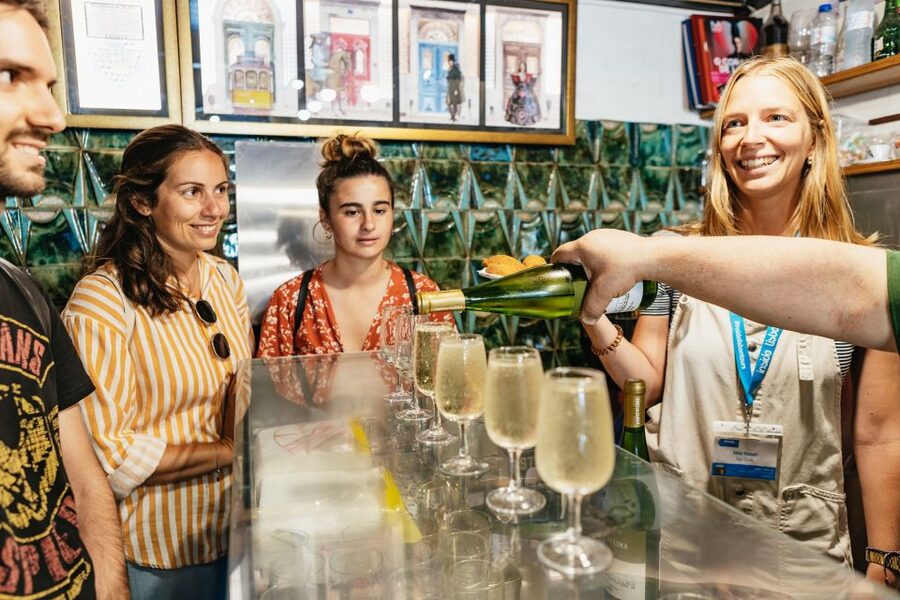
The next stop takes you to a local café for wine and cheese. Café culture is central to daily life in Lisbon, and a traditional café gives you a more grounded experience than a polished tasting room.
The pairing also sets up the Port tasting later in the route. Port is a fortified wine associated with Portugal’s northern Douro Valley, and the guide explains how it differs from regular table wine. You get useful context without having to attend a formal wine lecture.
At another stop, Port is served with local cheese. This is one of the more satisfying combinations on the route because the sweet, powerful wine balances the salty, creamy cheese. It is also the point where you begin to understand that Portuguese drinking culture is not only about famous exports. Local cheeses, bread, cured meats, and small plates are part of the picture.
The wine portions are not merely symbolic. Several people have found the drinks generous, so pace yourself from the start. You have more stops ahead, and water is not listed as a tasting.
More food tours around Lisbon:
- Lisbon: Baixa District Food Tour with Dinner and Drinks
★ 4.9 · 1,997 reviews - Lisbon Small-Group Food Tour with 18 Tastings in Alfama District
★ 5.0 · 1,967 reviews - Devour Lisbon: The Ultimate Portuguese Food Tour
★ 5.0 · 1,782 reviews - Lisbon Food Tour with 10+ Tastings of Local Delicacies & Wines
★ 5.0 · 1,339 reviews
Ginjinha at St. Dominic’s Square
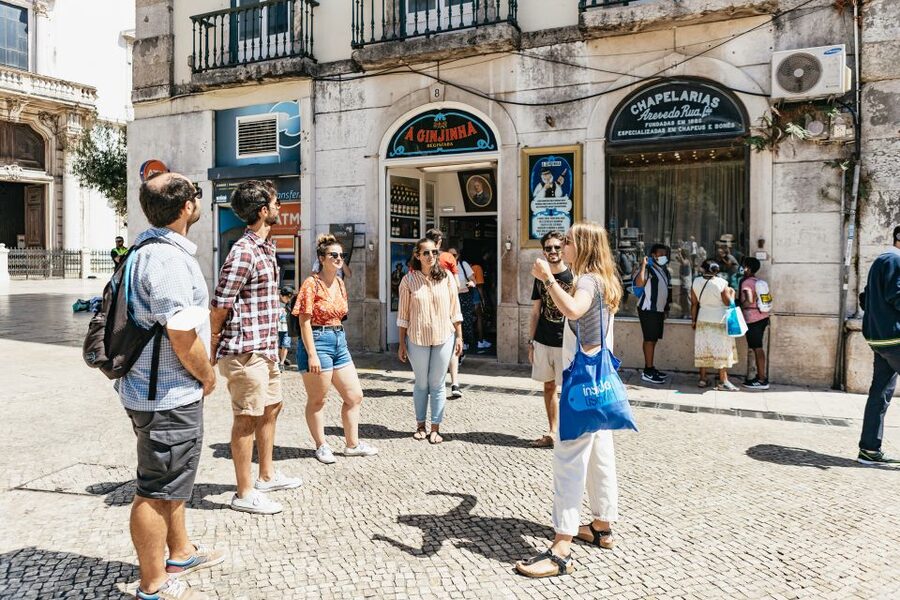
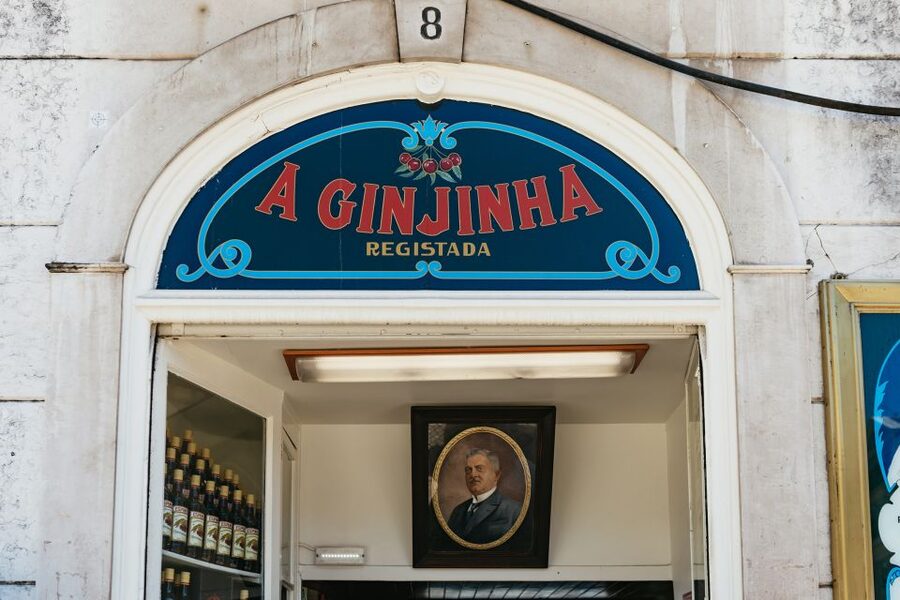
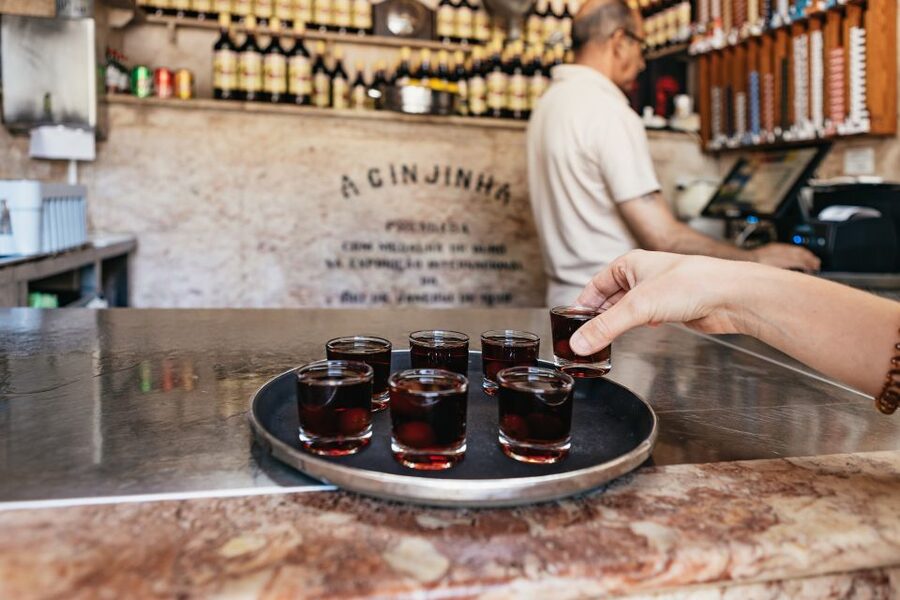
At St. Dominic’s Square, you try ginjinha, the cherry liqueur most closely tied to Lisbon. It is served as a small spirit tasting, and the stop takes about 15 minutes.
Ginjinha is sweet, aromatic, and stronger than it first appears. The guide tells you about a historic bar that began selling it commercially in 1840, giving the drink a clear connection to Lisbon rather than presenting it as just another shot.
This stop is useful even if you are not a spirits enthusiast. Ginjinha is part of Lisbon’s identity, and tasting it in the middle of the city gives you a better sense of how local drinks fit into everyday life.
The timing is short, and the tasting is not designed for lingering. If you dislike sweet liqueurs, this will probably be the least essential sample for you. Still, it is a quick and distinctive part of the route.
The bifana and a cold beer
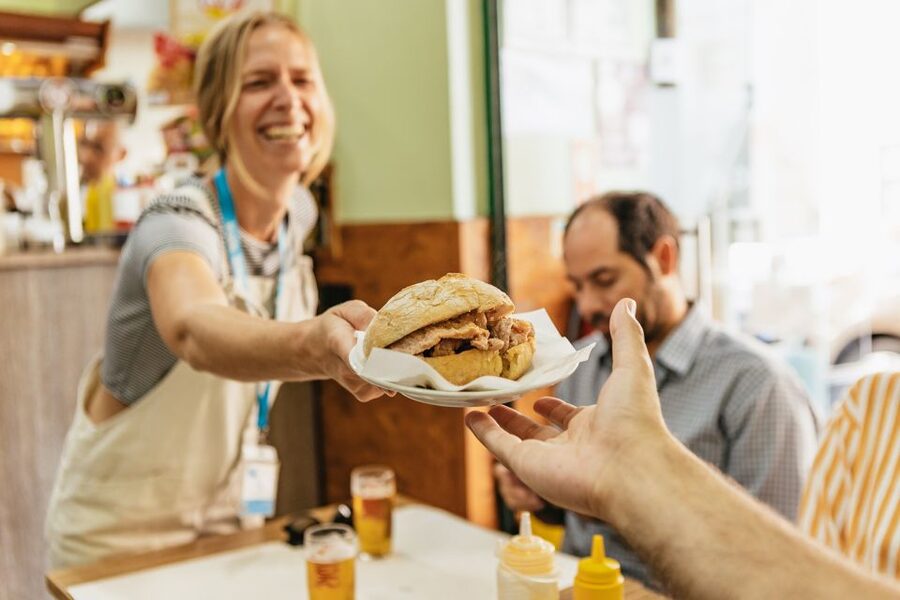
One of the tour’s strongest food stops is a traditional bifana paired with draft beer. A bifana is a simple pork sandwich, usually served in a soft roll with seasoned meat. It is classic Portuguese street food: inexpensive in spirit, filling, and easy to eat at a standing counter or casual tavern.
The setting matters. You visit a famous tasca, the kind of straightforward neighborhood tavern that serves familiar food without ceremony. This is different from a restaurant built for formal dining, and that difference is part of the appeal.
The beer pairing is practical and very Portuguese. A cold draft beer cuts through the seasoned pork and makes the sandwich feel like a proper afternoon or evening snack. The stop takes around 20 minutes, enough for your guide to explain the dish and for you to eat without feeling rushed.
This is also a good point to notice how the tour handles variety. You are not simply eating six versions of the same thing. The route moves from seafood to cheese, from liqueur to beer, and from snack food to a cooked rice dish.
Chouriço, bread, cheese, and red wine
A later stop brings you to a local venue for chouriço, Portuguese bread, other regional products, and red wine. Chouriço is a seasoned pork sausage with a smoky, savory flavor. With bread and wine, it becomes a simple spread that reflects the way many Portuguese meals begin.
The stop is described as a true local venue, and that matters more than a fancy dining room here. You get a chance to see how food is served in a casual place where the setting feels part of the lesson.
The red wine gives you another useful comparison. By this point, you have sampled Vinho Verde, Port, beer, and ginjinha. The red wine helps you distinguish Portugal’s table wines from its fortified wines and sweet spirits.
The route may also include extra cheese or local products depending on the venue and the day. Menus are not completely fixed, since the final rice dish is based on fresh ingredients available at the time. That is good for freshness, but it means the exact food lineup can shift slightly.
The daily rice dish
The final substantial tasting is a traditional Portuguese rice dish served with wine. The dish is prepared daily using available fresh ingredients, so you may not receive exactly the same recipe as someone on another departure.
That small amount of uncertainty is a plus for anyone interested in how Portuguese cooking actually works. The meal follows the market and kitchen rather than a rigid tourist script. It also gives you something warm and filling after several smaller tastings.
The wine is chosen to match the dish, and your guide explains the pairing. This final course helps pull the tour together: you have tried snacks, sandwiches, cheese, sausage, seafood, spirits, and a cooked regional dish.
The food can be generous. Go hungry, but do not arrive expecting a full restaurant dinner with individual choices. The group shares a set route, and the guide decides the order and pairings.
The guides make the difference
The guide is the main variable in an experience like this. You are not just being led from counter to counter. You are relying on one person to explain the food clearly, keep the group together, manage timing, and make conversation with different personalities.
The guides named in the supplied feedback include José, Daniel, Filipa, Pedro, Martin, Alex, Alexandra, Carlos, Guilherme, Franco, Felipe, and Natalia. Several are praised for humor, warmth, and strong knowledge of Portuguese food and history. Daniel is often described as especially good at adding context, while Pedro is noted for connecting Lisbon’s cuisine with the wider Iberian Peninsula.
The best guides also help solo participants feel included and give useful suggestions for the rest of your stay. You may leave with ideas for restaurants, neighborhoods, and dishes to try independently.
Do not expect every guide to deliver the same speech word for word. That is part of the charm, but it also means the tone can differ from one departure to another. The activity is in English, so a comfortable level of English will help you follow the historical and culinary explanations.
How much walking and how much food?
Despite the word walking in the title, the tour is not a long-distance hike. Most stops are close together in central Lisbon, and the route focuses on Baixa, Rossio, and nearby streets. You will walk between venues, but the frequent tastings break up the movement.
The food load is more serious than the walking load. You get 15 tastings across six locations, including several alcoholic drinks and portions that can be surprisingly generous. I would schedule this as your main meal for the period rather than trying to fit it between lunch and dinner.
Comfortable shoes are essential. Lisbon’s streets can be hard on your feet, and you will stand at some venues. Pets are not allowed.
The activity ends with drop-off options in Baixa de Lisboa or near Alfama. No hotel pickup or return is included, so you should arrange your own way back to your accommodation.
Who should book this tour?
I would recommend it most strongly to first-time visitors who want an easy introduction to Portuguese food without spending days researching restaurants. It also suits couples, friends, solo visitors, and small family groups who enjoy eating in social settings.
It is a good choice if you want:
- A broad sample of Portuguese food and drink in one afternoon or evening
- Historical context without a separate museum tour
- Traditional cafés and taverns rather than only polished restaurants
- Restaurant suggestions for the rest of your stay
- A social activity where you can meet people from different countries
- A route with limited walking between stops
I would be cautious if you do not drink alcohol, have serious food allergies, or need strict dietary control. Vegan and celiac options are not available, and vegetarian, kosher, and gluten-free alternatives may not be possible because the tour uses traditional venues.
The tour is also less suitable if you want a quiet, private meal or a fixed menu. Group size and guide style vary, and the experience depends on shared tastings and a set route.
Is $72 a fair price?
For $72, you are paying for six food stops, about 15 tastings, several drinks, a three-hour guided walk, and the guide’s local knowledge. The value is strongest if you would otherwise pay for multiple snacks, drinks, and casual meals during your first days in Lisbon.
The price is less compelling if you only want a full dinner. You are not choosing dishes from a menu, and the tour’s value comes from variety and explanation rather than one memorable restaurant meal.
I think the cost is fair for a first-day orientation, especially if you use the guide’s suggestions afterward. The route can save you from spending your first night guessing at unfamiliar menus, and it gives you a practical list of foods to seek out again.
Should you book the Lisbon food and wine walk?
Book it if you want a generous, social introduction to Lisbon’s everyday food culture. The combination of codfish cake, Vinho Verde, Port, cheese, bifana, beer, ginjinha, chouriço, red wine, and rice gives you a useful first map of Portuguese eating and drinking.
Skip it if you need strict dietary alternatives, dislike alcohol, or prefer a private restaurant meal. For most first-time visitors who enjoy trying many things and hearing the stories behind them, the close-together route, generous portions, and lively guides make this a strong use of three hours.
FAQ
Where does the Lisbon food and wine tour meet?
Meet your English-speaking guide at the center statue in Rossio Square, Praça Dom Pedro IV. Look for a blue badge, blue bag, or black backpack.
How long does the tour last?
The walking tour lasts three hours. Starting times vary, so you need to check availability for your chosen date.
How many tastings are included?
The tour includes 15 food and drink tastings at six locations. These include Portuguese food, snacks, wine, beer, Port, and ginjinha.
What foods and drinks are served?
The route includes Vinho Verde with codfish cake, Port with local cheese, a bifana with draft beer, ginjinha, chouriço with bread and other local products, red wine, and a traditional rice dish with wine.
Is the tour suitable for dietary restrictions?
Vegan and celiac options are not available. Vegetarian, gluten-free, kosher, and other alternatives may also be difficult because the tour visits traditional venues.
Is hotel pickup included?
No. Hotel pickup and drop-off are not included. The tour ends with drop-off options in Baixa de Lisboa or near Alfama.
Fresh off the menu around Lisbon
- No Diet Club – Unique food tour in Lisbon with many Tastings★ 4.9 · 50 reviews
- Lisbon: Private Food Tour – 10 Tastings with Locals★ 4.8 · 73 reviews
- Lisbon Small-Group Food & Wine Tour Eat & Drink like a Local★ 4.9 · 77 reviews
- Lisbon Private Setúbal Region Wine Tasting Tour★ 4.9 · 149 reviews
- Lisbon: Private Food & Wine City Tour by Eco Tuk Tuk★ 4.8 · 21 reviews
- Lisbon: Original Morning Food Tour★ 4.6 · 26 reviews
- Lisbon: Portuguese street food cooking class with Drinks★ 4.9 · 37 reviews
- Food Tour: Portuguese wine & Tapas with Ginjinha Tasting★ 3.8 · 67 reviews
Lisbon Food Tours, compared.
Winner 2025 Undiscovered Lisbon Food & Wine Tour by Eating Europe
Read our review →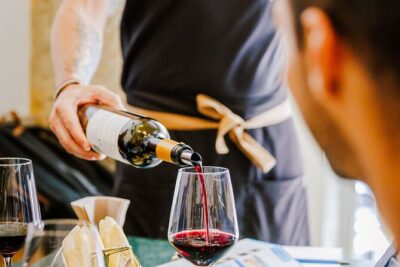
Lisbon Small-Group Portuguese Food and Wine Tour
Read our review →
Lisbon: Baixa District Food Tour with Dinner and Drinks
Read our review →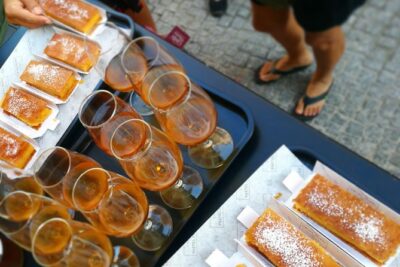
Lisbon Small-Group Food Tour with 18 Tastings in Alfama District
Read our review →
Devour Lisbon: The Ultimate Portuguese Food Tour
Read our review →
Lisbon Food Tour with 10+ Tastings of Local Delicacies & Wines
Read our review →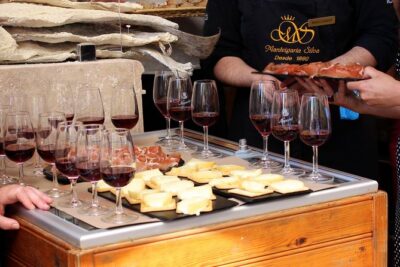
Award-Winning Original Lisbon Food Wine Tour: 19 Curated Tastings
Read our review →
Lisbon Exclusive PRIVATE Food Tour with 6 or 10 Tastings
Read our review →Browse the lists this tour appears in