
Review · LISBON
Lisbon: Portuguese street food cooking class with Drinks
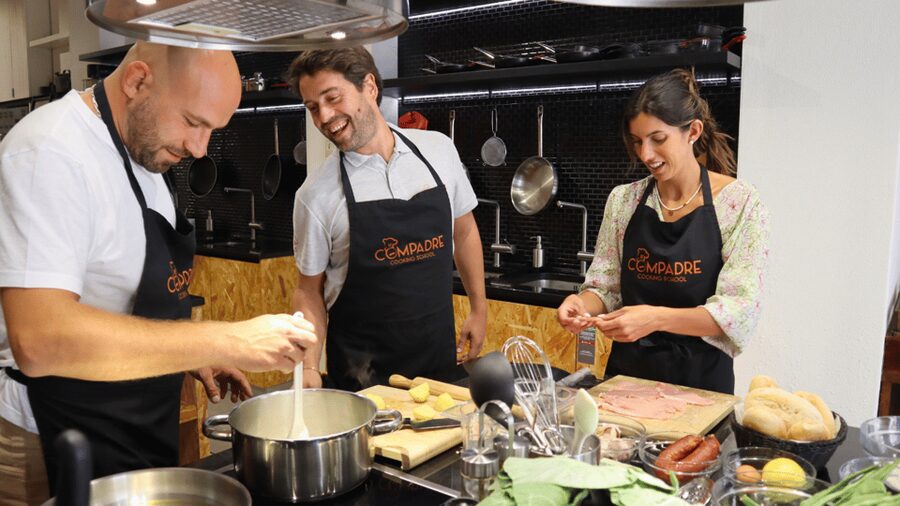
Portugal’s best food often comes in humble form, and this class makes that clear. In two hours at Compadre Cooking School, you prepare a pork bifana, caldo verde, and Peixinhos da horta, the fried green-bean dish that helped inspire tempura. It is a tasty way to meet the food locals eat at snack bars and festivals, rather than focusing only on the famous pastries and cod dishes.
I like two things here: you take part in nearly every stage of cooking, and the dishes are simple enough to make again at home. The stories behind each recipe add useful context, while the shared meal, wine, and Ginja turn the lesson into a social evening. The main consideration is that the class is not suitable for wheelchair users, and one person found the instruction a little too hands-on at times.
Key points at a glance
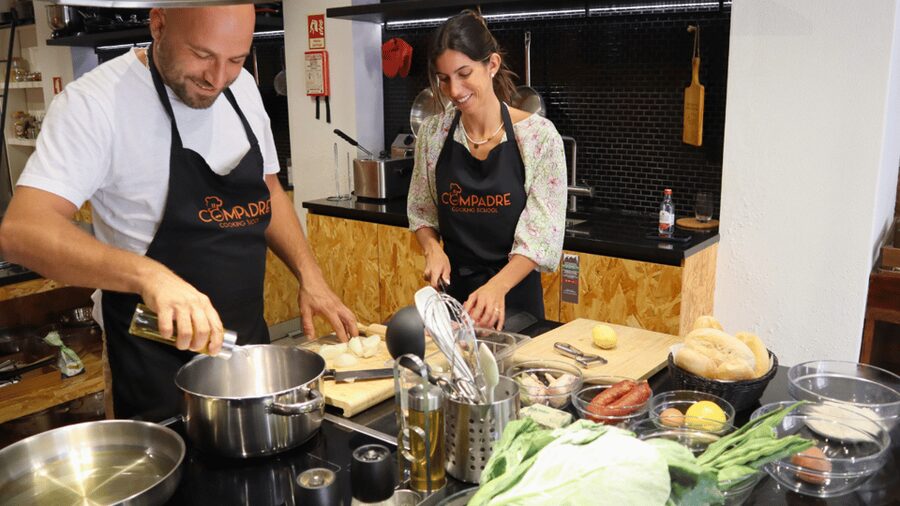
- Three everyday Portuguese dishes: Make bifana, caldo verde, and Peixinhos da horta instead of repeating the usual pastel de nata lesson.
- A full meal for $55: Your fee covers ingredients, chef instruction, the prepared food, a glass of wine, and Ginja.
- Stories with the recipes: Learn how these foods fit into Portuguese daily life and how green-bean fritters connect to tempura.
- Friendly shared cooking: You work alongside other participants, then eat together at the end.
- Beginner-friendly format: No cooking background is needed, and the recipes are designed for home kitchens.
- Plan for comfort: Arrive five minutes early and wear comfortable clothes and shoes suitable for standing and cooking.
Why these three dishes matter
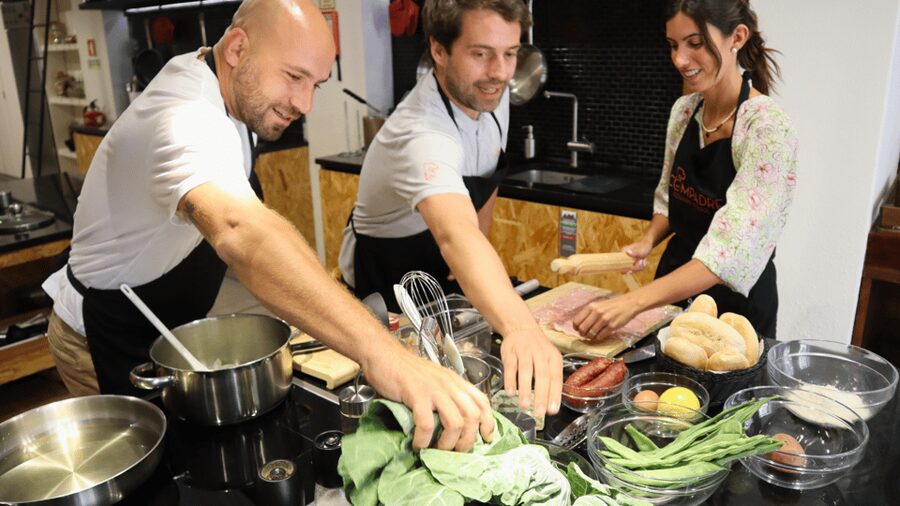
This is not a class built around showy restaurant food. It focuses on Portuguese comfort food that is inexpensive, filling, and closely tied to daily life.
The bifana is a pork sandwich, usually served as a quick snack. It is the sort of food that makes sense after a long day of sightseeing because it is direct, hearty, and easy to eat. Making it yourself also helps you understand why a simple sandwich can become a national favorite.
Caldo verde is a traditional soup made with potatoes and finely cut collard greens. It is one of Portugal’s most familiar comfort foods. The recipe is approachable, and the result gives you a useful dish to carry home, especially on a cool evening.
Then there is Peixinhos da horta, a fried green-bean dish. The name suggests little fish, even though the main ingredient is vegetable. Its wider importance is the link to tempura, giving the class a small but interesting piece of culinary history without turning the lesson into a lecture.
I like this mix because each dish serves a different purpose. The bifana is a sandwich, the soup is a one-pot staple, and the fritters show a classic frying technique. You leave with more than one recipe and a clearer sense of how Portuguese food works.
More Street Food Tours in Lisbon:
- Dubai: Old Town, Creek, Museums, Souks, & Street Food Tour
★ 4.8 · 10,816 reviews - Ho Chi Minh City Street Food Tour & Sightseeing By Motorbike
★ 5.0 · 9,413 reviews - Medellin: Comuna 13 Graffiti Tour, Cable Car & Street Food
★ 4.8 · 9,046 reviews
Arriving at Compadre Cooking School
The class takes place in the Compadre Cooking School kitchen in Lisbon District. You should arrive about five minutes early, which gives you time to settle in and get ready before the cooking begins.
The kitchen is described as modern, clean, and spacious. That matters in a hands-on class. You need room to chop, stir, and work beside other people without feeling cramped. Comfortable shoes are important because you will be standing and moving around the cooking area.
Instruction is in English. The named instructors connected with past sessions include Marta or Martha, Anna, and Roy, so the exact teacher may vary by date. The teaching style is warm and practical, with explanations about the food as you work. No previous cooking skill is required.
This is a shared class, not a private lesson. You will work alongside people from different places, dividing tasks and helping bring the meal together. That setup suits solo visitors and couples who want an easy social activity. It may be less appealing if you want to work alone or prefer a formal demonstration where the chef does most of the preparation.
The first lesson: food, place, and daily life
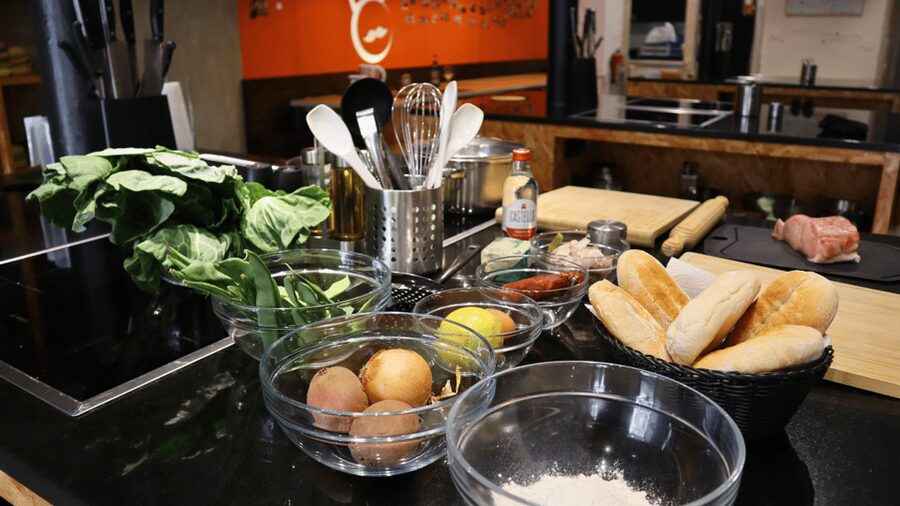
The class begins with an introduction to the dishes and their place in Portuguese culture. This opening is useful because the food is not presented as a random set of recipes.
You learn why these items appear at snack bars, local gatherings, and festivals. You also hear how each dish reflects a practical side of Portuguese cooking: inexpensive ingredients, straightforward preparation, and food made for sharing or eating on the go.
The cultural background is kept tied to what you will cook. That is the right balance for a two-hour class. You get enough context to understand the dishes, but the session still leaves plenty of time to prepare and eat.
I especially like that the class avoids concentrating only on the best-known Portuguese foods. Pastel de nata and cod are important, but they are not the whole story. These recipes offer a less predictable look at the country’s cooking traditions.
Working on the bifana and caldo verde
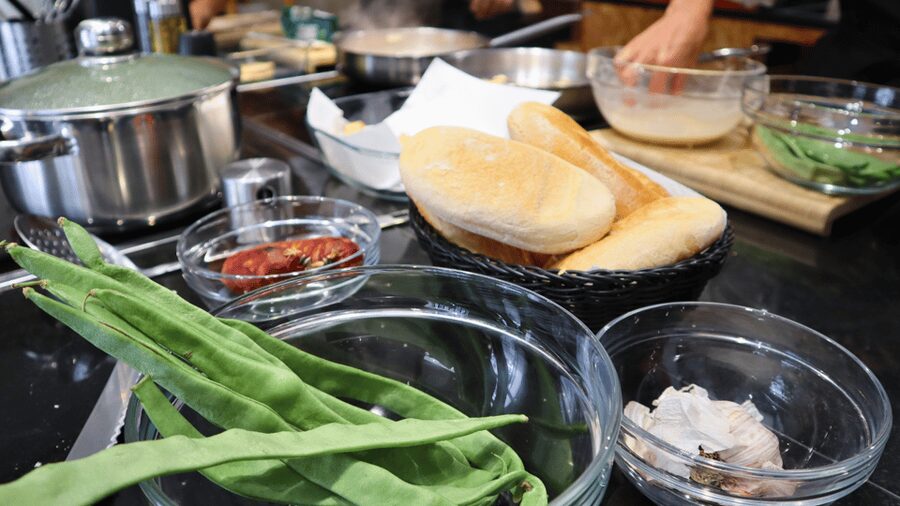
Once the introduction is finished, you roll up your sleeves and begin preparing the dishes. The chef guides the group through the recipes and explains the steps as you go.
The bifana gives you a chance to work with the main filling and assemble a sandwich that depends on good balance rather than complicated technique. You learn how a few familiar ingredients can create a satisfying snack when prepared in the Portuguese style.
Caldo verde brings a different rhythm. It is a soup, so the work involves combining ingredients and building a comforting finished dish rather than assembling something at the last minute. The class makes the recipe accessible for home cooks, and the soup has been a particular favorite among participants.
One useful feature is that there are enough tasks for people to take part throughout much of the class. You are not simply watching a chef prepare everything while waiting for the meal. The work is shared, which makes the two hours feel active.
There is one small caution. One person felt that a teacher took over a little too much instead of always explaining. That may depend on the individual instructor and the task at hand, but if you are hoping for a very independent cooking lesson, keep this possibility in mind.
More cooking classes around Lisbon:
- Ramen Cooking Class at Ramen Factory in Kyoto
★ 5.0 · 1,937 reviews - Small Group Cooking Class & Market Food Tour in Florence
★ 5.0 · 1,574 reviews - Athens: Food Market Visit and Cooking Class with Wine
★ 4.9 · 1,087 reviews - Ramen & Gyoza Cooking Class in Tokyo with Local Supermarket Visit
★ 5.0 · 823 reviews
Frying Peixinhos da horta
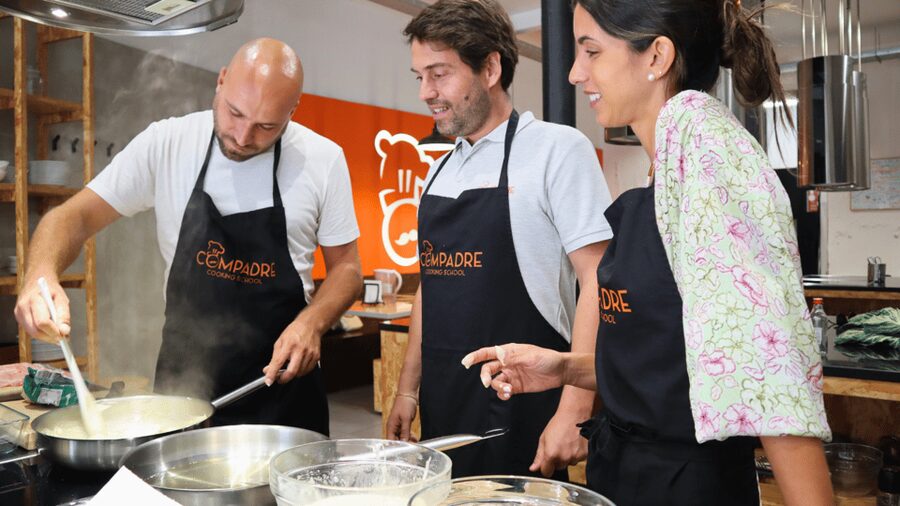
The third dish adds the most unusual story. Peixinhos da horta consists of green beans prepared in a fried coating. The dish is linked to the development of tempura, making it a fun example of how cooking methods travel between countries and change over time.
You do not need to be an experienced fryer to take part. The chef leads you through the preparation, and the group works together to produce the finished dish.
For me, this recipe gives the class an edge over a standard Portuguese food lesson. You are not just making a familiar national dish. You are also learning about a preparation with a wider culinary connection.
The green-bean fritters are best understood as part of the meal rather than as a standalone culinary performance. They add crunch and contrast to the soup and sandwich, giving the final table a good mix of textures.
Sitting down to eat what you made
After the cooking is complete, everyone gathers around the table to eat the prepared dishes. This shared meal is an important part of the class, not a small tasting at the end.
You get to try the food while it is fresh, compare the results with the other cooks, and talk about the recipes in a relaxed setting. The meal also gives solo visitors a natural way to meet people without the awkwardness of a forced group activity.
Your booking includes a glass of red or white wine and a tasting of Ginja, Portugal’s traditional cherry liqueur. The drink pairing adds a pleasant local touch, especially because Ginja is more distinctive than a generic soft drink or standard wine service.
Additional drinks are not included, so you should budget for them if you want more than the provided wine and Ginja. The class does not include transportation, so you are responsible for reaching the Compadre kitchen and returning afterward.
What the $55 price really buys
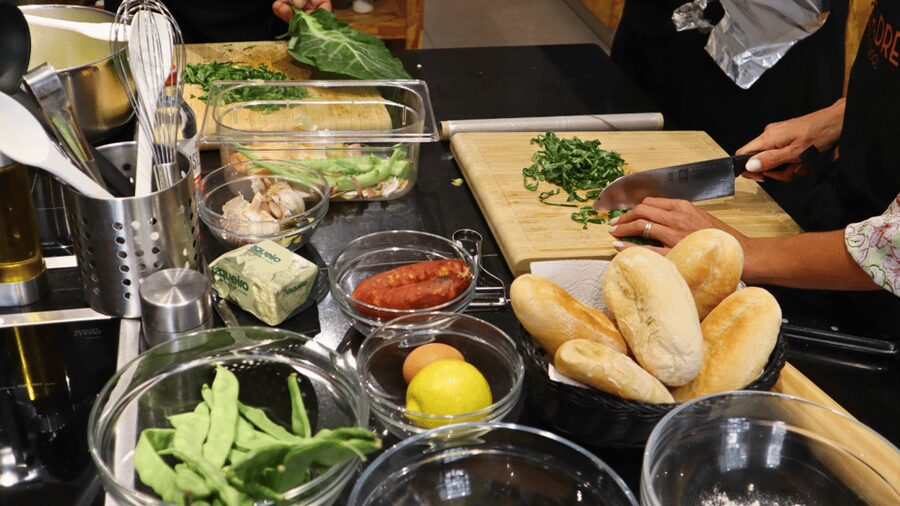
At $55 per person, this sits in a reasonable range for a two-hour food activity that includes a full shared meal. You are paying for more than instruction: ingredients, use of the cooking space, chef guidance, three dishes, wine, and Ginja are all part of the package.
The value is strongest if you would otherwise pay for both a meal and a separate cultural activity. Here, the cooking lesson and dinner are combined. You also receive recipes that are simple enough to recreate, which gives the experience some value after you leave Lisbon.
It is less of a bargain if you mainly want to eat Portuguese food without cooking. A restaurant meal will be more efficient, and you can order several dishes without spending time preparing them. This class is for people who see the preparation as part of the evening.
The two-hour length is also well judged. It is long enough to cook and eat but short enough to fit into a busy Lisbon schedule. Check the available starting time when booking, since the exact session time can vary.
Who should book this class
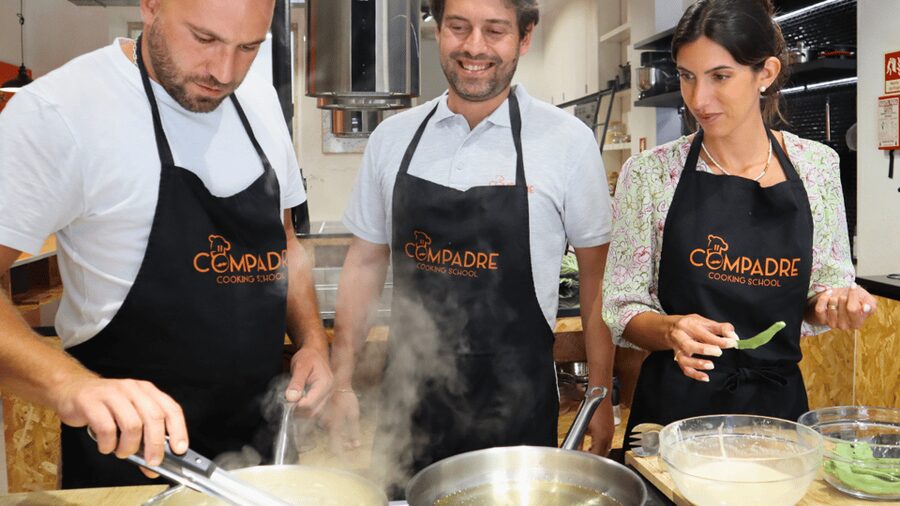
I would recommend it to food-focused visitors who want a practical introduction to Portuguese cooking. It is particularly good for beginners, since you do not need prior experience and the recipes do not depend on advanced equipment or difficult techniques.
It also suits couples, friends, and solo visitors who enjoy sitting down with a group after an activity. The shared format creates conversation naturally, and the meal gives the class a clear finish.
Families with young children may need to judge the format carefully, since the supplied information does not give an age range or child-specific arrangements. You should also contact the provider if you have dietary requirements. The recipes can be adapted, but you need to raise the request in advance.
People who use wheelchairs should note that the activity is not suitable for wheelchair users. That is the clearest practical limitation listed for this experience.
Useful planning advice
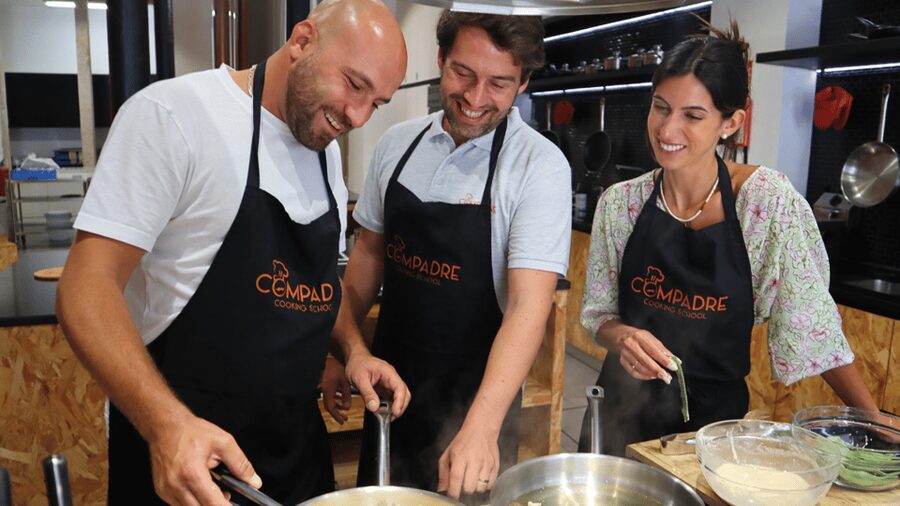
Wear comfortable clothes and closed, comfortable shoes suitable for cooking. You do not need specialist equipment, and ingredients are provided.
Arrive five minutes early. That small margin helps you settle in, meet the instructor, and avoid missing the introduction.
If you want to drink more than the included glass of wine and Ginja, bring extra money for additional drinks. Transportation is not part of the booking, so plan your route to and from the cooking school before the class begins.
Dietary needs should be discussed with the provider. The recipes can be adapted, but the class needs that information so the kitchen can prepare properly.
The activity offers free cancellation up to 24 hours before the start time, with a full refund. You can also reserve now and pay later, which is useful if your Lisbon schedule is still taking shape.
Should you book it?
Book this class if you want to cook a real meal, learn the story behind everyday Portuguese dishes, and eat with other people afterward. The strongest features are the active format, the approachable recipes, and the choice to focus on bifana, caldo verde, and Peixinhos da horta rather than repeating the most familiar tourist dishes.
The $55 price is fair because it includes food, ingredients, instruction, wine, and Ginja. Just remember that it is a shared class, additional drinks cost extra, transportation is not included, and wheelchair users cannot take part.
If you prefer a quiet restaurant dinner or a private cooking lesson, choose something else. If you want a friendly, useful introduction to Portuguese street food that you can continue at home, this is an easy choice.
FAQ
How long does the Portuguese street food cooking class last?
The class lasts two hours. Check availability for the specific starting time when you book.
What dishes will I prepare?
You will learn to prepare a bifana pork sandwich, caldo verde collard greens soup, and Peixinhos da horta, fried green beans linked to the origins of tempura.
Is cooking experience required?
No. The class is designed for beginners, and the chef guides you through the recipes and preparation.
What drinks are included?
Your booking includes one glass of red or white wine and a tasting of Ginja, a traditional Portuguese cherry liqueur. Additional drinks are not included.
What should I wear or bring?
Wear comfortable clothing and shoes suitable for cooking and standing. You should arrive five minutes early. No special cooking equipment is required.
Can the recipes be adapted for dietary needs?
Yes. The recipes can be adapted, but you should contact the provider in advance with your dietary requirements.
More food workshops around Lisbon
- Sushi Making Tokyo Roll and Authentic Japanese Sushi Class
★ 5.0 · 3,971 reviews - Authentic Pizza Making Class in Naples with Appetizers and Drink
★ 5.0 · 3,178 reviews - Tokyo: Roll and Authentic Sushi Making Class in Asakusa
★ 4.9 · 1,957 reviews - Tokyo: Sushi Making Class in a Happi Coat near a Famous Spot
★ 4.9 · 1,377 reviews
Fresh off the menu around Lisbon
- No Diet Club – Unique food tour in Lisbon with many Tastings★ 4.9 · 50 reviews
- Lisbon: Private Food Tour – 10 Tastings with Locals★ 4.8 · 73 reviews
- Lisbon Small-Group Food & Wine Tour Eat & Drink like a Local★ 4.9 · 77 reviews
- Lisbon Private Setúbal Region Wine Tasting Tour★ 4.9 · 149 reviews
- Lisbon: Private Food & Wine City Tour by Eco Tuk Tuk★ 4.8 · 21 reviews
- Lisbon: Original Morning Food Tour★ 4.6 · 26 reviews
- Lisbon: Evening Local Food Crawl with Drink Pairings★ 4.6 · 80 reviews
- Food Tour: Portuguese wine & Tapas with Ginjinha Tasting★ 3.8 · 67 reviews
Lisbon Food Tours, compared.
Winner 2025 Undiscovered Lisbon Food & Wine Tour by Eating Europe
Read our review →
Lisbon: Food and Wine Small Group Walking Tour
Read our review →
Lisbon: Baixa District Food Tour with Dinner and Drinks
Read our review →
Lisbon Small-Group Food Tour with 18 Tastings in Alfama District
Read our review →
Devour Lisbon: The Ultimate Portuguese Food Tour
Read our review →
Lisbon Food Tour with 10+ Tastings of Local Delicacies & Wines
Read our review →
Award-Winning Original Lisbon Food Wine Tour: 19 Curated Tastings
Read our review →
Lisbon Exclusive PRIVATE Food Tour with 6 or 10 Tastings
Read our review →Browse the lists this tour appears in