
Review · MOROCCO
Tangier: Food Walking Tour
Tangier’s best food stories are found in small servings: a spoonful of bissara, a warm piece of bread, a sweet stuffed date, or a plate of tagine shared at the right table. This three-hour walking tour leads you through M’Sallah, Grand Socco, the old town, and the Kasbah while connecting each bite to local customs and daily life.
I like the generous food plan, with six tasting stops and a full meal, and I like that the route mixes markets, cafés, sit-down restaurants, and street vendors. Guides such as Rabab, Mohammed, Ismail, Ahmed, and Anas have adjusted the pace and food choices for children and dietary needs. The main drawback is practical: steep, narrow old-town streets make this a poor choice for wheelchair users or anyone with limited mobility.
Five things to know before you book
- Six stops plus lunch: This is not a sample-and-go outing. Plan to eat a full meal, along with several snacks and drinks.
- A local view of Tangier: You walk through M’Sallah, Grand Socco, the Medina, and Place de la Kasbah rather than staying in one restaurant.
- Guides shape the experience: Rabab, Mohammed, Ismail, Ahmed, and Anas are praised for explaining food, religion, customs, and city life.
- Good for curious eaters: You might taste caliente, bissara, dates, bread, olives, meat pastry, smoothies, and tagine.
- Come prepared: Start on an empty stomach, wear comfortable shoes, and remember that transport is not included.
Why this food tour works well in Tangier
A food walk is a useful first look at Tangier because it gives you more than a list of dishes. You see where people shop, how food is displayed, how markets connect to neighborhood life, and how traditional recipes fit into the day.
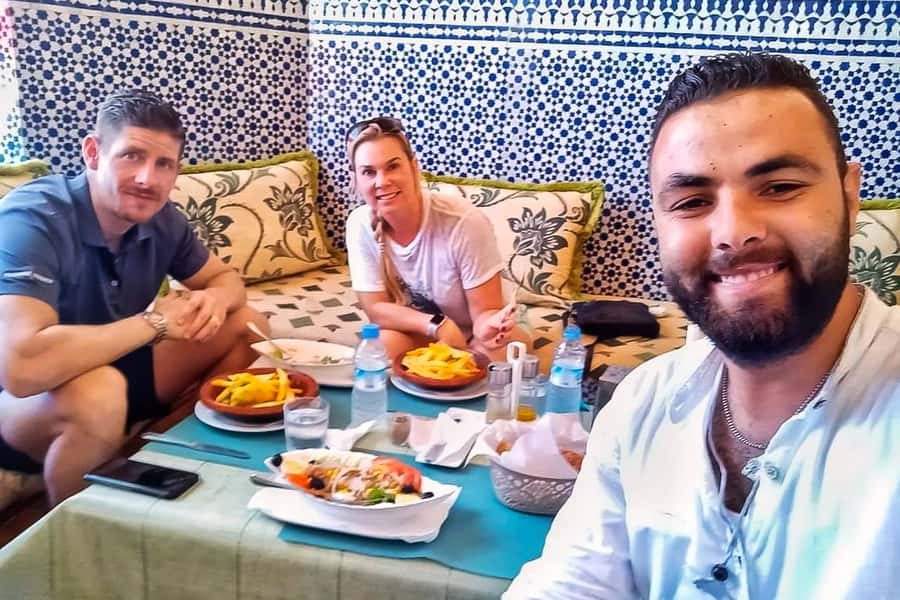
The English-speaking guide does the useful work of explaining what you are eating and why it matters. You can ask about ingredients, preparation, religion, family customs, and local routines as you go. That conversation is a major part of the value. Without it, a plate of soup or a folded pastry can remain just a pleasant snack.
The route also gives you a sense of the city’s layers. M’Sallah, the Grand Socco, the old town, and the Kasbah each feel different. You move from markets and vendors to old lanes and viewpoints, with food breaks spaced between the walking. One guide, Mohammed, was praised for taking guests through parts of town that felt away from the usual path. Another, Anas, helped his group see the city through his own affection for its food and landmarks.
You should expect a social experience rather than a private restaurant meal. You eat in several settings, meet people working in the food trade, and have time to ask questions. The route is active, but the walking is broken up by frequent tastings.
More Food Walking Tours in Morocco:
- Marrakech: Authentic Moroccan Food Walking Tour & Dinner
★ 4.8 · 261 reviews - Rabat: Walking Food Tour
★ 4.9 · 48 reviews - Reykjavik Food Walk – Local Foodie Adventure in Iceland
★ 5.0 · 18,952 reviews
Starting at Sour Meêgazine and entering M’Sallah
The meeting point is next to the third cannon, the one in the middle, at Sour Meêgazine in Tangier. Take a moment to identify the exact cannon before you arrive, since a clear landmark is helpful in an old district with many nearby streets.
From there, the tour heads into M’Sallah for about 45 minutes of walking, explanation, and tasting. This opening section helps you get your bearings while your guide introduces Tangier’s food culture.
The first bites may include local products such as caliente, stuffed dates, or bissara. Caliente is a local chickpea-based specialty, while bissara is a simple bean soup often associated with Moroccan home cooking. The point is not only to taste them, but to understand the everyday foods that shape local meals.
M’Sallah is also a good place to watch ordinary commerce. You might see produce vendors, food sellers, and artisans going about their work. Your guide can explain how ingredients are used at home and how preparation may differ between a family kitchen and a food stall.
This first stop is especially useful if you are new to Moroccan food. You can ask about spices, bread, sweets, and drinks before the larger meal arrives. If you have allergies or avoid certain foods, tell the guide early. The experience is designed to accommodate vegetarian, gluten-free, and lactose-free diets when requested.
Grand Socco: markets, movement, and more tastings
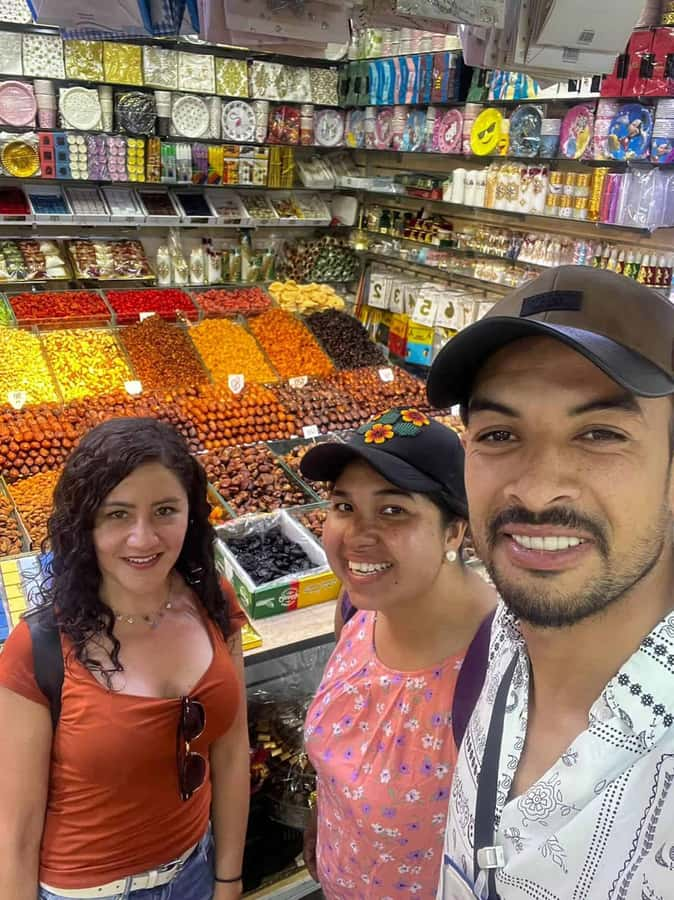
The next 45-minute section takes you to Grand Socco. This is one of the livelier public spaces on the route, and it gives you a stronger sense of Tangier’s daily rhythm.
Here, the guide combines a walk with more food. The exact selection can vary, but the experience may include bread, olives, pastries, smoothies, or other local products. One useful feature is the mix of places: you are not simply seated in one establishment for the whole tour.
This stop has value for shoppers as well as eaters. Your guide can point out where to buy foods you may want later, and explain which products are commonly eaten at home. If you enjoy taking food memories back to your hotel, this is a good time to ask what keeps well and where to look after the tour.
The market setting also makes the tour feel connected to the city rather than staged for visitors. You see fresh produce and local trade at close range. At the same time, remember that markets can be crowded and noisy. Keep your group together, watch your footing, and give yourself time to look without blocking sellers or shoppers.
Place de la Kasbah and the old town lanes
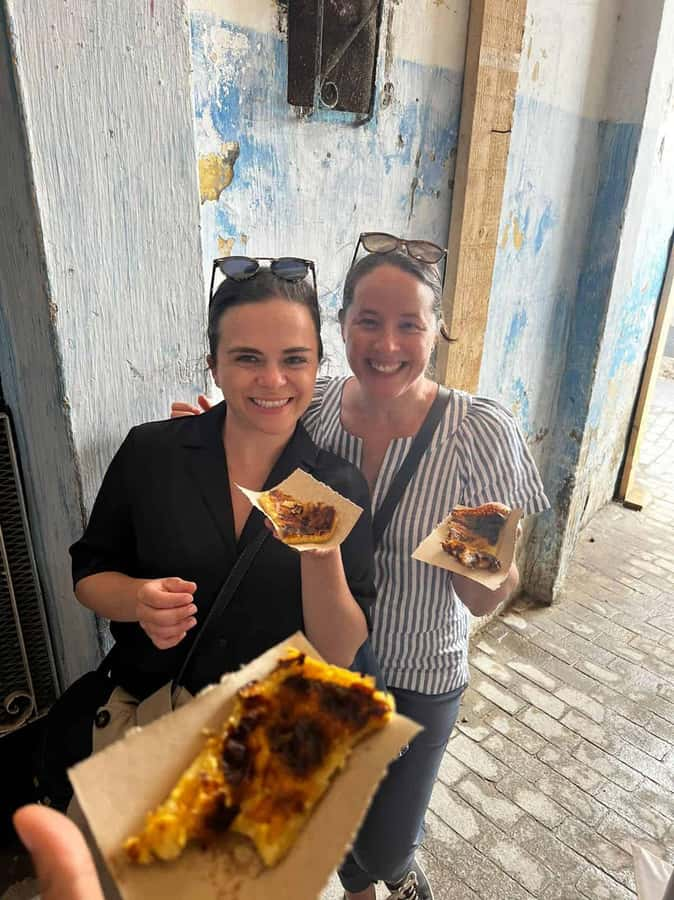
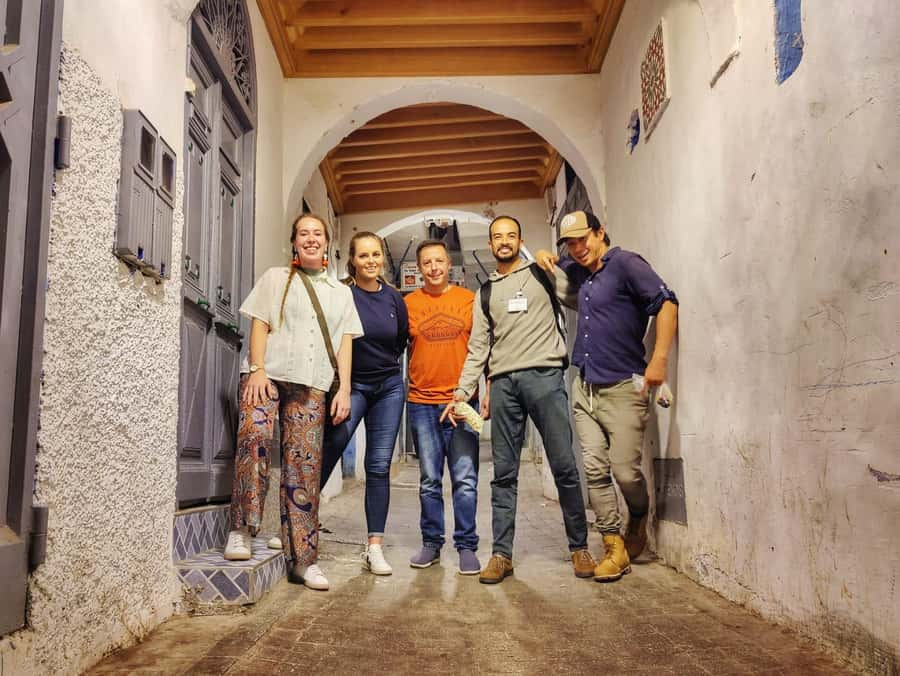
The longest section lasts about an hour and takes place around Place de la Kasbah. This is the heart of the old-town portion of the walk, with traditional architecture, narrow lanes, small businesses, and views across parts of Tangier.
The Kasbah is where the walking itself becomes as important as the food. You will pause for tastings, but you will also look up at old buildings, pass through tight alleyways, and stop for photographs. Lorraine’s experience is a useful guide here: the food was spaced between views and local information rather than served all at once.
The food during this part can be substantial. Past tastings have included meat pastry, soup, bread, olives, and tagine. You may also have a smoothie or other drink along the way. A full meal is included, so do not treat the early tastings as the entire food offering.
This is also a good point to ask about how dishes are made at home. The guides explain not only what you taste, but how local families may prepare similar foods differently. That small distinction adds real value. It turns a dish from a tourist sample into a window on household habits and regional cooking.
The route is not designed for people who need step-free access. Narrow lanes, uneven walking surfaces, and the old-town setting can be tiring or difficult for anyone with mobility limits. Comfortable shoes are essential, even though the amount of walking is broken into manageable sections.
More food tours around Morocco:
- Marrakech: Street Food Tour with a Local Guide
★ 4.9 · 3,119 reviews - Marrakech: Street Food Tour by Night
★ 4.8 · 2,838 reviews - Authentic Moroccan Food Tour in Marrakech with Dinner
★ 5.0 · 1,423 reviews - Marrakech: Jemma El Fnaa Food Tour with Dinner
★ 4.7 · 394 reviews
A local café and the finish at Café Hafa
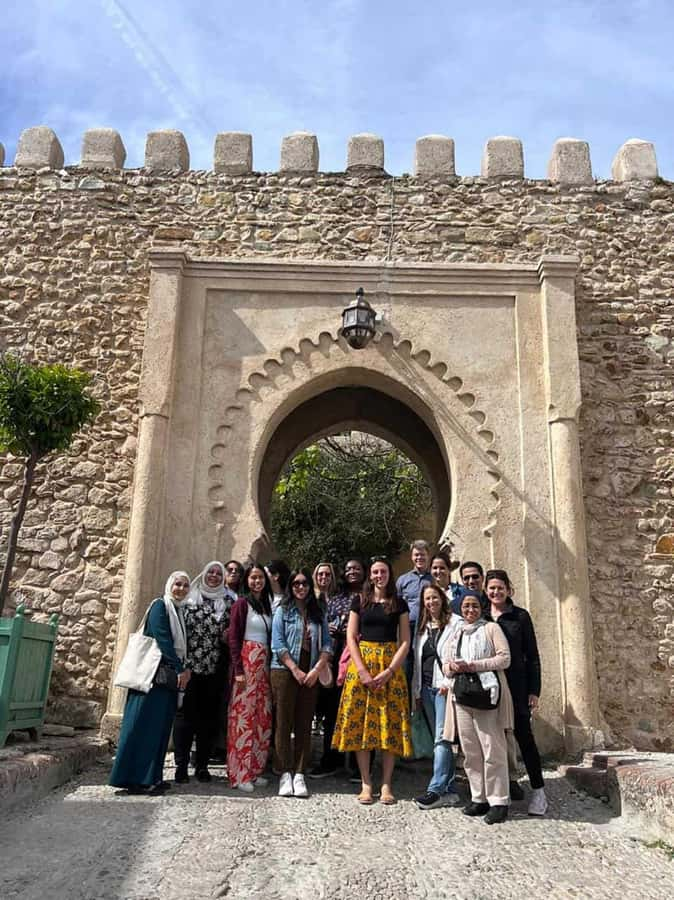
The final 30 minutes include a café break and a guided visit before the tour ends at Café Hafa. This gives you a chance to sit down after the food stops and let the guide pull together the story of the city, its people, and its eating habits.
A café stop may sound minor, but it matters after an hour of old-town walking and several tastings. You can slow down, ask final questions, and compare the different foods you have tried. It also keeps the experience from feeling like a race between vendors.
Finishing at Café Hafa gives the tour a memorable endpoint. The café is known for its views, so this is a natural place for photos and a final look at Tangier. Since the tour ends there, you may want to plan your next activity in that part of the city rather than booking something across town immediately afterward.
The supplied details do not promise a particular drink or dessert at the café, so you should think of it as a break and guide-led stop rather than a guaranteed final specialty. The six tastings and full meal are the main food value.
What you are likely to eat
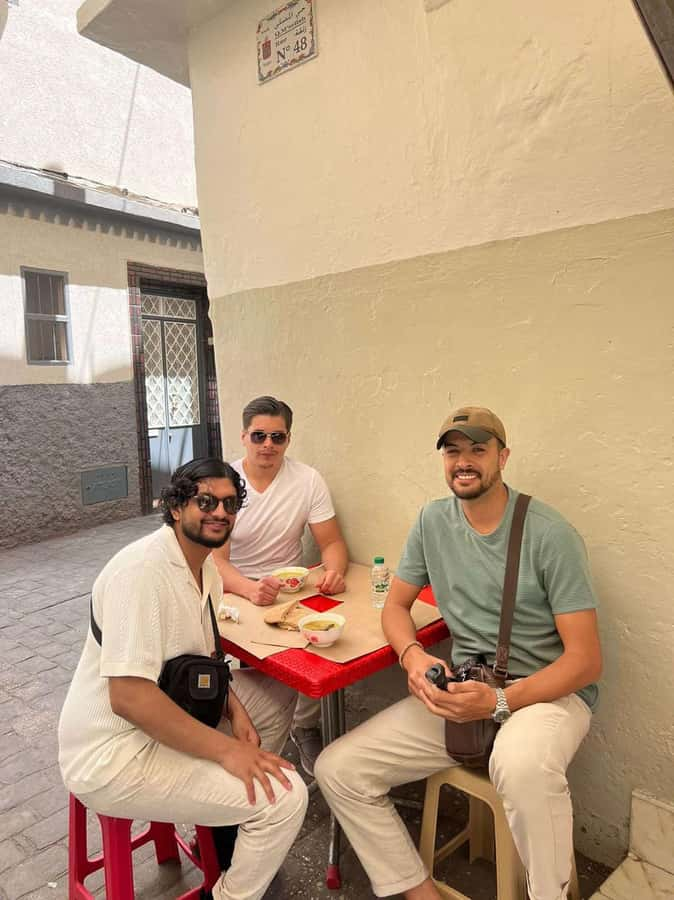
The food list has enough variety to make this feel like a real introduction to Moroccan eating rather than a single signature dish. Possible tastes include:
- Caliente, a warm chickpea-based local specialty
- Bissara, a hearty bean soup
- Stuffed dates and other sweets
- Local bread and olives
- Meat pastry
- Smoothies
- Tagine
- Other market products and handmade snacks
The exact order and selection can change with dietary needs, local availability, and the guide’s judgment. That flexibility is useful. It means the tour can respond to the group instead of forcing every person through an identical menu.
You should still tell the provider about your restrictions before the tour. Vegetarian, gluten-free, and lactose-free needs can be accommodated as long as they are communicated. The guides have also adjusted food choices for children and adapted the route at a comfortable pace.
Start hungry. The advice to come on an empty stomach is not throwaway wording. Six tasting stops plus a full meal can add up quickly, and you will get more from the tour if you can try small portions without worrying about saving room.
The guides make the difference
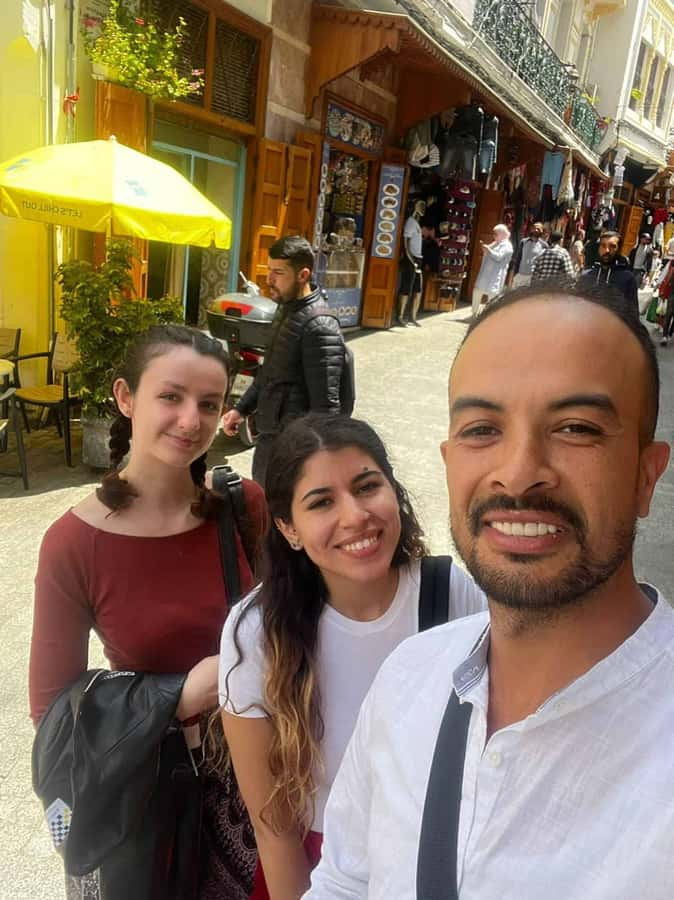
The food is important, but the guide controls the quality of the day. Several guides have led this experience, including Rabab, Mohammed, Ismail, Ahmed, Anas, and Abdul.
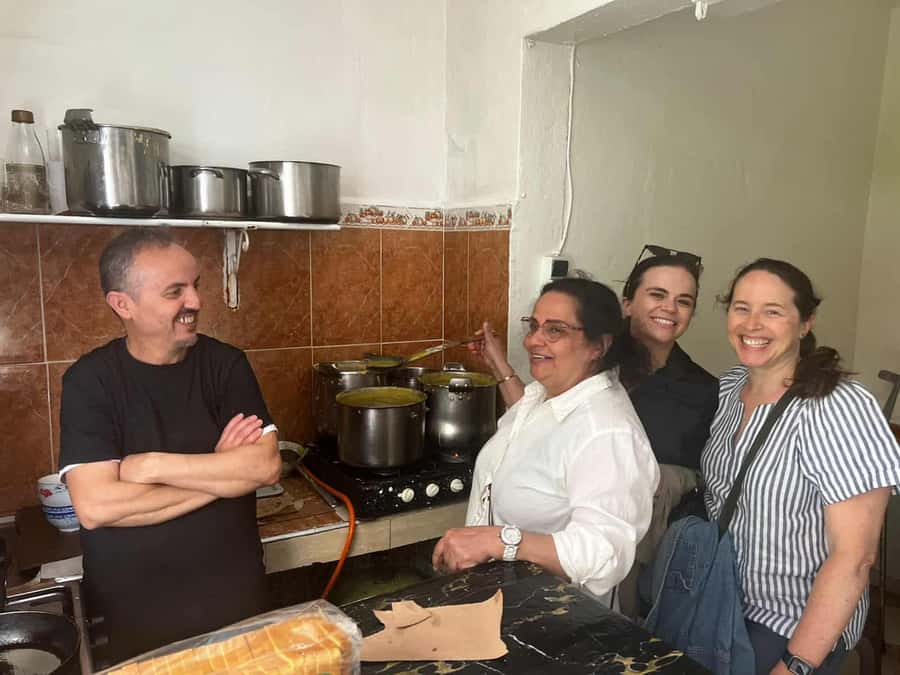
Rabab is particularly good at building relationships with the people at the food stops, which helps the route feel personal rather than anonymous. She has also adjusted the experience for families with children and made changes during Ramadan, when the food walk can become an iftar meal with a guide and family.
Mohammed has been praised for explaining Tangier’s Medina, regional history, religion, and local dishes. He has also handled dietary needs with care. If you are traveling with children, this kind of flexible approach matters more than a fixed script.
Ismail brings a strong mix of food and cultural explanation. Ahmed is associated with a calm pace, which can be welcome in the narrow streets. Anas is known for sharing favorite local stops and making groups feel at ease while they explore an unfamiliar culture.
Guide assignments can change, so you should not book on the assumption that one specific person is guaranteed. The consistent strength is the style of guiding: food, history, customs, and practical advice are woven together as you walk.
Is $73 a fair price?
At $73 per person, this is not the cheapest way to grab a snack in Tangier. It can still be a fair deal if you make full use of what is included: six tasting stops, a full meal, bottled water, a three-hour guided route, and access to local food places that can be difficult to identify on your own.
You are also paying for interpretation. A guide explains what you are seeing, helps you order or taste with confidence, adjusts for food restrictions, and points out places to return to later. For a first day in Tangier, that orientation can save you time and reduce guesswork.
The value drops if you are a very light eater or mainly want a historical walking tour. This is a food-heavy outing. You should expect to eat often and to finish full. It is also worth remembering that transportation is not included, so you need to reach Sour Meêgazine and make your own way from Café Hafa afterward.
Free cancellation up to 24 hours before the activity and the reserve-now, pay-later option make booking less rigid. Those policies are useful if your Tangier plans may shift, but the main decision should be whether you want three hours centered on food.
Who should book this Tangier food walk?
I would choose this tour if you are visiting Tangier for the first time, enjoy trying unfamiliar dishes, and want local context with your meal. It suits couples, solo visitors, and families whose children are open to tasting new foods.
It is also a smart first or second activity in the city. You learn where the markets are, get ideas for later meals, and finish with a better sense of how the old town fits together. The guide’s advice about where to buy food afterward can be especially helpful.
You should think twice if you have limited mobility, dislike narrow streets, or prefer a quiet seated meal. The tour is not suitable for wheelchair users or people with mobility impairments. Pets are not allowed.
The pace is generally manageable, but this is still a walking tour through the old town. Wear comfortable shoes, bring an appetite, and leave room in your schedule after the finish at Café Hafa.
Should you book it?
Yes, if you want Tangier through its everyday food rather than only its monuments. The strongest reasons are the range of stops, the included full meal, the market access, and guides who explain food alongside religion, customs, and city life.
Book it early in your stay so you can return to favorite stalls and cafés later. Tell the provider about dietary needs in advance, arrive at Sour Meêgazine with comfortable shoes, and skip breakfast or eat very lightly. If you want a short, food-first introduction to the old town, $73 buys a substantial and useful three hours.
FAQ
How long does the Tangier Food Walking Tour last?
The tour lasts three hours. The route includes food and guided visits in M’Sallah, Grand Socco, Place de la Kasbah, and a local café before ending at Café Hafa.
Where does the tour begin?
Meet next to the third cannon, the cannon in the middle, at Sour Meêgazine in Tangier, Morocco.
Where does the tour finish?
The tour finishes at Café Hafa.
What food is included?
Six tasting stops and a full meal are included. Possible foods include caliente, stuffed dates, bissara, bread, olives, meat pastry, smoothies, tagine, and other local products.
Can dietary restrictions be accommodated?
Vegetarian, gluten-free, and lactose-free diets can be accommodated when you tell the provider about your needs. Guides have also adjusted the food for children.
Is the tour suitable for wheelchair users?
No. The activity is not suitable for wheelchair users or people with mobility impairments. Comfortable shoes are recommended, and pets are not allowed.
Fresh off the menu around Morocco
- Rabat: Walking Food Tour★ 4.9 · 48 reviews
- Marrakesh: Guided Street Food Tasting by Locals★ 4.6 · 47 reviews
- Marrakech: Medina Stories Food Tour with 15+ Tastings★ 5.0 · 141 reviews
- Marrakech Night Street Food Tour / Taste The Real Marrakech★ 4.9 · 200 reviews
- Marrakech: Authentic Moroccan Food Walking Tour & Dinner★ 4.8 · 261 reviews
- Fez: Foodie tour in the old Medina★ 4.7 · 27 reviews
- Night Tour of Casablanca with Street Food Tasting★ 4.8 · 29 reviews
- Medina Tasting Tour: Experience Local Street Food & Culture!★ 4.9 · 25 reviews
Morocco Food Tours, compared.
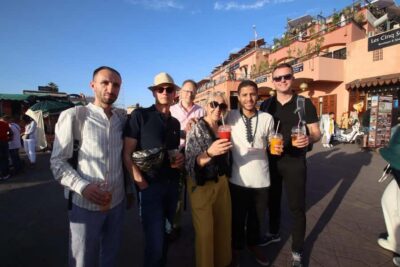
Marrakech: Street Food Tour with a Local Guide
Read our review →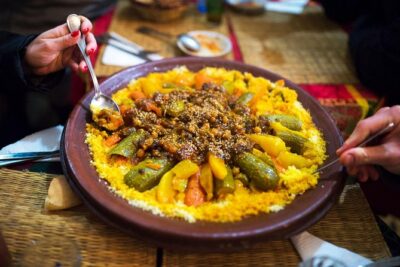
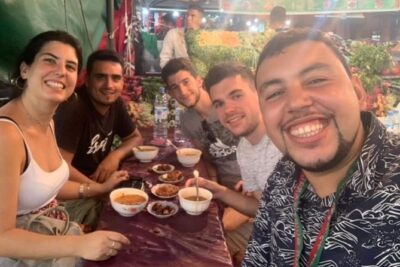
Authentic Moroccan Food Tour in Marrakech with Dinner
Read our review →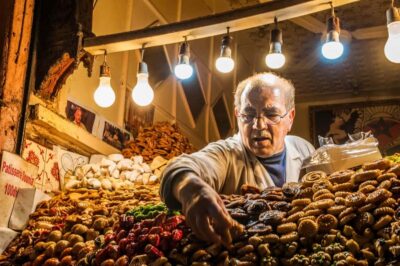
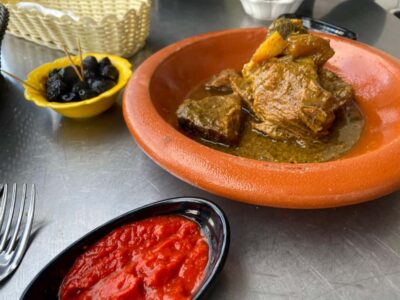
Marrakech Night Street Food Tour / Taste The Real Marrakech
Read our review →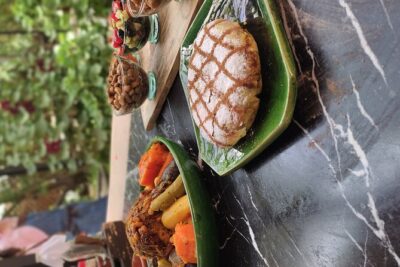
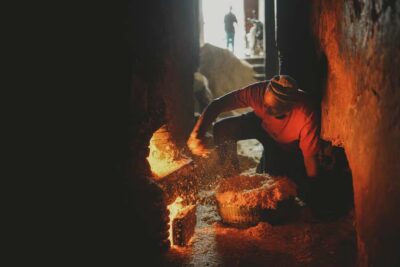
Marrakech: Medina Stories Food Tour with 15+ Tastings
Read our review →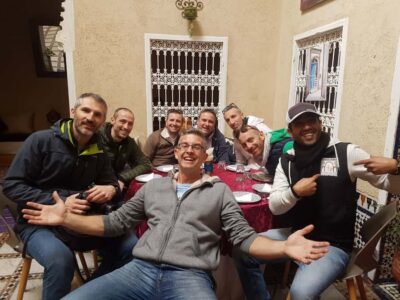
Browse the lists this tour appears in