
Review · MARRAKECH
Marrakech: Jemma El Fnaa Food Tour with Dinner
Marrakech’s best food stories are found away from polished restaurant menus. This evening walk leads you through the souks and spice market, where olives, nuts, pastries, breads, and fragrant seasonings introduce you to everyday Moroccan eating. You finish with dinner in Jemaa El Fnaa, the city’s famous square, at its liveliest hour.
I like the way the tour pairs food with local context, especially at places you might pass without noticing, such as a communal bakery or a small shop selling Jewish-style doughnuts. I also like the practical help in the Medina, where guides such as Ayoub, Omar, Atika, Youssef, and Brahim have helped visitors find their way and handle the crowds.
The main consideration is the pace and quantity of food. Three and a half hours of walking, tasting, and dinner can be a lot, and the experience is not designed for people with gluten intolerance. Wear modest clothing, bring a light jumper after dark, and arrive very hungry.
Key points to know before you book
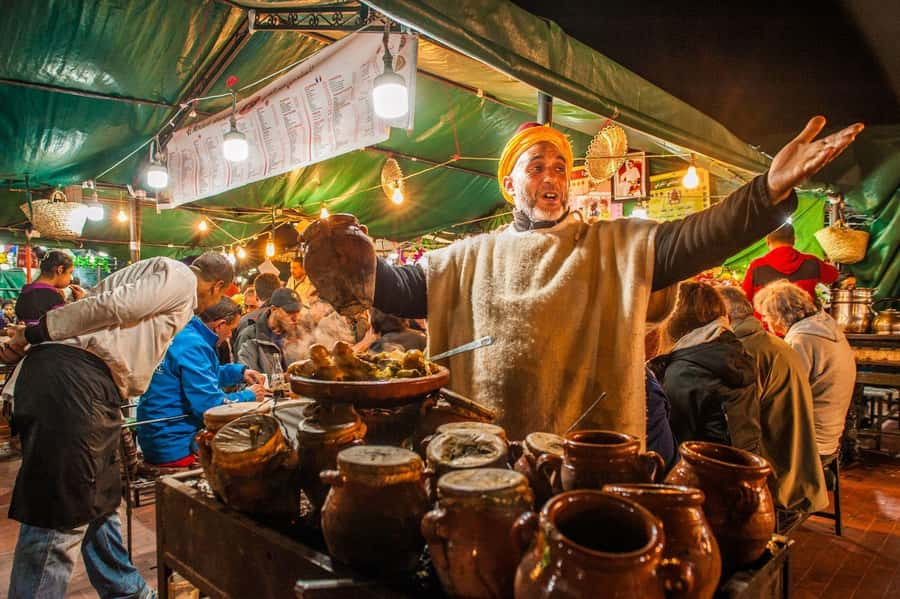
- Dinner lands in Jemaa El Fnaa: Expect a Moroccan meal amid the square’s food stalls, performers, and late-evening commotion.
- The tastings go beyond tagine: Depending on the evening, you might try doughnuts, olives, nuts, pastries, harira soup, tangia, spiced tea, or unusual local snacks.
- The Medina is part of the meal: You walk through narrow souk lanes, spice stalls, the Mellah, and local food shops rather than simply sitting in a restaurant.
- Guides make the difference: English-speaking local guides such as Omar, Atika, Ayoub, Youssef, and Brahim have been praised for food knowledge, humor, and helping groups move through the souks.
- Come ready for a full evening: The tour lasts 210 minutes, includes three listed tastings and dinner, and often provides more food than the formal description suggests.
- Vegetarians and vegans can be accommodated: Gluten-free needs cannot be catered for, so check your requirements before booking.
Starting in Jemaa El Fnaa after dark
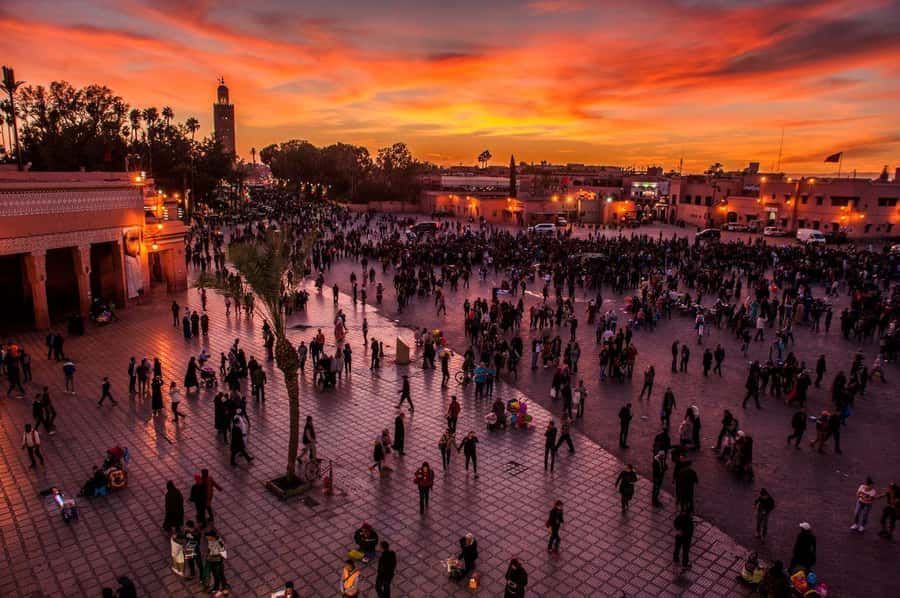
The tour begins at one of two meeting arrangements connected with 11 Derb Zaari, with the exact point depending on the option you book. Your guide then brings you toward Jemaa El Fnaa, the large central square that has served as a place for trade, food, bargaining, and social life for almost a thousand years.
This is a useful time to see the square. During the day, Jemaa El Fnaa can feel broad and open. After dark, it changes character. Food stalls begin serving, sellers call out to passersby, and the square fills with people moving between the Medina, restaurants, and souks.
Your guide gives the scene some order. That matters here. The lanes around the square are easy to enter but less easy to read, especially at night. A local guide can explain where you are going, keep the group together, and point out places you probably would not stop at alone.
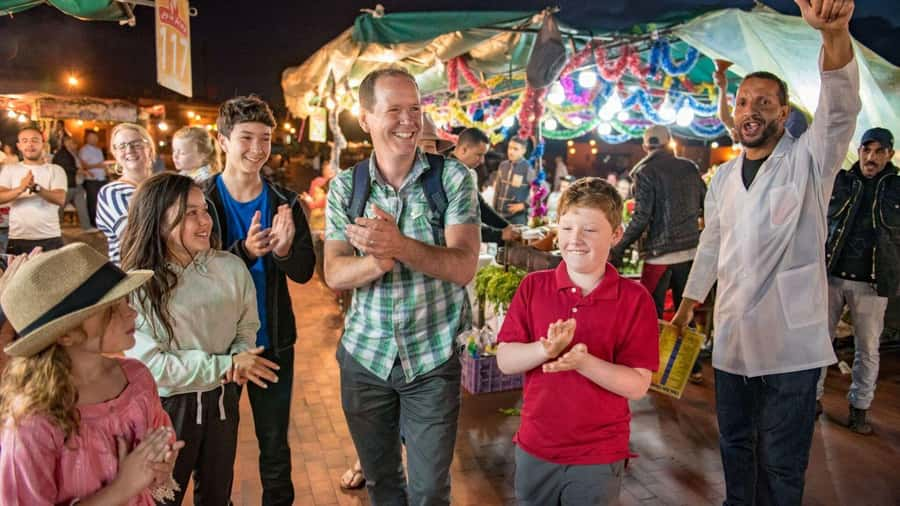
The tour is offered in English, with a maximum group size of 12. That is small enough for questions without requiring the cost of a fully private outing. Private groups are also available if you want the pace and conversation shaped around your own party.
More food tours that end at dinner around Morocco:
- Authentic Moroccan Food Tour in Marrakech with Dinner
★ 5.0 · 1,423 reviews - Marrakech: Authentic Moroccan Food Walking Tour & Dinner
★ 4.8 · 261 reviews - Bateaux Parisiens Seine River Gourmet Dinner & Sightseeing Cruise
★ 4.5 · 6,930 reviews
Small food shops and the first Moroccan tastes
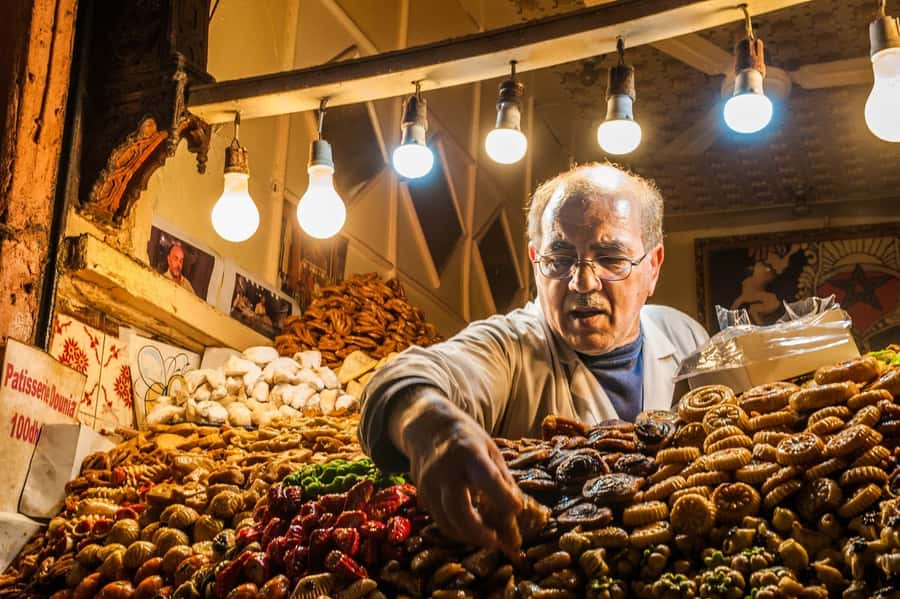
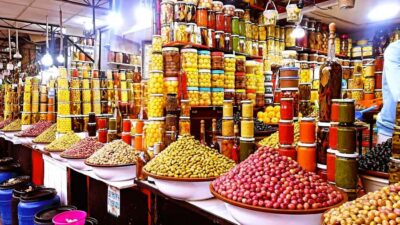
The first part of the walk moves into the narrower lanes near the square. You stop at small local shops to sample different kinds of olives, dried fruits, nuts, and pastries. These foods may sound simple, but they are a good opening lesson because they appear throughout Moroccan daily life, from home kitchens to market counters.
The guide explains what you are eating and how it fits into Moroccan food customs. You might see several types of olives together, with different colors, textures, and levels of seasoning. Nuts and dried fruits offer a useful contrast to the more heavily spiced dishes later in the evening.
Several previous itineraries have included Jewish doughnuts from a tucked-away shop, mint tea, sweets, and pastries. The exact selection can change, but the point is consistent: the tour takes you to small food sellers rather than relying only on the most obvious tourist stops.
I especially like this part for first-time visitors. You can ask what to buy later, how to recognize a good food stall, and which products are worth carrying home. You are also less likely to make a rushed choice in the market after learning the names and uses of the ingredients.
The spice market and Morocco’s everyday flavor
Next comes the spice market, one of the most sensory parts of the walk. Expect the aromas of cumin, saffron, ginger, pepper, and turmeric as you move through colorful displays of powdered and whole spices.
The guide explains the role of key seasonings rather than treating the market as a photo stop. This helps you understand why Moroccan food tastes bold without simply being hot. Cumin may appear in soups and savory dishes, ginger adds warmth, turmeric brings color, and saffron is used in smaller amounts for fragrance and flavor.
This is also a good place to ask questions about buying spices. A shop may offer far more varieties than you can use, and a guide can help you understand what belongs in a Moroccan kitchen and what may be sold mainly to tourists. The tour is not centered on shopping, though, so you should not expect a long buying session.
The souks themselves are part of the experience. You walk through active lanes where people are shopping, working, and heading home. They can be crowded and confusing. Keep your belongings secure, stay close to your guide, and accept that the route may involve stopping suddenly when a motorbike or handcart passes.
Bread, communal ovens, and the working Medina
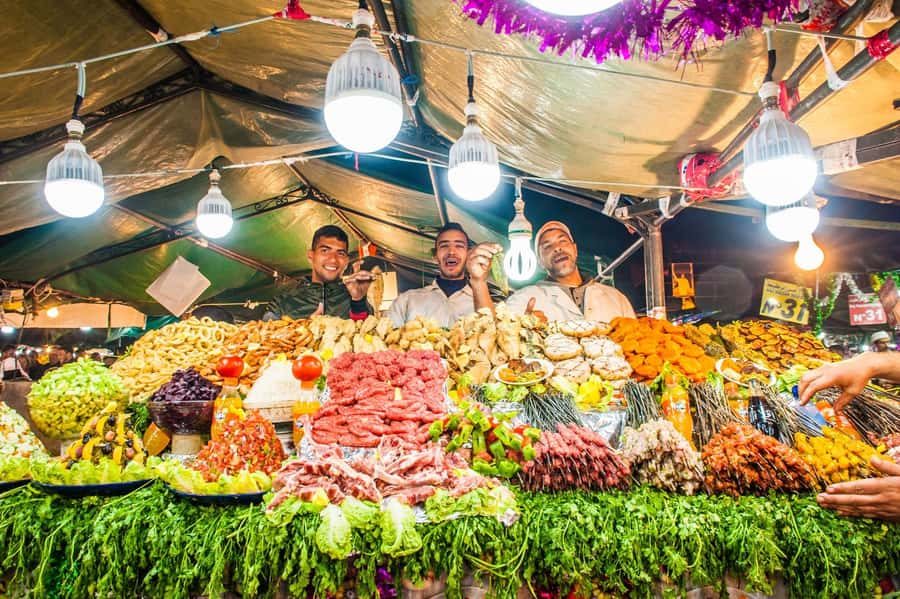
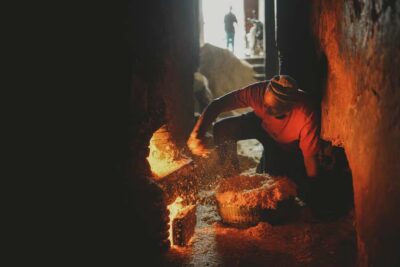
The food story continues with traditional breads and the places that make them. One memorable stop can be a communal oven or bakery used by local families and restaurants. These ovens matter because they show how food production has long been shared within the neighborhood rather than hidden in a modern restaurant kitchen.
Bread is not just a side dish in Morocco. It is part of the meal and part of the rhythm of daily life. Seeing where it is baked gives you a better sense of the Medina as a living district, not merely a historic area for shopping.
You may also pass stalls serving more adventurous foods. Cow hoof or sheep’s head may appear, depending on the evening and what is available. The guide can explain these dishes, but you are not required to try anything that makes you uncomfortable.
Some tastings are familiar and easy, such as nuts, pastries, soup, or tea. Others are more challenging. That mix is useful because Moroccan food is not one neat category. It includes sweet snacks, slow-cooked meat, legumes, bread, strong spices, and parts of the animal that many visitors do not encounter at home.
More sit-down food experiences around Morocco:
- Sorrento Farm and Food Experience including Olive Oil, Limoncello, Wine tasting
★ 5.0 · 2,524 reviews - Rome: Gourmet Food Tour with Dinner & Barolo Wine
★ 4.9 · 2,347 reviews - Porto Food & Wine Tasting Tour with Lunch or Dinner Option
★ 5.0 · 2,303 reviews - Lisbon: Baixa District Food Tour with Dinner and Drinks
★ 4.9 · 1,997 reviews
The Mellah and food shaped by different communities
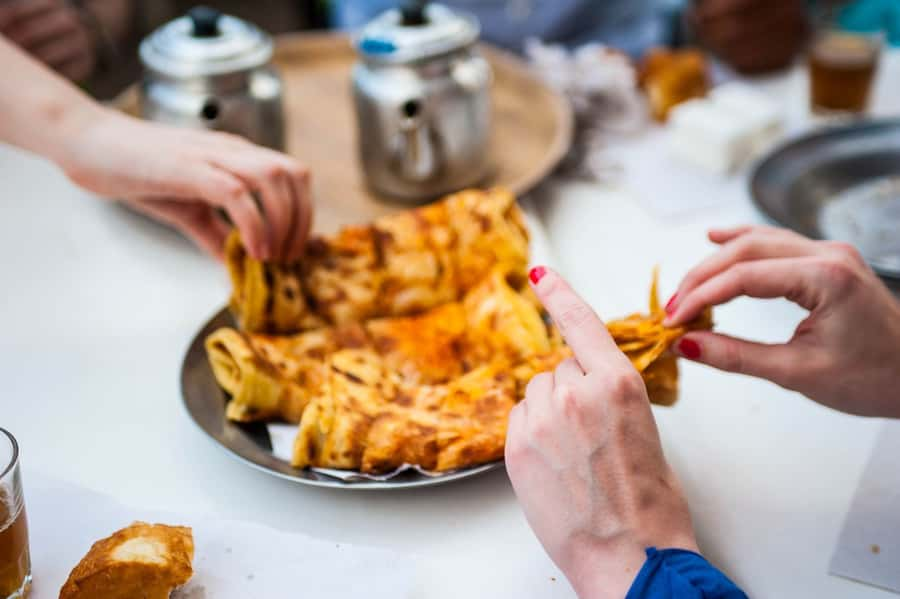
The route includes the Mellah, the old Jewish quarter of Marrakech. The stop adds another layer to the city’s food story, especially when paired with the doughnut tasting mentioned by several guides.
The value here is not simply the snack. Food in Marrakech reflects the city’s overlapping communities and long trading connections. A local guide can connect a dish or bakery to neighborhood history in a way that a restaurant menu rarely can.
Do not expect a formal historical tour of every building. The focus remains food, markets, and daily customs. Still, walking through the Mellah helps explain why the Medina contains such a wide range of flavors and cooking traditions.
Dinner at Chez Lamine Hadj Mustapha
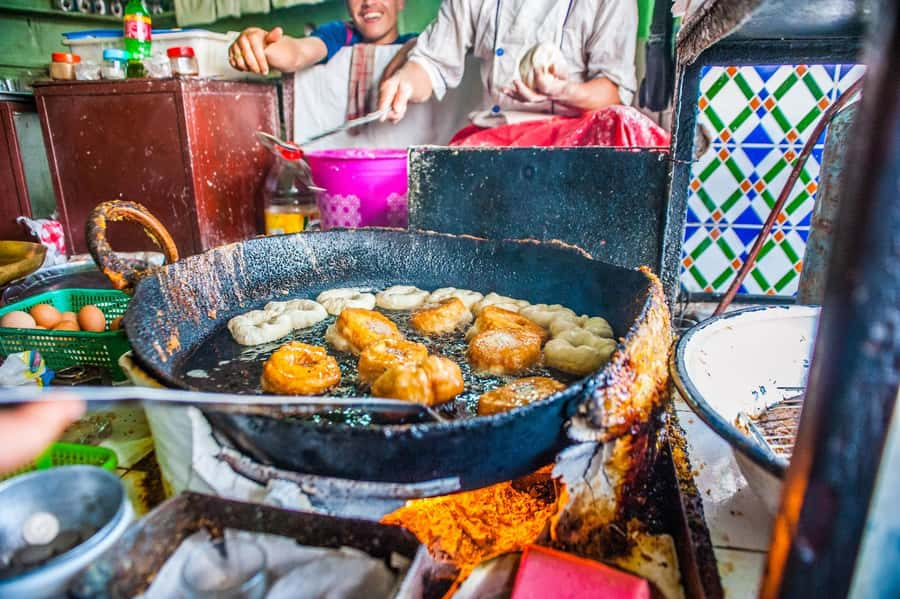
The formal dinner stop is Chez Lamine Hadj Mustapha in Jemaa El Fnaa. This is where the evening shifts from small samples to a proper Moroccan meal, eaten close to the square’s main action.
Tangia is one of the dishes associated with this stop. It is slow-cooked meat traditionally prepared in a special pot and placed in the heat of a furnace. The cooking method gives the dish its own character and also shows how a meal can be tied to local ovens and neighborhood routines.
Depending on the menu and the evening, you may also have harira soup, tagine, bread, sides, or other traditional dishes. Harira, often made with legumes and spices, is a common Moroccan soup and can be especially welcome after walking through the cooler evening air.
The dinner is not a quiet restaurant escape. Jemaa El Fnaa remains close by, with food stalls, crowds, animals, performers, and the constant movement of the square. Some people will love eating in this setting because it feels tied to Marrakech. Others may prefer a calmer meal with table service and less noise.
That distinction is important. You are paying for food plus access to the atmosphere and the guide’s local knowledge, not for a refined dining room. If you want a polished culinary tasting menu, this is not the right choice. If you want to eat where the city’s evening food culture is happening, the setting is a strong part of the value.
The final tea and a last look at the square
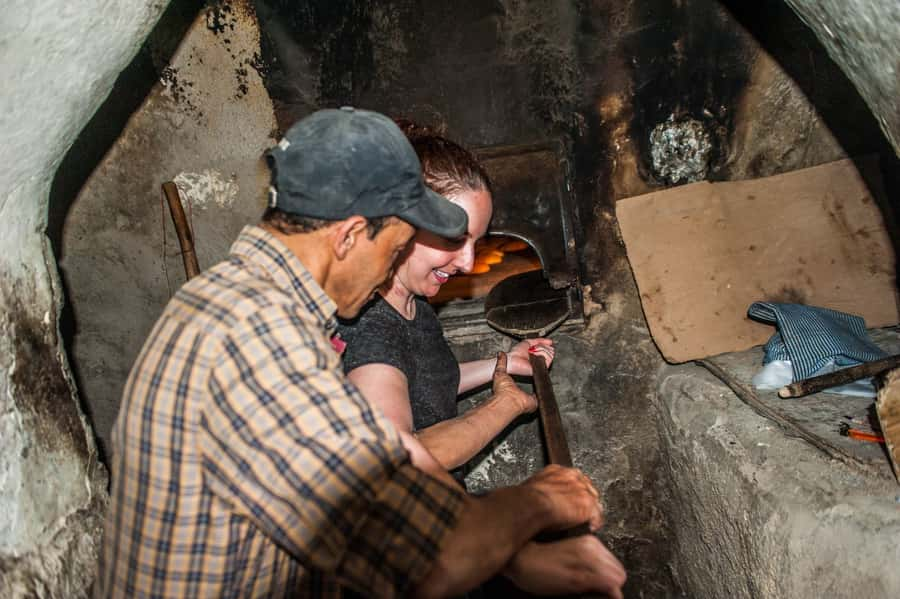
The evening may finish back in Jemaa El Fnaa with Moroccan soup, spiced tea, or another drink from the square’s stalls. Some itineraries have included an unusual spiced beverage made with boiled water, long peppers, and other seasonings.
This final stop is a good reminder that the experience is not only about a single dinner. It is a walk through the way Marrakech eats after sunset, from snack shops and bakeries to market counters and open-air food stalls.
You return to the 11 Derb Zaari area or the designated drop-off point linked to your booking. Since the Medina is busy and the meeting details can vary, check the precise starting instructions before setting out.
How much food will you actually eat?
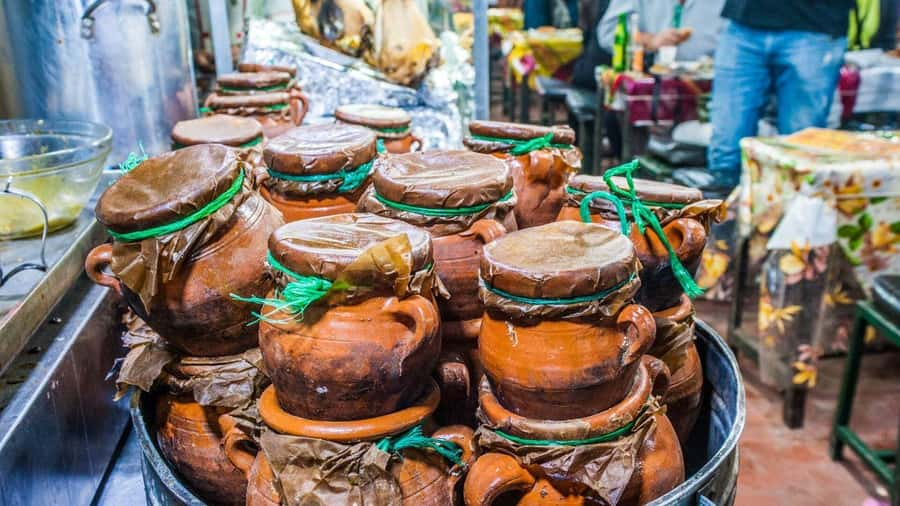
More than the basic description suggests. The formal inclusions list three tastings and a Moroccan dinner, but the actual evening can include several small portions along the way.
Possible foods include:
- Olives and nuts
- Dried fruits and pastries
- Jewish-style doughnuts
- Mint tea
- Traditional breads
- Harira soup
- Tangia
- Tagine
- Sweet treats
- Spiced tea or another local drink
You may also encounter sheep’s head, cow hoof, snails, or other foods that are less familiar to many visitors. These items are part of the local food culture, not a test of courage. Ask questions and try only what feels right.
The practical advice is simple: skip a large lunch. Several people have found the food plentiful, with extra servings offered during the meal. You can tell your guide if you are full, but arriving hungry gives you the best chance to enjoy the full range of stops.
Dietary needs, clothing, and comfort
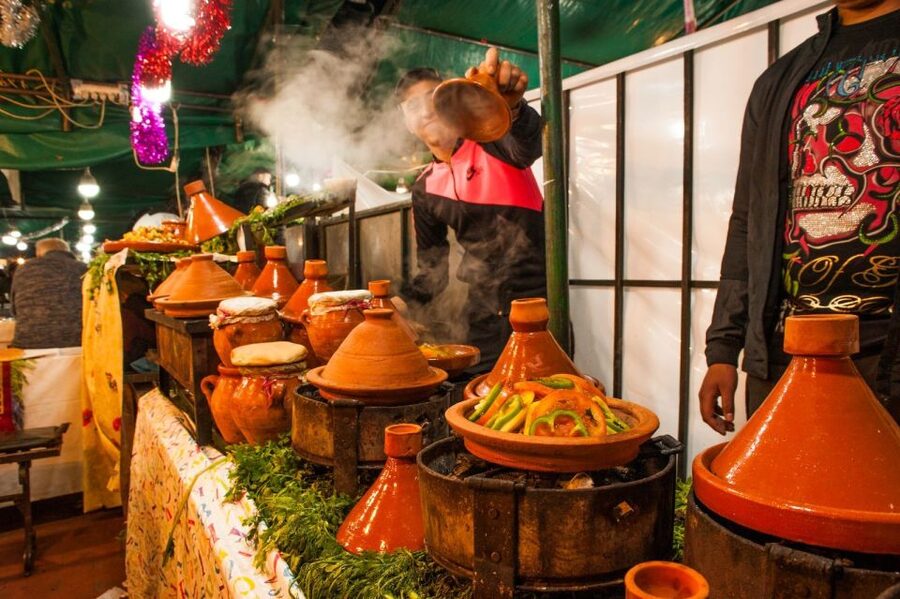
Vegetarian and vegan diets can be accommodated. Gluten intolerance cannot, so this tour is a poor match if you need a strictly gluten-free meal plan.
The clothing guidance is conservative and worth following. Wear clothing that covers your shoulders, cleavage, and knees. Long, lightweight trousers, long skirts, and light-colored long-sleeved shirts work well in Marrakech. They also protect you from the sun during the day and help with cooler air after dark.
Bring a jumper, especially outside the hottest months. Comfortable shoes are sensible because the tour lasts three and a half hours and takes place on foot through narrow Medina lanes.
The activity is child-friendly, and infants aged 0 to 5 are free. If you are bringing a child under 12, notify the operator in advance. The combination of food, crowds, and walking can be enjoyable for families, but young children need to stay close in the souks.
Is $46 good value for three and a half hours?
At $46 per person, the price is reasonable if you want more than a meal. You receive a guided walking tour, three tastings, and dinner, while also getting an introduction to Jemaa El Fnaa, the spice market, the Mellah, and parts of the souks.
The real saving is not just the food. Without a guide, you might find some snacks and restaurants, but you would likely miss the small bakery, local shops, traditional cooking methods, and food explanations that give the meal meaning.
The price is less attractive if you mainly want a cheap dinner. A meal in the square alone may cost less, and the tour does not include food purchased beyond the stated tastings and dinner. You are paying for access, explanation, navigation, and a carefully arranged route.
The tour is carbon neutral and run by a B Corp certified company. That will matter to some people when comparing similar activities, though the practical strengths remain the local guide and the food-focused route.
Who should book this food walk?
I would recommend it early in your Marrakech stay. It helps you get your bearings in the Medina, introduces foods you can look for later, and gives you useful advice about bargaining and moving through the souks.
It suits solo visitors particularly well because the guide provides structure and company during a busy evening. Couples and families can also enjoy it, especially if they want local food without having to choose every stop themselves.
Food lovers who want unusual dishes will get the most from it. You will have chances to try things you might otherwise avoid, while still being free to decline anything too adventurous.
I would choose another activity if you need gluten-free food, dislike crowded public squares, or want a quiet, formal dinner. The tour is social, active, and occasionally messy in the best and least polished sense.
Final verdict: book it if you want food with a sense of place
Book this tour if you want Marrakech explained through what people bake, sell, season, and eat after dark. The strongest parts are the local food stops, the spice market, the guide’s help in the souks, and dinner in Jemaa El Fnaa.
Come hungry, dress modestly, and keep your expectations focused on an authentic street-food evening rather than a fine-dining experience. At $46, it offers good value for a first night in the city, especially if your guide is as engaging as Omar, Atika, Ayoub, Youssef, or Brahim have been for past groups.
FAQ
How long does the Marrakech food tour last?
The tour lasts 210 minutes, or three and a half hours.
What food is included?
The experience includes three tastings and a Moroccan dinner at a local restaurant. Tastings can include olives, nuts, dried fruits, pastries, bread, soup, tea, and other local foods. Dinner may include dishes such as tangia or tagine.
Is dinner served in Jemaa El Fnaa?
Yes. The itinerary includes dinner at Chez Lamine Hadj Mustapha in Jemaa El Fnaa.
Is the tour suitable for vegetarians and vegans?
Yes. The tour can accommodate vegetarian and vegan diets. It cannot cater to gluten intolerance.
What should I wear?
Wear modest clothing that covers your shoulders, cleavage, and knees. Long trousers, long skirts, and lightweight long-sleeved shirts are recommended. Bring a jumper in case it gets cool after dark.
Is the tour suitable for children?
Yes. It is child-friendly, and infants aged 0 to 5 are free. Notify the operator if you have a child under 12.
Is a private tour available?
Yes. You can book a private group. Shared tours have a maximum group size of 12, and the live guide speaks English.
Fresh off the menu around Morocco
- Tangier: Food Walking Tour★ 4.9 · 43 reviews
- Rabat: Walking Food Tour★ 4.9 · 48 reviews
- Marrakesh: Guided Street Food Tasting by Locals★ 4.6 · 47 reviews
- Marrakech: Medina Stories Food Tour with 15+ Tastings★ 5.0 · 141 reviews
- Marrakech Night Street Food Tour / Taste The Real Marrakech★ 4.9 · 200 reviews
- Marrakech: Authentic Moroccan Food Walking Tour & Dinner★ 4.8 · 261 reviews
- Fez: Foodie tour in the old Medina★ 4.7 · 27 reviews
- Night Tour of Casablanca with Street Food Tasting★ 4.8 · 29 reviews
Marrakech Food Tours, compared.
Authentic Moroccan Food Tour in Marrakech with Dinner
Read our review →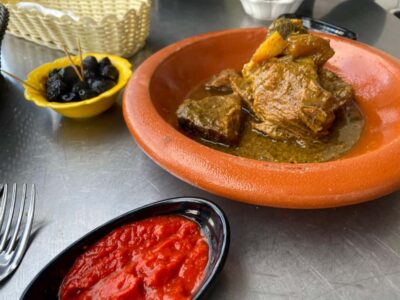
Marrakech Night Street Food Tour / Taste The Real Marrakech
Read our review →
Marrakech: Medina Stories Food Tour with 15+ Tastings
Read our review →
Medina Tasting Tour: Experience Local Street Food & Culture!
Read our review →Browse the lists this tour appears in