
Review · LIMA
Lima: Historic Center Street Food, Market, and Eateries Tour
Lima’s historic center becomes much easier to understand when you taste it one stop at a time. This four-hour food walk links grand colonial buildings with small eateries, market stalls, carts, and a local bar, giving you both the postcard Lima and the everyday Lima.
I like the way the tour combines street food and city history, and I like that guides such as Marcos, Aura, Valeria, and Sheyla explain what people actually eat rather than simply naming dishes. The main drawback is the menu: it leans heavily toward meat, drinks, and sweets, so vegetarians, vegans, pescatarians, and people with severe gluten or nut allergies should skip it.
Key points to know before booking
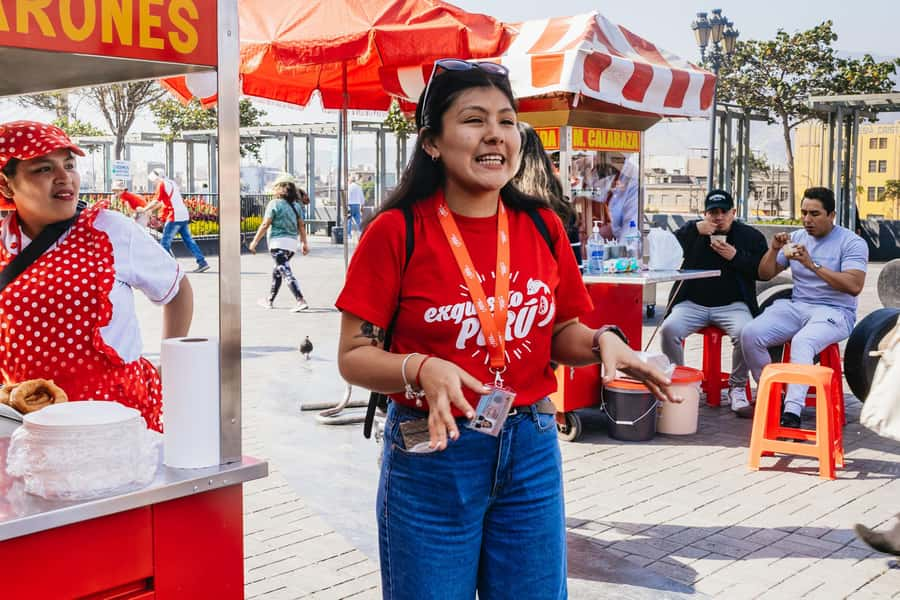
- Eight or more generous tastings: Expect enough food to replace dinner, with anticuchos, churros, picarones, fruit, sandwiches, drinks, and other Peruvian specialties appearing along the route.
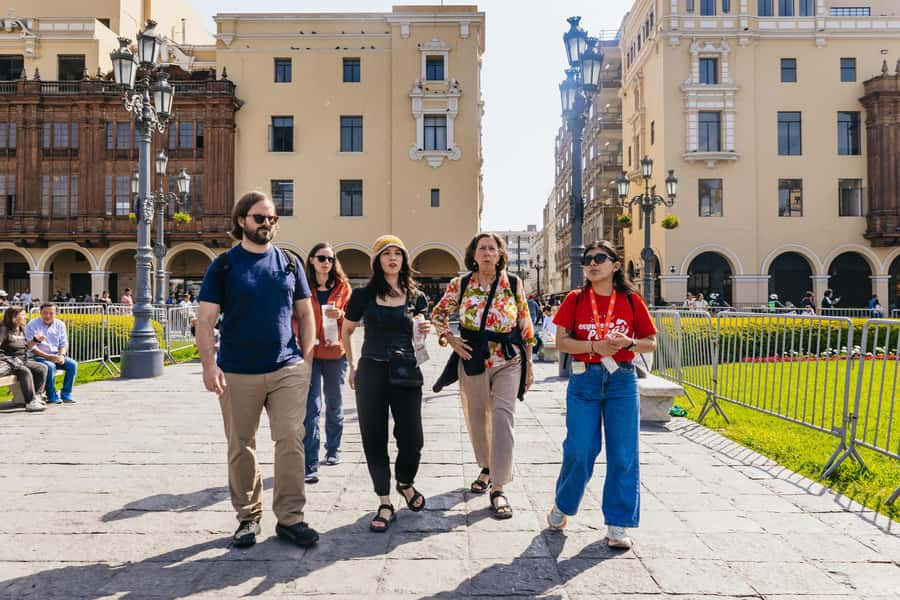
- A walking tour with real context: You’ll see Plaza San Martín, Plaza Mayor, La Merced, San Francisco, the Cathedral, Government Palace, and other central landmarks from the outside.
- Mercado Central and Chinatown included: These stops show you ingredients, local shopping, and the Peruvian-Chinese cooking tradition known as chifa.
- Chilcano in an old casona: A drink stop in one of Lima’s oldest traditional houses adds a pleasant pause to the walk.
- English only: Shared tours are conducted in English, and the guide will not translate the tour into Spanish at the same time.
- Meet at Gran Hotel Bolívar: The tour starts at the hotel’s main door in Plaza San Martín and finishes at Alameda Chabuca Granda.
Why this food walk works so well in central Lima
Many Lima tours show you the Cathedral, Plaza Mayor, and San Francisco Basilica, then move on. This one gives those places more meaning by connecting them with food. You learn how the city’s streets, markets, immigrant communities, and old eating habits fit together.
The route begins at Gran Hotel Bolívar, one of Plaza San Martín’s best-known buildings. That makes a clear meeting point and puts you right in the center of Lima’s historic core. From there, you walk through a series of short sightseeing and tasting stops rather than spending four hours in one restaurant.
That rhythm matters. You may look at a colonial church for five minutes, walk for fifteen, sit down for a tasting, then continue toward the market. It keeps the tour moving without turning the evening into a race. Several stops involve sitting and resting, which helps if you are concerned about the amount of walking.
The guides are a major part of the experience. Marcos is often praised for his humor and explanations of Peruvian food, architecture, and culture. Aura is described as warm and attentive, while Valeria is especially good at organizing the route and answering questions. Individual guides can vary, of course, but the tour clearly depends on people who enjoy explaining both the dishes and the city around them.
More Street Food Tours in the world:
- Dubai: Old Town, Creek, Museums, Souks, & Street Food Tour
★ 4.8 · 10,816 reviews - Ho Chi Minh City Street Food Tour & Sightseeing By Motorbike
★ 5.0 · 9,413 reviews - Medellin: Comuna 13 Graffiti Tour, Cable Car & Street Food
★ 4.8 · 9,046 reviews
Plaza San Martín and the first taste of Lima
The opening stop is Plaza San Martín, a useful introduction to central Lima. You get a short photo stop before moving into the food portion of the route. It is a smart place to begin because the square gives you an immediate sense of the city’s formal, historic center.
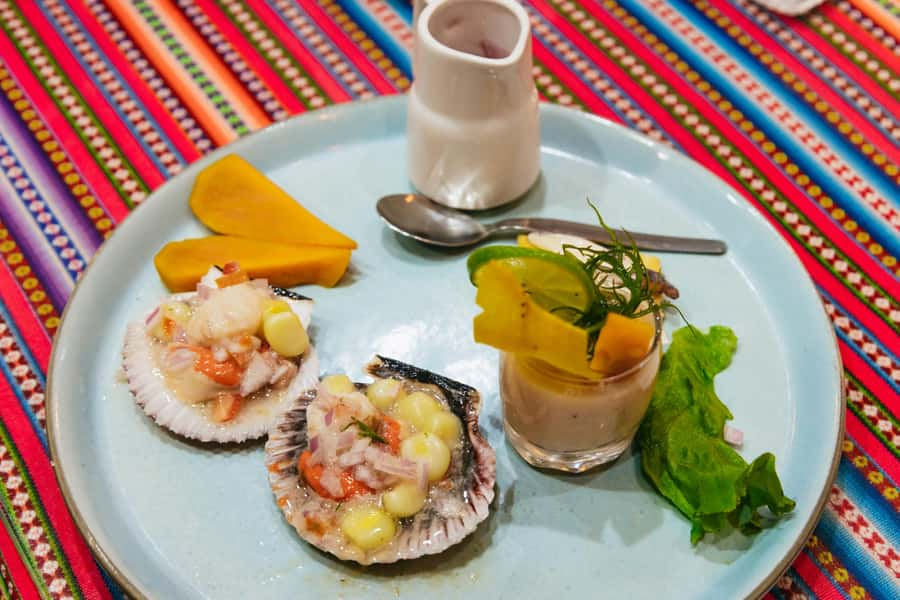
The first restaurant stop includes a spirit and regional food tasting. This is not simply a snack grabbed on the sidewalk. It gives your guide room to explain ingredients, local customs, and the place food holds in daily life.
You should expect small portions at several savory stops, but do not mistake small for insubstantial. The full route includes many tastings, and the total amount can be surprisingly large. One guide adjusted portions for a group that found the servings generous, while another stop added fruit at the market. The exact balance can change, but you are unlikely to finish hungry.
La Merced, Plaza Mayor, and Lima’s grand facades
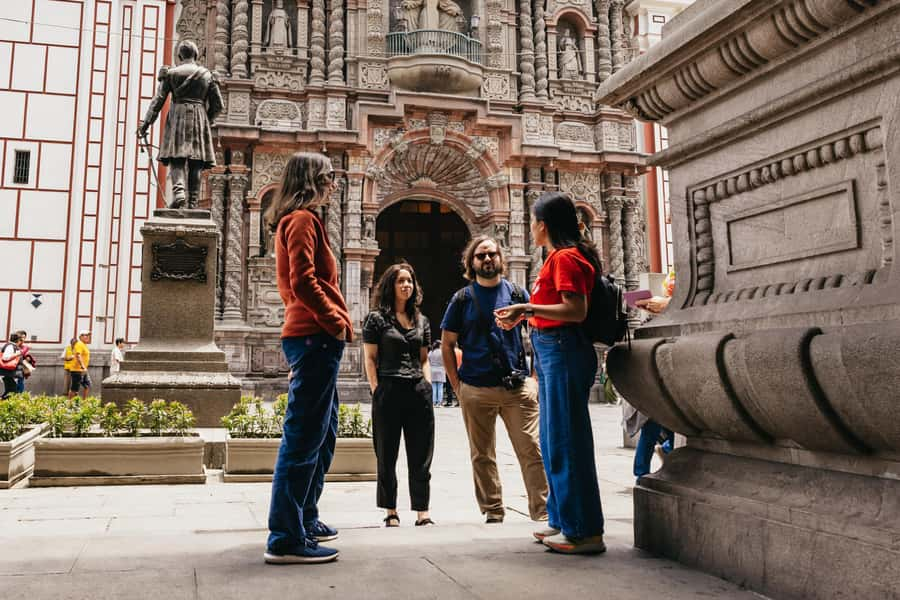
The walking route passes Iglesia de La Merced, then continues toward Plaza Mayor, also called Plaza de Armas. These stops are viewed from outside, with time for photographs and short explanations rather than extended interior visits.
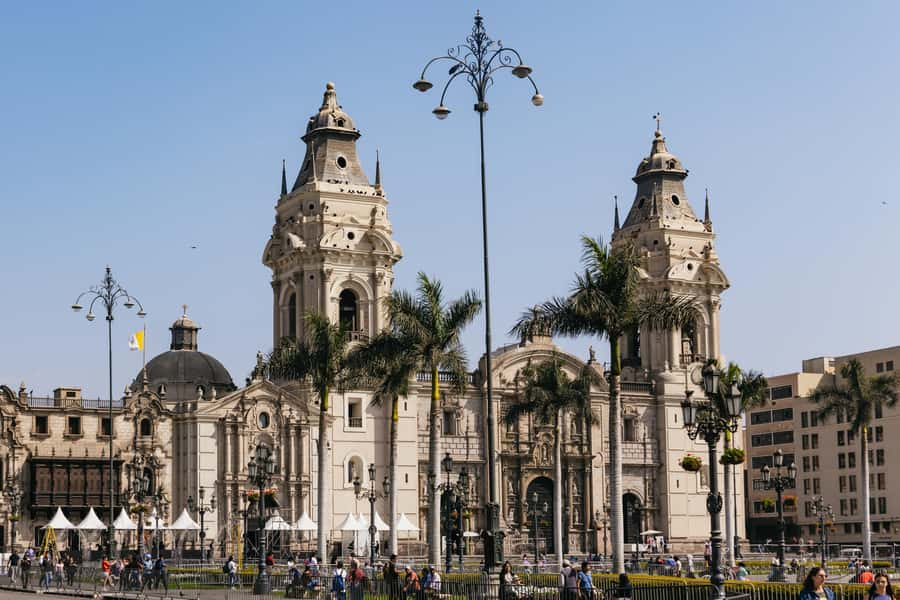
The Plaza Mayor is the visual heart of the old center. You’ll see the Cathedral of Lima and the Government Palace among the major buildings around the square. The architecture provides a useful counterpoint to the food stalls and small eateries, showing how Lima’s official face and working food culture occupy the same compact area.
The tour also includes an outside view of the Basílica y Convento de San Francisco de Lima. The church is known for its colonial design and long connection to the city. Since the itinerary lists a photo stop rather than an interior visit, you should not book this expecting a guided church tour or a visit to the catacombs.
That limitation is also part of the tour’s strength. The focus stays on food and the street rather than turning into a formal architecture excursion. You get enough background to make the walk meaningful, but the tastings remain the main event.
Mercado Central: the best stop for local ingredients
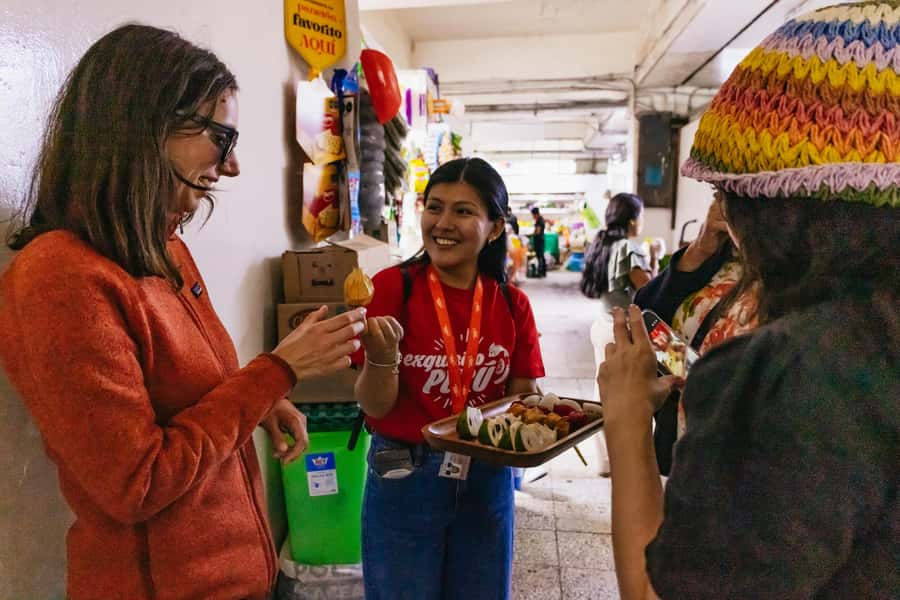
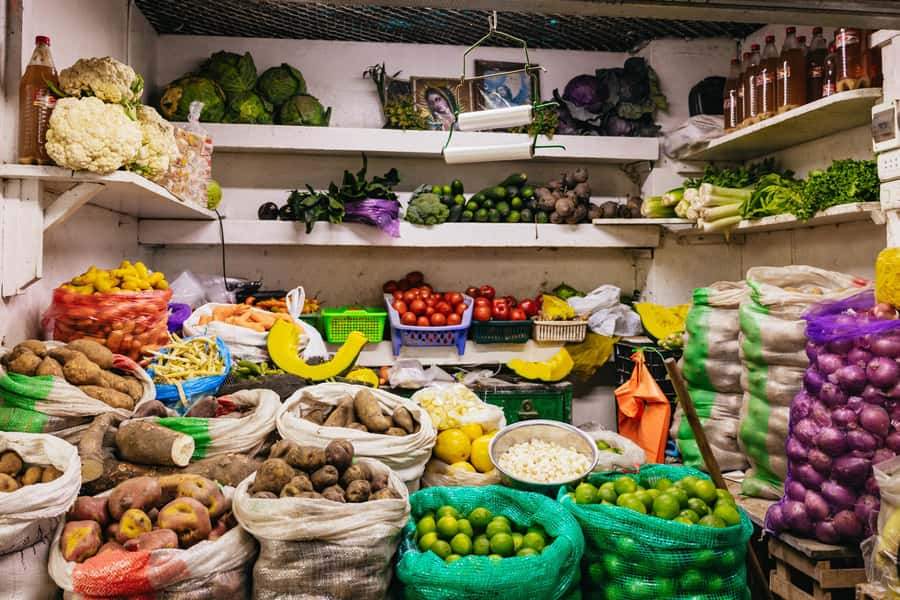
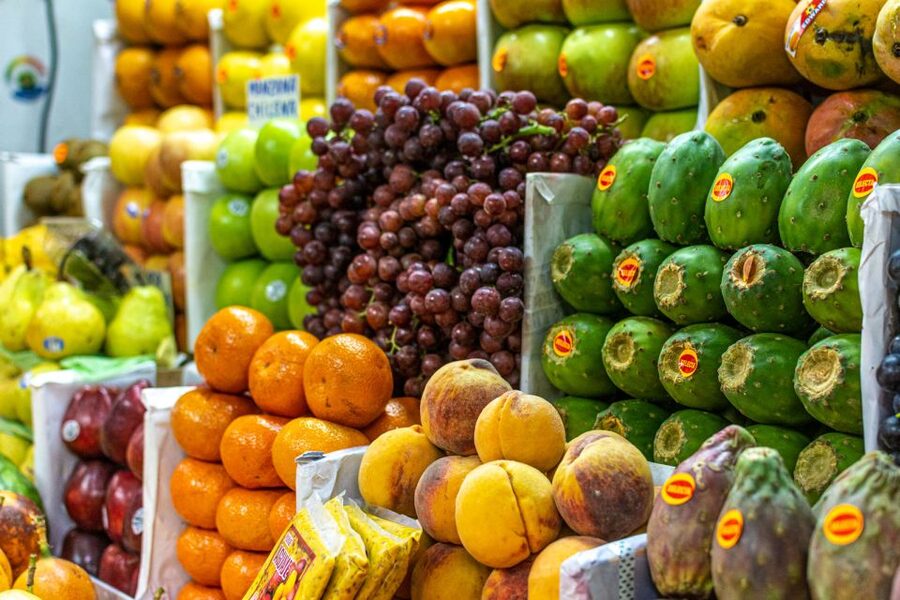
Mercado Central is one of the most useful stops on the route because it shifts your attention from finished dishes to the ingredients behind them. You’ll spend about twenty-five minutes in Lima’s largest market, looking at produce, spices, fruit, and local specialties.
A guide can help you understand what you are seeing and how it connects to Peruvian cooking. The market also gives you a chance to try fruit, depending on the day and the group’s pace. This is a different experience from eating at a restaurant because the setting shows how residents shop and how much food culture depends on fresh market goods.
I would pay close attention here, even if you are more interested in the prepared dishes. The market helps explain why the later food tastings taste the way they do. It also gives you a better sense of everyday Lima than a lineup of polished restaurant meals could provide.
Do not bring a suitcase or large bag. Large luggage is not allowed, and a small day bag is much more practical for a walking route through the center.
More Market Food Tours in the world:
- Chef Guided Food Tour of Pike Place Market
★ 5.0 · 3,733 reviews - Tokyo Tsukiji Fish Market Food and Culture Walking Tour
★ 5.0 · 3,184 reviews - London Bridge & Borough Market Food Tour with 7 Authentic Dishes
★ 5.0 · 1,972 reviews - Pike Place Market Tasting Tour
★ 5.0 · 1,696 reviews
Chinatown and the Peruvian side of chifa
The stop in Lima’s Chinatown introduces chifa, the Peruvian-Chinese cooking tradition. You’ll walk through Barrio Chino, see the area, and sample street food connected to this blend of cuisines.
This is an important part of the tour because Peruvian food is not one fixed tradition. Indigenous ingredients, Spanish cooking, African influence, Chinese techniques, and other cultural threads all shape what you find in Lima. Chifa is one of the clearest examples of that mix.
The Chinatown stop lasts about fifteen minutes, so it is more of a focused food and sightseeing visit than a long neighborhood tour. You should expect a quick look and a tasting, not a full survey of the district. Still, it adds a useful layer to the route and breaks up the colonial architecture with a different part of Lima’s food story.
Anticuchos, sandwiches, and comida al paso
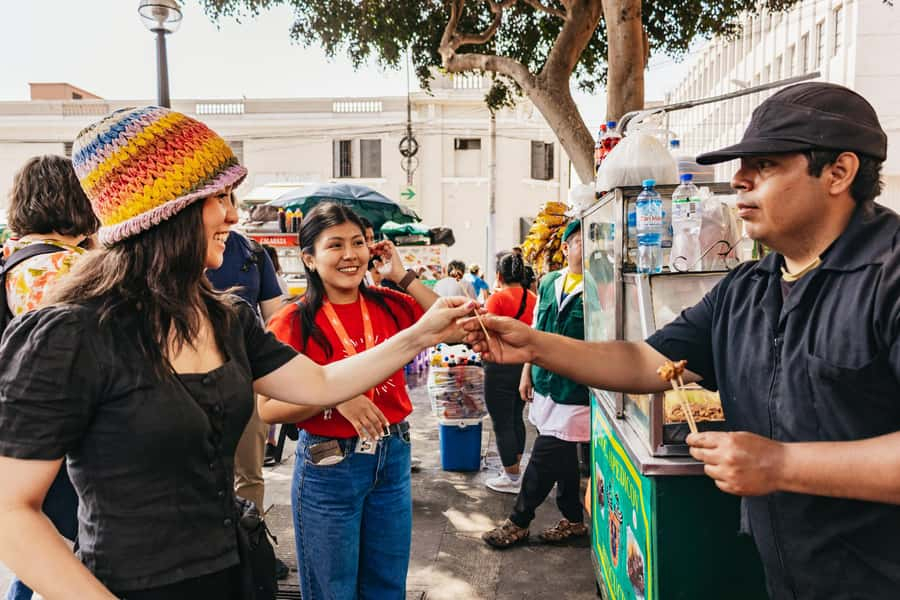
The tour’s street food stops are built around comida al paso, or food eaten quickly while going about your day. This is where you may taste anticuchos, a beloved grilled street food, along with other local snacks and prepared dishes.
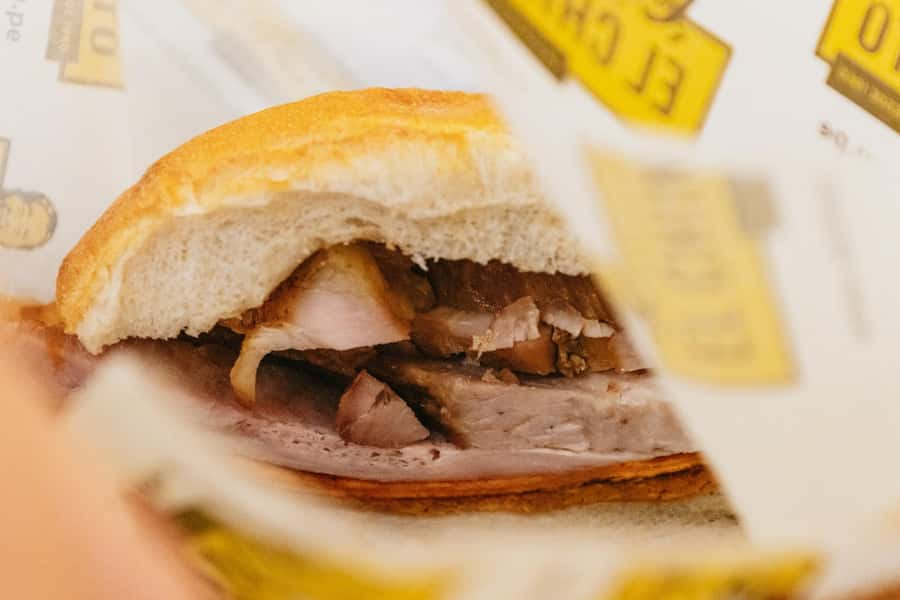
Anticuchos receive especially strong attention from food-focused visitors. They are one of the dishes I would look forward to most on this route because the appeal is direct: smoky, savory, and made for eating outdoors or at a casual counter. You may also try a sandwich de chicharrón at El Chinito, a stop praised for its generous flavor.
The food is not presented as a tasting menu in a fine-dining sense. You are moving between ordinary local venues, carts, and shops. That means the surroundings may be simple, and the portions may not be identical from one departure to another. In return, you get food that feels connected to the city’s daily habits.
The route includes a second local restaurant tasting, additional street food, and time for regional specialties. Guides explain what you are eating and may give advice for other places to try during the rest of your time in Lima. If you are starting your Peru trip with this tour, that advice can help you order with more confidence later.
Churros, picarones, and the sweet side of the route
The dessert stops are a real feature, not an afterthought. Creole churros and picarones are included, with the route also allowing for other sweet street foods.
The churros have become a favorite for many people on the tour, and one visitor called them the best they had tasted. Picarones, Peru’s ring-shaped fritters, also appear as a full serving rather than a tiny sample. That is good news if you have a sweet tooth, but it explains why some people find the menu heavier on desserts than expected.
If you prefer savory food, keep this in mind before booking. The savory portions may be modest while the churro or picarón can be substantial. I would treat the tour as a broad sampling of Peruvian street food, not as a carefully even split between meat, drinks, and dessert.
The final food and dessert stop comes before the tour ends at Alameda Chabuca Granda. By then, you may be quite full. Plan a light meal afterward, or make this your main evening meal.
Chilcano in a historic casona
One of the more distinctive stops is a local bar in one of Lima’s oldest casonas, where you try a chilcano. The itinerary allows about thirty minutes for spirits, making this more than a quick sip at a counter.
The chilcano gives the tour a social pause after the market and street food stops. It also shows another side of Peruvian drinking culture. Since a drink is included, you do not need to arrange a separate cocktail stop during the tour.
You should still pace yourself. The route may include several drink-related tastings, and you are also eating throughout the four hours. This is a food-and-drink walk, not a dry history tour.
How much walking and food to expect
The tour lasts four hours and includes repeated walks of about ten to fifteen minutes, along with short photo stops and seated tastings. It is not an extreme walking excursion, but comfortable shoes are a sensible choice.
The pace has been described as well managed, with enough time at food stops and no constant rushing. The guides also make room for sitting down. Still, you will cover several areas of central Lima on foot, so this may not suit you if you want a mostly stationary meal.
The amount of food is one of the tour’s strongest selling points. A past group reported eight tastings and skipped dinner afterward. Other food stops can include market fruit, a tamal, anticuchos, a chicharrón sandwich, churros, picarones, and drinks. The exact selection can vary, but you should arrive hungry.
Is the $69 price good value?
At $69 per person, the tour costs more than simply buying snacks from individual stalls. You are paying for the guide, the organization, the included food tastings, and the chance to move through several parts of the historic center without having to plan every stop yourself.
The value is strongest if you want three things at once: a guided introduction to central Lima, a broad sample of local food, and help finding places you might not notice on your own. The food quantity also makes the price more reasonable, especially if the tastings replace dinner.
The value is weaker if you only want a formal sightseeing tour, a single full restaurant meal, or a strictly savory menu. You will see major landmarks from outside, not enter every building, and the desserts take up a noticeable share of the route.
Free cancellation up to twenty-four hours before the start and the option to reserve now and pay later add flexibility. Hotel pickup and drop-off are not included, so you need to reach Gran Hotel Bolívar in Plaza San Martín on your own.
Who should book this Lima food tour?
I would recommend it to first-time visitors who want a practical introduction to the historic center without spending an entire day on formal sightseeing. It also suits people who are curious about local snacks but would not feel comfortable choosing street food on their own.
It is a good first activity in Lima because guides can suggest other foods and places for the rest of your stay. Several people have used it early in their Peru trip and found that it made later meals easier to understand.
You should not book if you are vegetarian, vegan, or pescatarian, since alternative dishes cannot be provided. The tour also advises against booking if you have a severe gluten or nut allergy because some foods may contain traces.
The shared tour is conducted only in English. If you need another language, you must arrange a private tour instead. You should also provide any dietary restrictions at least twenty-four hours ahead, although the operator cannot promise every adjustment.
Should you book it?
Book this tour if you want a filling, social introduction to Lima through everyday food, with enough architecture and local stories to give the meals context. The combination of Mercado Central, Chinatown, anticuchos, sweets, chilcano, and colonial landmarks is more useful than a standard sightseeing loop for many first visits.
Skip it if you want an even balance of savory dishes, a vegetarian menu, or extensive interior visits to Lima’s churches and monuments. For everyone else, $69 is a fair price for four hours of food, drinks, guiding, and city orientation, especially when you consider how much food is included.
FAQ
How long is the Lima street food tour?
The tour lasts four hours.
Where does the tour start?
It starts at the main door of Gran Hotel Bolívar, at Jirón de la Unión 958 in Plaza San Martín, Cercado de Lima.
Where does the tour finish?
The tour finishes at Alameda Chabuca Granda.
Is hotel pickup included?
No. Hotel pickup and drop-off are not included.
What language is the tour conducted in?
The shared tour is conducted in English only. For other languages, you need to book a private tour.
What food and drinks are included?
Food tastings and drinks are included. Examples include anticuchos, chilcano, creole churros, picarones, market fruit, and other local specialties.
Does the tour visit Lima’s main landmarks?
Yes. You’ll see Plaza San Martín, Iglesia de La Merced, Plaza Mayor, the Cathedral of Lima, the Government Palace, and the San Francisco Basilica from the outside.
Does the tour visit a market?
Yes. The route includes about twenty-five minutes at Mercado Central, where you can see fresh produce, spices, fruit, and local specialties.
Can vegetarians or vegans join?
No. The tour cannot provide vegetarian, vegan, or pescatarian alternatives.
Can I bring luggage or a large bag?
No. Luggage and large bags are not allowed on the tour.
What should I do about dietary restrictions?
Tell the operator about any dietary restrictions at least twenty-four hours before the tour starts. Adaptations cannot be guaranteed on the day of the tour.
What is the cancellation policy?
You can cancel up to twenty-four hours in advance for a full refund. You can also reserve now and pay later.
More food history walks around the world
- Barcelona: Tapas Walking Tour with Food, Wine, and History
★ 4.8 · 4,261 reviews - Sevilla Food Tour: Tapas, Wine, History & Traditions
★ 5.0 · 3,468 reviews - Madrid Tapas & Taverns Small Group Food & History Tour
★ 5.0 · 2,664 reviews - Historic Ybor City Food Walking Tour
★ 5.0 · 2,210 reviews
Fresh off the menu around the world
- Taste of Chiang Mai: Michelin Guide & Street Food Tour★ 4.9 · 159 reviews
- Eat Porto Like a Local: The Ultimate Full-Meal Food Tour★ 5.0 · 97 reviews
- Vienna: The Ultimate Full Meal Austrian Food Tour★ 4.8 · 112 reviews
- Jerez: Traditional Tapas Tour★ 4.6 · 138 reviews
- Taste my Fribourg Self-Guided Food Tour★ 4.5 · 29 reviews
- Taste of Albania: Tirana Food Tour★ 5.0 · 26 reviews
- Taormina Pizza making class★ 4.8 · 140 reviews
- Taormina: Pizza Making Class with Lunch and Wine Tasting★ 4.8 · 145 reviews
Market Food Tours, compared.

Tokyo Tsukiji Fish Market Food and Culture Walking Tour
Read our review →
London Bridge & Borough Market Food Tour with 7 Authentic Dishes
Read our review →
Small Group Cooking Class & Market Food Tour in Florence
Read our review →
Nishiki Market Brunch Walking Tour (7 Tastings + Brunch)
Read our review →
Bologna Food & Market Tour with 6 Tastings, Pasta, Wines & More
Read our review →
Browse the lists this tour appears in