
Review · ROME
Trastevere Pasta Masterclass with Foodies from Rome
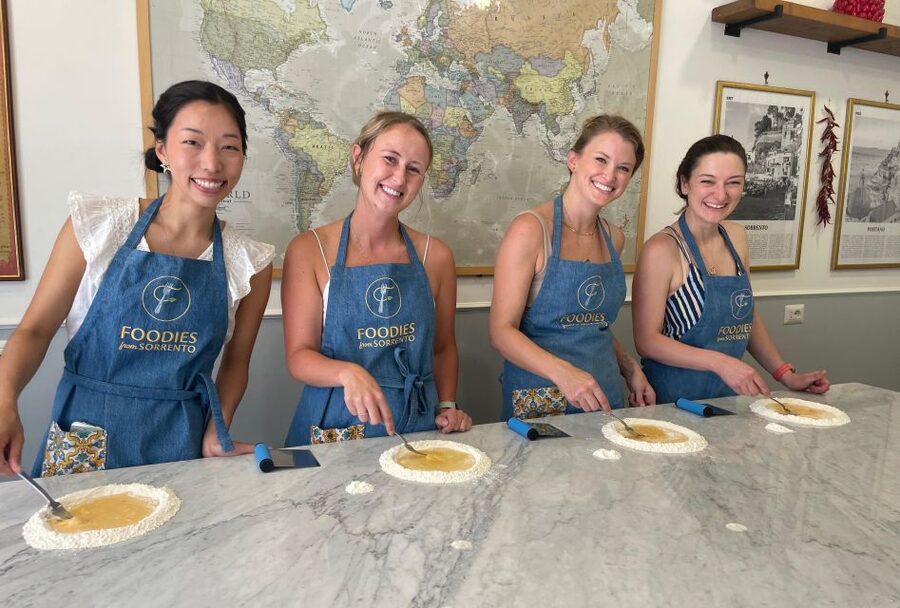
Making three kinds of pasta in one sitting is the clever idea behind this class. You move from egg-and-flour dough to tortelli, spaghetti, and ravioli, pairing each shape with a different sauce. It feels more useful than a quick demonstration because you do the rolling, cutting, filling, and shaping yourself.
I like the very small group, limited to four people, and the friendly teaching style associated with Gio and Sacha. I also like that the class ends with a proper taste of everything you make, plus wine, snacks, and digital recipes. The main thing to check is the location: the current description places the class between Trastevere and Testaccio, while the meeting instructions mention Foodies from Sorrento Cooking Studio. Confirm the exact address before setting out.
Key points at a glance
- Three pasta shapes in three hours: Make tortelli, spaghetti, and ravioli rather than repeating one basic recipe.
- Three classic sauces: Prepare cherry tomato sauce, cacio e pepe, and pesto, with butter and sage also covered in the cooking instruction.
- A four-person maximum: The small format gives you more direct help with dough, fillings, and shaping.
- Wine and a meal included: Eat your handmade pasta dishes during the class, with wine or a lemon soft drink.
- Recipes for your kitchen: Digital PDFs give you the three recipes and sauces after the class.
- Best for confident older teens and adults: The class is not suitable for children under 16, wheelchair users, or people with gluten or lactose intolerance.
From flour and eggs to handmade pasta
The class begins with the basic material of Italian cooking: flour and eggs. You roll up your sleeves, combine the ingredients, and work the dough from scratch. That simple start matters because fresh pasta is less about memorizing a recipe than learning how the dough feels as it comes together.
Your chef guides you through the process in English. Gio and Sacha are named as the hosts in the experience feedback, and their approach is described as patient, funny, and clear. That should suit you if you have little kitchen experience. One useful feature of a small class is that the chef can watch how you handle the dough instead of giving one broad demonstration to a large crowd.
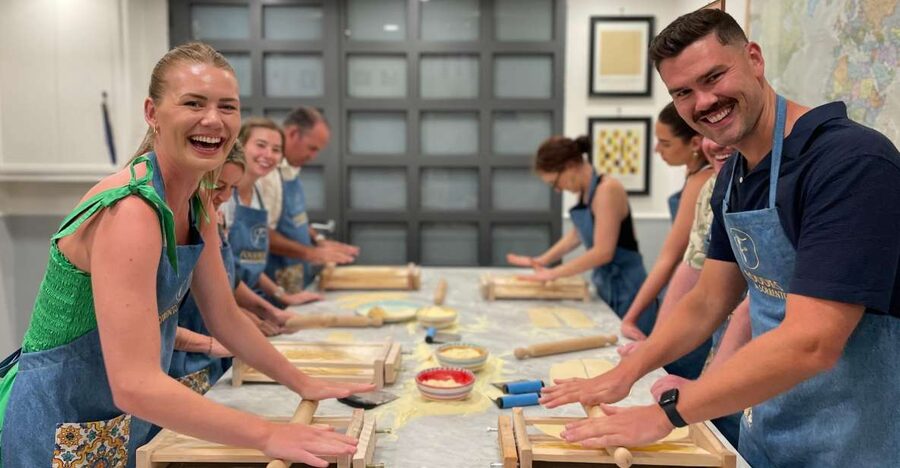
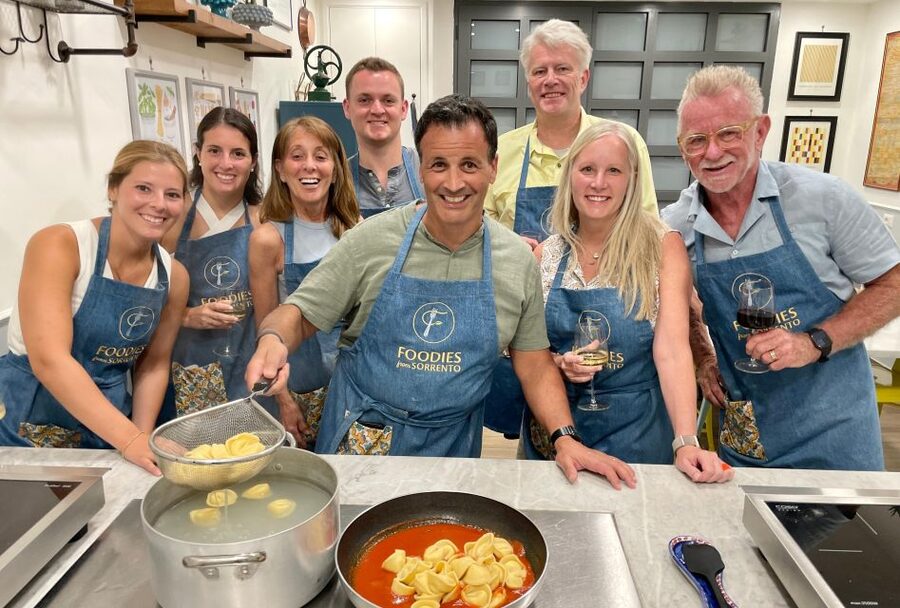
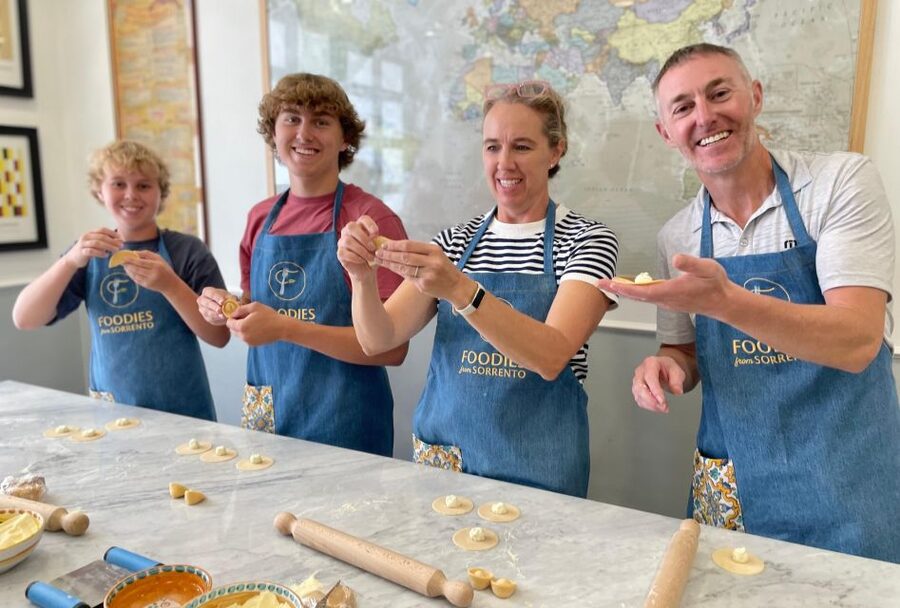
The class is hands-on from start to finish. You are not simply watching a chef form perfect pasta while standing safely behind a counter. You mix, roll, cut, shape, and eventually eat what you made. Expect a little unevenness in your first pieces. That is part of the point, and it gives you a better chance of remembering the technique at home.
The pace is fairly full. Three pasta styles and three sauces make good use of three hours, but this is not a slow afternoon with long pauses between courses. One piece of practical feedback suggests that the hosts can look a little rushed near the end, even though the class does not feel frantic. If you prefer a leisurely cooking lesson, keep that in mind.
More food tours around Rome:
- Winner 2025 Rome Twilight Trastevere Food Tour by Eating Europe
★ 5.0 · 5,157 reviews - Rome: Street Food Tour with Local Guide
★ 4.8 · 4,077 reviews - Rome Food Tour: Unlimited Tastings with Fine Wine & Barolo
★ 5.0 · 3,365 reviews
Three sauces, three different lessons
The sauce lineup is well chosen because each one teaches a different part of Italian cooking.
The cherry tomato sauce is the most direct. Fresh tomatoes bring sweetness and acidity, and the sauce gives the tortelli a familiar, generous partner. This is the sort of preparation you can repeat easily at home, especially when you want a simple pasta dinner without a long ingredient list.
The cacio e pepe is more demanding. The dish looks spare, but the balance of cheese, pepper, pasta water, and heat takes care. The class lets you learn why a short ingredient list does not always mean an easy recipe. This sauce is a good test of timing and technique, and the lesson should help you avoid a dry or clumpy result in your own kitchen.
Pesto brings a third texture and flavor. It works with ravioli and shows how a sauce can be fresh, herbal, and uncooked rather than tomato-based or cream-heavy. The ingredients are described as fresh, and the instruction includes practical tips on how to combine them properly.
Butter and sage also appear in the cooking guidance, although the included meal specifically lists cherry tomato sauce tortelloni, cacio e pepe spaghetti, and pesto ravioli. If butter and sage are important to you, ask how it fits into the evening’s exact menu.
Shaping tortelli, spaghetti, and ravioli
The pasta shapes are the strongest part of the class for anyone who wants more than a general cooking memory. You learn three different jobs for the dough.
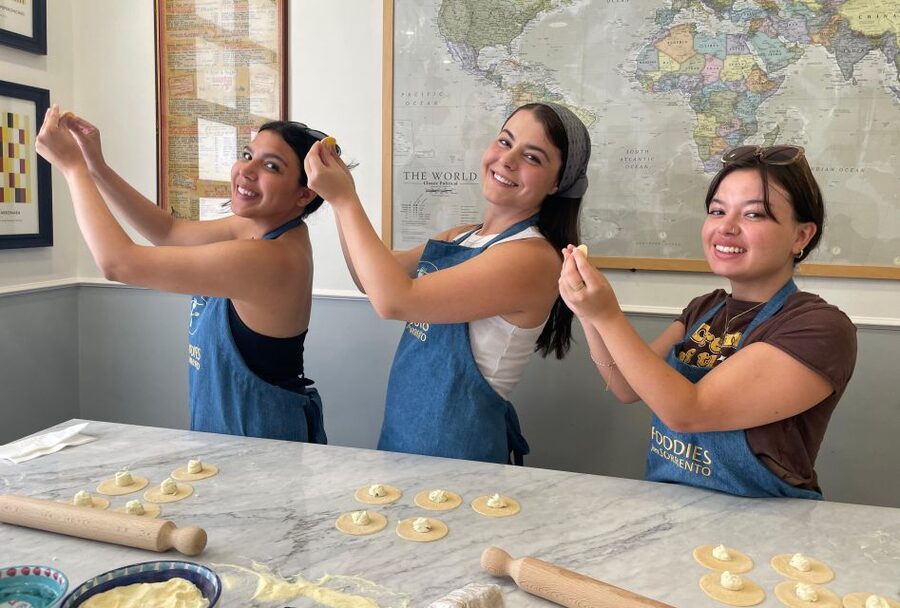
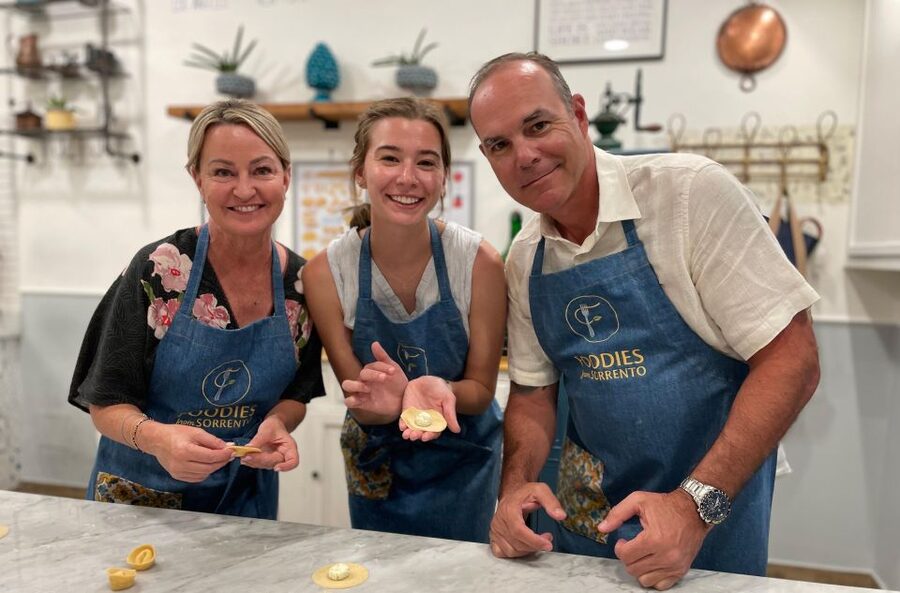
Tortelli are filled pasta, so you need to work with filling, sealing, and portion size. The edges must close properly without trapping too much air. Your pieces may not look factory-perfect, but you will understand the basic hand movements that make filled pasta possible.
Spaghetti gives you a different challenge. The dough must be rolled and cut into long strands, then handled without sticking together. This is a useful contrast to filled pasta because the focus shifts from sealing to even cutting and careful handling.
Ravioli return you to filled pasta, but with their own shaping rhythm. You place the filling, cover it, press out air, and cut the pieces. The result is pesto ravioli, which you eat as part of the class meal.
I like this three-shape format because it gives you a wider set of skills in one evening. The drawback is that you will not become an expert in any one shape after a single session. Think of it as a well-paced introduction that gives you enough practice to continue at home.
A social class with wine and snacks
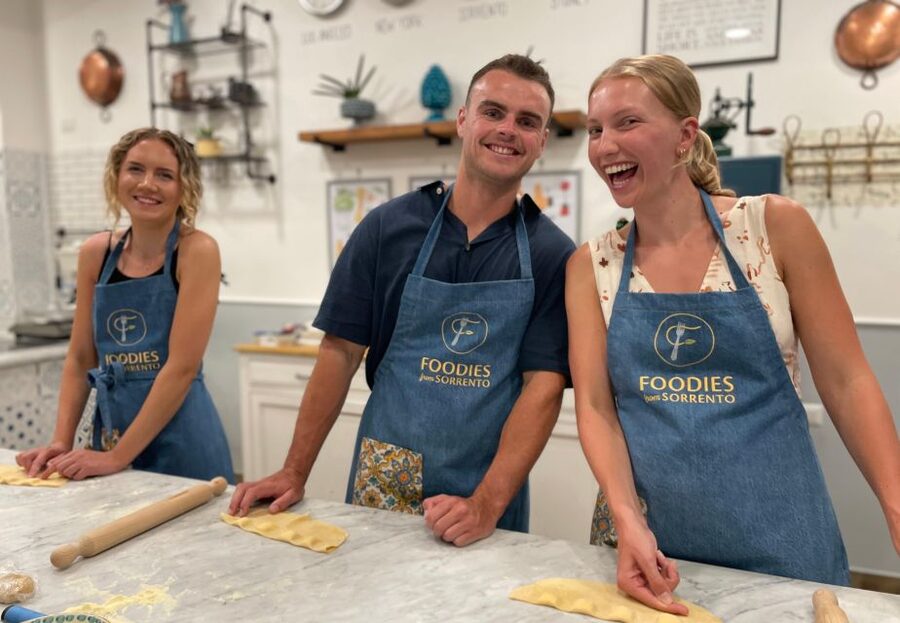
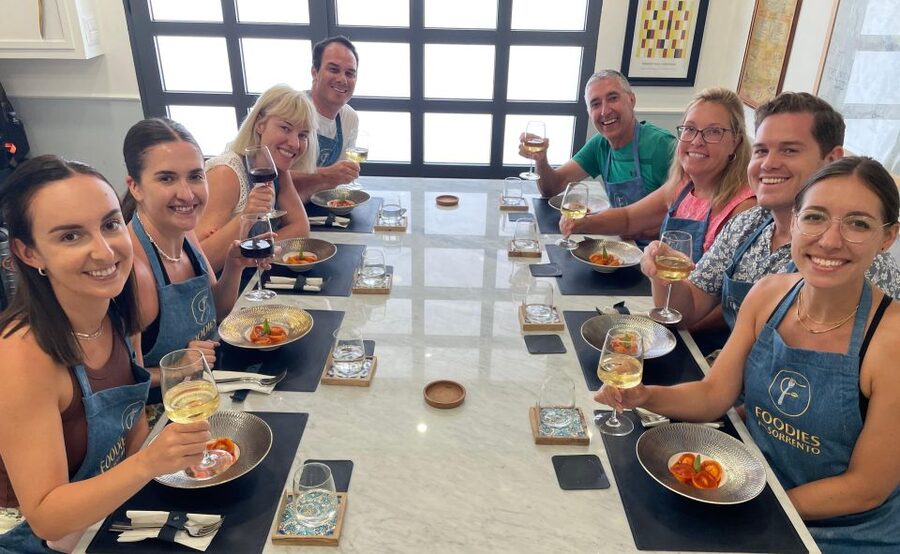
Cooking classes work best when the room feels relaxed, and this one is designed around conversation as much as food. You begin with light snacks and a glass of wine or a lemon soft drink, then eat the pasta you have made. Wine continues with the meal, giving the evening the feel of a shared table rather than a technical workshop.
The group size matters here. With a maximum of four participants, you can talk with everyone and receive help without waiting long. The setup also works well for a couple, a pair of friends, or a solo visitor who wants an easy way to meet people during a Rome stay.
Gio and Sacha are praised for taking an interest in the people attending, not just running through the instructions. Photos may be taken during the class and shared afterward, allowing you to keep cooking without stopping to document every step yourself. That is a small but useful touch, especially if you want pictures of the evening without flour-covered phone screens.
You should expect conversation and a friendly mood, not a quiet professional kitchen. If you want a strictly technical lesson with no social element, this may feel too informal. If you like cooking beside people from different places, the format is a good fit.
Same city, a different plate:
- Rome Food Tour: Campo de’ Fiori, Ghetto, Trastevere Winner 2024
★ 5.0 · 3,205 reviews - Rome: Guided Food Walking Tour with Wine in Trastevere
★ 4.9 · 3,105 reviews - Rome: Trastevere Food tour with Free-Flowing Fine Wine
★ 5.0 · 2,853 reviews - Rome: Trastevere & Campo de Fiori Street Food Walking Tour
★ 4.9 · 2,768 reviews
Why the $82 price can make sense
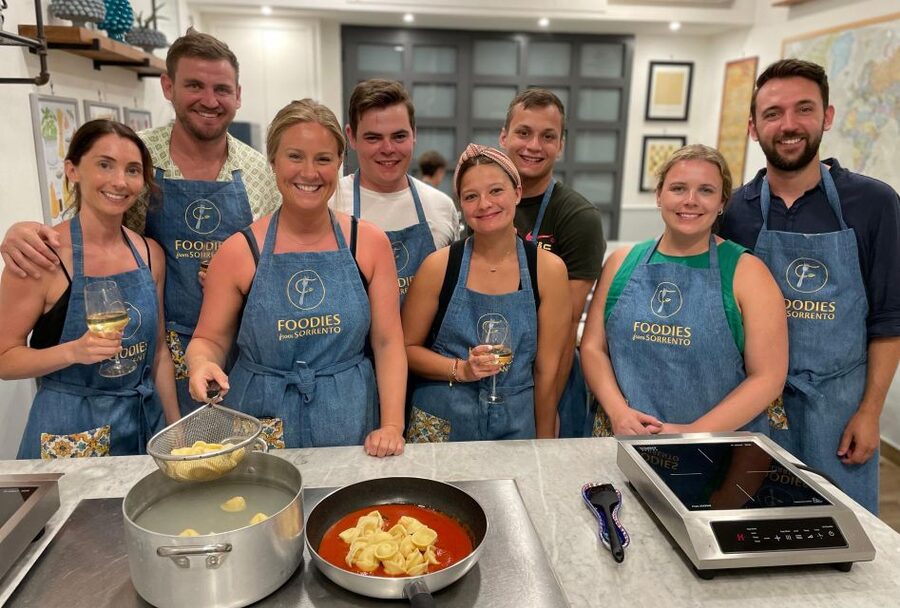
At $82 per person, this is not a cheap meal. It is also more than the cost of ordering one pasta dish in Rome. The fair comparison is with a three-hour class that includes instruction, ingredients, equipment, snacks, wine or a soft drink, the food you make, and three digital recipe PDFs.
The value improves if you will actually cook the recipes again. You are learning fresh dough, three shapes, and three sauces rather than paying for a meal that ends when the plate is cleared. The recipes give the class a second life in your own kitchen.
The small group also supports the price. A four-person limit means more attention than you normally receive in a large demonstration class. You are paying partly for access to the chef and the chance to get corrections while your dough is still in front of you.
I would be less quick to recommend it if your main goal is simply dinner. In that case, a restaurant will cost less and require no work. Book this when you want an activity, a meal, and a practical cooking skill in the same evening.
Getting there and checking the meeting point
The experience is described as taking place between Trastevere and Testaccio, two central Rome neighborhoods with plenty to do before or after the class. Transportation and parking are not included, so you need to make your own way there.
The meeting instructions say to ring the bell once you arrive at Foodies from Sorrento Cooking Studio. That wording does not fully match the Rome location description, so I would treat the address as something to verify carefully at booking. Do not rely on the neighborhood name alone, especially if you are planning a tight dinner reservation or evening train.
The class lasts three hours, but the exact starting time depends on availability. Allow extra time to find the entrance and arrive ready to begin. You will be working with food, so comfortable clothing and shoes make more sense than anything delicate, though specific clothing requirements are not provided.
Who should book this pasta class?
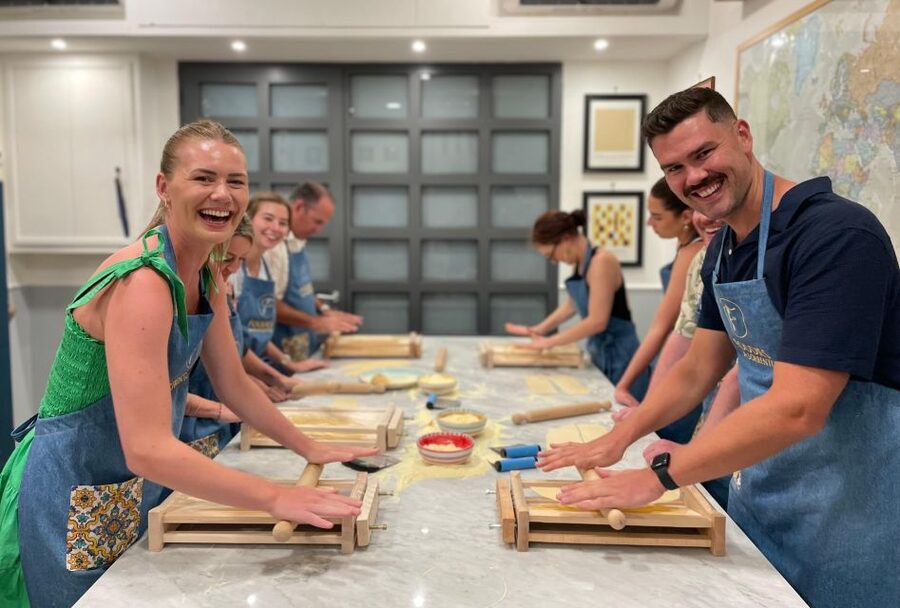
I would recommend it most strongly to adults who enjoy doing rather than watching. You do not need to arrive as a cook. The teaching is structured for beginners, and the hosts are described as patient with people who say they do not cook.
It is also a good choice for couples. You can work side by side, compare your pasta shapes, and finish with a shared meal. Solo visitors can fit in well because the small group encourages conversation without the awkwardness of a large tour.
The activity is not suitable for children under 16. It is also not suitable for wheelchair users, people with gluten intolerance, or people with lactose intolerance. The gluten restriction is especially important because flour is central to the class, and the menu includes cheese-based cacio e pepe.
If you have another food allergy or dietary need, the provided information does not confirm that substitutions are possible. Ask before booking rather than assuming the menu can be changed.
What you take home
The most useful souvenir is not a trinket. It is the set of digital PDFs covering the three recipes and sauces. The instructions are intended to help you repeat the dishes with confidence, including the practical hints that are easy to forget once you leave the kitchen.
You also take home a better sense of how fresh pasta behaves. You will have seen how dough changes as you work it, how filled pasta needs to be sealed, and how different sauces match different shapes. Those are small lessons, but they are exactly what makes a cooking class worth doing.
The food itself is part of the payoff. You eat cherry tomato sauce tortelloni, cacio e pepe spaghetti, and pesto ravioli, with wine or a lemon soft drink. It is a tasting meal rather than a large restaurant dinner, but the hands-on work makes it filling in a different way.
Should you book it?
Book this class if you want a social Rome evening with real kitchen work, not just a demonstration. The strongest reasons are the four-person maximum, the three distinct pasta shapes, the full meal, and recipes you can use after returning home.
Skip it if you have food restrictions listed above, need step-free access, or prefer a quiet dinner with no preparation. Also confirm the exact meeting address because the Rome description and Sorrento Cooking Studio wording do not line up perfectly.
For most pasta lovers, $82 is reasonable when you count the ingredients, wine, meal, instruction, and small-group attention. Go expecting to work, laugh, and produce a few imperfect shapes before the good ones appear. That is the part you are most likely to remember.
FAQ
How long does the pasta masterclass last?
The class lasts three hours. Starting times vary, so you need to check availability for the date you want.
How many people are in the class?
The activity is listed as a small group limited to four participants.
Which pasta dishes will I make?
You will make cherry tomato sauce tortelloni, cacio e pepe spaghetti, and pesto ravioli.
Which sauces are included?
The class covers cherry tomato sauce, cacio e pepe, and pesto. Butter and sage are also included among the sauce instruction.
Is wine included?
Yes. Wine and light snacks are included. You can have a lemon soft drink instead of wine.
Are recipes provided after the class?
Yes. You receive digital PDF recipes and instructions for the three pasta dishes and sauces.
Is the class suitable for children or people with dietary restrictions?
The class is not suitable for children under 16, wheelchair users, people with gluten intolerance, or people with lactose intolerance.
Fresh off the menu around Rome
- Rome: 3-Hour Guided Food Tour with Tastings★ 4.9 · 41 reviews
- Rome: Trionfale and Prati Food and Wine Tasting Tour★ 4.8 · 115 reviews
- Rome: Vegan Street Food Tour with Local Guide★ 5.0 · 37 reviews
- Rome: Trastevere & Tiber Island Street Food Tour at Sunset★ 4.9 · 71 reviews
- Rome Trastevere Walking Food Tour★ 4.8 · 97 reviews
- Rome: Vatican Street Food and Wine Tour with Farmers Market★ 5.0 · 37 reviews
- Rome: Trastevere Food Walking Tour with Beer and Wine★ 4.9 · 71 reviews
- Rome: Trastevere Quarter Street Food Tour with Sightseeing★ 4.9 · 21 reviews
Rome Food Tours, compared.
Winner 2025 Rome Twilight Trastevere Food Tour by Eating Europe
Read our review →
Rome Food Tour: Unlimited Tastings with Fine Wine & Barolo
Read our review →
Rome Food Tour: Campo de’ Fiori, Ghetto, Trastevere Winner 2024
Read our review →
Rome: Guided Food Walking Tour with Wine in Trastevere
Read our review →
Rome: Trastevere Food tour with Free-Flowing Fine Wine
Read our review →
Rome: Trastevere & Campo de Fiori Street Food Walking Tour
Read our review →
Rome: Gourmet Food Tour with Dinner & Barolo Wine
Read our review →Browse the lists this tour appears in