
Review · KATHMANDU
Kathmandu Secret Food Crawl & Local Market Tour
Kathmandu’s best food discoveries often happen in narrow lanes, small stalls, and market corners you would likely pass without noticing. This two-hour walk brings you to local places around Ason Bazar, with guide Santosh explaining what you are eating and how it fits into Newar culture. I like the generous range of tastings, from momos and laphing to pani puri and lassi, and I like that the tour links food with temples, crafts, clothing, religion, and daily life. The main drawback is pace: two hours can feel rushed, especially if you want to linger at the market or stop for photographs.
I also like the price. At $28 per person, the tour includes a minimum of five food items with drinks, and the portions can add up to a full meal. Food preferences may affect your enjoyment, since Newari cooking often includes buffalo meat, strong spices, pickles, and unfamiliar textures, but the guide can help explain each choice before you try it.
Key points to know before booking
- Ason Bazar gives the walk a real local setting: Expect market lanes, traditional goods, food stalls, and daily shopping rather than a polished restaurant route.
- Santosh is the guide most often named: He explains food, religion, politics, customs, and Kathmandu life in clear English.
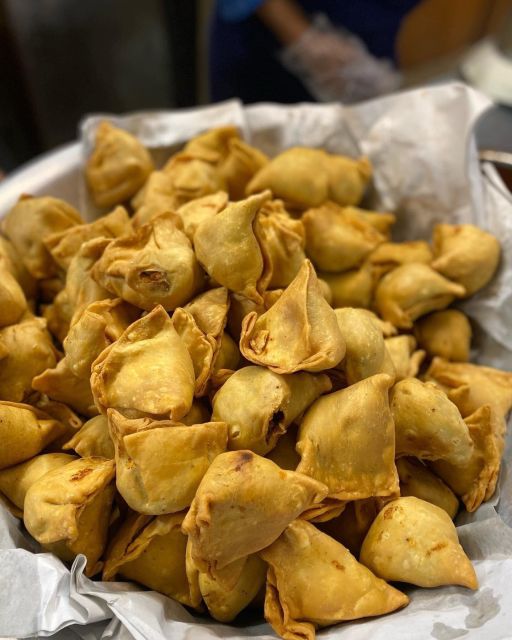
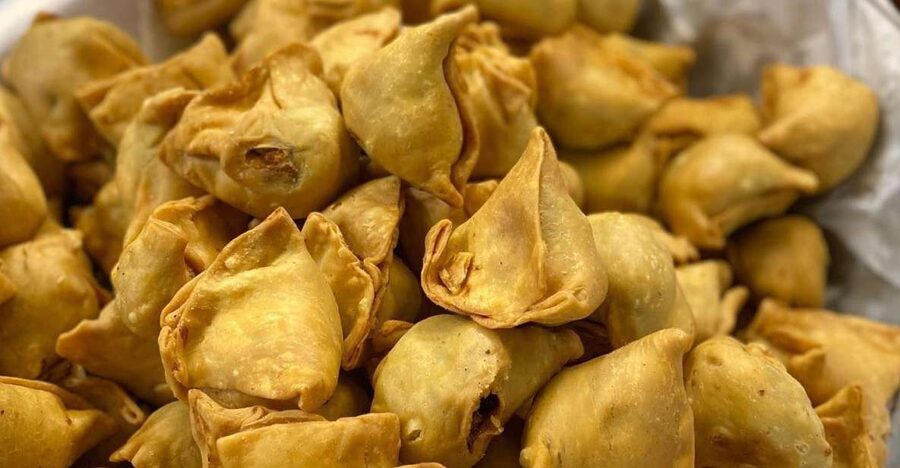
- You get at least five tastings and drinks: In practice, the route may include several small dishes, with food such as momos, laphing, pani puri, lassi, samosas, chatamari, or Newari specialties.
- The tour is also a culture walk: Newar traditions, crafts, clothing, temples, and local routines are part of the experience.
- Come hungry: The portions are described as generous, and some people taste eight or nine different things.
- Allow for a quick pace: The two-hour schedule covers a lot, so this suits you better if you prefer variety over long stops.
Why Kathmandu food makes this short walk worthwhile
Food is one of the quickest ways to understand Kathmandu. A market stall tells you who eats what, when people eat it, and how different communities have shaped the city’s cooking. This tour uses food as the starting point, then adds the social and religious context that turns a snack into a useful travel lesson.
The focus on Newari food matters. The Newar community is central to Kathmandu Valley culture, and its cooking includes ceremonial platters, steamed dumplings, savory pancakes, pickles, beaten rice, and meat dishes with bold seasoning. You are not simply checking dishes off a list. You are learning why certain foods appear at festivals, family gatherings, street corners, and market stalls.
The tour also shows Kathmandu’s mixed food influences. Momos reflect the popularity of Himalayan and Tibetan-style dumplings, while samosas and pani puri point to South Asian connections. Laphing, a cold mung bean noodle dish with a hot, spicy sauce, has become especially popular among younger locals. The range gives you a better sense of Kathmandu than a single restaurant meal can.
More Market Food Tours in the world:
- Chef Guided Food Tour of Pike Place Market
★ 5.0 · 3,733 reviews - Tokyo Tsukiji Fish Market Food and Culture Walking Tour
★ 5.0 · 3,184 reviews - London Bridge & Borough Market Food Tour with 7 Authentic Dishes
★ 5.0 · 1,972 reviews
Starting at Chhaya Devi Complex
The meeting point is the main gate of Chhaya Devi Complex. This is an important detail because Kathmandu’s lanes can feel confusing, and a clear landmark is more useful than a vague instruction to meet near Thamel or Ason.
From the meeting point, your English-speaking guide leads the route on foot. The activity lasts two hours, so expect a compact walking experience rather than a full-day food expedition. There is no transport listed, and the appeal comes from moving through the streets, entering small food areas, and seeing the city at walking level.
You should arrive ready to eat early in the route. The tastings are included, but personal expenses are not. Bring only what you need, since a small bag is easier to manage in crowded market lanes.
Ason Bazar and the older market atmosphere
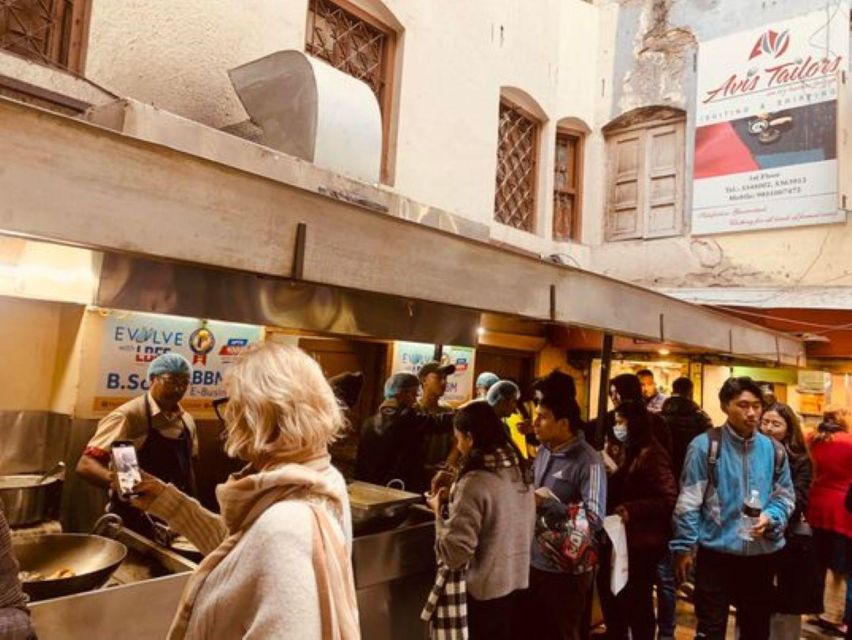
Ason Bazar is the key cultural setting. It is known as one of Kathmandu’s oldest local markets, and the area brings together food sellers, household goods, religious items, traditional clothing, and crafts. The point is not simply to walk through a market and take pictures. Your guide helps explain how people use the area and what you are seeing.
This is where the tour is most useful for first-time visitors. Kathmandu can feel noisy and disorganized at first, and a local guide helps you read the scene. A shop selling clothing may connect to Newar traditions. A food stall may serve something tied to a festival or community custom. A religious site may look like a quick roadside shrine until someone explains its role.
The market is not arranged for sightseeing. You may find tight passages, people shopping, and plenty of visual clutter. That is part of the experience, but it also means you should not expect a slow, quiet stroll. If you want time to browse every stall, two hours will go quickly.
The food stops: what you may taste
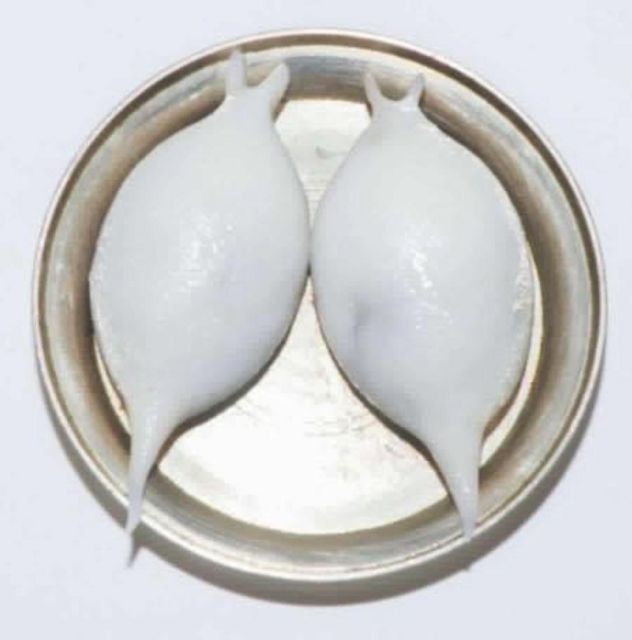
The exact order can change, but the food selection is the heart of the tour. The package promises at least five items with drinks, while some routes have included eight or nine tastings. The variety matters more than any single dish, since you get a broad introduction without paying for several separate meals.
More Hidden Gem Food Tours in the world:
- Alicante: Secret Flavors Food Tour
★ 4.8 · 1,514 reviews - Southern & Secret Walking Food Tour
★ 4.5 · 1,413 reviews - Edinburgh Food Tour with Scotch, Haggis, a Secret Dish & More
★ 5.0 · 1,172 reviews - Rome Food Tour: Hidden Gems of Trastevere with Dinner & Wine
★ 5.0 · 1,166 reviews
Momos
Momos are among Nepal’s best-known foods, and Kathmandu offers many versions. They are steamed dumplings, often served with a spicy sauce, and they make a gentle entry into local street food because the format is familiar even when the seasoning is new.
If you already know momos from a restaurant, the market setting adds another layer. You can see how they are prepared and compare them with other snacks on the route. The tour is especially useful if you are unsure which stalls to try on your own.
Laphing
Laphing is colder, spicier, and less familiar to many first-time visitors. Made from mung bean noodles, it is served with a sharp sauce and has a slippery texture. It is a good example of why a guide helps: you get an explanation before tasting something you might otherwise ignore.
The heat may not suit every palate. If you are sensitive to spice, ask Santosh about the seasoning before taking a large portion. The supplied details do not promise that every dish can be altered, so it is wise to mention food concerns at the start.
Chatamari and Newari specialties
Chatamari is often compared with a Newari pizza, though that comparison only goes so far. It is a savory rice-flour dish with toppings and a thin base. You may also encounter Newari foods such as samay baji, a platter built around beaten rice, spiced buffalo meat, pickles, and other small portions.
Yomari is the sweet option associated with Newar tradition. This steamed dumpling is filled with molasses and sesame seeds. It gives the route some balance after spicy or savory foods, though availability can depend on the day and season.
Pani puri, lassi, samosas, and other snacks
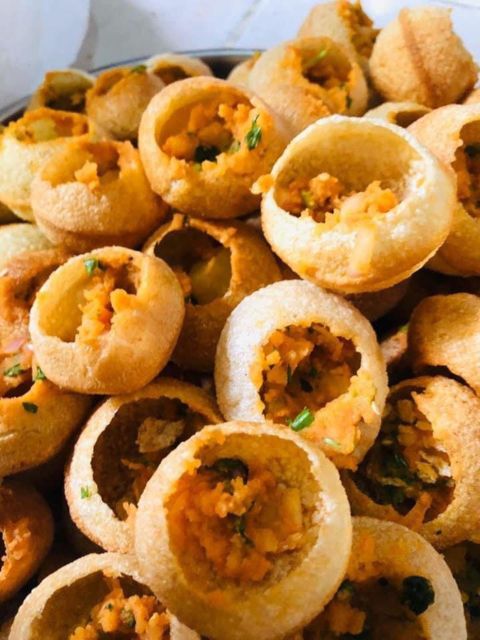
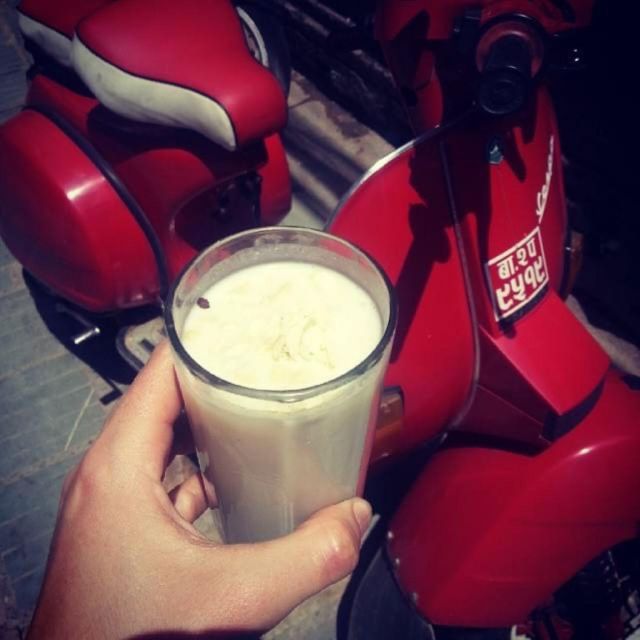
Several tastings mentioned along the route are familiar across South Asia but still worth trying in Kathmandu. Pani puri combines crisp shells with flavored water and fillings. Samosas bring a warm, savory pastry, while lassi provides a cool yogurt drink.
These smaller items help keep the walk lively. You are not sitting down for one large plate and waiting for the next course. Instead, you sample as you move, which makes the experience feel tied to the market itself.
Because the food is plentiful, do not eat a large meal just before meeting the guide. The minimum of five items sounds modest, but the portions can be generous, and the total may include several additional tastes.
The cultural side goes beyond food
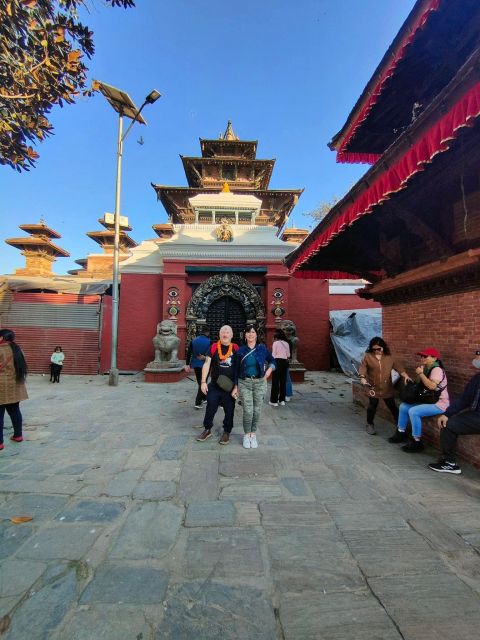
Santosh is frequently named as the guide, and his role appears to go well beyond ordering dishes. He explains Nepali society, religion, local history, politics, traditional clothing, and the daily routines around the market. That wider conversation is one of the strongest reasons to book rather than simply follow a food map.
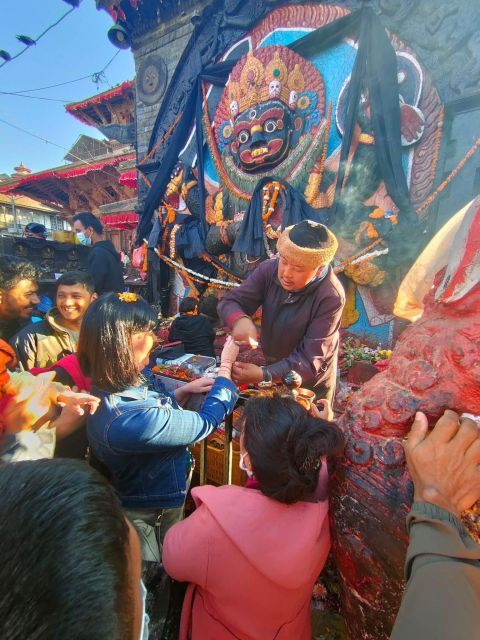
The route may include temples and other cultural sites. One account describes a visit to the Kumari Temple during an early evening walk, when the Kumari made an appearance. This is a particularly unusual possibility, but it should not be treated as a guaranteed part of every departure.
The cultural explanations also make the food easier to understand. You may hear why a dish matters at a ceremony, how a community prepares it, or how Kathmandu’s food reflects contact between Nepali, Tibetan, Indian, and Newar traditions. I find this kind of context more useful than a long list of dish names.
You also get contact with everyday local life. That does not mean the tour turns the market into a performance. You are simply walking through working streets, buying food from ordinary vendors, and seeing the city as a place where people shop and eat.
How the pace affects the experience
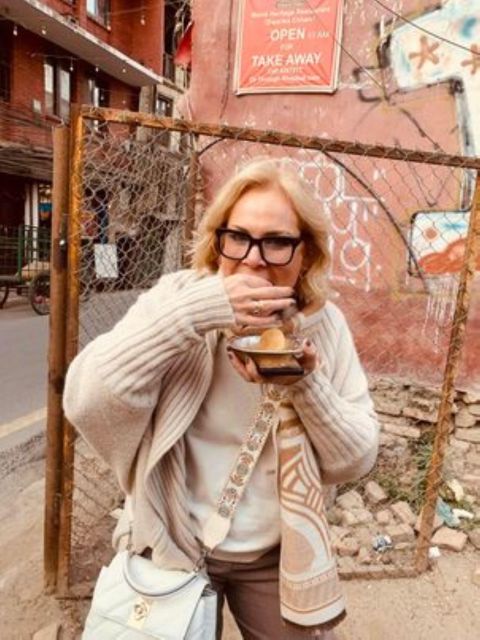
Two hours is both the strength and the limitation. It is short enough to fit on arrival day, before a trek meeting, or between other plans. Several people have used the tour as a first introduction to Kathmandu, and that timing makes sense because a guide can help you get your bearings quickly.
The tradeoff is that the route has to keep moving. One account found the guide occasionally hurried through places. That is the main caution I would keep in mind. If you want lengthy market photography, detailed shopping, or a relaxed meal at one stall, this is not the right format.
If you prefer variety, the pace works well. You can cover more foods and see more streets than you would during a seated tasting. I would schedule it near the beginning of your Kathmandu stay, then return to the stalls or dishes you liked most later.
The route descriptions emphasize Ason Bazar, while some accounts place food stops around Thamel as well. This suggests that the walk may cover connected food areas rather than one single market. Ask for the day’s exact route when you meet if seeing a particular area matters to you.
Is $28 good value?
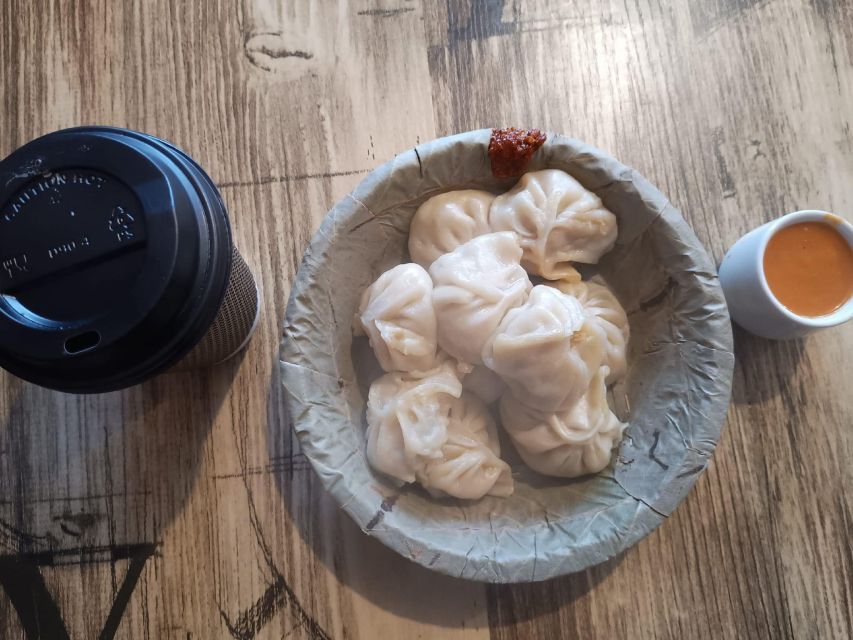
At $28, this is a solid value if you plan to try several foods anyway. The price includes the guide, government taxes and official expenses, and all food and beverages listed in the package. Personal spending is extra, but you are not expected to pay separately for each included tasting.
The value is not only in the food. A plate of snacks on its own would cost less, but it would not give you the same help finding the stalls or understanding what you are eating. You are paying for access, explanation, and a route through places that can be difficult to identify independently.
The minimum is five items, but the overall amount may be much larger. Some accounts describe eight or nine different tastes and feeling very full at the end. That makes the tour particularly useful for solo visitors, since you can sample widely without ordering full portions at several locations.
The price is less compelling if you dislike trying unfamiliar dishes or prefer a restaurant meal with a fixed menu. In that case, you may not make full use of the variety. For curious eaters who want local food without taking many guesses, the cost is easier to justify.
Who should book this Kathmandu food tour?
I would recommend it to first-time visitors, solo travelers, couples, and anyone who wants an easy introduction to Nepali food. It is also a good fit if you are nervous about eating at small stalls and would appreciate a guide who selects places and explains what is being served.
Food-focused visitors will appreciate the range. You may try laphing, momos, pani puri, lassi, samosas, chatamari, and Newari dishes in one compact outing. People interested in culture will find the market, temples, clothing, crafts, and Newar traditions just as important as the eating.
It may be less suitable if you need a slow pace, dislike crowded market streets, or have strict dietary requirements. The supplied details do not list vegetarian, vegan, gluten-free, halal, or allergy-specific arrangements, so ask before booking if any restriction is essential.
The tour is offered with an English-speaking live guide. If you want a different language, this experience does not list one. The small amount of published information about group size also means you should not assume a private tour unless that is confirmed at booking.
Cancellation is flexible: you can cancel up to 24 hours in advance for a full refund, and you can reserve now and pay later. Check the available start times, since the two-hour schedule and the market’s atmosphere may affect which departure suits you.
Should you book the Ason Bazar food walk?
Book it if you want to taste broadly, learn how food connects to Kathmandu culture, and let a local guide handle the hard work of finding worthwhile stalls. The strongest reasons are the generous food allowance, Santosh’s wide cultural commentary, and the chance to see Ason Bazar and nearby lanes through local eating habits rather than only through sightseeing.
Think twice if you want a quiet restaurant meal or plenty of time at each stop. The tour moves quickly, and unfamiliar flavors can be a challenge. For most curious visitors, though, $28 buys a useful first look at Kathmandu, a full stomach, and several foods you might never think to order by yourself.
FAQ
Where does the Kathmandu food tour meet?
The meeting point is the main gate of Chhaya Devi Complex.
How long does the tour last?
The activity lasts two hours.
How much does the tour cost?
The listed price is $28 per person.
What food is included?
The package includes all foods and beverages, with a minimum of five food items and drinks. Possible tastings include momos, laphing, chatamari, pani puri, lassi, samosas, and Newari dishes.
Is Ason Bazar part of the tour?
Yes. The experience includes exploration of Ason Bazar, described as Kathmandu’s oldest local market.
Who leads the experience?
The tour includes an experienced, friendly English-speaking guide. Santosh is the guide named most often in the supplied details.
Is the tour conducted in English?
Yes. English is the listed tour language.
Can I cancel for a refund?
Yes. You can cancel up to 24 hours in advance for a full refund. The activity also allows you to reserve now and pay later.
Fresh off the menu around the world
- Vienna: The Ultimate Full Meal Austrian Food Tour★ 4.8 · 112 reviews
- Taste of Chiang Mai: Michelin Guide & Street Food Tour★ 4.9 · 159 reviews
- Eat Porto Like a Local: The Ultimate Full-Meal Food Tour★ 5.0 · 97 reviews
- Jerez: Traditional Tapas Tour★ 4.6 · 138 reviews
- Taste my Fribourg Self-Guided Food Tour★ 4.5 · 29 reviews
- Taste of Albania: Tirana Food Tour★ 5.0 · 26 reviews
- Taormina Pizza making class★ 4.8 · 140 reviews
- Taormina: Pizza Making Class with Lunch and Wine Tasting★ 4.8 · 145 reviews
Secret and Hidden Gem Food Tours, compared.

Edinburgh Food Tour with Scotch, Haggis, a Secret Dish & More
Read our review →
Rome Food Tour: Hidden Gems of Trastevere with Dinner & Wine
Read our review →
Discover Barossa: 4 Wine Tastings, Gourmet Lunch, and Hidden Gems
Read our review →
Flavors of Fremont: Downtown Vegas Food Tour & Local Secrets
Read our review →
Downtown Las Vegas Food Tour of 6 Iconic Dishes & Hidden Gems
Read our review →
Beijing: Hidden Gems Guided Food Tour with Beer and Tastings
Read our review →Browse the lists this tour appears in