
Review · GREECE
Crete: Olive, Wine, & Raki on a Flavorful Culinary Journey
Crete’s best food stories begin outdoors, among olive trees, grapevines, and small family producers. This six-and-a-half-hour outing takes you from an olive mill near Skalani to a raki distillery and winery, with local food tying the day together. You learn how oil, wine, and raki are made, then taste the results at the table.
I like the small-producer focus, which feels more personal than a large commercial tasting room. I also like the comfortable SUV transport and generous lunch, especially since the route includes several rural villages and more than an hour and a half of driving.
The main consideration is the pace. With three major stops, tastings, lunch, and village roads packed into one day, this is best for you if food and drink are the main event. It is less suited to anyone looking for a relaxed sightseeing day with lots of free time.
Key points to know before booking
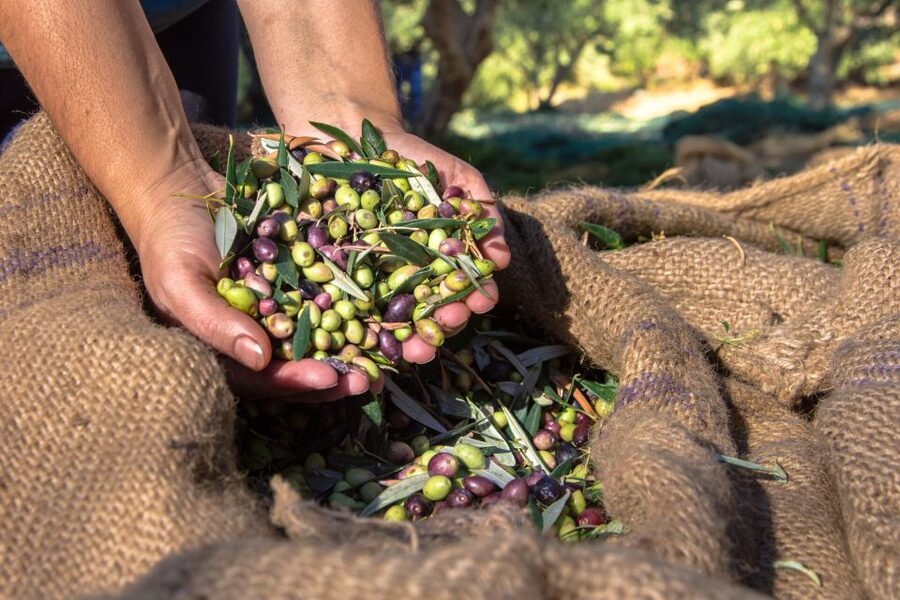
- Olive oil comes first: Walk through a traditional Cretan olive grove and learn how the mill turns fruit into oil.
- Two kinds of raki: Taste local spirits at a working raki distillery, known locally as a rakokazano.
- Indigenous Cretan grapes: Sample three local grape varieties across a guided tasting of four wines.
- A real Cretan meal: Expect a fresh, home-style lunch with generous portions, including a highly praised vegetarian spread.
- Comfortable countryside transport: Pickup and return are included in a premium SUV or minivan.
- Flexible booking: You can cancel up to 24 hours before departure for a full refund and reserve without paying immediately.
Why this Crete food tour works
This is not just a string of tastings. It gives you the basic food map of Crete in one day: olives for oil, grapes for wine, grape pomace for raki, and village cooking to bring it all to the table.
That matters because Cretan food is tied closely to farming and seasonality. At the olive mill, you see the crop behind the bottle. At the winery, you learn about grapes that are specific to the island. At the distillery, you get a look at a spirit that is part of everyday Cretan hospitality, not merely a souvenir for tourists.
The tour is also practical for a first visit. Pickup and return at your accommodation remove the need to rent a car or figure out rural roads. Your English-speaking guide handles the timing while you concentrate on tasting. Guides named in the experience include Angela, Yannis, Helen, Tony, Michael, and Arula, though the person assigned to your day can vary.
The overall rating is 4.7 from 56 reviews, and the strongest pattern is clear: people value the guides, the personal feel of the small producers, the food, and the easy transport. That combination gives this outing more substance than a simple wine tasting.
More food tours around Greece:
- Greek Food Walking Tour in Athens
★ 5.0 · 4,740 reviews - Athens: Street Food Tasting Tour
★ 4.9 · 3,343 reviews - Athens: Guided Greek Food Walking Tour with Tastings
★ 4.9 · 2,859 reviews
Skalani: olive trees, old methods, and the first tasting
The first major stop is in Skalani, about 20 minutes from pickup. You spend around two hours visiting an olive grove and mill, with a guide explaining Cretan olive cultivation, oil extraction, and the customs that shape local cooking.
The setting is part of the appeal. Instead of meeting olive oil only in a tasting glass, you walk through a traditional grove and connect the finished product with the trees and land around you. You learn why olive oil is used so freely in Cretan food and how the milling process affects what ends up in the bottle.
The tasting gives you a chance to compare local oils directly. Pay attention to the smell, bitterness, peppery finish, and texture rather than treating oil as a neutral cooking ingredient. A good explanation here can change how you shop for olive oil after returning home.
Alex is one of the hosts associated with the olive farm, and he received especially warm praise for his entertaining explanations and generous approach. One unusual detail mentioned during the visit is the combination of olive oil and dragon fruit, along with the work involved in growing both. That sort of unexpected agricultural detail helps keep the stop from feeling like a standard oil presentation.
You may also have time to ask about storage, harvest timing, and the difference between fresh oil and older bottles. Bring a few questions. This is one of the places where conversation adds as much value as the formal explanation.
The possible drawback is that the olive stop takes two hours, so it is not a quick sample-and-go visit. If you have little interest in food production, the detail may feel long. If you enjoy seeing how everyday ingredients are made, it is one of the most useful parts of the day.
Stironas: raki, grape skins, and Cretan hospitality
After another 20-minute drive, the route continues to Stironas for a visit lasting about an hour and a half. Here you learn about raki production at a distillery and taste local spirits in the setting known as a rakokazano.
Raki is made from the remains of wine production, so this stop connects neatly with the later winery visit. It is a practical example of how Cretan producers make use of the grape harvest rather than letting useful material go to waste.
The tasting includes two different rakis. That comparison is more interesting than a single shot because you can notice differences in aroma, strength, and finish. Take small sips, especially if you have already tasted olive oil and wine. The day is generous with alcohol, and the distillery visit is not the place to rush.
The spirit is often served as a sign of welcome in Crete, so the tasting also gives you a look at local social custom. You are not only learning how raki is distilled. You are seeing why it appears at family meals, village gatherings, and friendly visits.
Local snacks accompany this part of the outing. The exact selection can vary, but the purpose is clear: small bites help you handle the tasting and give you another taste of village food between the larger meal stops.
This portion suits curious drinkers, but it needs a little self-control. If you do not drink alcohol, the tour may be less appealing because wine and raki are central to the day. The activity details specify tastings, not nonalcoholic alternatives, so ask ahead if that matters to you.
Archanes: village views, wine, and local grape varieties
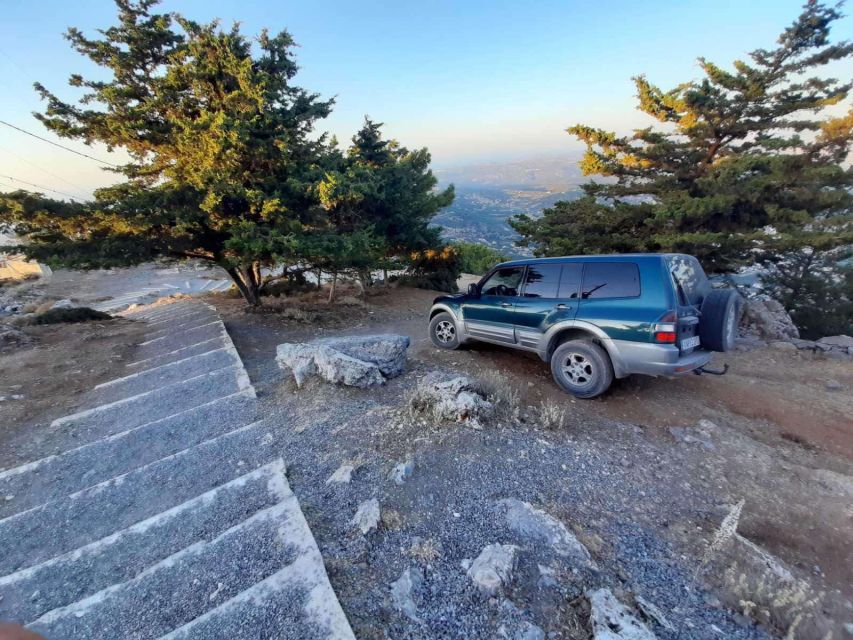
The route then heads toward Archanes, with about 40 minutes in the vehicle. The stop includes a photo opportunity, a visit, and a guided portion lasting around an hour and a half.
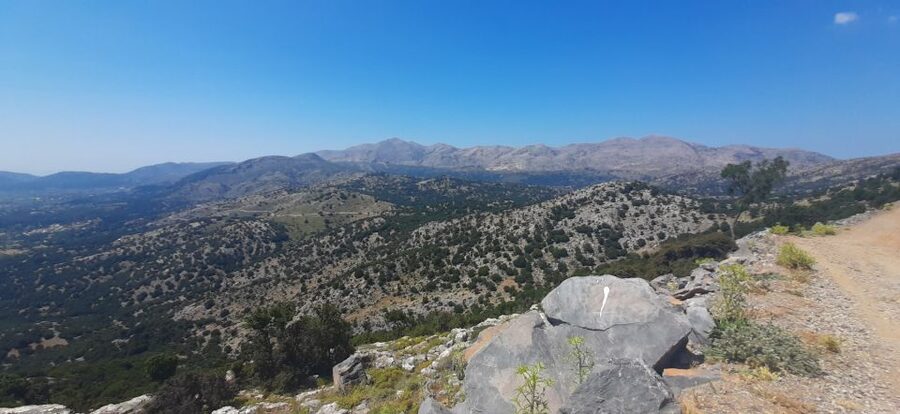
Archanes gives the day a change of rhythm. After the machinery and production talk at the olive mill and raki distillery, you get village scenery and a chance to connect the products with the communities that make them. The route through local villages is part of the experience, not just a transfer between tasting rooms.
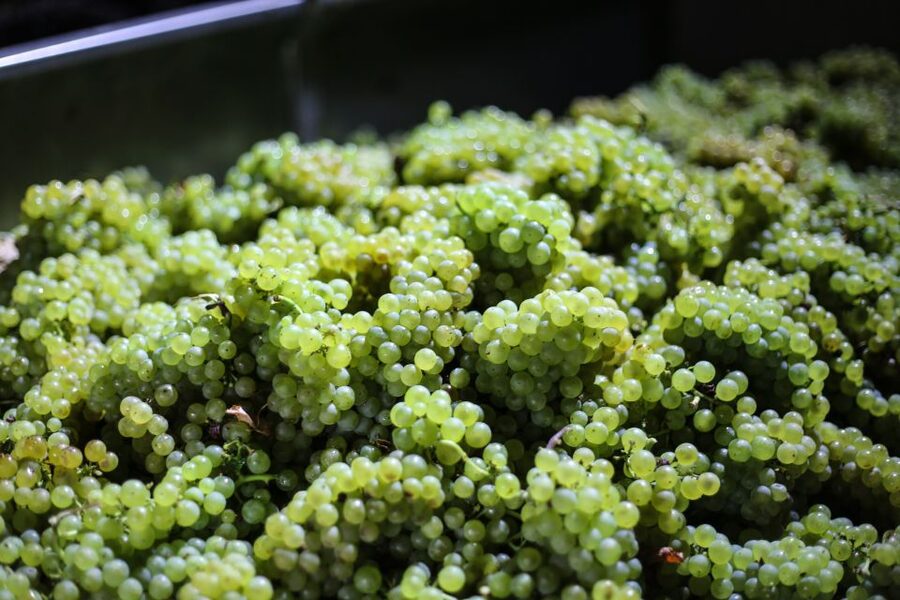
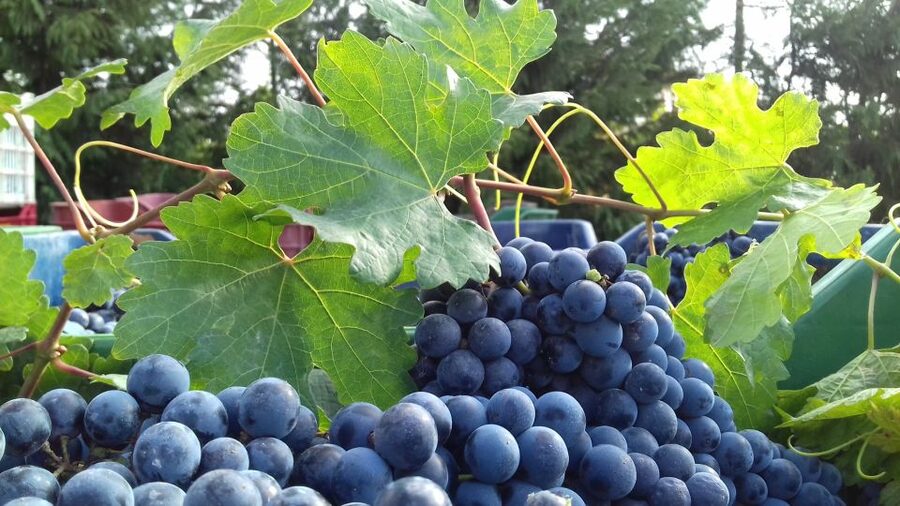
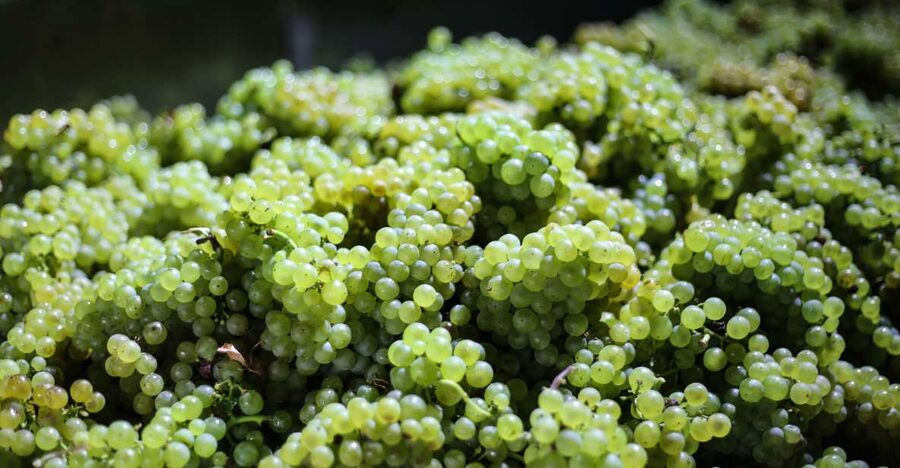
The winery visit is a major highlight. You taste four wines, including three indigenous Cretan varieties, with an explanation of how the grapes are grown and how the wines are made. This is useful even if you already know European wine because Crete has its own grape traditions, and the tasting can introduce you to varieties you are unlikely to find on a standard restaurant list at home.
One of the strongest versions of this visit was hosted by Maria, the winery owner and oenologist. The tasting was described as well paced and interactive, with a clear focus on local grape varieties. That is the kind of host you want at a winery: someone who can explain the bottle while also discussing the decisions behind it.
You will be shown how to swirl, smell, and taste the wine. Do not worry if you are new to wine language. The useful part is learning how to compare the glasses and identify what you actually like. You can also ask which bottles pair best with Cretan dishes, a question that makes the following meal more meaningful.
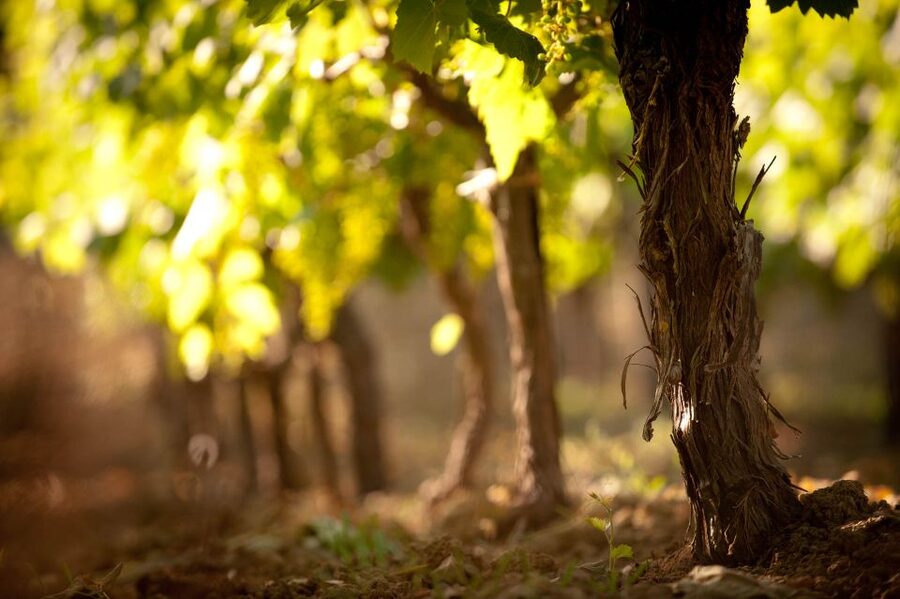
The setting among the vineyards is especially pleasant, but keep expectations realistic. This is a guided tasting within a fixed itinerary, not an afternoon spent wandering freely through a large estate. You get context, samples, and food, but not unlimited time to explore.
Same city, a different plate:
- Small Group Greek Traditional Food Tour in Athens 20+ Tastings
★ 5.0 · 1,759 reviews - Rhodes Exclusive Swim Cruise Cocktail Open bar & Gourmet Buffet
★ 5.0 · 1,230 reviews - Athens: Food Market Visit and Cooking Class with Wine
★ 4.9 · 1,087 reviews - Athens Authentic Greek Food Walking Tour (Small Group)
★ 5.0 · 809 reviews
The light lunch may be the best value of the day
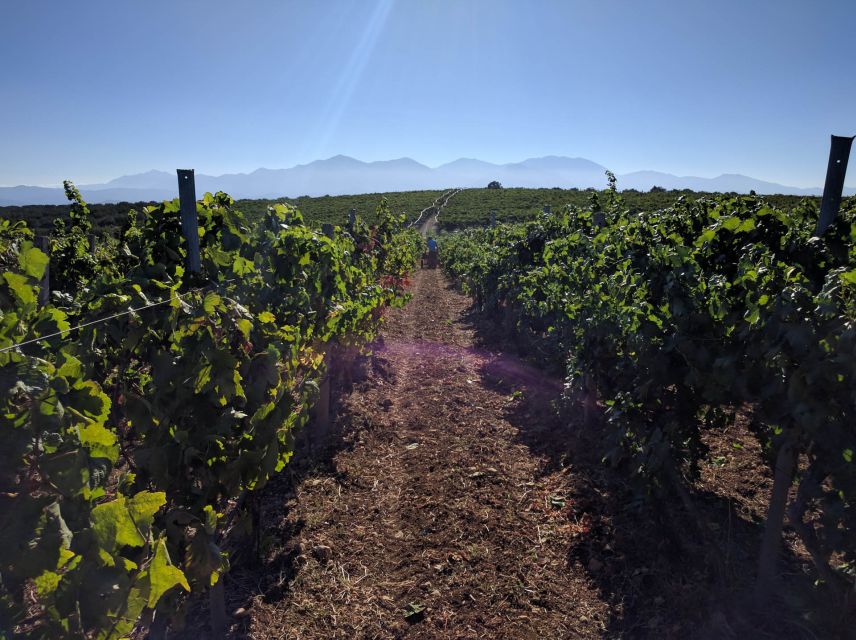
The lunch is described as light, but the experience can be quite substantial. It is served at the winery or distillery setting and centers on Cretan delicacies made with local ingredients.
Expect a spread rather than a single plated course. The meal may include the kind of fresh, home-style dishes that make Cretan cooking memorable: vegetables, salads, breads, cheeses, dips, and other local preparations. The exact menu is not fixed in the information provided, so you should not book expecting one particular dish.
The vegetarian meal received especially strong praise, with generous portions and fresh homemade food. One person described it as among the best meals of a four-week trip through Greece and the islands. That is a useful clue about the tour’s priorities: lunch is not an afterthought squeezed between tastings.
I like the way the meal completes the lesson. You first see olives and grapes as crops, then taste oil, wine, and raki, and finally sit down to eat food that uses the same local ingredients. The meal gives you a chance to slow down, ask the guide questions, and enjoy the social side of Cretan hospitality.
Coffee needs are not ignored either. A family group specifically appreciated the care taken with a coffee request, while other visitors were able to handle shopping for local products along the way. Personal purchases cost extra, but the tour makes it easy to find bottles, oils, and other food gifts.
The SUV ride makes the rural route easier
Transport is included from your accommodation, with return at the end of the day. You travel in a premium SUV or minivan, and the planned drives total roughly 110 minutes: 20 minutes to Skalani, 20 minutes to Stironas, 40 minutes to Archanes, and 30 minutes back.
That matters in Crete. Rural roads can make a self-drive food tour tiring, especially if you want to taste wine and raki. Having a driver lets you enjoy the drinks and look out at the villages instead of watching the road.
The vehicle also gives the schedule a private, cared-for feeling. Angela, Tony, Michael, Arula, Helen, and Yannis are among the guides and drivers praised for being friendly, punctual, attentive, or amusing. The exact guide is not guaranteed, but the repeated strength of the personal service is worth noting.
The tradeoff is that you spend a fair amount of the day in the vehicle. The drives are not scenic sightseeing tours with formal stops at every turn. They are necessary links between the producers. Use them to rest, ask your guide about Heraklion and the villages, or note places you may want to revisit.
What $126 buys you
At $126 per person, the price is reasonable if you would otherwise pay separately for transport, a winery visit, an olive oil tasting, a raki tasting, lunch, and a private guide. Those costs can add up quickly, and renting a car creates its own expense and responsibility.
The value is strongest for first-time visitors who want a structured introduction to Cretan food. You receive pickup and return, a premium vehicle, an English-speaking guide, visits to several producers, multiple tastings, and lunch. Personal expenses are not included, so leave room in your budget for bottles or other products.
The price is less compelling if you mainly want to buy wine or olive oil cheaply. This is an educational day with hospitality and transport built in, not a shopping transfer. You are paying for access, explanation, and the ease of having someone else manage the route.
The small-group feel also matters. One outing had only four people plus the driver, creating more room for questions and conversation. Group size can vary, so do not assume every departure will be that intimate, but the experience is clearly designed to feel more personal than a large coach excursion.
Who should book this day
You should consider this tour if you:
- Enjoy tasting food and drink with an explanation of how it is produced.
- Want to visit rural Crete without driving.
- Prefer family-run or small-scale businesses to large commercial attractions.
- Like a full day with a clear schedule and several different stops.
- Want a substantial local meal included.
- Are happy to spend most of the day focused on olive oil, wine, raki, and village food.
You may want a different activity if you do not drink alcohol, dislike fixed itineraries, or want more time for archaeological sites and independent village walks. This is a culinary day first, with scenery and local culture supporting that purpose.
The six-and-a-half-hour duration is long enough to feel worthwhile without taking your entire holiday day. Starting times vary, so check availability when booking. Cancellation is free up to 24 hours in advance, and you can reserve now and pay later, which helps if your Crete plans are still shifting.
Should you book the olive oil, wine, and raki tour?
I would book it if you want one well-organized day that explains how several Cretan staples reach your table. The strongest reasons are the small producers, the excellent lunch, the chance to taste indigenous wines, and the convenience of a driver.
I would be especially keen to go early in a Crete stay. The guide can help you understand local food, suggest places to eat, and point out products worth seeking during the rest of your trip. Guides such as Yannis have also helped shape broader plans around Heraklion, adding value beyond the scheduled stops.
Book with realistic expectations: you will spend time in a vehicle, tastings are central, and the schedule leaves limited room for wandering. If that sounds like your kind of day, $126 buys a useful, tasty introduction to the island, with enough personal contact to make the producers memorable.
FAQ
How long does the Crete olive oil, wine, and raki tour last?
The activity lasts 6.5 hours, including transportation between the olive mill, raki distillery, winery area, and return point.
What is included in the price?
The price includes pickup and return, a premium SUV or minivan, an English-speaking guide, the olive grove and mill visit, olive oil tasting, a winery tour, wine tasting, a raki distillery tour, raki tasting, local snacks, and a light lunch.
How many wines will I taste?
The guided tasting includes four wines, with three indigenous Cretan grape varieties included in the program.
How many rakis are included?
You taste two different rakis during the visit to the rakokazano, or raki distillery.
Is transportation provided from my accommodation?
Yes. Pickup and return to your accommodation are included. The route uses a premium SUV or minivan.
Can I cancel the booking?
Yes. You can cancel up to 24 hours in advance for a full refund. The activity also allows you to reserve now and pay later.
Fresh off the menu around Greece
- Santorini: Private Catamaran Cruise with Food & Drinks★ 5.0 · 180 reviews
- Santorini: Wine Tasting Tour & Sunset Viewing★ 4.8 · 255 reviews
- Santorini: Sunset Walking Tour with Local Food and Drinks★ 4.9 · 160 reviews
- Sailing tour around Lindos with food and drinks★ 4.8 · 54 reviews
- Rhodes: Boat Tour with Snorkeling, Gourmet Buffet & Open Bar★ 4.8 · 595 reviews
- Rethymno:Evening tasting tour★ 4.7 · 25 reviews
- Rhodes: Sunset Cruise w/ Gourmet Buffet, Drinks & Live Music★ 4.7 · 321 reviews
- Rethymno Old Town: A Traditional Cretan Food Tour★ 4.9 · 103 reviews
Greece Food Tours, compared.
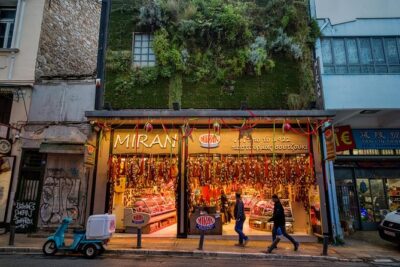

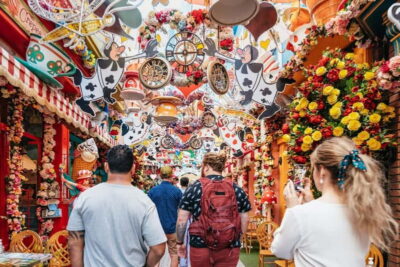
Athens: Guided Greek Food Walking Tour with Tastings
Read our review →
Small Group Greek Traditional Food Tour in Athens 20+ Tastings
Read our review →
Rhodes Exclusive Swim Cruise Cocktail Open bar & Gourmet Buffet
Read our review →
Athens: Food Market Visit and Cooking Class with Wine
Read our review →
Athens Authentic Greek Food Walking Tour (Small Group)
Read our review →
Browse the lists this tour appears in