
Review · CHARLESTON
Charleston’s Historic Downtown Food Tour
Charleston’s food tells a bigger story than its pretty streets suggest. This walking tour links she-crab soup, Carolina rice, barbecue, and dessert to French cooking, African ingredients, Gullah Geechee culture, piracy, and the city’s long port history. You walk between four restaurant stops, so the meal comes with context rather than a parade of disconnected bites.
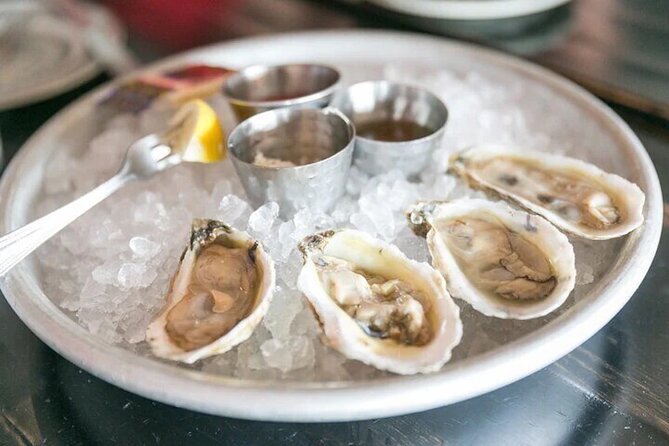
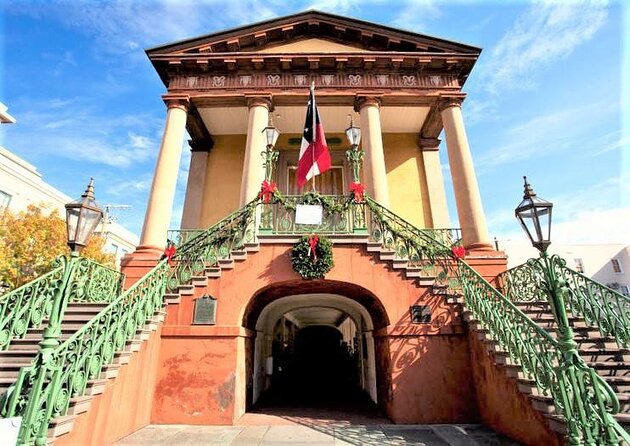
I like the mix of sit-down tastings and historic sightseeing, especially the chance to pause at Rainbow Row, the Pineapple Fountain, the Old Exchange, and Charleston City Market. I also like the small group limit of 15, which gives guides such as Page, Paige, Jeff, or Emerson room to answer questions. The catch is pace: some tours finish closer to two hours than the advertised two and a half, and the food may not include shrimp and grits.
Key points to know before booking
- Four restaurant stops provide a full lunch: Past tastings have included she-crab soup, rice with chicken, a pulled pork slider, and dessert.
- Food comes with Charleston context: You’ll hear about French influence, African ingredients, Gullah Geechee culture, slavery, the slave trade, piracy, and privateering.
- The route covers major downtown sights: Rainbow Row, the Pineapple Fountain, the Old Exchange and Provost Dungeon, and Charleston City Market all fit into the walk.
- The group is capped at 15 people: That is small enough for questions and conversation without making the tour feel private.
- Plan for a brisk schedule: You move from restaurant to restaurant, and there is not much time for lingering over drinks.
- The food lineup can change: She-crab soup has been a favorite, but advertised shrimp and grits are not reliably served.
Four stops that connect Charleston’s table to its past
The tour begins at 195 East Bay Street and returns there at the end. The route is compact, but it is not simply a meal with a few facts sprinkled on top. Each stop gives the guide a place to explain how Charleston developed its particular way of cooking.
You should expect a walking tour with regular restaurant visits, not a market crawl where you sample tiny tastes while standing on a sidewalk. The four food stops are intended to add up to lunch. At several points, you sit down, eat, and listen.
More food history walks around the USA:
- Historic Ybor City Food Walking Tour
★ 5.0 · 2,210 reviews - Boston Food & History: Pizza, North End & Freedom Trail
★ 5.0 · 1,772 reviews - New Orleans Food and History Walking Tour
★ 5.0 · 1,544 reviews
Rainbow Row and the French imprint on Charleston cooking
Rainbow Row is a quick stop rather than a full attraction visit. The colorful row of historic houses provides a visual introduction to Charleston’s French Quarter, while the guide explains how French culture influenced local cooking.
The useful point here is that Charleston food did not develop from one tradition alone. French settlers and cooks helped shape local tastes, techniques, and dishes, while ingredients and methods from Africa and the Caribbean became just as important. The tour uses Rainbow Row to begin that conversation before moving on to the food.
You will not spend long at this landmark. The scheduled stop is about 15 minutes, and admission is free because you are viewing the area from the public streets. If you want detailed architectural information or an interior visit, plan to explore Rainbow Row separately.
The Pineapple Fountain and the meaning of hospitality
The walk continues toward the Pineapple Fountain, one of Charleston’s familiar symbols of welcome. The stop lasts about 20 minutes, giving the guide time to connect the city’s public image of hospitality with its cooking and social customs.
This is a good place to slow down and take in the setting. The fountain is more than a quick photo stop in the structure of the tour, although the emphasis remains on conversation rather than a formal monument visit.
Charleston’s hospitality has complicated roots, and the tour is strongest when it treats those roots honestly. You may hear how the city presents itself, alongside the harder story of slavery and the slave trade that helped shape its wealth, foodways, and population. The subject is not an optional footnote. It is part of understanding why Charleston cooks with the ingredients and traditions it does.
The Old Exchange and Provost Dungeon, where pirates enter the story
At the Old Exchange and Provost Dungeon, the guide turns to pirates, privateers, and the early 1700s. The stop is scheduled for about 15 minutes and focuses on how maritime activity affected what people in Charleston ate.
This is a welcome change from the usual plantation and Civil War emphasis found on many city walks. Ports are shaped by what ships bring in, what sailors trade, and what crews can preserve for long voyages. The tour uses piracy and privateering to explain how Charleston’s diet developed in a busy Atlantic setting.
The stop is primarily an exterior history talk. Admission to the Old Exchange and Provost Dungeon is not included, so do not expect a separate dungeon tour as part of this experience. If the building interests you, you can return on your own.
More food tours around the USA:
- New Orleans Food Walking Tour of the French Quarter with Small-Group Option
★ 5.0 · 6,118 reviews - Chef Guided Food Tour of Pike Place Market
★ 5.0 · 3,733 reviews - Savannah First Squares Culinary & Cultural Walking Food Tour
★ 5.0 · 3,229 reviews - NYC: Chinatown & Little Italy Food Tour with 7 Flavorful Tastings
★ 5.0 · 2,733 reviews
Charleston City Market and African culinary influence
The final major sightseeing stop is Charleston City Market, with about 20 minutes devoted to African influence on local cuisine and the ingredients that entered Charleston cooking through African and Gullah traditions.
This may be the most important food conversation of the walk. Rice, for example, is not just a side dish in Low Country cooking. It connects the region to West Africa, agricultural knowledge, forced migration, and the communities that preserved and adapted those traditions.
The guide may also discuss Gullah Geechee culture, which adds needed depth to a discussion of Southern food. You should expect the history to include slavery and the slave trade directly. That can make the tour more serious than a standard tasting walk, but it also makes the food more meaningful.
What you are likely to eat at the four restaurants
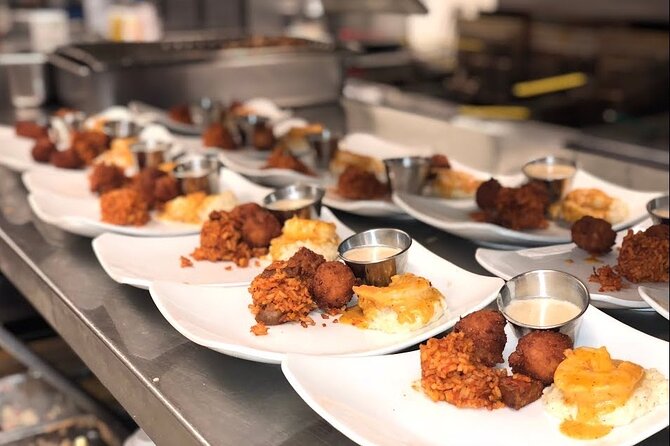
The exact menu can change, so do not book this expecting one fixed plate. The most consistently described lineup includes she-crab soup, a rice and chicken dish or rice jollof, a pulled pork slider, and dessert.
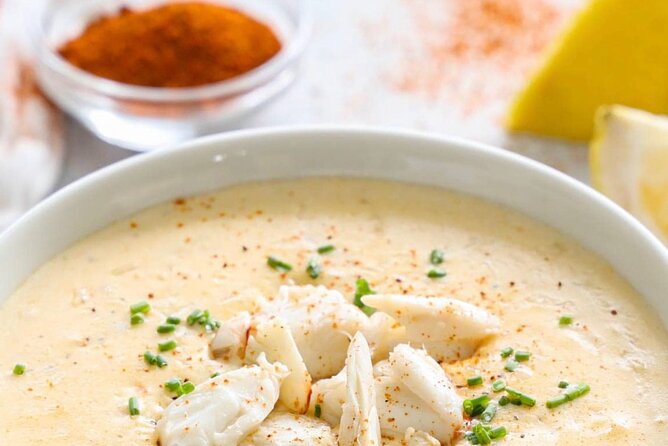
She-crab soup is often the highlight. It gives the guide a natural way to explain Charleston’s coastal cooking and the dish’s place in local food culture. It is also a useful first taste because it is unmistakably tied to the area rather than being a generic restaurant sample.
A rice dish follows in some versions of the tour. The combination of rice, chicken, and seasoning helps connect the meal to Low Country cooking and African culinary influence. Portions are described as sensible rather than oversized, but four stops together can leave you comfortably full.
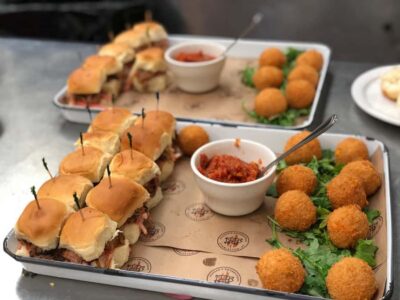
The barbecue course may arrive as a pulled pork slider. This is an easy food to eat during a walking day, though it may feel less distinctive than the soup or rice. Dessert closes the meal and has received especially warm attention, making it a welcome final stop.
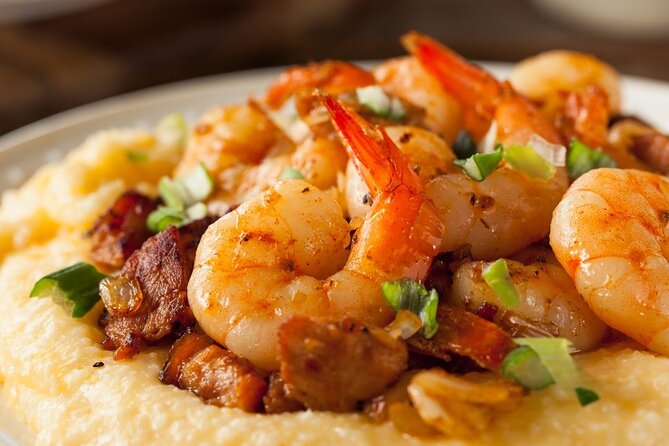
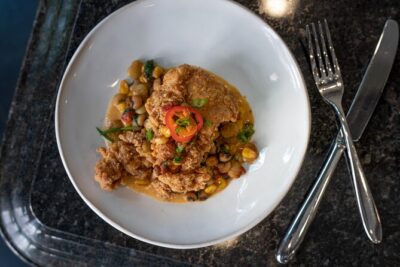
One practical warning matters here: shrimp and grits appear in the tour’s promotional imagery but are not always served. If that dish is the main reason you want to book, contact Charleston Tours before paying. The menu is better understood as a changing sample of local food, not a guaranteed checklist.
Why the history makes the food better
A food tour can be shallow if the guide simply names dishes and moves on. This one has more to offer because the stories explain why Charleston food tastes the way it does.
French influence gives you one thread. African ingredients, rice-growing knowledge, and Gullah Geechee traditions give you another. Maritime trade and piracy add a third. Together, these subjects help you see Charleston cooking as the product of contact, migration, power, and survival.
I especially value the willingness to discuss slavery and the slave trade. You should not expect every story to be light or comfortable, and that is appropriate. Any serious account of Charleston’s cuisine must address who farmed, cooked, served, and generated the wealth behind the city’s dining culture.
The best guides make these connections while you eat. Page and Paige have been singled out for warm, clear storytelling, while Jeff is praised for adding a strong historical angle. Emerson is noted for broad American history knowledge, though the food on that particular tour was considered less impressive. Your experience will depend partly on the guide and the day’s restaurant lineup.
A brisk walk, not a long restaurant afternoon
The experience lasts approximately two and a half hours, but you should leave room for variation. Some groups have finished in about two hours, which matters if you plan another activity immediately afterward.
The route includes several walking segments through the historic district. You do not need to arrange transportation between stops, and the tour begins and ends at the same East Bay Street meeting point. It is near public transportation, and most people can participate.
The pace is part of the bargain. You get a substantial amount of food and a good amount of history in a short window, but you may not have time to sit over a cocktail or linger at each restaurant. Alcohol is not included, though you can buy a drink at a venue if time allows.
Allow a little flexibility for weather. The tour requires good weather, and poor conditions can lead to a new date or a full refund. Even in decent weather, wear comfortable shoes and bring protection from sun or rain. The experience includes outdoor walking between indoor food stops.
There are opportunities for a restroom break, which is useful with several food stops close together. Children ages zero to six may attend, but their ticket does not include food. The maximum group size is 15, a reasonable size for moving through restaurants without the feel of a large bus tour.
Is $110 a fair price?
At $110, this is not a cheap way to grab lunch. You are paying for four tastings, a guide, restaurant access, and a walking tour through central Charleston.
The value depends on how you normally travel. If you would spend money on a downtown lunch and a separate history walk, the combined price becomes easier to justify. You also avoid the work of choosing restaurants and guessing which local dishes are worth ordering.
The VIP access matters most if it truly saves waiting time. You move through popular restaurants with a planned group rather than building your afternoon around restaurant lines. That said, do not expect four full restaurant meals. The portions are tasting-sized, and the value comes from variety and interpretation.
I would book this early in a Charleston visit, not because the tour covers every major sight, but because it helps you understand what you are eating afterward. You can return to a favorite restaurant, order a larger version of a dish, or explore the City Market and French Quarter with better context.
Who will enjoy this food walk most?
This tour suits you if you want a broad introduction to Charleston in one compact outing. It works especially well for first-time visitors who want food and history together rather than a dedicated museum visit followed by a separate meal.
It is also a good match for people who enjoy asking questions. The small group cap gives the guide more room to respond, and the walk includes subjects that reward conversation. If you care about the origins of Southern food, the sections on African influence and Gullah Geechee culture add real substance.
Families can participate, although young children do not receive included food. People with limited stamina should consider the walking pace and outdoor sections. Most people can take part, but this is still a walking experience, not a seated tasting.
You may want something else if you are seeking a slow, luxury meal with time for wine and conversation. The schedule keeps moving. It is also not the right choice if you need a guaranteed shrimp and grits tasting or a fixed menu.
Small details that can improve your day
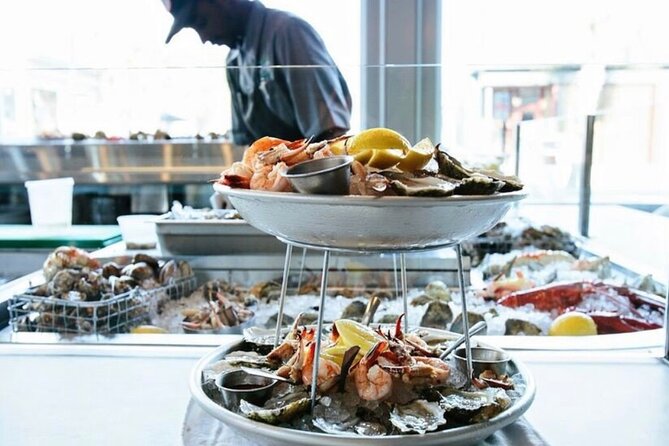
Book with the food lineup in mind, not a single promised dish. She-crab soup appears to be the safest bet among the commonly described samples, while shrimp and grits should be treated as uncertain.
Avoid scheduling another tour immediately afterward. Since some versions run about two hours and others closer to two and a half, you need enough space for a late finish. The same advice applies to restaurant reservations.
Ask about alcohol before ordering. Drinks are extra, and the pace may not allow much time to enjoy one. If you want a cocktail with lunch, make it a flexible choice rather than the center of your plan.
Use the return to East Bay Street as an advantage. Afterward, you can continue exploring downtown on foot, revisit a landmark such as the Old Exchange, or stop at the City Market with the guide’s food history in mind.
Free cancellation is available if you cancel at least 24 hours before the start time. Changes or cancellations inside that window are not refunded, and weather-related cancellations offer a different date or a full refund.
Should you book Charleston’s Historic Downtown Food Tour?
I would book it if you want a filling introduction to Charleston’s food and the forces that shaped it. The strongest parts are the she-crab soup, the rice-centered discussion, the African and Gullah Geechee context, and the guides’ ability to connect each bite to a place in the city.
Go in expecting a brisk four-stop tasting, not a leisurely restaurant crawl. Keep your schedule open, confirm the current menu if shrimp and grits matter to you, and accept that the tour may finish sooner than the stated two and a half hours.
At $110, it is best value for a first visit, a curious eater, or anyone who would otherwise pay separately for lunch and a downtown history walk. If you want a guaranteed menu, long meals, or plenty of time for drinks, choose a slower food experience instead.
FAQ
How long does Charleston’s Historic Downtown Food Tour last?
The tour is advertised at approximately two hours and 30 minutes. Some tours may finish closer to two hours, so leave extra space before scheduling another activity.
Where does the tour begin and end?
It begins at 195 East Bay Street in Charleston, South Carolina, and ends back at the same meeting point.
What food is included?
Food tastings at four different restaurant stops are included and are intended to provide a full lunch. Past tastings have included she-crab soup, rice and chicken or rice jollof, a pulled pork slider, and dessert, but the menu can change.
Are drinks included?
Alcoholic beverages are not included. You may purchase alcohol at the venues if you want a cocktail or another drink with your food.
Is shrimp and grits guaranteed?
No. Shrimp and grits have appeared in promotional material but are not reliably part of the current food selection. Confirm the menu with Charleston Tours if this dish is important to you.
What happens if bad weather cancels the tour?
If poor weather causes the tour to be canceled, you will be offered another date or a full refund. For personal cancellations, cancel at least 24 hours before the start time to receive a full refund.
Fresh off the menu around the USA
- Miami: South Beach Food Tour★ 4.7 · 141 reviews
- South Beach Tour des Forks: Eat Like a Local★ 4.7 · 68 reviews
- Sonoma Valley: Wine Trolley Tasting Tour with Lunch★ 4.3 · 22 reviews
- Shadows, Scandals & Secrets of Sacramento Ghost Tours★ 4.1 · 82 reviews
- Las Vegas Strip: Foodie Walking Tour★ 4.8 · 69 reviews
- Chicago: Secret Food Tour★ 4.8 · 68 reviews
- Seattle: Pike Place Market Seafood Tasting Tour★ 4.7 · 26 reviews
- Seattle: Plant-Based in Pike Place Food Tour★ 4.7 · 56 reviews
Charleston Food Tours, compared.
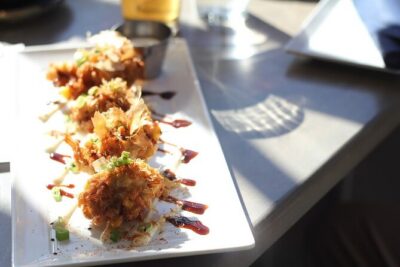
Charleston French Quarter or Brunch Food Tour with 7+ Tastings
Read our review →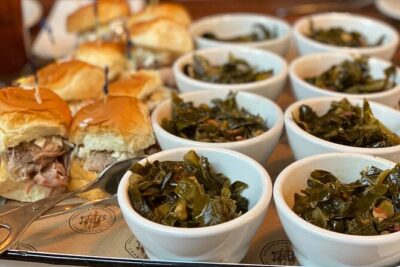
Savor the Flavors of Charleston Walking Food Tour
Read our review →
Charleston: Small Group Food Tour – Savor the Flavors
Read our review →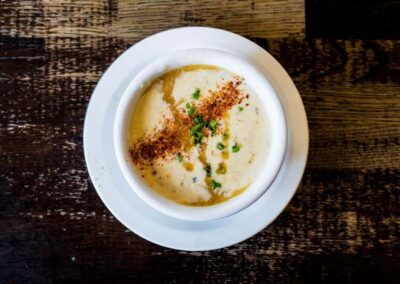
Browse the lists this tour appears in