
Review · CHARLESTON
Charleston: Historic Downtown Food Tour
Charleston’s best food stories make more sense when you eat them in the same streets where the city’s culture took shape. This 150-minute tour links four Historic Downtown restaurants with short walks past the Old Exchange building, Waterfront Park, and its pineapple fountain. You skip some restaurant lines, taste Southern staples, and get a useful first look at the old city.
I like the mix of generous tasting portions and easy-to-follow history. I also like that the guides, including Paige, Jackson, Emerson, Trevor, and Jeff, bring their own local stories to the walk instead of simply reciting dates. The main caution is that the food is served in samples, not as four sit-down meals, and the dessert can vary in quality.
Key points to know before booking
- Four restaurant stops: Quick access and food samples at four Historic Downtown establishments.
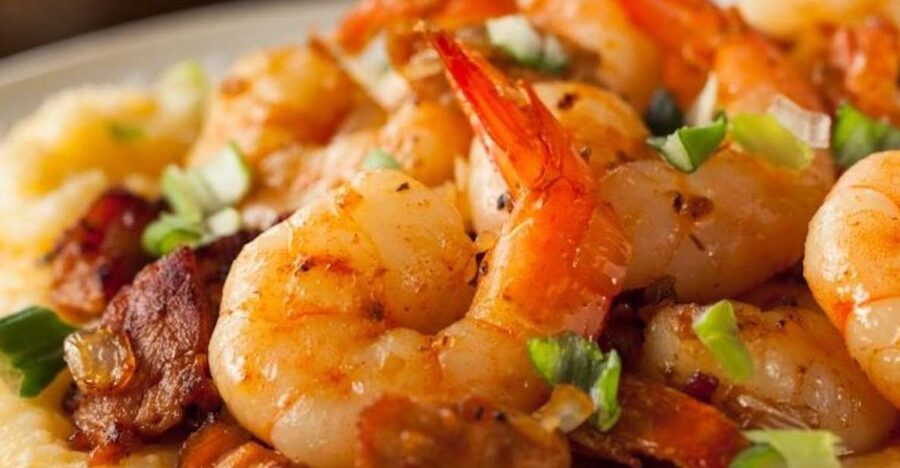
- Classic Charleston dishes: Expect foods such as hushpuppies, she-crab soup, oysters, shrimp and grits, carrot cake, and other Southern specialties.
- About one mile on foot: The route uses Charleston’s cobblestone streets and is not suitable for people with mobility impairments.
- History between bites: Walk past the Old Exchange building and Waterfront Park while your guide explains Charleston’s past and food traditions.
- A full meal by the end: Individual tastings are not full plates, but the portions should add up to a satisfying meal.
- Strong guide record: Paige, Jackson, Emerson, Trevor, and other guides are praised for friendly delivery, local detail, and food knowledge.
Four restaurants, one walk through Charleston
This is not a restaurant crawl where you sit down for a full entrée at each stop. Instead, you move through four food establishments in the center of Charleston, spending about 20 minutes at each one. The samples are meant to build into a full meal by the end.
That format works well in Charleston. The Historic District is compact, and the short walks give your stomach a break while putting the food in its local setting. You are not sealed inside a dining room for two and a half hours. You are outside, looking up at old buildings, crossing historic streets, and moving between the city’s food traditions.
The tour includes quick access at each restaurant, which matters in a popular downtown dining area. You are not promised an entirely private room or a long, leisurely meal. What you do get is a way to sample several places without spending an evening ordering multiple dishes, waiting for each course, and paying separate restaurant bills.
I would book this early in a Charleston visit. The tour gives you a sense of the dishes you may want to order later, and it also helps you understand the layout of the central city. By the time it ends, you will have a short list of foods worth seeking out again.
More food history walks around the USA:
- Historic Ybor City Food Walking Tour
★ 5.0 · 2,210 reviews - Boston Food & History: Pizza, North End & Freedom Trail
★ 5.0 · 1,772 reviews - New Orleans Food and History Walking Tour
★ 5.0 · 1,544 reviews
Hushpuppies, soup, oysters, and shrimp and grits
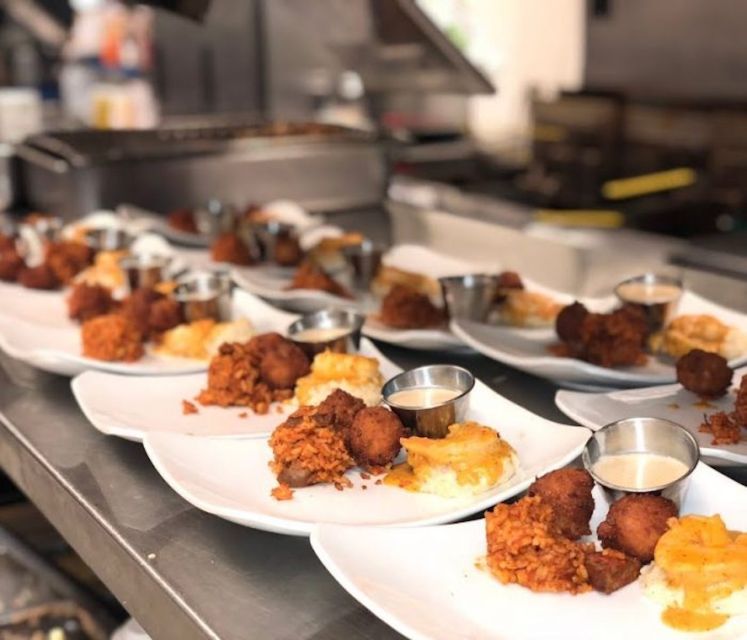
The food selection covers several of the dishes most closely associated with Charleston and the Lowcountry. Hushpuppies offer a simple introduction: crisp outside, soft inside, and designed to be eaten without ceremony. They are a small item, but they help show how Southern food often turns humble ingredients into something satisfying.
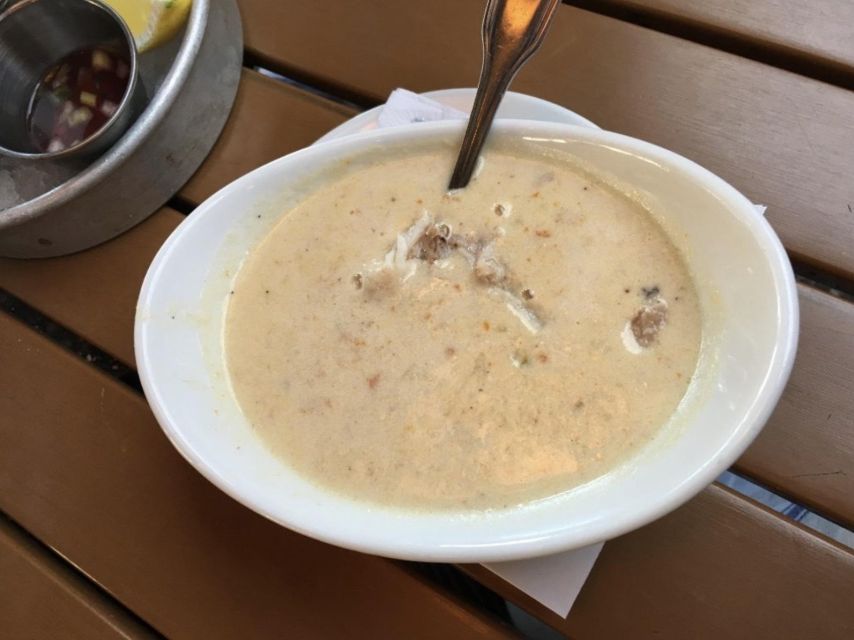
She-crab soup is one of the major draws. This creamy seafood soup is associated with Charleston, and the tour gives you a chance to try it without committing to a full bowl. One of the strongest food reactions from the tour was to the she-crab soup, so I would pay particular attention to this stop if local seafood is high on your list.
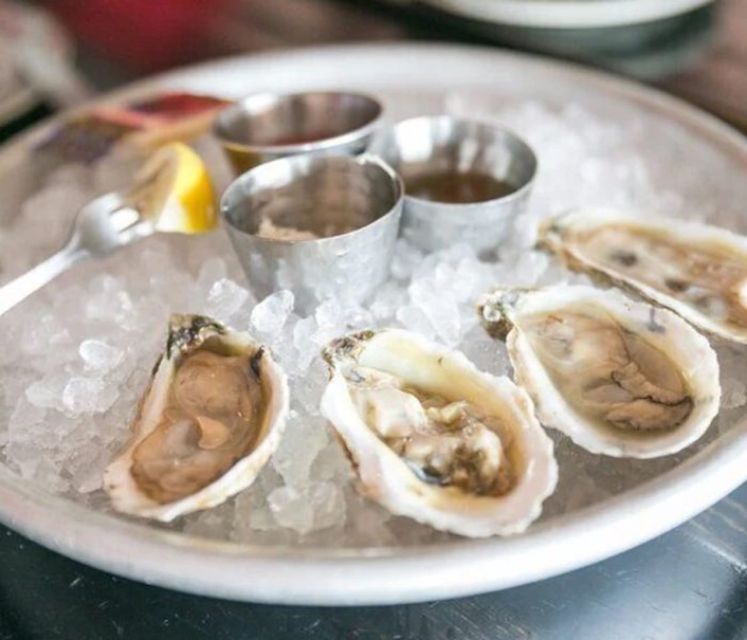
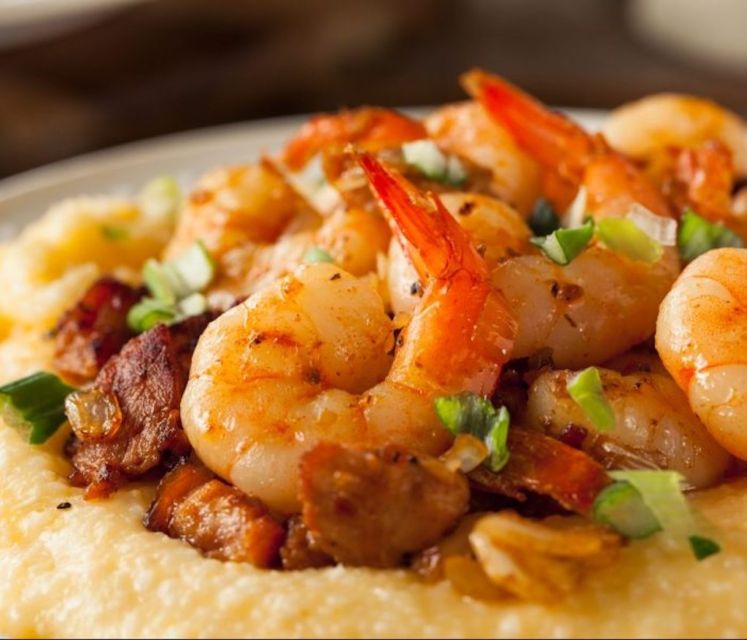
You may also sample oysters, a natural fit for a coastal city, along with shrimp and grits. These dishes let you compare different sides of Charleston cooking. Oysters are direct and briny, while shrimp and grits are warmer and more filling, with the flavor depending on the seasoning and preparation at the restaurant.
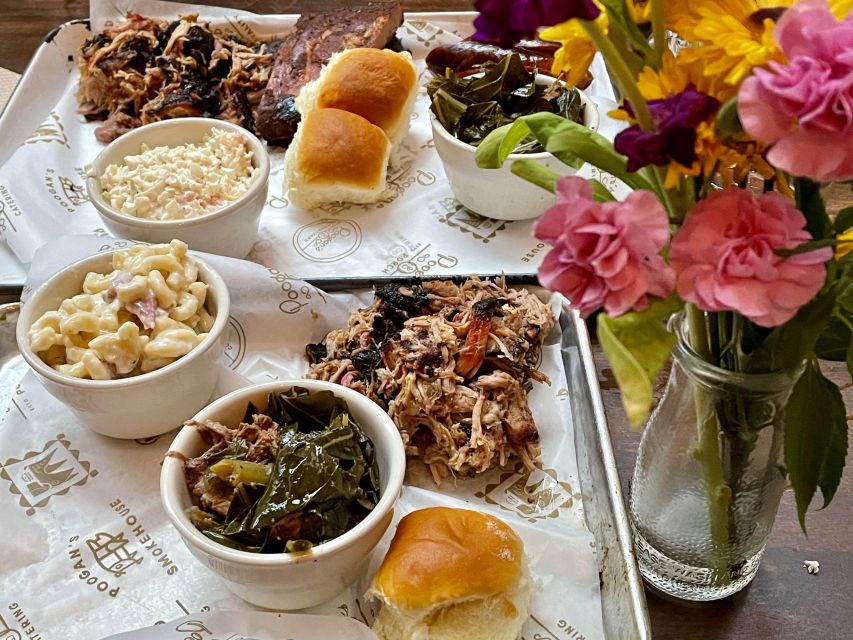
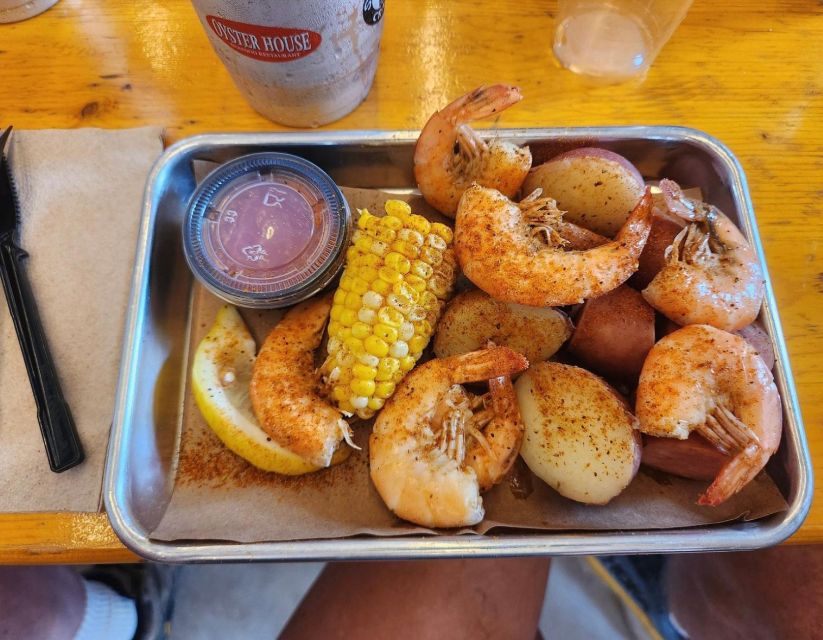
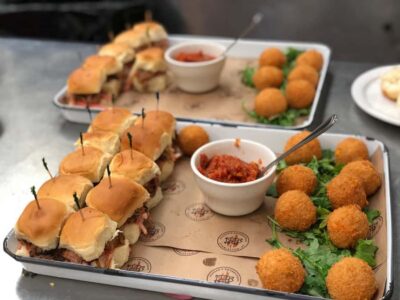
The listed highlights also include carrot cake. Other food selections can change, and past menus have included items such as low country boil, barbecue, collard greens, cornbread, and other Southern dishes. That variety is part of the appeal, but it also means you should not treat the exact menu as fixed.
A practical note: tell the guide about food restrictions or dislikes at the start, but do not assume every item can be replaced. The tour is built around sampling a range of local foods, so it works best if you arrive open to trying dishes you might not normally order.
Why the history works best between food stops
Charleston’s old streets can feel like a series of pretty views unless someone explains what you are seeing. The walking portion adds meaning to the meal. Your guide leads you through the Historic District, passing landmarks such as the Old Exchange building and the pineapple fountain at Waterfront Park.
The Old Exchange is one of the city’s major historic landmarks, while the pineapple fountain has become a recognizable symbol of Charleston hospitality. Seeing both during a food walk gives you more than a list of restaurant names. The city itself becomes part of the experience.
The historical information also connects with the dishes. Your guide discusses Charleston’s culinary contributions, local food customs, and the origins of dishes served along the way. Emerson, for example, was praised for explaining both food and its background, while Paige was repeatedly noted for linking local dishes with Charleston history.
The balance is generally about right for a food tour. You get a story during the walk, then something to eat, then another short walk. A few comments indicate that some people would have liked more detail about the streets and areas passed along the route. If your main goal is an in-depth history lesson, choose a dedicated walking tour instead. If you want food first with history woven in, this format makes more sense.
Guides who shape the experience
The guide matters a great deal here because the food stops are short. You need someone who can keep the group moving, explain unfamiliar dishes clearly, and make the walking portions feel useful rather than like time between plates.
Paige receives especially strong praise for her warm, professional approach and her ability to make the history easy to follow. Jackson is described as friendly, entertaining, and helpful with photographs. Trevor is noted for his energy and stories, while Emerson is praised for answering questions about both food and Charleston without hesitation.
Other guides, including Jeff, have also been singled out for combining food knowledge with local history. One particularly useful feature is the personal angle. Some guides share experiences from living in Charleston, which can give the tour a more natural feel than a memorized script.
The tour can work well for solo visitors, couples, and small groups. A past group of one had the guide to themselves, and the walk also gives you a chance to meet people from other places without requiring a formal social activity. Private groups are available if you want the guide’s attention focused on your own party.
Guide assignments can change, so book this for the food and format rather than for a specific person. Still, the repeated strength of the guiding is one of the tour’s biggest advantages.
More food tours around the USA:
- New Orleans Food Walking Tour of the French Quarter with Small-Group Option
★ 5.0 · 6,118 reviews - Chef Guided Food Tour of Pike Place Market
★ 5.0 · 3,733 reviews - Savannah First Squares Culinary & Cultural Walking Food Tour
★ 5.0 · 3,229 reviews - NYC: Chinatown & Little Italy Food Tour with 7 Flavorful Tastings
★ 5.0 · 2,733 reviews
Portion sizes and the dessert question
The tour description is careful to say that each stop is a sample, not a full meal. That is important. You should not expect to sit down and receive a complete restaurant course at every stop.
At the same time, the total amount of food is intended to equal a full portion by the end. Several comments describe the servings as generous, and some people finished the route feeling comfortably full. A low country boil serving, in particular, was considered large enough that one person suggested making it smaller and adding shrimp and grits instead.
That is useful advice if you are comparing this with other food tours. You will not leave hungry, but the balance between dishes may vary. One stop might feel like a hearty plate, while another is closer to a tasting.
Dessert is the least predictable part. The final sweet course is selected according to what the local business has on its daily menu, so the guide may not know the exact dessert in advance. Carrot cake is one listed possibility, but chocolate cake with peanut butter icing has also appeared.
Most of the savory food receives strong praise, while the dessert has been the main weak spot. Some people found it dry or less distinctive than the other dishes. I would not cancel the tour over that, but I would treat dessert as an extra rather than the grand finale you are paying for.
Is $111 a fair price?
At $111 per person, this is not a cheap way to grab lunch. The price makes more sense when you count what is included: food at four restaurants, quick access at busy stops, a live guide, and a walking tour through central Charleston.
You are also paying for variety. Ordering similar dishes on your own could mean sharing several plates, finding available tables, waiting between restaurants, and handling the route yourself. The tour removes much of that work and gives you a planned introduction to local food.
The value depends on your appetite and your interest in guidance. If you mainly want the lowest-cost way to eat hushpuppies or shrimp and grits, you can spend less at one restaurant. If you want to sample several Charleston specialties while learning where you are, the price is easier to justify.
I see this as a good first-day activity, especially if you have only a short stay. It combines lunch-sized food with orientation, so you can use the rest of your visit to return to dishes or neighborhoods that caught your attention.
The reserve-now-and-pay-later option also helps if your schedule is still taking shape. Cancellation is allowed up to 24 hours ahead for a full refund, which is useful in a city where weather and plans can shift.
Walking, weather, and timing
The route covers about one mile, but the surface matters more than the distance. Charleston’s Historic District includes cobblestones and uneven streets, so comfortable shoes are essential. The tour is not suitable for people with mobility impairments.
Plan on being outside in changing conditions. The tour runs rain or shine, so bring clothing that suits the forecast and do not wear anything you would regret getting damp. Hot weather can also make the walk feel longer, although guides have taken care to help people stay comfortable in warm conditions.
The meeting point is beneath the awning in front of the Charleston Tours & Activities windows. Arrive about 10 minutes early for check-in. Guides typically arrive around 15 minutes before departure, so do not worry if you reach the meeting point before you see one.
The tour returns to the same spot where it begins. That makes it easy to continue exploring downtown, return to your hotel, or plan another meal without arranging transport.
Child tickets for ages zero to six do not include food. Families should also consider the mile of walking and the two-and-a-half-hour time commitment before booking.
Who will enjoy this Charleston food tour?
I would choose this experience if you want a guided introduction to Charleston cuisine without spending a full day on a formal culinary program. It suits first-time visitors, people who enjoy seafood and Southern cooking, and anyone who wants history delivered in manageable pieces.
It is also a good choice for solo visitors. The route gives you a clear plan, a guide to talk with, and a social setting that does not feel forced.
You may want a different activity if you need a fully accessible route, prefer long sit-down meals, or want complete control over every dish. Picky eaters may also find the changing menu less comfortable than ordering from a restaurant menu.
The best timing is early in your stay. Use the food suggestions to shape later meals, and use the walking route to get your bearings in the Historic District before exploring on your own.
Should you book it?
Book this tour if you want four local food stops, a mile of Charleston sightseeing, and a guide who can explain why the dishes matter. The strongest parts are the she-crab soup, the Southern savory foods, the convenient restaurant access, and the guides’ mix of food facts, city history, and personal stories.
Keep expectations sensible. You are getting tastings rather than four full restaurant meals, the exact menu may change, and dessert is less reliable than the savory courses. At $111, the experience earns its price through variety, access, and local direction rather than sheer quantity.
For a first visit, I think it is a smart way to start eating your way through Charleston. If you prefer to explore at your own pace or need a highly accessible route, skip it and choose individual restaurants instead.
FAQ
How long does the Charleston Historic Downtown Food Tour last?
The tour lasts 150 minutes. Individual restaurant stops take about 20 minutes, with walking and sightseeing between them.
How much walking is involved?
You will walk about one mile through Charleston’s Historic District, including cobblestone streets.
Which foods can I expect to sample?
Possible samples include hushpuppies, carrot cake, she-crab soup, oysters, and shrimp and grits. Other Southern dishes may be served, and the exact menu can vary.
Is this a full meal?
Each stop provides a sample rather than a complete meal. The total food served across four stops should add up to a full portion by the end.
Are restaurant lines skipped?
The tour includes quick access at four Charleston food establishments, allowing you to skip the line at some busy downtown restaurants.
Where does the tour meet?
Your guide meets you beneath the awning in front of the Charleston Tours & Activities windows. The tour ends at the same location.
Is the tour suitable for children?
Children ages zero to six can join, but their tickets do not include food. The mile of walking and the rain-or-shine format should also be considered.
Can I cancel the booking?
You can cancel up to 24 hours before the tour for a full refund. A reserve-now-and-pay-later option is also available.
Fresh off the menu around the USA
- Miami: South Beach Food Tour★ 4.7 · 141 reviews
- South Beach Tour des Forks: Eat Like a Local★ 4.7 · 68 reviews
- Sonoma Valley: Wine Trolley Tasting Tour with Lunch★ 4.3 · 22 reviews
- Shadows, Scandals & Secrets of Sacramento Ghost Tours★ 4.1 · 82 reviews
- Las Vegas Strip: Foodie Walking Tour★ 4.8 · 69 reviews
- Chicago: Secret Food Tour★ 4.8 · 68 reviews
- Seattle: Pike Place Market Seafood Tasting Tour★ 4.7 · 26 reviews
- Seattle: Plant-Based in Pike Place Food Tour★ 4.7 · 56 reviews
Charleston Food Tours, compared.
Charleston French Quarter or Brunch Food Tour with 7+ Tastings
Read our review →
Savor the Flavors of Charleston Walking Food Tour
Read our review →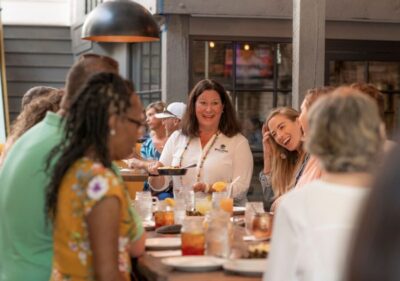
Charleston: Small Group Food Tour – Savor the Flavors
Read our review →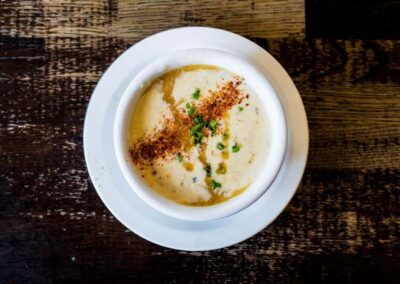
Browse the lists this tour appears in