
Review · DUBAI
Dubai: Old Town Walking Tour with Abra Cruise & Street Food
Dubai’s glass towers get the attention, but the city’s best stories are found beside Dubai Creek. This tour takes you through Al Fahidi’s old lanes, across the water by abra, and into the Gold and Spice Souks, where Dubai still feels like a trading port rather than a display of modern wealth.
I like the mix of walking and local transport, especially the short abra ride and the included Arabic coffee, street food, and camel milk chocolate. I also like the practical help in the markets. Guides such as Muhammad Bilal and Abdulla are praised for explaining culture clearly and helping visitors feel more at ease while bargaining. The main drawback is that this is a walking tour in the heat, with uneven access for anyone using a wheelchair or dealing with limited mobility.
Key points to know before you book
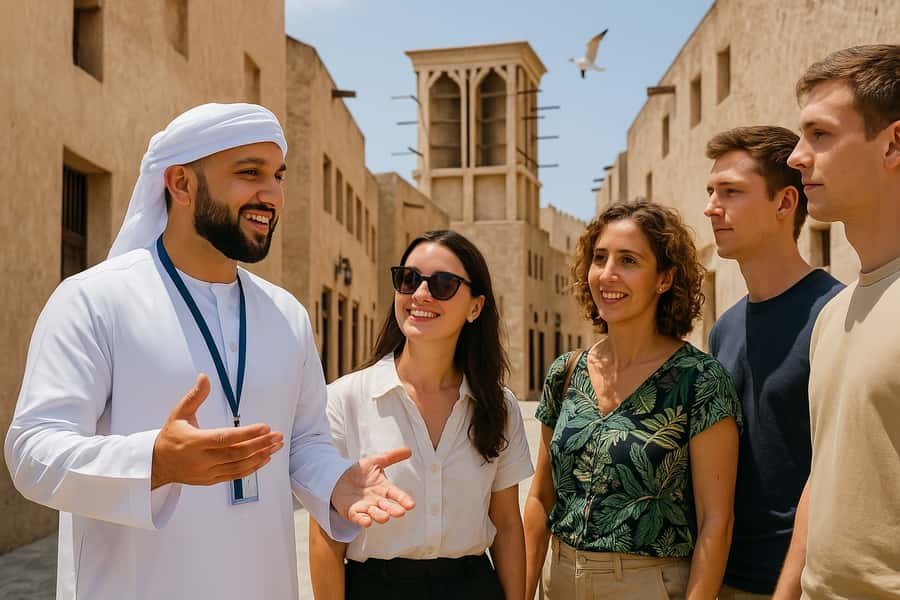
- Al Fahidi gives you Dubai before the skyscrapers: See wind towers, courtyards, old walls, galleries, museums, and the Old Mosque in one compact district.
- The abra ride is part of the sightseeing: You cross Dubai Creek on a traditional water taxi, not in a modern tour boat.
- The souks are easier with a guide: You get help finding the Textile, Gold, and Spice Souks, plus advice on shopping and bargaining.
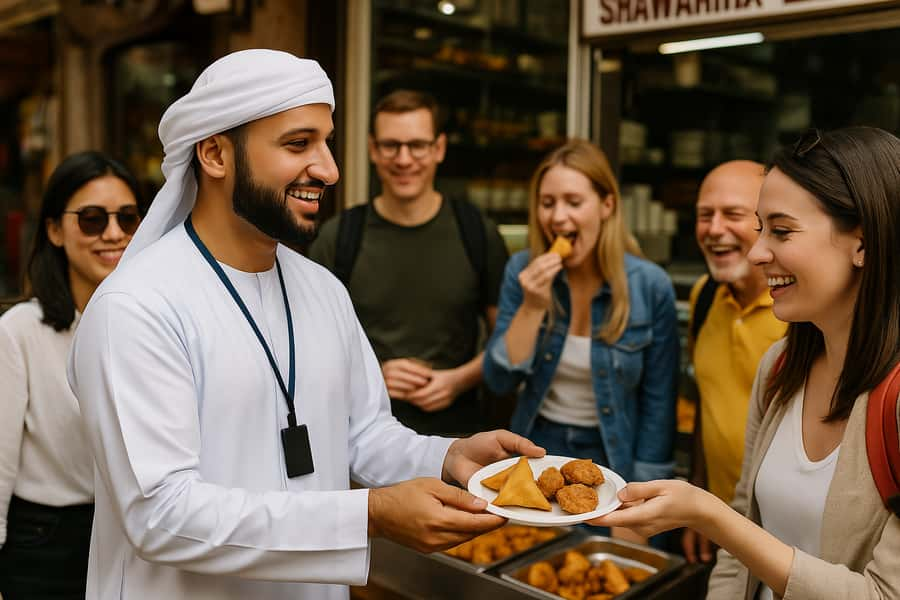
- Food is built into the walk: Arabic coffee, street food, water, and camel milk chocolate are included in the $26 price.
- Muhammad Bilal is a frequent guide: Abdulla and other local guides may lead the tour, with English and Spanish offered.
- Plan for sun and steady walking: Bring comfortable shoes, a hat, sunglasses, and comfortable clothes. Large bags, luggage, and strollers are not allowed.
Starting at Al Seef and entering Al Fahidi
Your meeting point is in front of Wokyo Noodle Bar at Al Seef. This is a useful starting place because Al Seef sits beside Dubai Creek and is easy to reach from Sharaf DG Metro Station on the Green Line. A taxi or Uber can also take you directly to the restaurant.
Arrive about 10 minutes early. That small cushion matters in Old Dubai, where a few minutes spent checking directions can turn into a rushed start. The tour ends back at the same meeting point, so you do not need to arrange a second pickup in another part of the city.
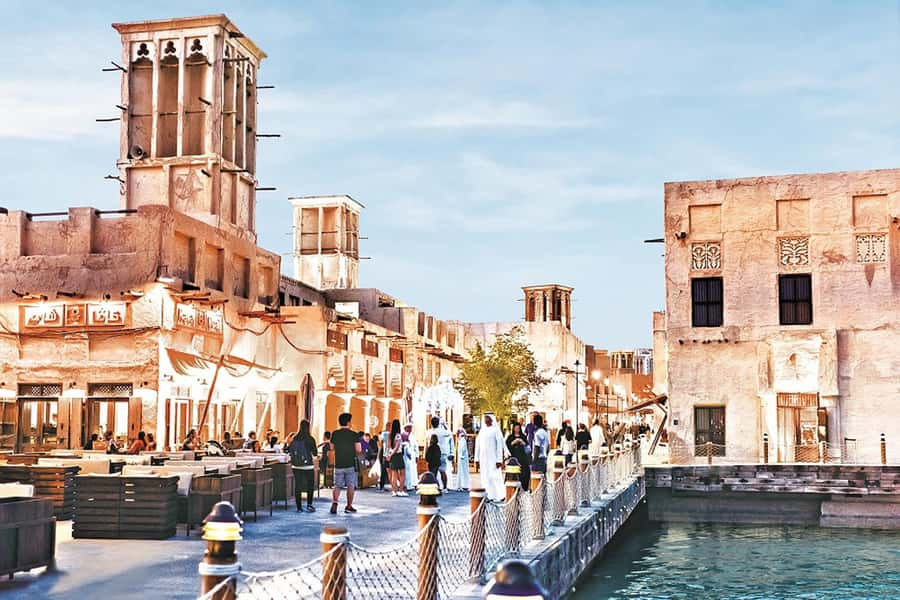
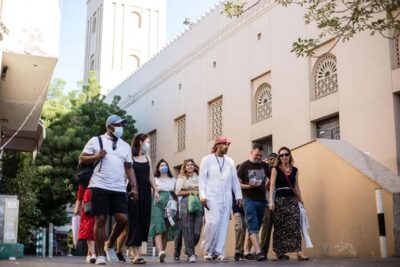
From Al Seef, the walk leads into the Al Fahidi District. This is one of the best areas in Dubai for seeing the city’s older building style. Instead of glass walls and huge roads, you find narrow lanes, shaded courtyards, plastered walls, and wind towers designed to move air through homes.
Several old buildings now house museums, galleries, and cultural venues. The area is not a preserved village frozen in time. It is a historic quarter used for modern cultural life, which makes the walk more useful than simply looking at old walls. Your guide can explain how the buildings worked and why they matter.
More Street Food Tours in Dubai:
- Dubai: Old Town, Creek, Museums, Souks, & Street Food Tour
★ 4.8 · 10,816 reviews - Dubai: Old Town, Souks, Street Food, Guided Tour & Abra Ride
★ 4.9 · 7,170 reviews - Dubai: Old Town, Souks, Street Food, Guided Tour & Abra Ride
★ 5.0 · 1,664 reviews
Old Mosque, city wall, and Dubai Museum
The Old Mosque is one of the early stops. Its architecture offers a quiet contrast to the grand mosques and large public buildings elsewhere in Dubai. The point here is not a long religious lecture, but a closer look at the forms and details that shaped the old district.
You also see remnants of the Old Wall, built around 1800 AD. That date helps put Dubai’s past into perspective. The city is famous for rapid change, but this fragment points to an earlier settlement with boundaries, homes, trade, and a more compact way of life.
The route continues to Dubai Museum, where relics and artifacts explain Emirati civilization. The museum stop gives the walking tour some needed context. Without it, the old houses and markets can feel like attractive scenery. With it, you get a clearer idea of how the city developed and how daily life once worked.
The exact pace can depend on the guide and group. Muhammad Bilal is praised for explaining more than the sights themselves, connecting the buildings to culture and everyday life. Abdulla is also singled out for strong historical and cultural explanations. If you enjoy asking questions, this is one of the most useful parts of the experience.
Textile Souk and the practical side of shopping
The Textile Souk brings color and salesmanship into the walk. You can browse traditional fabrics in many colors and patterns, and your guide helps you understand how the market works.
This is a shopping area, so expect friendly attention from vendors. You do not need to buy anything, but the stop gives you a chance to see the commercial side of Old Dubai. If you do want fabric or another item, ask your guide about prices before committing. The guides are known for offering shopping advice and helping with bargaining.
That support can make a real difference if you are new to souk shopping. The aim is not to rush you into purchases. It is to give you a better sense of price, quality, and how to approach the exchange with confidence.
The market may be more enjoyable for you if you treat it as a cultural stop rather than a must-buy shopping trip. Take in the colors, displays, and sales style first. Then decide if anything is worth carrying home.
Crossing Dubai Creek by traditional abra
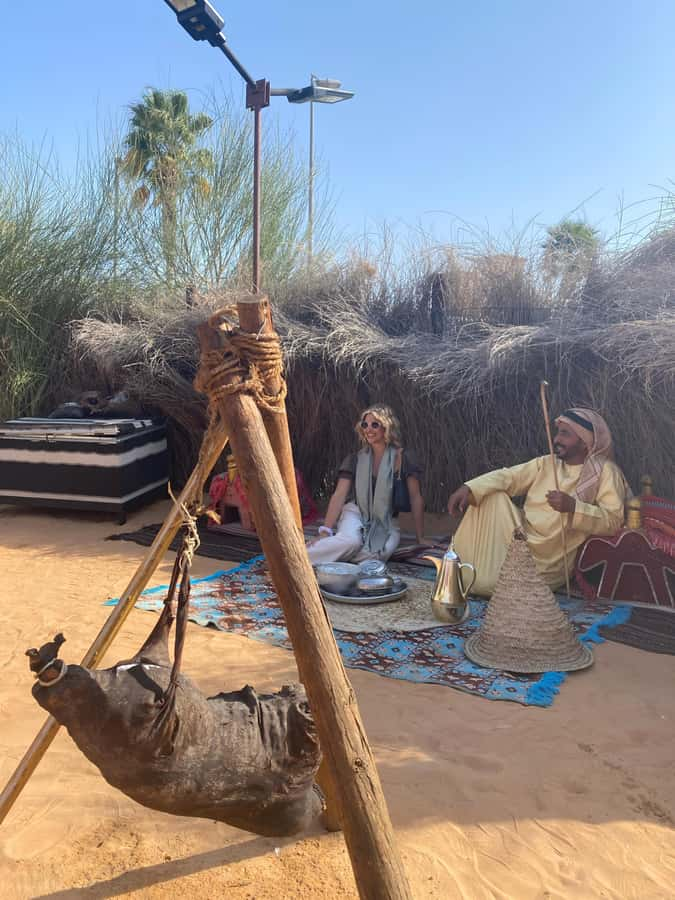
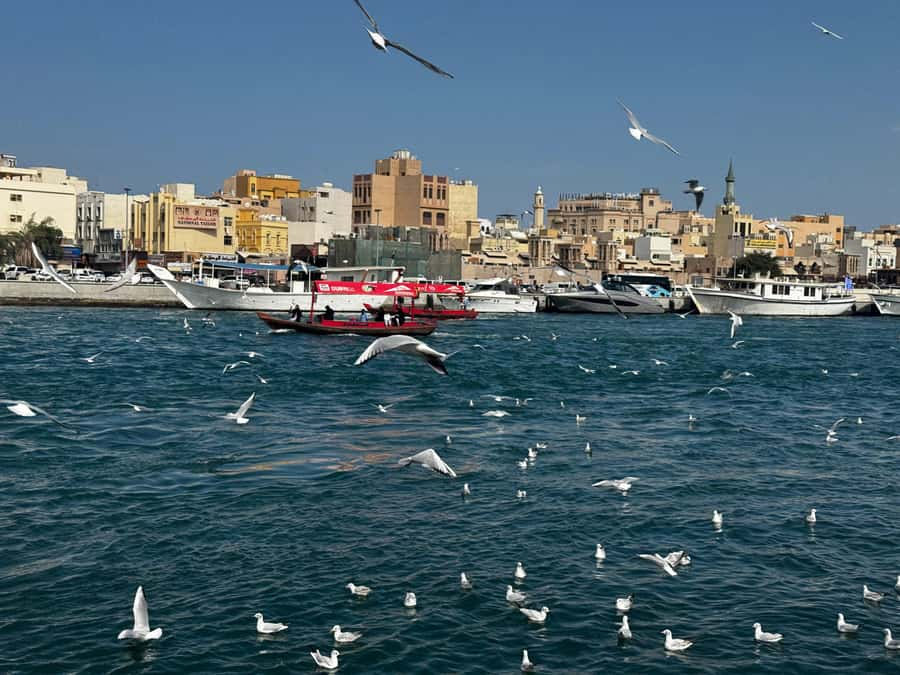
The abra ride is the tour’s clearest change of pace. After walking through Al Fahidi and the Textile Souk, you board a traditional water taxi and cross Dubai Creek.
This is a simple public-style boat ride, not a polished sightseeing cruise. That is exactly its appeal. You move between the two sides of the creek in the same basic way that locals and shoppers have used for years, with views back toward the old buildings and the busy waterway.
The ride is brief, but it connects the two halves of the tour well. It also gives your feet a break and lets you see Old Dubai from the water. Keep your sunglasses and hat handy, since the creek crossing is exposed to the sun.
If you are expecting a long cruise with commentary, adjust your expectations. The abra is transportation with a view, and its value comes from being part of the city’s daily rhythm.
More food tours around Dubai:
- Dubai: Old Town, Street Food, Creek, Souks, & Emirati House
★ 4.9 · 1,496 reviews - Dubai: Luxury Dinner Buffet at Gastronomy Atlantis The Royal
★ 4.7 · 1,395 reviews - Old Dubai: Premium Guided Tour with Street Food & Abra Ride
★ 4.9 · 416 reviews - Dubai Top Highlights: Frame Entry, Souks, Abra & Street Food
★ 4.8 · 344 reviews
Gold Souk: admire first, shop carefully
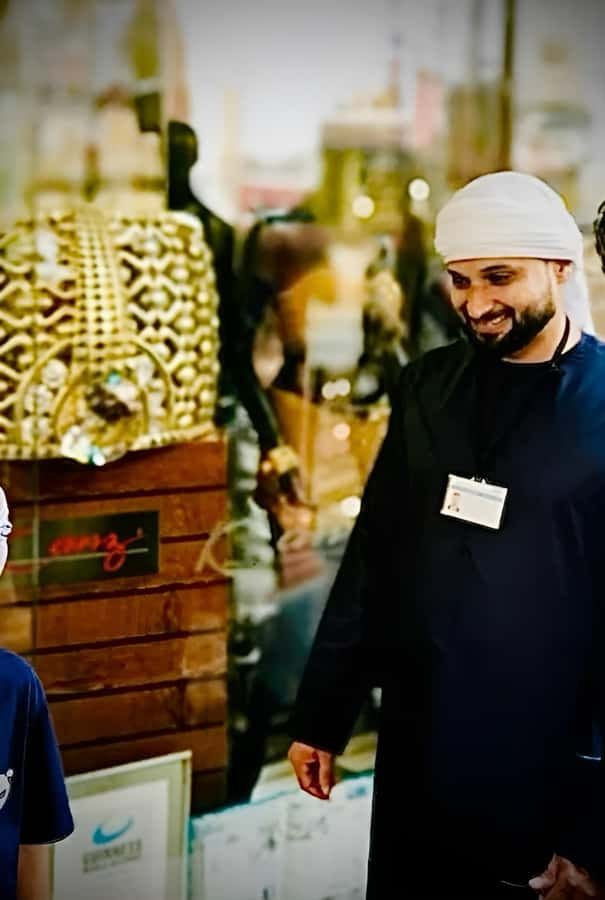
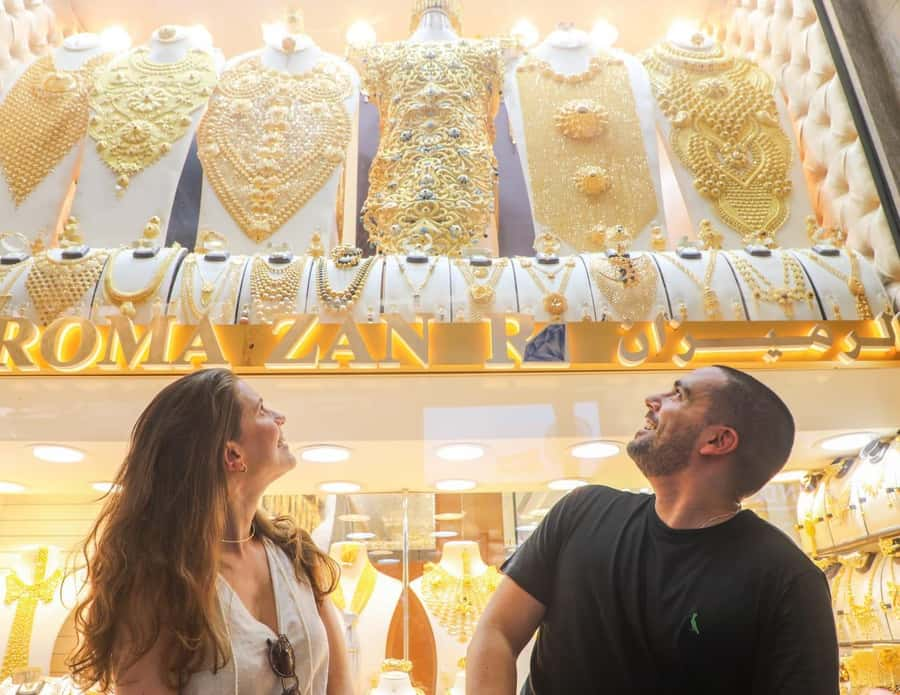
On the Deira side of the creek, the tour continues to the Gold Souk. This is one of the world’s largest gold retail markets, with shop windows filled with gold jewelry.
You can enjoy the display even if you have no plans to buy. The scale and presentation are the main attraction. The stop also shows another side of Dubai’s trading identity, moving from fabrics and creek crossings to precious metals.
If you are shopping, listen closely to your guide’s advice. The market can feel intimidating when every shop is competing for attention. A local guide can help you move through the area with less pressure and can explain how bargaining fits into the process.
Do not confuse guidance with a guarantee of a particular price. You still need to decide what you want, compare offers, and feel comfortable with the purchase. The useful part is having someone beside you who understands the setting and can help you ask sensible questions.
Spice Market and the included food stops
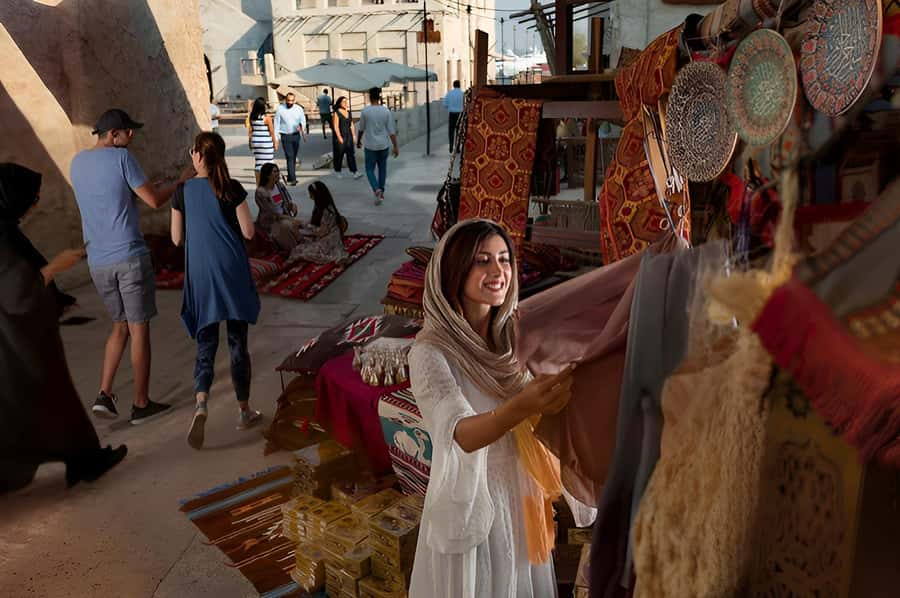
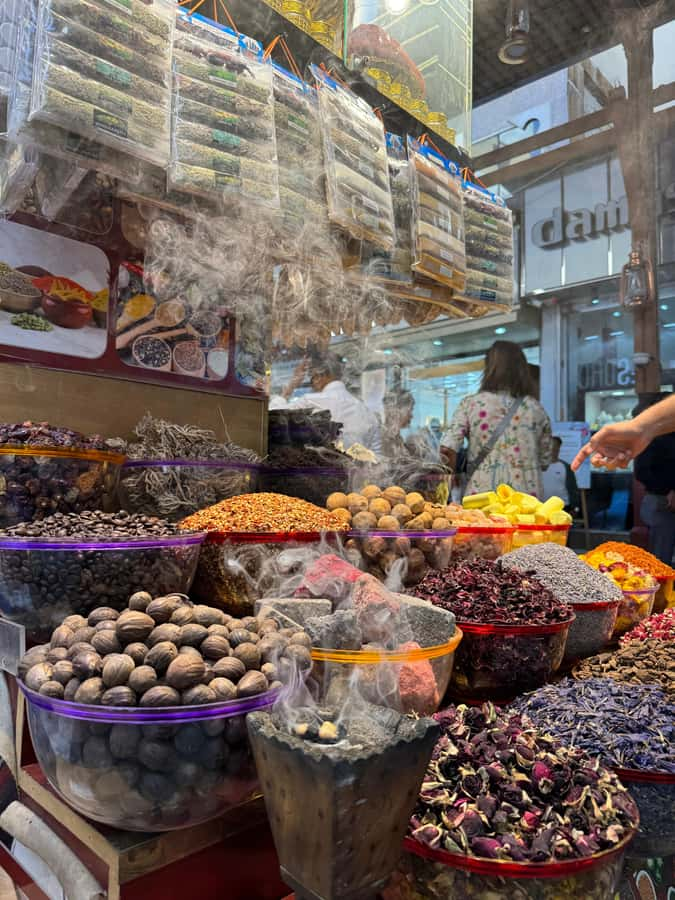
The Spice Market is the final major market stop. Here, the focus shifts from jewelry to scent, flavor, and cooking traditions. You see vendors selling spices and other ingredients associated with Middle Eastern food.
This is where the tour becomes especially hands-on. Street food is included, along with Arabic coffee and camel milk chocolate. Water is also provided, which is welcome on a warm walking route.
The food is not presented as a separate restaurant meal. Think of it as small tastes folded into the walk. That makes the experience more flexible, but you should not book it expecting a large lunch or dinner.
I like this part because food gives you a direct way to connect with a place. A building can tell you about history, but a sip of coffee or a new spice can make local culture feel more immediate. Your guide can also explain what you are tasting and how the market fits into everyday life.
The camel milk chocolate is a particularly distinctive touch. It is a small included sample, not a full dessert course, but it gives you something unusual to try and remember.
What the guides add to the experience
The guide is the main reason to choose this tour instead of walking the same route alone. The Old Town districts are accessible, but a self-guided walk will not necessarily explain the Old Wall, the architecture, the markets, or the cultural links between each stop.
Muhammad Bilal is frequently praised for being friendly, clear, and attentive. His style suits people who want both facts and conversation. He is also noted for making the tour feel personal, helping with questions, and creating a comfortable mood during the evening option.
Abdulla is another guide associated with the experience. He is praised for giving strong insight into Dubai’s culture and past. Guides may vary, so you should not assume one specific person will lead every departure, but English and Spanish are available.
The small-group format is important. You can choose a private experience or join other people in a small group. A small group usually makes it easier to hear the guide, ask questions, and stay together in the souks. The private option suits you if you want more control over pace and attention.
An evening departure is available, with one option running from 5 to 8 p.m. That timing can be a smart choice during hot months. It also lets you see the market areas after the strongest afternoon sun, though the exact light and atmosphere will depend on the season and departure time.
Is $26 good value?
At $26 per person, the tour offers solid value if you want an introduction to Old Dubai rather than a long museum program or a luxury cruise.
The price includes the guide, abra crossing, Arabic coffee, street food, water, and camel milk chocolate. It also combines several stops that would take planning to connect on your own: Al Fahidi, the Old Mosque, the Old Wall, Dubai Museum, Textile Souk, Gold Souk, and Spice Market.
You are also paying for local orientation. That matters most in the souks, where the practical advice can save time and reduce the stress of shopping. A guide may help you understand where to go and how to approach vendors, even though you remain responsible for your own purchases.
Hotel pickup and drop-off are not included unless you choose the private option. Add the cost and time of reaching Al Seef when comparing this with a hotel-based tour. The meeting point is straightforward by metro or taxi, but you do need to get there yourself.
At this price, the tour is strongest for first-time visitors, short stays, and anyone who wants several Old Dubai highlights in one outing. If you already know the historic districts well, you may prefer a slower independent visit.
Walking conditions, clothing, and who should skip it
Wear comfortable shoes. The route includes steady walking through historic districts and markets, and the surface may not always feel as smooth or spacious as a modern shopping mall.
Bring sunglasses and a sun hat, and choose comfortable clothes. Dubai’s heat can make a short route feel longer, particularly during the day. Water is included, but carrying a small personal bottle may still be useful if you prefer frequent sips.
This tour is not suitable for children under two, people with mobility impairments, or wheelchair users. Baby strollers and luggage or large bags are not allowed. Those restrictions are important because the route includes walking through old streets and busy market areas.
The tour suits couples, solo visitors, friends, and families with older children who can manage the walking. It is also a good fit if you want history explained in plain language and prefer an active introduction to the city.
Should you book the Old Dubai walk?
Book it if you want to understand the city beyond its modern skyline. The combination of old architecture, markets, local food, and an abra crossing gives you a useful first look at Dubai’s past and present.
I would especially choose it for a first visit, an evening free from resort activities, or a short stay when you want several traditional sights in one three-hour experience. The strongest reasons are the local guide, the easy market access, and the fact that the food and boat ride are included.
Skip it if you dislike walking in warm weather, have limited mobility, or want a quiet, self-directed visit with lots of time for shopping. The tour moves through several areas, so it is designed for variety and context rather than lingering at one site.
For most visitors who want an affordable and human-scale look at Dubai, the $26 price is fair. Arrive early, wear sensible shoes, ask questions, and treat the souks as places to observe as well as shop. That approach will give you the best value from the afternoon or evening.
FAQ
How much does the Old Dubai walking tour cost?
The tour costs $26 per person.
Where does the tour start?
It starts in front of Wokyo Noodle Bar in Al Seef.
How do I reach the meeting point by metro?
The closest station is Sharaf DG Metro Station on the Green Line. From there, Al Seef is a short walk away.
What does the tour include?
It includes a guide, Arabic coffee, street food, water, camel milk chocolate, and an abra water taxi trip.
Is hotel pickup included?
Hotel pickup and drop-off are not included unless you select the private option.
Which languages are available?
The experience is available in English and Spanish.
Does the tour include an abra ride?
Yes. You cross Dubai Creek by traditional abra, a local water taxi.
Can I choose a private tour?
Yes. You can choose between a private experience and a small-group tour.
What should I bring?
Bring comfortable shoes, sunglasses, a sun hat, and comfortable clothes.
Is the tour suitable for wheelchair users?
No. The experience is not suitable for wheelchair users or people with mobility impairments. It is also not suitable for children under two, and baby strollers, luggage, and large bags are not allowed.
Fresh off the menu around Dubai
- Old Dubai: Premium Guided Tour with Street Food & Abra Ride★ 4.9 · 416 reviews
- Old Dubai Guided Tour With Photographer: Souks & Street Food★ 4.9 · 74 reviews
- Old Dubai Historic Guided Tour: Creek, Street Food & Souks★ 4.9 · 156 reviews
- Dubai Private Top Attractions, Premium Vehicle & Street Food★ 5.0 · 24 reviews
- Dubai Top Highlights: Frame Entry, Souks, Abra & Street Food★ 4.8 · 344 reviews
- Dubai.Discover Old town,Markets,street food,Abra &Museums★ 4.9 · 181 reviews
- Dubai: Discover Dubai Old Town, Souks, Museum & Street Food★ 4.9 · 25 reviews
- Dubai: Private Food Tour – 10 Tastings with Locals★ 4.8 · 61 reviews
Dubai Food Tours, compared.
Dubai: Old Town, Creek, Museums, Souks, & Street Food Tour
Read our review →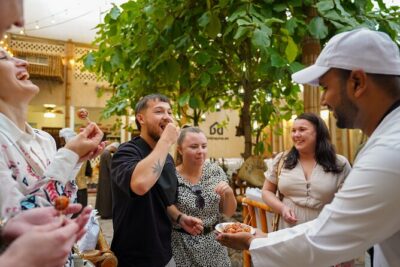
Dubai: Old Town, Souks, Street Food, Guided Tour & Abra Ride
Read our review →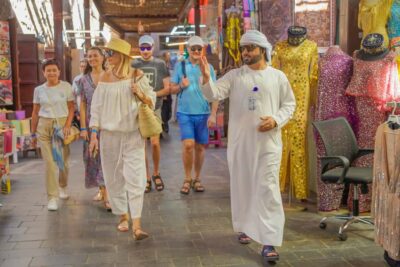
Dubai: Old Town, Street Food, Creek, Souks, & Emirati House
Read our review →
Dubai: Luxury Dinner Buffet at Gastronomy Atlantis The Royal
Read our review →
Dubai Harbour Super Yacht Experience with gourmet & Drinks
Read our review →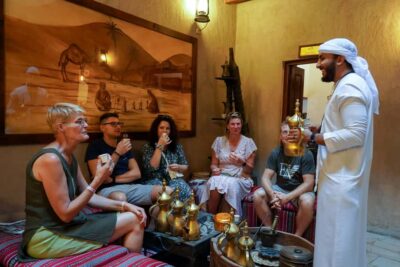
Old Dubai: Premium Guided Tour with Street Food & Abra Ride
Read our review →
Dubai: Luxury Balloon Flight with Michelin-Curated Breakfast
Read our review →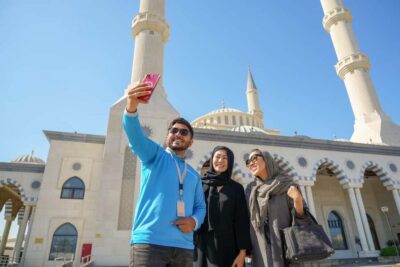
Dubai Top Highlights: Frame Entry, Souks, Abra & Street Food
Read our review →Browse the lists this tour appears in