
Review · THAILAND
Takua Pa: Food Market, Tsunami Museum, Temple, & Old Town
The most moving part of this four-hour trip is the Ban Nam Khem Tsunami Museum, where the 2004 disaster is explained through local history, photographs, and recovery stories. The tour then shifts from remembrance to daily life, with a striking temple, old Sino-European buildings, and a Takua Pa food market.
I like the mix of serious history and ordinary local life. I also like the small group size, capped at 12, and the cool van with hotel pickup from Khao Lak. The main consideration is the tight four-hour schedule, and food at the market is not included in the $52 price.
Key points
- A thoughtful start: Learn how the 2004 tsunami changed Ban Nam Khem and the wider Khao Lak area.
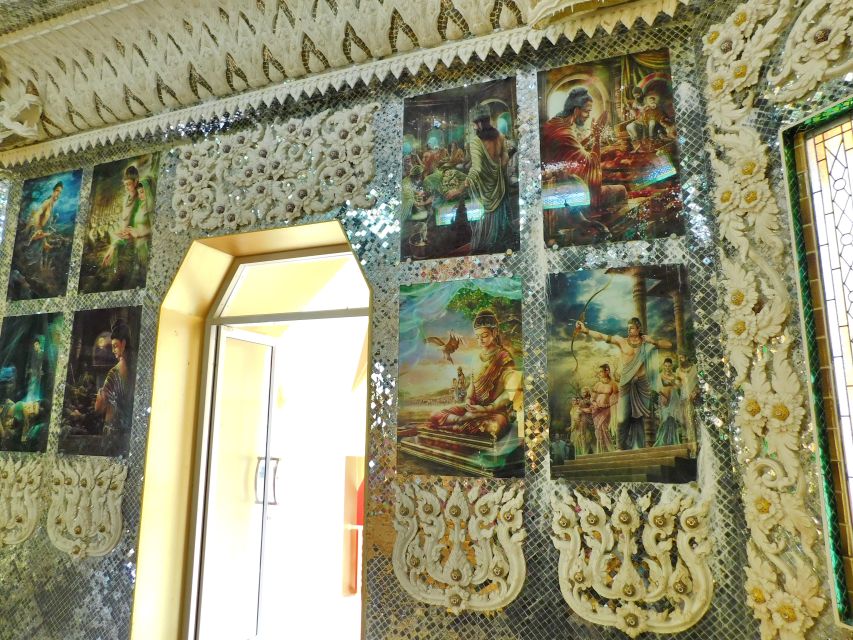
- Modern Thai temple art: See Kong Kha Temple’s decorated pagoda and contemporary scenes from the life of Buddha.
- Local guides make the difference: Guides such as Gay, Ching, and Oil have been praised for warm, personal explanations.
- Takua Pa in two time periods: Walk among old Sino-European buildings before sampling food at a local market.
- Small-group comfort: A group of up to 12 travels in an air-conditioned vehicle with drinks supplied.
- Market timing varies: Afternoon tours visit the weekly street-food market. Morning tours from May to November visit Takua Pa Morning Market.
Why this Takua Pa trip is worth your half-day
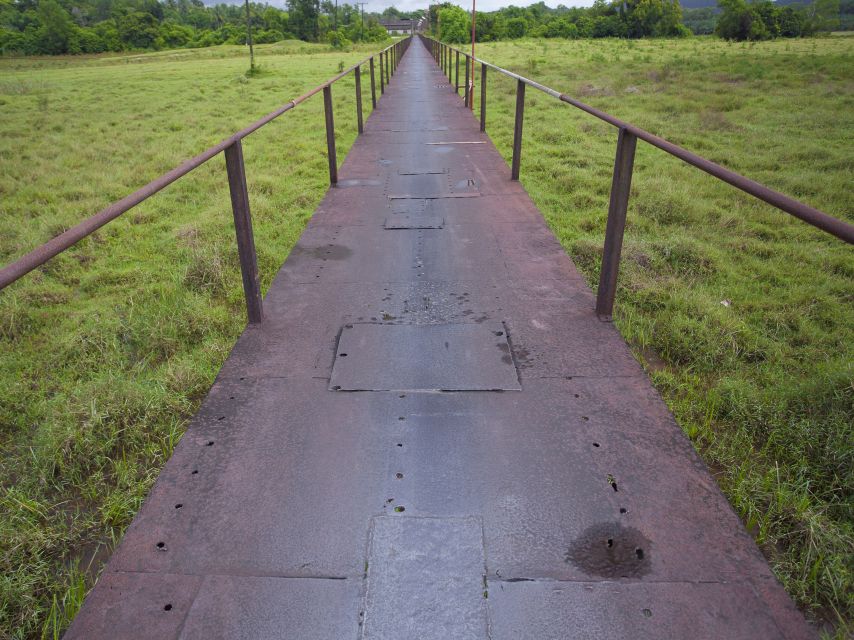
Khao Lak is easy to enjoy from a beach chair, but this excursion gives you a look at the people, beliefs, food, and recent past behind the resort area. It is not a single headline attraction. Instead, it links four different experiences that work well together: a museum, a temple, an old town, and a market.
I especially like that the day does not treat the tsunami as a quick photo stop. The museum asks you to slow down and understand what happened to local communities in 2004. After that serious opening, the temple and old town bring the focus back to living culture.
The $52 fee covers hotel pickup and drop-off, an English-speaking guide, entrance fees, bottled water, soft drinks, and transport. You still buy your own food, but the price is fair if you value door-to-door service and guided interpretation. Doing these stops independently could cost less in theory, but you would need to arrange transport and find your way between places.
This is a cultural outing, not an adventure tour. You will not spend the day on a beach, in a kayak, or in the jungle. If you want a calm, varied trip with some thoughtful moments, it fits well. If you want constant action, the museum and temple visits may feel quiet.
More Market Food Tours in Thailand:
- Chiang Mai: Evening Local Street Food Market Tour
★ 4.8 · 604 reviews - From Bangkok: Maeklong Railway and Floating Market Food Tour
★ 4.9 · 224 reviews - Bangkok Electric Tuk Tuk: Street Food & Markets
★ 4.6 · 42 reviews
The Ban Nam Khem Tsunami Museum puts the coast in context
The first stop is Ban Nam Khem Tsunami Museum, a useful place to begin because it gives context to the area you are visiting. Inside the main building, an exhibition and gallery cover local life before and after the 2004 tsunami, along with the long process of recovery.
This is likely to be the most emotional part of the outing. The value is not in rushing through a display and moving on. Take time with the photographs, explanations, and personal scale of the event. The museum helps you understand that Khao Lak is not only a holiday destination. It is also a community shaped by a major disaster.
A guide can make this stop much more meaningful. Several guides, including Gay, Ching, and Oil, have been praised for explaining local culture and answering questions. The tour description says you will learn about the area’s history and recovery, but the exact depth of the commentary can depend on your assigned guide.
Expect a respectful atmosphere. This is not a loud, entertainment-focused attraction, and the tour specifically asks you not to make noise at places of worship and memorial sites. I would treat the museum as a place for listening rather than casual sightseeing.
Kong Kha Temple mixes devotion with modern design
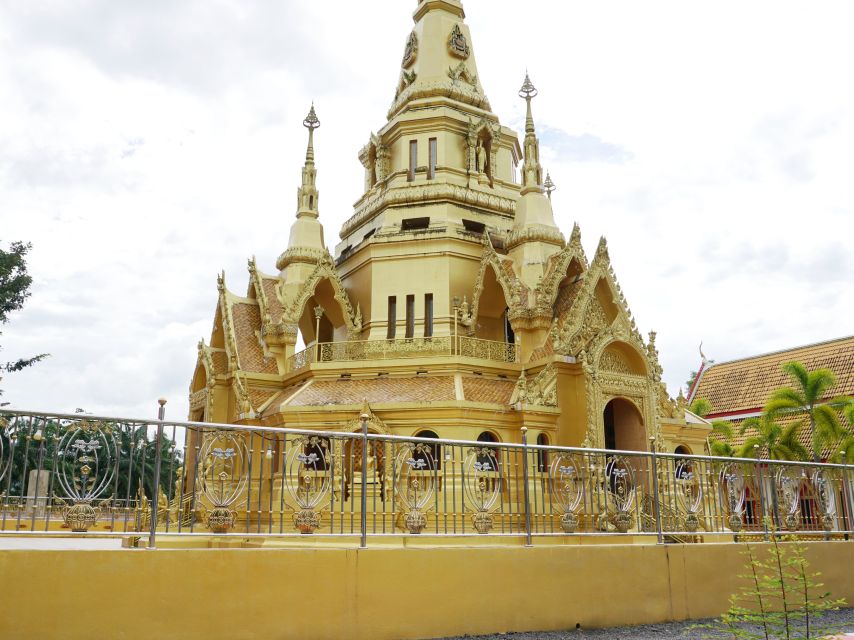
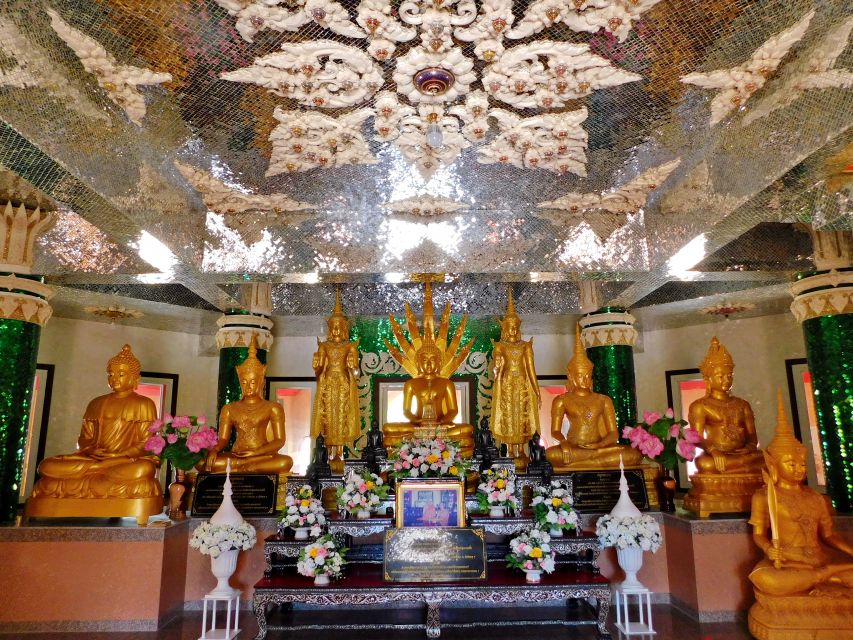
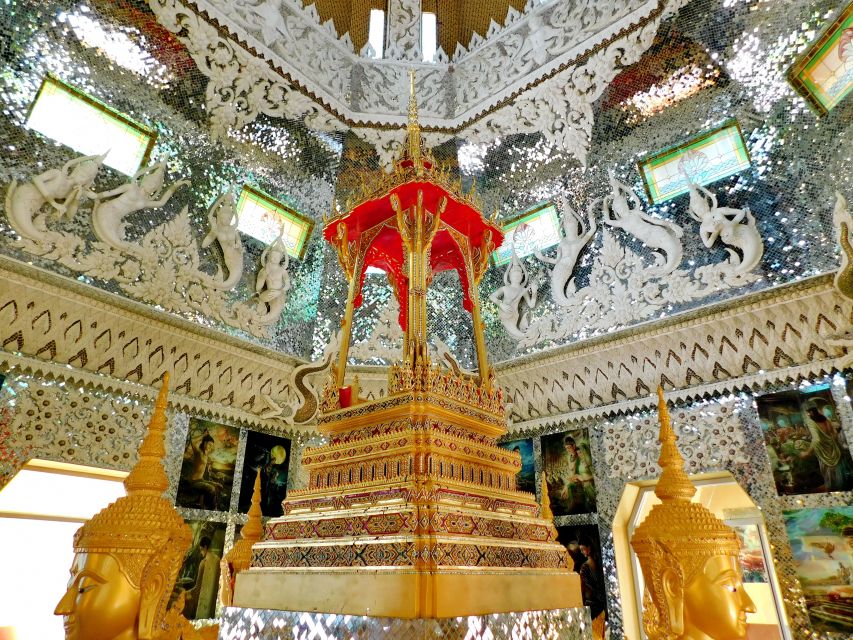
The next stop is Kong Kha Temple, known for its distinctive pagoda. It was built to honor the late King Rama IX, and its decoration gives the visit a more modern feel than the older temple architecture you may have seen elsewhere in Thailand.
Inside, images of the Buddha’s life are presented in contemporary artistic forms. This makes the temple accessible even if you are not familiar with Buddhist stories. Your guide can point out what the scenes represent and explain how the space is used.
You may also have time to make merit at the shrine and try a traditional Thai method of discovering your life’s prophecy. The experience is optional, but it offers a small look at religious practice rather than treating the temple as a backdrop for photographs.
Temple etiquette matters here. Cover your shoulders and knees, remove your shoes before entering, and take off your hat and sunglasses. The clothing rules are simple but important. Pack a light cover-up if your usual holiday clothes are short or sleeveless.
Kong Kha Temple also gives you a break from the heat inside the vehicle. Still, you should bring sunscreen, insect repellent, and comfortable shoes. The tour includes walking at several stops, and footwear that is easy to remove helps.
Takua Pa Old Town shows a different side of southern Thailand
Takua Pa Old Town is the outing’s most atmospheric stop. The town contains Sino-European architecture and buildings said to date back to the 13th century. Rather than presenting only grand monuments, the visit focuses on streets, facades, and the character of an old trading town.
The architecture reflects the meeting of Chinese and European influences in southern Thailand. Look closely at the shape of the buildings and the details around doors and windows. Your guide’s explanation is useful here because the streets may seem simply picturesque without some local context.
The old town is also a good place to slow down. The schedule is only four hours in total, but the trip is designed to allow time at each stop rather than pushing you through a long list of attractions. One earlier trip was described as fitting a lot into roughly three hours, while more recent descriptions emphasize that the pace did not feel rushed. Your exact timing can vary with pickup locations, traffic, and weather.
The town is best suited to people who enjoy seeing how a place functions beyond the main resort strip. You get a sense of local buildings and community life, not just a polished tourist attraction.
More food museums around Thailand:
- Dubai: Old Town, Creek, Museums, Souks, & Street Food Tour
★ 4.8 · 10,816 reviews - Munich: Beer and Food Tour with Dinner & Oktoberfest Museum
★ 4.7 · 1,086 reviews - Dubai.Discover Old town,Markets,street food,Abra &Museums
★ 4.9 · 181 reviews - Olive Oil Museum: Extravirgin school – Food & wine tasting
★ 5.0 · 39 reviews
The Takua Pa market is the tastiest finish
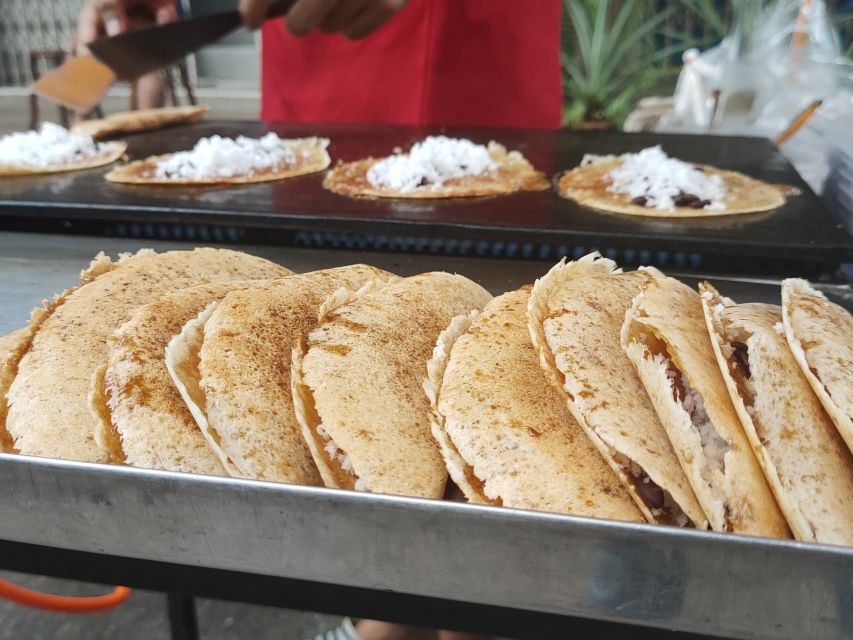
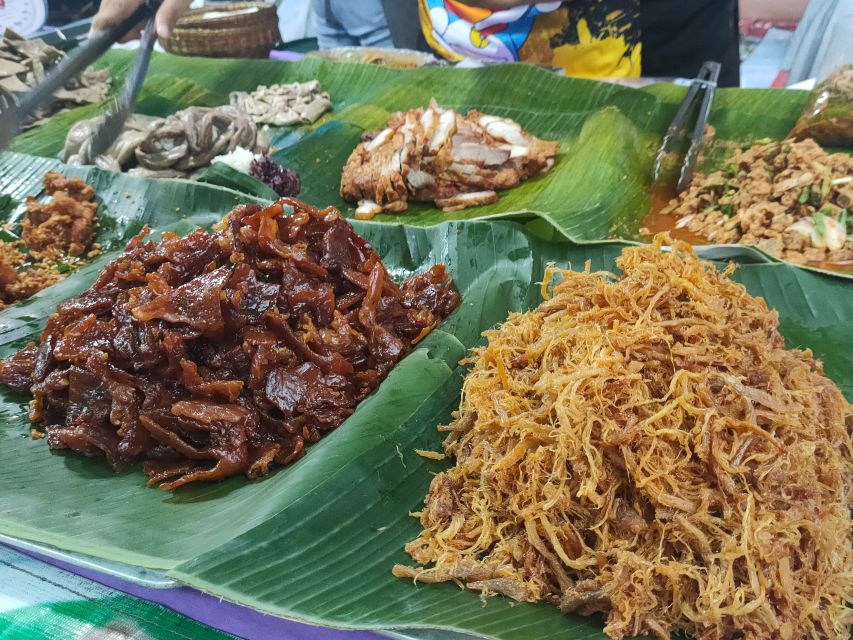
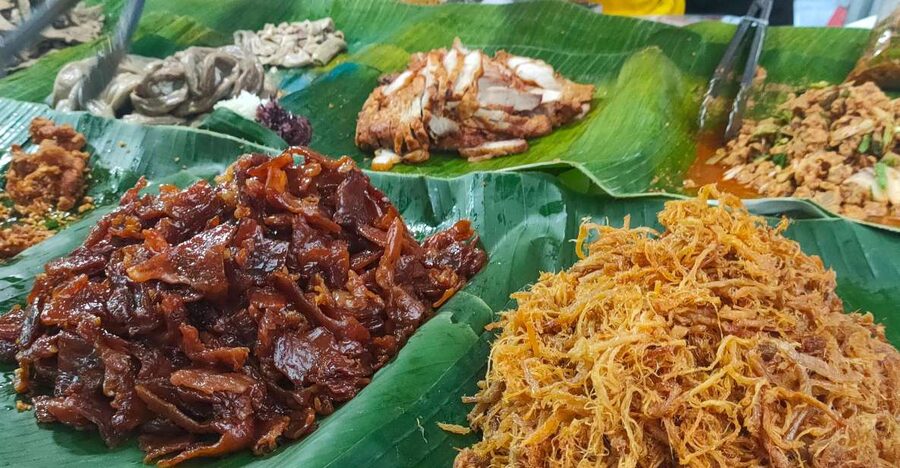
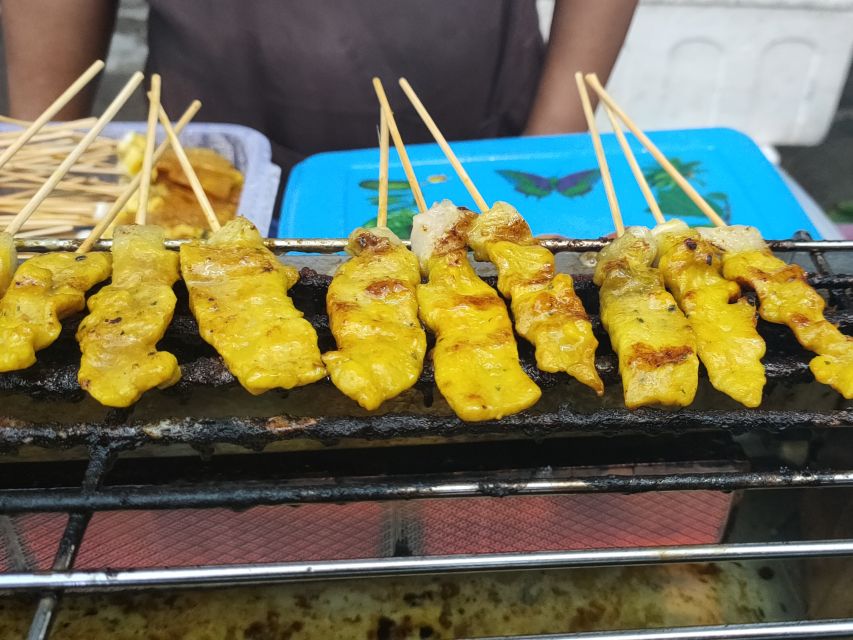
The food market is the final stop on the afternoon version of the tour. Hundreds of stalls offer local delicacies, and local performances may add to the setting. This is where the outing becomes most hands-on, since you can choose what to taste rather than simply look at displays.
Food is not included in the price, so bring some Thai baht or another accepted form of payment. The tour includes drinks, but your snacks and meal purchases are extra. That arrangement is sensible because it lets you control how much and what you eat.
A good guide can transform the market from a row of unfamiliar dishes into an easy introduction to southern Thai food. Guides have recommended local specialties, helped people decide what to try, and, in some cases, encouraged the group to sample generously. If you are cautious with spice, tell your guide before ordering.
Market visits can be less comfortable for people with food allergies or strict dietary needs because the tour information does not promise specific dietary arrangements. Ask your guide what is suitable before eating, and do not feel pressured to try something you cannot identify.
The market is also a useful view of everyday life. You see people shopping, eating, and meeting locally, rather than a market set up only for tour groups. That is one reason I prefer this ending to a souvenir stop.
Morning and afternoon tours are not identical
There are two timing options, and the market visit changes with the season. The afternoon tour goes to the weekly Takua Pa Street Food Market. For the morning option from May through November, the group visits Takua Pa Morning Market instead.
The museum, temple, and old town remain part of both versions. The choice comes down to the kind of market experience you want and the starting time available on your date.
If food stalls and evening activity are your priority, the afternoon option is the natural pick when it is available. If you prefer an earlier start or are visiting between May and November, the morning market gives you a different look at local shopping and food.
Check the exact departure time before booking. The activity lasts four hours, but the listing does not give one fixed start time for every date.
Guides, drivers, and the small-group advantage
The guide is central to this experience. Names praised in past trips include Gay, Ching, Oil, Arisa, and Robert. Gay is especially associated with energetic market guidance and personal stories from the area, while Ching has been praised for explaining each site and answering questions. Arisa was described as friendly and attentive, and Robert for giving clear information in a small group.
You cannot choose a particular guide in advance from the information provided. Still, the pattern is clear: the experience depends heavily on the person leading it. A good guide can connect the museum to local history, explain temple customs, and help you make sense of unfamiliar food.
The vehicle is air-conditioned, and water and soft drinks are supplied. This matters in Thailand’s heat, particularly when you are moving between outdoor areas and buildings. One outing also adapted its timing during a heavy rain shower and supplied rain jackets, though you should not assume that this will happen on every departure.
Groups are limited to 12 people. That is small enough for questions and personal help at the market, without the cost of a private tour. The van ride also gives you a comfortable place to cool down between stops.
What to wear and pack for a smooth visit
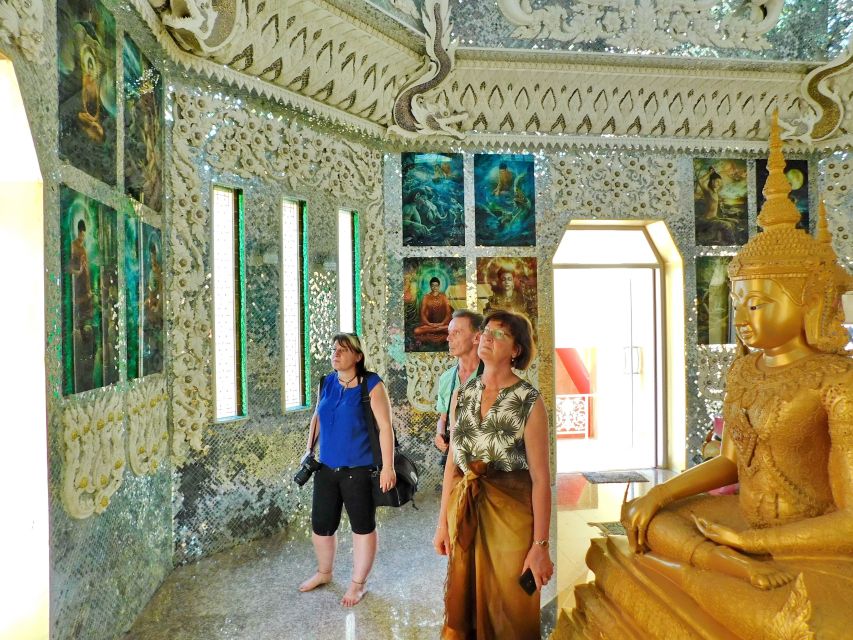
Dress for temple rules first. Knees and shoulders should be covered, and you will need to remove shoes, hats, and sunglasses inside temples and places of worship. Avoid short skirts, shorts, and sleeveless shirts.
Bring comfortable shoes, sunscreen, insect repellent, and a camera. Shoes that slip off easily are practical because temple visits require removing them. A light rain layer can also be useful, although it is not listed as an included item.
Keep some money aside for the market. The tour price does not cover food, and the best part of the final stop is being able to try several small portions rather than buying one large meal.
Who should book this tour?
I would choose this trip if you want to understand more about the Khao Lak area without spending a full day on a major excursion. It suits couples, families with older children, and people who like mixing culture, history, architecture, and food.
It is also a strong option for a first visit to the region. The itinerary gives you several reference points: the tsunami and its impact, Buddhist practice, old-town architecture, and local eating habits.
You may want to skip it if you dislike museums, temple etiquette, or guided group travel. The day includes serious subject matter, some walking, and food you may not recognize. It is also not the right choice if your main goal is beach time.
At $52 per person, I see good value in the combination of hotel transport, admission fees, an English-speaking guide, a small group, and a comfortable vehicle. The price becomes less attractive only if you plan to eat heavily at the market or prefer exploring independently.
Should you book the Takua Pa tour?
Book it if you want more from Khao Lak than sun and sand. The tsunami museum gives the trip purpose, Kong Kha Temple adds visual interest and local belief, and Takua Pa brings the day back to food and ordinary town life.
For the best experience, wear temple-appropriate clothing, carry spending money for the market, and arrive in your hotel lobby 10 minutes before pickup. The four-hour format is compact, so choose the afternoon street-food version if sampling local dishes is your main goal, or the morning option if you prefer an earlier market visit between May and November.
FAQ
Where does the tour pick me up?
Pickup and drop-off are included from hotels in Khao Lak. You should wait in the hotel lobby 10 minutes before the scheduled pickup time.
How long does the tour last?
The tour lasts four hours.
What language is the tour conducted in?
The live tour guide speaks English.
How many people are in the group?
The tour is a small-group experience limited to 12 participants.
What attractions are included?
The itinerary includes Ban Nam Khem Tsunami Museum, Kong Kha Temple, Takua Pa Old Town, and a local market.
Is food at the market included?
No. Food purchases at the market are not included in the tour price.
What is included in the $52 price?
The price includes hotel pickup and drop-off, entrance fees, an English-speaking guide, water, soft drinks, and transport in an air-conditioned vehicle.
Which market does the morning tour visit?
From May through November, the morning option visits Takua Pa Morning Market. The other stops remain the same.
What should I wear to the temple?
You should cover your knees and shoulders. Shorts, short skirts, and sleeveless shirts are not allowed, and you must remove shoes, hats, and sunglasses inside temples and places of worship.
Can I cancel the booking?
You can cancel up to 24 hours in advance for a full refund. The tour also offers a reserve-now, pay-later option.
Fresh off the menu around Thailand
- Taste of Chiang Mai: Michelin Guide & Street Food Tour★ 4.9 · 159 reviews
- Phuket: Southern Flavours Food Tour with 15+ Tastings★ 5.0 · 531 reviews
- Phuket: Southern Thai Flavors Food Tastings Tour★ 4.4 · 87 reviews
- Phuket: Baba Tastes Food Tour with 15+ Tastings★ 4.9 · 138 reviews
- Local Life, Culture & Food Walking Tour at Chinatown★ 4.7 · 119 reviews
- Krabi: Morning or Afternoon Culinary Adventure at Smart Cook★ 4.8 · 35 reviews
- From Bangkok: Maeklong Railway and Floating Market Food Tour★ 4.9 · 224 reviews
- Chiang Mai: Tuk-Tuk Evening Tour with Temples & Street Foods★ 4.7 · 26 reviews
Thailand Food Tours, compared.
Bangkok: Backstreets Food Tour with 15+ Tastings
Read our review →
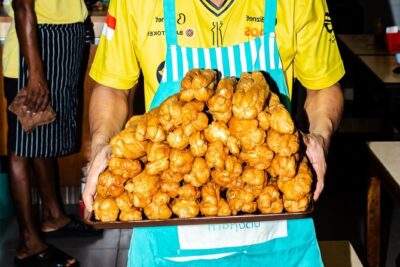
Southern Flavors Phuket Food Tour with 15+ Tastings
Read our review →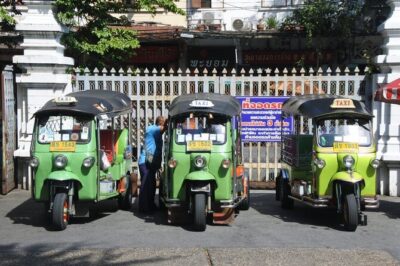
Bangkok: Michelin Guide Street Food Tour by Tuk Tuk
Read our review →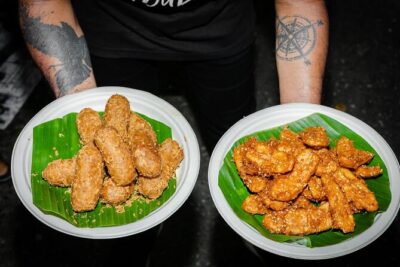
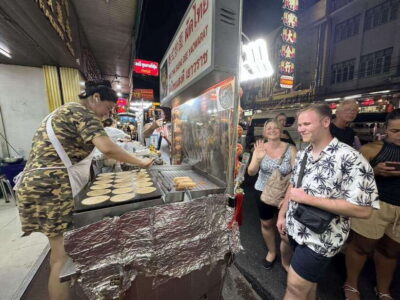
Bangkok Authentic Tasting Thai-Chinatown Walking Food Tour
Read our review →
Small-Group Chiang Mai Evening Street Food Tour
Read our review →
Bangkok: Tuk Tuk Adventure Chinatown Michelin Food & Temples
Read our review →Browse the lists this tour appears in