
Review · SPLIT
Split: Small Group Food Tour with Private Option
Split’s best food lesson begins at the Green Market, not at a polished restaurant. You taste arancini, soparnik, prosciutto, pastries, chocolate, and salted anchovies while walking through Diocletian’s Palace and its medieval lanes. The food gives you a practical way to understand Dalmatian life.
I like the mix of market visits and Roman-era streets, and I like that local guides such as Marta, Antonia, Jakov, and Slavko bring personal stories from Split. The main caution is the 90-minute schedule: it packs in many tastings, so this is more of a fast-moving introduction than a long, sit-down meal.
Key points to know before booking
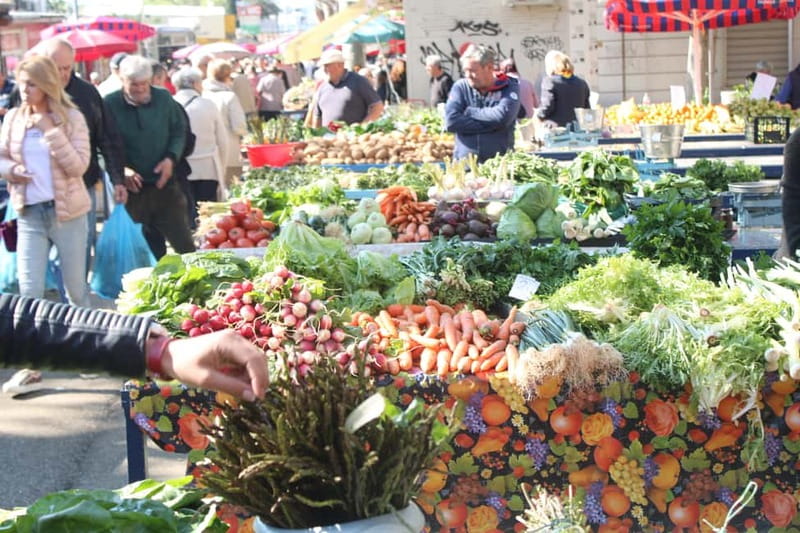
- Green Market tasting: Try arancini and soparnik while learning how local foods are made and sold.
- Two sides of Split: Walk from the Golden Gate through Diocletian’s Palace to the Green Market and Fish Market.
- Sweet stops included: Visit a chocolate shop linked to a Guinness record and Split’s oldest bakery.
- Fish Market lesson: Learn how salted anchovies fit into the local marenda, or Dalmatian brunch.
- Good value for a sampler: At $58 per person, you get a guide, several tastings, market visits, and cultural context.
- Private option available: Choose a private tour if you want a more personal pace and more room for questions.
Why this food walk works so well in Split
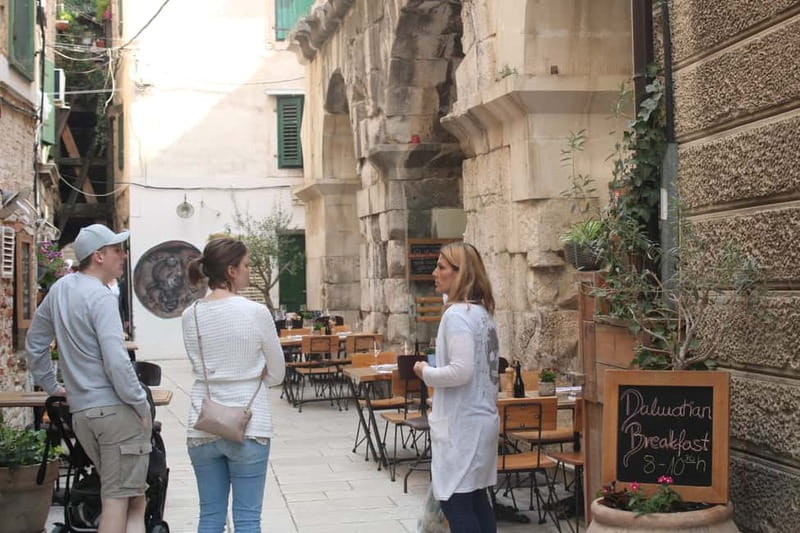
Split is easiest to understand when you connect its buildings with daily life. The ancient palace is not a museum sealed behind ropes. People walk, shop, eat, and meet inside its old walls. This tour uses food to show you that living city.
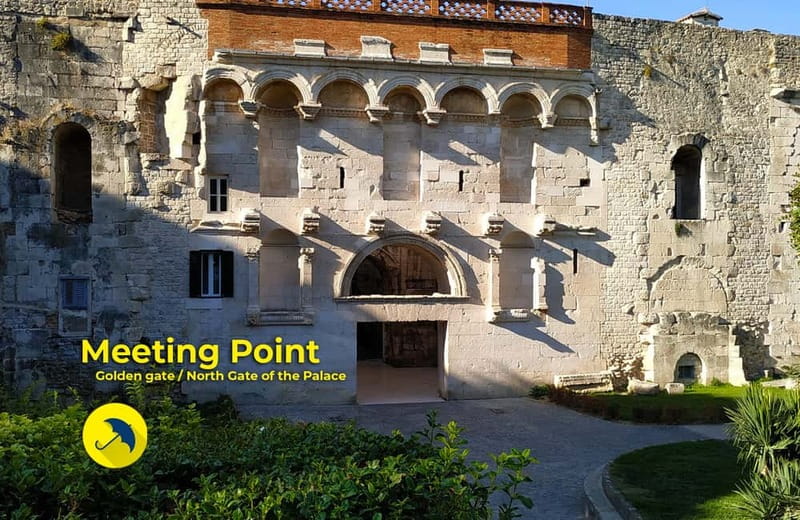
You begin at the Golden Gate, the northern entrance to Diocletian’s Palace. Look for the blue umbrella. From there, your English-speaking licensed guide leads you into the old center and toward the market area.
The strongest part of the experience is the balance. You are not spending 90 minutes only looking at Roman stones, and you are not simply moving from one snack counter to another. Your guide explains how Split’s past, coastal setting, markets, and home cooking fit together.
Guides vary, but names associated with the experience include Marta, Antonia, Jakov, Slavko, Tanja, Tonka, and Darko. The most praised qualities are consistent: friendly conversation, strong local knowledge, enthusiasm, and a talent for explaining food without making the tour feel like a lecture.
More food tours around Croatia:
- From Split: Krka Waterfalls, Food & Wine Tasting Tour
★ 5.0 · 9,326 reviews - From Split: Krka Waterfalls, Food & Wine Tasting Tour
★ 4.9 · 6,598 reviews - Split: Blue Lagoon and 3 Island Cruise with Food and Drinks
★ 4.8 · 1,969 reviews
Green Market: start with a sweet local bite
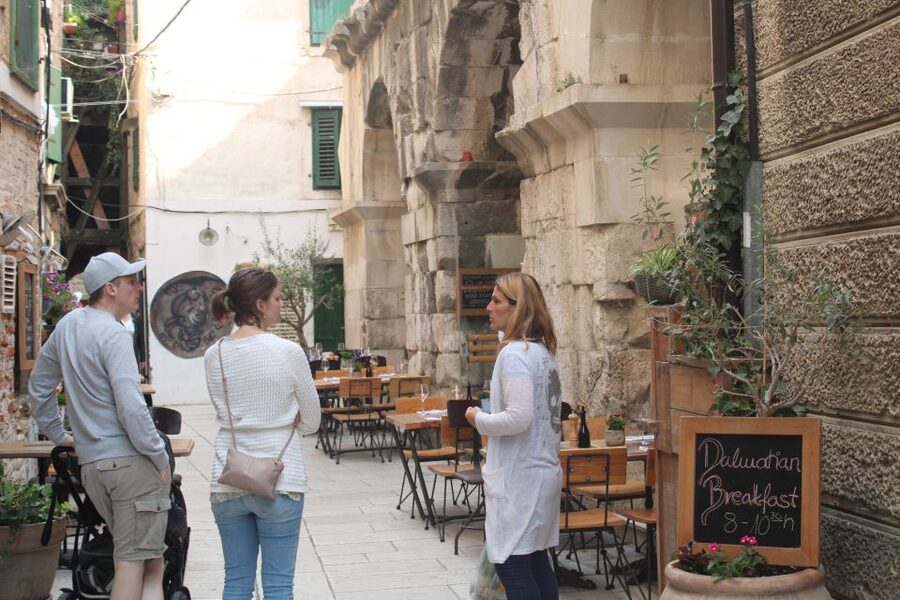
The first food stop takes place around the Pazar, Split’s Green Market. This is where you begin to see how locals shop for produce and everyday ingredients. The market visit gives the tour a useful sense of place before the tastings become more varied.
A typical first bite is arancini, almonds coated in sugar. It is a small treat, but it sets the tone. You are not just eating familiar international foods. You are sampling items tied to local habits and home kitchens.
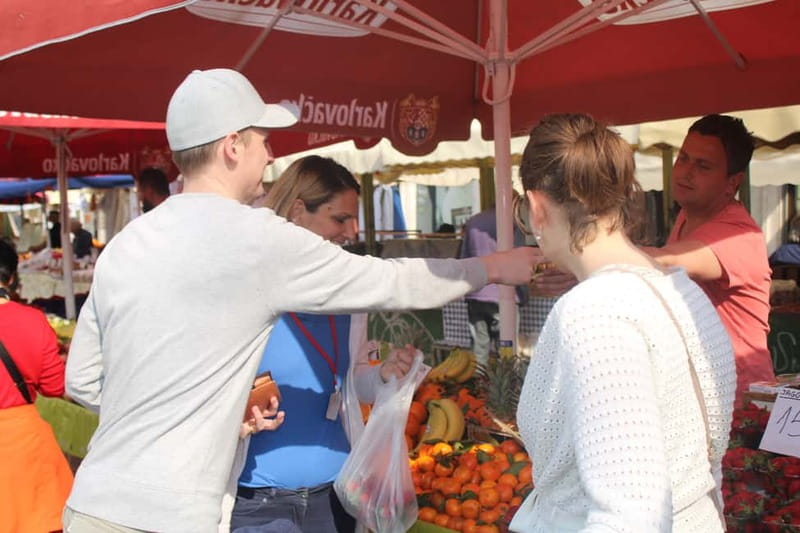
The market is also a good place to ask questions. Guides have introduced visitors to sellers and explained how certain foods are prepared. That human contact makes the market more than a backdrop for photographs.
You may also taste soparnik with a glass of local wine. Soparnik is a traditional Dalmatian dish made with greens and pastry, and it has protected cultural status from UNESCO. The combination of a simple savory pie and local wine offers a quick lesson in the region’s food style: sturdy, seasonal, and not overloaded with decoration.
You should not expect a full glass of wine at every stop or a large serving of each item. The point is variety. If you want to buy extra food at the markets, bring cash. Those purchases are not included in the tour price.
Diocletian’s Palace between the bites
The route carries you through the 1,700-year-old Diocletian’s Palace and the old streets of Split. This is where the food tour becomes a city walk.
Your guide adds stories about the palace, the city, and local customs while you move between tasting stops. The historic setting matters because many dishes make more sense when you see how closely daily life is tied to the old center.
The walking itself is described as easy by past participants, but this is still an old city center with narrow streets and uneven surfaces. The experience is not suitable for wheelchair users. Wear shoes that work well on stone streets, and keep your group close in crowded market areas.
The route does not promise a full sightseeing tour of every major palace feature. Instead, you get a useful orientation with food as the main thread. I would schedule it near the start of your stay because the guide’s suggestions can help you choose where to eat later.
Prosciutto, chocolate, and Split’s oldest bakery
As you continue through the old streets, you taste traditionally made prosciutto. This savory stop helps break up the sweeter foods and gives you another example of Dalmatian food preservation.
The chocolate shop adds a playful change of pace. It is connected with a Guinness record for the world’s largest chocolate bar, which gives the stop an amusing bit of local color. You visit the shop and taste chocolate, but the experience is not presented as a long chocolate workshop.
After that comes a visit to Split’s oldest bakery. The featured sweet is rafiol, a traditional cake or pastry. By this point, the tour has moved through sweet, salty, baked, cured, and market-based foods.
This variety is one of the experience’s strongest features. Several guides have been praised for explaining the origins and production of each item. That context is useful because you leave knowing not only what you liked, but also what to look for in bakeries and markets afterward.
Come hungry. The portions are designed for tasting, but the number of stops adds up. One person who joined the tour said no lunch was needed afterward, and that is a fair warning. You may not receive a formal meal, but you will probably feel well fed.
Same city, a different plate:
- Split: Blue Lagoon, Borkko Beach & Šolta with Food & Drinks
★ 4.5 · 759 reviews - Dubrovnik Food and Drink Walking Tour with a Local Guide
★ 5.0 · 654 reviews - Dubrovnik Old Town Food Tour: Small-Group Experience
★ 5.0 · 419 reviews - Dubrovnik Gastronomy: 3-Hour Food and Wine Tour
★ 4.9 · 249 reviews
Peškarija and the art of salted anchovies
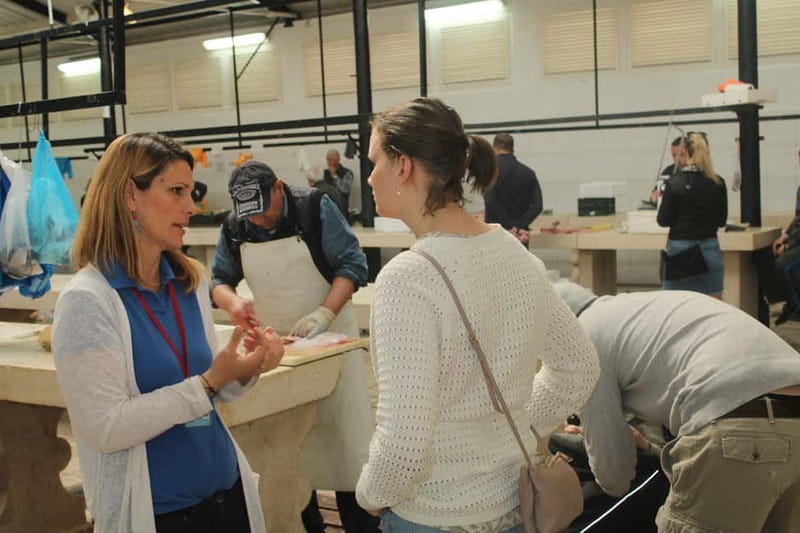
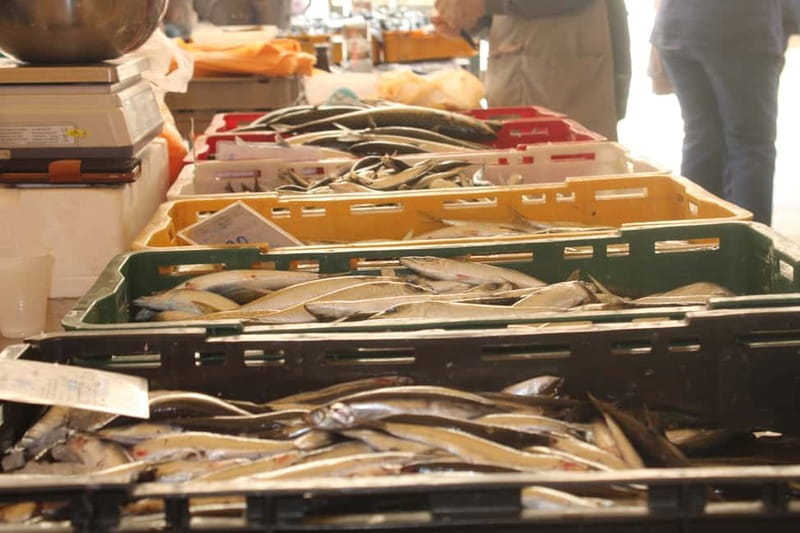
The Fish Market, called Peškarija, gives the walk its most distinctive stop. It is described as the second-oldest fish market in Europe, with original benches more than 120 years old.
The important part is not simply seeing rows of fish. Your guide explains how the market works and introduces salted anchovies as part of marenda, the Dalmatian mid-morning meal or brunch.
Salted anchovies can be unfamiliar to many people. The guide shows you how to eat them and explains their place in local food culture. This is exactly the sort of small practical lesson that can make a destination feel more understandable.
The market also helps explain why fresh ingredients matter so much in coastal Croatian cooking. You see the setting where seafood is bought, discussed, and turned into everyday meals.
The stop may be less appealing if you dislike strong fish flavors or prefer a tour focused on restaurants. For everyone else, it is one of the most useful parts of the route because it moves beyond generic sightseeing.
Local bars and restaurant tastings
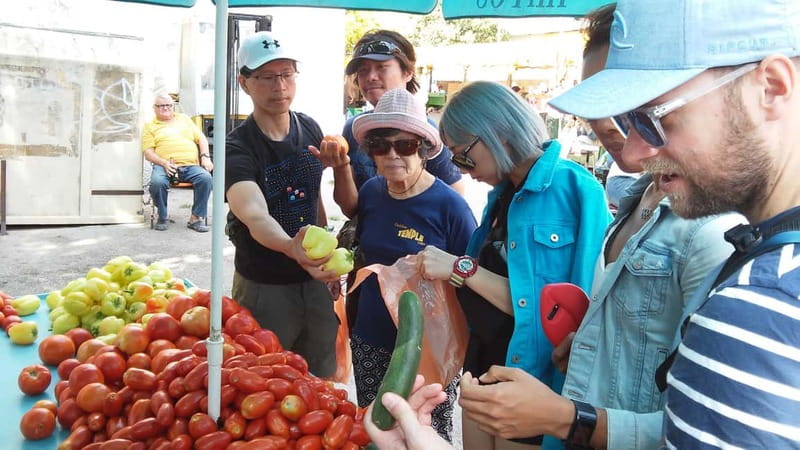
The schedule includes tastings at a local café, a local bar, and a local restaurant. These stops give you a chance to sit briefly and taste foods in places used for ordinary eating, rather than only at formal attractions.
The information provided for the current 90-minute version does not promise a full cooked lunch. That matters because older descriptions of similar Split food experiences involved selecting market ingredients and sitting down for a meal prepared by a restaurant. The present format is best understood as a tasting walk, not as a market-to-table lunch.
You may taste wine at one of the stops, along with additional Dalmatian specialties. The exact serving order can change, and the guide may adjust the route based on market conditions or the day’s available foods.
This is also where the group size matters. A small group gives you more chances to ask about ingredients, recipes, and restaurants. A private booking gives you even more control over questions and pacing, though the experience costs more than the advertised $58 small-group price if a separate private rate applies.
What $58 buys you
At $58 per person, this tour is not the cheapest way to grab a snack in Split. You are paying for the guide, the tastings, the route through the palace, and the explanation that ties the food together.
The value is strongest if you want a quick introduction to Dalmatian cuisine and prefer learning while walking. You would spend money on several individual samples anyway, and it would be difficult to find the market context and local explanations on your own in only 90 minutes.
The value is weaker if you mainly want a large meal. The tastings are spread across several stops, and extra market purchases are your responsibility. One participant felt the price was somewhat high compared with food tours elsewhere, even while enjoying the guide and the variety.
I would compare it with the cost of a guided city walk plus a separate meal. If you already plan to hire a guide and eat several snacks, the combined value looks better. If your priority is a long lunch, book a restaurant instead.
The guides make the difference
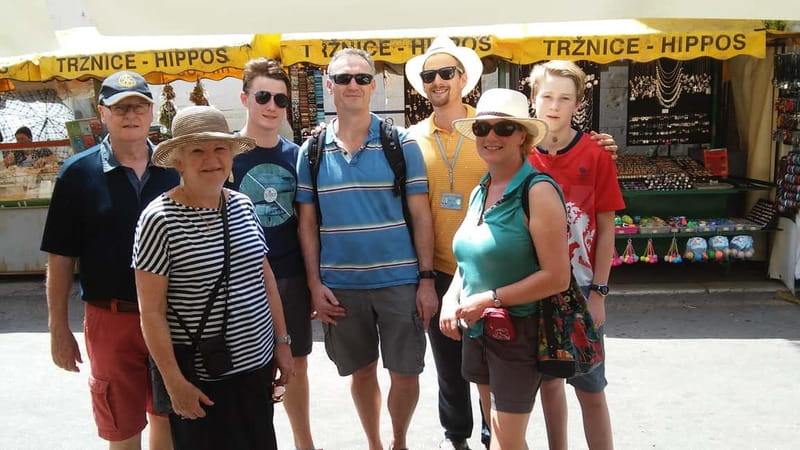
The most important variable is the person leading your group. The tour has received especially strong praise for guides who connect recipes to their own lives in Split.
Marta has been described as friendly, engaging, and able to answer questions about both food and local history. Antonia is praised for being energetic, helpful, and generous with explanations. Slavko, who was born and raised in Split, has introduced market sellers and talked about local favorites.
Jakov, Tanja, Tonka, and Darko have also led versions of the experience. Their styles differ, but the best guides do three jobs at once: keep the group moving, explain the city clearly, and make the food feel connected to real life.
Your guide is not simply handing you samples. You will hear about preparation, local customs, market shopping, and the background of dishes such as soparnik and rafiol. Ask questions early. A small group makes it easier to shape the conversation around your interests.
Timing, pace, and practical details
The advertised duration is 90 minutes. The route includes several tasting and market stops, so the pace is fairly efficient. A printed breakdown lists 15-minute food tastings and 30-minute market visits, but the actual experience may flow differently as you walk between locations.
That compact timing is useful if you are in Split for only a day, arriving on a cruise, or trying to fit a food introduction before another activity. It can feel rushed if you want to linger at every market stall or sit over wine.
The meeting point is the Golden Gate at the northern entrance of Diocletian’s Palace. Find the blue umbrella. Bring cash for optional purchases at the markets.
English is the stated tour language. Small groups and private bookings are available. You can cancel up to 24 hours before the activity for a full refund, and the reserve-now, pay-later option lets you keep your plans flexible.
Who should book this Split food tour?
I would recommend it to first-time visitors who want a fast introduction to Split’s food culture rather than a long restaurant meal. It suits curious eaters, couples, families with older children, and anyone who likes having local recommendations before making dinner plans.
It is also useful for people who feel uncertain in traditional markets. The guide helps you understand what you are seeing, how certain foods are used, and which local specialties are worth trying.
Food lovers will appreciate the range, but you should not book this expecting a cooking class. You will taste and learn, but there is no promise that you will prepare the dishes yourself.
The tour is less suitable for wheelchair users, people who need a slow walking pace, or anyone avoiding cured meat, pastries, wine, or fish. You can ask the guide about ingredients, but the advertised tastings center on traditional Dalmatian foods.
Should you book it?
Book this tour if you want to connect Split’s markets, palace streets, and local food in one short outing. The strongest reasons are the personal guides, the Fish Market visit, the soparnik and rafiol tastings, and the chance to learn how locals eat rather than simply hear dates about old buildings.
Skip it if you want a full sit-down meal, a long wine tasting, or a slow market-shopping experience. At $58, it offers good value as a guided sampler, not as a budget lunch.
For most first visits, I would schedule it early in your stay, arrive hungry, bring cash, and keep the rest of the morning flexible. That gives you time to ask questions, buy a favorite market item afterward, and use the guide’s food advice during the rest of your time in Split.
FAQ
Where does the Split food tour meet?
The meeting point is at the Golden Gate, the northern entrance to Diocletian’s Palace. Look for a blue umbrella.
How long does the food tour last?
The advertised duration is 90 minutes.
What is the price?
The listed price is $58 per person.
What language is the tour conducted in?
The tour is conducted in English by a live English-speaking guide.
Is this a private tour?
You can choose a small-group experience or a private option when available. The private option is included only if selected during booking.
What foods are included?
Tastings can include arancini, soparnik, local wine, prosciutto, chocolate, rafiol, salted anchovies, and other Dalmatian specialties.
Will I visit Split’s food markets?
Yes. The route includes the Green Market, also called Pazar, and Split’s Fish Market, called Peškarija.
Are extra market purchases included?
No. Optional purchases at the markets are extra, so bring cash.
Is the tour accessible to wheelchair users?
No. The experience is listed as unsuitable for wheelchair users.
Fresh off the menu around Croatia
- Split: Private Food Tasting Tour★ 4.9 · 36 reviews
- Split: Food Tasting Walking Tour★ 4.9 · 102 reviews
- Korcula: Buggy Safari with Local Food and Wine Tasting★ 5.0 · 97 reviews
- Pelješac Full-Day Wine and Food Tour from Dubrovnik★ 5.0 · 72 reviews
- From Split: Krka Waterfalls with Wine & Cheese Tasting Tour★ 4.6 · 33 reviews
- Zagreb: Food Tour with Tastings★ 4.9 · 153 reviews
- Dubrovnik: Oyster, Mussles, and Wine Tasting Tour in Ston★ 5.0 · 77 reviews
- Dubrovnik Food and Drink Walking Tour with a Local Guide★ 5.0 · 654 reviews
Split Food Tours, compared.
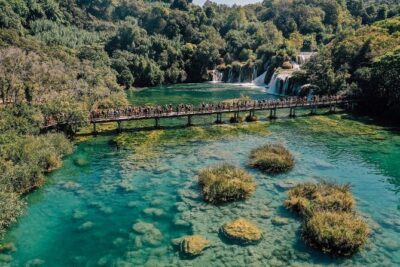
From Split: Krka Waterfalls, Food & Wine Tasting Tour
Read our review →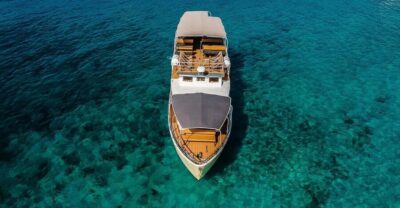
Split: Blue Lagoon and 3 Island Cruise with Food and Drinks
Read our review →
Split: Blue Lagoon, Borkko Beach & Šolta with Food & Drinks
Read our review →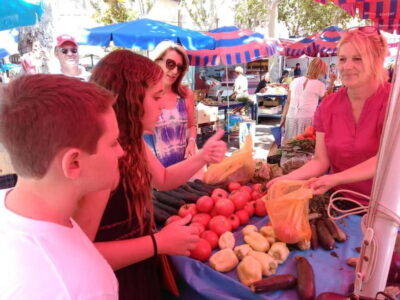
Browse the lists this tour appears in