
Review · SPLIT
Split: Food Tasting Walking Tour
Split’s best food experiences happen where daily life is still going on. This two-hour walk takes you from the Golden Gate through Diocletian’s Palace, the Green Market, the Fish Market, bakeries, cafés, and local food shops. You taste Dalmatian staples while your guide explains how food fits into life on Croatia’s coast.
I like the mix of market browsing and ready-to-eat samples, and I like that the tour adds Roman and medieval Split rather than treating the city as a string of snack stops. Guides such as Marta, Antonia, Jakov, Slavko, and Ina have received especially strong praise for their warmth, local stories, and ability to adjust to a group.
One point needs checking before you book: the description includes a glass of local wine, but recent feedback says wine may no longer be included. The tour is also not suitable for wheelchair users, and you should expect standing and walking on old, uneven streets.
Key points at a glance
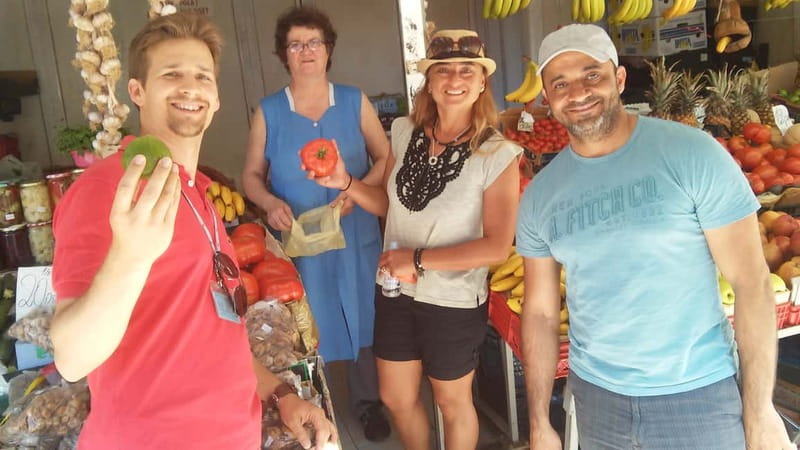
- Sugared almonds begin the morning: Taste local arancini, almonds coated in sugar, at the Pazar Green Market.
- Soparnik brings a true Dalmatian specialty: Try this traditional savory dish, protected as part of Croatia’s culinary heritage, with the possibility of a local wine tasting depending on current arrangements.
- Two historic markets anchor the walk: See Split’s Green Market and the Peškarija Fish Market, with its more than 120-year-old benches.
- The food keeps changing: Samples range from prosciutto and flatbread to chocolate, rafiol cake, and salted anchovies.
- The guide matters here: Marta, Antonia, Jakov, Slavko, and Ina are among the guides praised for clear explanations, humor, and personal attention.
- Book early in your stay if possible: The recommendations for restaurants, shops, and foods can help shape the rest of your time in Split.
Why this food walk works in Split
Split is easy to admire from the outside. You see the stone walls, Roman columns, narrow lanes, and polished waterfront. Food gives you a way into the city’s ordinary life. At the market, you are not just looking at produce. You are seeing where locals shop, what appears in season, and how Dalmatian cooking starts before anything reaches a restaurant table.
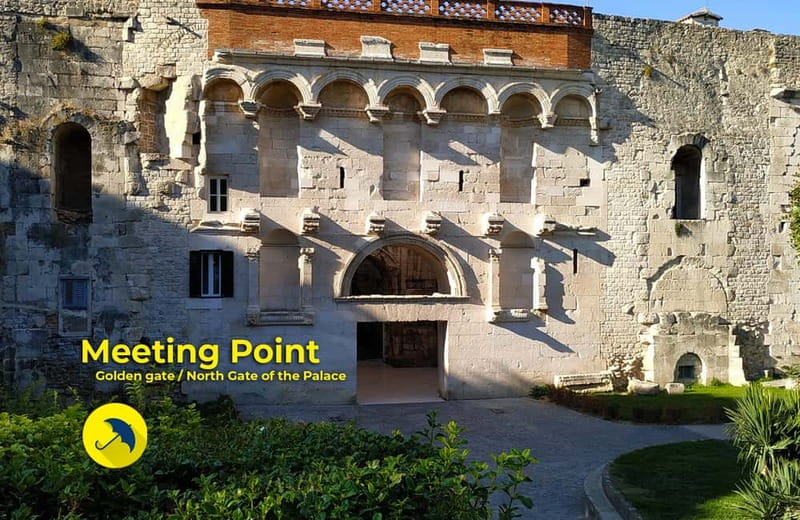
The tour begins at the Golden, or North, Gate, near the statue of Gregory of Nin. Look for the blue umbrella. From there, your guide leads you into the 1,700-year-old complex of Diocletian’s Palace, where Roman foundations and later medieval streets sit side by side.
I like this pairing because Split’s food traditions are easier to understand when you know where you are. The city is not simply an old monument. People still move through these lanes, buy food, meet for a drink, and stop for a quick bite. The tour connects the stones with the plate.
The price is $64 per person. For two hours, that includes a guide, the food tastings, and traditional recipes. That is fair value if you want several small portions and a useful introduction to Split’s food culture without paying for a full sit-down meal. It is less appealing if you mainly want a large lunch. Think of it as a guided tasting session with sightseeing included.
More food tours around Croatia:
- From Split: Krka Waterfalls, Food & Wine Tasting Tour
★ 5.0 · 9,326 reviews - From Split: Krka Waterfalls, Food & Wine Tasting Tour
★ 4.9 · 6,598 reviews - Split: Blue Lagoon and 3 Island Cruise with Food and Drinks
★ 4.8 · 1,969 reviews
Starting at the Golden Gate and local café
Your meeting point is practical, but give yourself enough time to find the statue of Gregory of Nin and the blue umbrella. The Golden Gate is one of the main entrances into Diocletian’s Palace, so it also gives your guide a natural place to explain Split’s Roman beginnings and later growth.
The first food stop is a local café, scheduled for about 15 minutes. The early tasting is arancini, sugared almonds that add a sweet start to the walk. You may also encounter candied orange and lemon peel, which one guide-led tasting included among the first foods.
This is a small bite, not breakfast. If you wake up hungry, eat something before the tour. The samples add up, but they are spread across several stops rather than served as one meal.
A local café also sets the right pace. You begin with food and conversation instead of racing straight into a long historical lecture. Guides have been praised for explaining preparation methods, so you can expect more than a name and a quick taste.
The Pazar Green Market and Soparnik
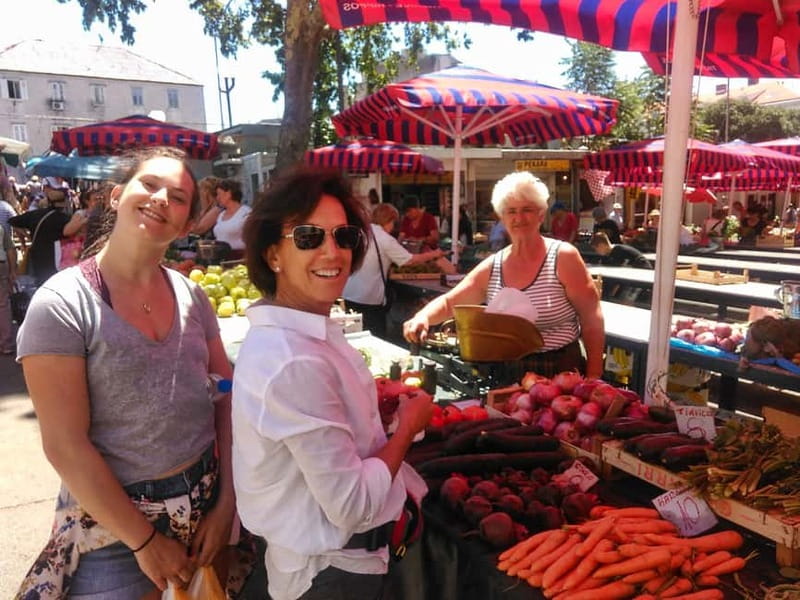
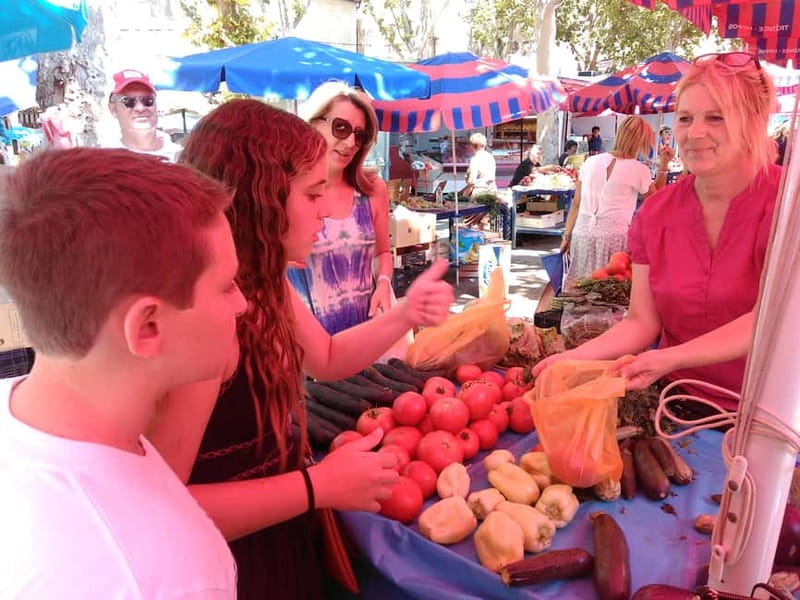
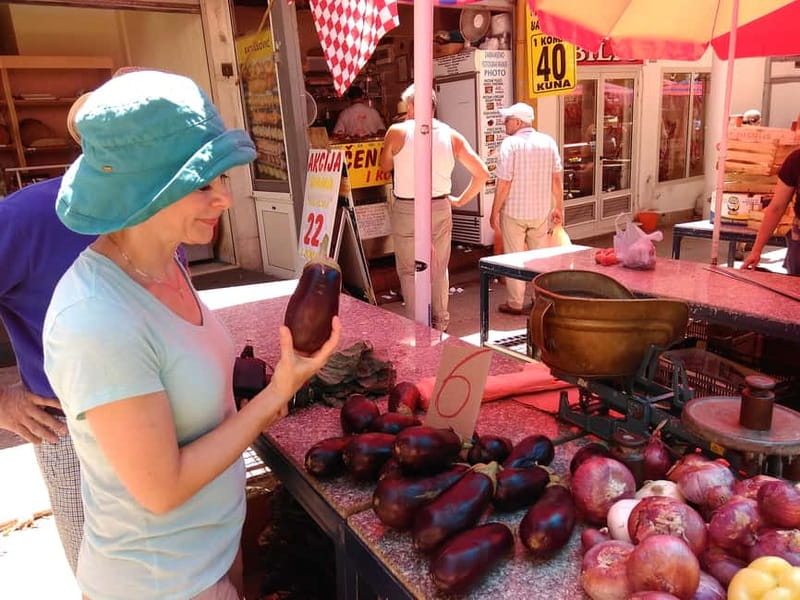
The Old Market, usually called Pazar, is one of the most useful parts of the tour. You spend about 30 minutes around the Green Market, where your guide introduces you to local ingredients and food habits.
The market visit is valuable even if you do not buy anything. You get help identifying traditional products, and you can ask about items you may want to return for later. One practical advantage of taking this walk early in your stay is that you can come back to the market with more confidence.
A key tasting here is Soparnik, a savory flatbread associated with Dalmatia. It is made in a traditional style and is described as protected by UNESCO heritage recognition. The dish gives you a direct taste of regional cooking: simple ingredients, careful preparation, and food designed for everyday life rather than ceremony.
The tour description includes Soparnik with a glass of local wine. Several more recent experiences specifically note that wine was no longer provided. I would ask about the current arrangement when you book or at the meeting point. The food tasting remains part of the experience, but the wine should not be treated as guaranteed.
Medieval lanes, prosciutto, and the old bakery
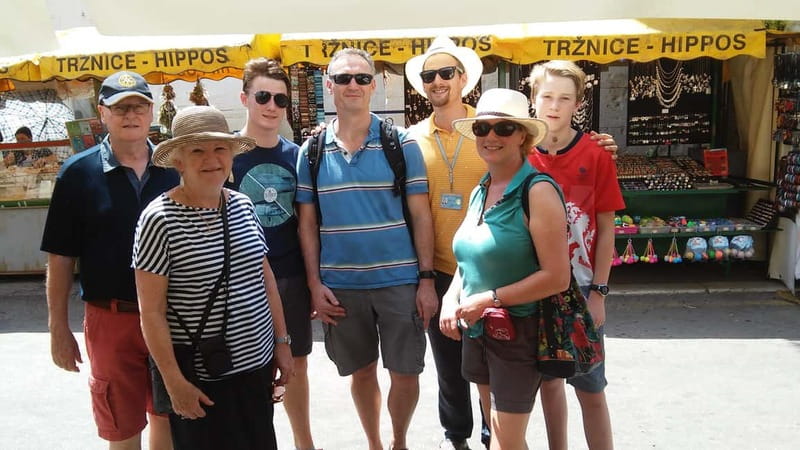
Between markets, the walk moves through the narrow streets of Split’s old center. This is where the food and sightseeing blend most naturally. You get a closer look at the medieval layers inside the Roman palace, while your guide explains how the city developed around and within the ancient walls.
A prosciutto tasting adds a salty, familiar Dalmatian note. It works well after the sweet almonds and pastry-like foods because the tour keeps changing direction. Several tastings include two types of traditional flatbread, so you get some useful comparison rather than one repeated flavor.
The local bakery is scheduled for about 15 minutes. Here you try rafiol cake, a traditional sweet associated with the region. The tour also includes a visit to a chocolate shop known for holding a Guinness record for the largest chocolate bar in the world.
The chocolate stop will appeal most to anyone who likes sweets and food stories. It is also a good break from the market setting. Just remember that this is a tasting walk, not a shopping trip included in the price. Any extra purchases at the markets are your responsibility.
Same city, a different plate:
- Split: Blue Lagoon, Borkko Beach & Šolta with Food & Drinks
★ 4.5 · 759 reviews - Dubrovnik Food and Drink Walking Tour with a Local Guide
★ 5.0 · 654 reviews - Dubrovnik Old Town Food Tour: Small-Group Experience
★ 5.0 · 419 reviews - Dubrovnik Gastronomy: 3-Hour Food and Wine Tour
★ 4.9 · 249 reviews
The Fish Market and Split’s marenda tradition
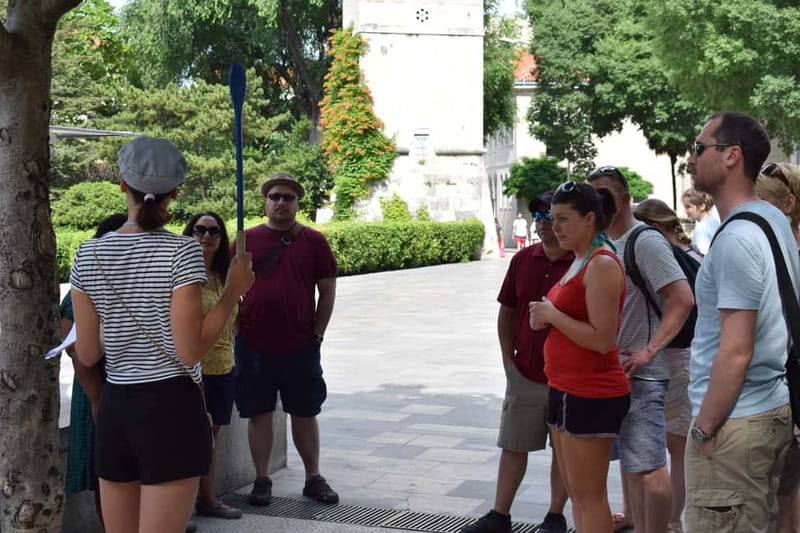
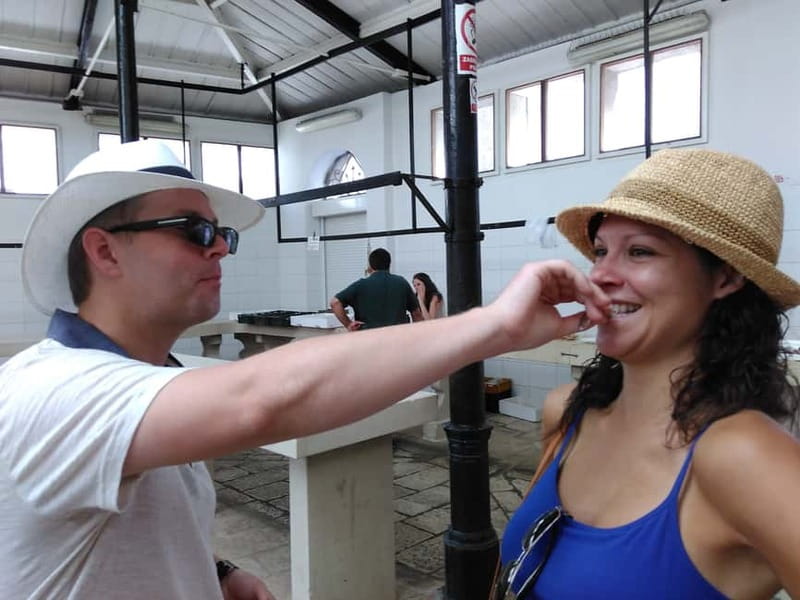
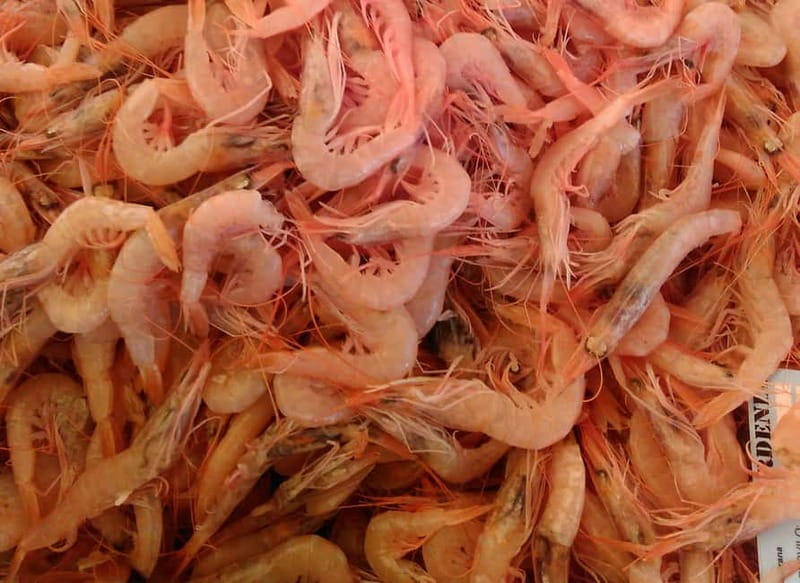
The Peškarija, or Fish Market, is the tour’s most distinctive stop. It is described as the second-oldest fish market in Europe, with original benches that are more than 120 years old. The setting gives you a stronger sense of local routine than a standard restaurant tasting can.
Your guide explains how to eat salted anchovies, a traditional part of marenda, the Dalmatian mid-morning meal. This is exactly the sort of detail that makes the tour useful. You are not merely sampling an ingredient. You are learning when it is eaten and how it fits into the day.
Expect about 30 minutes at the Fish Market. The market may be less comfortable for anyone who dislikes strong seafood smells or wants a quiet, polished setting. That is also its value. You see a working food market with its own character, not a staged attraction.
The Fish Market can also help you shop later. One earlier experience included guidance with local groceries, fish, and greens, followed by a restaurant preparation. That kind of individual arrangement is not promised by the standard tour, but it shows how useful it can be to ask questions if you want to buy food for another meal.
The final café and restaurant tastings
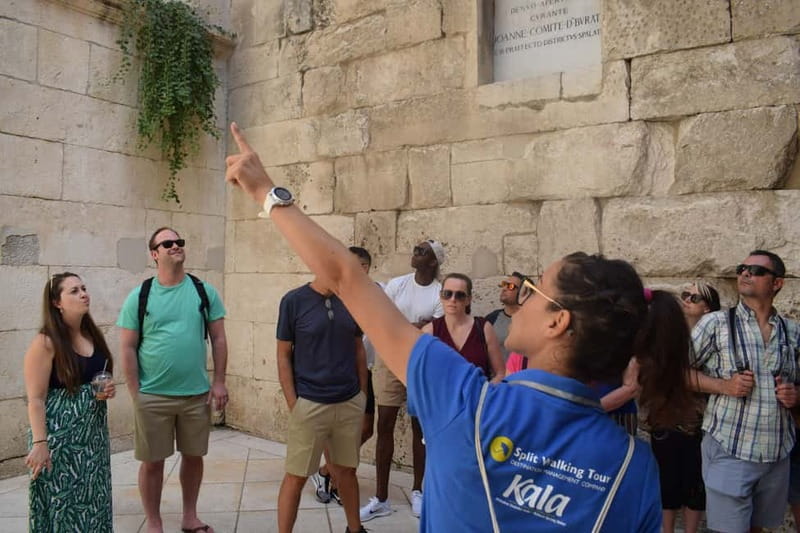
The last two stops are listed as a local bar and a local restaurant, with about 15 minutes at each. These stops round out the tasting menu and give you a chance to sit or pause after the market walking.
The local bar is a natural place for a drink-based tasting, but the current inclusion of local wine is unclear. Ask before counting on it. The restaurant stop is not presented as a full lunch, so you should still plan another meal if you have a large appetite.
What I like about this ending is the chance to turn food knowledge into practical advice. Guides have provided restaurant suggestions and recommendations for places to revisit. Several people specifically wished they had taken the tour at the start of their holiday, so they could return to the markets, bakeries, and eateries afterward.
The route returns to the Golden Gate. Since there is no transport between stops, the two-hour format keeps the focus on walking, tasting, and conversation. Wear comfortable shoes. Sunglasses and a sun hat are sensible in Split’s bright weather.
The guides make the difference
A food walk depends heavily on the person leading it. The strongest guide names associated with this experience are Marta, Antonia, Jakov, Slavko, and Ina.
Marta is repeatedly praised for her friendly manner, local food knowledge, cooking explanations, and ability to make people feel included. She has also been noted for adapting the pace and content to the group. Antonia is described as warm, down to earth, and strong on both Croatian history and food traditions.
Jakov brings a personable style, humor, and detailed explanations of Dalmatian life. He has also offered restaurant and food recommendations after the tour. Slavko was praised for being funny and approachable, while Ina made a point of speaking with everyone in the group and explaining the background of different dishes.
The exact guide depends on the date and availability, so you should not assume you will meet one particular person. The consistent pattern is a small-group style with room for questions, rather than a rigid speech delivered at every stop.
Small groups, private options, and practical limits
Private and small-group formats are available. A smaller group matters here because markets are crowded, lanes are narrow, and food discussions work better when you can ask questions. It also gives the guide more room to adjust for dietary preferences or interests, though no specific dietary accommodations are stated.
The tour lasts two hours, but the experience may feel longer if the group spends extra time asking questions. One guide was noted for spending more than the scheduled time with the group. Do not plan a tight connection immediately afterward.
You will walk on old streets inside the palace area and through two markets. The tour is not accessible for wheelchair users. Children must be accompanied by an adult, and unaccompanied minors are not allowed.
Cancellation is flexible: you can cancel up to 24 hours before the start for a full refund. You can also reserve now and pay later, which helps if you are building a multi-stop Croatia itinerary.
Who should book this Split food tour?
I would choose this tour if you want three things in one outing: a first look at Diocletian’s Palace, an introduction to Dalmatian food, and practical tips for the rest of your stay.
It suits first-time visitors especially well. You get orientation without committing half a day, and you can use the guide’s suggestions afterward. It also works for repeat visitors who want a closer look at markets and food customs rather than another standard monument tour.
Families can join if children are comfortable walking, tasting unfamiliar foods, and staying with an adult. The range is broad, with sweet almonds and chocolate for cautious eaters and anchovies, prosciutto, and Soparnik for more adventurous palates.
I would skip it if you want a long, seated meal, a wine-focused tasting, or a fully accessible route. I would also ask about the current menu if allergies or strict dietary needs are important, since the supplied details do not specify substitutions.
Should you book it?
Book this Split food tour if you want a friendly, compact introduction to Dalmatian cooking with real market stops. The best parts are the Green Market, the old Fish Market, the unusual local foods, and the guides’ ability to connect each bite with Split’s past and present.
Take it near the beginning of your stay. That way, the market advice, bakery suggestions, and restaurant recommendations can shape the rest of your trip. At $64, it offers good value for a small meal’s worth of tastings plus two hours of guided sightseeing, but confirm the wine details and arrive ready to walk.
FAQ
Where does the Split food tour begin?
It begins at Split’s Golden Gate, also called the North Gate, near the statue of Gregory of Nin. Look for the blue umbrella.
How long does the experience last?
The tour lasts two hours.
What language is the tour in?
The live tour guide speaks English.
How much does the tour cost?
The listed price is $64 per person.
What foods might I taste?
Samples include sugared almonds, candied citrus peel, Soparnik, prosciutto, traditional flatbreads, chocolate, rafiol cake, and salted anchovies.
Does the tour include wine?
The description includes a glass of local wine with Soparnik, but recent information says wine may no longer be included. Confirm the current arrangement before booking.
Does the tour visit Split’s markets?
Yes. It visits the Green Market, also called Pazar, and the Split Fish Market, known locally as Peškarija.
Are market purchases included?
No. Extra expenses at the markets are optional and are not included in the tour price.
Can I book a private tour?
Yes. Private and small-group options are available.
Is the tour suitable for wheelchair users?
No. The tour is not accessible for wheelchair users.
Can children join the experience?
Children may join when accompanied by an adult. Unaccompanied minors are not allowed.
What should I bring?
Wear comfortable shoes and consider bringing sunglasses and a sun hat.
Fresh off the menu around Croatia
- Split: Private Food Tasting Tour★ 4.9 · 36 reviews
- Split: Small Group Food Tour with Private Option★ 4.8 · 116 reviews
- Korcula: Buggy Safari with Local Food and Wine Tasting★ 5.0 · 97 reviews
- Pelješac Full-Day Wine and Food Tour from Dubrovnik★ 5.0 · 72 reviews
- From Split: Krka Waterfalls with Wine & Cheese Tasting Tour★ 4.6 · 33 reviews
- Zagreb: Food Tour with Tastings★ 4.9 · 153 reviews
- Dubrovnik: Oyster, Mussles, and Wine Tasting Tour in Ston★ 5.0 · 77 reviews
- Dubrovnik Food and Drink Walking Tour with a Local Guide★ 5.0 · 654 reviews
Split Food Tours, compared.
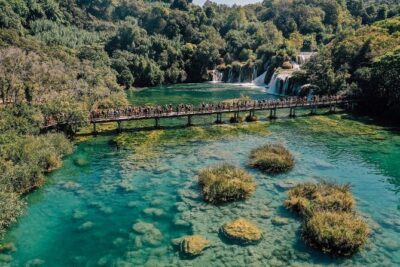
From Split: Krka Waterfalls, Food & Wine Tasting Tour
Read our review →
Split: Blue Lagoon and 3 Island Cruise with Food and Drinks
Read our review →
Split: Blue Lagoon, Borkko Beach & Šolta with Food & Drinks
Read our review →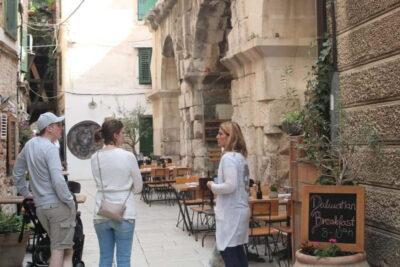
Split: Small Group Food Tour with Private Option
Read our review →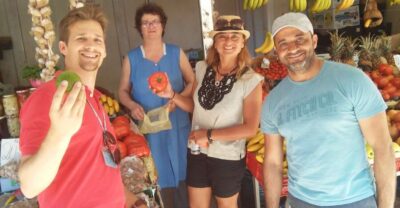
Browse the lists this tour appears in