
Review · SPLIT
Split: Private Food Tasting Tour
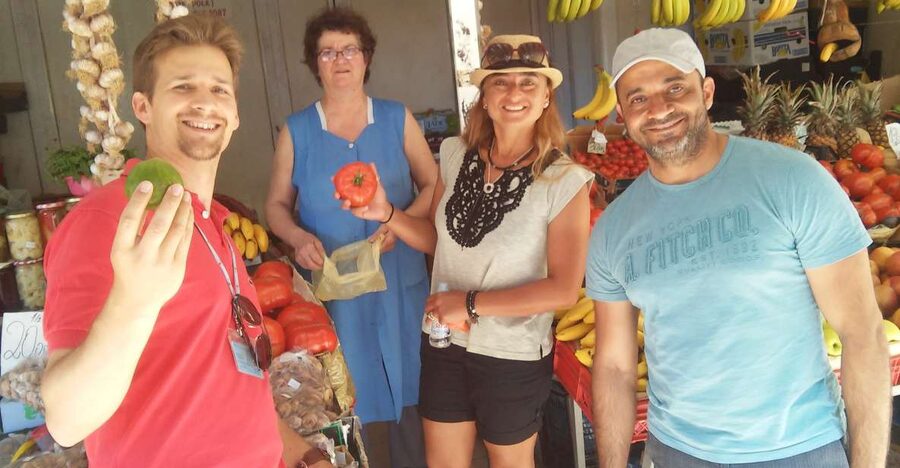
Split’s best food stories begin at the market, not in a polished restaurant. This two-hour private walk takes you from the Golden Gate into the Green Market, Fish Market, a record-holding chocolate shop, and the city’s oldest pastry shop, with small tastes along the way.
I like the way the tour connects each bite to Dalmatian life, and I like the manageable pace. Guides such as Marta, Antonio, Antonia, and Jakov have been praised for clear explanations and an easy manner. The main consideration is price: at $176 for two, it is good value for a private introduction, but less attractive if you are traveling alone or mainly want a full meal.
Key points to know before booking
- Market-first route: You visit Split’s Farmers’ Market and Fish Market before tasting your way through the old center.
- Dalmatian staples: Expect prosciutto, cheese, Soparnik, salted anchovies, almonds in sugar, olive oil, local wine, pastries, and other small samples.
- Private format: The $176 price covers a private group of up to two people, so the per-person value improves when two people share it.
- Strong local guiding: Marta, Antonio, Antonia, and Jakov have all been singled out for friendly explanations of food, culture, and Split.
- Short but useful: Two hours gives you an introduction rather than a long lunch, making it a smart first activity in the city.
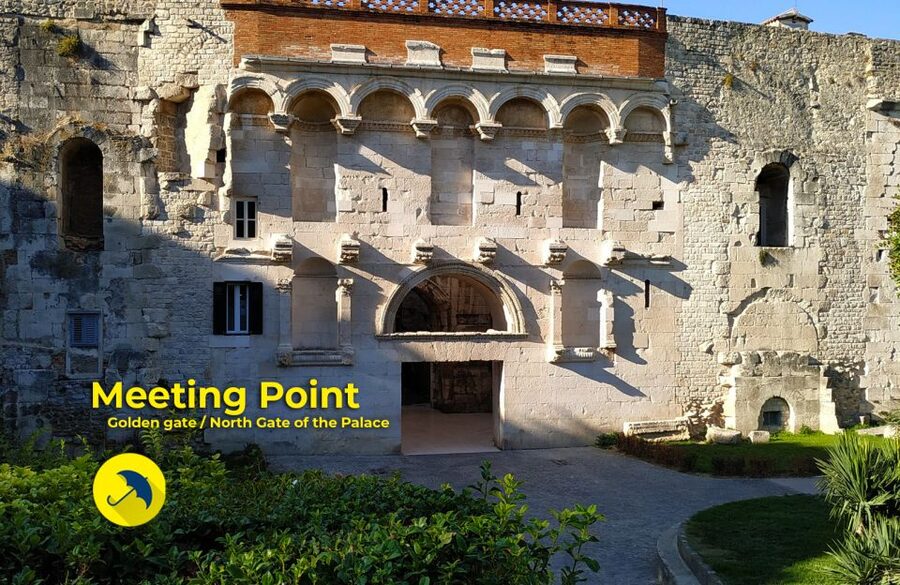
- Simple meeting point: Look for the guide with a blue umbrella below the Golden Gate, near the bronze statue of Gregory of Nin.
A tasty way to get your bearings in Split
This is not a sit-down feast with several courses. It is a guided tasting walk through the center of Split, using familiar local stops to explain how Dalmatian food fits together.
That distinction matters. You will sample enough to understand the region, but you should not arrive expecting to replace lunch. The food is presented in small portions, and the value comes from the combination of tasting, local explanation, and market access.
The route begins at the Golden Gate of Diocletian’s Palace. From there, your guide leads you through the city’s food stops and returns you to the same area after about two hours. Since the tour is private, you can ask questions freely and spend more time on the dishes or ingredients that interest you.
I would book it early in your stay. A market visit gives you a quick sense of local eating habits, and the guide can help you recognize dishes and ingredients for the rest of your time in Dalmatia.
More Private Food Tours in Croatia:
- Lisbon Exclusive PRIVATE Food Tour with 6 or 10 Tastings
★ 4.5 · 1,113 reviews - The Award-Winning PRIVATE Food Tour: 10 Tastings of 3 Cultures
★ 4.5 · 1,017 reviews - Rome Private Food Tour with 6 or 10 Tastings
★ 4.5 · 902 reviews
Meeting below the Golden Gate
The meeting point is specific, but the old center can still be confusing when you first arrive. Go to the Golden Gate, then down the stairs from the bronze statue of Gregory of Nin. Look for a guide carrying a blue umbrella.
The tour does not include hotel pickup, so plan your own way to the gate. Once you meet the guide, the route stays in Split and finishes back at the Golden Gate.
This is a useful starting point for a food walk because Diocletian’s Palace puts you close to the market area and many traditional shops. You are not spending the short tour on transport. You are on foot for the food stops, though the pace is not described as strenuous. One account specifically praised the tour for covering a lot without too much walking.
The Green Market: food as part of daily life
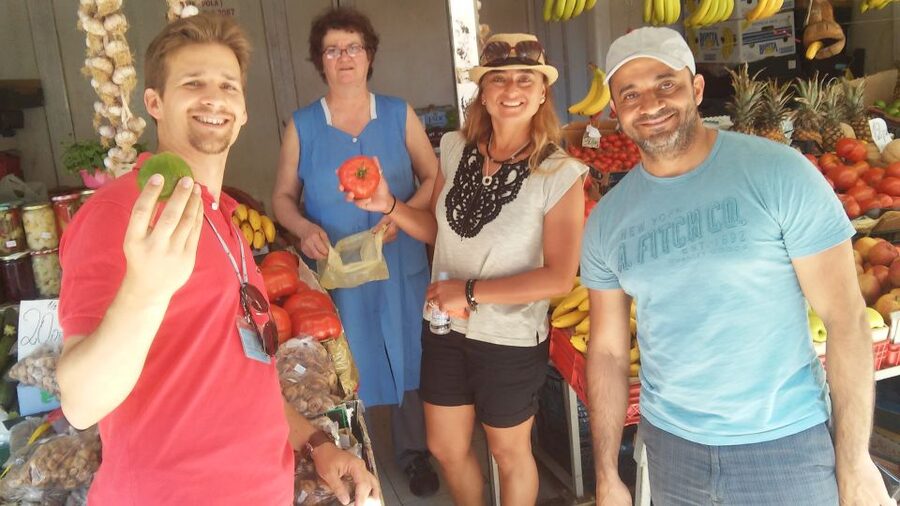
The Green Market is one of the most useful stops because it shows you ingredients before they appear on a plate. You visit the local farmers’ market, where the guide explains the place of produce in Dalmatian cooking.
The market visit is not just a quick pass through stalls. It gives context to dishes such as Soparnik, a traditional savory specialty, and to the simple use of olive oil, bread, vegetables, and cheese in local meals.
You might also hear how home cooks use seasonal ingredients, though the exact produce available can vary. Market stock changes with the season, so do not expect one fixed display every time. That is part of the point. The market reflects what is being sold that day.
For me, this is where the tour becomes more useful than a standard tasting menu. You learn what to look for later, whether you are shopping for a picnic, ordering a plate of cheese, or trying to identify a local vegetable at a restaurant.
The Fish Market and Dalmatian seafood
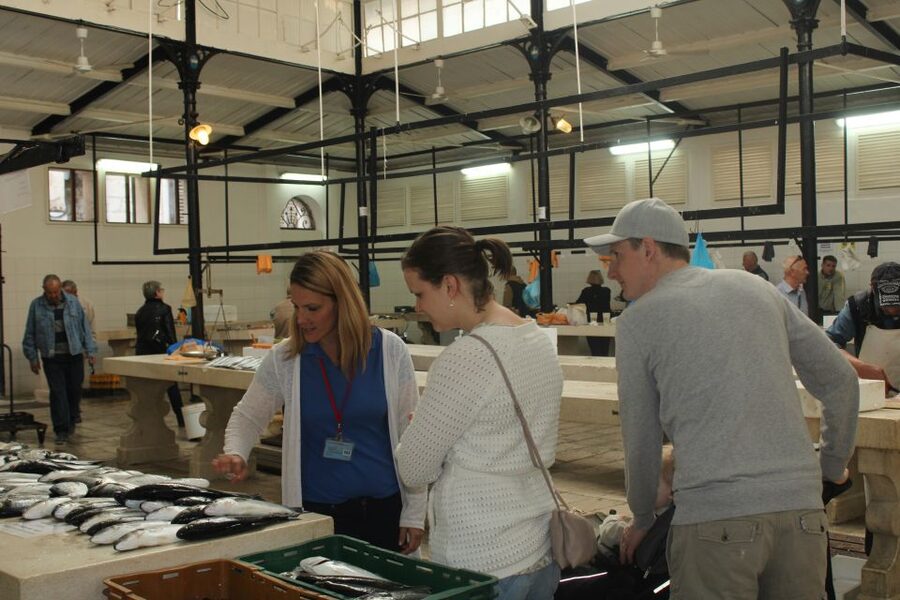
The Fish Market gives the route a second angle. Instead of only tasting finished snacks, you see the seafood side of Dalmatian food culture and hear how fish and anchovies fit into local cooking.
Salted anchovies are included among the tastings. They are a small but important part of the experience because they show how preservation shaped coastal food. The taste is strong, salty, and not for everyone, but it belongs to the region’s traditional table.
Some past versions of the food experience included choosing fish at the market and having it prepared for a meal. The current two-hour experience is presented as a snack-focused tasting, so you should confirm the exact format if you are specifically hoping for a cooked fish lunch. The advertised route includes a Fish Market visit and traditional samples, not a full restaurant meal.
That is not a flaw if you want a compact introduction. It is simply important to match your expectations to the current two-hour format.
More food tours around Croatia:
- From Split: Krka Waterfalls, Food & Wine Tasting Tour
★ 5.0 · 9,326 reviews - From Split: Krka Waterfalls, Food & Wine Tasting Tour
★ 4.9 · 6,598 reviews - Split: Blue Lagoon and 3 Island Cruise with Food and Drinks
★ 4.8 · 1,969 reviews - Split: Blue Lagoon, Borkko Beach & Šolta with Food & Drinks
★ 4.5 · 759 reviews
Prosciutto, cheese, bread, and olive oil
The core tasting covers several foods that explain Dalmatian eating better than an elaborate dish might. Dalmatian prosciutto is served with homemade bread, along with cheese and olive oil.
These are straightforward foods, but the guide’s explanation gives them purpose. You can ask about how the products are eaten, what makes them local, and how they fit into a casual meal. The tasting also helps you compare the salty cured meat with milder cheese and the clean flavor of olive oil.
The bread matters here. Prosciutto and cheese can feel generic when served without context, but homemade bread makes the combination more like the kind of simple table food you are likely to encounter in Croatia.
Portions are described as just right by one participant, while another praised the number of samples. Read that as a generous snack route, not unlimited food. If you have a large appetite, plan a later meal.
Soparnik, a regional specialty worth trying
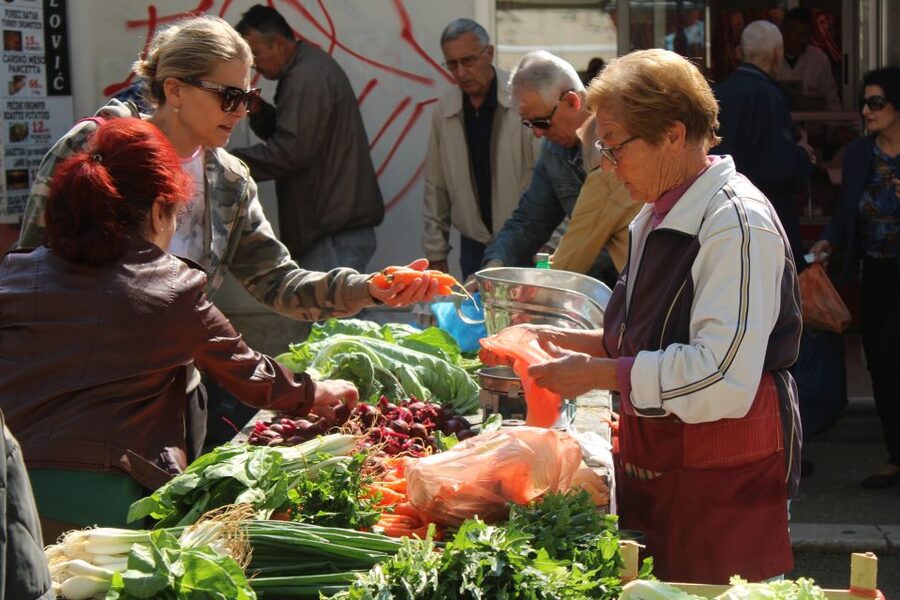
Soparnik is one of the more distinctive foods on the route. It is a traditional Dalmatian savory dish and a good reason to choose this tour over a generic European food walk.
You may have trouble identifying it from a menu later, so tasting it with an explanation is useful. The guide tells you the story behind the food rather than simply placing a sample in front of you. That turns a bite into a piece of local culture.
The exact sample size and preparation can vary, but Soparnik is listed as one of the traditional foods included. If you want to try dishes that are tied to Dalmatian tradition rather than tourist staples, this is one of the strongest parts of the tasting.
The tour also includes almonds in sugar, an old-fashioned sweet snack that gives the route a different texture and flavor. Together, Soparnik and the sugared almonds show the range of the local table, from savory home cooking to small treats.
Chocolate with a record and Split’s oldest pastry shop
The sweet finish takes you to a local chocolate shop with a Guinness World Record and then to the city’s oldest pastry shop. These stops add variety after the salty foods and give you a chance to see how Split handles desserts and confectionery.
The chocolate shop is an unusual stop because of its record, but the more useful part is that it is local and tied to the city’s food scene. The pastry shop offers a different experience, with traditional sweets and pastries rather than only packaged chocolate.
The route is designed to end on a sweet note. That sounds simple, but it gives the tasting a natural shape: market ingredients first, savory samples in the middle, then pastries and sweets at the end.
Specific pastries are not listed, so do not book expecting one named dessert. The guide will show you what the shop offers, and availability can change. The point is to sample local sweets and learn which pastry stops are worth returning to.
What the guide adds to the food
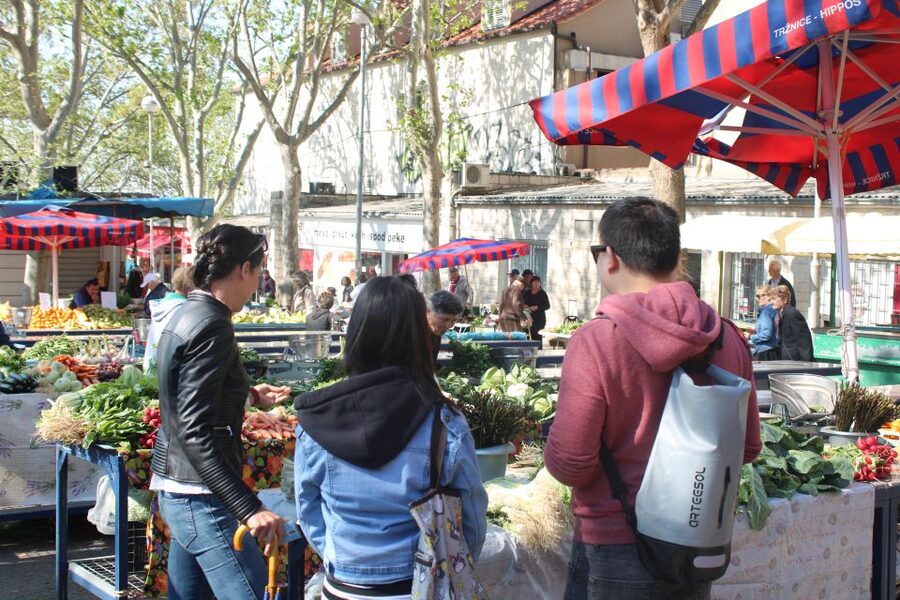
The guide is the main reason to take this as a tour rather than visit the markets alone. You can walk through the Green Market and Fish Market by yourself, but you may not know what you are seeing or why it matters.
Marta has been praised for combining history, culture, and food in a friendly way. Antonio has been noted for explaining the story behind the dishes, while Antonia was described as thorough and engaging. Jakov has a background in history and cooking, which gives him a useful angle when discussing both Split and local food.
Guide quality can vary from person to person, but the repeated pattern is clear: expect an English-speaking local guide who explains the food and answers questions. The guide is not only there to hand out samples.
If you have dietary restrictions, ask before booking. The listed foods include fish, anchovies, cheese, prosciutto, bread, nuts, wine, and sweets. No special dietary substitutions are promised.
Wine, olive oil, and what is included
Local wines and olive oil are included among the advertised tastings. Wine is part of the food story, but this is not presented as a full wine tour with a broad flight.
One tasting account wished for more wines, which is useful context. If your main interest is comparing several Croatian wines, choose a dedicated wine experience instead. Here, wine supports the food route rather than taking over.
The same applies to olive oil. You will taste it as part of the traditional food selection, but the tour is not built as a technical olive-oil seminar. You get a taste and an explanation within a wider introduction to Dalmatian cooking.
The minimum drinking age is 18. If you do not drink, the food and market stops still make up most of the experience, but the exact nonalcoholic alternatives are not specified.
Is $176 good value for two?
The price is $176 per private group of up to two people. For two, that works out to $88 per person. That is not the cheapest way to sample Split, but it is reasonable if you value a private guide and want several stops covered in a short time.
The comparison changes for solo visitors. You pay the group price rather than half of it, so the tour is much better suited to a couple or two friends traveling together.
You are paying for more than the food itself. The price includes an English-speaking licensed guide, market visits, a chocolate shop, a pastry shop, and several traditional samples. You also get the freedom to ask questions without sharing the guide with a large crowd.
For a private two-hour experience in a major historic center, I see the value in the format, especially at the beginning of a trip. If you only want inexpensive snacks, you can spend less on your own. If you want help understanding what to buy and eat, the guide earns the difference.
Timing, group size, and practical limits
The tour lasts two hours, with starting times based on availability. An early start can be smart. One booking was moved an hour earlier to avoid cruise ship crowds, which suggests that morning timing may give you a calmer market visit when the schedule allows.
The group is private, with a maximum of two people under the stated price. That makes the route more personal and helps if you want to ask many questions about food, culture, or restaurants.
Children must be accompanied by an adult, and unaccompanied minors are not allowed. The experience is not suitable for wheelchair users. The route includes market areas and old-city streets, so anyone with mobility concerns should consider those limits before booking.
Cancellation is flexible: you can cancel up to 24 hours ahead for a full refund. You can also reserve now and pay later, which helps if your Split schedule is still changing.
Who will enjoy this Split food walk?
I would recommend it most to:
- Couples who want a private introduction to Dalmatian food.
- First-time visitors who want help finding the main market and food stops.
- People who enjoy small samples and stories more than a long restaurant meal.
- History fans who like food explained alongside the old city.
- Visitors arriving in Split without much time.
- Anyone who wants to know what Soparnik, salted anchovies, Dalmatian prosciutto, and local sweets taste like before ordering them elsewhere.
I would think twice if you want a large meal, a long wine tasting, or a tour built around cooking a whole fish. The current format is a two-hour tasting walk, not a full culinary class or a restaurant lunch.
Should you book the Private Food Tasting Tour?
Book it if you are traveling as two people, want a private guide, and prefer a focused introduction to Split’s food culture. The market visits and traditional samples give you useful bearings, while the chocolate and pastry stops keep the route light and fun.
The strongest feature is the mix of food and explanation. You are not just eating prosciutto or Soparnik. You are learning why those foods belong to Dalmatia and where local people buy ingredients.
Skip it if you are on a tight solo budget, need wheelchair access, or mainly want a serious wine tasting or full seafood lunch. For everyone else, this is a practical first-day activity, especially if you schedule it early and arrive hungry but not starving.
FAQ
Where does the Split Private Food Tasting Tour begin?
It begins at the Golden Gate of Diocletian’s Palace, down the stairs from the bronze statue of Gregory of Nin. Look for a guide with a blue umbrella.
Where does the tour finish?
The tour returns to the Golden Gate after the food tasting in Split.
How long does the food tour last?
The activity lasts two hours.
How much does the tour cost?
The price is $176 for a private group of up to two people.
What foods are included?
Samples include prosciutto, cheese, almonds in sugar, Soparnik, salted anchovies, local wines, olive oil, and other traditional snacks and sweets.
Does the tour visit local markets?
Yes. The route includes the Farmers’ Market, also called the Green Market, and the Fish Market.
Does the tour include chocolate and pastries?
Yes. You visit a local chocolate shop with a Guinness World Record and the city’s oldest pastry shop.
Is the tour conducted in English?
Yes. It includes a licensed live guide in English.
Is the tour suitable for wheelchair users?
No. The experience is listed as not suitable for wheelchair users. Children must be accompanied by an adult, and unaccompanied minors are not allowed.
Fresh off the menu around Croatia
- Split: Small Group Food Tour with Private Option★ 4.8 · 116 reviews
- Split: Food Tasting Walking Tour★ 4.9 · 102 reviews
- Korcula: Buggy Safari with Local Food and Wine Tasting★ 5.0 · 97 reviews
- Pelješac Full-Day Wine and Food Tour from Dubrovnik★ 5.0 · 72 reviews
- From Split: Krka Waterfalls with Wine & Cheese Tasting Tour★ 4.6 · 33 reviews
- Zagreb: Food Tour with Tastings★ 4.9 · 153 reviews
- Dubrovnik: Oyster, Mussles, and Wine Tasting Tour in Ston★ 5.0 · 77 reviews
- Dubrovnik: Old Town Food Tour★ 4.8 · 119 reviews
Split Food Tours, compared.

From Split: Krka Waterfalls, Food & Wine Tasting Tour
Read our review →
Split: Blue Lagoon and 3 Island Cruise with Food and Drinks
Read our review →
Split: Blue Lagoon, Borkko Beach & Šolta with Food & Drinks
Read our review →
Split: Small Group Food Tour with Private Option
Read our review →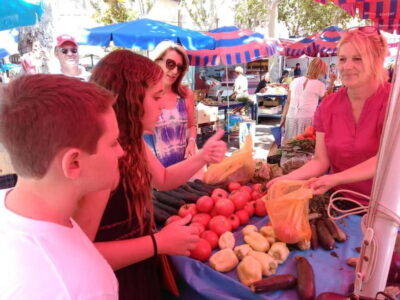
Browse the lists this tour appears in