
Review · ROME
Rome Street Food: Delights at Campo dei Fiori & Ghetto Area
Rome’s best street food is often found in ordinary-looking shops, not grand restaurants. This 2.5-hour walk takes you from Campo de’ Fiori into the Jewish Ghetto, pairing Roman bites with stories about the neighborhoods, food customs and daily life of the city.
I like the generous spread: pizza, cured meats, supplì, fried artichoke and gelato can easily cover lunch. I also like the route, which adds frescoes, old streets and Largo Argentina to the food stops. The main catch is dietary: vegan, gluten-free and dairy-free options are not available, and the tour involves standing and walking over cobbles.
Key points at a glance
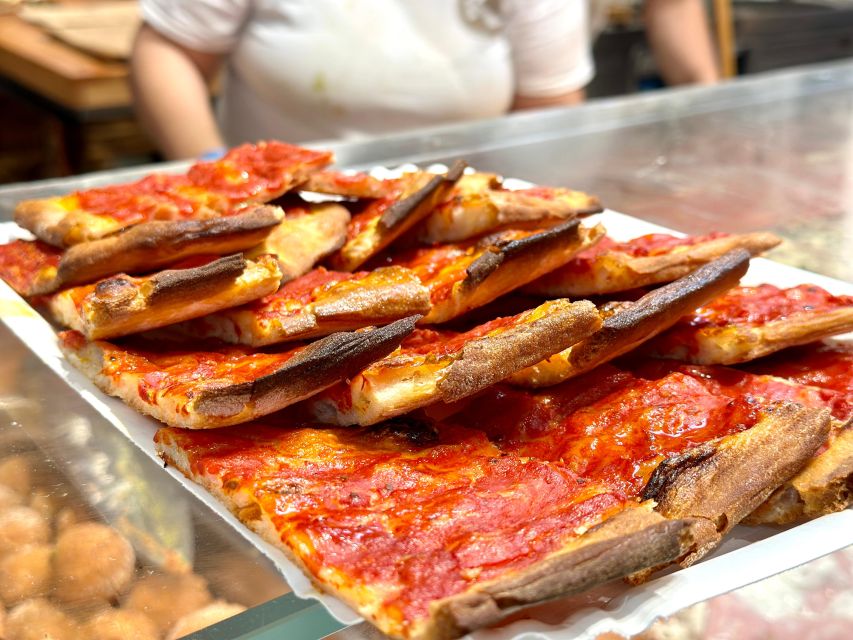
- Five food stops cover a real Roman meal: Expect pizza, cured meats, supplì, fried artichoke and gelato, plus small samples of wine and beer.
- The morning visit has an extra market element: Olive oil, truffles and balsamic vinegar are included when the tour runs in the morning.
- The Jewish Ghetto is part of the story, not just a backdrop: You learn how Roman Jewish cooking shaped dishes such as fried artichoke.
- Several guides have earned strong praise: Francesca, Ramona, Barbara, Arianna, Mattia and Adrianne have all led well-received tours.
- The route ends at ancient Rome: Largo Argentina gives the final gelato stop a memorable setting among Roman ruins.
- Plan for a proper walk: The route is flat, but cobbles, standing and a lack of guaranteed seating make it unsuitable for wheelchair users and people with limited walking capacity.
Why this food walk works well in central Rome
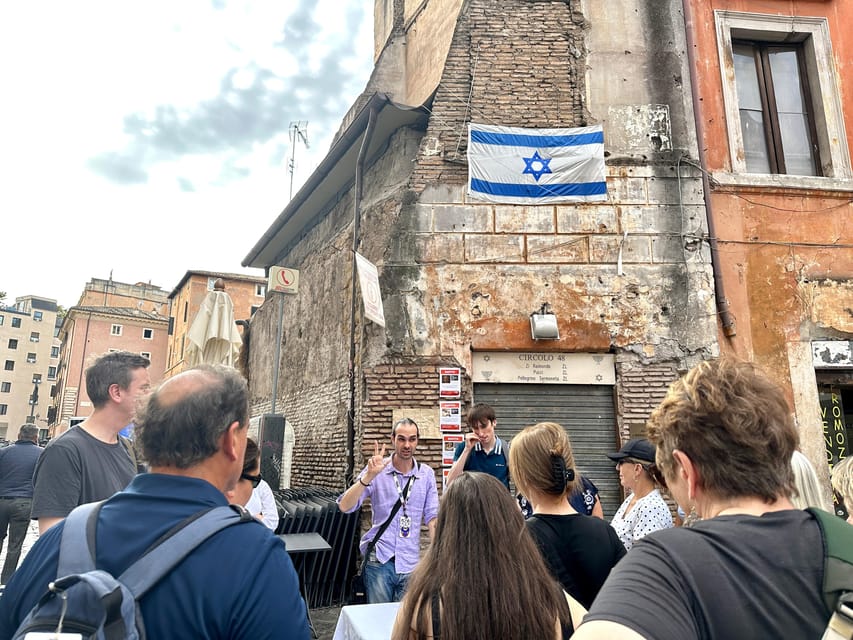
The tour begins beneath the statue of Giordano Bruno in Campo de’ Fiori. That is a useful meeting point because the statue sits in the middle of the square and is easy to identify, though you should allow time to find your guide in a busy public place.
From there, the route links four distinct parts of Rome: the market square, Via del Biscione, the food shops around Via dei Chiavari, and the Jewish Ghetto. The final stop is Area Sacra di Largo Argentina, where ancient ruins provide a striking finish.
You are not simply moving from one tasting to the next. The guide explains how Roman food fits into everyday habits and why particular dishes belong to particular communities. That makes the experience more useful than a snack crawl with no context. You leave knowing what you ate, where it comes from and what to look for later in your trip.
The tour is conducted in English and lasts about two and a half hours. With five food stops, that is enough time to eat well without turning the day into a long, slow restaurant meal.
More Street Food Tours in Italy
- Rome: Street Food Tour with Local Guide
★ 4.8 · 4,077 reviews - Rome: Trastevere & Campo de Fiori Street Food Walking Tour
★ 4.9 · 2,768 reviews - Rome Street Food Tour with Local Guide
★ 5.0 · 2,361 reviews
Campo de’ Fiori: start with the market square
Campo de’ Fiori is the liveliest opening section. Its market is associated with produce, food stalls and traditional shopping, while the surrounding streets hold old family-run businesses. The guide uses this first stop to introduce Roman ingredients and eating habits.
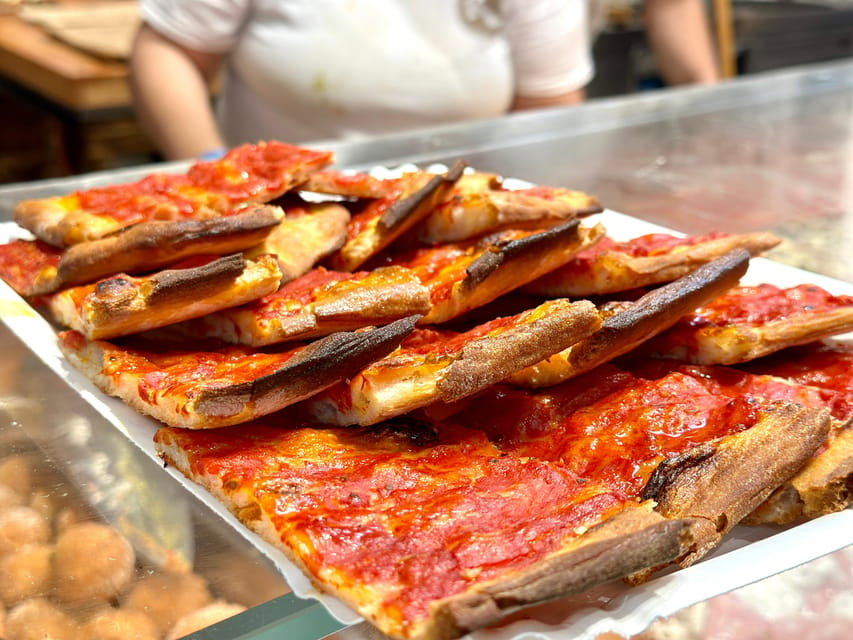
At an historical bakery, you sample freshly baked Roman pizza. The focus here is not a formal sit-down meal. It is a quick, local-style taste that lets you pay attention to the bread, toppings and texture before moving on.
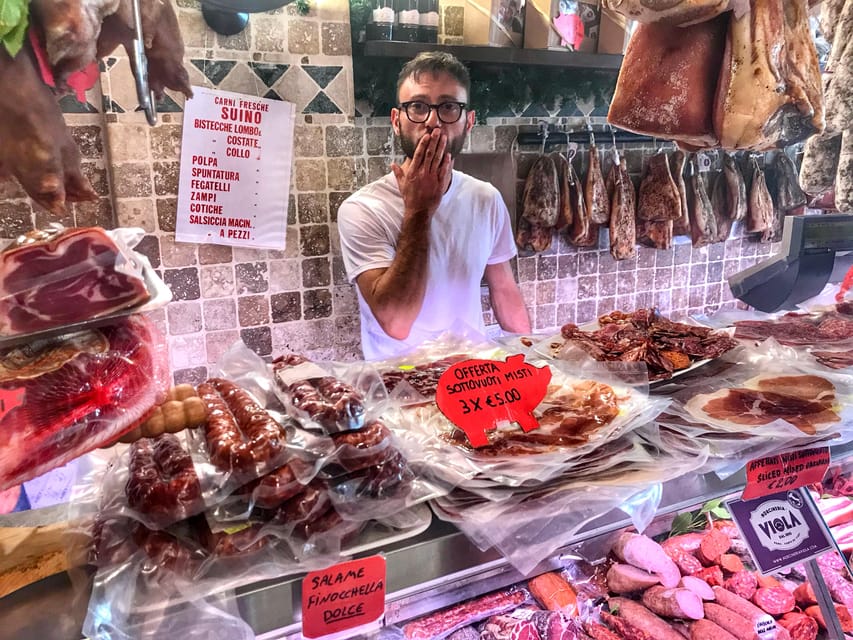
You also visit a shop that has been operating since 1890 for a selection of artisanal cured meats. This is one of the stronger parts of the food lineup because it shows a side of Italian eating that can be easy to miss when you spend your time ordering full plates in restaurants. Salami and other cured meats are meant for sharing, grazing and pairing with a drink.
The morning tour adds tastings of olive oil, truffles and balsamic vinegar at the local market. If those ingredients matter to you, book the morning departure rather than assuming every tour includes the same market experience. Afternoon departures may not include the market tasting, and the square can change character later in the day.
One useful practical point is that the market is not guaranteed as a full, open-air experience at every departure time. An afternoon booking can still include the surrounding food stops, but you should not expect the same market activity as a morning tour.
Via del Biscione and the small details between bites
The short walk along Via del Biscione takes about 10 minutes. This is where the tour makes room for details you might walk past on your own.
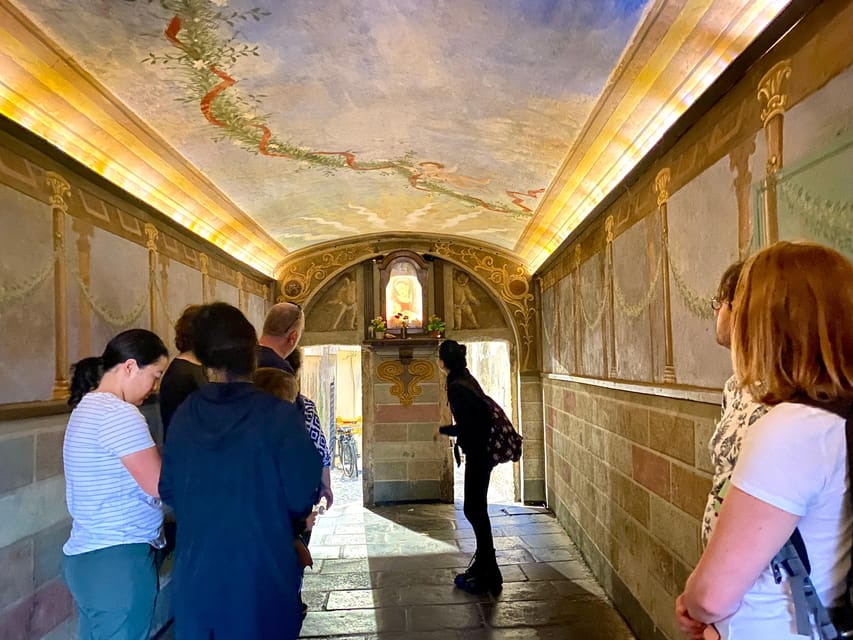
The route includes an old passageway with frescoes and a shrine. It is a brief stop, but it adds texture to the walk. Rome is full of grand monuments, yet small religious images, worn walls and tucked-away passages often tell you more about how people used the city from day to day.
The guide also keeps the pace moving with stories about Italian dining customs and Roman culture. The best guides on this experience, including Francesca, Ramona, Barbara and Mattia, have been praised for explaining both the food and the surrounding history clearly. Arianna was also noted for adjusting the route toward shade during hot weather, which matters on a walking tour in summer.
You should expect commentary rather than a formal lecture. That suits the route. There is enough information to give meaning to each stop, but the food remains the main event.
Via dei Chiavari and the Roman snack that matters
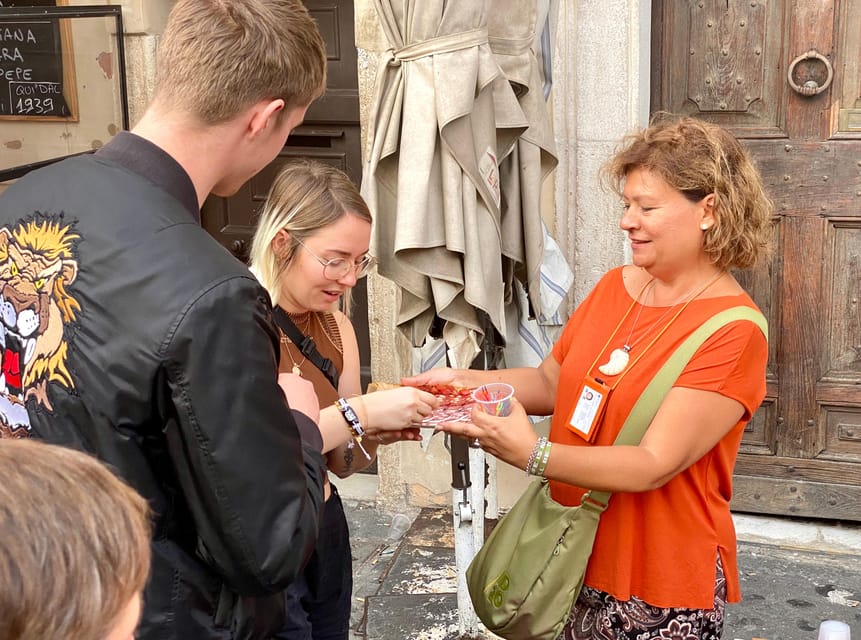
The Via dei Chiavari section lasts about 30 minutes and is where the tour puts Roman street food at the center.
The key bite is supplì, a deep-fried rice ball that is one of Rome’s signature quick foods. It is crisp outside and soft inside, and it gives you a very different experience from pizza or cured meat. This is the sort of dish that makes sense as a street snack: filling, portable and best eaten fresh.
The stops around this part of the route help turn the meal into a progression. You begin with bread and meat, then try a fried specialty, then move toward the more distinct cooking of the Jewish Ghetto. That variety is one reason the price feels fair. You are not paying for a single tasting plate. You are sampling several categories of Roman food across established local shops.
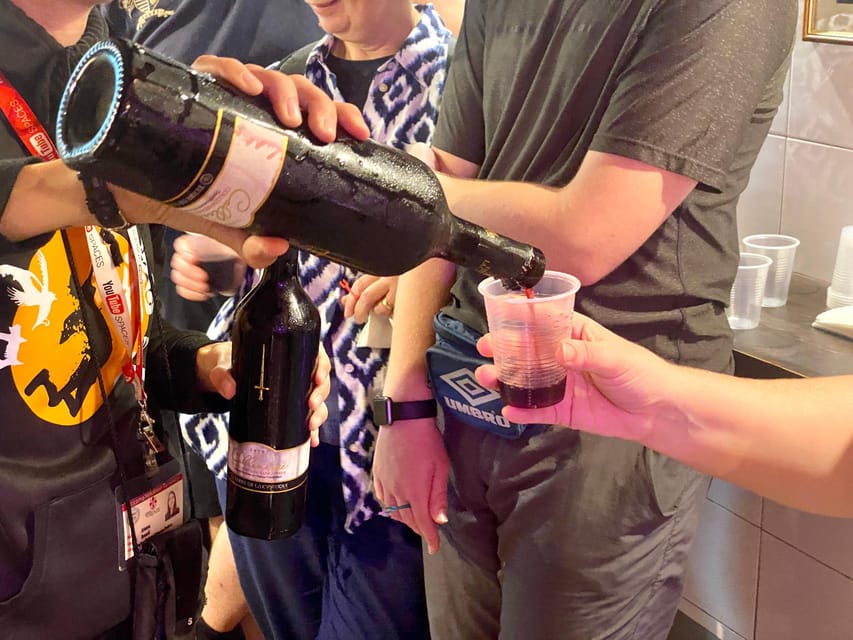
A small sample of beer and a small sample of wine are included. Other drinks are not included, so you should not treat the tour as an open drinks package. The alcohol tastings are useful pairings, but they are modest rather than full servings.
The food portions can be more substantial than the word tasting suggests. Several stops together can cover lunch, particularly if you have a normal appetite. One practical tip: avoid arriving after a large meal. You will get more from the tour if you have room for every stop.
More Street Food Tours in Rome
- Rome: Trastevere Street Food Walking Tour with Local Expert
★ 4.8 · 1,784 reviews - Hidden Rome: Small Group E-Bike Tour with Street Food Stops
★ 4.9 · 144 reviews - Rome: Trastevere & Tiber Island Street Food Tour at Sunset
★ 4.9 · 71 reviews - Rome E-Bike Tour: Ultimate Street Food and Market Feast
★ 4.9 · 50 reviews
The Jewish Ghetto and its famous fried artichoke
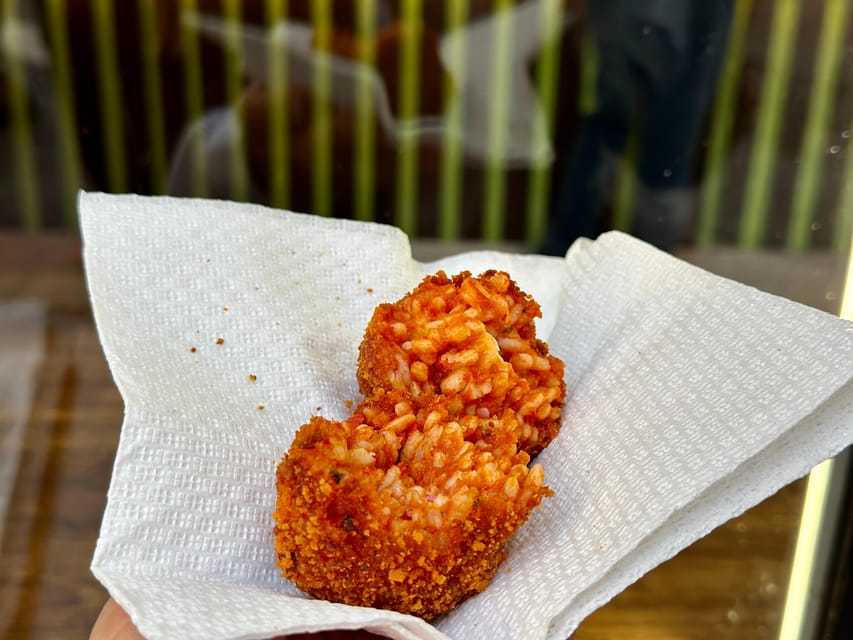
The route then reaches Rome’s historic Jewish Ghetto, one of the oldest Jewish quarters in the western world. Here the food becomes closely tied to community history.
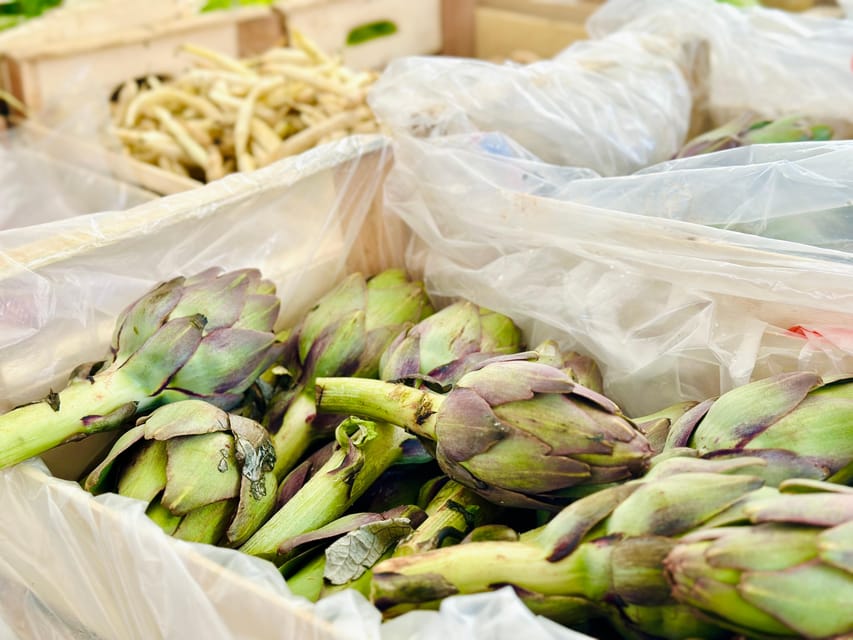
The signature dish is carciofo alla giudia, or Jewish-style fried artichoke. The artichoke is prepared until the leaves become crisp, giving it a texture unlike the softer vegetable dishes you may know from Italian menus. It is one of the most distinctive tastings on the walk and a good reason to choose this tour instead of a general food outing.
The guide explains the connection between Roman Jewish cooking and the neighborhood. That context matters because the dish is not just an unusual fried vegetable. It reflects a local cooking tradition that has remained part of Rome’s food identity.
There is one limitation worth noting. The tour description gives the Jewish Ghetto a major role, but the itinerary includes one principal tasting there, the fried artichoke. If you want a long food crawl devoted only to Jewish Roman cuisine, this may feel too brief. You will see and hear about the quarter, but the tasting focus is spread across the wider historic center.
The streets here also make the sightseeing side of the tour worthwhile. You get a change of atmosphere from Campo de’ Fiori, and the guide can connect the food to the neighborhood rather than presenting it as an isolated dish.
Largo Argentina and gelato among ancient ruins
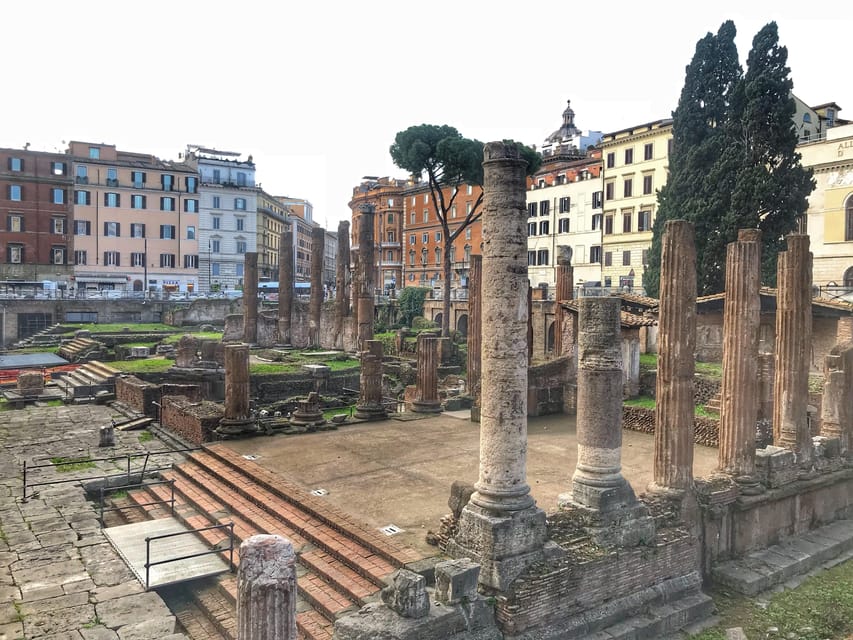
The final section takes about 20 minutes and ends at Area Sacra di Largo Argentina. This archaeological site contains ancient Roman ruins and gives the tour a strong visual finish.
Gelato is served here as dessert. After salty meats, fried food and pizza, something cold and sweet is a sensible ending. It also gives you a chance to slow down and take in the setting.
The tour finishes at Largo Argentina rather than returning to Campo de’ Fiori. That makes the route practical for continuing your day in central Rome. It also means you should know where you want to go next before the tour ends, especially if you are working around a timed visit or dinner reservation.
The final stop is not a substitute for a dedicated archaeological tour. The ancient ruins provide the setting and a short sightseeing moment, while the guide’s main focus remains food and neighborhood stories.
The guides make a real difference
A food tour depends heavily on the person leading it. The strongest part of this experience is the guide’s ability to explain what you are eating without making the walk feel like a classroom.
Francesca has been praised for clear food explanations and for being accommodating when members of a group were delayed. Ramona has led tours with strong local knowledge and a friendly manner, including one small group that became a private experience when no other participants arrived.
Barbara has been described as warm, well informed and generous with local insight. Mattia has been praised for explaining both the city and the food in a clear way. Arianna helped keep a summer route comfortable by seeking shade where possible, while Adrianne connected personal stories with the food stops.
You cannot choose a particular guide unless the booking system allows it, so treat these names as examples of the level of guiding reported for the experience, not a guarantee of who will lead your departure. The common thread is a conversational approach, with practical tips about Italian food and what to expect when ordering.
Is $41 good value for Rome?
At $41 per person, the tour sits in a sensible range for a two-and-a-half-hour food experience in central Rome. You receive five food stops, a local guide, one wine sample and one beer sample. The amount of food is enough to replace lunch for many people.
The value is strongest if you would otherwise spend time searching for reliable shops and deciding what to order. You get a guided route, a set of Roman specialties and a bit of local context in one booking. The tour also helps you find dishes you might not think to order alone, such as supplì or Jewish-style fried artichoke.
The value is weaker if your main aim is a full meal with drinks, seating and leisurely service. Drinks beyond the small wine and beer samples cost extra, and seats are not guaranteed. This is a walking tasting, not a restaurant lunch.
With a perfect 5 rating from 34 reviews, the experience has a strong record. Still, the practical limits matter more than a rating: the market experience varies by departure time, dietary choices are narrow, and the tour can be tiring if standing is difficult.
Food restrictions, walking and timing
Vegetarians can be accommodated only if you request it in advance. You should not book first and assume a vegetarian menu will be ready automatically.
The tour cannot provide vegan, gluten-free or dairy-free options. If you have a nut allergy, there is a stated risk of cross-contamination. That makes this a poor choice for strict dietary needs.
The route is flat, which is helpful, but the ground can be cobbled. You will also spend much of the experience walking or standing, and seating is not guaranteed. Wheelchair users and people with limited walking capacity should choose another activity.
The tour is offered in English with a live guide. Pets are not allowed. Free cancellation is available up to 24 hours before the start, and you can reserve now and pay later, useful if your Rome plans are still shifting.
Who should book this Roman food tour?
I would choose this experience for a first or second visit to Rome when I wanted a practical introduction to local food without giving up sightseeing. It suits people who like to eat while walking, enjoy short historical explanations and want enough food to cover lunch.
It is also a good fit for families and mixed-age groups, provided everyone can manage the walking and standing. One guide made a point of involving adults and children in questions, and the range of food gives different eaters something to anticipate.
You may want a different tour if you need a carefully controlled diet, a seated meal, a wheelchair-friendly route or a drinks-focused tasting. You may also prefer a more specialized Jewish food tour if the Ghetto is your main interest and you want several tastings from that area.
Should you book it?
Book it if you want a well-paced Roman food sampler with enough sightseeing to give the dishes context. The combination of pizza, cured meat, supplì, fried artichoke and gelato is broad, filling and distinctly tied to the neighborhoods on the route.
Choose a morning departure if the market tastings of olive oil, truffles and balsamic vinegar appeal to you. Come ready to walk, wear shoes that handle cobbles and request the vegetarian option before booking. For most food-focused visitors who can manage those conditions, $41 buys a useful introduction to central Rome that is both lunch and orientation.
FAQ
How long does the Rome street food tour last?
The tour lasts 2.5 hours.
Where does the tour meet?
Meet your guide under the statue of Giordano Bruno in the middle of Campo de’ Fiori square.
Where does the tour finish?
The tour finishes at Area Sacra di Largo Argentina.
What food is included?
The food stops include Roman pizza, cured meats, supplì, Jewish-style fried artichoke and gelato. Morning tours also include tastings of olive oil, truffles and balsamic vinegar at the local market.
Are drinks included?
A sample of wine and a sample of beer are included. Other drinks are not included.
Is there a vegetarian option?
A vegetarian option can be provided if you request it in advance.
Can the tour accommodate vegan, gluten-free or dairy-free diets?
No. Vegan, gluten-free and dairy-free options are not available.
Is the tour suitable for wheelchair users?
No. The tour is not suitable for wheelchair users or people with limited walking or standing capacity. The route is flat but includes cobbles, and seats are not guaranteed.
Can I cancel the booking?
You can cancel up to 24 hours in advance for a full refund. Reserve now and pay later is also available.
Fresh off the menu around Rome
- Rome: 3-Hour Guided Food Tour with Tastings★ 4.9 · 41 reviews
- Rome: Trionfale and Prati Food and Wine Tasting Tour★ 4.8 · 115 reviews
- Rome: Vegan Street Food Tour with Local Guide★ 5.0 · 37 reviews
- Rome: Trastevere & Tiber Island Street Food Tour at Sunset★ 4.9 · 71 reviews
- Rome Trastevere Walking Food Tour★ 4.8 · 97 reviews
- Rome: Vatican Street Food and Wine Tour with Farmers Market★ 5.0 · 37 reviews
- Rome: Trastevere Quarter Street Food Tour with Sightseeing★ 4.9 · 21 reviews
- Rome: Trastevere Food Walking Tour with Beer and Wine★ 4.9 · 71 reviews
Rome Food Tours, compared.
Winner 2025 Rome Twilight Trastevere Food Tour by Eating Europe
Read our review →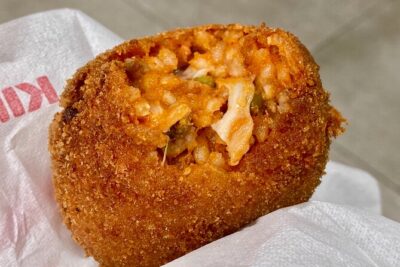
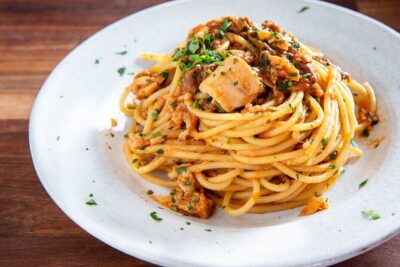
Rome Food Tour: Unlimited Tastings with Fine Wine & Barolo
Read our review →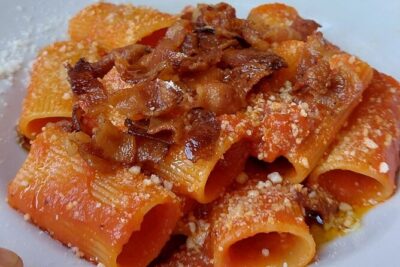
Rome Food Tour: Campo de’ Fiori, Ghetto, Trastevere Winner 2024
Read our review →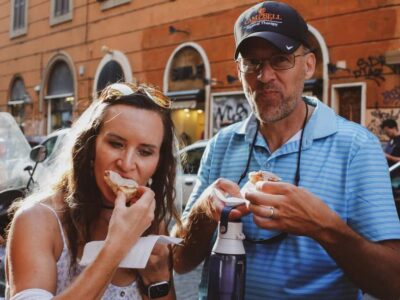
Rome: Guided Food Walking Tour with Wine in Trastevere
Read our review →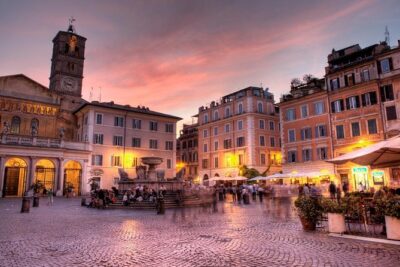
Rome: Trastevere Food tour with Free-Flowing Fine Wine
Read our review →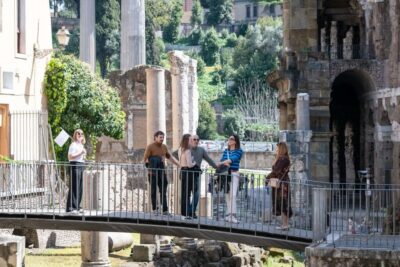
Rome: Trastevere & Campo de Fiori Street Food Walking Tour
Read our review →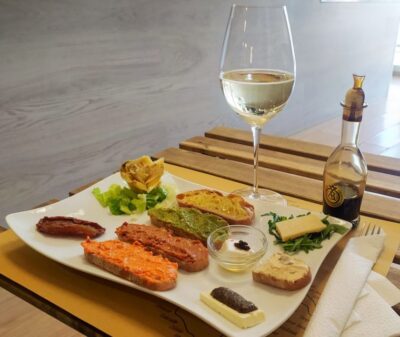
Rome: Gourmet Food Tour with Dinner & Barolo Wine
Read our review →Browse the lists this tour appears in