
Review · ROME
Rome: Food & Wine Tour of Campo de Fiori, Ghetto, Trastevere
Rome’s best food lesson may be the one that sends you from a market stall to a bakery, then on to a Roman restaurant. This tour links Campo de’ Fiori, the Jewish Ghetto, and Trastevere through food, with stops for pizza bianca and mortadella, mozzarella, salami, supplì, fried artichoke, codfish, pasta, wine, and gelato.
I like the generous range of tastings and the way food is tied to local customs and neighborhood history. I also like the small maximum group of 15, since guides such as Natasha, Lisa, Mariel, and Valeria have room to answer questions and keep the walk moving at a friendly pace.
The main consideration is dietary flexibility. The tour is not suitable for vegans or people with food allergies, and special restrictions cannot be guaranteed. The afternoon option also skips Campo de’ Fiori Market, replacing it with a grocery shop and aperitif.
What makes this Roman food walk worth your time
- Roman classics in one sitting: Try pizza bianca with mortadella, mozzarella and salami, supplì, fried artichoke, codfish, pasta, wine, and gelato.
- Three characterful neighborhoods: Move from Campo de’ Fiori to the Jewish Ghetto and finish in Trastevere.
- A meal as well as a tour: The tastings are plentiful enough that many people feel full before the final gelato.
- Food with local context: Learn how to judge pasta and gelato, order in Rome, and understand the traditions behind familiar dishes.
- Small-group format: The group limit of 15 makes it easier to hear the guide and ask questions.
- Best booked early in your stay: You leave with restaurant ideas and practical food advice for the rest of your visit.
Campo de’ Fiori: begin with Rome’s market culture
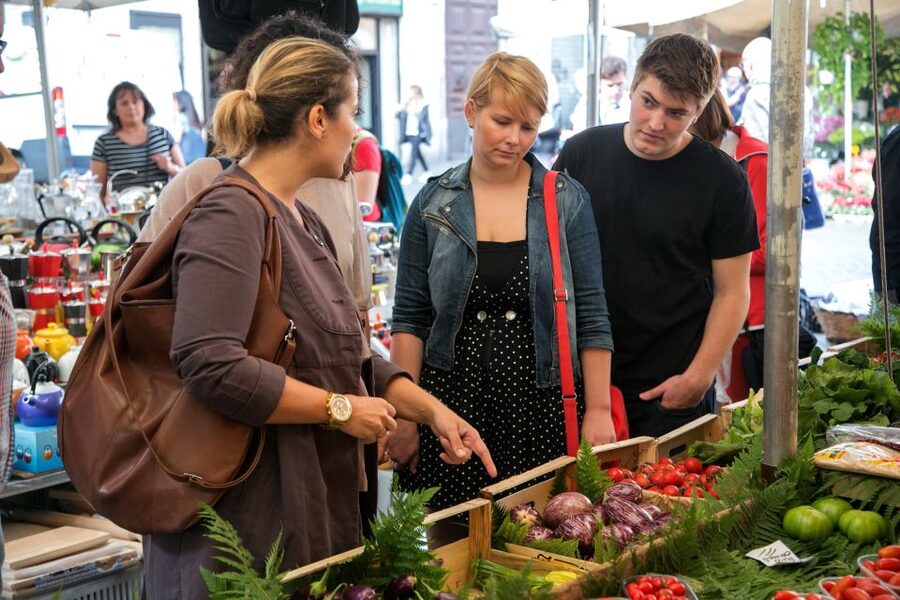
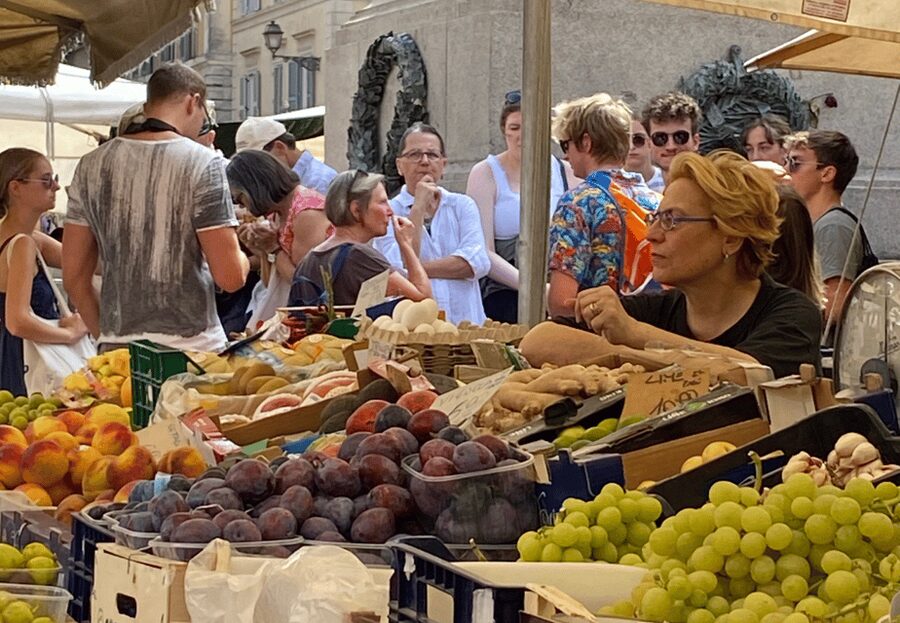
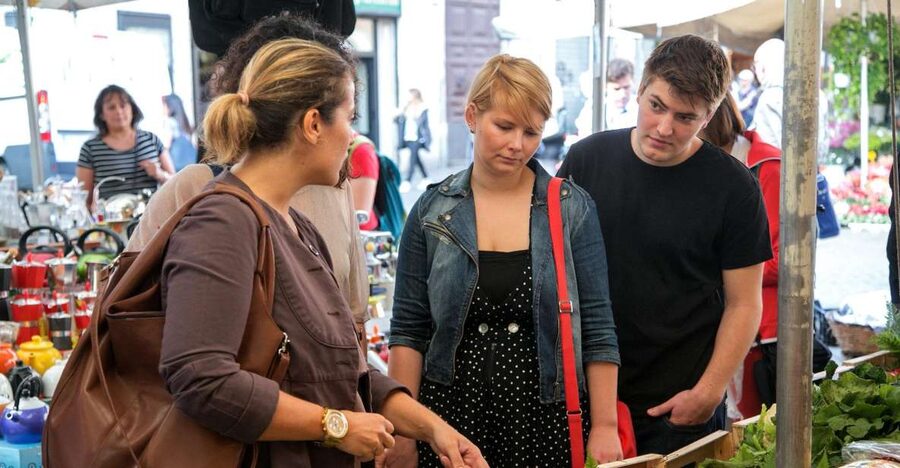
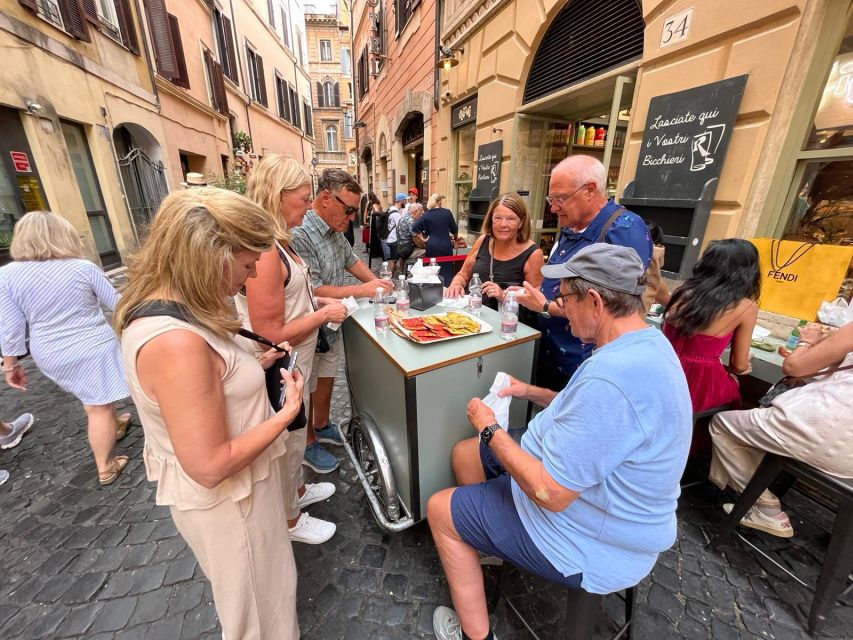
The morning version starts at Campo de’ Fiori Market, one of the tour’s most useful stops. The square is known for its bright display of fruits and vegetables, along with spices and other food products. You are not simply walking through and taking photographs. The guide explains what you are seeing and how food fits into daily Roman life.
This is a good place to ask questions about ingredients, shopping, and the difference between food made for local kitchens and products packaged mainly for visitors. The market also gives the tour a clear sense of place. You begin among stalls and shopkeepers, rather than in a dining room designed for a tour group.
One early tasting is pizza bianca with mortadella. Pizza bianca is a simple Roman bread, light and chewy, with a surface that may look plain until it is split and filled with thin slices of savory mortadella. It is a classic mid-morning snack, and the combination shows how Roman food often depends on a few good ingredients rather than a long recipe.
You also try mozzarella and Roman salami. This is a small but useful lesson in texture and quality. Your guide can explain what to look for in cheese and cured meat, advice that helps when you return to a food shop on your own.
If you book the afternoon departure, the market is closed. The itinerary substitutes a typical grocery store and an aperitif. That still gives you a food-focused start, but the atmosphere is different, so choose the morning option if the market is a priority.
More Food and Wine Tours around Rome:
- Rome by Night – Ebike Small Group Tour – Food and Wine (Option)
★ 5.0 · 1,275 reviews - Rome by Night: E-bike Small Group Tour -Food & Wine (Option)
★ 4.9 · 1,233 reviews - Rome: Trastevere Guided Food and Wine Tour with 20+ Tastings
★ 4.9 · 1,022 reviews
The Jewish Ghetto: Roman food shaped by a distinct tradition
From Campo de’ Fiori, the walk continues toward the Jewish Ghetto. This part of the route adds historical context to the food. Guides discuss the neighborhood and the customs that shaped its cooking, so the stop feels like more than a quick succession of samples.
The Jewish Ghetto is especially important for its fried dishes. You may try a fried artichoke, supplì, and fried codfish. The artichoke is closely linked with Roman Jewish cooking, while supplì is one of Rome’s signature street foods: a fried rice ball with tomato and a soft mozzarella center.
Supplì is best eaten while the outside is still crisp and the cheese inside is warm. It is filling, rich, and wonderfully practical as walking food. The contrast between the browned shell, tomato-seasoned rice, and melted mozzarella explains why this modest snack has such a loyal place in Roman eating.
Fried codfish brings another taste and texture to the stop. Along with the artichoke and supplì, it shows how frying can mean several different things in Rome, from crisp vegetables to seafood and rice. Your guide connects the dishes to the neighborhood, which gives the tasting more meaning than simply checking off local specialties.
The Ghetto is also one of the strongest parts of the walking route for visitors who want history without signing up for a separate formal history tour. The food gives you a reason to pause, while the guide explains how the area and its people have shaped Rome.
Trastevere: pasta, restaurants, and the final gelato
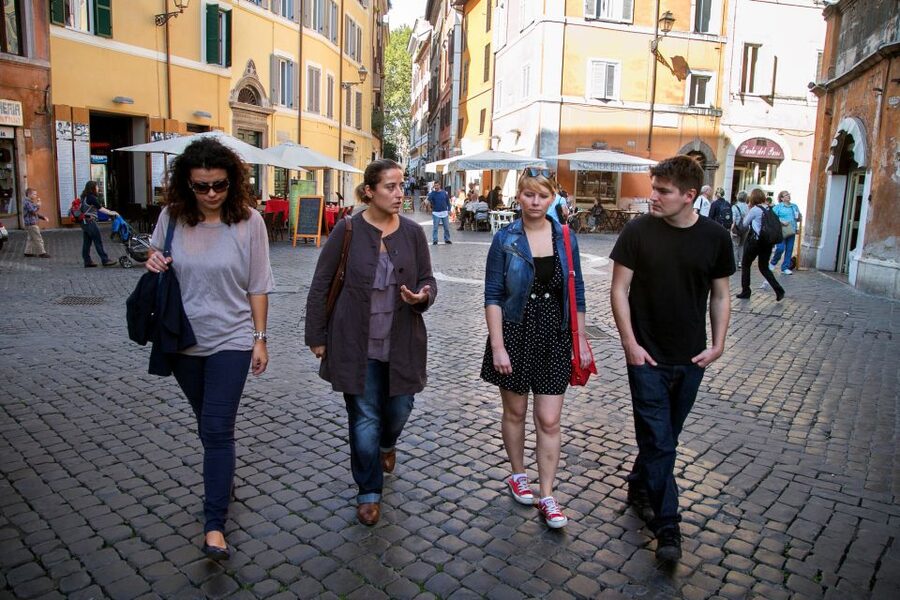
The final section takes you through Trastevere, where the tour shifts toward pasta, traditional restaurants, and gelato. The neighborhood is known for its narrow streets and lively public spaces, and the route uses those streets as a setting for more substantial tastings.
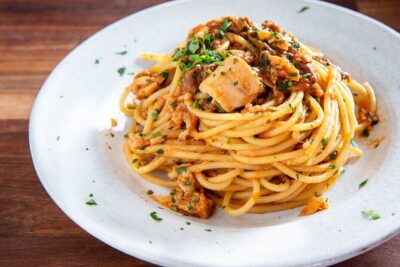
Pasta is a key stop. You learn what separates well-made pasta from ordinary pasta, including the qualities to notice in texture and preparation. This is advice you can use immediately at lunch or dinner. Instead of ordering only by the name of a dish, you begin to pay attention to how the pasta feels and how it carries sauce.
The restaurant tastings are shared, so you get to try several foods without committing to a full plate at every stop. Wine from the region is part of the experience, adding to the feel of a relaxed Roman meal rather than a series of unrelated bites.
The tour ends with gourmet gelato in Trastevere. This is more than a sweet finish. The guide can help you understand what separates a carefully made gelato from a disappointing one, an especially useful skill in a city where gelaterias are everywhere.
The final gelato also serves a practical purpose: it leaves you with an easy food stop to repeat later. Several people have saved restaurants and shops from the route so they could return during the same visit. That is one of the best signs that the tour works as a guide to Rome’s food scene, not just as a single afternoon activity.
How much food will you actually eat?
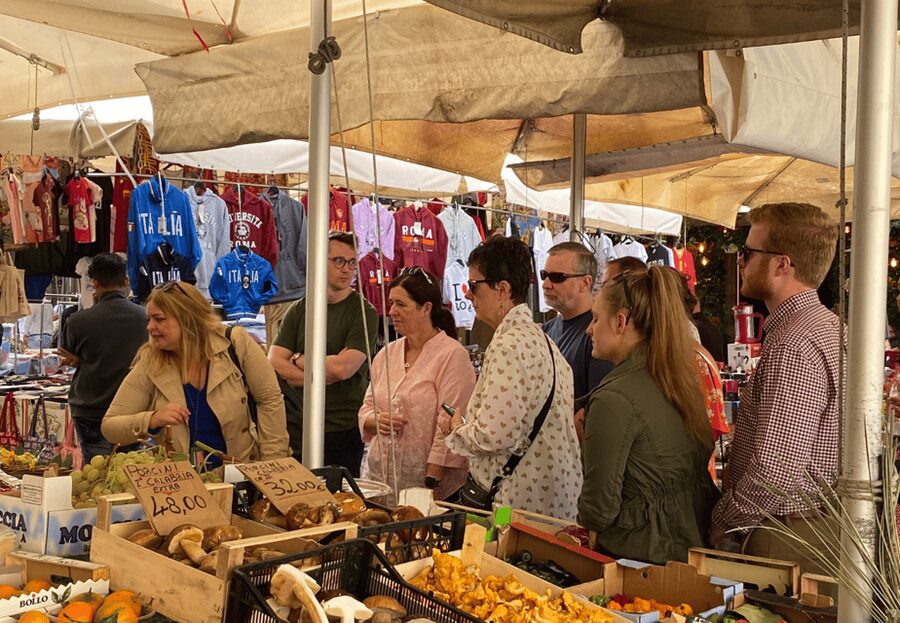
Plan this as a meal, not a light snack walk. The listed tastings cover pizza bianca with mortadella, mozzarella and salami, Roman specialties in the Jewish Ghetto, pasta, wine, and gelato. The exact order and serving size may vary, but the overall amount is substantial.
Many participants feel full before the end. If you take the morning tour, eat a very small breakfast or skip it if that suits you. Arriving hungry makes it easier to appreciate the range of food, especially once the pasta and fried dishes arrive.
The variety is the real strength. You move between bread, cured meat, fresh cheese, fried food, rice, pasta, wine, and gelato. No single dish has to carry the whole experience, and you get a better sense of Rome’s everyday eating habits than you would from one restaurant meal.
There is also a useful balance between tasting and explanation. The guide discusses food customs, local history, recipes, and ways to order. Guides praised for their warmth and clear explanations include Natasha, Lisa, Mariel, Gloria, Valeria, Federica, and Anastasia. The exact guide depends on the date and departure.
More food tours around Rome:
- Winner 2025 Rome Twilight Trastevere Food Tour by Eating Europe
★ 5.0 · 5,157 reviews - Rome: Street Food Tour with Local Guide
★ 4.8 · 4,077 reviews - Rome Food Tour: Unlimited Tastings with Fine Wine & Barolo
★ 5.0 · 3,365 reviews - Rome Food Tour: Campo de’ Fiori, Ghetto, Trastevere Winner 2024
★ 5.0 · 3,205 reviews
Walking pace, group size, and timing
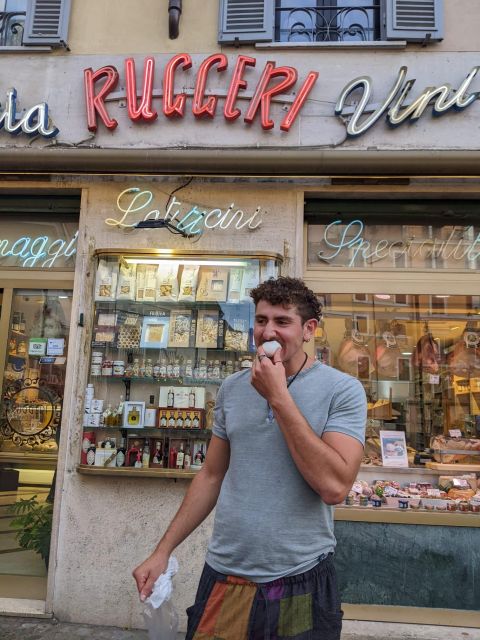
The tour lasts between 2 and 3.5 hours, depending on the option booked. The longer morning format includes the market, while the afternoon version makes a substitution because of market hours. Check the exact duration and meeting point when booking.
The maximum group size is 15. That is small enough for the guide to distribute food, answer questions, and keep everyone involved, while still giving you the social feel of a shared meal. Solo visitors may find this particularly useful, since the food stops create easy conversation with the rest of the group.
The walking is described as manageable, with regular chances to pause and use a bathroom. Still, you should wear comfortable shoes. The route crosses several central neighborhoods, and you will be walking between stops rather than sitting in one location.
Bring sunglasses, a hat, sunscreen, and an umbrella. The tour operates in all weather, so a hot morning or wet afternoon will not automatically cancel the activity. Dress for the forecast and keep your hands free for tasting.
Large bags and luggage are not allowed. Do not schedule this directly after arriving at a hotel with suitcases in tow.
Is $81 a fair price?
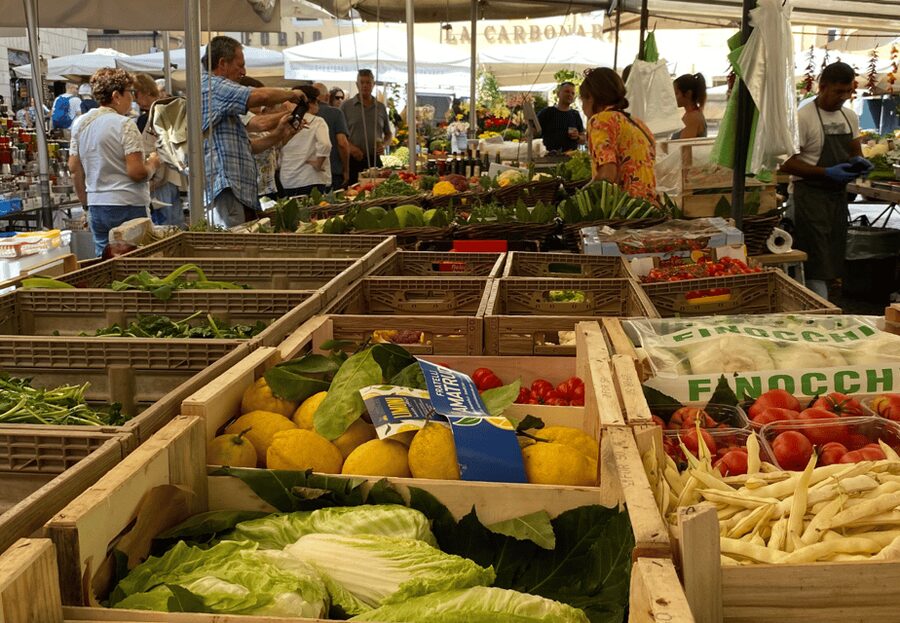
At $81 per person, the tour is not the cheapest way to eat in Rome, but the comparison should be with a guided meal and neighborhood orientation rather than with buying one snack at a time.
You are paying for a series of tastings, wine, a small-group walk, and an English-speaking guide who connects the food to local history and customs. You also get practical information about shops, restaurants, pasta, gelato, and ordering. If you use even two or three of the recommendations later, the value improves.
The tour is particularly useful at the start of a Rome visit. You can mark down places to revisit, learn which dishes to look for, and avoid spending every meal guessing from a menu. Several people have treated it as one of their first activities for exactly this reason.
The value is weaker if you already know Roman food well, dislike eating at a set pace, or prefer to choose every dish yourself. It is also less suitable if you want a private food guide unless you select the private-group option.
Who should book this tour?
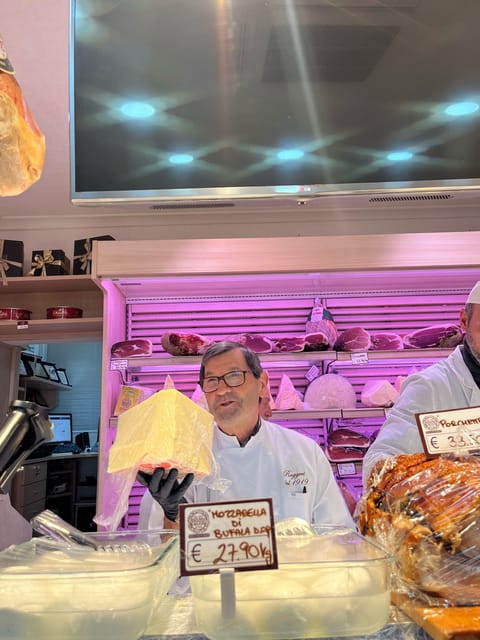
I would recommend it to first-time visitors who want a practical introduction to Roman food and neighborhoods. It also works well for repeat visitors who have already seen the major sights and want a different way to understand the city.
Food-focused couples, families, and solo visitors are a good match. The tour combines enough history to keep non-food specialists interested, while the tastings give serious eaters plenty to anticipate.
Vegetarians may be accommodated in some cases, as one participant had a good experience with the adjustment, but the provider does not guarantee special food restrictions. The formal guidance says the activity is not suitable for vegans or people with food allergies, so contact the provider before booking if your diet is strict.
The route is not suitable for wheelchair users. Anyone who has trouble standing, walking over uneven streets, or keeping pace between stops should consider a different format.
Should you book it?
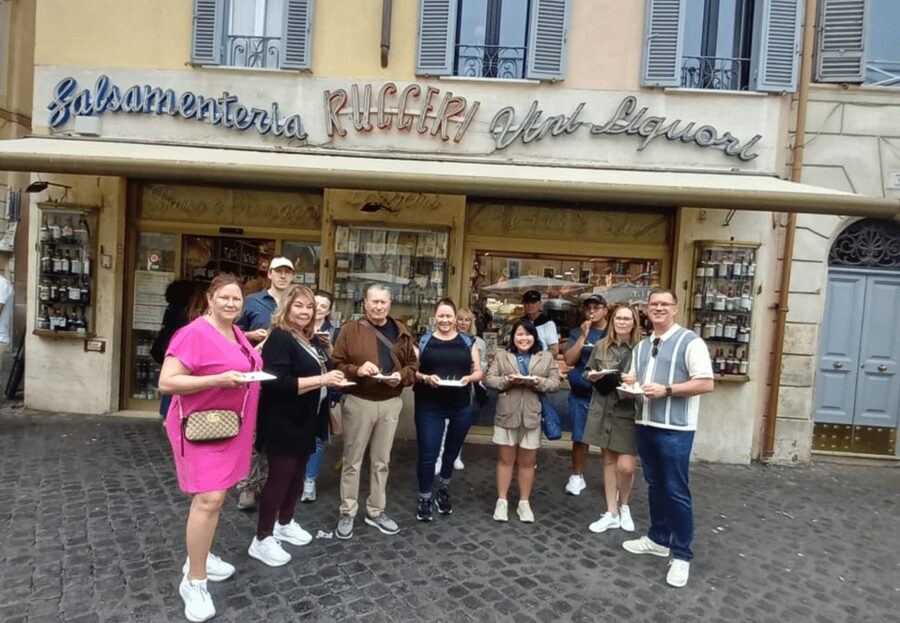
Book this tour if you want a filling Roman food introduction with neighborhood history, especially early in your stay. The combination of market food, Jewish Ghetto specialties, Roman pasta, wine, and gelato gives you a broad first taste without requiring you to plan every stop yourself.
Choose the morning departure if Campo de’ Fiori Market matters to you. Choose the afternoon if your schedule works better and you are happy with the grocery store and aperitif substitute.
Skip it if you have serious allergies, follow a vegan diet, need step-free access, or prefer a quiet meal without group timing. For most other food lovers, $81 buys more than samples. It buys a map of what to eat next.
FAQ
How long does the Rome food tour last?
The tour lasts between 2 and 3.5 hours, depending on the option booked. Check the available starting times and duration for your chosen departure.
Which neighborhoods does the tour visit?
The route includes Campo de’ Fiori, the Jewish Ghetto, and Trastevere. The morning option includes Campo de’ Fiori Market.
What food is included?
Included tastings feature pizza bianca with mortadella, mozzarella with Roman salami, fried artichoke, supplì, codfish, Roman food, pasta, wine, and gourmet gelato.
Does the afternoon tour visit Campo de’ Fiori Market?
No. The afternoon tour does not include the market because of its opening hours. It replaces the market visit with a typical grocery store and aperitif.
Is the tour suitable for vegans or people with food allergies?
No. The activity is not suitable for vegans or people with food allergies, and special dietary accommodations cannot be guaranteed.
What should I bring, and are large bags allowed?
Wear comfortable shoes and bring sunglasses, a sun hat, sunscreen, and an umbrella. Luggage and large bags are not allowed.
Fresh off the menu around Rome
- Rome: 3-Hour Guided Food Tour with Tastings★ 4.9 · 41 reviews
- Rome: Trionfale and Prati Food and Wine Tasting Tour★ 4.8 · 115 reviews
- Rome: Vegan Street Food Tour with Local Guide★ 5.0 · 37 reviews
- Rome: Trastevere & Tiber Island Street Food Tour at Sunset★ 4.9 · 71 reviews
- Rome Trastevere Walking Food Tour★ 4.8 · 97 reviews
- Rome: Vatican Street Food and Wine Tour with Farmers Market★ 5.0 · 37 reviews
- Rome: Trastevere Food Walking Tour with Beer and Wine★ 4.9 · 71 reviews
- Rome: Trastevere Quarter Street Food Tour with Sightseeing★ 4.9 · 21 reviews
Rome Food Tours, compared.
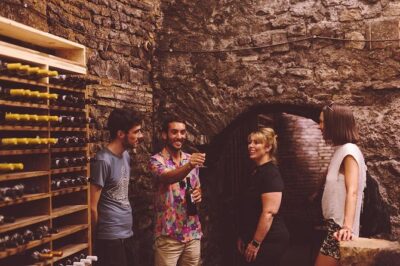
Winner 2025 Rome Twilight Trastevere Food Tour by Eating Europe
Read our review →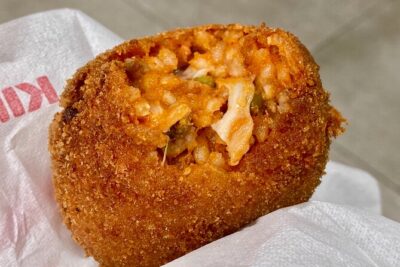
Rome Food Tour: Unlimited Tastings with Fine Wine & Barolo
Read our review →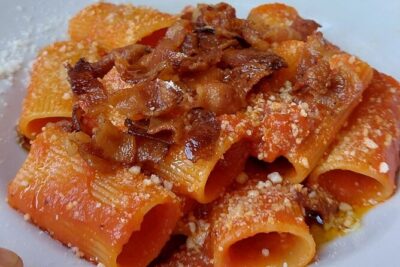
Rome Food Tour: Campo de’ Fiori, Ghetto, Trastevere Winner 2024
Read our review →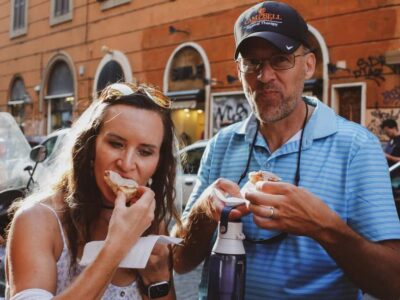
Rome: Guided Food Walking Tour with Wine in Trastevere
Read our review →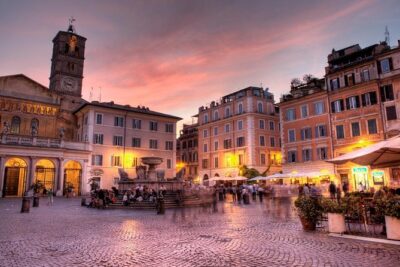
Rome: Trastevere Food tour with Free-Flowing Fine Wine
Read our review →
Rome: Trastevere & Campo de Fiori Street Food Walking Tour
Read our review →
Rome: Gourmet Food Tour with Dinner & Barolo Wine
Read our review →Browse the lists this tour appears in