
Review · NEW YORK CITY
New York City’s Hell’s Kitchen: Walking Food Tour
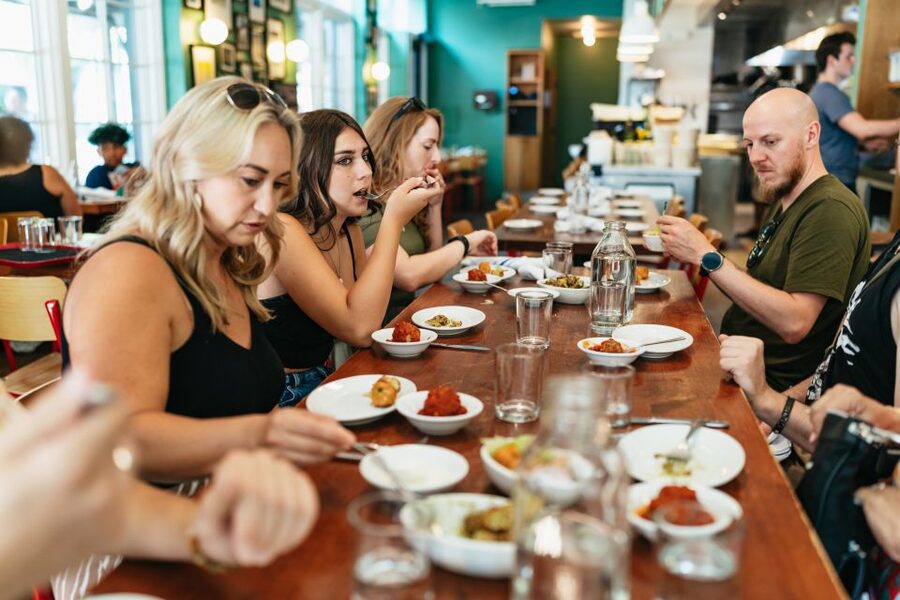
Hell’s Kitchen makes a fine case for eating your way through New York. In 150 minutes, you stop at five different food spots, sampling everything from Japanese cooking and Georgian khinkali to Mexican-Indian fusion, meatballs, mezze, and cookies. The food is only half the point. Your guide connects each bite to the neighborhood’s Irish immigrant roots, gang history, changing streets, and link to West Side Story.
I like the small group of no more than eight. It gives you room to ask questions and makes it easier for a guide such as Alex, Jake, Claire, Nicky, or Cale to keep the pace personal. I also like the variety. This is not the usual pizza-and-bagel tour, and the food may introduce you to dishes you would not have chosen on your own.
The main drawback is the dietary limit. A vegetarian option is available if you request it when booking, but vegan, kosher, gluten-free, dairy-free, and nut-free diets cannot officially be accommodated. At $129 per person, it is also a serious food purchase, though the generous portions and neighborhood commentary help explain the cost.
Key points to know before you book
- Five stops cover a wide range of cuisines: Expect Japanese food, Georgian specialties, Indian and Mexican combinations, meatballs, mezze, and cookies.
- Hell’s Kitchen supplies the setting and the story: You learn how Irish immigrants shaped the area, where its name came from, and how crime and ethnic tension changed its identity.
- Groups are capped at eight people: This is a good format for questions, conversation, and a more relaxed pace.
- Come hungry: Several people finish full enough to skip or reduce dinner afterward.
- Vegetarians can be accommodated with advance notice: Other dietary restrictions are not supported by the stated tour conditions.
- Indoor seating is part of many tastings: Most stops involve sitting down, though the cookie stop is handled differently.
Why Hell’s Kitchen works so well for a food walk
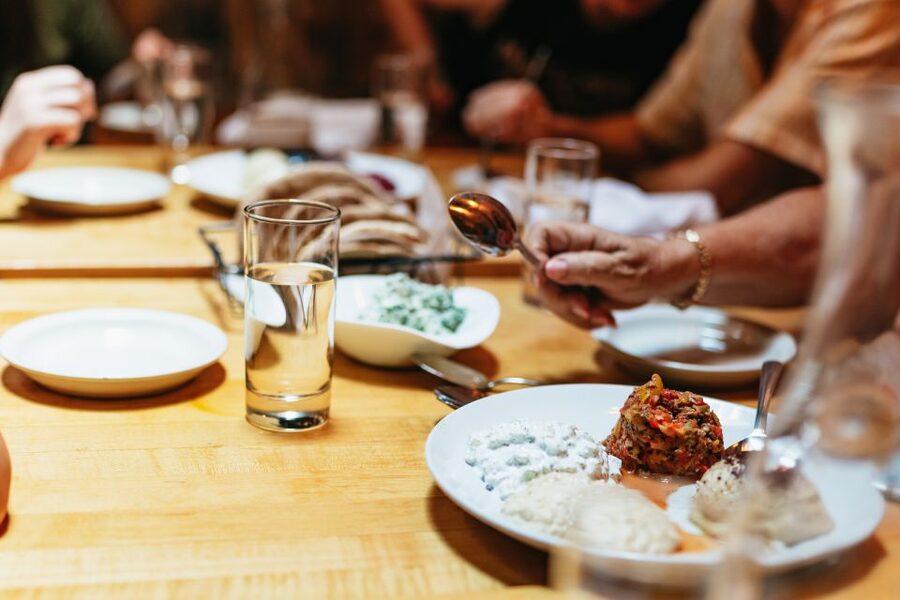
Hell’s Kitchen is a useful neighborhood for this kind of tour because its food culture reflects the people who have lived and worked here over time. The route is not just a parade of famous New York staples. It uses small restaurant stops to show how a once rough-edged area now serves food from several corners of the world.
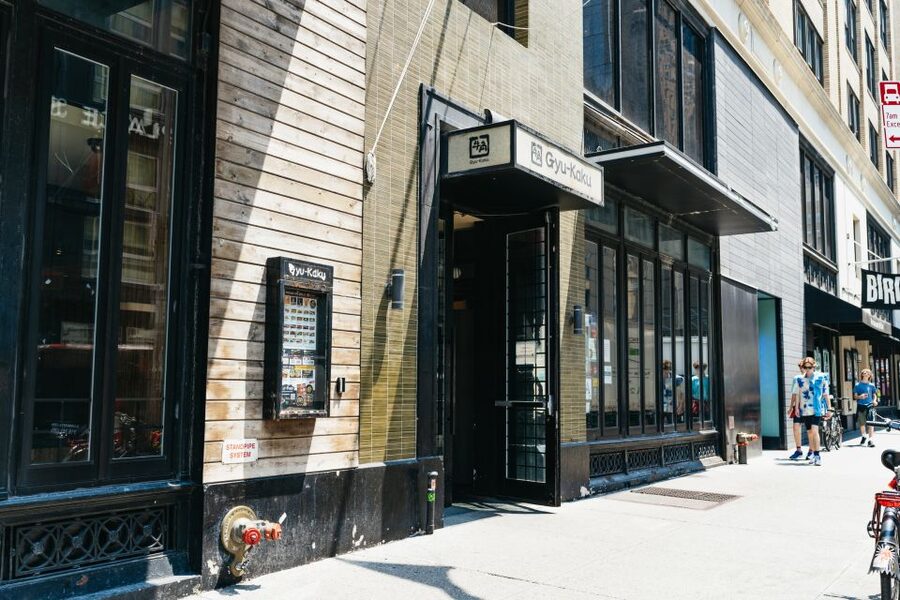
You meet at Gyu-Kaku, at 321 West 44th Street between Eighth and Ninth avenues. That location puts you in the middle of a busy part of Midtown, close to theaters and major avenues, but the tour’s focus quickly shifts to the neighborhood’s local character.
The guide introduces Hell’s Kitchen as a place shaped first by hardworking Irish Americans. You hear how the area got its notorious name, then follow the story through ethnic tensions, crime, and gang violence. The history is presented as part of a living neighborhood, not as a detached lecture.
That balance matters. You are walking, eating, and looking around while the guide explains why the streets developed as they did. The history also reaches into popular culture through the neighborhood’s connection to West Side Story. You do not need to be a history enthusiast to enjoy this part. The food gives the stories a clear setting and a natural rhythm.
More Food Walking Tours in the USA
- New Orleans Food Walking Tour of the French Quarter with Small-Group Option
★ 5.0 · 6,118 reviews - Savannah First Squares Culinary & Cultural Walking Food Tour
★ 5.0 · 3,229 reviews - Historic Ybor City Food Walking Tour
★ 5.0 · 2,210 reviews
The first stop sets the tone with Japanese food
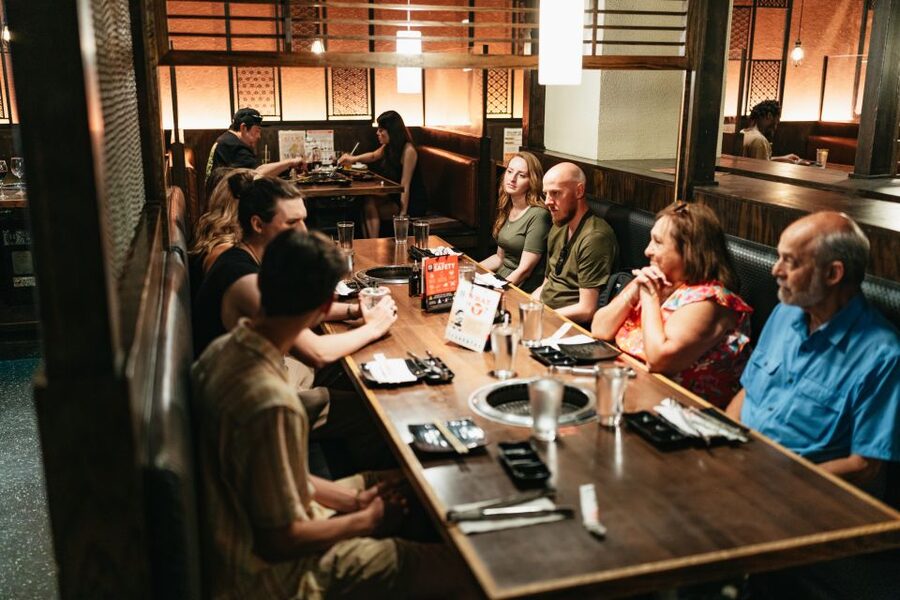
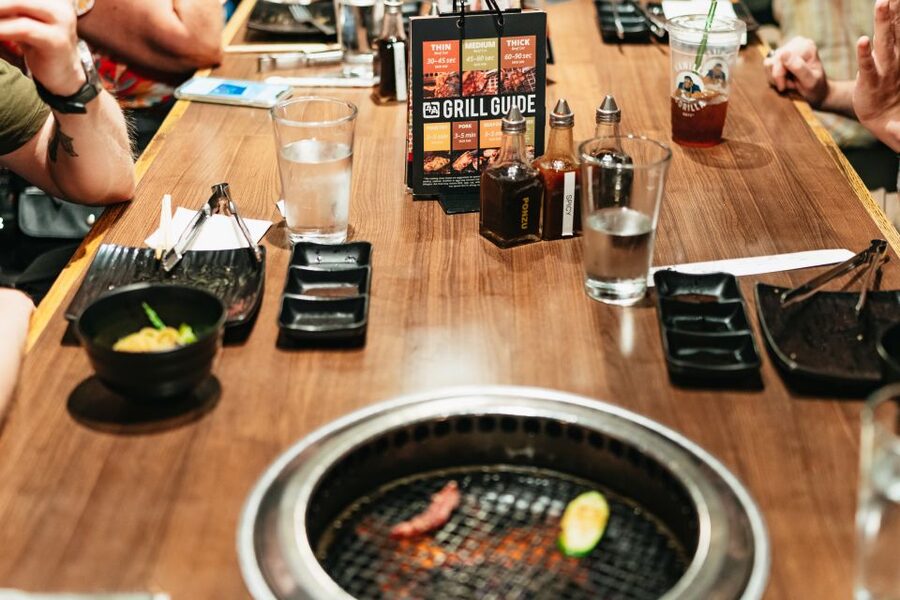
The opening tasting takes place at the meeting restaurant, Gyu-Kaku. The supplied details identify it as a Japanese stop and refer to eating over a cooking pot, giving you a more hands-on start than a simple plate passed around a table.
This first course helps establish the tour’s main idea: you are not here to sample one version of New York food. You are moving through several cooking traditions that now share the same neighborhood.
The restaurant setting is practical, too. Much of the tour involves indoor seating, which is useful in New York weather and gives you a chance to pause between walks. You should still wear good walking shoes, since five stops require regular movement through the streets.
The exact dishes can vary, so you should not book expecting one fixed menu at every visit. The larger promise is the range of cuisines and the chance to try foods in places you might otherwise pass without entering.
Georgian khinkali and the cheese boat bring the biggest surprise
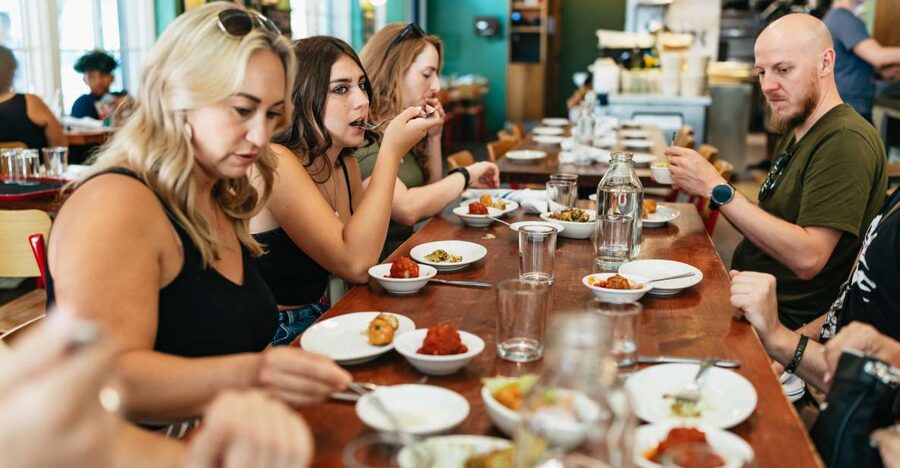
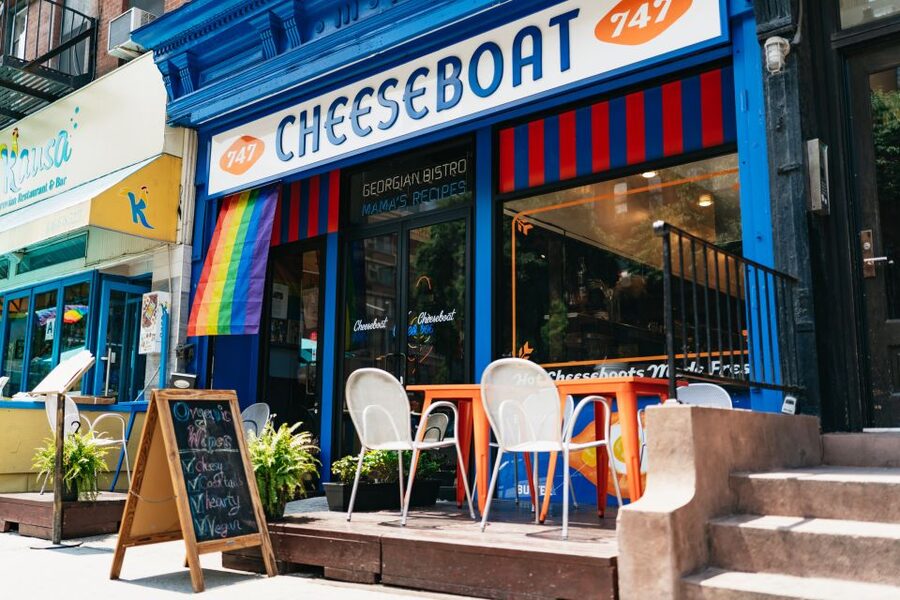
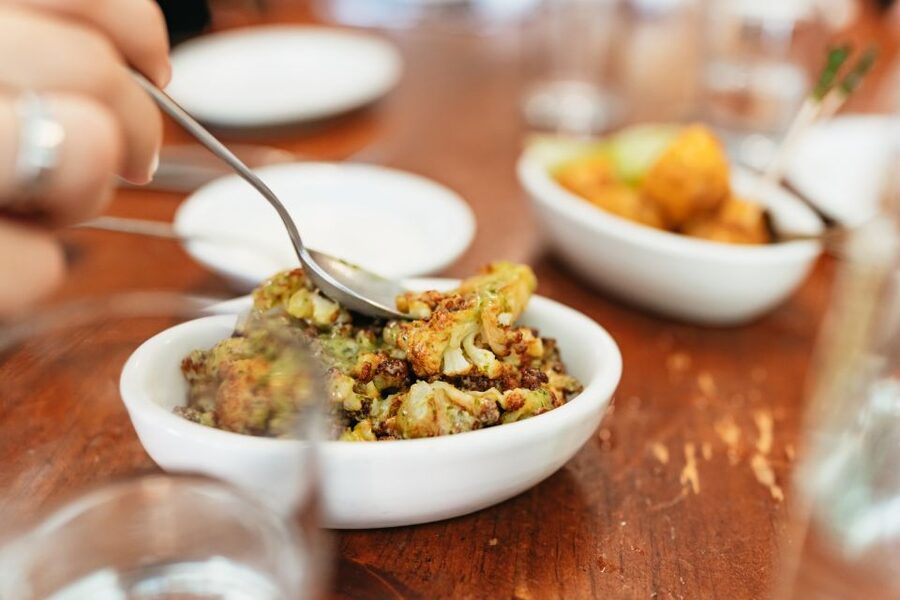
The Georgian portion is one of the strongest reasons to choose this tour. Several tastings highlight Georgian food, including khinkali and the much-praised cheese boat. If Georgian cuisine is new to you, this is a useful introduction to its dumplings, breads, and generous flavors.
Khinkali gives you something different from the usual New York food-tour fare. These dumplings are substantial and are best approached with attention, especially if you have never eaten them before. The cheese boat offers another memorable texture and flavor, and one guide used it to introduce the group to food that many people would not have ordered without help.
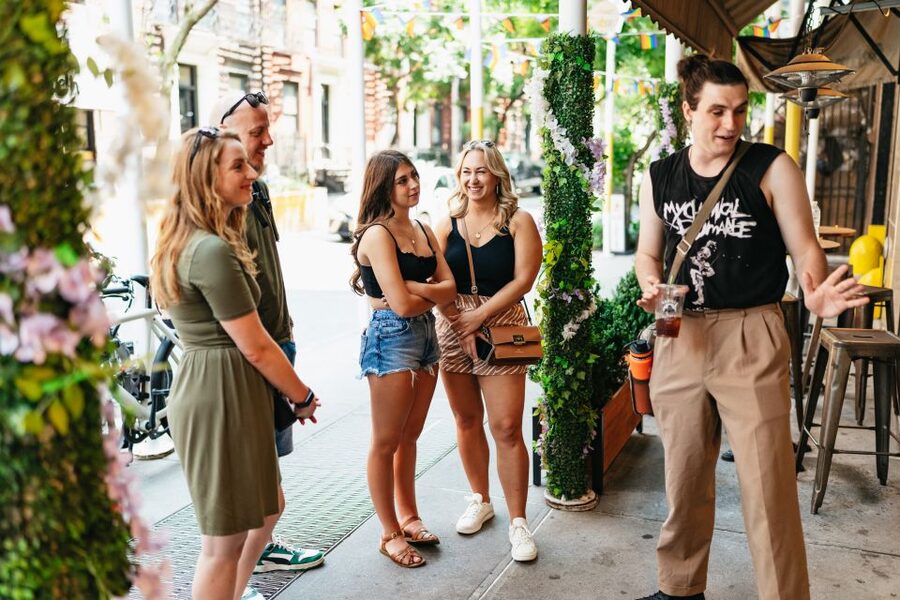
This stop also shows the value of a small group. A guide can explain how to approach an unfamiliar dish, answer questions, and keep first-time diners from feeling awkward. You are not simply handed a plate and sent on your way.
The Georgian restaurant was a favorite for several people, but the meal can add up quickly. The tour includes five stops, so it is wise not to treat every early tasting as a full lunch. Small bites can become a large meal by the end.
Mexican and Indian flavors meet in one unexpected tasting
One of the more unusual stops combines Mexican and Indian influences. The food has been described as Indian-Mexican fusion, including tacos, and it gives the tour a modern edge.
This is where the route moves beyond traditional neighborhood history. Hell’s Kitchen is presented as a place that keeps changing, and this kind of cross-cultural cooking makes that point better than a speech can. A taco with Indian flavors may not fit your idea of classic New York food, but that is exactly why it belongs on this route.
I appreciate that the menu avoids predictable choices. You can find pizza, bagels, and deli food elsewhere in New York. Here, you get a chance to try combinations you may not recognize and decide what deserves a return visit.
The drawback is that adventurous food requires some flexibility. If you prefer familiar dishes or want to control every ingredient, this stop may feel less comfortable. Ask your guide what is in each tasting, especially if you have an allergy or a serious dietary restriction. The official conditions say only vegetarian requests can be accommodated.
More Food Walking Tours in New York City:
- Reykjavik Food Walk – Local Foodie Adventure in Iceland
★ 5.0 · 18,952 reviews - Naples: Street Food Walking Tour with Local Guide
★ 4.9 · 4,976 reviews - Greek Food Walking Tour in Athens
★ 5.0 · 4,740 reviews - Rome: Guided Food Walking Tour with Wine in Trastevere
★ 4.9 · 3,105 reviews
Meatballs, mezze, and cookies keep the route varied
The food stops continue with a meatball establishment and a mezze tasting. These give the meal a different pace and texture after the dumplings, cheese, tacos, and other earlier dishes.
The meatball stop is tied to The Meatball Shop, while mezze adds a selection of small shared dishes. That shared format can be sociable, but it is worth noting one practical concern: some food may be served communally. One person found that reaching into a shared portion with people outside their own party felt uncomfortable.
If that matters to you, ask the guide how portions are being served before eating. The issue is not the quality of the food. It is simply that shared dishes do not suit everyone, particularly guests who prefer individual portions for hygiene or personal comfort.
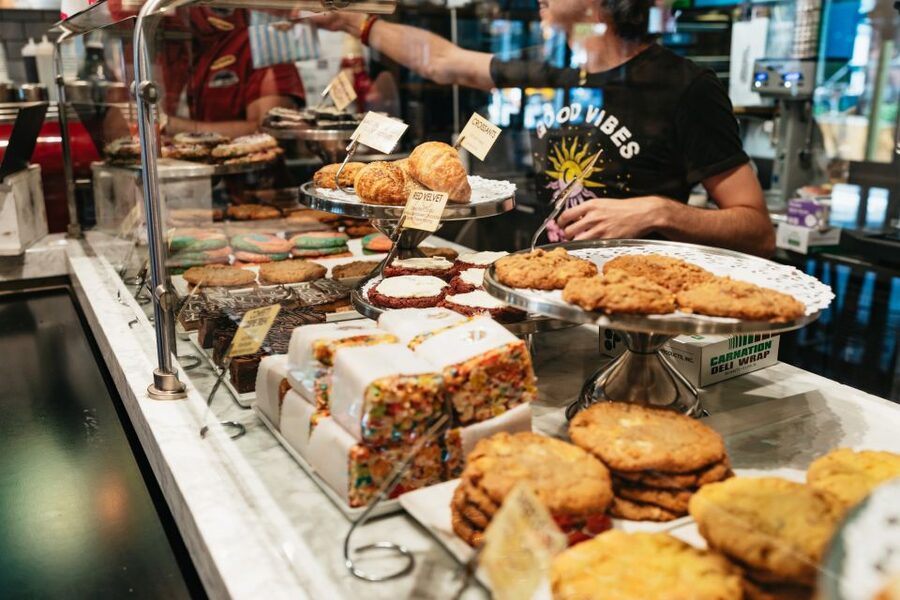
The cookie stop provides a sweet finish or near-finish. The cookie itself is easy to carry, and one useful tip is not to eat it all at once if you are already full. You can taste it and save the rest. The stop also connects food with local business history, giving the guide another way to explain how the neighborhood has changed.
The route includes enough food that you should plan around it. One past participant advised skipping breakfast if possible, while another ended up canceling dinner because the tour had filled them up. You should not assume you will need a meal immediately afterward.
The history gives the food a stronger sense of place
A food tour can become a string of restaurants with little connection between them. This one works better when the guide keeps returning to Hell’s Kitchen itself.
You learn about the area’s Irish American beginnings and the origins of its name. You also hear about ethnic tension, crime, and gang violence, then see how the same district developed into a high-value part of New York with prestigious properties.
That change is not presented as a simple before-and-after success story. The neighborhood’s past explains why its name still carries a rough reputation, while the food stops show its present-day mix of cultures and businesses.
The West Side Story connection adds another layer. The area helped inspire one of New York’s best-known stories about rival groups, identity, and neighborhood conflict. Your guide uses that connection to make the social history easier to picture as you walk.
Guide quality matters here. Alex has been praised for storytelling and energy, while Jake has been valued for practical tips about restaurants, shows, and activities. Claire is known for a warm, humorous approach, and Nicky has been described as attentive and good at making everyone feel included. Cale has also sent restaurant and activity suggestions after tours.
Because guides vary, the personality of your particular tour will not be identical every time. The consistent advantage is the format: an English-speaking guide, a small group, and enough walking time to connect each stop to its surroundings.
What $129 means in practical terms
At $129, this is not a budget way to get lunch. You are paying for five tastings, a guide, and the time spent organizing a route through several establishments. You are also paying for the confidence to enter restaurants you may not know and order food you may not recognize.
The price makes the most sense if you value both food and local context. If you only want the cheapest possible meal, you can spend less by choosing one restaurant. If you want to sample several cuisines without planning the route yourself, the cost becomes easier to justify.
Portion size is part of the value. The food is substantial enough that you should arrive hungry and may not need a large dinner afterward. Several tastings also include indoor seating, which adds comfort during a long city day.
The small group helps, too. With eight people or fewer, you can ask about ingredients, request recommendations, and hear the neighborhood stories without competing with a large crowd. Guides have also offered tips for the rest of a New York visit, including food, activities, and shows. That advice can be useful, but I would treat it as a bonus rather than part of the guaranteed product.
Timing, shoes, and dietary planning
The experience lasts 150 minutes, or two and a half hours. That is long enough for five stops and a real introduction to Hell’s Kitchen, but short enough to fit into a day of sightseeing or theater plans.
The meeting point is Gyu-Kaku at 321 West 44th Street, between Eighth and Ninth avenues. Check the available start time when booking, since the schedule is not fixed in the supplied information.
Wear comfortable shoes. You will be walking between restaurants, and full portions make a slow, easy pace more pleasant than rushing. Bring an appetite, but do not overdo breakfast.
Vegetarians can request an option at booking. The stated restrictions are strict for everyone else: vegan, kosher, nut-free, dairy-free, and gluten-free diets cannot be accommodated. A few individual experiences included successful adjustments, but you should not count on that. If your health depends on avoiding an ingredient, this is not the right tour to gamble on.
Assistance dogs are allowed, but other pets are not.
Who will enjoy this tour most
I would recommend it to you if you want a food tour with a strong neighborhood story and enjoy trying unfamiliar dishes. It suits couples, small groups of friends, solo diners who like meeting people, and first-time New York visitors who want an easy introduction to Hell’s Kitchen.
It is also useful for repeat New York visitors. The route avoids the most obvious food clichés and can point you toward restaurants you might not discover on your own. One repeat visitor who had been to New York many times still found the combination of food and local stories worthwhile.
Families may enjoy the variety, but the tour is not designed around children’s menus or selective eating. If your group wants only pizza, burgers, or sweets, the range may be too broad.
You should also skip it if you need a tightly controlled diet, dislike shared food, or want a quiet sit-down meal in one place. This is a walking experience with several tastings, not a conventional restaurant lunch.
Final call: book it if you want food with a local story
Book this tour if you want to taste across cultures while learning why Hell’s Kitchen became the neighborhood it is today. The strongest features are the small group, the unusual food choices, the generous amount of food, and guides who bring personality to the history.
The $129 price is easier to defend when you treat the tour as both lunch and a guided neighborhood visit. Vegetarian diners should request their option early. Everyone else should arrive hungry, wear good shoes, and leave room for the cookie.
Skip it if your diet is restrictive or if you want a cheap, predictable meal. For curious eaters who like a little history with their food, this is a well-paced way to spend two and a half hours in Midtown.
FAQ
Where does the Hell’s Kitchen food tour meet?
The meeting point is Gyu-Kaku at 321 West 44th Street, between Eighth and Ninth Avenues, in New York.
How long does the tour last?
The tour lasts 150 minutes, or two and a half hours. Starting times vary, so check availability when booking.
How many people are in the group?
The tour is limited to eight participants, making it a small-group experience.
What food is included?
The tour includes tastings at five different locations. Food examples include Japanese dishes, Georgian khinkali, a Georgian cheese boat, Indian-Mexican fusion, meatballs, mezze, and cookies. The exact selection may vary.
Can vegetarians join the tour?
Yes. A vegetarian option is available, but you must tell the local supplier when booking.
Can the tour accommodate vegan, gluten-free, kosher, dairy-free, or nut-free diets?
No. The stated tour information says these dietary needs cannot be accommodated. Pets are also not allowed, although assistance dogs are permitted.
Fresh off the menu around New York City
- NYC: Greenwich Village Food Tour with 6 Authentic Tastings★ 4.9 · 108 reviews
- NYC: Greenwich Village Food Tour★ 4.9 · 23 reviews
- NYC: Taste the American Dream a Lower East Side Food Tour★ 4.8 · 307 reviews
- NYC: Chelsea Market, Meatpacking, High Line Food Tour★ 4.8 · 123 reviews
- NYC: Chinatown and Little Italy Food Tour★ 4.7 · 703 reviews
- NYC: Chinatown & Little Italy Food Tour with 8 Tastings★ 4.9 · 256 reviews
- New York City: Little Italy Italian Food Tasting Tour★ 4.3 · 206 reviews
- New York City: Lower East Side Food Tour★ 4.9 · 31 reviews
New York City Food Tours, compared.
NYC: Chinatown & Little Italy Food Tour with 7 Flavorful Tastings
Read our review →
Original NYC Guided Food Tour of Chinatown and Little Italy
Read our review →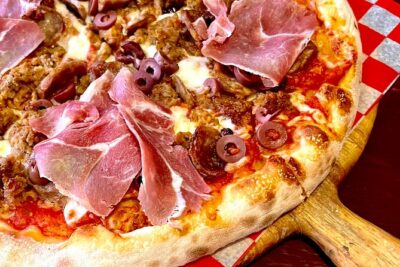
NYC: Greenwich Village Food Tour with 6 Locals Favorites Dishes
Read our review →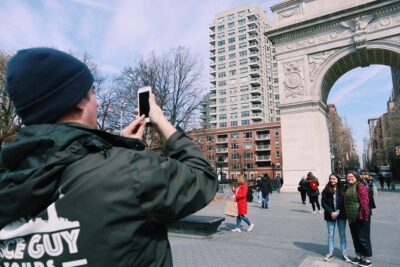
Greenwich Village Walking and Food Tasting Tour
Read our review →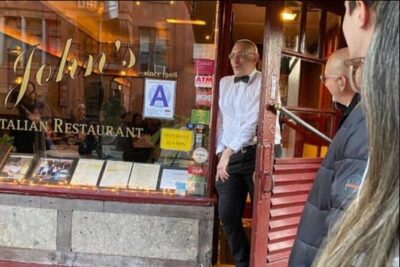
New York City Mafia and Local Food Tour led by NYPD Guides
Read our review →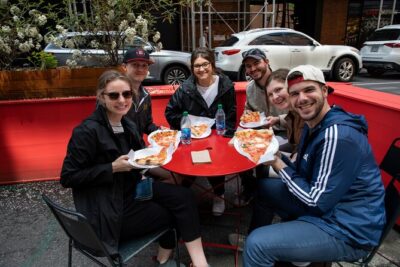
NYC: Taste the American Dream a Lower East Side Food Tour
Read our review →
Browse the lists this tour appears in