
Review · MILAN
Milan: Italian Cooking Class with Food and Wine
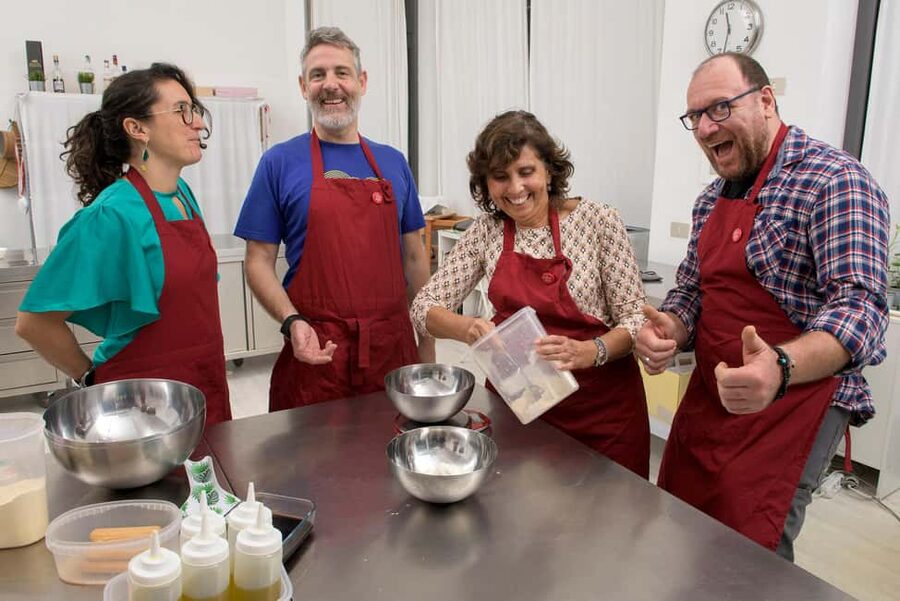
The best part of this Milan cooking class is that you do more than watch a chef work. You roll pasta, shape dough, prepare dishes, and then sit down to eat the meal with wine. I like the hands-on format and the fact that you receive the recipes, so the evening has value after you fly home.
I also like the personal workstations, the small-group feel, and Chef Ilaria’s lively teaching style. She explains the reasons behind each step, from pasta texture to traditional Italian rules such as keeping cream out of carbonara. The main consideration is that the exact menu can change, and some sauces may be prepared ahead because three hours is not enough for every long-cooking recipe.
Key points to know
- Three dishes in three hours: You may prepare fresh pasta, bruschetta, gnocchi, ravioli, tiramisù, biscotti, strudel, or other Italian favorites.
- Chef Ilaria leads with humor and clear instruction: Her teaching mixes technique, food culture, and practical corrections.
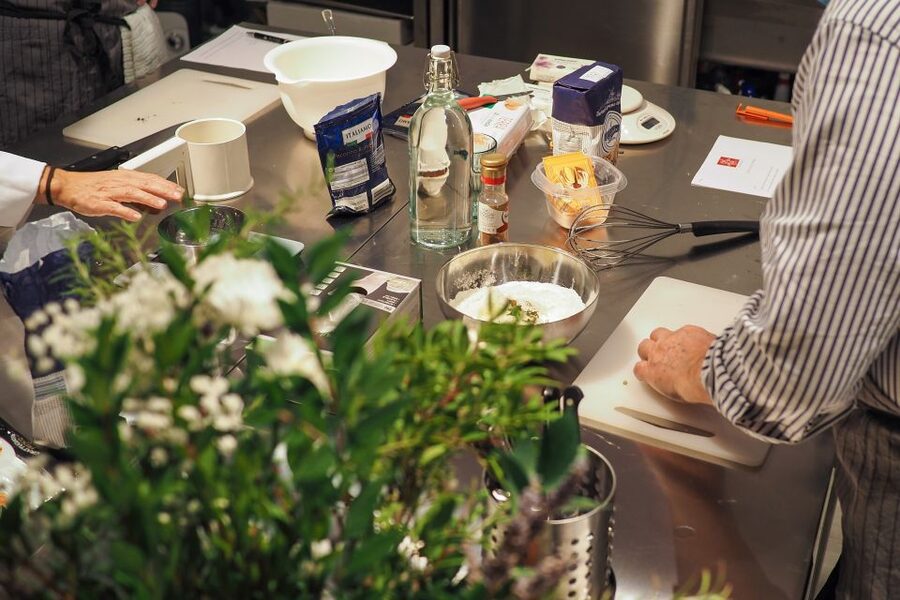
- You work at your own station: Tools, gloves, aprons, and food are provided.
- The meal comes after the work: Sit together, eat what you made, and enjoy red or white wine.
- Recipes go home with you: The class is designed to be repeated in your own kitchen.
- Plan for a cooking lab, not a restaurant: No large bags, food, drinks, smoking, pets, or children under 10 are allowed.
What the three-hour Milan cooking class is really like
This is a practical Italian cooking workshop at Chef and the City, a street-level shop with three large windows and red signs above them. When you arrive, ring the bell at the main window door. The class is conducted in Italian and English, and the setting is built around participation rather than a long demonstration.
You are given an apron, gloves, cooking tools, and your own personal desk. That setup matters. You are not waiting for a turn at one crowded counter, and you can follow the recipe in front of you while the chef moves around the room.
The format suits beginners, but it is not only for people who rarely cook. You can ask about ingredients, technique, and timing, and the chef corrects mistakes as you work. One useful feature is the explanation of why a step matters, not only what to do next.
More Food and Wine Tours around Italy:
- Winner 2025 Florence Sunset Food & Wine Tour by Eating Europe
★ 5.0 · 5,015 reviews - From Florence: Tuscany Wine & Food Tour with Guide
★ 4.9 · 1,746 reviews - Rome by Night – Ebike Small Group Tour – Food and Wine (Option)
★ 5.0 · 1,275 reviews
Starting with snacks, coffee, and Italian kitchen rules
The class begins with light food and drinks available around the cooking period. Expect items such as cheese, dried tomatoes, mortadella, olives, cookies, biscuits, candies, coffee, tea, infusions, and water. These are small extras, not a replacement for the meal you prepare later.
Before the work gets going, you need to follow professional kitchen rules. You cannot eat or drink while cooking, and tasting during the preparation is not allowed. Long hair must be tied back. This may feel strict if you are used to casual home cooking, but it keeps the work area clean and helps the group stay focused.
The studio is presented as a clean, organized cooking lab. That is useful for anyone who cares about food handling, and it also makes the session easier to follow. You should arrive ready to cook, not carrying a suitcase or large day bag. Large luggage is not accepted in the kitchen.
Fresh pasta is the star of the hands-on work
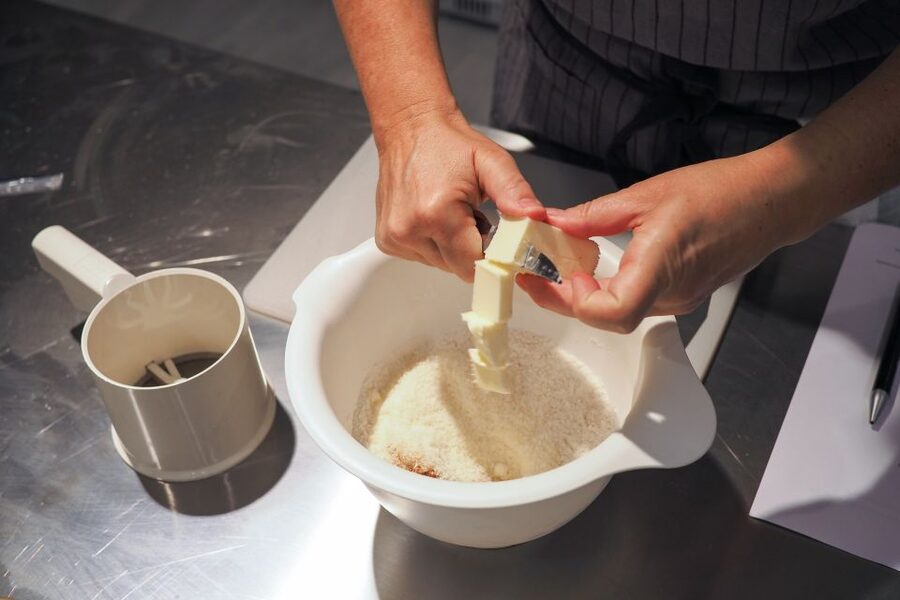
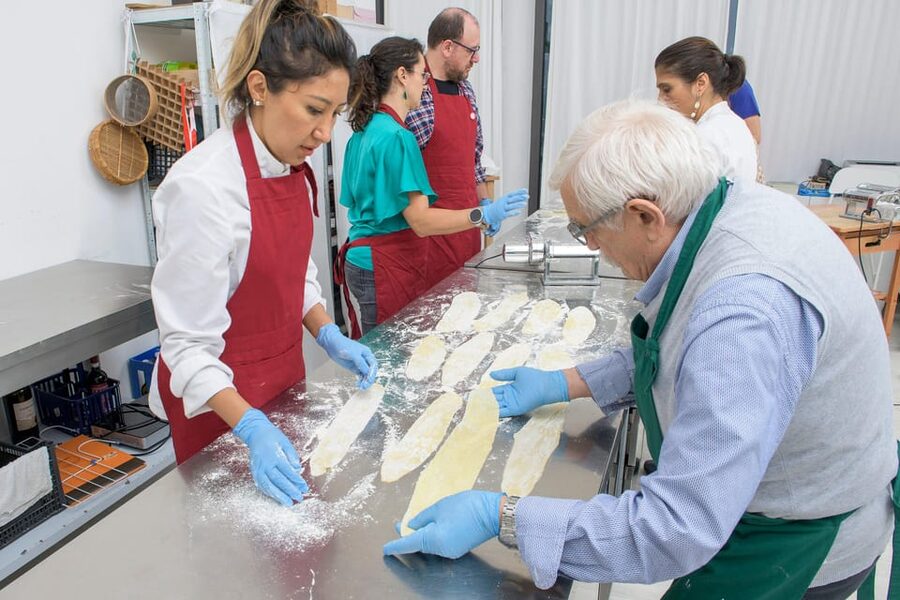
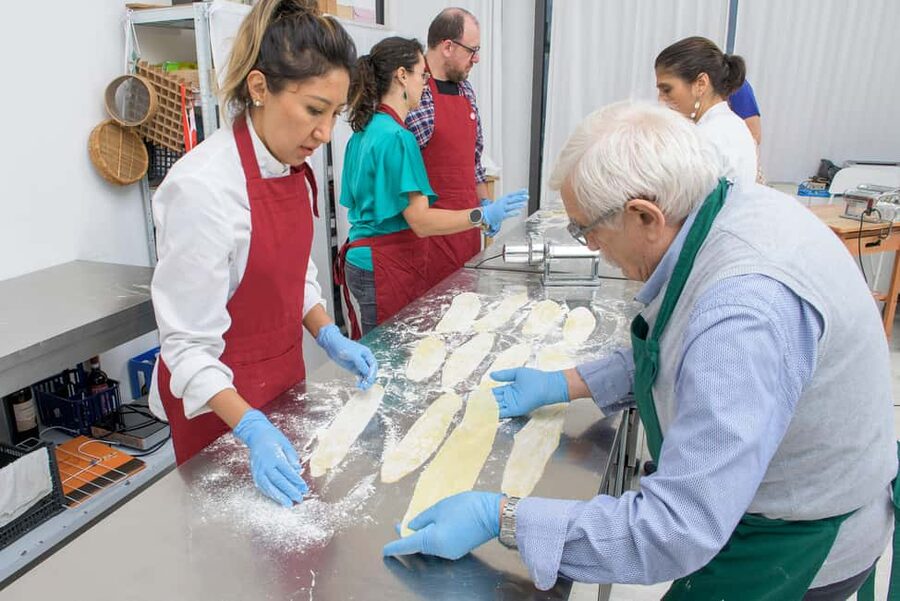
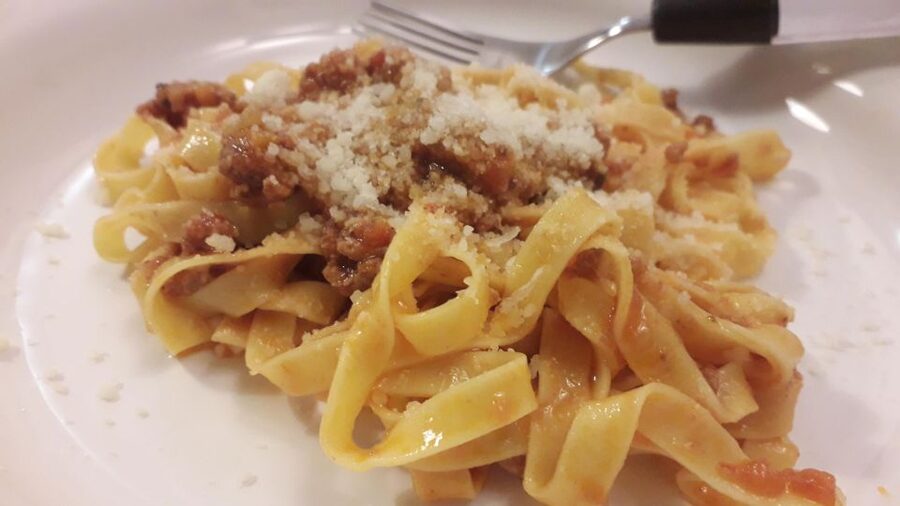
Fresh pasta often forms the most memorable part of the class. Depending on the day, you might make tagliatelle, ravioli, or another pasta shape. You work with the dough, learn how to handle it, and may use a pasta machine to roll and shape it.
This is where the class earns much of its practical value. Dried pasta is easy to boil, but fresh pasta teaches you how flour, eggs, moisture, thickness, and pressure affect the final dish. You leave with a better sense of what the dough should feel like, rather than only a printed list of instructions.
The menu can include sauces such as ragù, cacio e pepe, butter and sage, or another traditional preparation. One important detail is that long-cooking sauces may already be prepared by the chef. That is sensible within a three-hour class, but it means you may not cook every part of the meal from start to finish.
I see this as a fair trade, as long as you know it in advance. You still learn the pasta technique and receive the sauce recipes. If your main goal is to make ragù from the first chop to the final simmer, this class may not provide that full process.
The teaching also includes food culture. Chef Ilaria is known for explaining traditional standards with plenty of personality. Her firm view that carbonara should not contain cream or bacon is a good example of the kind of practical, distinctly Italian guidance you may hear.
Antipasti and side dishes keep the class varied
The class is not limited to pasta. Depending on the schedule, you may prepare bruschetta, eggplant parmigiana, gnocchi, or another starter or side dish. Bruschetta is a useful choice for beginners because it teaches simple seasoning and the importance of good ingredients without demanding advanced knife skills.
Gnocchi gives you a different kind of lesson. The texture depends on how you handle the potato mixture and how much flour you add. Some classes have included butter and sage gnocchi, while others have featured a different menu. The variation is worth noting: do not book expecting one fixed list of three dishes unless that menu has been confirmed for your date.
This changing menu can be a benefit. It gives repeat visitors a reason to return, and it lets the kitchen use a range of Italian recipes. The drawback is that the dish you most want, such as tiramisù or ravioli, may not appear in your session.
Dietary needs should be raised before you attend. A gluten-free participant was accommodated without losing the hands-on part of the class, and other food restrictions have been taken into account. Still, the supplied information does not promise a specific substitute for every allergy, so direct communication before booking is the wise move.
More cooking classes around Italy:
- Small Group Cooking Class & Market Food Tour in Florence
★ 5.0 · 1,574 reviews - Florence: Cooking Class with Local Food Market Tour
★ 4.9 · 407 reviews - Sorrento: Pizza Making Class at Tirabusciò Cooking School
★ 4.8 · 188 reviews - Sicilian Cooking Class in Taormina
★ 5.0 · 186 reviews
Dessert may be tiramisù, biscotti, or strudel
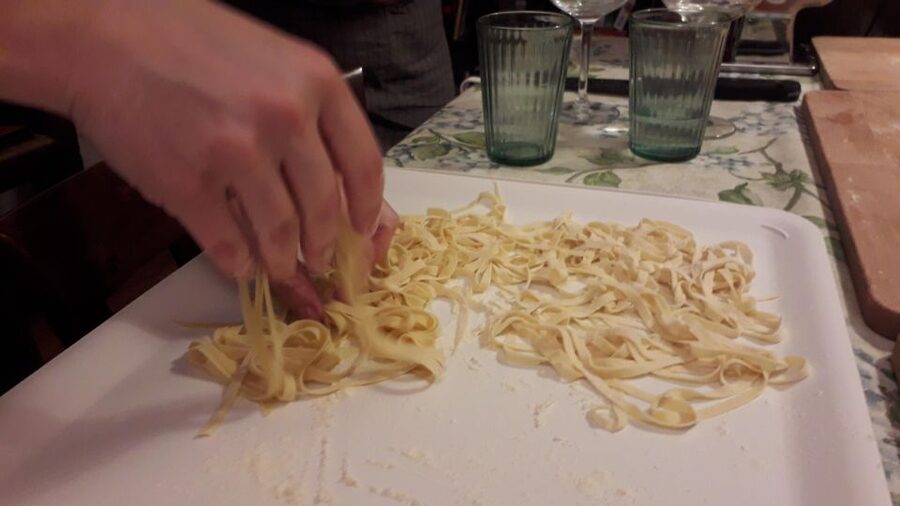
The sweet course changes too. Past classes have included tiramisù, biscotti or cantucci, apple strudel, and other desserts. Tiramisù is especially useful if you want to learn a familiar dish in a more traditional style. You can also pick up small cultural details, such as the point that authentic tiramisù does not need amaretto.
Biscotti and cantucci are practical choices for home cooks because they travel well and keep longer than a cream dessert. They also teach you how a firm dough changes during baking. Apple strudel offers a different lesson in pastry and filling.
The dessert course adds balance to the evening, but it can also create a timing issue. If the menu includes fresh pasta, a starter, and dessert, the class has to divide its attention. You may do some preparation while another element cooks or rests. That is normal for a group workshop, though anyone expecting a slow, detailed pastry course should adjust expectations.
Sitting down to eat changes the mood
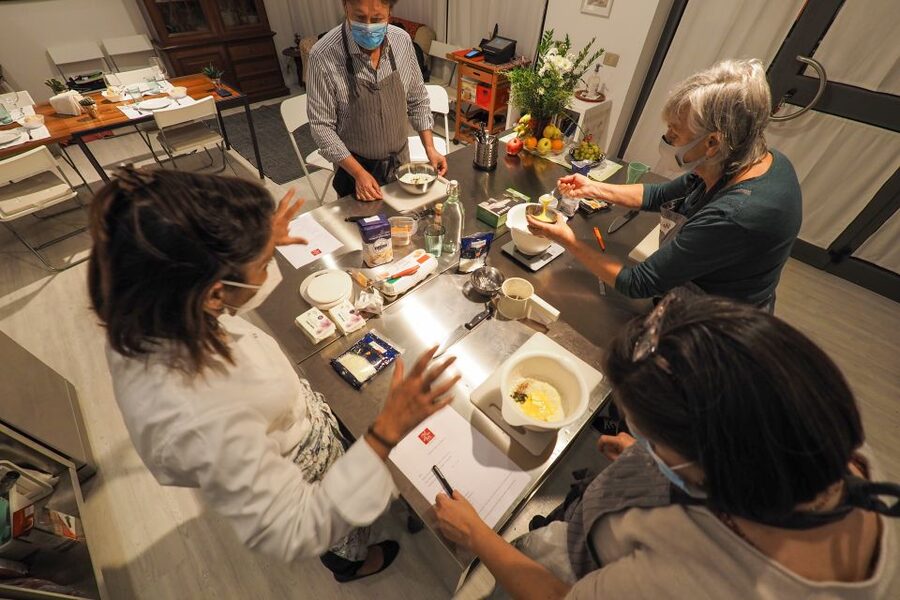
After the cooking, everyone sits in the dining room and eats the dishes prepared during the class. This is more than a reward at the end. It lets you judge the texture of the pasta, see how the sauces come together, and compare the result with the chef’s example.
Wine is included, with red and white options available. The meal becomes social, especially when participants come from different countries or arrive alone. The class has been described as friendly and easy to join without a companion, though the group size can vary. One session had only two participants, which made it more personal but less lively.
I like this shared meal because it gives the class a clear finish. You are not simply handed a plate and sent away. You eat at the same table, talk about the cooking, and connect the work at the station with the finished dish.
Keep your alcohol limits in mind. Wine is part of the experience, but the main attraction is the food and instruction. The class is not designed as a drinking event.
Chef Ilaria’s teaching style
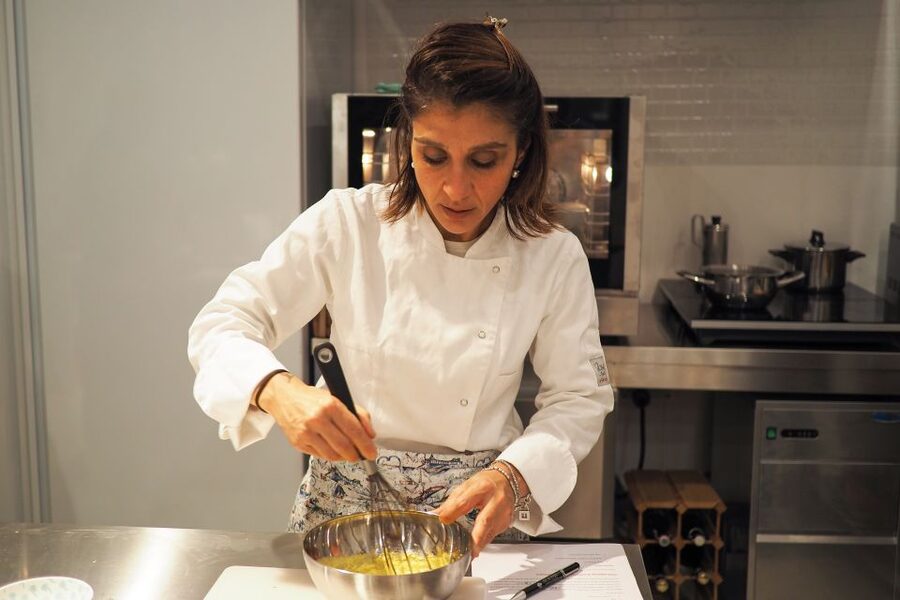
Chef Ilaria receives the strongest praise for her warmth, humor, and ability to explain. Her approach appears to be energetic rather than formal. She corrects errors without making beginners feel foolish, and she adds stories about Italian food and the background of the dishes.
Her English is described as strong, and the class is offered in both English and Italian. That makes the workshop workable for English-speaking visitors who want direct instruction rather than a translated recipe alone.
The teaching is also practical. You can ask why an ingredient is used, what texture to seek, and how to repeat the method at home. Chef Ilaria and the assistant prepare tools and ingredients so you can spend more time cooking and less time searching for equipment.
The specific instructor can depend on scheduling. Some sessions may involve other members of the team, including Fernando or Klara. If meeting Ilaria personally is essential to you, confirm who will lead your date. The overall format remains focused on Italian cooking, but instructor changes can affect the feel of the class.
What you take home besides a full stomach
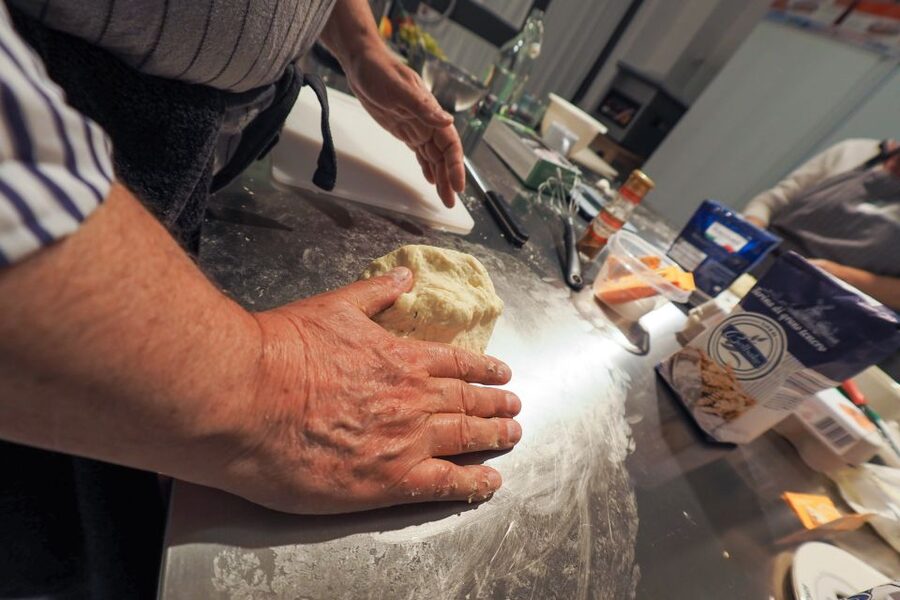
Every participant receives copies of the recipes. This is one of the best reasons to choose a class over a meal at a restaurant. A restaurant shows you the result. This workshop gives you a way to make at least some of the dishes again.
The recipes are described as easy to make at home, though your kitchen setup will matter. Fresh pasta is much easier if you have a pasta machine, and some participants left ready to buy one. You can still roll dough by hand, but the machine can make the process faster and more even.
The recipes also help with the parts that may not be cooked fully during the session. If a ragù or cacio e pepe sauce is prepared in advance, you still have the written method to study and repeat.
Take photos or short videos if the class allows it, but keep the cooking rules in mind. Do not interrupt the work to snack or handle a phone with messy hands.
Is $80 a fair price in Milan?
At $80 per person, the price includes food, beverages, wine, cooking tools, gloves, aprons, instruction, and the recipes. It is not simply the cost of a meal. You are paying for three hours of guided activity, ingredients, equipment, and a sit-down dinner.
I consider that solid value if you want an active evening rather than another restaurant reservation. The included wine and meal make the price easier to justify, while the take-home recipes add lasting value. A private class would likely offer more control over the menu, but this shared format gives you the chance to meet other people.
The value is weaker if you mainly want to eat. You will spend time chopping, mixing, shaping, and cleaning as part of the class. That work is the point, but it may not suit someone who wants a quiet meal with no instruction.
Who should book this class
I would choose this for first-time pasta makers, solo visitors, couples, families with older children, and anyone who wants a social evening in Milan. It works particularly well for people who want to recreate Italian dishes at home instead of simply collecting food photos.
It is also a good fit for a mixed group with different cooking abilities. Beginners can follow the steps, while more experienced cooks can ask about technique and Italian customs.
The age limit matters. Children under 10 are not suitable for the class. It is also not suitable for people with mobility impairments, and the venue is not wheelchair accessible. Pets, smoking, luggage, and large bags are not allowed.
Cancellation is flexible: you can cancel up to 24 hours ahead for a full refund, and the reserve-now, pay-later option keeps your plans open. Check the available starting time when booking, since the activity lasts three hours.
Should you book Chef and the City?
Book it if you want to work with your hands, learn fresh pasta, eat a full meal, and leave with recipes you can use. Chef Ilaria’s humor and clear explanations are a major part of the appeal, and the combination of cooking, wine, and conversation makes this a good change of pace from sightseeing.
Go in knowing that menus vary and that some sauces may be prepared before the class. If you need a fully private lesson, a guaranteed list of dishes, or complete instruction for every sauce from beginning to end, this may not be the right choice.
For most visitors who want a friendly, practical introduction to Italian home cooking in Milan, the $80 price is reasonable. Bring curiosity, tie back your hair, leave your large bag at the hotel, and arrive ready to make a little floury mess.
FAQ
How long does the Milan cooking class last?
The class lasts three hours.
How much does the cooking class cost?
The listed price is $80 per person.
Which dishes will I make?
The menu can vary. Possible dishes include tagliatelle, gnocchi, ravioli, cacio e pepe, ragù, focaccia, eggplant parmigiana, bruschetta, tiramisù, biscotti, cantucci, and strudel.
Is wine included?
Yes. Wine is included, and red and white wine may be available with the meal.
Are cooking tools and equipment provided?
Yes. Cooking tools, gloves, and aprons are included.
Do I receive the recipes?
Yes. You receive copies of the recipes so you can recreate the dishes at home.
What languages are spoken?
The class is offered in Italian and English.
Can children attend?
Children under 10 are not suitable for this activity.
Is the class wheelchair accessible?
No. The activity is not wheelchair accessible and is not suitable for people with mobility impairments.
More food workshops around Italy
- Authentic Pizza Making Class in Naples with Appetizers and Drink
★ 5.0 · 3,178 reviews - Rome: Pizza & Tiramisu Class with Free Flowing Fine Wine
★ 5.0 · 973 reviews - Naples: Neapolitan Pizza and Tiramisù Making Class
★ 4.8 · 839 reviews - Sorrento: Pizza Making Class
★ 4.9 · 706 reviews
Fresh off the menu around Italy
- Taormina Pizza making class★ 4.8 · 140 reviews
- Taormina: Pizza Making Class with Lunch and Wine Tasting★ 4.8 · 145 reviews
- Taormina: Shared or Private Food & Wine Walking Tour★ 4.6 · 167 reviews
- Taormina: Half-Day Pizza Making Class★ 4.8 · 353 reviews
- Syracuse: The Street Food Tour in Ortigia with a Local Guide★ 5.0 · 134 reviews
- Syracuse: Sicilian Street Food Hands-On Cooking Class★ 4.9 · 38 reviews
- Street Food Walking Tour: Discover Livorno’s Local Flavors★ 5.0 · 72 reviews
- Lecce: Guided Street Food Walking Tour with Food and Wine★ 4.6 · 273 reviews
Milan Food Tours, compared.
Milan’s Authentic Street Food tour: A Gourmet Experience
Read our review →
Milan: Guided Street Food Walking Tour with Food Tasting
Read our review →
Milan: Sunset Navigli Food & Drinks Tour by Do Eat Better
Read our review →
Milan: Sunset Navigli Food and Drinks Tour with a Local
Read our review →
Milan: Delicious Food Tour and City Center Sightseeing
Read our review →
Browse the lists this tour appears in