
Review · BANGKOK
Local Life, Culture & Food Walking Tour at Chinatown
Bangkok’s Chinatown is best understood on foot, one narrow lane and incense-filled shrine at a time. This tour takes you beyond Yaowarat’s bright shopfronts to old shophouses, local markets, temples, and Talad Noi, where Chinese-Thai life has lasted for generations. The food tastings and small-group format are its biggest strengths.
I like that the guides, including JoJo, Sunee, Kae, and Khun Kaew, are praised for answering questions and adjusting the walk to personal interests. I also like the chance to see ordinary community spaces, try dishes such as crispy pork belly and dumplings, and learn why certain shrines matter. The main drawback is practical: you walk in heat, rain, and crowded lanes, and the tour is not suitable for wheelchair users.
Key points to know before you book
- Start at MRT Wat Mangkon: Meet at Exit 1 near Plaeng Nam intersection, then walk into Chinatown.
- Food is part of the story: Tastings can include crispy pork belly, handmade dumplings, herbal teas, papaya salad, and other local finds.
- Talad Noi adds depth: The walk reaches one of Bangkok’s oldest Chinese-Thai communities beside the Chao Phraya River.
- Guides personalize the route: JoJo, Sunee, Kae, and Khun Kaew are praised for adapting the experience to questions and interests.
- Small groups matter: If bookings are light, you may receive something close to a private walk.
- Bring only the basics: Wear comfortable shoes, arrive 10 minutes early, and leave large bags and luggage behind.
Starting at MRT Wat Mangkon and Odeon Circle
The meeting point is MRT Wat Mangkon Station, Exit 1, at the Plaeng Nam intersection. This is a sensible place to begin because you can reach it by Bangkok’s subway rather than relying on a taxi through crowded streets. You need to arrange your own transport to the start, and the walk returns there at the end.
Arrive 10 minutes early. Chinatown is full of movement, traffic, food carts, and side streets, so a rushed arrival can make the first few minutes needlessly awkward.
From the station, the route heads toward Odeon Circle, the grand gateway to Bangkok’s Chinatown. Here, your guide sets the historical frame: Chinese immigrants helped shape the district’s businesses, homes, religious sites, and food traditions. That context makes the later stops more meaningful. You are not simply looking at an old building. You are learning how a community formed around trade, family, worship, and food.
More Chinatown food tours around Bangkok:
- Bangkok Authentic Tasting Thai-Chinatown Walking Food Tour
★ 4.9 · 852 reviews - Bangkok: Tuk Tuk Adventure Chinatown Michelin Food & Temples
★ 4.3 · 725 reviews - Bangkok Tuk-Tuk Tour by Night with Chinatown Street Food Meal
★ 5.0 · 635 reviews
Markets where Chinatown feels most alive
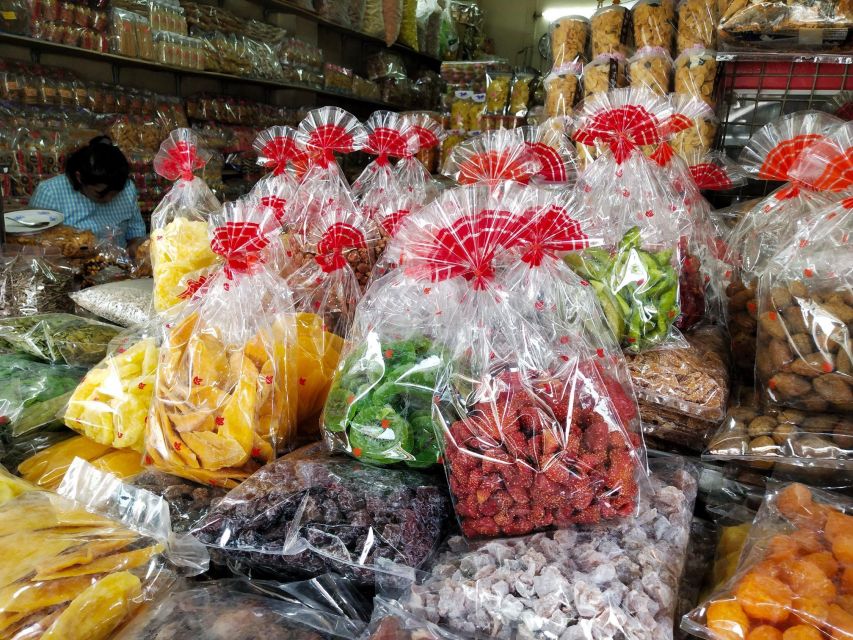
The market portion is likely to be the most sensory part of the walk. Expect narrow passages lined with goods ranging from herbal remedies to colorful trinkets. The point is not just to shop. It is to see how Chinatown still works as a neighborhood where local commerce and daily life overlap.
Your guide can explain products, customs, and the role of different streets as you walk. This is where a small group earns its keep. You can stop to ask what something is, why it is sold there, or how it fits into Chinese-Thai life without holding up a large crowd.
The pace may be slower than a simple sightseeing walk. Markets are crowded, and you will need to watch your footing and keep your belongings close. Leave luggage at your hotel. Large bags are not allowed, and they would be a nuisance in the tighter passages anyway.
Street food with a Chinese-Thai accent
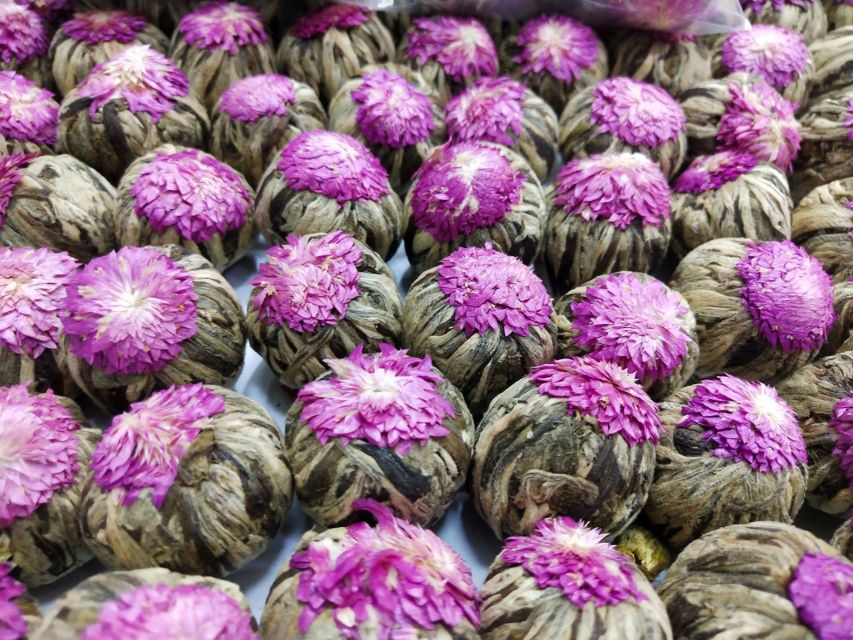
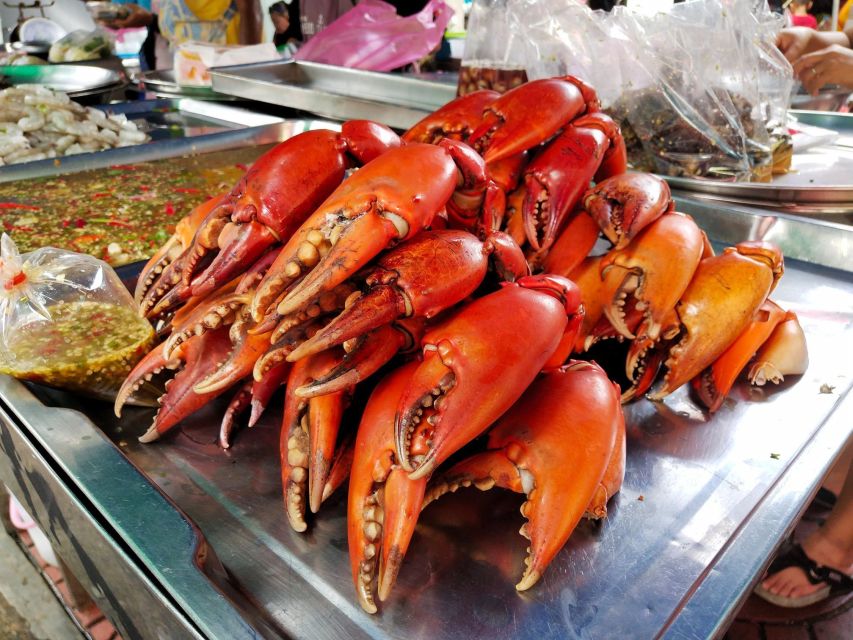
Food is one of the strongest reasons to choose this experience. Tastings can include crispy pork belly, handmade dumplings, herbal teas, and other Thai-Chinese street foods. The exact selection can vary, so you should not book expecting a fixed menu or a full meal.
What you get is more useful than a restaurant checklist. A guide can explain how Thai and Chinese cooking traditions meet in Chinatown, then help you notice the difference between a snack eaten on the move and a dish meant for a shared table. If you are curious about ingredients, preparation, or local habits, ask questions as you go.
Some individual experiences have also included making papaya salad, trying durian, and stopping at a local coffee shop. Those details are not guaranteed parts of every departure, but they show how the route can change with your interests and what is available that day.
Tell the company about allergies or dietary restrictions in advance. The tour includes food tastings, but extra food and drinks are not included. If you are very cautious about ingredients, carry a little backup food and ask your guide before sampling.
Shrines, temples, and the meaning behind the incense
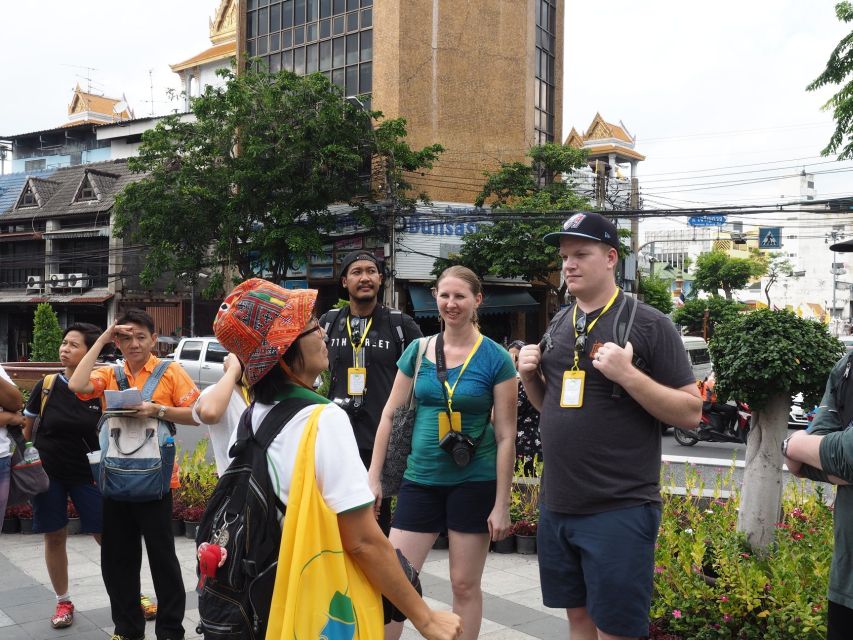
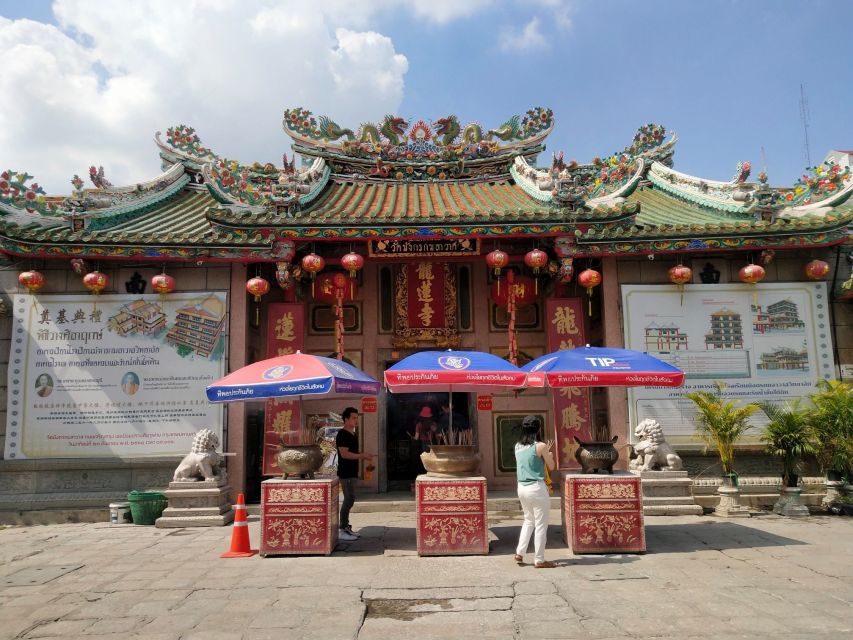
The tour visits historic temples and shrines, including smaller religious sites that are easy to pass without understanding. Gold decorations, incense, offerings, and prayer customs can look similar at first glance, but each place has its own role and traditions.
This is where the guide’s explanation matters most. The walk is designed to show how Chinese and Thai beliefs have been maintained through generations, not just to point out attractive details. You can ask about the customs you see and learn how local people use these places for blessings, respect, and family observances.
Dress simply and behave quietly inside religious spaces. The supplied information does not require a formal dress code, but casual clothing and respectful conduct are sensible. Photography may be possible in some spots, though you should follow your guide’s direction.
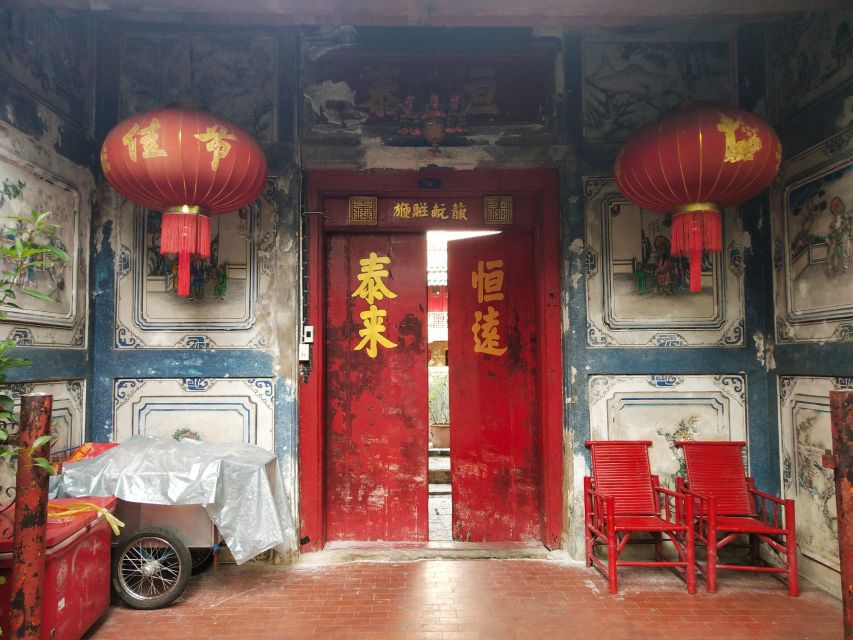
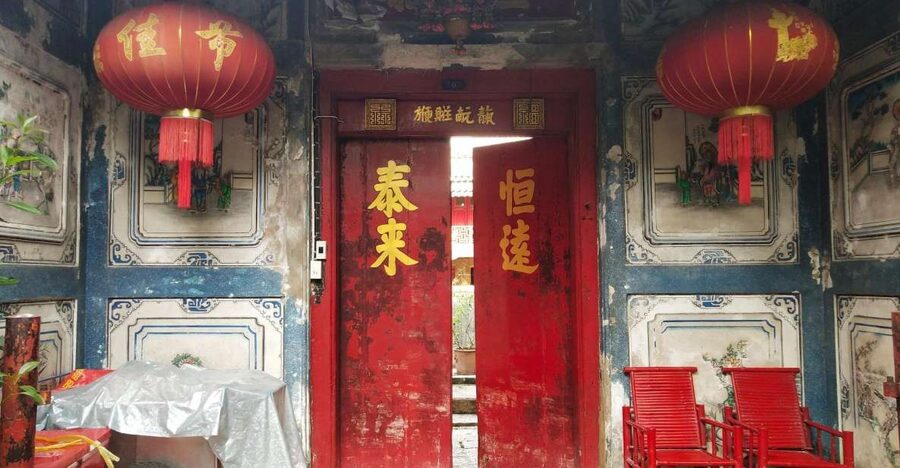
The tour also includes old Chinese architecture and shophouses. These buildings help explain how homes, workshops, family businesses, and storefronts once operated in close quarters. Their worn surfaces and compact design tell a different story from Bangkok’s modern towers.
More Food Walking Tours in Bangkok:
- Bangkok: Street Art and Street Food Walking Tour
★ 4.1 · 58 reviews - Reykjavik Food Walk – Local Foodie Adventure in Iceland
★ 5.0 · 18,952 reviews - New Orleans Food Walking Tour of the French Quarter with Small-Group Option
★ 5.0 · 6,118 reviews - Naples: Street Food Walking Tour with Local Guide
★ 4.9 · 4,976 reviews
Back lanes and the everyday side of Chinatown
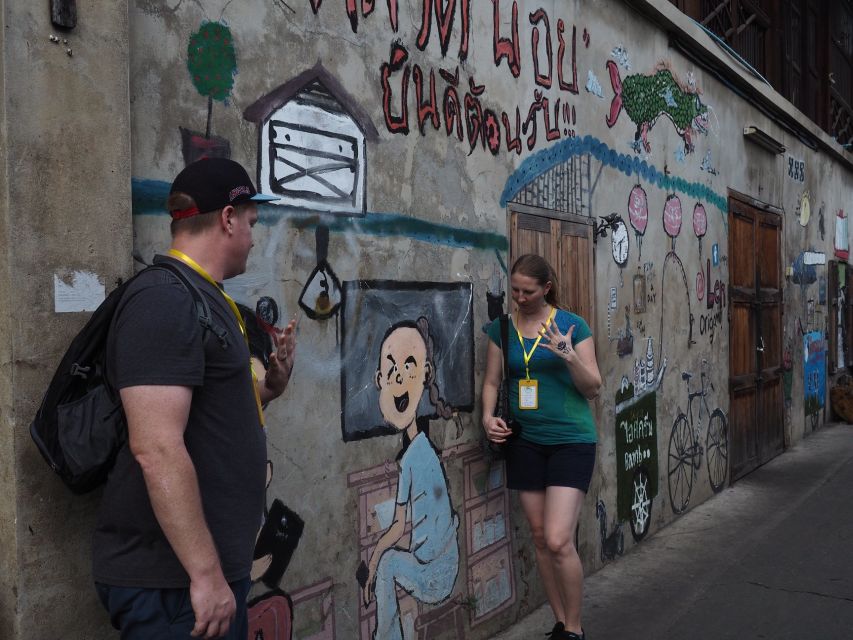
The most rewarding section for many people will be the narrow alleys away from the main tourist streets. Here, you may see wooden homes, small community spaces, and signs of ordinary life that are easy to miss when you stay on the main road.
One particularly useful aspect is the chance to see how people still live in older houses. A guide can provide context for the tight rooms, wooden structures, and shared spaces instead of leaving you to make assumptions. You are seeing a functioning neighborhood, not a preserved stage set.
The route may also include small museums, street art, rooftop bars, or other local stops, depending on the guide and the group’s interests. These additions are drawn from individual experiences, so treat them as possibilities rather than promises. The fixed themes are markets, temples, shrines, backstreets, food, architecture, and local stories.
If you prefer a tightly timed sightseeing list, this flexibility may feel less predictable. If you like asking questions and following a guide’s local judgment, it is a real advantage.
Talad Noi and the Chinese-Thai story
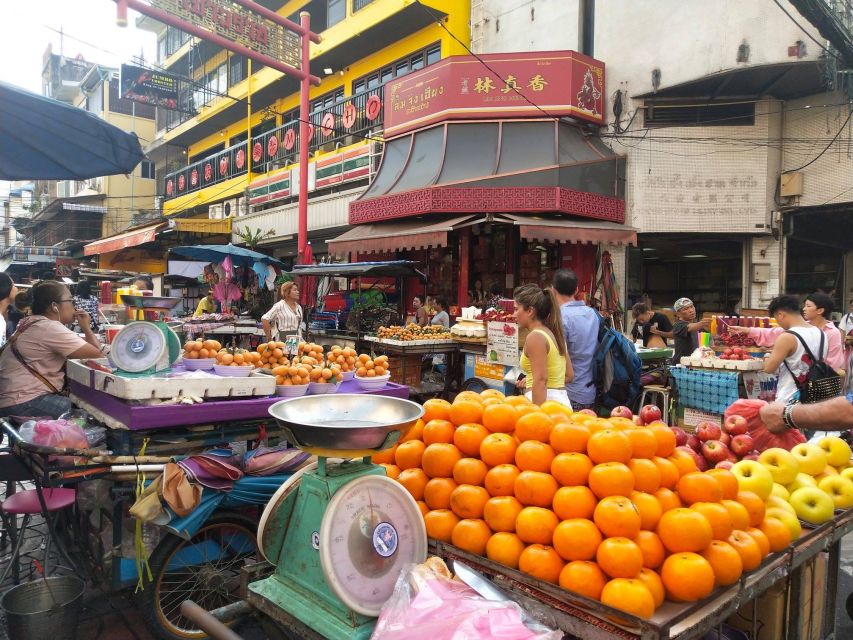
Talad Noi gives the walk a wider sense of time. It is described as the oldest Chinese-Thai community in Bangkok, located along the Chao Phraya River. The guide explains how early settlers established homes and businesses here and how their presence helped shape the area’s cultural identity.
This section matters because Chinatown is not only a food district. It is also a record of migration, adaptation, family networks, worship, and trade. Talad Noi connects those ideas to a place where the old and the current sit side by side.
You may find the mood here quieter than the main market streets, though the tour still takes place in a working neighborhood. Be considerate around homes and businesses. The chance to see local life carries a responsibility to avoid treating private spaces as photo props.
Why the guide can make or break the walk
This experience depends heavily on the individual guide. Named guides in the supplied accounts include JoJo, Sunee, Ms. Kaew, Kae, and Khun Kaew. Their shared role is to interpret the neighborhood, answer questions, and adjust the route or pace where possible.
JoJo is praised for being funny, well connected in Chinatown, and strong on local and Thai subjects. Sunee is described as tailoring the walk to personal tastes. Kae is noted for providing fans, helping with gifts, explaining temple customs, and adding stops such as a tiny museum or rooftop bar. Khun Kaew is praised for making sure the experience feels comfortable and personal.
That does not mean every departure will include every extra stop. It does mean you should come prepared to speak up. Tell the guide if you care most about food, architecture, religion, Chinese-Thai history, photography, or local shopping. The small group gives you room to do that.
Group size is a major selling point. On some dates, a solo booking or very small booking can feel close to a private tour. That creates time for detailed questions and personal conversation, though you should not assume you will always be alone.
Is $75 a fair price?
At $75 per person, this is not the cheapest way to walk around Chinatown. You can explore the main streets independently for very little money, especially if you are comfortable reading maps and choosing food stalls on your own.
The value comes from access and interpretation. You are paying for a local guide, planned visits to temples and shrines, food tastings, cultural explanations, and a route through places you might not think to seek out. You also save the effort of deciding which lane, market, or community space deserves your limited time.
For a first visit to Bangkok, or for anyone who wants context rather than a quick photo stop, the price can make sense. It is less compelling if your main goal is a large meal, extensive shopping, or a private car. Personal shopping, extra snacks, drinks, and transport to the meeting point cost more.
The rating is 4.7 from 119 ratings, with strong praise focused on the guides’ warmth, flexibility, and ability to explain Chinatown clearly. The repeated value is not luxury. It is access to a more personal walk than you are likely to get by following the main road alone.
Heat, rain, walking, and practical comfort
This is a walking tour in Bangkok, so comfortable shoes are essential. Casual clothing is recommended, and you should be ready for weather changes. The tour runs in rain or shine, so bring an umbrella or raincoat during wet weather.
There is no stated tour length, which makes it difficult to plan a precise schedule around it. Allow room in your day rather than booking a tight onward connection. The route includes markets, alleys, religious sites, and Talad Noi, all of which work better when you are not watching the clock.
The tour is not suitable for wheelchair users. Narrow lanes, uneven surfaces, crowded markets, and older buildings make this a serious consideration. It also is not suited to luggage or large bags.
English and German are available. Cancellation is allowed up to 24 hours before the start for a full refund, and you can reserve now and pay later. Those terms help if your Bangkok schedule is still changing.
Who should book this Chinatown walk?
I would choose this tour if you want food, history, religion, and ordinary neighborhood life in one outing. It is especially suitable for solo visitors, couples, and small groups who enjoy conversation and do not mind adapting the pace.
It also suits you if you have already seen Bangkok’s major sights and want a closer look at Chinese-Thai culture. The combination of Talad Noi, old shophouses, shrines, markets, and back lanes gives the day more substance than a standard food crawl.
I would hesitate if you dislike walking in heat, have serious mobility limits, need a guaranteed food menu, or prefer a fixed itinerary with exact timing. Independent explorers may also find $75 high if they are happy to wander without a guide.
Should you book it?
Book this Chinatown walk if you want a guide to explain what you are seeing, take you beyond the main streets, and help you taste the area thoughtfully. The strongest part is the human connection: small groups, flexible guides, personal questions, and stories tied to real streets and communities.
Before booking, wear shoes you trust, notify the company about allergies, pack light, and keep your schedule open. If that sounds comfortable, this is a good way to meet Bangkok through its food, faith, family businesses, and back lanes rather than only through its postcard views.
FAQ
Where does the tour begin?
It begins at MRT Wat Mangkon Station, Exit 1, near the Plaeng Nam intersection at 3 Plaeng Nam Road in Samphanthawong, Bangkok.
Where does the tour end?
The walk ends back at the meeting point.
What is included in the price?
The price includes a guided walking tour with a local expert, visits to historic temples and shrines, market and backstreet exploration, cultural explanations, food tastings, photo opportunities, and a small-group format.
Are transportation costs included?
No. Transportation to and from the meeting point is not included. Personal expenses, shopping, souvenirs, and extra food or drinks are also not included.
What food might I try?
Possible tastings include crispy pork belly, handmade dumplings, herbal teas, and other Thai-Chinese street foods. Individual outings may also include foods such as papaya salad or durian, but these are not guaranteed.
Can I tell the company about food allergies?
Yes. You should provide information about dietary restrictions or allergies in advance.
What languages are available?
The tour is offered in English and German.
Is the tour suitable for wheelchair users?
No. The experience is not suitable for wheelchair users.
What should I bring?
Bring comfortable walking shoes. An umbrella or raincoat is useful because the tour operates in rain or shine. Do not bring luggage or large bags.
How early should I arrive?
Arrive at the meeting point 10 minutes before the tour begins.
Fresh off the menu around Bangkok
- From Bangkok: Maeklong Railway and Floating Market Food Tour★ 4.9 · 224 reviews
- Bangkok: Street Art and Street Food Walking Tour★ 4.1 · 58 reviews
- Bangkok: Street Food Tasting Tour at Night★ 4.4 · 48 reviews
- Bangkok: Talad Noi Hidden Gems & Street Food Adventure★ 4.6 · 29 reviews
- Bangkok: Old Siam Food Tour with 15+ Tastings★ 4.9 · 559 reviews
- Bangkok: Must-Try Hidden Bike & Food Experience★ 4.9 · 613 reviews
- Bangkok Electric Tuk Tuk: Street Food & Markets★ 4.6 · 42 reviews
- Thai Bus Food Tour Experience in Bangkok★ 4.4 · 53 reviews
Bangkok Food Tours, compared.
Bangkok: Backstreets Food Tour with 15+ Tastings
Read our review →
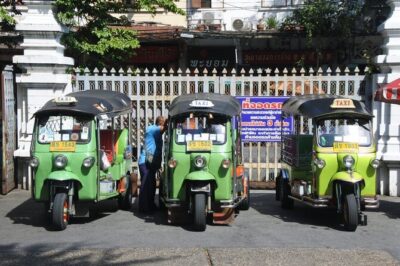
Bangkok: Michelin Guide Street Food Tour by Tuk Tuk
Read our review →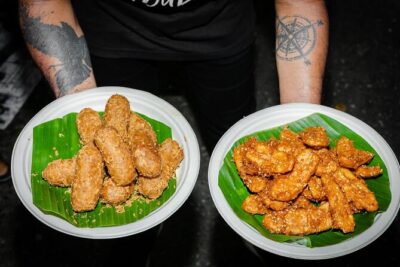
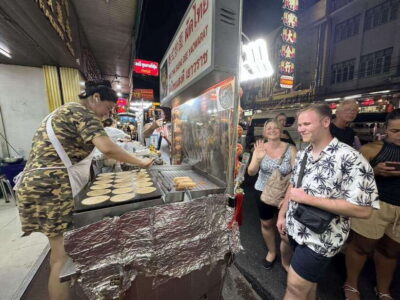
Bangkok Authentic Tasting Thai-Chinatown Walking Food Tour
Read our review →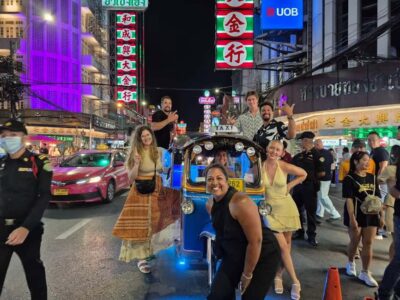
Bangkok: Tuk Tuk Adventure Chinatown Michelin Food & Temples
Read our review →
Bangkok Tuk-Tuk Tour by Night with Chinatown Street Food Meal
Read our review →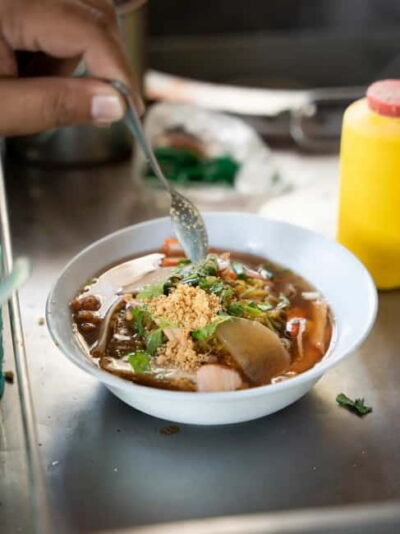
Bangkok: Must-Try Hidden Bike & Food Experience
Read our review →Browse the lists this tour appears in