
Review · COPENHAGEN
The Copenhagen Culinary Experience Food Tour
Copenhagen’s food story is no longer limited to heavy old-fashioned dishes. This four-hour walk shows you the newer Denmark through artisan cheese, open-faced rye sandwiches, craft beer, organic hot dogs, Danish pastry, licorice, and fine chocolate. You get a full meal in small portions, while moving through central Copenhagen with a local guide.
I like the wide range of tastes, from sharp cheese and salty herring to sweet flødeboller and chocolate-covered licorice. I also like the small group size, capped at 12 people, which makes it easier to hear guides such as Toby, Marie, Peter, or Cassandra and ask questions. The main drawback is the price: at $149.95 per person, this is a serious food splurge, and one crowded smørrebrød stop may not feel special to everyone.
Key points at a glance
- A full meal in tasting portions: Expect enough food to replace lunch, with savory and sweet stops spread across about four hours.
- Classic and modern Danish food: Try smørrebrød, herring, cheese, apple wine, beer, pastries, licorice, candy, hot dogs, and chocolate.
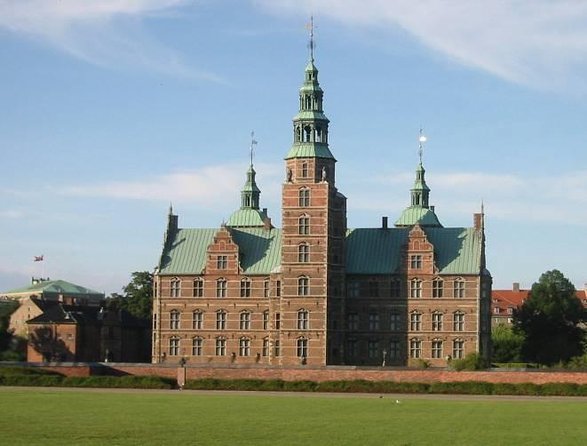
- A walking tour with city sights: The route can include Torvehallerne, Copenhagen Botanical Gardens, the Round Tower area, historic buildings, and central streets.
- Small groups capped at 12: This is a more personal setup than a large coach-style food outing.
- Restaurants may change: The food scene shifts, so named venues are examples rather than a guaranteed route.
- Best for curious eaters: You should be comfortable sampling several foods and walking between stops at a moderate pace.
What Copenhagen puts on the table
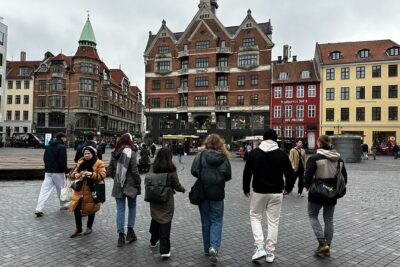
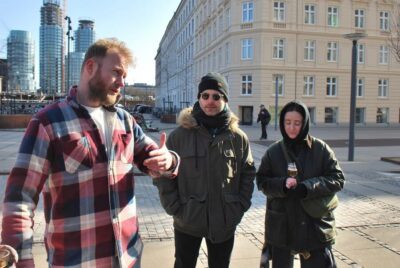
The tour begins near Frederiksborggade in central Copenhagen. From there, the guide leads you on foot through a section of the city where markets, cafés, historic buildings, green spaces, and old food traditions sit close together.
The focus is not just on eating. You learn why Danish food changed from filling, conservative cooking toward meals built around seasonal ingredients, local produce, and cleaner flavors. That background gives the tastings some meaning. A piece of rye bread or a small cheese sample becomes part of a larger story about Danish habits, farming, restaurants, and modern Nordic cooking.
The food is presented as a series of stops rather than one long restaurant meal. That works well if you want variety. You can taste a little of many Danish specialties without committing to a full plate of unfamiliar food.
It also means you should not expect a quiet, polished dining experience at every stop. Some locations are working cafés, market stalls, beer halls, or shops. The charm comes from seeing food in everyday settings, though the atmosphere can be crowded or noisy.
More food tours around the world:
- Reykjavik Food Walk – Local Foodie Adventure in Iceland
★ 5.0 · 18,952 reviews - Dubai: Old Town, Creek, Museums, Souks, & Street Food Tour
★ 4.8 · 10,816 reviews - Madrid: Live Flamenco Show with Food and Drinks Options
★ 4.5 · 9,901 reviews
Torvehallerne and the opening cheese tasting
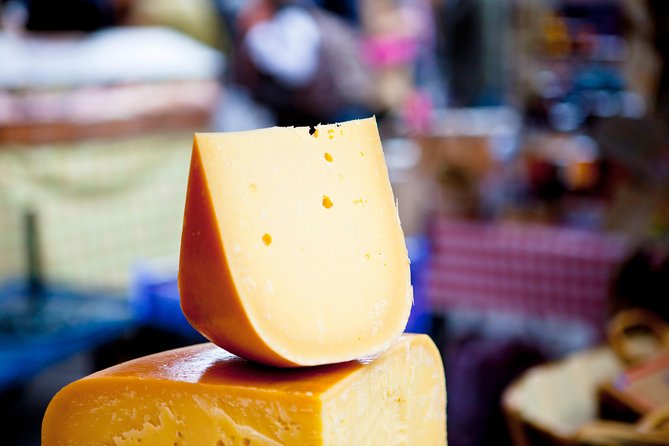
Torvehallerne’s covered market halls are an early highlight. The route may include Arla Unika, a flagship cheese shop known for artisan cheeses made in collaboration with Michelin-starred chefs. The tasting offers a quick introduction to the care and ambition behind modern Danish dairy products.
This is one of the more distinctive stops because the cheese is not simply a standard supermarket sample. You get to compare flavors and textures while hearing how Danish producers are moving beyond basic dairy staples.
The shop setting also helps you understand the role of specialty food in Copenhagen. This is not a museum display. It is a place where people shop, browse, and pick up ingredients, with the guide explaining what makes certain products worth seeking out.
The route may also include an apple wine tasting associated with Arla Unika. It is a small detail, but a useful one. Denmark is better known internationally for beer than apple wine, so this gives the tour an extra local note.
Licorice, candy, and the sweet side of Denmark
Danish sweets are not an afterthought here. At a Bornholm shop or a similar stop, you may try licorice, caramels, and preserves. Lakrids A by Johan Bülow is specifically included as a gourmet taste, with sweet licorice coated in chocolate.
Licorice can divide a group quickly. Some people love its bitter, herbal edge, while others find it startling. The chocolate coating makes this version easier for many first-timers, but it still has more character than ordinary candy.
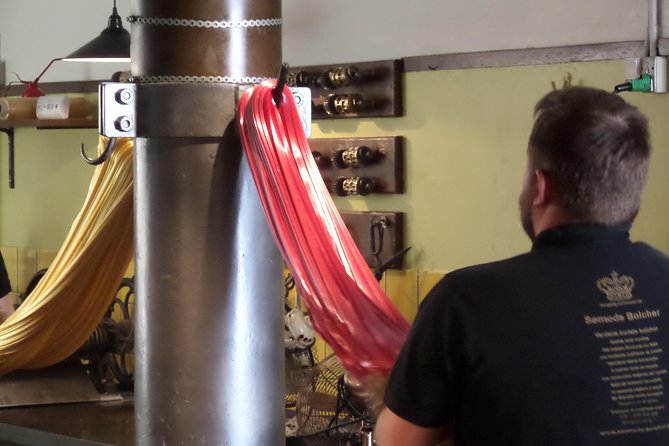
Another planned sweet stop is Sømods Bolcher, a traditional hard-candy maker associated with the Royal Danish Court. The candy gives you a glimpse of older Danish confectionery traditions, quite different from the polished chocolate shops later in the tour.
Riviera Bakery adds flaky Danish pastry to the mix. The point is not simply to eat a pastry called Danish. You get a local bakery stop that contrasts with chain-store versions and helps show why fresh pastry matters in Copenhagen.
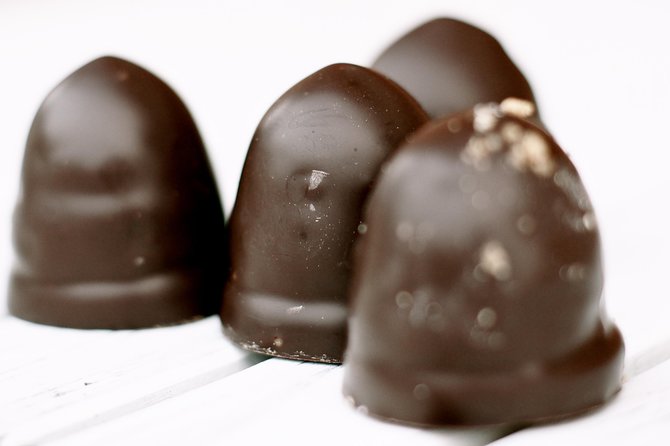
By the time you reach Summerbird, you will have tasted several types of Danish sweetness. Summerbird is known for luxury chocolate and flødeboller, a chocolate-coated marshmallow confection. The flødeboller is especially memorable if you like soft centers and a crisp chocolate shell.
The sweet stops are generous enough that you may want to pace yourself. It is easy to treat each sample as a tiny bite and then realize you have eaten a great deal of sugar before reaching the end.
A pause among the Botanical Gardens
The walk through Copenhagen Botanical Gardens provides a welcome change of pace. After market stalls and food counters, the garden gives the group room to slow down and talk.
This stop is useful for more than scenery. It breaks up the eating schedule and gives the guide space to connect food with Danish life and the city itself. You may sample Danish apple wine while relaxing in the gardens, depending on the day’s route.
The tour requires a moderate level of fitness, but the walking is not presented as a strenuous hike. One person described the route as a three-and-a-half to four-hour stroll with quite a few stops, while another praised the amount of food despite minimal walking. That suggests a manageable city walk rather than an athletic outing.
Still, wear comfortable shoes. You will be on your feet for much of the experience, and Copenhagen weather can change quickly. Rain did not prevent one group from enjoying the outing, but wet streets and outdoor walking can make the day less comfortable.
Same city, a different plate:
- Ho Chi Minh City Street Food Tour & Sightseeing By Motorbike
★ 5.0 · 9,413 reviews - From Split: Krka Waterfalls, Food & Wine Tasting Tour
★ 5.0 · 9,326 reviews - Medellin: Comuna 13 Graffiti Tour, Cable Car & Street Food
★ 4.8 · 9,046 reviews - Montserrat Half-Day Tour with Tapas and Gourmet Wines
★ 5.0 · 7,359 reviews
Smørrebrød at the heart of the tour
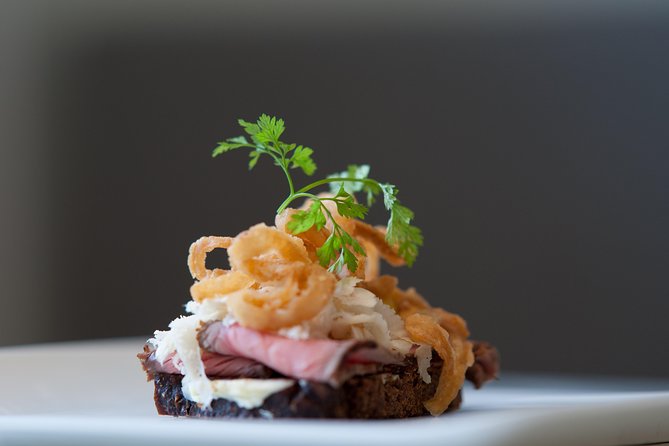
The most important savory stop is smørrebrød, Denmark’s famous open-faced sandwich. It begins with dense sourdough rye bread and is topped with ingredients that can include fish, meat, vegetables, sauces, and other carefully arranged additions.
The tour may stop at Aamanns, RØRT, or Café & Ølhalle 1892. The latter is an exclusive venue for this experience and is described as a historic beer hall that has served traditional Danish smørrebrød for more than 130 years.
This is the point where expectations matter. Smørrebrød is not usually a grab-and-go sandwich. It is a composed meal, often eaten with a knife and fork, and traditional versions can look simple while carrying plenty of flavor.
At Café & Ølhalle 1892, the setting may feel crowded and dark rather than bright and leisurely. One group found the room difficult for conversation and felt the sandwiches were ordinary. Another diner might value the chance to eat in an old local institution. I would treat this as an authentic stop, not a guaranteed refined restaurant experience.
The tour includes gourmet smørrebrød and enough tastings for a full meal. If this is your main reason for booking, check the day’s venue and be ready for the restaurant to change. The route is adjusted when needed, and the named locations are examples rather than a fixed promise.
Beer, cider, and the organic hot dog
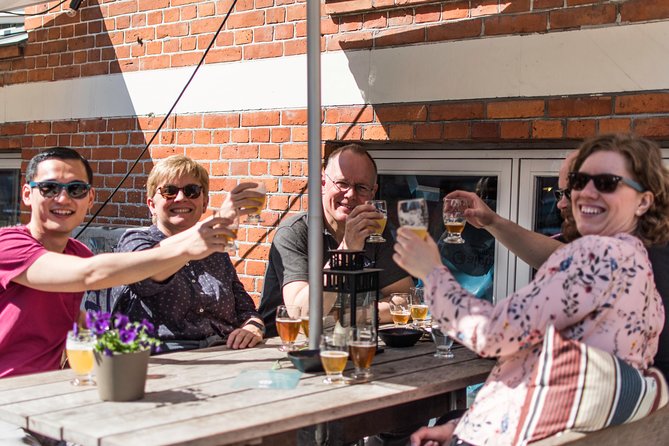
Food tours often give you one or two predictable bites. This one adds a useful bit of contrast with Danish beer and an organic hot dog.
At Nørrebro Bryghus, the planned tasting includes three home-brewed beers. The supplied details also list a glass of Danish craft beer or cider at SKAAL, so the exact drink stop can vary. Either way, you get a look at Copenhagen’s current beer culture rather than only its traditional foods.
The beer stop is a good chance to ask your guide about local brewing and how beer fits into Danish dining. Guides such as Toby and Fredrick have been noted for mixing food information with stories about Copenhagen and Denmark, which helps keep the drink tasting from feeling like a simple bar visit.
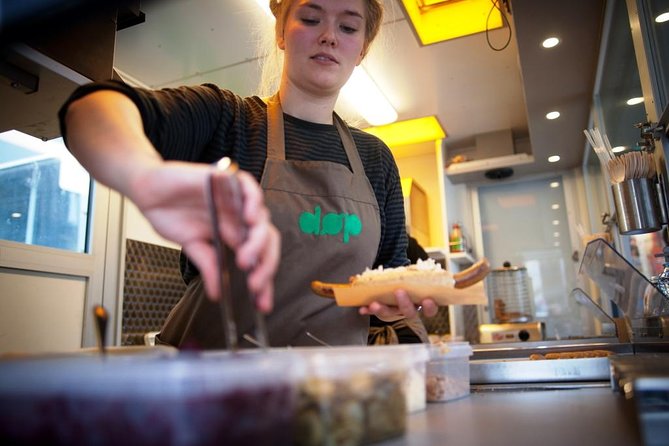
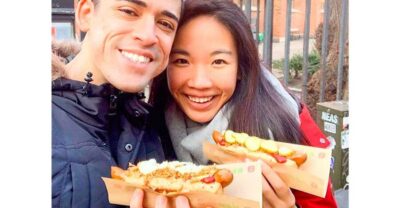
The organic hot dog comes from Den Økologiske Pølsemand, a local stand near the Round Tower. You choose your hot dog, and it acts as a fine counterpoint to the more delicate cheese and open sandwiches.
This is one of the tour’s most practical tastings. Copenhagen’s hot dog stands are part of everyday city life, and the organic version shows how modern food values can appear in a very casual format. It is also a useful savory bite after the beer and before the final sweets.
The guides shape the experience
Food matters, but the guide can make or break a walking tour. The strongest part of this experience is the mix of culinary explanation, city history, and easy conversation.
Named guides include Toby, Marie, Peter, Fredrick, Camilla, Maria, Cassandra, and Catherine. The descriptions of their guiding styles vary, but the useful pattern is clear: you can expect the guide to explain what you are eating, why it matters, and how each stop fits into Copenhagen life.
Toby is noted for warmth, cultural knowledge, and keeping an informed group engaged. Marie is described as friendly and helpful, while Peter is known for a good pace and historical explanations. Cassandra and Catherine are also associated with engaging, informative tours.
A small group helps. With a maximum of 12 people, you have a better chance of hearing the guide inside a café or market hall. It also makes the walk feel more social. Several people appreciated having a friendly, mixed group to share the tastings with.
The guide may also provide restaurant suggestions for the rest of your stay. That is one reason I would book this early in a Copenhagen visit. You can use the information to choose later meals, and the walk helps you get oriented around central streets and food areas.
Is $149.95 a fair price?
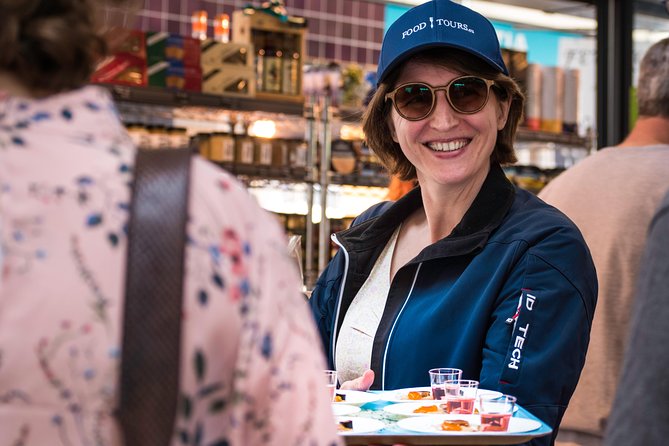
At $149.95, this is not a bargain food crawl. You are paying for a local guide, a small group, venue access, a walking route, a full meal’s worth of tastings, and several drinks and sweets.
The value improves if you would otherwise pay separately for cheese, smørrebrød, beer, a hot dog, pastry, candy, licorice, and chocolate. It also improves if you want context rather than a checklist of samples. The tour gives you an organized introduction to foods that might be confusing or easy to miss on your own.
The value drops if you mainly want a long, relaxed restaurant lunch. The smørrebrød stop can be crowded, and the venues may change. You are also paying for some small tastes that you could buy cheaply elsewhere, especially candy or a hot dog.
I see it as a strong orientation tour for a first Copenhagen visit, especially if you like trying many foods in one afternoon. It is less suitable for someone who wants a luxury dining experience or a fixed menu in a quiet room.
Who should book this Copenhagen food walk?
I would recommend it to first-time visitors who want food and sightseeing together. It is also a good fit for families with older children, couples, and solo visitors who enjoy meeting a small group while walking through the city.
You should be open to rye bread, herring, licorice, beer, and changing venues. Specific dietary needs should be given when booking. The tour has accommodated dietary restrictions, but the information does not promise that every ingredient can be replaced, so clear notice matters.
Book it early in your stay if possible. The route introduces you to several central areas, and the guide’s restaurant advice may help with later meals. The experience is often booked well ahead, with an average booking window of about 45 days.
The tour is offered in English, uses a mobile ticket, starts at Frederiksborggade 19, and ends back at the same meeting point. Hotel pickup and drop-off are not included. Free cancellation is available up to 24 hours before the start time, but changes or cancellations inside that window are not refunded.
Should you book it?
Book this tour if you want a broad, filling introduction to Danish food and prefer local shops, market halls, beer stops, and casual eateries to a single formal meal. The variety is the main strength, and the guides add useful city stories along the way.
Skip it if $149.95 feels too high for tastings, or if you need a guaranteed restaurant, a quiet table, or a fixed menu. For most curious eaters, though, this is a smart first-day or second-day activity. You leave with a better sense of what to order, where to eat, and why Copenhagen’s food culture is much more than pastry and herring.
FAQ
How long does the Copenhagen Culinary Experience Food Tour last?
The tour lasts approximately four hours. Some descriptions place it at three and a half to four hours, depending on the pace and stops.
Where does the tour begin and end?
It begins at Frederiksborggade 19, 1360 København, Denmark. The activity ends back at the meeting point.
How many people can join the tour?
The group has a maximum of 12 participants.
What food and drinks are included?
Included tastings can include artisan cheese, smørrebrød, an organic hot dog, Danish pastry, hard candy, licorice, chocolate, and flødeboller. The tour also includes a glass of Danish craft beer or cider and apple wine.
Are the listed restaurants guaranteed?
No. The food scene changes, so restaurants and delicatessens may be replaced on the day. Locations such as Torvehallerne, Arla Unika, Café & Ølhalle 1892, RØRT, Aamanns, and Nørrebro Bryghus are examples of possible stops.
Can dietary requirements be accommodated?
You should provide any dietary requirements in the Special Requirements field when booking. The tour has taken dietary restrictions seriously, but specific substitutions are not guaranteed in the available information.
What is the cancellation policy?
You can cancel up to 24 hours before the start time for a full refund. Cancellations or changes made less than 24 hours before the tour are not accepted or refunded.
Fresh off the menu around the world
- Vienna: The Ultimate Full Meal Austrian Food Tour★ 4.8 · 112 reviews
- Taste of Chiang Mai: Michelin Guide & Street Food Tour★ 4.9 · 159 reviews
- Eat Porto Like a Local: The Ultimate Full-Meal Food Tour★ 5.0 · 97 reviews
- Jerez: Traditional Tapas Tour★ 4.6 · 138 reviews
- Taste my Fribourg Self-Guided Food Tour★ 4.5 · 29 reviews
- Taste of Albania: Tirana Food Tour★ 5.0 · 26 reviews
- Taormina Pizza making class★ 4.8 · 140 reviews
- Taormina: Pizza Making Class with Lunch and Wine Tasting★ 4.8 · 145 reviews
Copenhagen Food Tours, compared.
Copenhagen Culinary Food Tour with 6+ Tastings of Danish Classics
Read our review →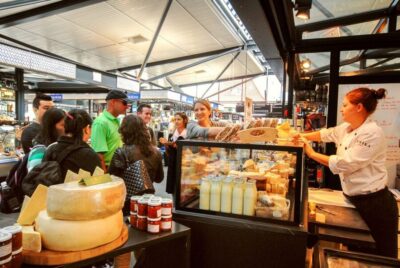
Copenhagen’s oldest and original food tour (Est. 2011).
Read our review →
Copenhagen: Politically Incorrect Beer Tasting Walking Tour
Read our review →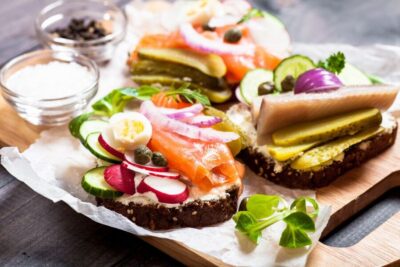
Copenhagen: Scandinavian Delights Food & Drink Private Tour
Read our review →
Browse the lists this tour appears in