Review · SANTIAGO CHILE
Santiago: Maipo Valley Wine Tasting Tour with 4 Vineyards
Maipo Valley is close enough to Santiago for a full day without turning into a road marathon. This tour moves from an intimate family farm to polished commercial wineries, giving you different sides of Chilean wine in one outing. I like the local feel at Campo La Quirinca, where alpacas, chickens, gardens, cheese, pisco, and wine share the bill. I also like the mix of tasting styles, from three premium wines at Santa Ema to a longer cellar visit at Undurraga.
The main thing to watch is the wording four vineyards. TerraMater is chiefly your lunch stop, not a full wine tasting on this schedule, so the day is more accurately three winery tastings plus one restaurant visit. The final stop can also feel rushed or commercial on busy days, while the small group, air-conditioned vehicle, and strong guides such as Pablo, Nacho, Esme, and Alex make the long day easier.
Key points to know before booking
- A family farm starts the day: Campo La Quirinca combines wine, pisco, cheese, local snacks, alpacas, chickens, and gardens.
- Three tasting stops plus lunch: Santa Ema and Undurraga offer tastings, while TerraMater is mainly a restaurant break.
- About 10 hours door to door: Pickup begins around 7:30 to 8:00 AM, with return around 6:00 to 6:30 PM.
- Small group transport: Vehicles hold up to 15 people and have air conditioning, though high seatbacks can limit your view.
- A useful range of wine styles: You see a small producer, larger estates, production areas, barrel cellars, and a pre-Columbian display.
- Lunch and tips cost extra: TerraMater has a restaurant, olive oil shop, and wine shop, but your meal is not included.
Why Maipo Valley makes a good Santiago day trip
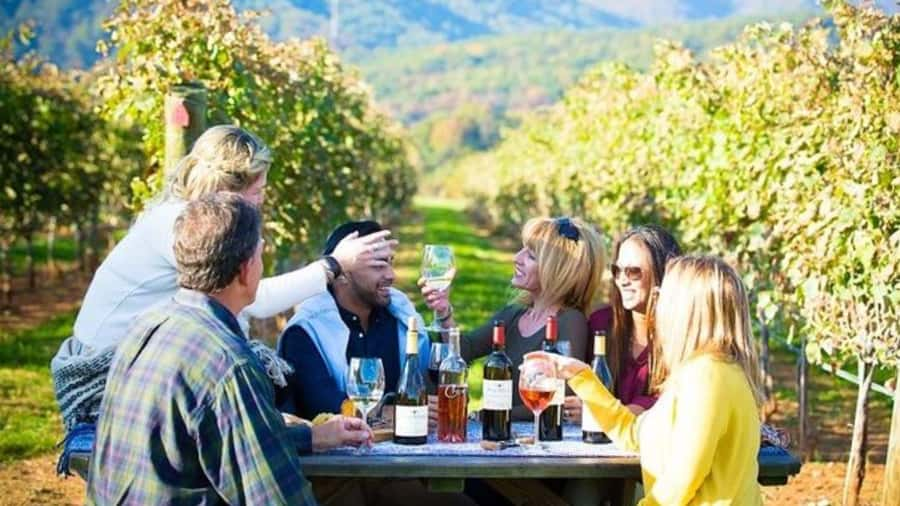
Maipo Valley is one of the easiest wine regions to visit from Santiago. You leave the city in the morning, pause by the Maipo River for photographs, and spend the middle of the day among vineyards and country properties before returning to your hotel or apartment.
I like this format because you do not have to arrange a driver, compare winery appointments, or worry about drinking and driving. The tour uses an air-conditioned vehicle and limits the group to 15 people. That is small enough for a social day without the stiffness of a private tour.
The tradeoff is time. Pickup can begin around 7:30 AM, and traffic at the start or end of the day may add a long stretch in the vehicle. If you are picked up first and dropped off last, you might spend close to an hour on city roads in each direction. Still, the tour makes good use of the day by linking stops efficiently.
More food tours around the world:
- Reykjavik Food Walk – Local Foodie Adventure in Iceland
★ 5.0 · 18,952 reviews - Dubai: Old Town, Creek, Museums, Souks, & Street Food Tour
★ 4.8 · 10,816 reviews - Madrid: Live Flamenco Show with Food and Drinks Options
★ 4.5 · 9,901 reviews
The Maipo River photo stop
The first scenic pause is at the Maipo River, usually for about 15 minutes. It is not a major sightseeing stop, but it gives you a quick look at the natural setting around the valley before the tastings begin.
Use this moment to take photographs and get oriented. The tour is built around vineyards rather than long walks or formal sightseeing, so this short pause is a pleasant change of pace. It also breaks up the drive without adding much time.
Campo La Quirinca brings wine down to earth
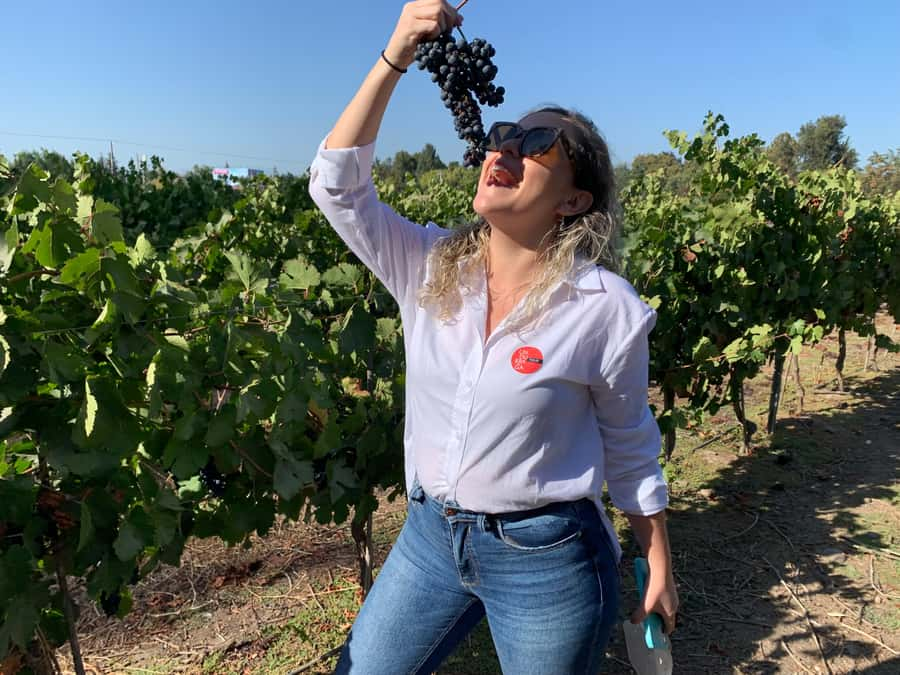
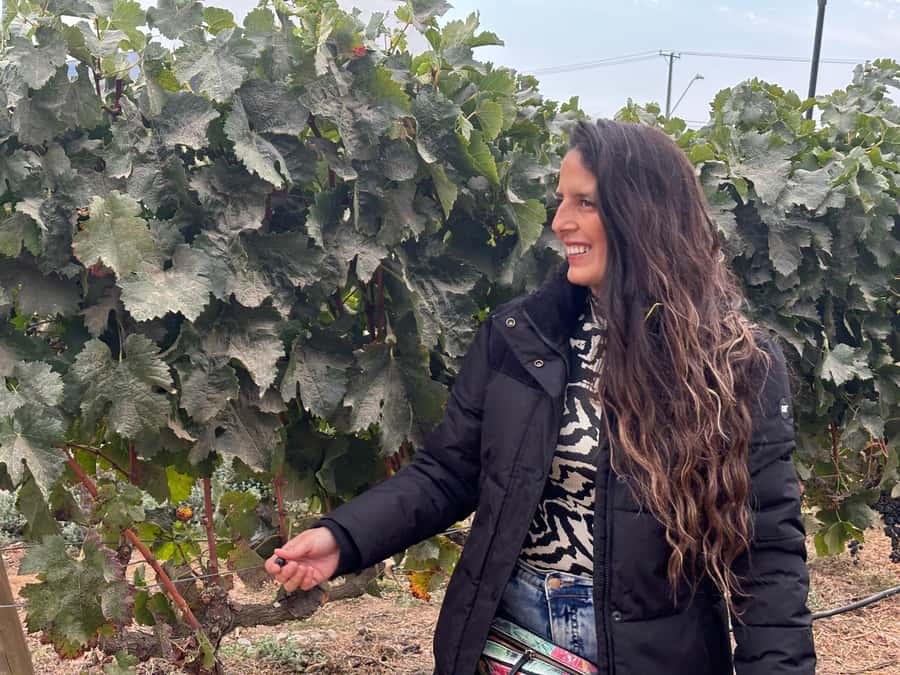
Campo La Quirinca is the most distinctive stop for many people because it feels like a working family property rather than a formal winery showroom. You walk through the gardens and agricultural areas, see animal husbandry with alpacas and different breeds of chickens, and learn how wine is made in the Chilean countryside.
The visit usually takes around 90 minutes to two hours. That extra time matters. You are not simply led to a tasting table, handed a glass, and sent on your way. The farm setting gives the wine a connection to food, animals, gardens, and everyday rural life.
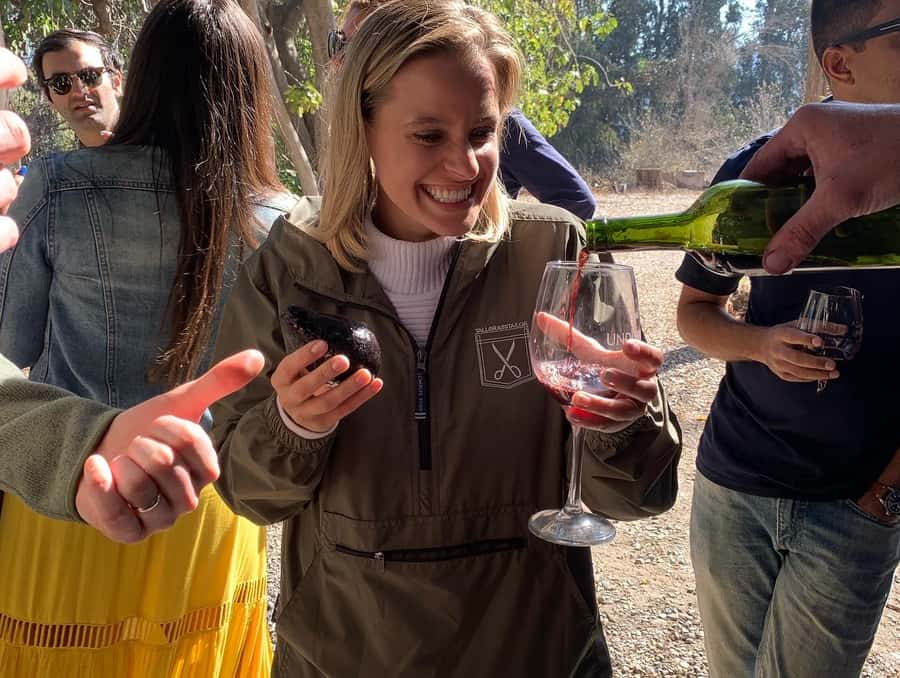
After the walk, you settle in for wine tasting with cheese and local snacks. Chilean pisco is also part of the experience. This is worth noting because the day starts with more than grape wine, and the pisco adds a local touch that you will not get from a standard winery tasting.
Mary has led this stop on some departures, and the guide at La Quirinca is often lively and funny. The experience can feel generous, informal, and personal. You can also buy local products here, which is useful if you want something more distinctive than a bottle from a large export label.
I would eat breakfast before pickup, but do not arrive overly full. The day includes many pours, and the first stop includes snacks rather than a full meal. Pace yourself from the beginning.
Santa Ema offers a polished second tasting
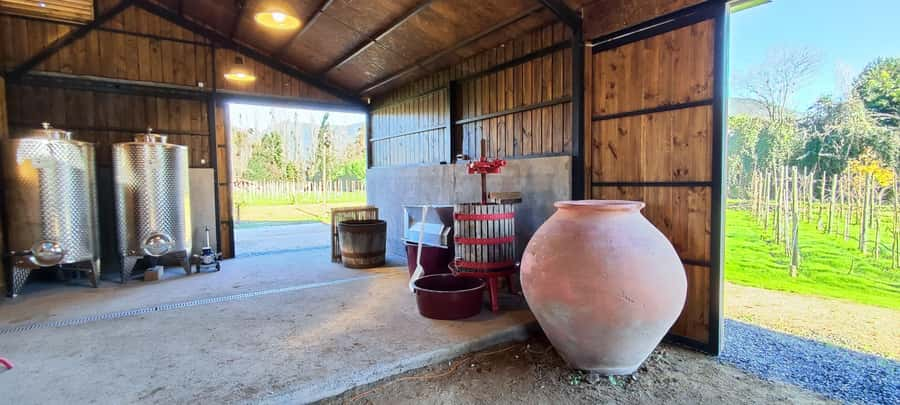
Santa Ema changes the tone. After the family farm, you visit a more established winery for a tasting of three premium wines, including one of its signature wines. The setting is attractive, and the stop generally lasts about 45 minutes to an hour.
This is a shorter visit, focused more on the wine than on a long agricultural tour. It works well after La Quirinca because you have already seen a small-scale operation and can now compare it with a more polished winery format.
The Santa Ema stop may also include time at the WineShop Viña Santa Ema and El Peral. Depending on the day, the visit can feel like a tasting and photo stop rather than a full cellar inspection. That is not necessarily a flaw, but you should not expect every stop to have the same depth.
One useful tip comes from the tasting approach: a Sauvignon Blanc may be available separately from the standard selection. If you enjoy white wine, ask what else is offered before settling into the included flight.
Same city, a different plate:
- Ho Chi Minh City Street Food Tour & Sightseeing By Motorbike
★ 5.0 · 9,413 reviews - From Split: Krka Waterfalls, Food & Wine Tasting Tour
★ 5.0 · 9,326 reviews - Medellin: Comuna 13 Graffiti Tour, Cable Car & Street Food
★ 4.8 · 9,046 reviews - Montserrat Half-Day Tour with Tapas and Gourmet Wines
★ 5.0 · 7,359 reviews
TerraMater is the lunch and olive oil break
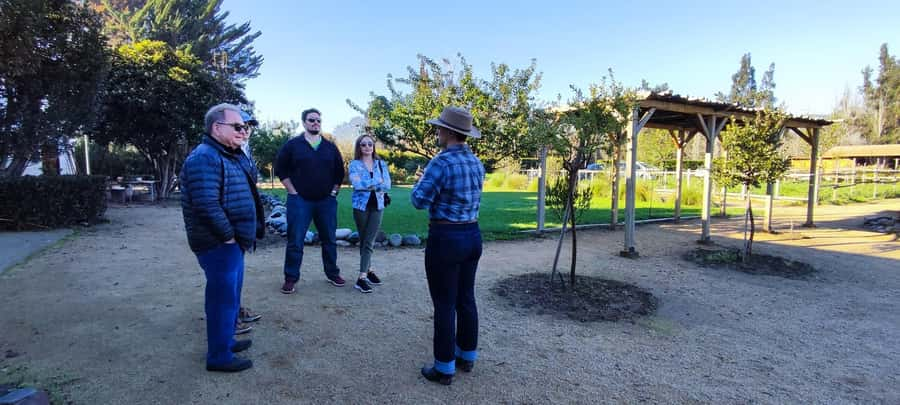
Around midday, the tour reaches Viña TerraMater. This is the practical pause in the middle of a wine-heavy day, with time to sit down at the Zinfandel restaurant.
Lunch is not included, so budget for it separately. That makes the price look less all-inclusive than the headline suggests, but the restaurant stop is useful. You get a proper chance to eat, rest, and slow down before the final winery.
TerraMater is also known for olive oil, and its shop sells bottles at cellar prices. The property gives you more than another tasting room, with an opportunity to buy Chilean olive oil and wine directly. If you are looking for edible souvenirs, this can be one of the best shopping moments of the day.
Some departures treat TerraMater almost entirely as a restaurant stop. You may have the option to buy wine, but a formal tasting is not part of the listed plan. This is why I would count the tour as three winery tastings and one lunch visit, not four full winery experiences.
Undurraga adds history, cellars, and scale
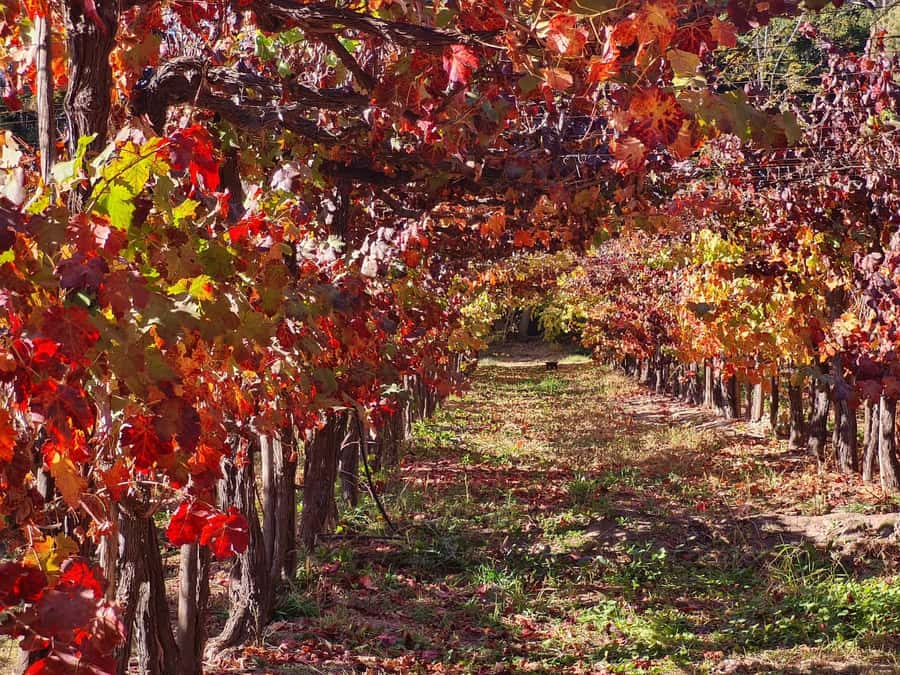
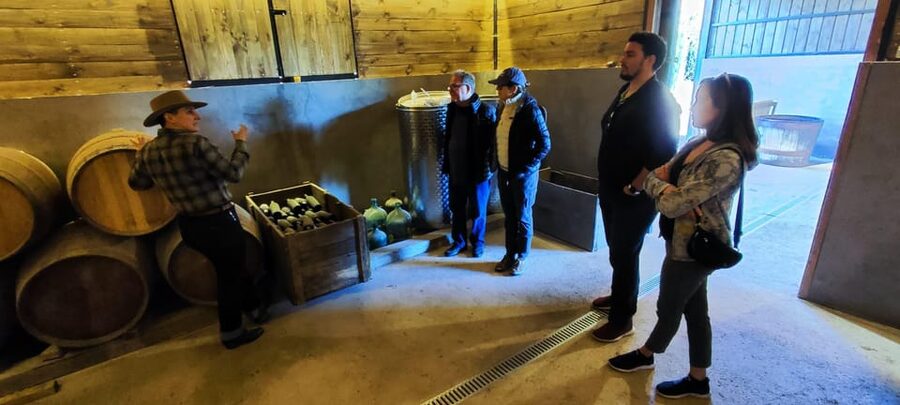
Viña Undurraga is the oldest-feeling stop on the route, with about 130 years of wine production behind it. The tour covers the gardens, vineyards, production warehouse, barrel cellar, and a pre-Columbian exhibition. You finish with four premium wines and receive a wine glass as a gift.
This is the broadest stop in terms of sights. You get a better picture of how Chilean wine moved from local production to a major export business. For a first visit to Chile, that wider context is valuable, especially after the personal, small-scale start at Campo La Quirinca.
Undurraga is also the stop most likely to divide opinion. On a quiet day, the grounds and cellar can be interesting, and the larger operation gives you a useful contrast. On a busy day, the tasting may feel crowded or rushed, and the local guide may have less time for questions.
That difference is important. You are buying access to a varied route, not a private tasting at every estate. If you want long conversations with winemakers and plenty of time with each glass, a private or single-estate tour may suit you better. If you want a broad introduction in one day, Undurraga earns its place.
What the wine schedule really means
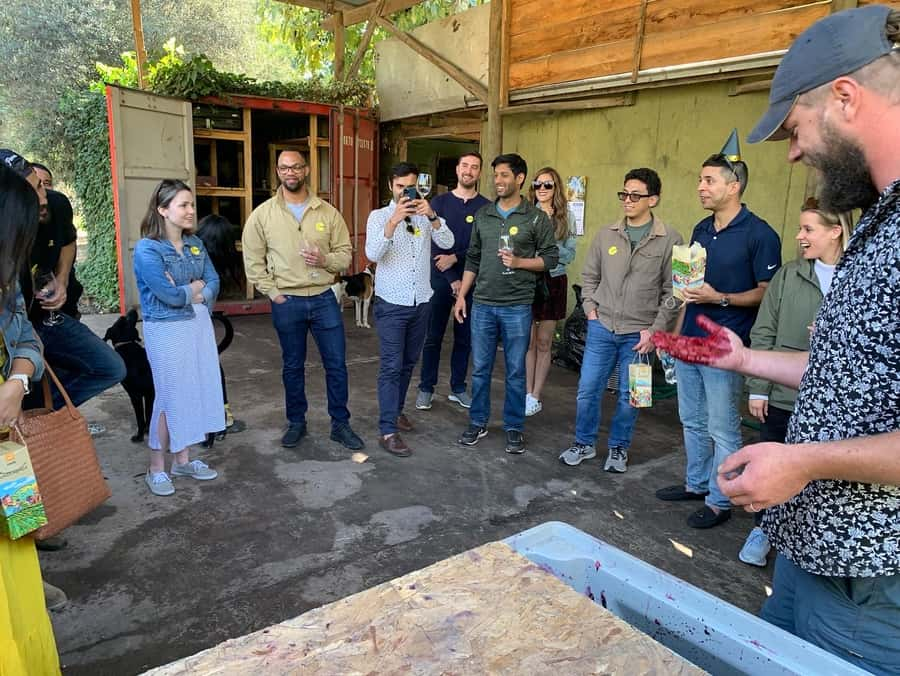
The exact number of pours can vary, but the day commonly includes roughly 10 to 13 wines across the stops. Some departures have included about 11 wines, while others have offered closer to 13. The listed tastings include three premium wines at Santa Ema and four at Undurraga, with wine and pisco at La Quirinca.
That is a generous amount for one day. Eat well, drink water when you can, and do not feel obliged to finish every glass. The driver is there to handle the roads, but you still need to manage your own pace.
I like that the tastings are not all identical. You see different production sizes and different ways of presenting wine. You also get local snacks, cheese, pisco, and a proper lunch interval, which keeps the day from becoming one long sequence of standing at tasting counters.
One small physical issue is worth noting. At some tastings, you may stand for extended periods. The van is generally comfortable and air-conditioned, but high seatbacks can make it harder to see the scenery from certain seats. If that matters to you, ask about seating at the start.
Guides can shape the whole day
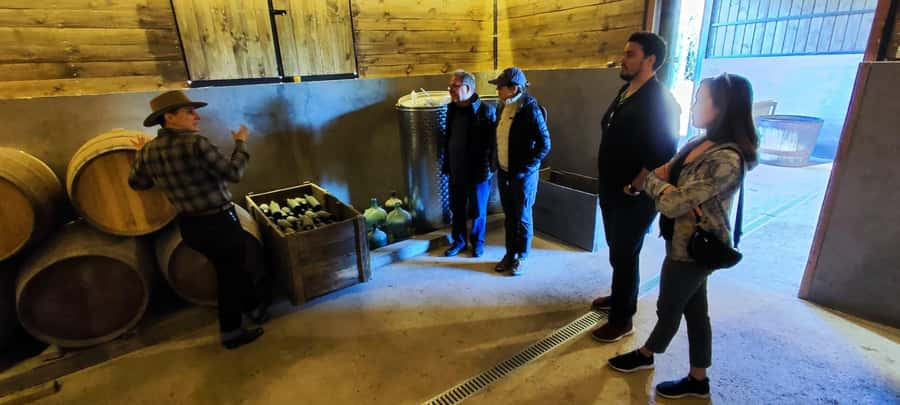
The guide is a major part of this experience because the group spends many hours together. Pablo, Nacho, Esme, Alex, Ramses, Paulina, Francisca, Stephanie, and others have led departures, with repeated praise for humor, clear explanations, punctuality, and attention to the group.
Nacho has been especially good at switching between English and Spanish while explaining both Chilean culture and the wineries. Pablo has been noted for remembering names and suggesting ideas for the rest of the day in Santiago. Esme and Alex have also been described as warm, organized, and fluent in the languages used by mixed groups.
Your exact guide is not guaranteed, and the quality of individual winery presenters can differ. That is normal on a multi-stop tour. The main guide can keep the timing on track and add context between visits, but cannot fully control how quickly a winery handles its own tour.
The bilingual format works best for people who enjoy a shared outing. You may hear explanations in English and Spanish, and the group often includes people from several countries. This can make the day more social, though it may also mean occasional pauses while information is repeated.
Is $134 a fair price?
At $134 per person, the tour is not the cheapest way to taste wine near Santiago. But the price includes hotel pickup and drop-off, transportation, a professional guide, three winery tasting experiences, wine and pisco at La Quirinca, and the Undurraga wine glass.
You also save the work of arranging transport between four widely spaced stops. A private driver, separate winery bookings, and meals could easily cost more, especially if you are traveling alone or as a couple. The small group size improves the value further.
Lunch is extra, and gratuities are not included. You should also leave room in your budget for bottles, olive oil, and local products. I consider the tour good value if you want variety and convenience. I consider it less compelling if your main goal is a slow, highly focused tasting at one premium estate.
Who should book this Maipo Valley tour?
I would choose this outing if you have limited time in Santiago and want a full introduction to Chilean wine without renting a car. It suits couples, solo visitors, friends, and people who enjoy meeting an international group during the day.
It is also a good fit if you want more than wine. The farm animals, local snacks, pisco, river stop, olive oil shop, gardens, barrel cellar, and pre-Columbian display keep the day varied.
I would hesitate if you dislike early starts, long vehicle days, standing during tastings, or commercial winery settings. It is also not ideal for someone seeking a quiet luxury experience. The route is active, social, and tightly scheduled.
Pickup is available from central Santiago, Providencia, Las Condes, Vitacura, and Recoleta, with a nearby meeting point offered if your accommodation falls outside the service area. The tour is wheelchair accessible, available in English and Spanish, and allows free cancellation up to 24 hours before departure. Reserve now and pay later is also available.
Should you book it?
Book this tour if you want to compare a small family property with larger Chilean producers in one well-organized day. The strongest parts are Campo La Quirinca, the amount of wine included, the helpful main guides, and the convenience of door-to-door transport.
Go in with accurate expectations: it is three winery tastings plus lunch at TerraMater, not four equally detailed winery visits. If you accept that structure, $134 buys a full, social introduction to Maipo Valley with plenty of wine, scenery, food, and useful context.
FAQ
How long does the Maipo Valley wine tour last?
The tour lasts about 10 hours. Pickup is generally between 7:30 and 8:00 AM, with return to Santiago around 6:00 to 6:30 PM.
Is hotel pickup included?
Yes. Pickup and drop-off are included from many central Santiago hotels and apartments, including areas around Santiago Downtown, Providencia, Las Condes, Vitacura, and Recoleta.
How many wineries does the tour visit?
The route includes Campo La Quirinca, Santa Ema, TerraMater, and Undurraga. TerraMater is mainly the lunch stop, so the schedule provides three main winery tasting visits plus one restaurant and shopping stop.
Is lunch included in the price?
No. Lunch at TerraMater is at your own expense. The restaurant offers food during the midday break.
How many wines will I taste?
The number can vary by departure, but the tour commonly includes around 10 to 13 wines. Santa Ema includes three premium wines, and Undurraga includes four premium wines. La Quirinca includes wine, pisco, cheese, and local snacks.
Is pisco included?
Yes. The La Quirinca visit includes a tasting of Chilean pisco along with wine and local snacks.
Is the tour available in English?
Yes. The tour is offered in English and Spanish. The main guide may provide information in both languages for a mixed group.
How large is the group?
The tour is described as a small group with up to 15 participants.
Can I cancel the booking?
You can cancel up to 24 hours in advance for a full refund. The tour also offers a reserve-now, pay-later option.
Fresh off the menu around the world
- Taste of Chiang Mai: Michelin Guide & Street Food Tour★ 4.9 · 159 reviews
- Eat Porto Like a Local: The Ultimate Full-Meal Food Tour★ 5.0 · 97 reviews
- Vienna: The Ultimate Full Meal Austrian Food Tour★ 4.8 · 112 reviews
- Jerez: Traditional Tapas Tour★ 4.6 · 138 reviews
- Taste my Fribourg Self-Guided Food Tour★ 4.5 · 29 reviews
- Taste of Albania: Tirana Food Tour★ 5.0 · 26 reviews
- Taormina Pizza making class★ 4.8 · 140 reviews
- Taormina: Pizza Making Class with Lunch and Wine Tasting★ 4.8 · 145 reviews
Food Tours, compared.
Reykjavik Food Walk – Local Foodie Adventure in Iceland
Read our review →
Dubai: Old Town, Creek, Museums, Souks, & Street Food Tour
Read our review →
Madrid: Live Flamenco Show with Food and Drinks Options
Read our review →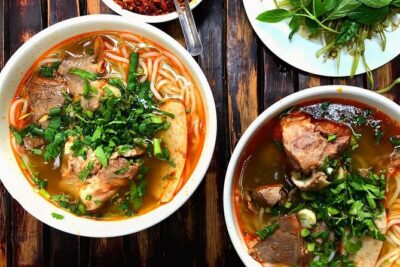
Ho Chi Minh City Street Food Tour & Sightseeing By Motorbike
Read our review →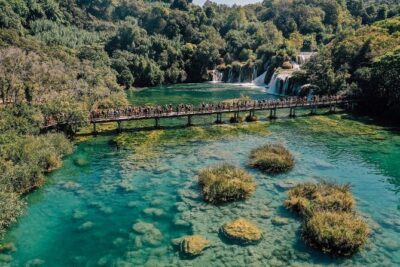
From Split: Krka Waterfalls, Food & Wine Tasting Tour
Read our review →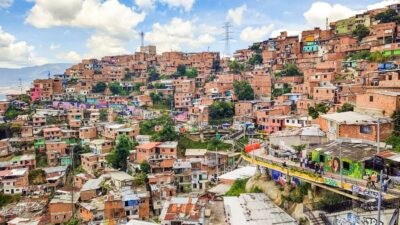
Medellin: Comuna 13 Graffiti Tour, Cable Car & Street Food
Read our review →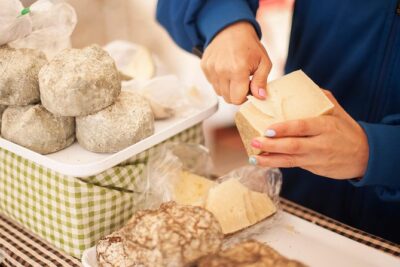
Montserrat Half-Day Tour with Tapas and Gourmet Wines
Read our review →