Review · MANILA
Manila: Guided Food Tour of Binondo with Tastings
Binondo is best understood one bite at a time. This three-hour walk begins at Binondo Church, threads through narrow streets and Carvajal Street, and stops for fresh lumpia, handmade dumplings, mami, dimsum, and hopia. It gives you a useful first look at Manila’s oldest Chinatown without asking you to plan every stop yourself.
I like the small local eateries and the way the food builds from savory snacks to noodles, dimsum, and pastries. I also like the guides’ personal touch. Chloe, Nel, Jian, and Juan have all been praised for clear English, local stories, safety advice, and a friendly manner that helps solo visitors feel at ease.
The main drawback is simple: there is a lot to eat. Portions can be generous, and one person found the first sweet vegetable wrap less appealing and the take-home dessert unnecessary. This is not a good match for vegans, vegetarians, wheelchair users, or anyone carrying luggage.
Key points at a glance
- Binondo Church is the meeting point: Find the guide in the church lobby near the candles area.
- Six food stops fill three hours: Expect lumpia, handmade dumplings, mami, dimsum, and several kinds of hopia.
- The narrow lanes are part of the experience: Carvajal Street and smaller alleys lead you away from the most obvious sightseeing route.
- Guides make the difference: Chloe, Nel, Jian, and Juan have been praised for food knowledge, Chinatown stories, warm hosting, and useful Manila tips.
- Come very hungry: The tastings are plentiful enough that couples and groups often share later portions.
- The $60 price includes food and drinks: You pay for a guided walk, interpretation, and a full tasting route, not just a snack or two.
Starting beside Binondo Church
Meet in the lobby of Binondo Church, near the candles area. This is a practical meeting point because it gives you a clear landmark in a busy part of Manila. You will need to make your own way there, and the Grab app can help with the journey.
Wear comfortable shoes. Binondo is explored on foot, and the tour takes place rain or shine. Bring only what you need for a few hours, since baby strollers, luggage, and large bags are not allowed.
The church is more than a place to gather. It sets the tone for a neighborhood where Filipino and Chinese influences meet in food, faith, commerce, and daily life. Your guide uses the area around the church to begin explaining how Chinese Filipino culture shaped Binondo and Manila’s food traditions.
The tone seems relaxed rather than academic. Guides such as Juan and Jian have been praised for adding facts about the Chinese community and local food without turning the walk into a lecture. That balance matters here. You want enough background to understand what you are eating, but you also want to keep moving toward lunch.
More guided tastings around the world:
- Dubai: Old Town, Souks, Street Food, Guided Tour & Abra Ride
★ 4.9 · 7,170 reviews - Hanoi: Guided Food Tour with Train Street Visit
★ 4.9 · 6,239 reviews - Naples: Street Food Walking Tour with Local Guide
★ 4.9 · 4,976 reviews
Carvajal Street and the first taste of lumpia
The first food stop takes you toward Carvajal Street, where the smell of fresh lumpia helps announce the neighborhood before you even see the stall. Lumpia is a Filipino favorite with Chinese roots, and here it works as an early introduction to the way Binondo blends traditions rather than keeping them in separate boxes.
The first tasting is described as a sweet vegetable wrap. It may be a pleasant surprise if you enjoy fresh, lightly sweet flavors, but it was the least popular stop for one participant. That is useful to know. The tour is not built around six universally familiar crowd-pleasers, and the first bite may not be your favorite.
Still, this stop has value because it shows how ordinary street food carries family cooking traditions. You are not simply being handed a dish in a formal dining room. You are seeing how local vendors prepare food in a busy neighborhood setting, then tasting something tied to Filipino Chinese cooking.
Your guide can also help you understand what is on the plate and how it fits into the local food scene. That is one reason this tour is more useful than wandering from restaurant to restaurant with no context. You get a starting point for recognizing dishes later in your trip.
Handmade dumplings in a small local eatery
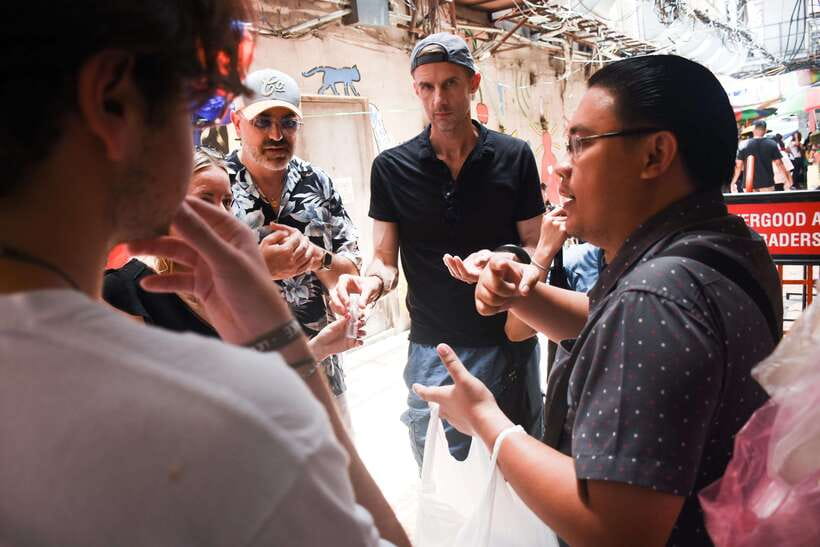
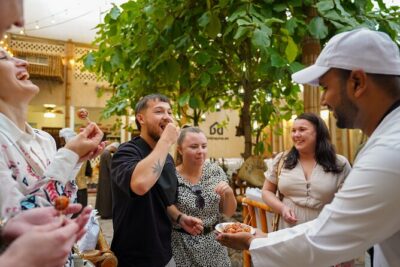
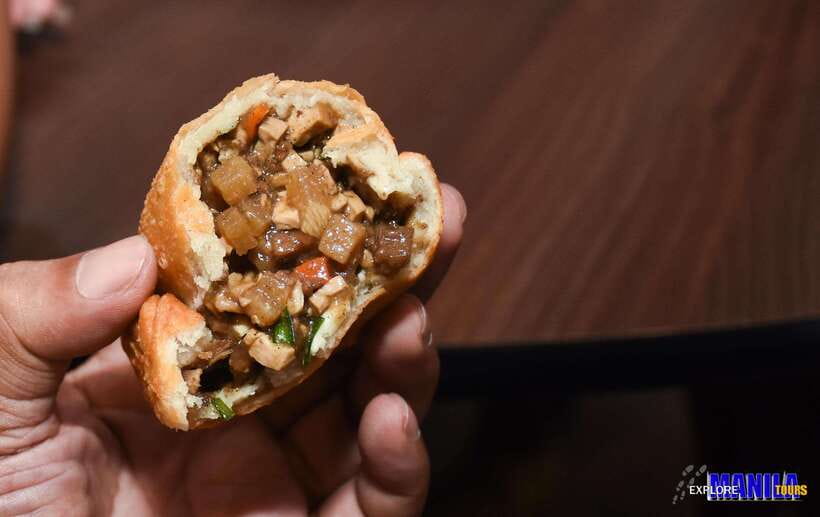
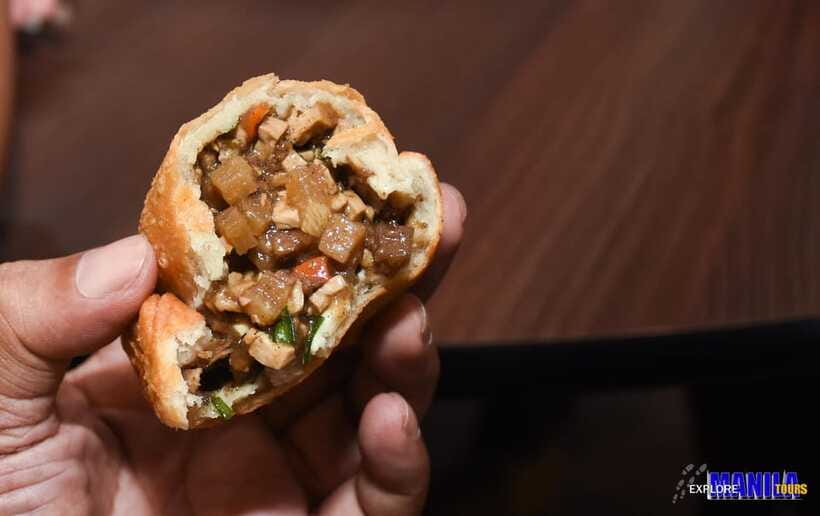
Dumplings are the clear favorite for many people on this route. The tour takes you to a local place where dumpling-making is treated as a skilled craft, and the handmade quality is central to the stop.
This is the kind of tasting I would look forward to most. Dumplings are familiar enough for first-time visitors, yet the Filipino Chinese versions can show a different balance of fillings, wrappers, and seasoning than you may expect. The food is also easy to share, which helps if you are already beginning to feel full.
Several guides, including Nel, Chloe, and Jian, have been praised for making this part especially enjoyable. One couple called the dumplings their favorite stop, while another visitor described them as amazing. You should not read that as a guarantee that every filling will suit you, but it does point to the stop that has made the strongest impression.
The portion size is worth noting. You may receive more food than you expect from a sampling tour. Couples often share later servings, not because the food is poor, but because the route keeps feeding you.
Mami, the comfort-food stop
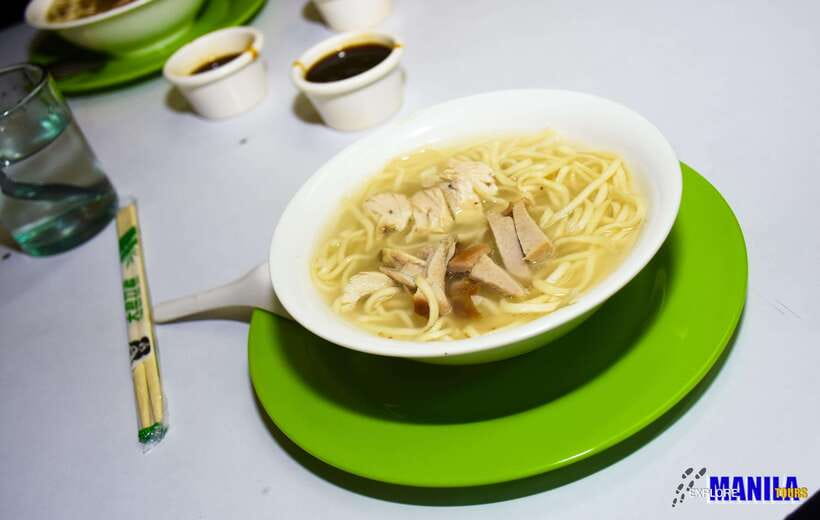
Next comes mami, a noodle soup with a firm place in Filipino comfort food. After walking through Binondo’s lanes, a warm bowl gives the meal a different rhythm. It is less about a quick snack and more about sitting with a dish that many locals connect with everyday eating.
Mami also helps explain the difference between a food’s origin and its place in local life. Chinese-style noodles became part of Filipino food culture in their own way, and the dish now belongs to the city as much as to any single culinary tradition.
This stop may be filling, especially when added to lumpia and dumplings. If you are the sort of person who likes to finish everything placed in front of you, take the guide’s warning seriously and arrive hungry. The tour is designed as a sequence of tastings, but the servings can add up to a substantial meal.
The guide is there to keep the pace comfortable and explain what you are trying. Juan, for example, was praised for giving helpful background on the origins and development of the Chinese community in the Philippines. That context gives the soup more meaning than a quick photo and a spoonful would provide.
More food tours around the world:
- Reykjavik Food Walk – Local Foodie Adventure in Iceland
★ 5.0 · 18,952 reviews - Dubai: Old Town, Creek, Museums, Souks, & Street Food Tour
★ 4.8 · 10,816 reviews - Madrid: Live Flamenco Show with Food and Drinks Options
★ 4.5 · 9,901 reviews - Ho Chi Minh City Street Food Tour & Sightseeing By Motorbike
★ 5.0 · 9,413 reviews
Classic dimsum without the guesswork

The dimsum stop is another highlight for people who want to sample several kinds of Chinese Filipino food in one sitting. It gives you a chance to compare textures and flavors after the more focused dumpling stop, while your guide handles the practical side of ordering and explaining.
A visitor described the dimsum as the best they had eaten, but taste is personal and the exact selection may depend on the day’s arrangements. What you can count on is a stop at a respected local destination for classic dimsum, with food and drinks included in the price.
This is particularly useful if you are new to Binondo. Menus and counters can feel confusing when you do not know which dishes are local favorites or how much to order. On the tour, you can try a selection without committing to a large meal at one place.
Pay attention to the contrast between the stops. The dumplings focus on handwork and preparation. Mami shows the comfort-food side of the neighborhood. Dimsum gives you a wider spread of small dishes and a chance to see how Chinese cooking has become part of Manila’s daily food culture.
Finishing with hopia at a historic bakery
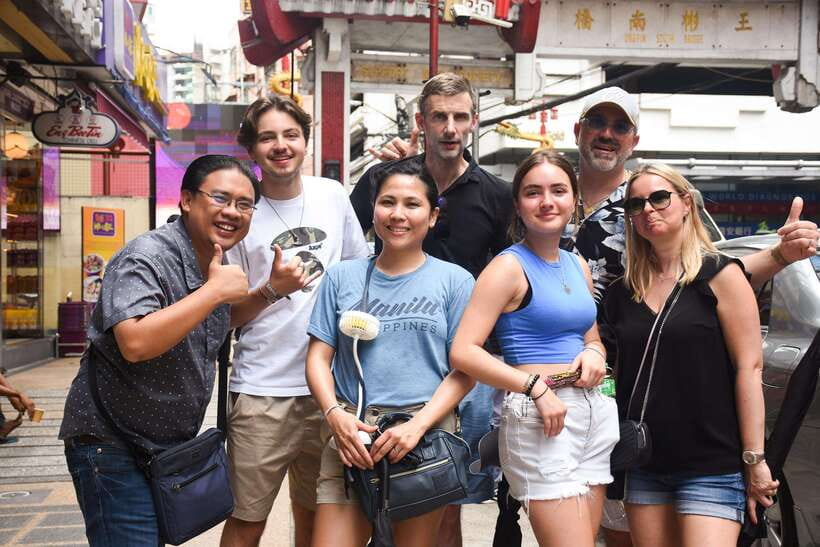
The final stop is a bakery known for hopia, flaky pastries filled with different sweet flavors. It brings the walk to a gentle finish and gives you something that can travel better than soup or dumplings.
Hopia is a particularly good ending because it connects food with family bakeries and Chinese Filipino traditions. You can taste several varieties, then decide which one you like best. The pastry also works as a small edible souvenir, though the tour does not include other souvenirs.
One caution: the dessert portion can be more than you want after five earlier tastings. A participant thought the take-home dessert could be skipped, and that is a fair point if you are watching the price or simply do not have room left. The bakery stop will appeal most to people who enjoy sweet pastries and want to finish with something distinctly associated with Binondo.
If you are traveling with a partner or friends, sharing makes the whole route easier. You can sample the flavors without forcing yourself to eat a full serving of every sweet.
Why the guides matter
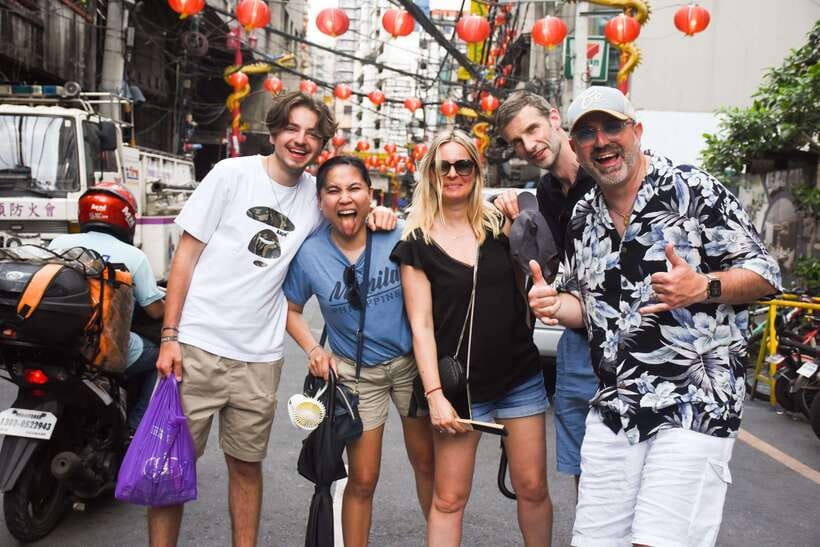
Food tours depend heavily on the person leading them, and this one has several named guides who have received especially warm praise. Chloe is described as fun, well prepared, and helpful with advice for trips to the islands. Nel is praised for making solo visitors feel welcome, keeping people comfortable, and creating the feeling of spending time with an old friend.
Jian has been appreciated for food knowledge and interesting facts. Juan is noted for explaining the Chinese community’s development in the Philippines and for giving visitors freedom to taste without pressure.
That last point is important. You are offered many foods, but you are not expected to finish everything you dislike. A good guide explains the dish, watches the pace, and helps the group manage the amount of food. The best experience will come when you tell the guide early about allergies, dislikes, or limits, although the supplied details do not confirm special dietary substitutions.
The guides also add a layer of comfort in crowded streets. Nel was specifically praised for helping visitors feel safe and less concerned about their surroundings. You are still responsible for your belongings and awareness, but having a local lead the way makes the narrow lanes easier to handle.
Is $60 good value?
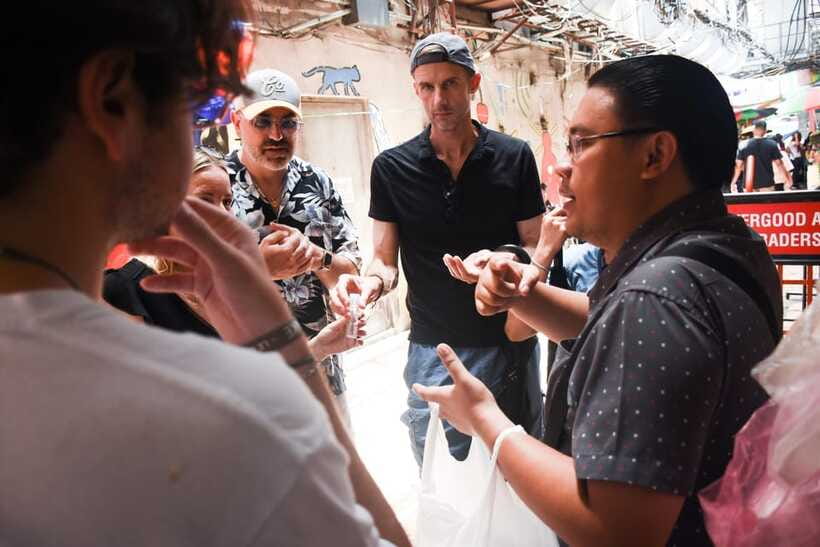
At $60 per person, this is not the cheapest way to buy a snack in Binondo. It can be good value if you want a full meal’s worth of tastings, an English-speaking guide, and an organized route through places you might not find on your own.
All food and drinks listed for the tour are included. That matters because you are not stopping every few minutes to calculate what another dish will cost. The price also covers the guide’s time, local knowledge, and ability to connect the food with the area’s past and present.
The value is weaker if you prefer to eat only small amounts, already know Binondo well, or want to choose every dish yourself. One person felt that the portions were too large and suggested a lower price. That is the clearest concern in the available feedback.
I would compare the tour to the cost of a substantial lunch plus a private introduction to the neighborhood. If you would otherwise spend time researching restaurants and guessing what to order, the organized route earns its keep. If you are a light eater, sharing is the best way to protect both your appetite and your budget.
Who should book this walk?
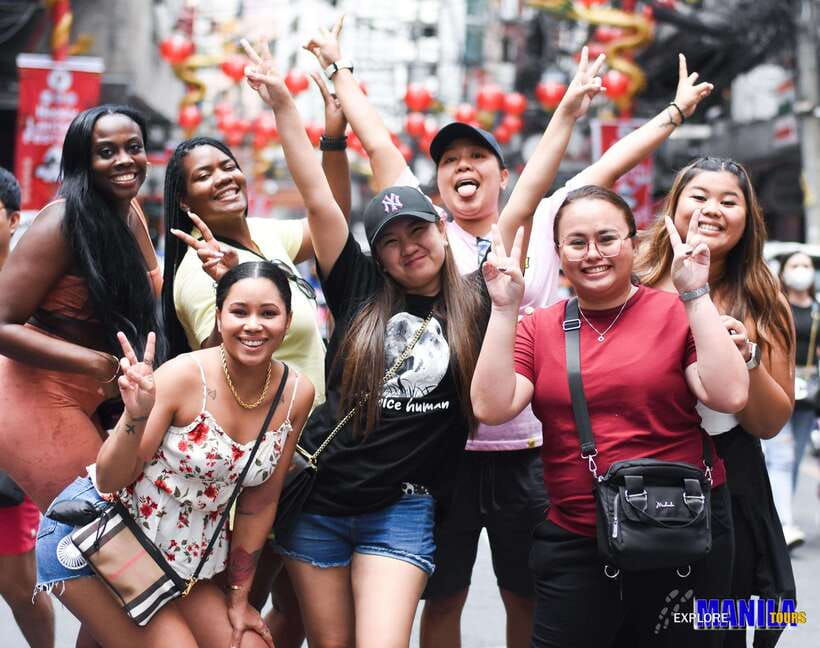
I would recommend it to first-time visitors to Binondo, solo visitors who want company, and food-focused couples or small groups. It is also useful early in a Manila stay because the guide can offer broader tips for the city and other parts of the Philippines.
Come ready to walk, eat, and try dishes outside your usual routine. Comfortable shoes are essential, and you should plan around the fact that weather will not cancel the tour.
This is not suitable for vegans or vegetarians, and it is not suitable for wheelchair users. The no-stroller and no-large-bag rules also make it a poor choice for families managing bulky gear or visitors arriving directly with luggage.
The route is best for people who enjoy a guided introduction rather than a polished restaurant crawl. You will use narrow streets, small eateries, and local stops. That means less control over the menu, but more contact with the everyday food culture of Binondo.
My recommendation
Book this tour if you want a generous, guided introduction to Filipino Chinese food and would rather let a local choose the stops. The dumplings, dimsum, mami, and hopia make the route varied, while the guides add stories and practical help that you would likely miss alone.
Skip it if you are vegetarian, have limited mobility, dislike large tastings, or want a quiet sit-down meal. For everyone else, the strongest plan is to eat a light breakfast, wear shoes made for walking, leave your large bags behind, and arrive ready to share. At $60, the tour asks a fair price for a three-hour food walk, provided you value guidance as much as the food itself.
FAQ
Where does the Binondo food tour meet?
Meet in the lobby of Binondo Church, near the candles area.
How long does the tour last?
The tour lasts three hours.
What food is included?
The tastings include fresh lumpia, handmade dumplings, mami, classic dimsum, and hopia from a local bakery. Food and drinks listed for the tour are included.
Is the guide English-speaking?
Yes. The tour has a live English-speaking guide.
Which guides may lead the tour?
Guides named in the available information include Chloe, Nel, Jian, and Juan. The guide assigned to your departure may vary.
Does the price include hotel pickup?
No. Hotel pickup and drop-off are not included. You make your own way to Binondo Church.
Can I use Grab to reach the meeting point?
Yes. The Grab app, the local version of Uber, can be used to get to the meeting point.
What should I bring?
Bring comfortable shoes. The tour is a walking experience and operates rain or shine.
Are large bags or strollers allowed?
No. Baby strollers, luggage, and large bags are not allowed.
Is the tour suitable for vegetarians, vegans, or wheelchair users?
No. The tour is not suitable for vegans, vegetarians, or wheelchair users.
Fresh off the menu around the world
- Taste of Chiang Mai: Michelin Guide & Street Food Tour★ 4.9 · 159 reviews
- Eat Porto Like a Local: The Ultimate Full-Meal Food Tour★ 5.0 · 97 reviews
- Vienna: The Ultimate Full Meal Austrian Food Tour★ 4.8 · 112 reviews
- Taste my Fribourg Self-Guided Food Tour★ 4.5 · 29 reviews
- Taste of Albania: Tirana Food Tour★ 5.0 · 26 reviews
- Jerez: Traditional Tapas Tour★ 4.6 · 138 reviews
- Taormina Pizza making class★ 4.8 · 140 reviews
- Taormina: Pizza Making Class with Lunch and Wine Tasting★ 4.8 · 145 reviews
Food Tours, compared.
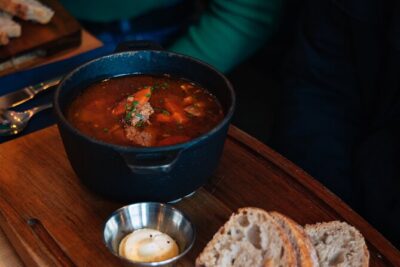
Reykjavik Food Walk – Local Foodie Adventure in Iceland
Read our review →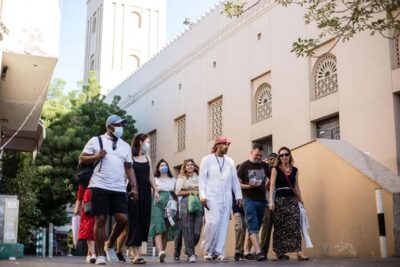
Dubai: Old Town, Creek, Museums, Souks, & Street Food Tour
Read our review →
Madrid: Live Flamenco Show with Food and Drinks Options
Read our review →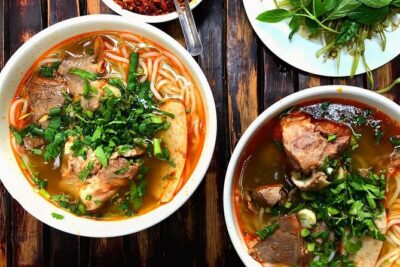
Ho Chi Minh City Street Food Tour & Sightseeing By Motorbike
Read our review →
From Split: Krka Waterfalls, Food & Wine Tasting Tour
Read our review →
Medellin: Comuna 13 Graffiti Tour, Cable Car & Street Food
Read our review →
Montserrat Half-Day Tour with Tapas and Gourmet Wines
Read our review →