Review · LUANG PRABANG
Luang Prabang: Mekong Meals Food Tour with 15+ Tastings
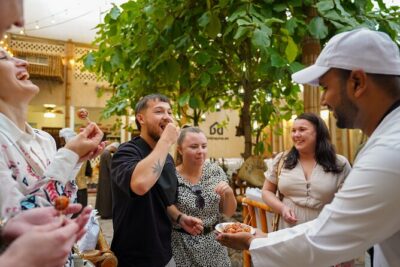
Luang Prabang’s best food often arrives on a small plate beside a smoky grill, not under a restaurant cloche. This four-hour walk takes you through markets, local eateries, riverside stops, and old street stalls for 15 or more tastings, with a short tuk-tuk ride to round out the evening.
I like the small group of up to eight and the broad mix of food. You get more than one meal at one restaurant: riverweed crackers, mushroom dip, Lao sausage, grilled fish, sticky rice, papaya salad, beef, noodles, and Beerlao. I also like how guides such as Mr. Nan, Mr. Toun, and Ad add food explanations and local context, not just a list of dish names.
The main caution is the temple visit and monk’s blessing. It is part of the experience, but it may feel unexpected if you do not want to take part in a religious setting. Dietary limits matter too: this is not suitable for vegans or vegetarians, severe allergies, or celiac disease.
Key points to know before you book
- 15-plus tastings across seven to eight stops: Expect a full evening of small portions and shared plates rather than one sit-down dinner.
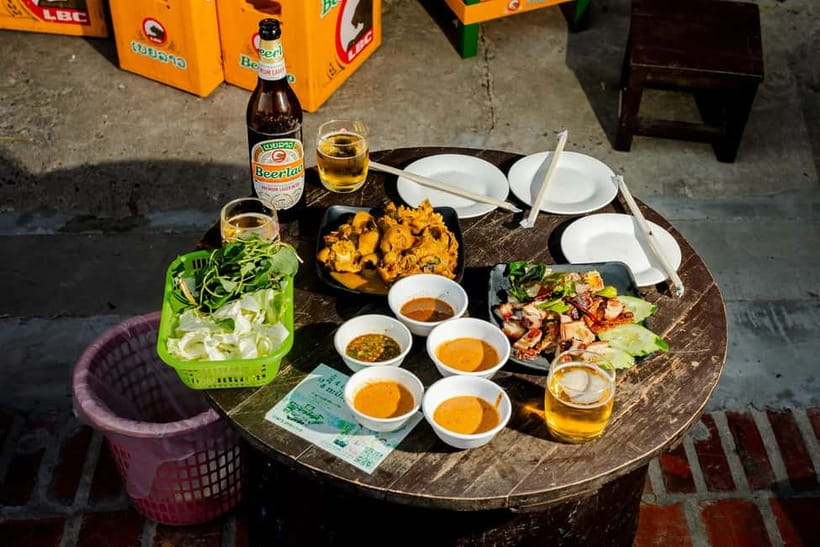
- Mekong food at sunset: Grilled pun pa fish comes with fresh herbs and vegetables beside the river.
- A monk visit is included: You can ask questions about monastic life, with your guide translating, followed by a blessing.
- Small groups make the walk personal: The standard limit is eight people, with professional English-speaking foodie guides.
- Come very hungry: The food is plentiful, and some people find the full four-hour route almost too filling.
- Plan for walking and rain: Most of the route is easy on foot, but you will need comfortable shoes and rain protection.
Starting at Khaiphaen in Luang Prabang’s old city
The evening begins outside Khaiphaen Restaurant, across from Wat Choum Khong Sourin Tharame. This is a sensible meeting point in the old city, and you can reach it easily from many hotels without arranging a separate pickup.
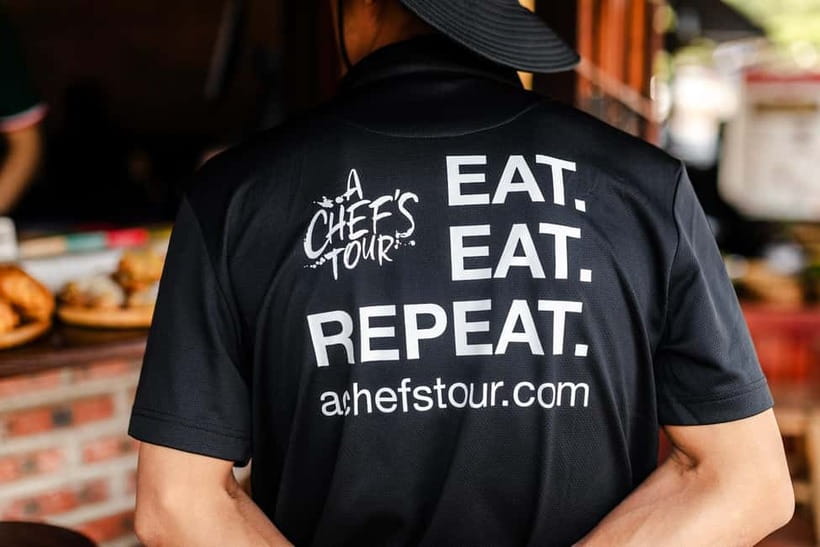
Look for a guide wearing a black A Chef’s Tour polo shirt. The guides have included Mr. Nan, Mr. Toun, Ad, Tun, Latda, and Sack. The exact person may vary, but the format remains the same: an English-speaking local guide leads a small group through a sequence of food stops.
The tour lasts about four hours. It is not a formal cooking class, and it is not a gourmet tasting menu. I would think of it as a guided evening meal with frequent changes of scenery. You walk, pause for food, hear the story behind it, then move on before the next dish appears.
That pace suits Luang Prabang. The old city is compact, and the streets are part of the meal. You see grills lighting up as daylight fades, market stalls preparing for the evening, and local eateries serving food in a straightforward way.
More food tours around the world:
- Reykjavik Food Walk – Local Foodie Adventure in Iceland
★ 5.0 · 18,952 reviews - Dubai: Old Town, Creek, Museums, Souks, & Street Food Tour
★ 4.8 · 10,816 reviews - Madrid: Live Flamenco Show with Food and Drinks Options
★ 4.5 · 9,901 reviews
First tastes: riverweed crackers and Hmong mushroom dip
Early stops introduce you to flavors you might not choose on your own. Riverweed crackers offer a crisp, savory start, while Hmong mushroom dip brings earthy flavor and a different texture.
These first bites are useful because Lao food can be unfamiliar if your usual Southeast Asian reference points are Thai curries or Vietnamese noodles. Lao cooking often leans on herbs, fermented flavors, chilies, sticky rice, and sharp contrasts. Your guide explains what you are eating and how the food fits into local habits.
Do not expect every stop to be polished. Some food comes from carts or modest stalls, and the setting may be basic. That is part of the point. The experience shows you the places where everyday food is sold, rather than keeping you inside restaurants designed for international visitors.
The group size helps here. With eight people or fewer, it is easier to gather around a stall, hear the explanation, and ask about ingredients. Guides have also helped people buy extra portions of a favorite dish later in the evening.
A temple stop and conversation with a monk
One of the more unusual parts of the route is a visit to a local temple, where a saffron-robed monk invites the group to ask questions about monastic life in Luang Prabang. The guide helps translate, so you can ask about daily routines and the role of monks in the community.
A short blessing follows. This can be a thoughtful cultural meeting, especially if you are curious about life beyond the food. It adds a human element to the evening and gives you a chance to ask questions you would not normally get answered during a market visit.
Still, you should know about it before booking. One person found the prayer service uncomfortable because it was not expected and felt too participatory. If you have religious concerns, ask the guide what participation involves, or decide in advance that you will observe respectfully rather than take part.
Dress modestly for the temple. Covering shoulders and knees is the safer choice, and it is useful to carry a light layer even if the evening begins warm. This stop is not just a quick photo opportunity, so treat it as a cultural visit rather than another food sample.
Mekong fish at sunset
After the temple, the group heads toward the Mekong. There is a short tuk-tuk ride at the end of the walking route, and it gives the evening a pleasant change of pace.
Near the river, you can expect pun pa, grilled fish served with fresh herbs and vegetables. This is one of the strongest parts of the route because the food connects directly to the region. The setting also matters. Eating beside the Mekong as the sun goes down gives the meal a sense of place that a hotel dining room cannot match.
The fish is served in a simple style, with herbs and vegetables that let you adjust each bite. If you are new to Lao food, listen for your guide’s advice on how to combine the elements. The meal is not about a single sauce or a fixed presentation. It is about balancing grilled flavor, freshness, herbs, and sticky rice.
This stop can also be weather-sensitive. The tour runs in rain or shine, and some street-side areas have limited shelter. Bring an umbrella or rain jacket if the forecast looks uncertain.
Same city, a different plate:
- Ho Chi Minh City Street Food Tour & Sightseeing By Motorbike
★ 5.0 · 9,413 reviews - From Split: Krka Waterfalls, Food & Wine Tasting Tour
★ 5.0 · 9,326 reviews - Medellin: Comuna 13 Graffiti Tour, Cable Car & Street Food
★ 4.8 · 9,046 reviews - Montserrat Half-Day Tour with Tapas and Gourmet Wines
★ 5.0 · 7,359 reviews
The market, grills, and local evening food
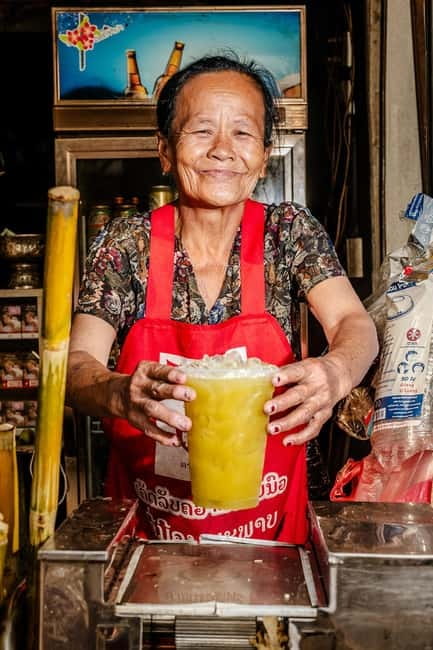
The middle of the tour is a rolling sequence of markets, street vendors, and small eateries. You might taste sticky rice roasted over hot coals, herb-filled Lao sausage, piquant papaya salad, and beef platters.
Lao sausage is a good example of why a guide helps. You may recognize the grilled format, but the herbs and seasoning give it a local character. Papaya salad brings a sharper, spicier note, while sticky rice provides the familiar, filling base that appears throughout Lao meals.
The market section is also where the tour moves furthest from standard restaurant menus. You might see foods that you would hesitate to order without a local pointing them out. That is a real advantage for a first visit. You get a wider sense of what people eat, not only the safest dishes prepared for visitors.
There is a practical downside to the large number of tastings. The advertised total is 15 or more, but the exact count and dishes can change. A noodle vendor may sell out, and some tastings are served together at the same stop. One person counted closer to 10 dishes, while others experienced about 14 or 15.
That variation is normal for street food. The route depends on what vendors have available that evening. You should book this for the range of food, not for a guaranteed checklist.
Khao piak sen and the final savory stretch
A steamy bowl of khao piak sen noodles is among the possible later tastings. This is the kind of dish that shows why the tour works as dinner, not just a snack crawl. Warm noodles provide comfort after several grilled and spicy bites, and the soup gives the meal a different rhythm.
The tour can also include more beef, herbs, vegetables, and local drinks. A Beerlao is included, along with bottled water and other local drinks. Additional alcoholic beverages are not included, so keep that in mind if you plan to continue drinking after the tour.
Portions are generally tasting-sized, but the total amount of food is still substantial. One person suggested smaller portions because there were so many dishes, while another said the group was completely full by the end. I would eat lightly beforehand and avoid planning a late dinner afterward.
This is also a good evening to share food with your group. Some plates may be passed around, so you can sample more items without committing to a full serving of everything. If you have a strong dislike of spicy food, ask your guide for help, but do not expect the menu to be redesigned around personal preferences.
What the $45 price really covers
At $45 per person, this tour offers solid value if you want a full meal, a guide, drinks, and several different settings in one evening. The price includes more than 15 tastings, bottled water, local drinks, a Beerlao, the monk visit, and transportation for the short tuk-tuk section.
You are also paying for access and judgment. Going alone, you could visit the night market and order a few familiar items. You would be less likely to find the right stalls, understand the ingredients, or build an evening that includes grilled fish, local sausage, noodles, market food, and a cultural visit.
The value is lower if you eat very little, avoid meat, or prefer to choose every dish yourself. Vegetarians lose several tastings because alternatives are limited, and vegans are not suited to this route. People with severe allergies should not book because of traces and cross-contamination at street vendors.
For a first night in Luang Prabang, I think the price is fair. You get dinner and orientation at once. Guides have also offered restaurant tips for the rest of the week, and some people have returned to dishes they first tried on the tour.
Group size, walking, and practical comfort
The standard group is limited to eight people, which is small for a food tour. That makes a real difference when you are standing beside a food cart or trying to hear an explanation in a busy market.
The route is described as easy-paced, but you will be on your feet for much of the four hours. Wear comfortable shoes. The short tuk-tuk ride means it is not entirely a walking tour, but you should still be comfortable walking between stops.
Most eating locations are sheltered, though not every street section is. The tour runs in wet weather, so pack an umbrella and rain gear if needed. Dress for the temperature and for the temple visit.
The tour is not suitable for wheelchair users, pregnant women, vegans, vegetarians, people with severe allergies, or those with celiac disease. Mild gluten intolerance may be manageable, but three or four tastings can contain traces of gluten, including unavoidable soy sauce.
Free cancellation is available up to 24 hours before the start, and you can reserve now and pay later. The meeting point is fixed, with no hotel pickup or drop-off.
Who will enjoy this food tour most?
I would recommend it to first-time visitors who want an introduction to Lao food without spending days guessing at menus. It is especially useful if you enjoy trying unfamiliar dishes, asking questions, and eating in simple local settings.
It also suits people who want culture with their meal. The monk conversation and blessing are not standard food-tour filler. They make the evening broader, though they also mean you should be comfortable entering a religious setting.
Food enthusiasts will appreciate the variety, but this is not a refined tasting menu. It is closer to eating as locals do, with smoky grills, market stalls, shared plates, and food that may vary from night to night.
I would skip it if you need strict ingredient control, want a vegetarian route, dislike walking, or prefer a quiet restaurant dinner. I would also avoid booking it on the same night as another major meal. Four hours and 15-plus tastes can leave you very full.
Should you book the Mekong Meals Food Tour?
Book it if you want a lively first look at Luang Prabang’s evening food and are happy to let a local guide choose the route. The strongest reasons are the small group, the sheer variety, the Mekong fish at sunset, and the chance to ask a monk about life in Luang Prabang.
Go with realistic expectations. Dish counts can change, the food is local rather than polished, and the temple visit may not suit everyone. For most meat-eating visitors with no serious food restrictions, this is a useful and good-value way to find dishes you can seek out again during the rest of your stay.
FAQ
Where does the tour start?
It starts outside Khaiphaen Restaurant in Luang Prabang’s old city, across from Wat Choum Khong Sourin Tharame.
Where does the tour finish?
The tour finishes at the Tourist Information Center, also known as the Machi-Zukuri Community.
How long does the food tour last?
The tour lasts four hours.
How many food tastings are included?
More than 15 tastings are included, though the exact dishes and total can vary depending on vendor availability.
How large is the group?
The standard small group is limited to eight participants.
Is hotel pickup included?
No. Hotel pickup and drop-off are not included. You meet the guide at Khaiphaen Restaurant.
Is the tour suitable for vegetarians or vegans?
No. It is not suitable for vegetarians or vegans because there are limited alternatives and several tastings would be missed.
Can people with gluten intolerance join?
The tour may suit people with mild gluten intolerance, but it is not recommended for anyone with celiac disease. Three or four tastings may contain traces of gluten, including unavoidable soy sauce.
What should I bring?
Bring comfortable shoes, weather-appropriate clothing, and an umbrella or rain gear if rain is possible. Modest clothing is also sensible because the route includes a temple and monk visit.
Fresh off the menu around the world
- Taste of Chiang Mai: Michelin Guide & Street Food Tour★ 4.9 · 159 reviews
- Eat Porto Like a Local: The Ultimate Full-Meal Food Tour★ 5.0 · 97 reviews
- Vienna: The Ultimate Full Meal Austrian Food Tour★ 4.8 · 112 reviews
- Jerez: Traditional Tapas Tour★ 4.6 · 138 reviews
- Taste my Fribourg Self-Guided Food Tour★ 4.5 · 29 reviews
- Taste of Albania: Tirana Food Tour★ 5.0 · 26 reviews
- Taormina Pizza making class★ 4.8 · 140 reviews
- Taormina: Pizza Making Class with Lunch and Wine Tasting★ 4.8 · 145 reviews
Food Tours, compared.
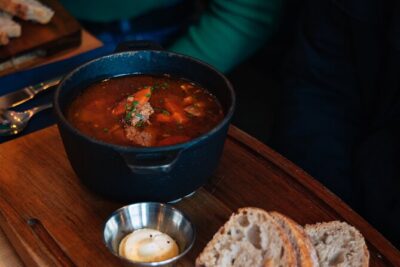
Reykjavik Food Walk – Local Foodie Adventure in Iceland
Read our review →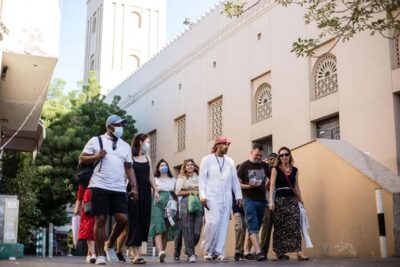
Dubai: Old Town, Creek, Museums, Souks, & Street Food Tour
Read our review →
Madrid: Live Flamenco Show with Food and Drinks Options
Read our review →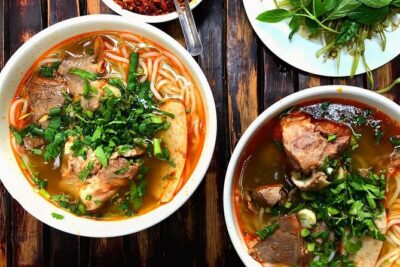
Ho Chi Minh City Street Food Tour & Sightseeing By Motorbike
Read our review →
From Split: Krka Waterfalls, Food & Wine Tasting Tour
Read our review →
Medellin: Comuna 13 Graffiti Tour, Cable Car & Street Food
Read our review →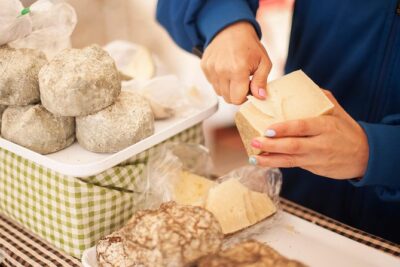
Montserrat Half-Day Tour with Tapas and Gourmet Wines
Read our review →