
Review · ISTANBUL
Istanbul Culinary Tour: Local Hotspots & Gourmet StreetFoods
Istanbul’s food culture is much bigger than kebabs, and this 3.5-hour walk through Beyoğlu makes that clear fast. You move from tea and stuffed flatbread to dumplings, seasoned meat, mussels, sweets, and local drinks, with the city’s old passages and grand streets as your dining room.
I like the small maximum of eight people, which gives guides such as Erol, Gamze, and Tolga room to explain each dish and adjust when a stop changes. I also like that the tour includes foods you might skip on your own, such as çiğ köfte, mantı, tantuni, and midye dolma.
The main drawback is the pace and volume of food. You should arrive hungry, and this is a walking tour over uneven city streets, so it does not suit wheelchair users or anyone looking for a slow, sit-down meal.
Key points at a glance
- Eight-person limit: A small group makes it easier to ask about ingredients, customs, and where to eat later.
- Seven or more food stops: Expect savory dishes, seafood, sweets, tea, coffee, and other Turkish specialties.
- Beyoğlu focus: The route uses Asmalı Mescit, İstiklal Street, Çiçek Pasajı, and Taksim rather than keeping you in the Old City.
- A real meal in tasting portions: Several dishes are substantial enough that you may not want dinner afterward.
- Good first-night choice: The guide points out places you can return to during the rest of your stay.
- Guided transport included: A short funicular ride connects the starting area near Karaköy with the walk toward Taksim.
Why this Beyoğlu food walk works
The best reason to book this tour is simple: Turkish food can be hard to decode from a menu. A restaurant may list unfamiliar dishes without explaining how they are eaten, where they come from, or which sauce belongs with them.
Here, the guide gives you that missing context as you go. You learn not just that mantı are tiny dumplings, but that they arrive with garlic yogurt and spices. You taste tantuni, a southern Turkish meat wrap, alongside more familiar döner in lavash. That contrast helps you understand how varied cooking is across Turkey.
I especially like the tour’s balance of food and place. You are not shuttled from restaurant to restaurant in a vehicle. You walk through Beyoğlu, passing historic buildings, arcades, churches, mosques, and busy streets between tastings.
The tour also avoids making Turkish cuisine look like a short list of tourist staples. You still get kebab and baklava, but the meal also includes items many first-time visitors might not order without help. That makes the $87 price easier to assess. If you only want a few bites, it is expensive. If you want a guided introduction, several tastings, transport, and useful advice for the rest of your visit, the price is reasonable.
More food tours around the world:
- Reykjavik Food Walk – Local Foodie Adventure in Iceland
★ 5.0 · 18,952 reviews - Dubai: Old Town, Creek, Museums, Souks, & Street Food Tour
★ 4.8 · 10,816 reviews - Madrid: Live Flamenco Show with Food and Drinks Options
★ 4.5 · 9,901 reviews
Starting at Nordstern Hotel Galata
You meet outside Nordstern Hotel Galata, about a two-minute walk from the Karaköy tram stop on the T1 line. The guide wears a tour badge, so the meeting point is fairly clear.
There is no hotel pickup or drop-off. That matters if you are staying across town, and one past experience showed how a separate taxi arrangement can create delays. If you can reach Karaköy on your own, the meeting instructions are much simpler.
The tour begins with a short subway or metro connection listed at about 10 minutes. Transport by funicular is included. The guide may use an Istanbulkart to help the group pass through the turnstiles, but you should still arrive on time and keep your group together.
Tea, Asmalı Mescit, and the first bites
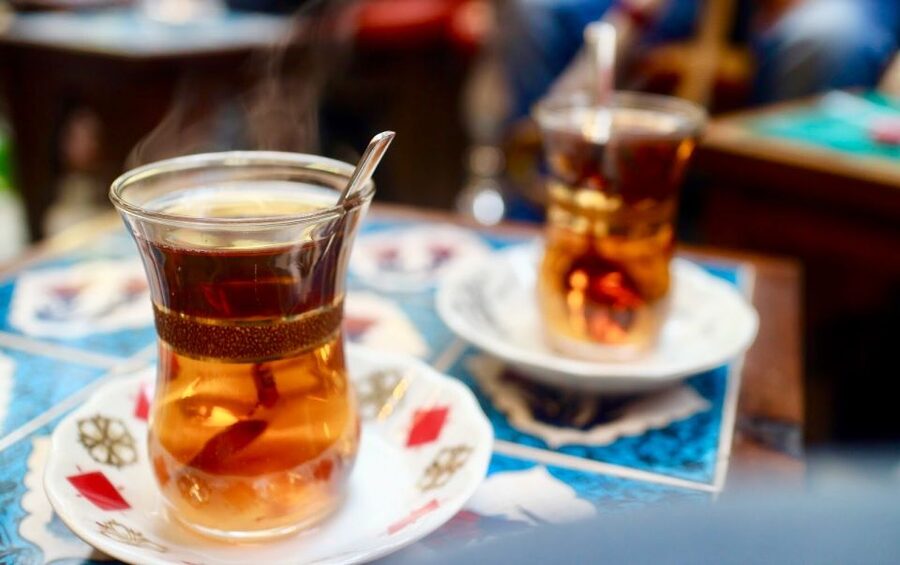
Traditional Turkish tea is the opening note. It comes in a small tulip-shaped glass and gives the guide a natural way to explain Turkish hospitality before the eating begins.
The first major food section takes place around Asmalı Mescit and lasts about an hour. This is where the tour starts building its range. You may try gözleme, a hand-rolled flatbread filled and cooked until warm and crisp, followed by çiğ köfte, a spicy bulgur-based specialty with a strong seasoning profile.
These are useful first stops because they show two different sides of Turkish food. Gözleme is comforting and familiar in form, while çiğ köfte is more intense and may be outside your usual choices.
The food is served as samples, but do not assume that means tiny portions. Several people found the total amount large enough to replace dinner. I would treat this as a light meal at the start of the evening, not a snack crawl you can squeeze in after a full lunch.
St. Anthony of Padua and Beyoğlu’s old passages
After the first tastings, you walk for about 10 minutes to the Church of Saint Anthony of Padua. This stop is listed as a walk and street food section, so it is not a long church tour. Instead, it adds an architectural and cultural pause to the food route.
You then pass through Avrupa Pasajı and Çiçek Pasajı. Avrupa Pasajı is a brief pass-by, while Çiçek Pasajı receives the longest section of the tour, about two hours including tea and food tastings.
This part gives the experience its sense of place. You are eating in and around historic arcades rather than sitting in a generic tasting room. The guide may explain how the area developed, how local eating customs work, and why certain dishes belong to particular parts of Turkey.
The exact stops can change. One guide handled an unexpected closure by finding another suitable place, which is a good sign for a food tour in a changing neighborhood. It also means you should think of the listed dishes as the intended food range, not an absolute guarantee of every single stop.
Same city, a different plate:
- Ho Chi Minh City Street Food Tour & Sightseeing By Motorbike
★ 5.0 · 9,413 reviews - From Split: Krka Waterfalls, Food & Wine Tasting Tour
★ 5.0 · 9,326 reviews - Medellin: Comuna 13 Graffiti Tour, Cable Car & Street Food
★ 4.8 · 9,046 reviews - Montserrat Half-Day Tour with Tapas and Gourmet Wines
★ 5.0 · 7,359 reviews
The main tasting sequence: mantı, tantuni, and kebab
The middle of the tour is where the meal becomes substantial. Mantı are small dumplings topped with garlic yogurt and spices. They are compact but filling, especially when served with other dishes.
Tantuni brings a different regional style. It is seasoned meat wrapped for eating on the go and comes from southern Turkey. This is one of the more useful tastings because it shows how a simple wrap can change with regional seasoning and preparation.
You also try dürüm kebab, with tender döner meat in soft lavash. It is the most instantly recognizable dish in the lineup, but it works well after the less familiar items. You can compare it with tantuni instead of treating all Turkish wraps as the same thing.
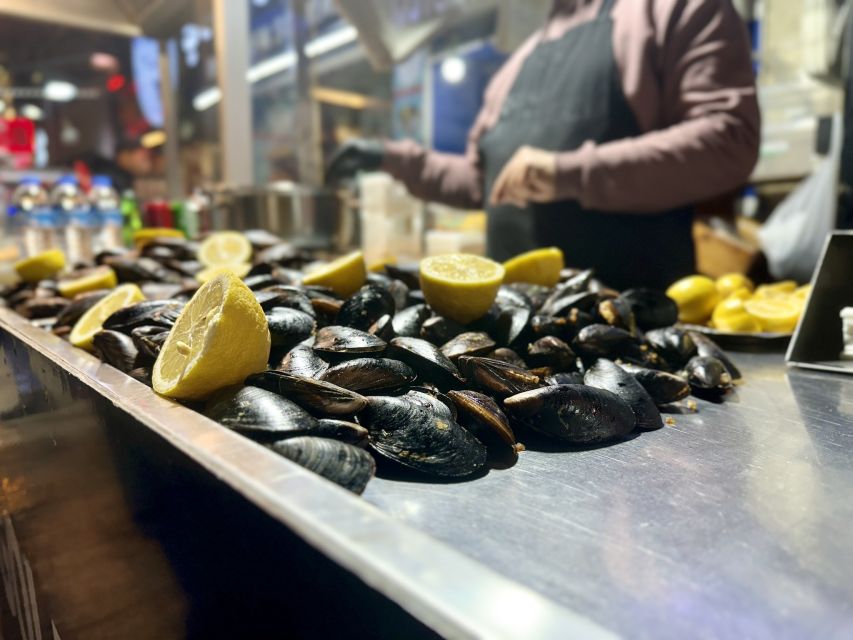
Seafood may enter the route through mussels, including the stuffed mussels often sold as a street snack. The food is generally selected from places known for a particular specialty, rather than one restaurant trying to cover every dish.
I like this method because it keeps each stop focused. The tradeoff is that you do not get to choose from a full menu or linger over a single restaurant meal. This is a tasting route first, with the neighborhood and stories providing the setting.
Çiçek Pasajı’s long food stop
The two-hour section around Çiçek Pasajı is the heart of the outing. It includes a tea ceremony and several tastings, so you should expect conversation, waiting between dishes, and time for the guide to explain what is in front of you.
This is also where the small group matters most. With no more than eight participants, you can ask about spice levels, ingredients, regional origins, and how to order the dish again. Guides such as Erol have been praised for explaining where foods are produced, when they are eaten, and how locals approach them.
The guide’s role goes beyond naming dishes. You may hear about Turkish customs, neighborhood life, architecture, and the history of food. Families with teenagers have found this broader storytelling useful because the tour becomes a city introduction, not just a series of plates.
Still, the long stop may feel food-heavy if you prefer a drink-led evening. One earlier participant wanted a little less food and more time for drinks and conversation. That is a fair caution. Come for generous sampling, not a bar crawl.
İstiklal Street to Taksim Square
After Çiçek Pasajı, the route passes Atlas Pasajı and continues along İstiklal Street. These are short walking sections, about five minutes each, followed by another local-snack segment of roughly 30 minutes.
İstiklal is one of the key public streets in central Istanbul, and walking it after the smaller food stops gives the tour a bigger urban finish. You see how the quieter eateries and arcades connect to one of the city’s best-known pedestrian routes.
The final pass-by is Taksim Mosque, followed by a photo stop and the end at Taksim Square. The route therefore climbs from the Karaköy area toward Taksim rather than finishing where it began.
That makes the ending practical. You are already in a central part of Beyoğlu, with the rest of the evening open to you. Several people found the area useful for returning to restaurants, desserts, and food stalls they had discovered during the tour.
What you will likely eat and drink
The advertised food range is broad:
- Turkish tea in a tulip-shaped glass
- Gözleme
- Çiğ köfte
- Mantı with garlic yogurt and spices
- Tantuni
- Dürüm kebab
- Stuffed mussels and other seafood snacks
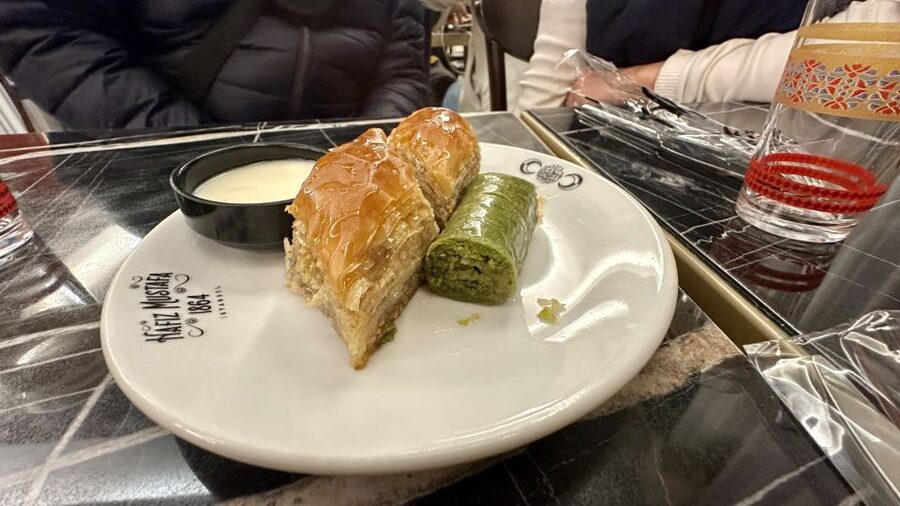
- Baklava
- Coffee or tea
- Additional local sweets and snacks
Baklava provides the expected sweet finish, with crisp filo, nuts, and syrup. Other local confections may appear as well. One guide introduced a specialty künefe stop that left a strong impression, though the exact dessert selection can change.
Do not plan the tour around one promised item alone. The food stops may shift with opening hours or local conditions. The better reason to book is the variety: savory, sweet, meat, seafood, dough, yogurt, tea, and coffee in one sitting.
If you have dietary restrictions, contact the operator before booking. The supplied information confirms that most people can participate, but it does not give a detailed vegetarian, halal, allergy, or gluten-free menu.
Guides, group size, and the human side
The guide can make or break a food tour, and this experience has repeatedly been led by Erol, Gamze, and Tolga, with similar names occasionally spelled differently in booking records.
Erol is especially associated with detailed explanations, strong storytelling, and careful attention to the group. Gamze is known for an upbeat approach and for making a first evening in Istanbul feel easy. Tolga has also led tours praised for picking good stops and explaining Turkish food culture.
You should not book expecting a scripted lecture. The strongest part of the format is the chance to ask questions as you eat. Guides have also adapted when a location closed or when someone did not enjoy a particular item, sometimes offering an alternative.
The eight-person limit is important. Larger food groups can turn a tasting into crowd control. Here, the guide has a better chance to check that everyone is keeping up, understands the food, and has enough to eat.
Who should book this experience
I would recommend it most strongly to first-time visitors, curious eaters, and anyone staying near Karaköy, Galata, Beyoğlu, or Taksim. It is especially useful on your first or second day because the route gives you practical ideas for later meals.
Families with children aged 10 and older can fit well if they are open to unfamiliar flavors. The tour has been suitable for teenagers, but the amount of walking and the long sequence of tastings may be tiring for younger children.
You should also consider it if you want local food without spending time researching individual places. The guide provides a filter, explains ordering customs, and points out places you can revisit.
Skip it if you need wheelchair access, dislike walking, have already eaten a large meal, or want a quiet restaurant dinner. The route includes streets, passages, public transport, and several food stops, not a single comfortable dining table.
Is $87 a fair price?
At $87 per person, the tour costs more than wandering into a kebab shop and ordering dinner. But that comparison misses what you are paying for.
The fee includes a professional guide, funicular transport, food samples, tea or coffee, and a small group. You also get the time-saving value of several carefully chosen stops and explanations that would be difficult to recreate on your own in one evening.
The value is strongest if you are new to Turkish food. It is weaker if you already know Beyoğlu well and can confidently find and order these dishes yourself.
Free cancellation up to 24 hours before the start and reserve-now, pay-later booking add flexibility. These are useful protections when your Istanbul schedule is still moving around, though they do not change the tour’s food-heavy nature.
My verdict: book it early, and arrive hungry
You should book this Istanbul food walk if you want a friendly introduction to Turkish cooking tied to the streets where people eat it. The combination of unusual snacks, familiar kebab, sweets, tea, and neighborhood history gives you a useful first look at Beyoğlu.
Book it near the start of your stay, ideally when you can make the most of the restaurant tips afterward. Eat lightly beforehand, wear comfortable shoes, and allow for a filling evening.
At $87, it is not a cheap snack tour. It is a guided meal and neighborhood orientation in one. For most first-time visitors who value context and variety, that makes the cost worthwhile.
FAQ
Where does the Istanbul Culinary Tour begin?
You meet your guide outside Nordstern Hotel Galata. The hotel is about a two-minute walk from the Karaköy tram stop on the T1 line.
Where does the tour finish?
The tour ends at Taksim Square after passing Taksim Mosque.
How long does the experience last?
The tour lasts 3.5 hours.
How many people can join the group?
The group is limited to eight participants.
Which languages are available?
Live guiding is available in English and Spanish.
Is hotel pickup included?
No. Hotel pickup and drop-off are not included.
Is transportation included?
Transport by funicular is included. The route also includes a short subway or metro section listed at about 10 minutes.
What food can I expect to taste?
The planned range includes Turkish tea, gözleme, çiğ köfte, mantı, tantuni, dürüm kebab, mussels, baklava, other snacks, desserts, and drinks.
What is the minimum age?
The minimum age is 10 years.
Is the tour suitable for wheelchair users?
No. The experience is listed as unsuitable for wheelchair users.
Can I cancel for a refund?
You can cancel up to 24 hours in advance for a full refund. The tour also offers reserve-now, pay-later booking.
Fresh off the menu around the world
- Taste of Chiang Mai: Michelin Guide & Street Food Tour★ 4.9 · 159 reviews
- Eat Porto Like a Local: The Ultimate Full-Meal Food Tour★ 5.0 · 97 reviews
- Vienna: The Ultimate Full Meal Austrian Food Tour★ 4.8 · 112 reviews
- Jerez: Traditional Tapas Tour★ 4.6 · 138 reviews
- Taste my Fribourg Self-Guided Food Tour★ 4.5 · 29 reviews
- Taste of Albania: Tirana Food Tour★ 5.0 · 26 reviews
- Taormina Pizza making class★ 4.8 · 140 reviews
- Taormina: Pizza Making Class with Lunch and Wine Tasting★ 4.8 · 145 reviews
Istanbul Food Tours, compared.
Istanbul: European and Asian Side Guided Foodie Walking Tour
Read our review →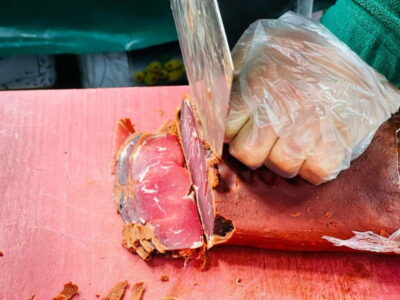
Istanbul: Guided Food Tour with Ferry Ride and Tastings
Read our review →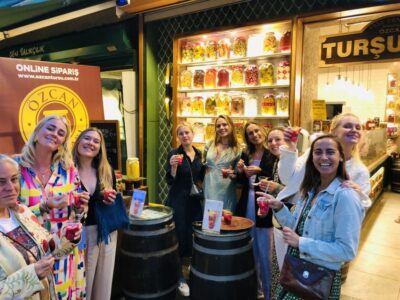
Two Markets, Two Continents with Culinary Backstreets
Read our review →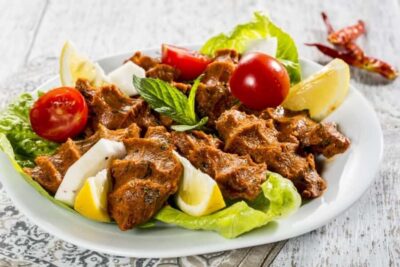
Authentic Food Tour in Istanbul’s Asian Side – Kadıköy
Read our review →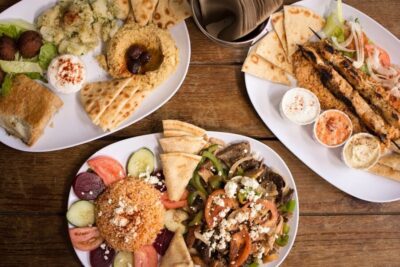
Istanbul: Turkish Food Tour in Kadikoy Across the Bosphorus
Read our review →Browse the lists this tour appears in