
Review · WASHINGTON DC
Gastronomic Georgetown Walking Food Tour
Georgetown gives you two tours at once: a walk through one of Washington’s oldest neighborhoods and a meal spread across several restaurants. The food is not just a snack between sights. You may sit down at three of the four stops, eat enough for dinner, and still finish with a macaron.
I like the small group of up to 12 because it gives guides room to answer questions and manage dietary needs. I also like the mix of Italian, tapas, Mexican, plant-based food, and sweets, which keeps the afternoon from turning into one long parade of similar bites. The main drawback is quantity: come hungry, and do not plan a full meal right afterward.
Key points to know before you book

- Four food stops can add up to a full meal: Portions are often generous, with some people leaving with leftovers.
- Georgetown’s story reaches beyond federal Washington: The Old Stone House and C&O Canal help explain the neighborhood’s colonial and commercial past.
- Guides make a major difference: Robert, Wayne, James, and Christian have all led highly praised outings, with Christian bringing a local connection to the area.
- The walk is easy but not brief: Plan on at least three and a half hours, and allow extra time if the group lingers over food and stories.
- Dietary needs can be handled: Vegetarian, vegan, kosher, Halal, gluten-free, and lactose-free options are available when you report them while booking.
- The route does not end where it starts: You meet at the Four Seasons Hotel and finish at Olivia Macaron on Morse Street NE.
Why this Georgetown food walk works
Most food tours ask you to choose between eating and sightseeing. This one makes the two activities support each other. Georgetown’s streets provide the setting, while each food stop gives you a reason to keep walking.
The neighborhood predates Washington, DC, and that fact shapes the tour. You are not simply passing attractive brick buildings on the way to lunch. You are hearing how Georgetown developed before the federal city took form, then seeing how the canal and bridge helped connect it to the wider region.
The food gives the history a practical edge. Instead of standing through a long talk and then hunting for a restaurant, you hear a story, walk a short distance, and sit down to eat. That rhythm keeps the three-and-a-half-hour outing from feeling like a lecture.
The format is social without being unwieldy. A maximum of 12 people is small enough for conversation and questions, but large enough to create a pleasant table atmosphere at the restaurant stops. Solo visitors, couples, families, and groups of friends can all fit into the format.
More Food Walking Tours in the USA
- New Orleans Food Walking Tour of the French Quarter with Small-Group Option
★ 5.0 · 6,118 reviews - Savannah First Squares Culinary & Cultural Walking Food Tour
★ 5.0 · 3,229 reviews - Historic Ybor City Food Walking Tour
★ 5.0 · 2,210 reviews
Starting at the Four Seasons at 3 pm
The tour begins at the Four Seasons Hotel Washington, DC, at 3 pm. That timing makes this feel more like a late lunch that rolls into dinner than a morning tasting. You should eat lightly beforehand, especially since the portions can be substantial.
Wear smart casual clothes and comfortable walking shoes. Georgetown streets can involve uneven surfaces and modest inclines, and the tour operates in all weather conditions. A cold or wet afternoon will affect how enjoyable the walking feels, so check the forecast and dress accordingly.
The experience is offered in English and uses a mobile ticket. The starting point is near public transportation, which helps if you are staying elsewhere in the city. Since the endpoint differs from the meeting point, do not assume you will return to the Four Seasons to collect a bag or meet someone.
The Old Stone House and Georgetown before Washington
The Old Stone House is one of the tour’s best early anchors. Built in 1765 at 3051 M Street Northwest, it is the oldest structure in Washington, DC, and the city’s last pre-Revolutionary colonial building.
That date matters. Georgetown was already an established community before the capital city was laid out. The house gives your guide a solid place to explain how the neighborhood fit into the colonial period and how its age differs from the image many people have of Washington as a purpose-built federal capital.
You will likely appreciate this stop even if you are not a serious architecture fan. An old building can make an abstract timeline easier to grasp. Instead of hearing only that Georgetown is old, you are looking at a structure that was already standing before the American Revolution.
The drawback is that this is a history stop, not a long interior visit described as part of the experience. The value comes from the explanation and the surrounding streets, so listen closely rather than expecting a museum-style tour of the house.
Guides have different ways of handling this material. Robert is known for connecting buildings with stories, while Christian grew up in the area and brings a personal sense of place. You may have a different guide, but the tour is designed around local history rather than a generic city overview.
Walking beside the C&O Canal
The Chesapeake & Ohio Canal gives the tour another useful layer. The canal runs 184.5 miles beside the Potomac, from Georgetown to Cumberland, Maryland. It began as a transportation route and is now a National Historical Park used for recreation and historical exploration.
In Georgetown, the canal helps explain the neighborhood as a working place, not only a pretty district of shops and homes. Goods moved through this area, and the canal connected the Potomac corridor with communities farther west. That commercial past adds context to the restaurants and streets you see today.
I like this part because it breaks up the food stops with a change of scenery and subject. You can walk, digest, and hear how transportation shaped the district. The route also gives the guide a chance to connect local history with the larger story of Washington and the Potomac region.
Do not expect a long hike along the full canal. The tour visits the Georgetown section as part of an urban walking route. The pace is described as easy and unhurried, though the complete outing can run beyond the advertised three and a half hours if meals and conversations take longer.
Same city, a different plate:
- Chef Guided Food Tour of Pike Place Market
★ 5.0 · 3,733 reviews - San Francisco Super Saver: Muir Woods & Wine Country w/ optional Gourmet Lunch
★ 4.5 · 3,352 reviews - NYC: Chinatown & Little Italy Food Tour with 7 Flavorful Tastings
★ 5.0 · 2,733 reviews - Nashville: Food Tour with 5+ Tastings of Local Delicacies
★ 5.0 · 2,704 reviews
The bridge story and the city around it
Another stop focuses on a bridge, its importance to Georgetown, and its place in the development of Washington, DC. The supplied details do not identify the bridge by name, so you should think of this as a guide-led history point rather than a major monument visit.
This kind of stop works best when you want to understand how a neighborhood functions. Bridges are practical structures, but they also direct trade, traffic, and movement. Your guide explains why the crossing mattered and how it connected Georgetown to the wider city.
The bridge stop also illustrates the tour’s general approach. You are not rushing from one famous landmark to another for photographs. You are pausing at places that help explain why Georgetown grew where it did and why its streets developed as they have.
Four food stops, with more than tasting-size portions
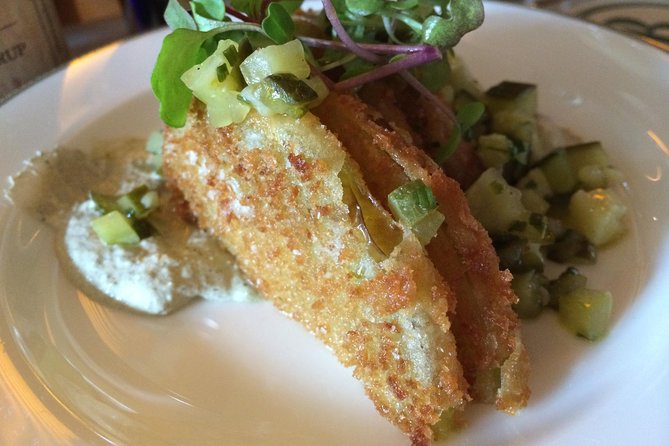
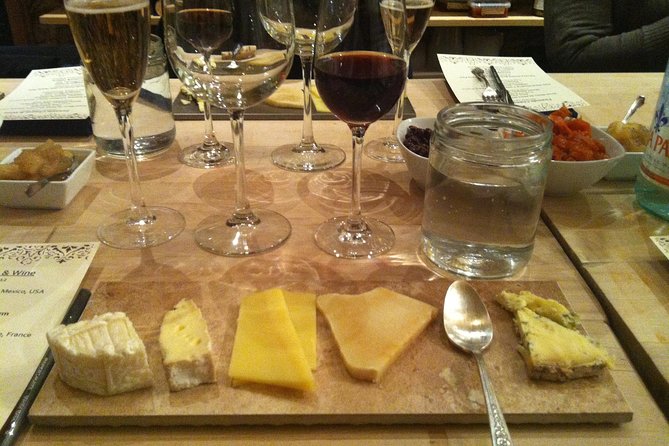
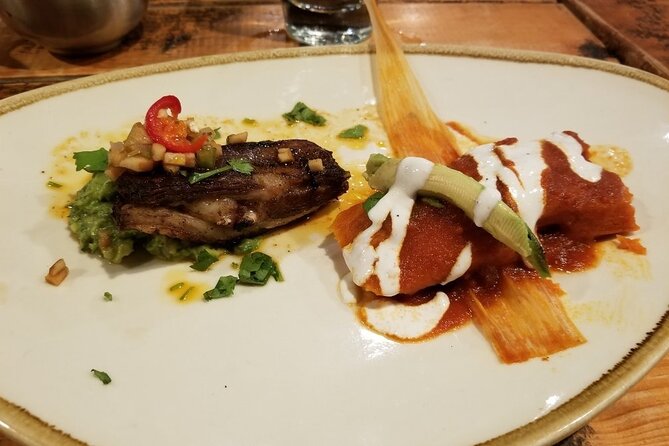
The food is the main reason to book this experience, and the strongest feature is the amount. The tour includes tastings, but the portions can be much larger than the word tasting suggests. Some visits include shared dishes at seated tables, and several people have found there was no need for dinner afterward.
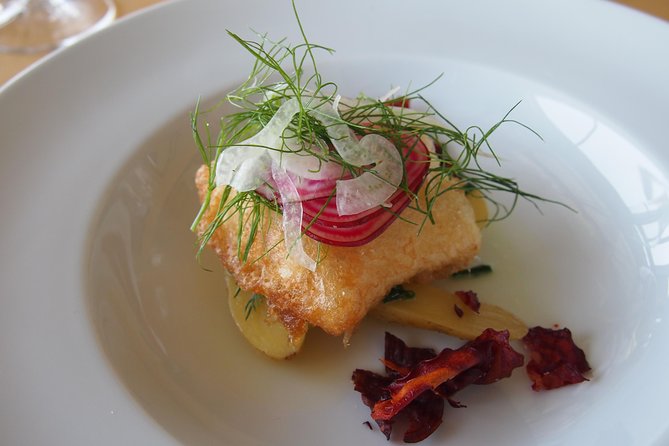
The exact restaurants and dishes may vary, but the food has included Italian, tapas, Mexican, plant-based dishes, and a final macaron. That range gives you a better sense of Georgetown’s current dining scene than a single restaurant reservation would.
The plant-based stop has been a particular surprise for some people, including those who did not expect it to be a highlight. That is useful if you are booking with mixed tastes. You are not being sent to one narrow style of cooking, and the menu can include something appealing for people who eat differently.
Olivia Macaron, at 405 Morse Street NE, is the advertised endpoint. Finishing with a macaron is a neat way to close the food portion, though the location means you should plan your onward route from there rather than from the Four Seasons.
Bring an appetite, but pace yourself. The temptation is to eat every bite immediately, especially when the food is served hot. With four stops over several hours, a slower approach will make the final restaurant more enjoyable.
What the guides add to the afternoon
This is a guide-dependent experience. The food provides the structure, but the guide determines how much personality and context you get between stops.
Robert is often described as friendly, patient, and particularly strong on the stories behind Georgetown’s buildings. He has also handled dairy substitutions by coordinating with the restaurants. Wayne brings a storyteller’s approach, including local history and ghost stories, and has been praised for making restaurant visits feel warm and personal.
James is known for an easygoing manner and flexibility. Christian grew up in the area and can add a local connection to the neighborhood’s past and present. You cannot request a specific guide based on the supplied details, but these names give you a sense of the standard the company aims for.
The best part of this guide style is that the history does not sit apart from the meal. You may hear about a street, building, bridge, or local character, then immediately experience the neighborhood through its food. That combination makes facts easier to remember.
A possible limitation is that different guides may emphasize different stories. If you want a tightly scripted architectural tour with precise coverage of every landmark, this may feel informal. If you prefer questions, stories, restaurant connections, and a relaxed pace, the format should suit you well.
How much walking and how much time?
The published duration is about three hours and 30 minutes. In practice, you should keep the afternoon open for four hours or more. One outing took about four and a half hours, partly because the group spent time eating and talking.
The walking itself is not considered difficult. The route is described as easy, with food stops providing regular breaks. Still, you are on your feet for a substantial part of the afternoon, so comfortable shoes matter more than stylish footwear.
The slow pace is an advantage. You have time to notice points of interest, ask questions, and avoid the rushed feeling common on food tours that squeeze in too many stops. The tradeoff is that you cannot treat this as a quick pre-theater activity unless you allow a generous buffer.
Because the tour begins at 3 pm, it can work well on your first full day in Washington. It introduces Georgetown, gives you a meal, and provides historical context before you explore the area on your own. It also works for locals who want to learn more about their own neighborhood.
Price, food value, and what is not included
At $84 per person, the tour is fairly priced if the generous portions and multiple seated tastings continue as described. You are paying for food, a guide, planning, and the convenience of moving between several restaurants without arranging each stop yourself.
The value is strongest if you would otherwise pay for several small meals and a separate Georgetown tour. It is less compelling if you prefer to choose every dish yourself or if you eat very little. The large portions can be a benefit, but they may feel excessive for light eaters.
Taxes, fees, and handling charges are included. Drinks are not included unless specifically stated, and guide gratuities are not included, so budget for beverages and a tip if the service suits you.
Food substitutions are available for vegetarian, vegan, kosher, Halal, gluten-free, and lactose-free diets. You must report allergies or restrictions at booking. Accommodations can only be made when those needs are noted in advance, and this is especially important for serious allergies.
Who should book this Georgetown experience?
I would choose this tour if you want a low-stress introduction to Georgetown, enjoy trying several types of food, and like history delivered in short stories rather than long formal talks. It is a good match for couples, friends, solo visitors, families, and locals who want a fresh look at a familiar neighborhood.
It also suits people who want a real meal during a food tour. Many experiences offer tiny samples that leave you searching for lunch afterward. Here, you should plan for the opposite problem. You may finish full, with leftovers, and with dessert already handled.
This is less suitable if you need a precisely timed activity, dislike group dining, or want to return to the starting point. It may also be a poor fit if you are hoping for a museum-heavy tour or a strenuous walk. The attraction is the blend of food, streets, stories, and relaxed conversation.
The tour is recommended by 91 percent of participants and carries a 4.7 rating from 373 reviews, which supports its reputation for strong food, guides, and value. Still, food preferences vary, and the exact restaurant lineup may not please everyone equally. The overall format is more important than any single dish.
Should you book it?
Book this Georgetown walk if you want to eat enough for dinner while learning why the neighborhood matters. The strongest reasons are the small group, easy pace, varied food, and guides such as Robert and Wayne, who add stories beyond the standard tourist script.
Skip it if you want complete control over your menu, a short outing, or a formal return to the Four Seasons. For everyone else, $84 buys a practical introduction to Georgetown with history between courses and a sweet finish at Olivia Macaron.
Free cancellation is available up to 24 hours before the 3 pm start time. The tour may also be moved or refunded if poor weather or an insufficient number of bookings forces cancellation.
FAQ
How long does the Georgetown food tour last?
The advertised duration is approximately three hours and 30 minutes. You should allow extra time because food stops and conversation can make the outing last longer.
Where does the tour begin?
The meeting point is the Four Seasons Hotel Washington, DC, at 2800 Pennsylvania Avenue NW. The start time is 3 pm.
Where does the tour end?
The advertised endpoint is Olivia Macaron at 405 Morse Street NE, Washington, DC 20002. The tour does not end at the original meeting point.
How many people can join the tour?
The maximum is 12 people per booking and the activity also has a maximum of 12 participants.
Are drinks included?
Drinks are not included unless they are specifically stated as part of the experience.
Can dietary restrictions be accommodated?
Vegetarian, vegan, kosher, Halal, gluten-free, and lactose-free options are available. You must provide allergies or dietary restrictions when booking, since accommodations can only be made when noted in advance.
What happens if I need to cancel?
You can cancel at least 24 hours before the start time for a full refund. Changes or cancellations made less than 24 hours before the experience are not accepted for a refund.
Fresh off the menu around the USA
- Miami: South Beach Food Tour★ 4.7 · 141 reviews
- South Beach Tour des Forks: Eat Like a Local★ 4.7 · 68 reviews
- Sonoma Valley: Wine Trolley Tasting Tour with Lunch★ 4.3 · 22 reviews
- Shadows, Scandals & Secrets of Sacramento Ghost Tours★ 4.1 · 82 reviews
- Las Vegas Strip: Foodie Walking Tour★ 4.8 · 69 reviews
- Chicago: Secret Food Tour★ 4.8 · 68 reviews
- Seattle: Pike Place Market Seafood Tasting Tour★ 4.7 · 26 reviews
- Seattle: Plant-Based in Pike Place Food Tour★ 4.7 · 56 reviews
Washington DC Food Tours, compared.
Georgetown Foodie Culinary Tour & Neighborhood Walk
Read our review →
Washington’s Hidden Gems Food Tour with 6+ Tasty Bites
Read our review →
Browse the lists this tour appears in