
Review · BASEL
Basel: Local Cheese Tasting Tour with a Cheese Sommelier
Swiss cheese gets much more interesting once you move past the familiar fondue image. At Binningerstrasse 15, a local cheese sommelier introduces you to several Swiss varieties, including Gruyère AOP, and explains how age, origin, and production shape the flavor. You taste the cheese while learning where it comes from and how it is made.
I like two things here. First, the tasting focuses on small-farm cheeses and the people behind them, not just famous supermarket labels. Second, the short format works well for a busy day in Basel, yet guides such as Leena, Lina, and Jonas have enough time to explain the differences between mild young cheese and stronger aged styles.
The main drawback is the setting. The shop is small, with limited seating, and the address can be confusing on Google Maps. You may spend the tasting standing, so check the exact meeting point before you go.
Key points to know before booking
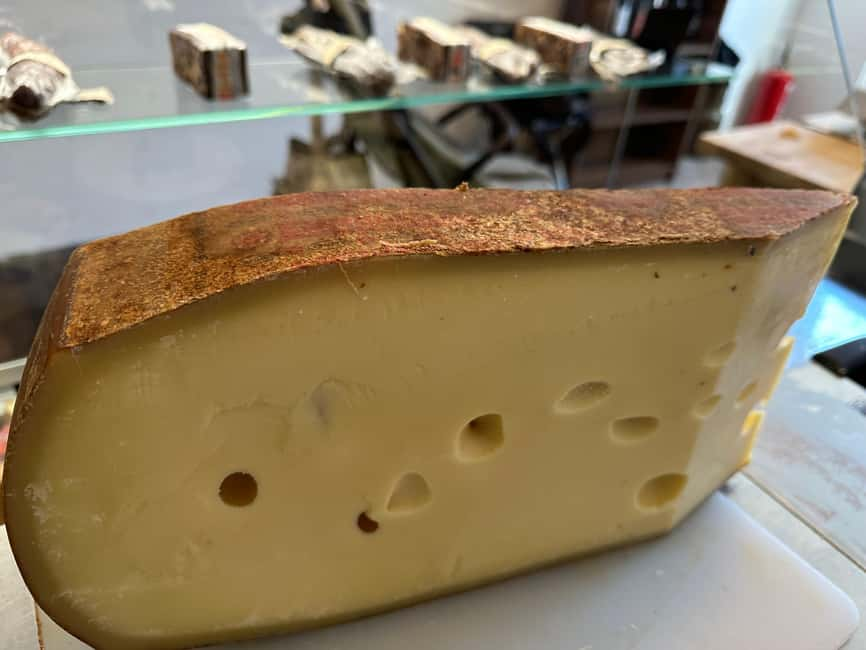
- Taste about six Swiss cheeses: The selection covers different strengths, ages, and styles rather than offering one familiar cheese in several forms.
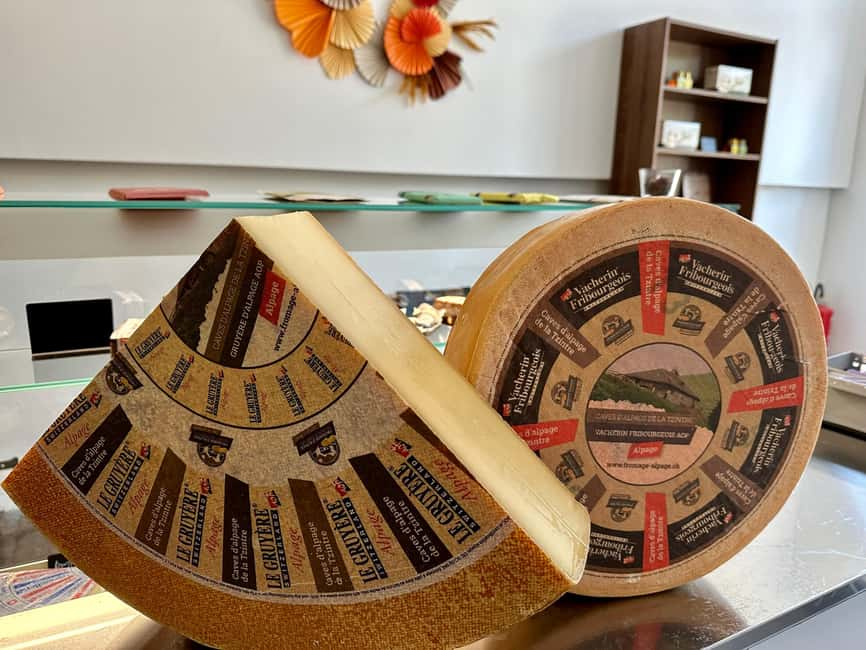
- Gruyère AOP gets special attention: You learn how this well-known Swiss cheese fits into the country’s protected production system.
- Meet at Binningerstrasse 15: This is a small, appointment-based location away from Basel’s main sightseeing stops.
- English guidance comes from a cheese specialist: Guides named Leena, Lina, and Jonas have led sessions, with the focus on explanation as much as tasting.
- Plan for a 35 to 45 minute stop: The advertised duration is 35 minutes, while the tasting portion is also described as about 45 minutes.
- You can buy cheese afterward: The shop offers cheeses sourced from reputable farmers, making this useful if you want to bring Swiss cheese home.
Why a Basel cheese tasting is worth your time
Basel is better known for its old town, river views, museums, and borderland position than for cheese. That is exactly why this tasting can be a pleasant change of pace. You step away from the usual sightseeing route and spend a little time with one of Switzerland’s best-known food traditions.
The point is not simply to eat cheese. You learn why two cheeses made in the same country can taste so different. A young cheese may be mild and soft in character, while an aged cheese can have a firmer texture and a much stronger flavor. The sommelier helps you notice those changes instead of treating every slice as the same.
The experience also introduces Swiss AOP cheesemaking. AOP refers to a protected designation tied to a product’s origin and traditional production rules. In this tasting, that idea becomes practical: you hear about how the cheese is made, where it comes from, and why the production method matters to its final taste.
I like this sort of food experience because it gives you a small piece of local culture without taking half a day. At $24 per person, the price is reasonable if the tasting includes the advertised range of cheeses and the personal explanation from the guide. It is not a full farm visit or a meal, so you are paying for a focused introduction rather than a large lunch.
More Cheese Tastings in the world:
- Amsterdam: Guided Zaanse Schans, Windmills & Cheese Tour
★ 4.4 · 4,826 reviews - Private Montmartre Food Tour with Wine, Cheese & Pastries
★ 5.0 · 1,027 reviews - Paris Le Marais Food Tour With 10+ Tastings, Cheese, Wine & More
★ 5.0 · 985 reviews
Meeting at Binningerstrasse 15
The experience begins at Binningerstrasse 15 and returns to the same location. The address is useful to know because this is not presented as a walking tour through Basel’s historic center. You are going to a specific cheese shop for a booked appointment.
The location has an off the beaten path feel, which is part of the appeal. You are not being ushered through a large attraction built for crowds. The space is small and personal, with the cheese and the guide taking center stage.
It is also the part of the experience that requires the most care. The shop may not appear to have ordinary public opening hours, and Google Maps has reportedly shown a temporarily closed notice even when a booked tasting was taking place. Use the meeting instructions supplied with your booking rather than relying only on the map listing.
One practical issue is seating. The shop has limited room, and you may stand near the wall during the tasting. That will not bother everyone, especially during a session lasting less than an hour, but it is worth knowing if you need a seated activity.
The experience is listed as wheelchair accessible. Since the venue is compact, it is still sensible to confirm any specific access needs when you book.
Learning from a local cheese sommelier
The guide does more than place cheese on a plate. You get an explanation of the history and origin of Swiss cheese, followed by information about production and the differences between varieties.
The strongest part of the experience is the direct contact with someone who cares about the subject. Guides named Leena, Lina, and Jonas have been associated with tastings, and the descriptions of their presentations point to a friendly, personal approach. Jonas, in particular, has led detailed explanations of Gruyère, while Lina and Leena have guided tastings that covered the characteristics and background of several cheeses.
The exact guide may vary, but the format stays clear: taste, listen, compare, and ask questions. You are encouraged to decide which cheeses suit your own palate. That matters because cheese preference is personal. A powerful aged cheese may be the highlight for one person and too intense for another.
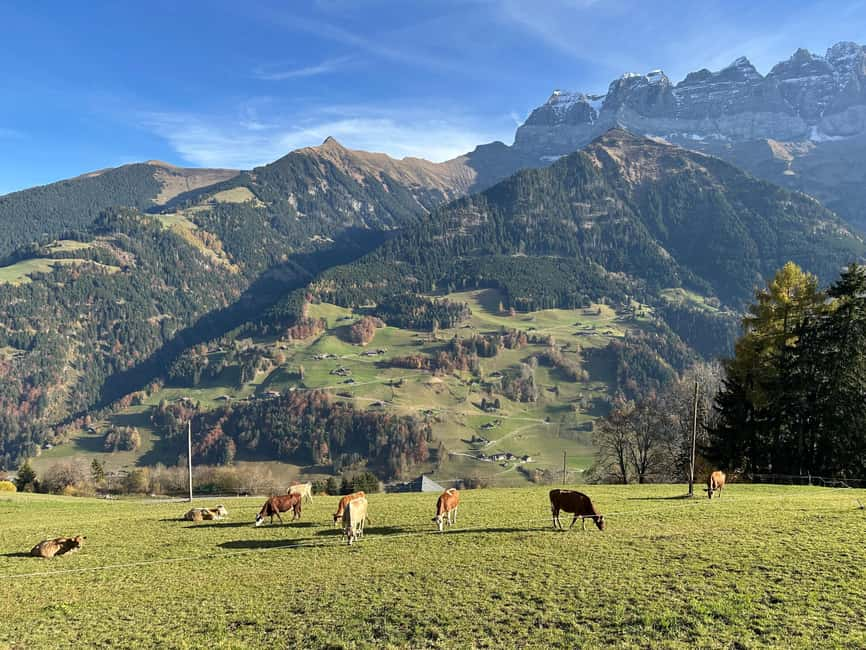
The discussion of small farmers adds useful context. The cheeses are described as coming from reputable producers, with attention paid to their origin and standards. You do not simply hear that a cheese is Swiss. You get a sense of the work and place behind it.
If you enjoy food talks, you will probably get more from this than someone who wants only a quick sample. The guide explains enough to help you taste with purpose, but the session remains relaxed rather than academic.
Sampling young, aged, mild, and strong cheeses
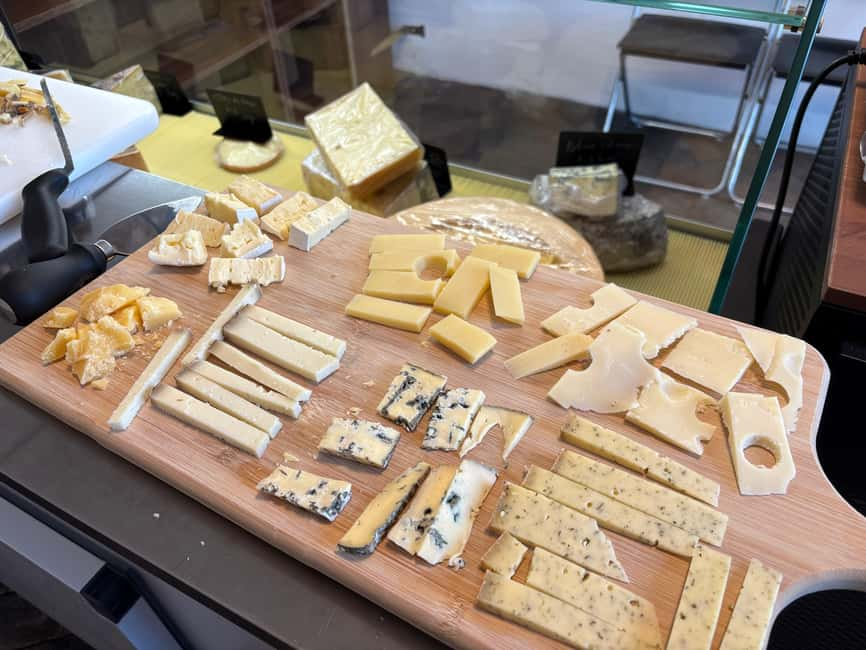
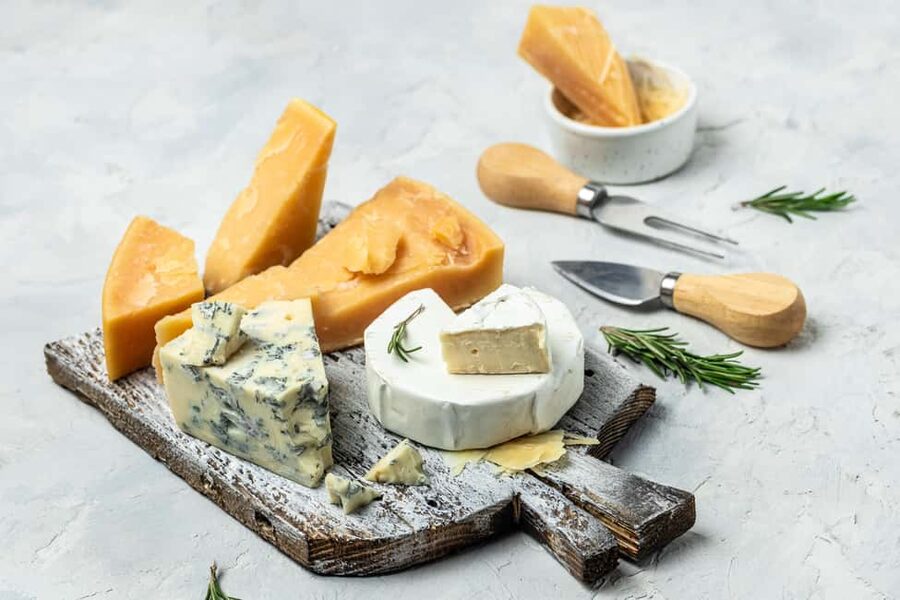
The tasting includes a variety of Swiss cheeses, with about six varieties described in the experience details. The selection is meant to show range. You may compare mild and stronger flavors, as well as younger and more aged cheeses.
That comparison is the real lesson. A cheese’s age affects more than its strength. It can change the texture, aroma, and length of the flavor. The tasting lets you notice those changes one after another, rather than trying to remember them from a shop shelf.
Gruyère AOP is one of the main points of interest. It is one of Switzerland’s most famous cheeses, but a guided tasting can show why it has such a strong reputation. You learn about its place in Swiss cheesemaking and taste it alongside other varieties, which helps you avoid judging it in isolation.
The cheeses are presented as natural products without preservatives, food colorings, or flavor enhancers. That does not mean every sample will suit every palate. It does mean the session emphasizes the basic ingredients, production, and aging process rather than added flavor.
You may also have the chance to taste chocolate during the visit. The experience itself is centered on cheese, but several sessions have included some chocolate, and a separate chocolate tasting can be paired with it. Treat that as a possible extra, not as something to rely on for the cheese booking.
One small improvement would be water between samples. Strong cheeses can linger on the palate, and water helps you reset before trying the next one. Bring that expectation with you, particularly if you are sensitive to bold or salty flavors.
More food tours around the world:
- Reykjavik Food Walk – Local Foodie Adventure in Iceland
★ 5.0 · 18,952 reviews - Dubai: Old Town, Creek, Museums, Souks, & Street Food Tour
★ 4.8 · 10,816 reviews - Madrid: Live Flamenco Show with Food and Drinks Options
★ 4.5 · 9,901 reviews - Ho Chi Minh City Street Food Tour & Sightseeing By Motorbike
★ 5.0 · 9,413 reviews
What you learn about Swiss AOP production
The AOP portion gives the tasting a stronger cultural purpose. You are not just sampling a product associated with Switzerland. You are learning how the country protects traditional cheeses and how the production process influences what reaches your plate.
The information provided for the experience does not promise a farm visit, a working dairy, or a demonstration of every production stage. Instead, the sommelier explains the process while you taste the finished cheese. That is a compact way to understand the subject, though it will not replace a full dairy tour.
This distinction matters when you compare food activities. If you want to see cows, milk collection, aging rooms, or a production line, this is not the right format based on the available details. If you want a short introduction to Swiss cheese with a specialist on hand, it fits well.
The focus on origin also makes the tasting more useful when you shop afterward. You can ask better questions about age, strength, and production rather than choosing only by the label. The shop is a practical place to buy a favorite sample for later.
Buying Swiss cheese to take home
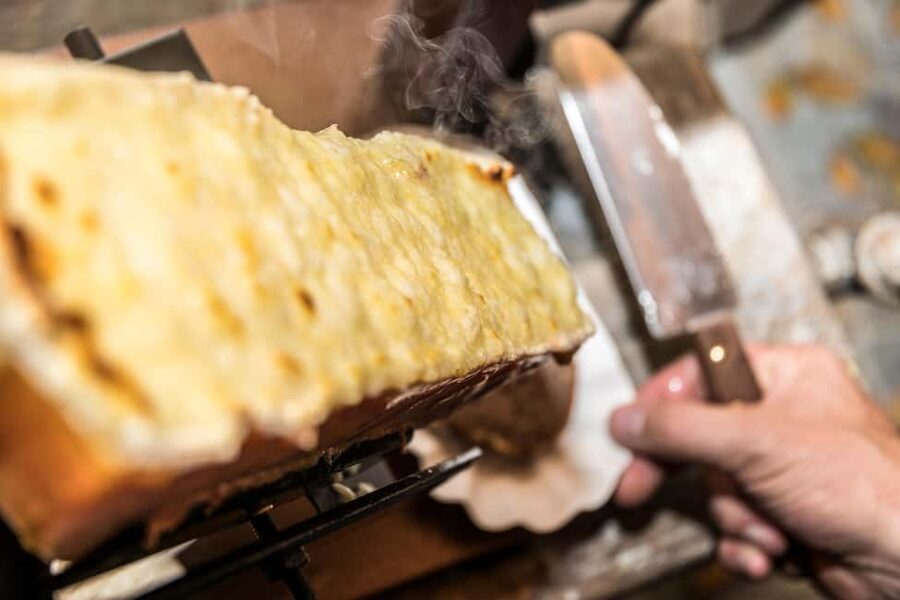
One of the best reasons to schedule this near the end of a Basel visit is the chance to purchase cheese after tasting. You can try first, choose later, and avoid buying an expensive piece of cheese that you do not enjoy.
The shop is described as sourcing from reputable farmers. That gives the buying part more purpose than a standard souvenir stop. You have already tasted several options, so you can pick a mild cheese for a cautious eater or a stronger aged variety for someone who enjoys bold flavors.
Ask the guide which cheese travels best if you plan to take some home. The supplied details do not specify packaging, transport rules, or storage arrangements, so do not assume the shop handles every travel situation. If you are flying or crossing a border, check the rules that apply to your destination.
You may also find chocolate available for purchase. Again, cheese is the main reason to come, but the combination can make the stop useful for edible gifts.
How the short timing affects your day
The booking information gives a duration of 35 minutes, while the tasting section is described as lasting 45 minutes. Individual sessions have also taken about 40 minutes. I would plan for a compact 35 to 45 minute experience, with a little extra time for finding the shop and making a purchase.
That timing is a strength if your Basel schedule is full. You can fit it between museums, shopping, or another appointment without giving up an entire afternoon. It also suits a stopover or a short visit to the city.
The short format has a limit. You will taste several cheeses and receive a useful introduction, but you will not cover every Swiss cheese region or spend hours on production history. Think of it as a concentrated lesson with food, not a complete study of Swiss cheesemaking.
The tasting is conducted in English, which makes the session easy to follow for English-speaking visitors. The live guide format also means you can ask questions directly rather than relying on a printed explanation.
Who should book this experience
I would recommend this tasting to you if you enjoy local food, want a short activity outside the main tourist route, or plan to buy quality Swiss cheese. It is also a good choice for people who are curious about the difference between young and aged cheese but do not know where to begin.
It works well for couples, small groups, and solo visitors who enjoy guided tastings. The 35 to 45 minute length keeps the commitment low, and the $24 price is fair for a guided sample of several cheeses, especially if you use the explanation to make a purchase afterward.
Families may appreciate the brief format, though the venue is small and the tasting is focused on strong flavors. Anyone with a food allergy should not book this experience, as it is specifically listed as unsuitable for people with food allergies.
You should think twice if you need a seated activity, want a full meal, or expect a large, polished visitor center. The small shop has charm, but it can feel tight, and you may stand for the session.
Booking details that matter
The activity offers free cancellation up to 24 hours before the scheduled time. You can also reserve now and pay later, which helps if your Basel plans are still shifting.
Check availability for the current starting times. The experience does not appear to operate like a shop with fixed open hours, so arriving without a booking is not a good plan.
Give yourself time to find Binningerstrasse 15. Since the address has caused confusion with map directions, compare the booking instructions with the location shown on your phone before setting out.
Should you book the Basel cheese tasting?
Book it if you want an affordable, short, food-focused introduction to Switzerland that goes beyond fondue and chocolate. The best features are the personal guidance, the range of cheeses, the attention to small producers, and the chance to taste before buying.
Skip it if you want a farm visit, a full meal, or a spacious seated venue. The timing and location need a little care, but for $24, this is a sensible Basel add-on for anyone who enjoys cheese and wants to understand what makes Swiss varieties different.
FAQ
Where does the cheese tasting begin?
The experience begins at Binningerstrasse 15 in Canton Basel, Switzerland.
Where does the experience finish?
You return to Binningerstrasse 15 after the tasting.
How long does the cheese tasting last?
The advertised duration is 35 minutes. The tasting portion is also described as about 45 minutes, and some sessions have taken roughly 40 minutes.
What language is the tour conducted in?
The live tour guide conducts the experience in English.
How many cheeses will I taste?
The experience includes a variety of Swiss cheeses, with about six varieties described in the tasting details.
Is Gruyère AOP included?
Yes. Gruyère AOP is specifically included among the Swiss cheeses discussed and tasted.
Will I learn how Swiss cheese is made?
Yes. The cheese sommelier explains Swiss cheese history, origins, and the AOP cheesemaking process.
Can I buy cheese after the tasting?
Yes. The location offers quality Swiss cheeses for purchase, including cheeses sourced from reputable farmers.
Is the experience wheelchair accessible?
Yes. The activity is listed as wheelchair accessible.
Can I cancel for a full refund?
Yes. You can cancel up to 24 hours in advance for a full refund.
Fresh off the menu around the world
- Taste of Chiang Mai: Michelin Guide & Street Food Tour★ 4.9 · 159 reviews
- Eat Porto Like a Local: The Ultimate Full-Meal Food Tour★ 5.0 · 97 reviews
- Vienna: The Ultimate Full Meal Austrian Food Tour★ 4.8 · 112 reviews
- Taste my Fribourg Self-Guided Food Tour★ 4.5 · 29 reviews
- Taste of Albania: Tirana Food Tour★ 5.0 · 26 reviews
- Jerez: Traditional Tapas Tour★ 4.6 · 138 reviews
- Taormina Pizza making class★ 4.8 · 140 reviews
- Taormina: Pizza Making Class with Lunch and Wine Tasting★ 4.8 · 145 reviews
Cheese and Charcuterie Tastings, compared.
Amsterdam: Guided Zaanse Schans, Windmills & Cheese Tour
Read our review →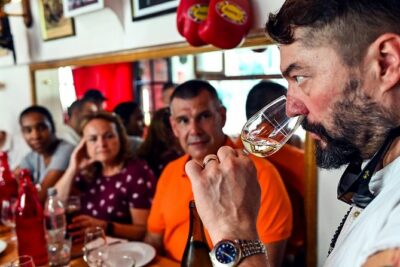
Private Montmartre Food Tour with Wine, Cheese & Pastries
Read our review →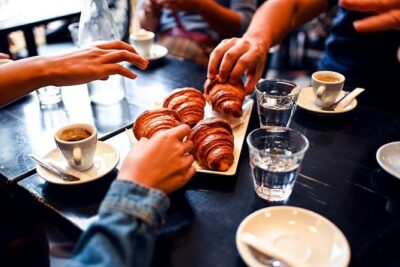
Paris Le Marais Food Tour With 10+ Tastings, Cheese, Wine & More
Read our review →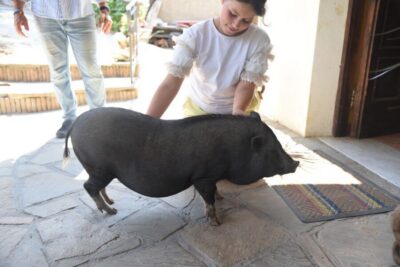
Sorrento: Farm Tour with Cheese Tasting & Pizza Making Class
Read our review →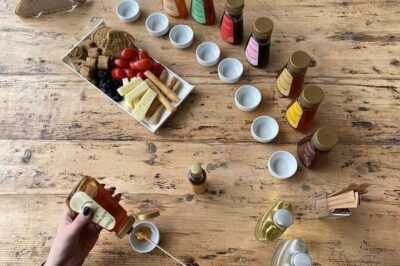
From Chania: Olive Oil, Wine, Cheese & Honey Tasting Tour
Read our review →
Le Marais Walking Food Tour with Cheese, Wine & Pastries
Read our review →
Bordeaux Gourmet Experience: Cheese & Wine Tasting
Read our review →Browse the lists this tour appears in