
Review · FRANCE
At the gates of Toulouse : Gourmet Tour – Walk and Tastings
Château Boujac puts the Négrette grape at the center of a relaxed 90-minute outing near Toulouse. You walk through the Fronton vineyard, learn how the local PDO works, see the family cellar, and finish with three wines beside cheese and charcuterie.
I like the mix of fresh air and cellar time, and I like that the price is only $29 per person. The friendly owner-led welcome and clear explanations suit beginners especially well. The main catch is that the vineyard walk is self-guided, with short signs that can be easy to miss, and the property has no public transport.
Key points to know before booking
- Négrette takes the starring role: Taste three wines made around Fronton’s local grape variety.
- The walk lasts about 45 minutes: You follow an independent path through the family vineyard.
- The cellar visit adds useful context: Learn about winemaking and bottling before tasting.
- The food is simple and regional: Expect a cheese and charcuterie platter, though portions may feel modest if you arrive hungry.
- The setting changes with the weather: Tasting takes place on the terrace or inside the cellar.
- Plan your ride home: A taxi may be difficult to find after you arrive, so arrange the return trip ahead of time.
A Fronton wine outing near Toulouse
Fronton offers a welcome change from the grand wine names that dominate many French itineraries. This is a smaller, more personal wine area north of Toulouse, where the local PDO Fronton is closely tied to Négrette, an endemic grape variety that gives the tasting its clear local identity.
At Château Boujac, the experience is built around that sense of place. You are not simply handed three glasses and sent on your way. First, you walk among the vines. Then you visit the cellar. Only after that do you taste the wines with food.
That order matters. The walk helps you understand where the wine begins, while the cellar explains what happens after the grapes leave the vine. By the time you sit down with your glass, you have a better idea of what makes Fronton different from a generic French wine tasting.
The atmosphere is intended to be simple and friendly rather than formal. That makes this a good fit if you want local character without a stiff lecture or an elaborate estate production.
More Gourmet Food Tours in France
- Authentic Parisian Gourmet Food Tour with 10 Local Dishes & Wines
★ 5.0 · 4,754 reviews - Montmartre Hill French Gourmet Food and Wine Tasting Walking Tour
★ 5.0 · 2,588 reviews - Paris Chocolate, Macaron & Pastry Food Tour: 10 Gourmet Tastings
★ 5.0 · 339 reviews
Following the 45-minute vineyard path
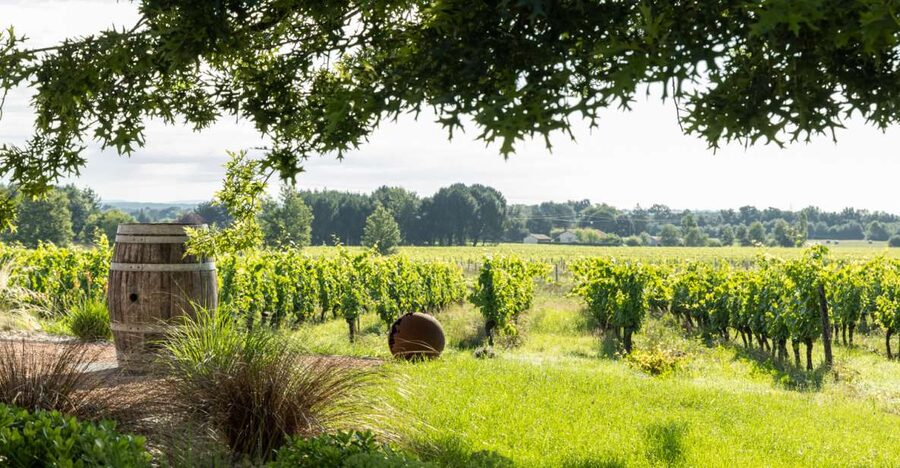
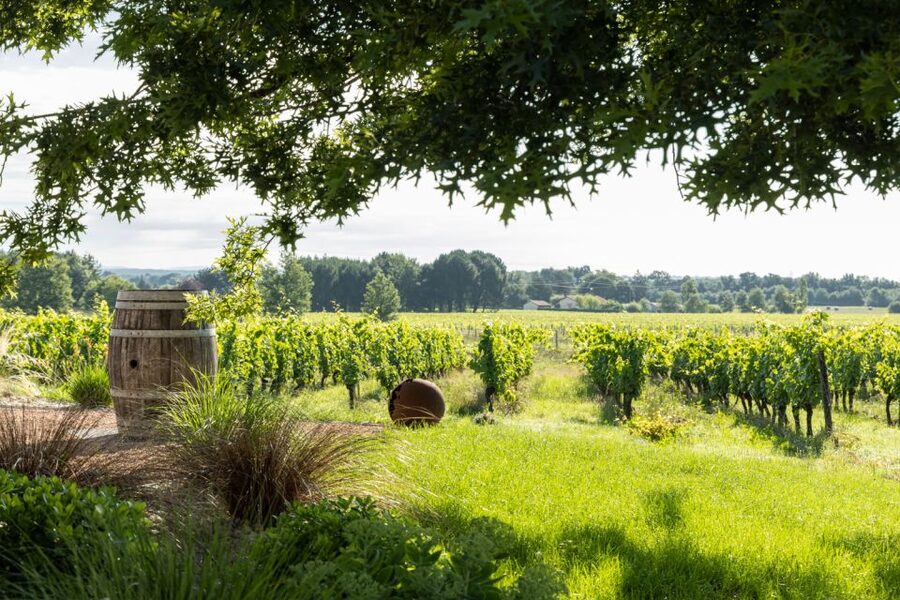
The first part is an independent walk through the Frontonnais vineyard. The route is described as accessible to all, and it takes about 45 minutes. Along the way, signs explain the PDO Fronton, the department, the estate, and parts of the local wine setting.
You set your own pace. That is useful for couples or families who do not want to stay locked to a guide’s walking speed. You can pause, look across the vines, and take in the rural setting before returning to the property.
The trade-off is that this is not a guided vineyard walk. The signs are short, and you should not expect a long conversation at every stop. Some people may find the information too light, especially if they already know about wine and want technical details.
I would pay close attention at the start and ask where the path begins. The route can be confusing at first, and it is possible to take a wrong turn. A quick orientation from the estate team would make the walk easier to follow, but you should still treat this as a self-guided stroll rather than a structured tour.
For a first introduction to Fronton, the walk does its job. It gives you physical contact with the vines and helps explain why a regional wine designation matters. If your main goal is an in-depth lesson about pruning, soil, grape yields, or seasonal vineyard work, this outing may feel too basic.
Learning what makes Fronton different
The vineyard portion introduces the PDO Fronton, which is important because the tasting is not just about a producer’s individual bottles. It is also about a local wine identity.
Négrette is the key point. This grape variety is associated with Fronton, and the estate uses it in its signature cuvées. You will have a chance to taste how the grape appears in different wines, although the exact cuvées are not specified in the activity details.
That local focus gives the experience more meaning than a tasting built around famous international grapes. You are learning one corner of southern France through the variety that helps define it.
The explanations are aimed at people who may not know much about wine. They are clear and not overly heavy, making the experience approachable for beginners. If you arrive with questions, the host can explain the wine and production methods in French or English.
The estate also provides information about the surrounding department and the family property. That family connection is part of the appeal. You are not only hearing general facts about French wine, but also getting a sense of how one estate presents its work.
Inside the Château Boujac cellar
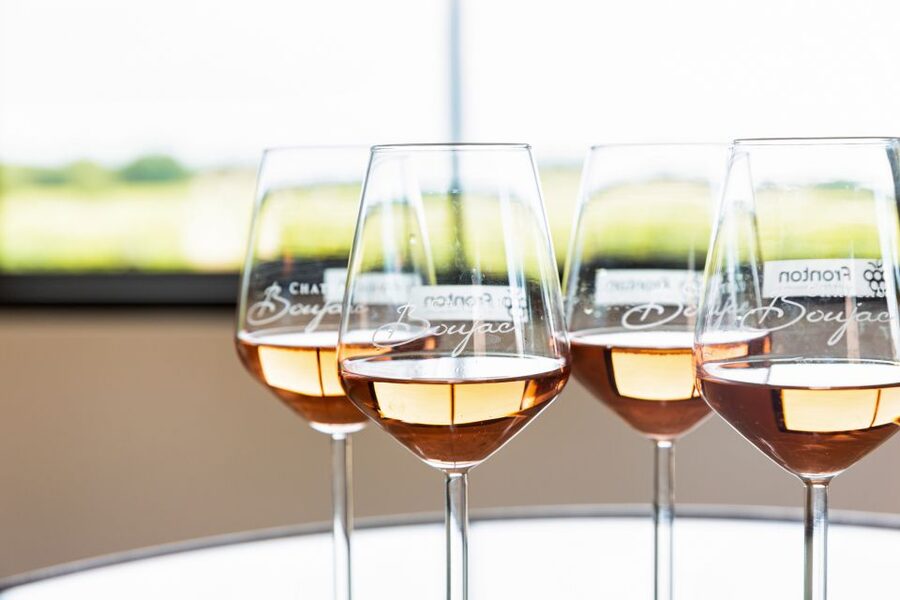
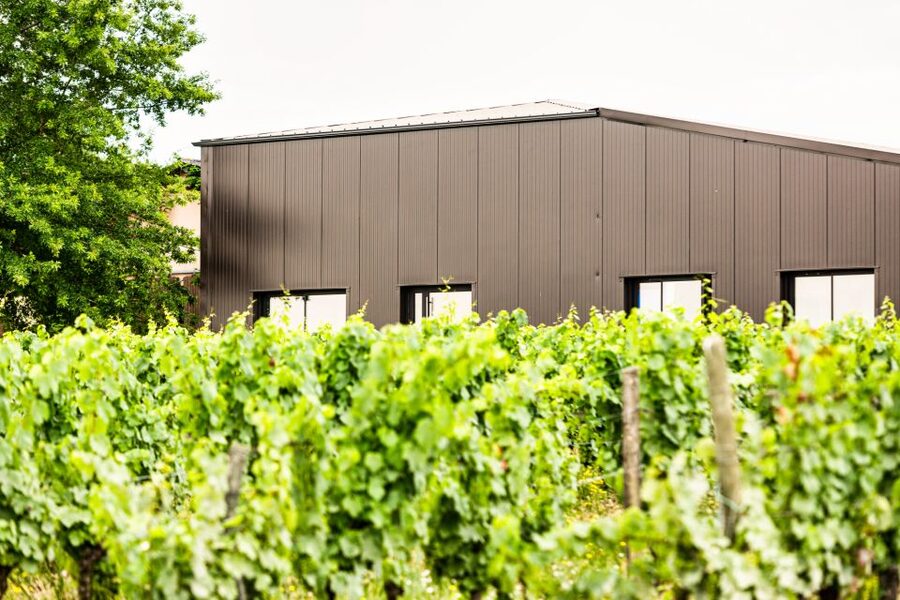
After the walk, you return to Château Boujac for a cellar visit. Here, the focus shifts from the vines to winemaking methods.
You can expect an explanation of how the wine is made and bottled. This part is short enough to fit within the 90-minute schedule, but it adds practical detail that the outdoor signs cannot provide.
I especially like this part for anyone who has visited vineyards before but has not had much explanation of what happens after harvest. The cellar connects the work outside with the finished bottle on your table.
The cellar also gives the host a chance to answer questions directly. A recent host welcomed the group alone and still provided clear guidance throughout the visit. That detail tells you something useful about the tone: this is likely to feel personal and hands-on, but it may also depend on the staff member available that day.
Do not expect a large production facility or a long technical masterclass based on the details provided. The cellar visit is one stage in a compact outing, not a separate two-hour lecture. Its strength is its friendly scale.
Same city, a different plate:
- Bateaux Parisiens Seine River Gourmet Dinner & Sightseeing Cruise
★ 4.5 · 6,930 reviews - Bateaux Parisiens Seine River Gourmet Lunch & Sightseeing Cruise
★ 4.5 · 2,680 reviews - Devour Paris Ultimate Food Tour
★ 5.0 · 2,087 reviews - Paris 3-Courses Gourmet Dinner Seine River Cruise with Champagne
★ 4.0 · 1,659 reviews
Tasting three wines with local food
The final section is the reward for the walk: a tasting of three wines, focused on the estate’s signature cuvées and the Négrette grape.
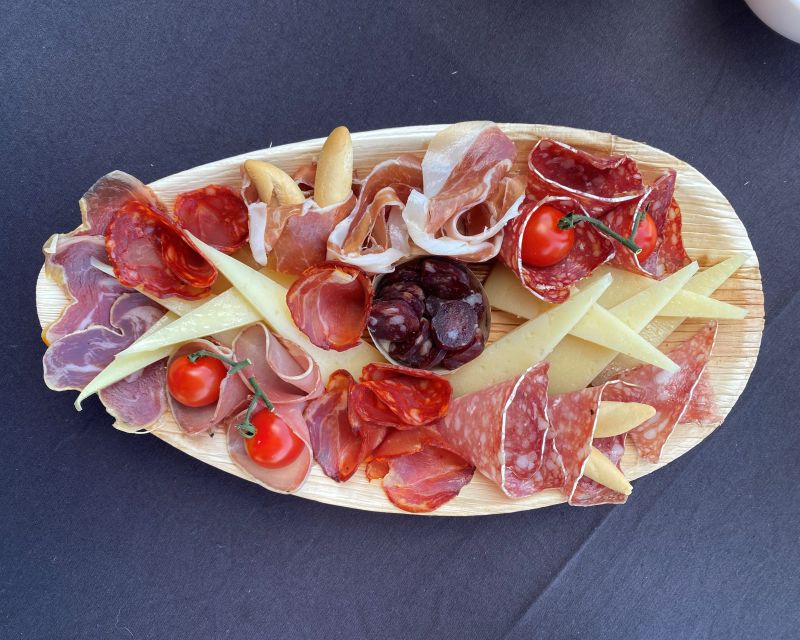
The wines are served with a platter of cheese and charcuterie. This is a classic southern French pairing, and it makes the tasting feel more like a social outing than a formal wine class. The food gives you something to eat between sips and helps turn the final part into a light lunch or substantial snack.
The platter has received strong praise for its quality, but portions can be on the small side. If you are arriving after a long morning or planning to make this your main meal, eat something beforehand. The food is included, but you should think of it as an accompaniment rather than a full restaurant lunch.
You can sit on the estate’s terrace when the weather is suitable. On a colder or wetter day, the tasting moves inside the cellar. The terrace should appeal to anyone who wants to enjoy the rural setting, while the cellar offers a more atmospheric option when the weather turns.
The tasting is also where the owner’s personal approach matters most. Questions about the wines are welcome, and explanations are available in French or English. You do not need advanced wine knowledge to take part. If you can describe what you like to drink, you have enough to begin.
What the tasting can teach you about Négrette
Négrette gives this activity a clear sense of purpose. Instead of tasting unrelated bottles, you are exploring one local variety through wines from the same estate.
That makes it easier to notice differences between cuvées, even if you are new to wine. You can ask how the wines vary, what the estate wants to express, and how the grape fits into the Fronton appellation.
The exact wine styles and vintages may vary, so I would not book this expecting a fixed list of bottles. The important promise is the regional focus, not a particular label.
For experienced wine drinkers, the tasting may be more introductory than technical. You are unlikely to get the depth of a specialist seminar in a 90-minute visit. But for a casual wine enthusiast, it offers a useful starting point and a chance to taste something strongly linked to the area.
The $29 price and what it includes
At $29 per person, this is a good-value short outing if you want several elements in one visit. The price includes the 45-minute self-guided walk, the cellar visit, three wines, and the cheese and charcuterie platter.
The value comes from the combination. A basic tasting might give you wine but no vineyard walk. A simple estate visit might show you the cellar but not include food. Here, you receive a compact introduction to the property and its local grape.
The experience is less suitable if you want a full meal, a long guided hike, or an advanced wine course. The price reflects a friendly introductory visit rather than an all-day estate program.
I also see value in the flexible cancellation terms. You can cancel up to 24 hours before the activity for a full refund, and you can reserve now and pay later. Those options are useful when your Toulouse plans depend on weather or a changing schedule.
Starting times depend on availability, so check the chosen date carefully before booking.
Getting to Château Boujac
Transport requires planning. There is no public transportation to the property, so you need to arrive by car, taxi, or another private arrangement.
The most important tip is for the return journey. A taxi can be hard to find once you are at the estate, so book the return trip in advance if you plan to use one. Do not assume you can simply call for a car after the tasting.
This matters even more because the final wine tasting is part of the experience. If you are drinking, plan responsibly and arrange a safe way back before you arrive.
The lack of public transport makes Château Boujac less convenient than a city-center tasting in Toulouse. In exchange, you get a vineyard setting and a quieter family estate. I would choose this outing when you already have access to a car or are comfortable arranging private transport.
Who will enjoy this experience most
This outing works particularly well for couples, families, and small groups of friends looking for an easy half-day-style escape from Toulouse. The walk is gentle in format, the information is accessible, and the food creates a relaxed finish.
It is also a good choice for wine beginners. You get basic explanations without being buried in technical language, and the host can answer questions in French or English.
Families should note that the tasting is clearly designed around adults and wine. The path is accessible, but the activity details do not promise child-focused entertainment or a separate children’s program.
Serious wine students may want more detail than the self-guided signs and short cellar explanation provide. If you want extensive vineyard science, a long producer discussion, or a formal tasting class, choose a more specialized experience.
The outing is also less suited to anyone who needs easy public transport. The remote access is part of the setting, but it is a real logistical issue.
Small details that can shape your day
Wear comfortable shoes for the vineyard path. The walk is described as accessible, but it is still an outdoor route rather than a seated tasting from start to finish.
Give yourself enough time to find the meeting point and the beginning of the path. Since the signage can be brief, listen carefully to the initial instructions and keep an eye out for the marked route.
Do not arrive expecting a large buffet. The platter includes cheese and charcuterie and has been praised for its quality, but it may feel modest as a meal.
Weather can change the mood and location of the tasting. A sunny day allows you to sit outside on the terrace, while poor weather moves the experience indoors to the cellar. Both settings fit the wine visit, but the terrace offers more of the countryside atmosphere.
The overall tone is personal rather than polished and corporate. That is a benefit if you like meeting the people behind a family estate. It also means the exact rhythm may depend on the day’s staffing and conditions.
Should you book the Château Boujac wine tour?
Book this experience if you want a short, affordable introduction to Fronton wine with a vineyard walk, three tastings, and a simple local food platter. The focus on Négrette gives the visit a strong regional purpose, and the friendly explanations make it easy for beginners.
Think twice if you need public transportation, want a full meal, or expect a fully guided vineyard walk with detailed signs at every stop. The self-guided section is the weakest part, and the route may require a little attention at the start.
For the right visitor, Château Boujac offers a pleasant connection between Toulouse and the surrounding wine country. Arrange your ride home, keep your expectations focused on an informal introduction, and you will get good value from the 90-minute visit.
FAQ
How long does the Château Boujac wine experience last?
The activity lasts 90 minutes. About 45 minutes are set aside for the self-guided vineyard walk, followed by the cellar visit, wine tasting, and food.
How many wines are included?
The tasting includes three wines. The wines focus on the estate’s signature cuvées and the Négrette grape variety associated with Fronton.
Is the vineyard walk guided?
No. The vineyard portion is a self-guided walk on a path with signs explaining the Fronton PDO, the department, and the family estate.
Is food included?
Yes. A platter of cheese and charcuterie is included with the wine tasting. It is best treated as an accompaniment or generous snack rather than a guaranteed full meal.
Is public transportation available to the property?
No. There is no public transportation to the property. If you take a taxi, arrange the return trip ahead of time because finding one at the estate can be difficult.
Can the activity be canceled for a refund?
Yes. You can cancel up to 24 hours in advance for a full refund. The activity also offers reserve now and pay later booking.
Fresh off the menu around France
- Strasbourg: Traditional Food Walking Tour with Tastings★ 4.8 · 219 reviews
- Strasbourg Food Tour : Gourmet Tour with tastings★ 4.7 · 73 reviews
- Strasbourg: 2-Hour Gourmet Walking Tour★ 4.1 · 39 reviews
- Strasbourg: Culinary Tour★ 4.5 · 43 reviews
- Sarlat Gourmet Tour & Market Visit with Tastings★ 4.6 · 57 reviews
- From Bordeaux: Saint-Emilion Wine Tasting Tour★ 4.8 · 24 reviews
- Saint-Emilion: Grand Cru Classé Gourmet Visit★ 4.5 · 60 reviews
- Passy-Grigny: Chocolate and Champagne Tasting Tour★ 4.8 · 284 reviews
France Food Tours, compared.
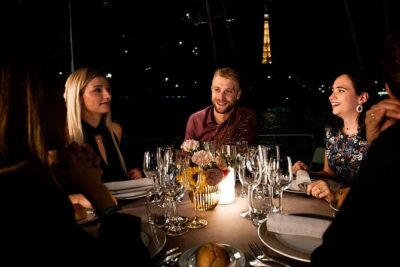
Bateaux Parisiens Seine River Gourmet Dinner & Sightseeing Cruise
Read our review →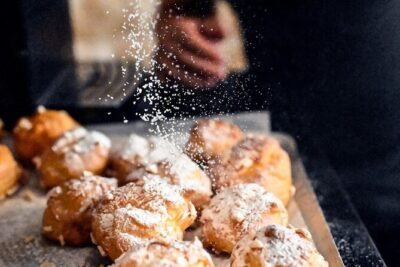
Authentic Parisian Gourmet Food Tour with 10 Local Dishes & Wines
Read our review →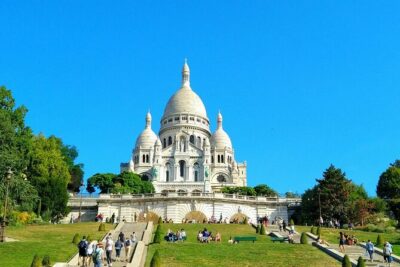
Montmartre Hill French Gourmet Food and Wine Tasting Walking Tour
Read our review →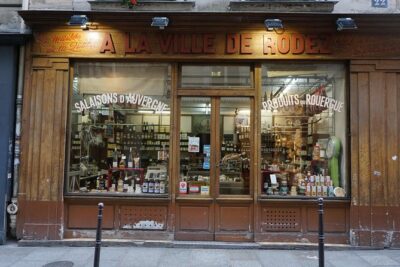
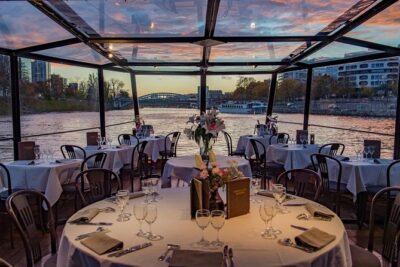
Paris 3-Courses Gourmet Dinner Seine River Cruise with Champagne
Read our review →
Paris Gourmet Dinner Seine River Cruise with Singer and DJ Set
Read our review →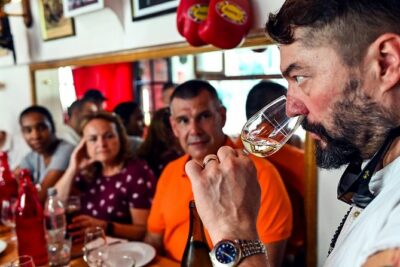
Private Montmartre Food Tour with Wine, Cheese & Pastries
Read our review →
Paris Le Marais Food Tour With 10+ Tastings, Cheese, Wine & More
Read our review →Browse the lists this tour appears in