
Review · INDIA
Agra: Street Food Walking Tour, Spice Market, & Tuk-tuk Ride
Agra’s most revealing moments may happen far from the Taj Mahal, in the narrow lanes where shopkeepers sell spices, sweets, jewelry, textiles, and daily necessities. This tour puts you in that old-city whirl by tuk-tuk, with a local guide to explain the sights and help you move through traffic and crowded market streets.
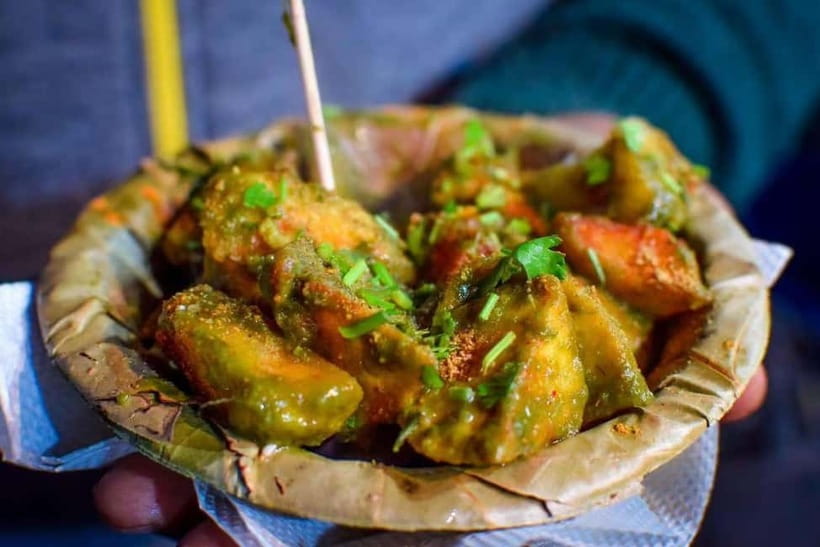
I like two things here: the mix of food and culture, and the easy hotel pickup and return. You can taste samosa, aloo tikki, pani tikki, dosa or chole bhature, sweets, and clay-pot masala tea while visiting Jama Masjid and Mankameshwar Temple. The main consideration is that this is a street-life tour with food, not a full sit-down dinner, and a handicraft shop visit may be part of the route.
Key points at a glance
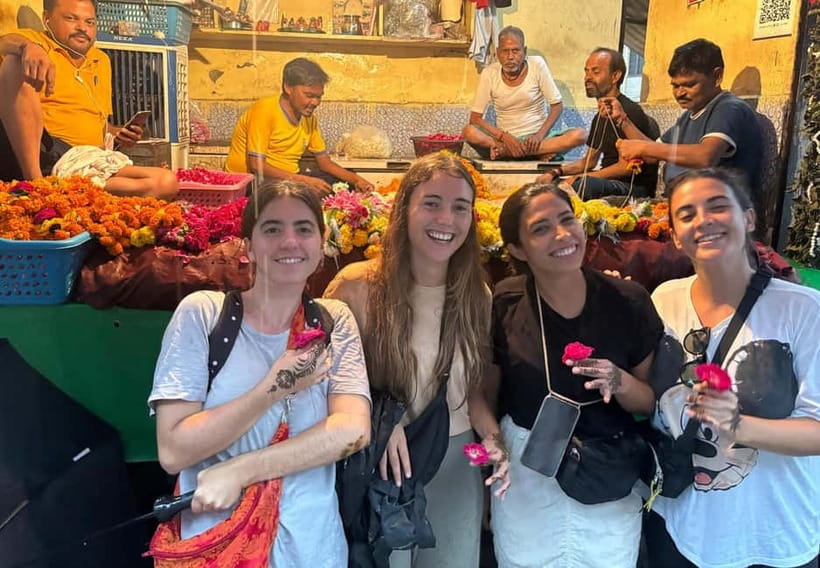
- Old Agra beyond the Taj Mahal: Walk through Kinari Bazaar, Rawatpara, and Seth Gali, areas many visitors would struggle to navigate alone.
- Two important religious sites: Visit Jama Masjid and Mankameshwar Temple, with clothing that covers your shoulders and knees.
- A real street-food sampler: Try several small dishes, sweets, and masala tea, with the food option selected at booking.
- Tuk-tuk transportation included: Pickup and drop-off are offered from hotels, railway stations, or another agreed location in Agra.
- Strong guide presence: Farman and Amir receive repeated praise for clear English, local insight, patience, and care in traffic.
- Good value at $14: The price is modest for a private guide, local transport, market walk, and food tastings, though shopping stops may affect the feel of the tour.
Why this tour gives you a different Agra
Most first visits to Agra revolve around the Taj Mahal and Agra Fort. Those sights deserve their place, but they can leave you with only a polished view of the city. This experience takes you into the working center of old Agra, where religious buildings, food stalls, workshops, and market lanes sit close together.
You are not simply taken from one photo stop to another. The point is to notice how the city functions. A guide can explain the history of the old quarter, the role of the bazaars, the buildings you pass, and the customs connected with the temple and mosque.
The tour is private, so you can ask questions and adjust the pace more easily than on a large group outing. Guides named Farman and Amir are frequently praised for friendly conversation, clear English, help with photography, and looking after solo visitors. Spanish is also offered.
The tour lasts two to three hours. The walking portion is roughly 90 minutes, with the rest made up of tuk-tuk transfers, visits, food stops, and browsing. That distinction matters. If you want a long, serious food crawl, this may feel short. If you want a compact introduction to old Agra after seeing the major monuments, the length works well.
More Street Food Tours in India
- Mumbai: Street Food and Night Markets Tour
★ 4.9 · 719 reviews - Old Delhi Street Food Tour
★ 5.0 · 497 reviews - Delhi: Old Delhi Street Food Tour with Rickshaw Ride
★ 4.9 · 403 reviews
The tuk-tuk ride into old Agra
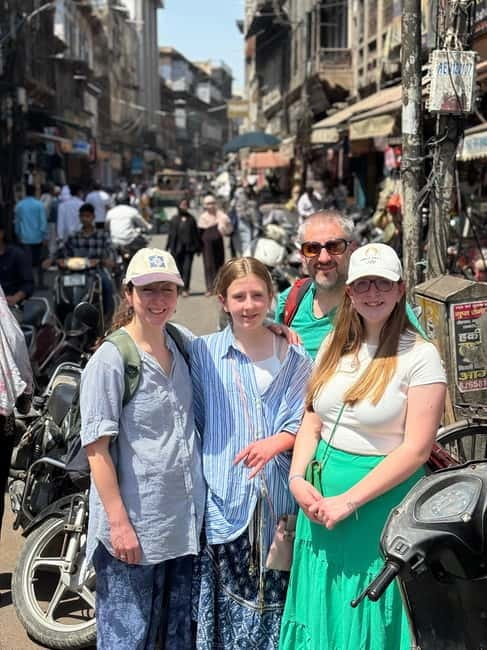
Pickup is offered from your Agra hotel, railway station, or another agreed location. The first transfer is listed at about 15 minutes, though traffic can affect the actual time. Agra’s roads can be hectic, and the tuk-tuk is part of the experience rather than just a practical shuttle.
You will be close to the sounds and movement of the street. The ride can feel thrilling, especially if you are new to Indian traffic. Guides and drivers are praised for keeping visitors together and driving carefully, but you should still expect noise, sudden stops, and a lively road scene.
For many people, the tuk-tuk adds charm and saves energy. Old Agra’s lanes are confusing, and arriving directly with a local driver means you do not have to work out the route yourself. If you dislike open-air traffic or need a calm, highly predictable transfer, this may be the least comfortable part of the outing.
Jama Masjid and the Mughal side of Agra
The first major stop is Jama Masjid, also called the Friday Mosque. It is known for its Mughal architecture and is one of the largest mosques in India. The visit lasts about 30 minutes and includes time for photographs, sightseeing, and an explanation from your guide.
This stop gives useful context before the market walk. Agra is often presented through the Taj Mahal alone, but Jama Masjid shows another side of the city’s Mughal past. Look at the scale, arches, and decorative details while your guide explains what you are seeing.
This is an active religious place, not only a monument. Dress with care, follow instructions about footwear and behavior, and keep your voice respectful. You should wear clothing that covers your knees and shoulders for both religious sites on the tour.
The mosque is a visit rather than an extended monument tour. Entrance tickets to monuments are not included, so ask your guide or booking provider what, if anything, is payable at the site. The experience is mainly about seeing the building and understanding its setting.
Mankameshwar Temple and local faith
A short walk takes you to Shri Mankameshwar Mandir, an ancient temple dedicated to Lord Shiva. The contrast with Jama Masjid is one of the tour’s best features. Within a short distance, you see two important places of worship tied to different faith traditions and to the daily life of Agra.
The temple visit also helps explain why the old city feels layered. Religious buildings are not isolated attractions here. They are part of neighborhoods filled with shops, food sellers, worshippers, and people going about ordinary business.
Expect another 30-minute stop with a guided visit and time for photographs. Dress modestly, follow local instructions, and be ready for a close-up look at local religious practice rather than a quiet museum visit.
The walk between stops is worth taking slowly. Narrow streets, changing shopfronts, and small architectural details are easier to notice on foot than from a vehicle. This is also where comfortable shoes matter most.
Same city, a different plate:
- The Great Indian Food Tour: Old Delhi Food and Heritage Walk
★ 5.0 · 1,698 reviews - Feni and Tapas – Food Trail with Tastings & Drinks by Make It Happen
★ 5.0 · 409 reviews - Delhi Food Walk: Rickshaw Ride, Street Eats & Market Tour
★ 5.0 · 401 reviews - Old Delhi Food Tour: A Night Time Feast
★ 5.0 · 326 reviews
Seth Gali and the first taste of Agra
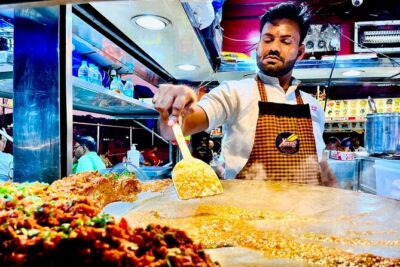
Seth Gali is the main food stop. Here you can sample a range of local snacks, depending on the option chosen and what is available during the visit. The advertised selection includes samosa, dosa, chole bhature, aloo tikki, pani tikki, sweets, and masala tea served in a clay cup.
You may be offered several small portions rather than one large meal. That is useful because you can try more dishes without committing to a full plate of one unfamiliar item. Some food is spicy, rich, fried, or sweet, so pace yourself and tell the guide about any limits or preferences.
The food is part of the neighborhood experience. You may eat near brightly lit shops and busy lanes rather than at a restaurant designed for international visitors. That can make the stop feel more genuine, but it also means the surroundings may look basic by Western standards.
A few practical points help. Bring water, since drinks are not included, and use the food option carefully when booking. The tour includes street-food snacks and sweets only if that option is selected. Several people found the food sufficient for an evening meal, while another description of the experience fairly calls it a snack-focused tour. Your appetite and selected package will make the difference.
Season matters too. Gajar ka halwa, a warm carrot dessert, is especially associated with winter and may not be available in warmer months. Food choices can change with the season and the day.
Rawatpara Road and the spice market
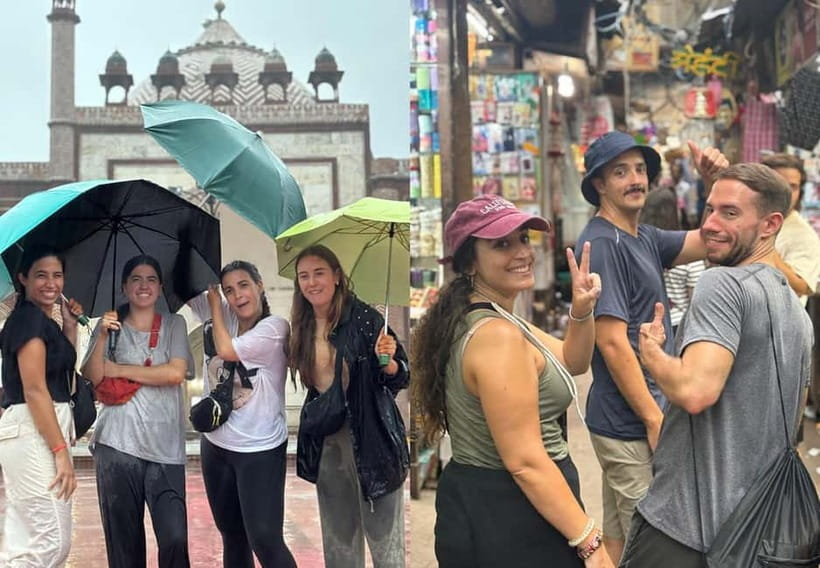
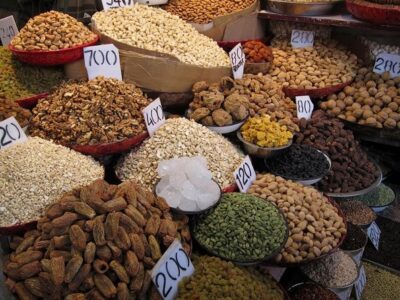
Rawatpara is Agra’s spice market, and it brings a strong change of mood. This is where the tour becomes a feast for the nose as well as the eyes. Piles of spices, sacks, shop displays, and the smell of tea and cooking food create the kind of scene that is difficult to understand from a sightseeing bus.
Your guide helps put the products in context and points out what you are looking at. You can browse, ask questions, and possibly buy tea or spices. If you plan to shop, carry small amounts of cash and keep purchases compact, since the tour continues on foot and by tuk-tuk.
The market is not arranged for easy strolling. Expect tight lanes, uneven walking, traffic, and people moving in several directions. That is part of its appeal, but anyone who wants a quiet, spacious market should set expectations differently.
I especially like this section for first-time visitors to India. It gives you a controlled introduction to ordinary market life without asking you to find the spice district by yourself. Your guide can also help you cross streets, avoid confusion, and keep the walk manageable.
Kinari Bazaar and the shopping question
Kinari Bazaar brings jewelry, textiles, embroidery, handicrafts, and other traditional goods. It is a strong place to see the commercial side of old Agra, and you may find small gifts or souvenirs here.
The bazaar can be crowded and visually intense. Give yourself time to look, but do not feel obliged to buy. Some versions of the tour include a craft or carpet workshop, marble and stone work, jewelry, or embroidery shop. These visits can be interesting when you want to understand local production, but they can also turn into a sales pitch.
That is the main caveat to keep in mind. A few visitors enjoyed seeing artisans and buying unusual souvenirs, while another found the shop visit too sales-focused. If you prefer a tour with no shopping component, say so clearly at the start. If you enjoy browsing and might buy a gift, the stop can add value.
Your guide may also help with practical purchases, such as sunglasses or sweets, and can point you toward shops that suit your budget. Still, keep control of your time and money. A friendly guide does not mean you need to make a purchase.
Food, safety, and comfort in the old city
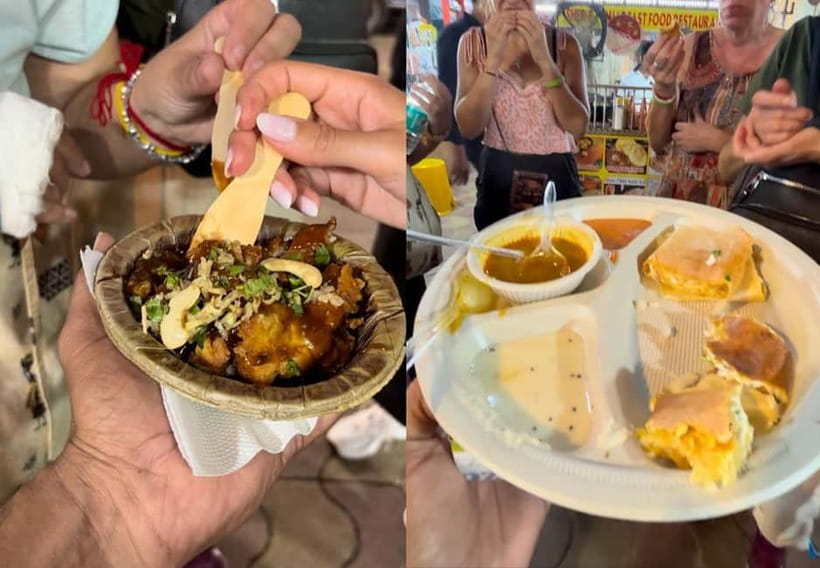
The food stops are intended to be local and informal. That is why the tour appeals to adventurous eaters who want to try dishes they might not identify or order alone. At the same time, the stalls may look less polished than restaurants used to serving international visitors.
If you are cautious with food, tell your guide before the first stop and begin with small portions. The tour is not advertised as suitable for people with pre-existing medical conditions, and it is not recommended for pregnant women. Drinks are not included, so carry water.
Traffic is another reason the guide matters. The old city can be confusing, and the lanes require attention. Solo women have found the guided walk reassuring, and guides have been praised for staying close, helping with traffic, and handling unwanted approaches. That does not remove the need for normal city awareness, but it makes the route easier to manage.
Wear comfortable shoes and loose, modest clothing. Knees and shoulders should be covered for the mosque and temple. Alcohol and drugs are not allowed.
Timing your two to three hours
The suggested winter start is between 2 p.m. and 4 p.m. In summer, the suggested start is between 4 p.m. and 6 p.m. The later summer timing can make the walk more comfortable, while the winter window gives you a chance to see the markets during the afternoon and early evening.
The timing also affects food. Seasonal sweets may appear in winter, while evening market activity can change the atmosphere of the lanes. If you have a Taj Mahal visit the same day, leave enough room for delays and tell the guide about fixed plans.
One useful feature is flexibility. A guide has adjusted start times for visitors who wanted to fit in a sunset Taj Mahal visit. Do not assume every change is possible, but ask early if your schedule is tight.
The tour ends with a tuk-tuk ride back to your original departure point. That return transfer is valuable after walking through crowded streets, especially if you are carrying spices, textiles, or souvenirs.
What the $14 price really buys
At $14 per person, this is inexpensive for a private local guide, tuk-tuk transportation, hotel pickup and drop-off, and guided visits to several parts of old Agra. If you select the food option, the snacks and sweets add to the value.
The price works best if you see this as a compact orientation tour. You are paying for local navigation, cultural explanation, transport, and access to food stalls you might not find alone. The guide is the main value, not the quantity of food.
There are two possible limits. Monument entrance tickets are not included, and drinks cost extra. Also, if the craft stop becomes a sales visit, some of your short tour may be spent shopping rather than eating or walking.
At this price, those limits are reasonable, but you should know them before booking. Ask whether your chosen rate includes food, how much time is planned for shopping, and if any entrance fee is expected.
Who should book this Agra food walk
I would choose this tour if you have already seen, or plan to see, the Taj Mahal and want a closer look at everyday Agra. It suits solo visitors, couples, and families who want a guide in the old market lanes without committing to a full-day program.
It is also a good first-evening activity. The route gives you an introduction to local food, faith, shopping, and transport in a few hours. Guides such as Farman and Amir are a particularly good fit if you want conversation, history, help with photos, and practical assistance along the way.
You may want another option if you need a formal restaurant meal, dislike traffic, avoid fried or spicy food, or have very limited walking ability. The tour moves through crowded streets and includes religious-site visits, so it is not a relaxed coach excursion.
Should you book it?
Book it if you want old Agra rather than only the postcard Agra. The combination of Jama Masjid, Mankameshwar Temple, Rawatpara spices, Kinari Bazaar, local snacks, and tuk-tuk transport gives you a useful slice of city life for a low price.
Go in with clear expectations. This is a short, snack-based walking tour with some possible shopping, not a long restaurant crawl. Select the food option if you want the tastings included, bring water, dress modestly, and tell your guide if you would rather limit the handicraft stop. For most visitors with a spare afternoon or evening, it is an inexpensive way to see the parts of Agra that a Taj Mahal visit cannot show you.
FAQ
How long does the Agra street-food tour last?
The activity lasts about two to three hours. The walking portion is roughly 90 minutes, with the remaining time used for tuk-tuk transfers, visits, food stops, and market exploration.
What food can I try?
The advertised tastings include samosa, dosa, chole bhature, aloo tikki, pani tikki, sweets, and masala tea served in a clay cup. The exact selection may vary, and snacks and sweets are included only if you choose the food option.
Is hotel pickup and drop-off included?
Yes. Pickup and return are offered from hotels, railway stations, or another agreed location in Agra. Transport is by tuk-tuk.
Which religious sites does the tour visit?
The route includes Jama Masjid and Shri Mankameshwar Mandir, an ancient temple dedicated to Lord Shiva. You should wear clothing that covers your shoulders and knees.
Are entrance tickets and drinks included?
Monument entrance tickets and drinks are not included. Check whether any entrance fee applies to your chosen visit and carry money for water or other drinks.
What languages are available, and who are the guides?
Live guiding is available in English and Spanish. Guides named Farman and Amir lead this experience, depending on availability.
More Food Tours by Scooter in India
- Delhi: Old Delhi City Tour with Tuk-Tuk Ride & Street Food
★ 4.8 · 88 reviews - Delhi: Old Delhi City Tour with Tuk Tuk Ride & Street Food
★ 4.9 · 46 reviews - Agra: Street Food Tour with Spice Market on Tuk-Tuk Ride
★ 4.7 · 23 reviews - Ho Chi Minh City Street Food Tour & Sightseeing By Motorbike
★ 5.0 · 9,413 reviews
More Market Food Tours in India
- Mumbai Street Food & Night Markets
★ 5.0 · 225 reviews - Mumbai Street Food Tour with Evening Bazaar Walk
★ 4.9 · 79 reviews - Delhi: Old Delhi’s Street Food, Temples & Spice Market Tour
★ 5.0 · 30 reviews - Agra: Sadar Bazar Food Market Night Walking Tour by Tuk-Tuk
★ 4.9 · 25 reviews
Fresh off the menu around India
- Old Delhi: Guided Street Food Tour w/ Private Transportation★ 5.0 · 49 reviews
- Old Delhi Street Food Tour★ 4.8 · 40 reviews
- Delhi: Old Delhi City Tour with Tuk Tuk Ride & Street Food★ 4.9 · 46 reviews
- Old Delhi Food Tour: 8 Tastings & Trusted Local Stops★ 5.0 · 33 reviews
- Old Delhi Food Tour: A Night Time Feast★ 5.0 · 326 reviews
- Old Delhi: 3-hour Street Food Tour★ 4.6 · 37 reviews
- Munnar: Tea trail, Tea Factory, and Tea Tasting Tour★ 4.9 · 47 reviews
- Mumbai Street Food Tour with Evening Bazaar Walk★ 4.9 · 79 reviews
India Food Tours, compared.
The Great Indian Food Tour: Old Delhi Food and Heritage Walk
Read our review →

Feni and Tapas – Food Trail with Tastings & Drinks by Make It Happen
Read our review →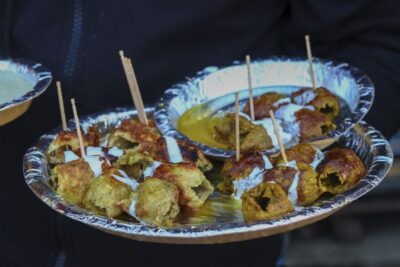
Delhi: Old Delhi Street Food Tour with Rickshaw Ride
Read our review →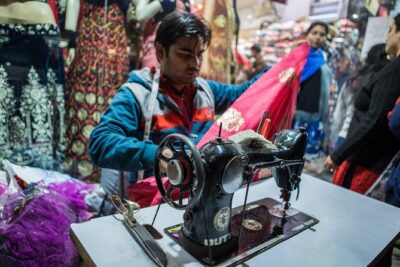
Delhi Food Walk: Rickshaw Ride, Street Eats & Market Tour
Read our review →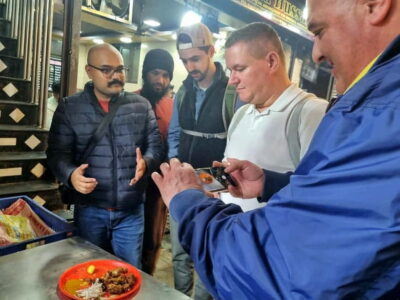
Browse the lists this tour appears in