
Review · SPAIN
Granada: Walking Food Tour
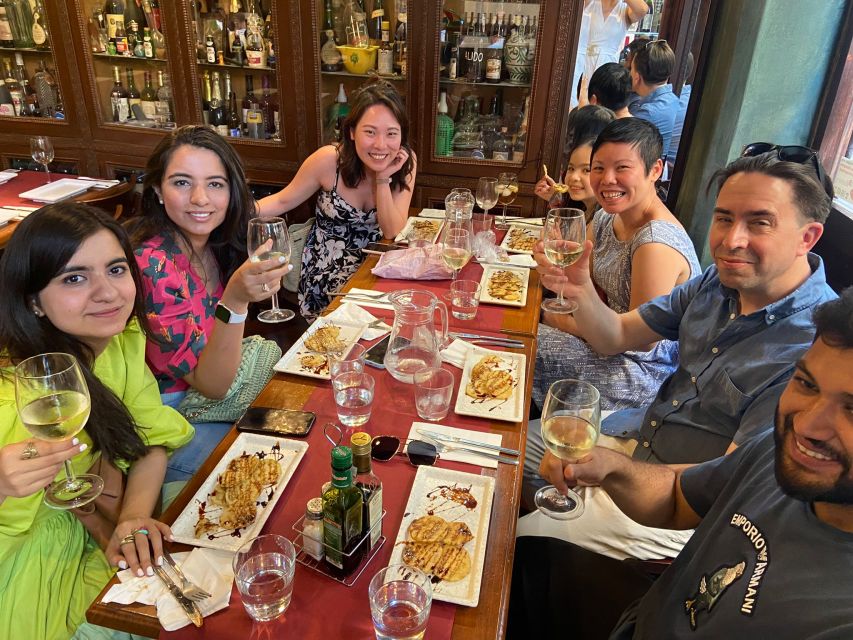
Granada’s food is a history lesson you can eat. On this 3.5-hour walking tour, you move from ham and olive oil to tapas, wine, vermouth, and full local dishes while learning how Roman, Sephardic, Berber, and Nasrid influences shaped the city’s table. I like the way the tour connects food to place, especially the Alpujarra ham cured in mountain air and the old-city stops you might not find on your own. I also like that the food is intended to replace a full lunch or dinner, not merely provide a few nibbles.
The guides bring useful experience. Katia has worked as a chef and restaurant owner in Granada, while Laura, Bruce, Marcel, Molly, Kate, Emma, and other Spain Food Sherpas guides have led groups with different personalities and interests. The main consideration is the walking: this is not suitable for wheelchair users, and the route includes several food stops rather than one long seated meal.
Key points to know before booking
- Three and a half hours of food: Expect enough dishes and drinks for a full lunch or dinner, with several stops along the way.
- A strong local focus: Try Granada Serrano ham, Iberian ham, regional wines, olive oil, vermouth, tapas, and traditional recipes.
- Chikito adds history: This historic restaurant once drew local artists, writers, and poets, and remains a key stop for Granada cuisine.
- Guides make the difference: Katia, Laura, Bruce, Marcel, and others bring food, wine, restaurant, and city knowledge to the walk.
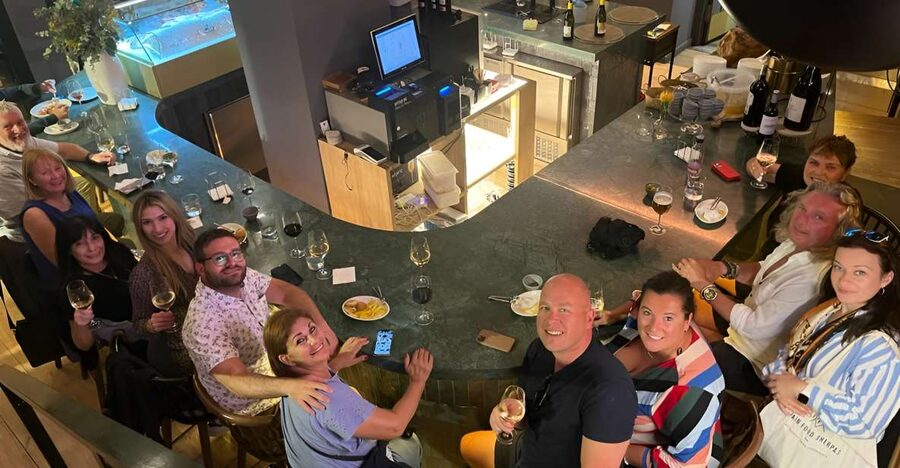
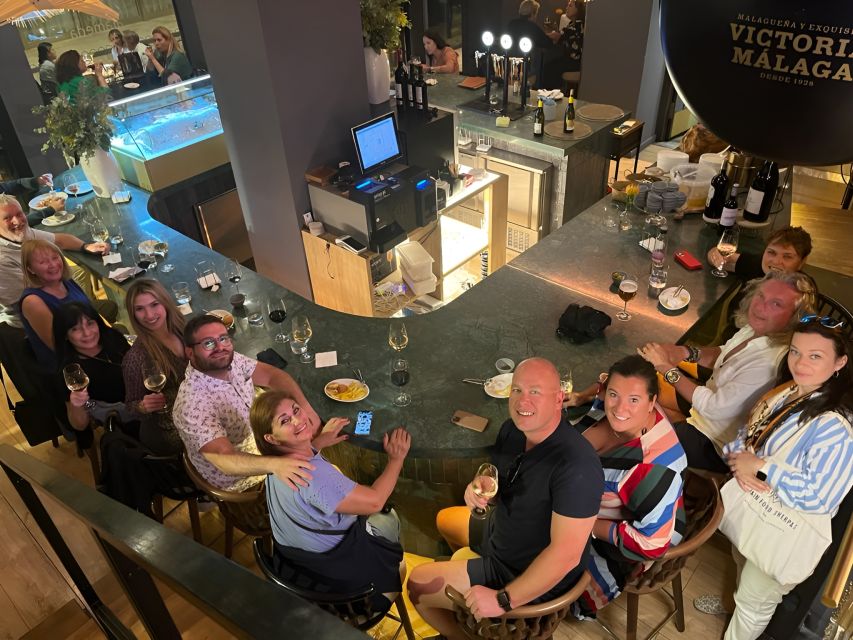
- Small groups help: The maximum is 10 people, making questions and dietary requests easier to manage.
- Book early in your stay: The food advice and restaurant suggestions can help you order better for the rest of your time in Granada.
Why Granada food makes a good walking tour
Granada is often treated as a city of the Alhambra, flamenco, and hilltop views. Those are essential, but the city’s food explains its past in a more immediate way. A ham cured in the Alpujarras, an olive oil pressed in the province, or a dish with Moorish seasoning can tell you where Granada has been and how different cultures left their mark.
The tour sets out to explain those links rather than simply march you from bar to bar. You hear about Sephardic, Berber, Nasrid, and Roman influences, along with the traditions of modern Andalusia. That matters because many visitors recognize Spanish food in broad terms but miss the regional differences.
I particularly like the focus on products from Granada province. It keeps the experience from becoming a general Spanish tapas tour. You get a closer look at what makes this part of Andalusia distinct, including local ham, wine, olive oil, sweets, spices, and pork dishes.
More Food Walking Tours in Spain:
- Barcelona: Food Walking Tour with Tapas and Wine
★ 4.9 · 2,180 reviews - Barcelona: Guided Food Walking Tour with Tapas and Wine
★ 5.0 · 848 reviews - Barcelona: El Born Food Walking Tour with Tapas and Drinks
★ 4.9 · 662 reviews
Starting near Puerta Real
The meeting point is the kiosk beside Teatro Isabel La Catholica, on the Casino sidewalk near Puerta Real. Arrive five minutes early. The operator can wait no longer than 15 minutes after the scheduled start, so this is not the moment to rely on a last-minute taxi or a slow search for the meeting spot.
The central location works well for an introductory food tour. You begin in an area that connects several parts of central Granada, then move through bars, restaurants, shops, and streets where everyday food culture is easier to see than in a formal sightseeing setting.
The exact route can vary with the guide and the day. That is useful rather than troublesome. A guide may adjust the stops, explain a shop in greater detail, or respond to what the group wants to know. The experience is less like following a rigid checklist and more like spending an evening with someone who knows where to eat.
Ham from the Alpujarras and Andalusia
Ham is one of the tour’s central subjects. You learn how ham is cured in mountain villages of the Alpujarra, where the fresh Sierra Nevada air helps with the process. The mountain setting gives you a clearer sense of why this product belongs to Granada, rather than treating jamón as a single national category.
You taste different hams, including Serrano from Granada and the more prestigious Iberian ham produced in Andalusia. This comparison is useful because the names can blur together on a menu. Tasting them side by side gives you a better feel for differences in texture, flavor, and price.
The ham stop also gives the guide a chance to explain how Spanish food production works. One guide, Kate, used the tour to explain the region’s major exports, including olive oil and wine, as well as the making of jamón. That sort of practical context is more helpful than a list of food names.
The tour does not include the Iberian ham tasting on Saturday evenings. Check the day of your booking if that particular tasting matters to you.
Tapas bars, restaurants, and full plates
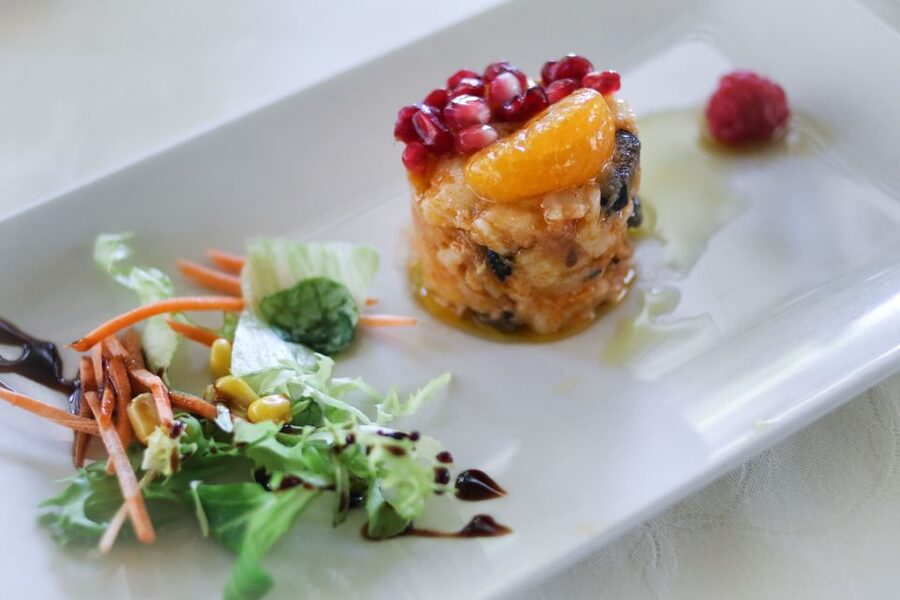
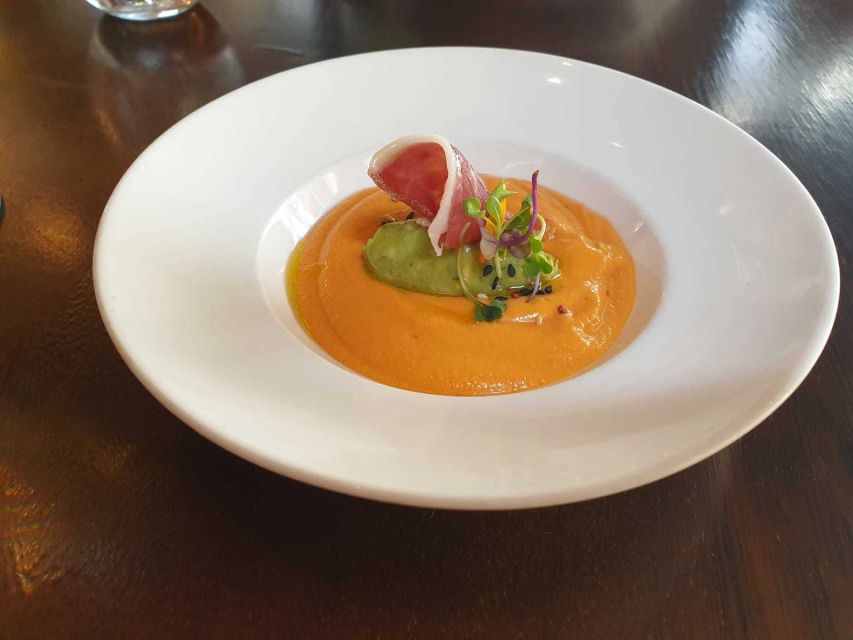
The food is not limited to small tapas. Several stops can include generous portions, so you should arrive hungry. The exact dishes change, but examples from the experience include oxtail croquettes, pork with saffron, presa ibérica, queso de cerdo, and other local recipes.
At La Cueva 1900, the queso de cerdo has been one of the memorable tastings. At Chikito, you might try presa ibérica or another traditional recipe in a setting with a strong connection to Granada’s cultural life. Chikito was a meeting place for local artists, writers, and poets in the early 1900s, so the restaurant adds atmosphere as well as food.
The oxtail croquette has earned particular praise, and the pork with saffron has also been a highlight. These dishes show the useful range of the tour. You are not only sampling cold cuts and bread. You may also get carefully prepared restaurant dishes that explain how familiar local ingredients appear in modern kitchens.
A practical point: this is presented as enough food for a full lunch or dinner. Several people have found the portions more than sufficient, with no need for another meal afterward. If you plan a major restaurant reservation immediately after the tour, give yourself plenty of time or expect to cancel it.
More food tours around Spain:
- Madrid: Live Flamenco Show with Food and Drinks Options
★ 4.5 · 9,901 reviews - Montserrat Half-Day Tour with Tapas and Gourmet Wines
★ 5.0 · 7,359 reviews - Montserrat & Cogwheel Train, Gourmet Wine Tasting & Tapas/Lunch
★ 5.0 · 6,290 reviews - Barcelona: Tapas Walking Tour with Food, Wine, and History
★ 4.8 · 4,261 reviews
Chikito and Granada’s cultural table
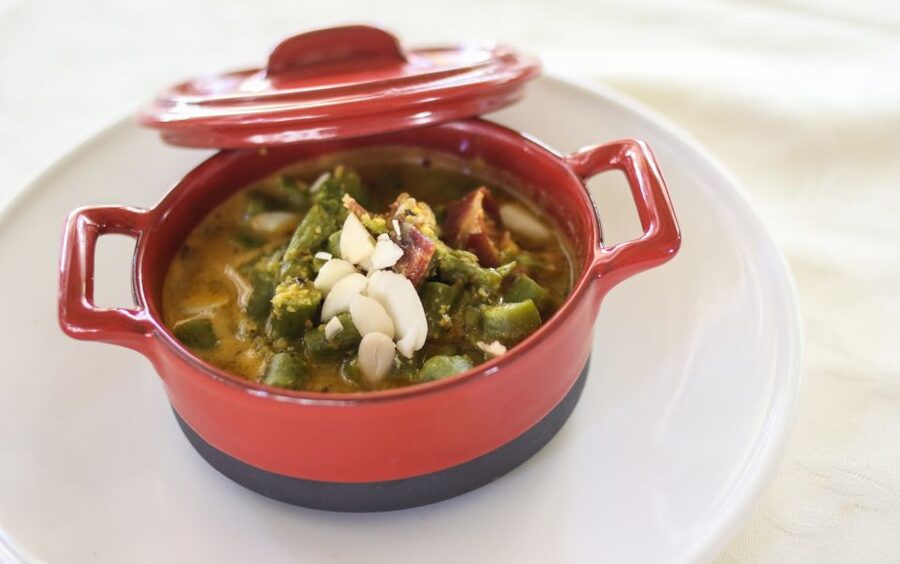
Chikito is more than a convenient restaurant stop. Its past connects eating with the city’s literary and artistic circles, especially in the early twentieth century. That makes it a good place to discuss how food and social life overlap in Granada.
The point is not to turn dinner into a museum lecture. The guide uses the setting to explain local recipes, customs, and the way Granada’s food culture developed. I like this balance. You get a proper dish in a real restaurant, but you also learn why the place matters.
The experience can include three restaurants or a mix of bars, shops, and restaurants, depending on the route. The stops are selected to show variety rather than repeat the same kind of tapa. You might move from ham to a cooked dish, then to wine, sweets, spices, or olive oil.
Wine, vermouth, and Tinto de Verano
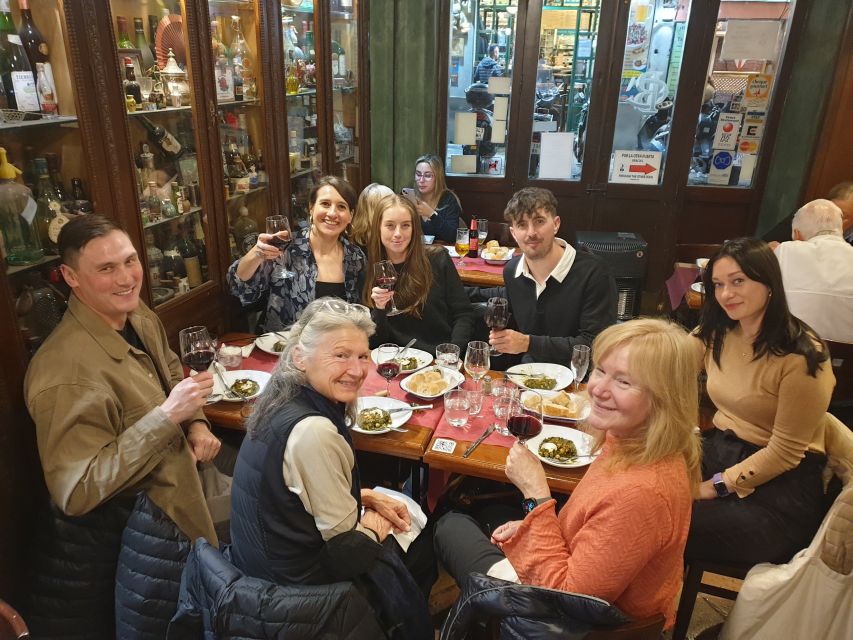
Drinks are a substantial part of the experience. You may taste wines from the Granada region, along with Tinto de Verano and vermouth. The guide explains how the drinks fit with the food instead of handing you a glass without context.
Regional wine is especially useful for anyone who normally associates Spanish wine only with Rioja or Cava. The tour gives you a chance to taste wines produced in Granada province and learn how they work with local dishes.
Tinto de Verano is a simple Spanish summer drink, and vermouth provides a different kind of aperitif experience. These are not just tasting-room samples. They help you understand what people order before or alongside food in Andalusia.
Additional drinks are not included, so you will need to pay for anything beyond the planned tastings. If you do not drink wine, the tour still offers plenty to eat and learn. One family with children and no interest in wine particularly valued the olive oil tasting, food production discussion, and local restaurant visits.
Olive oil, spices, sweets, and the souk
The food stops can extend beyond bars and restaurants. The route may include an olive oil shop, spice shops, sweet shops, and the souk area. These visits give the tour a useful shopping angle, especially if you want to take home edible gifts.
The olive oil tasting is one of the more instructive parts. You can compare different oils and learn how olive oil is made, rather than simply being told that Andalusia produces a lot of it. If you find one you like, you can return to the shop later to buy a bottle.
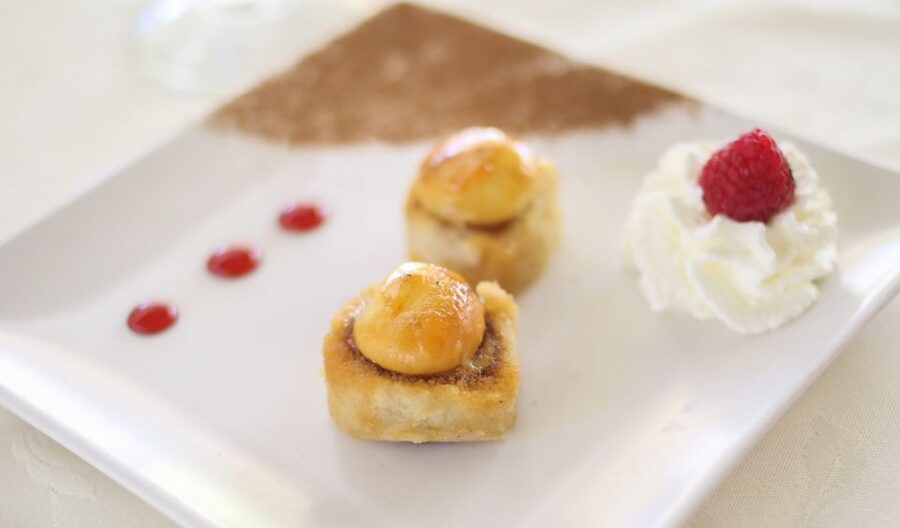
The spice and sweet stops add texture to the walk. They show ingredients that may not appear in a standard plate of tapas, and they give you ideas for what to look for in Granada’s food shops. The tour can therefore work as both a meal and a short introduction to local food shopping.
Do not expect a dedicated market tour or a long shopping session. These are supporting stops within the larger food route. Their value is in showing how the city’s culinary life extends beyond restaurant tables.
The guides: Katia, Laura, Bruce, and Marcel
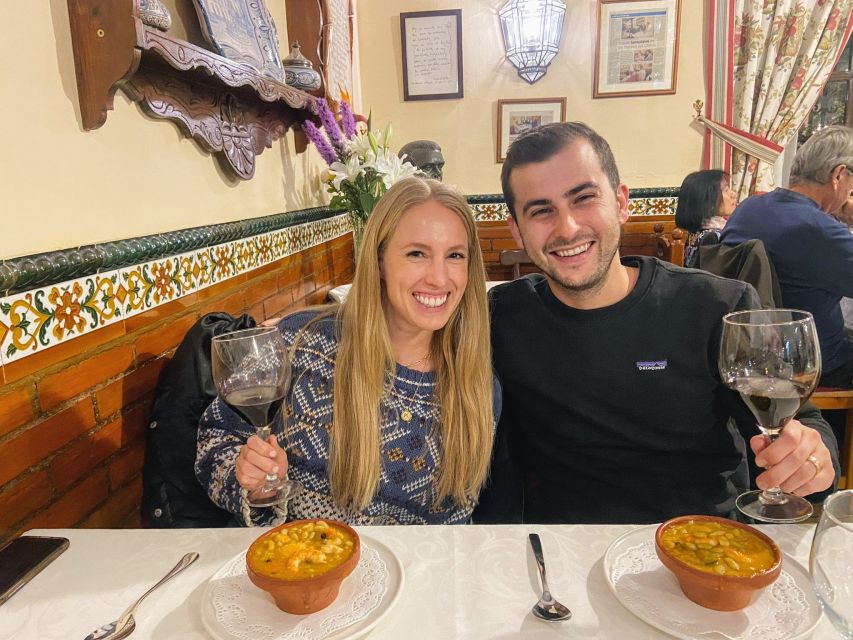
The guide has a large effect on this experience. Katia has restaurant and chef experience in Granada, and she is particularly well suited to questions about wine, olive oil, food preparation, and restaurant customs. Her background gives the explanations a practical edge.
Laura has led groups through bars, restaurants, spice shops, sweet shops, and the souk area. She is also from Granada, which helps when you want local context rather than a general account of Spain. Her relaxed manner has worked well for small groups and for people who want to ask plenty of questions.
Bruce is often praised for clear explanations, city history, restaurant choices, and a calm sense of humor. He can also help you get your bearings in central Granada. Marcel brings a lively personality and wide-ranging knowledge of Spanish food, politics, and history, and has been especially careful with allergy concerns.
Other named guides include Kate, Molly, Lara, and Emma. The assigned guide depends on the date, but the pattern is clear: this is a guide-led experience, not a self-guided list of restaurant vouchers. The strongest part of the tour is the explanation between tastings.
Is $82 good value?
At $82 per person, the tour is not cheap by casual tapas standards. You could eat some tapas for less, especially if you rely on Granada’s customary small plates and choose modest drinks.
The value improves when you count what is included: food and drinks sufficient for a full meal, several stops, an English-speaking guide, regional wine, ham tastings, restaurant dishes, and the time saved researching where to go. You are also paying for access to a food story, not only for calories.
The tour makes the most financial sense if you treat it as your main lunch or dinner. It is less appealing if you want only a short snack crawl or if you already have strong local food knowledge and a list of restaurants.
The small group helps justify the cost. With a maximum of 10 participants, the guide can answer questions and watch for dietary needs more easily than on a large coach-style outing. The group can also feel personal when it is smaller, though the actual number depends on bookings.
Who should book this Granada food walk?
I would choose this tour for a first visit to Granada, especially if you want food and orientation on the same afternoon or evening. Several guides also offer useful restaurant suggestions at the end, so booking early in your stay gives you time to use that advice.
It suits people who want cultural context with their meal. You will hear about food production, regional exports, Spanish history, and the development of Granada’s cuisine while moving around the center.
It is also a good match for curious eaters who want to try ham, pork, wine, olive oil, traditional recipes, and local drinks. You do not need to be a wine expert. The guides explain the basics and keep the mood informal.
Families can take part, though the food and drink program is not designed only for children. People who do not drink wine can still enjoy the food, olive oil, shops, and history. Tell the operator about dietary requirements when booking.
The main mismatch is mobility. The activity is not suitable for wheelchair users, and anyone who finds several hours of walking and standing difficult should consider a shorter food experience.
Useful booking details
The tour lasts 3.5 hours, with starting times available according to the date. It is offered in English with a live guide. Pick-up and drop-off are not included, so you make your own way to the meeting point near Puerta Real.
Cancellation is free up to 24 hours before the activity for a full refund. You can also reserve now and pay later, which helps if your Granada plans are still shifting.
Arrive five minutes early. The 15-minute waiting limit is firm, and missing the start could mean missing the whole group.
Should you book the Granada Walking Food Tour?
Book it if you want a proper meal, local products, and a clear explanation of Granada’s food culture in one outing. The combination of Alpujarra ham, regional wine, olive oil, tapas, restaurant dishes, Chikito, and central city history gives you more than a basic bar crawl.
I would especially recommend it for your first or second day in Granada. You get your bearings, learn what to order, and leave with ideas for later meals. At $82, it asks more than an ordinary tapas evening, but the amount of food, number of stops, and guide-led context make it a fair choice for many visitors.
Skip it if you want a quick, inexpensive snack or if walking between several stops is not comfortable. For everyone else, Spain Food Sherpas offers a practical way to understand Granada through what is on the plate.
FAQ
How long does the Granada Walking Food Tour last?
The tour lasts 3.5 hours.
How much does the tour cost?
The listed price is $82 per person.
What food is included?
The tour includes food and drinks sufficient for a full lunch or dinner. Tastings can include local ham, Serrano ham from Granada, Iberian ham, tapas, traditional dishes, pork dishes, croquettes, and other local recipes.
What drinks are included?
Included drinks can include Granada-region wines, Tinto de Verano, vermouth, and other local drinks served during the tour. Additional drinks are not included.
Is Iberian ham included on Saturday evenings?
The Iberian ham tasting is not included on Saturday evenings.
Where does the tour meet?
The meeting point is the kiosk at Teatro Isabel La Catholica, on the Casino sidewalk near Puerta Real.
How early should I arrive?
Arrive five minutes before the scheduled start. The operator cannot wait more than 15 minutes after the start time.
Is this a private tour?
No. It is a small-group tour with a maximum of 10 participants.
Is the tour offered in English?
Yes. The tour has an English-speaking live guide.
Can people with dietary requirements join?
You should provide any specific dietary requirements when booking. The tour is not suitable for wheelchair users.
Can I cancel the booking?
Yes. You can cancel up to 24 hours in advance for a full refund. Reserve now and pay later is also available.
Fresh off the menu around Spain
- Jerez: Traditional Tapas Tour★ 4.6 · 138 reviews
- Seville Food Tour with Tapas & Drinks with a Local★ 4.8 · 98 reviews
- Seville: Tapas Walking Tour with Traditional Flamenco Show★ 4.9 · 100 reviews
- Seville: 3-Hour Tapas Tour by Bike★ 3.9 · 72 reviews
- Seville: Flavors of Andalucía Guided Food Tour with Tastings★ 4.9 · 332 reviews
- Seville: Food Tour with 10 Tastings of Tapas, Ham, Churros★ 4.7 · 22 reviews
- Santiago: Guided Foodie Tour with Drinks, Tapas & Live Music★ 4.7 · 153 reviews
- San Sebastian Food Tour with Pintxos & Drinks with a Local★ 5.0 · 26 reviews
Spain Food Tours, compared.

Madrid: Live Flamenco Show with Food and Drinks Options
Read our review →
Montserrat Half-Day Tour with Tapas and Gourmet Wines
Read our review →
Montserrat & Cogwheel Train, Gourmet Wine Tasting & Tapas/Lunch
Read our review →
Barcelona: Tapas Walking Tour with Food, Wine, and History
Read our review →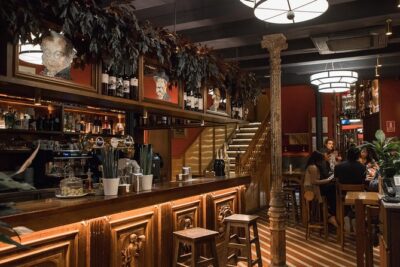
Madrid Tapas & Wine Tasting Walking Tour – Small Group Local Bars
Read our review →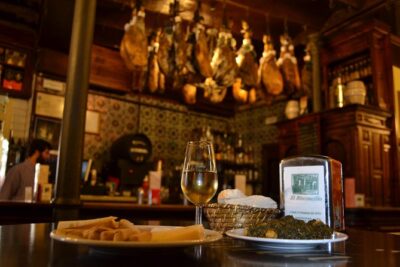
Sevilla Food Tour: Tapas, Wine, History & Traditions
Read our review →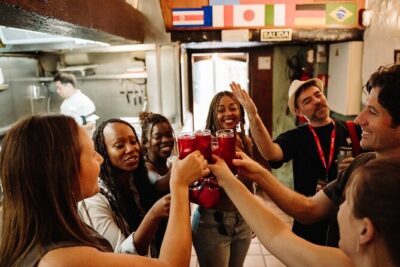
Madrid Tapas & Taverns Small Group Food & History Tour
Read our review →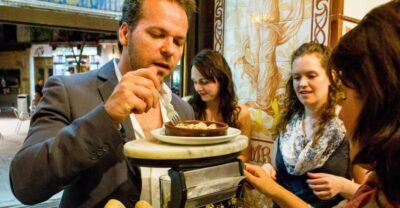
Madrid: Tapas & Wine Tasting Tour with Local Guide
Read our review →Browse the lists this tour appears in