
Review · POLAND
Warsaw: 4-Hour Polish Food Tour
Polish food is much more than pierogi, and this tour makes that clear one generous plate at a time. In four hours, you visit four to six carefully chosen places, try around ten tastings, and learn what dishes such as gołąbki and schabowy mean beyond their names on a menu. The finale is a traditional Warsaw dessert tied to a bridge, an odd little piece of local food lore that helps the city stick in your mind.
I like the small group of no more than eight, which gives you room to ask questions and keeps the meal from feeling like a moving crowd. I also like the broad range, from starters and Polish cheeses to soup, main courses, dessert, and optional drinks. The main catch is simple: this is a lot of food, and vegetarians may find the pork-heavy menu limiting.
Key points to know before you go
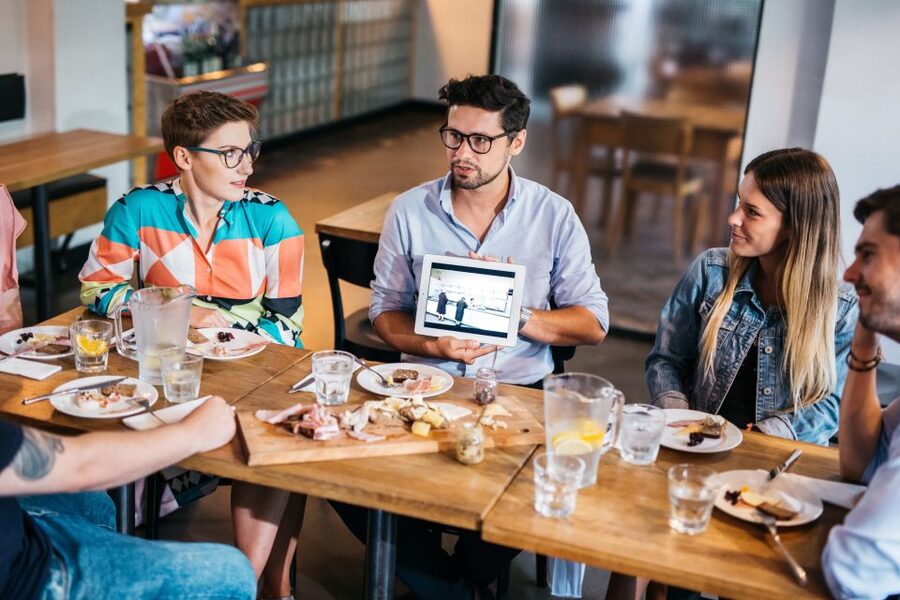
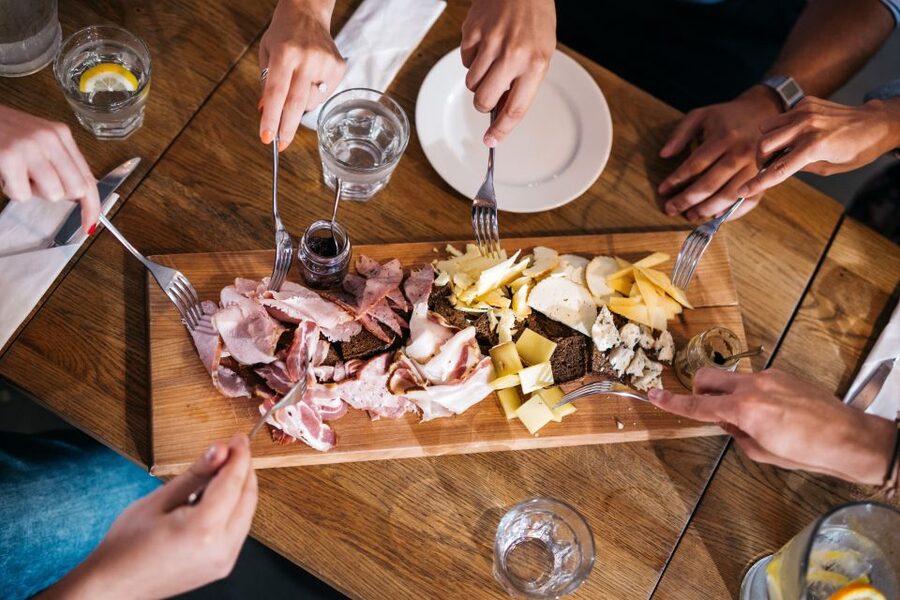
- About ten tastings make up a full meal: Expect starters, appetizers, soup, main dishes, cheese, and dessert rather than a few token samples.
- Four to six venues keep the meal moving: You get several food settings instead of sitting in one restaurant for the whole afternoon.
- The menu goes beyond pierogi: You learn about gołąbki, schabowy, Polish bread, cheeses, drinks, and traditional dinner customs.
- The tour meets at the palm-tree roundabout: Find the monument of a woman holding a wounded soldier in the green square by Nowy Świat, Smolna, and Al. Jerozolimskie.
- Guides bring food and city context together: Michal, Michael, Anna, Agata, and others have led this experience, with food history and Warsaw stories woven into the meal.
- A drink pairing is an optional upgrade: Three Polish drinks are available with the pairing option, while water is served at most places.
Starting at Warsaw’s palm-tree roundabout
The tour begins at 1:00 PM at Charles de Gaulle roundabout, a central Warsaw meeting point marked by the large palm tree in its middle. Your guide waits beside the monument showing a woman holding a wounded soldier, in the green square at the corner of Nowy Świat, Smolna, and Al. Jerozolimskie.
Give yourself extra time to find the right monument. The palm tree is easy to spot, but a busy roundabout has several corners and crossings. The meeting point is outdoors, so arriving a few minutes early will make the start less rushed.
The central location works well if you are already exploring Warsaw. Hotel pickup is not included, so you need to reach the roundabout on your own. After the meeting, expect walking between food stops, with enough movement to break up the meal but not so much that the tour becomes a sightseeing march.
Wear comfortable shoes. This matters less for distance than for the combination of pavement, standing, and several stops over four hours. You will be eating steadily, then walking a little before the next plate appears.
More food tours around Poland:
- Krakow Food Tasting Tour with Delicious Poland
★ 5.0 · 1,032 reviews - Warsaw’s No 1 cooking class-Polish dumplings with liqueur tasting
★ 5.0 · 576 reviews - Krakow: Tipsy Polish Food Tour With History, Pierogi & Shots
★ 4.9 · 439 reviews
The first lesson: Poland starts with more than pierogi
Pierogi are Poland’s best-known export, but this tour uses them as a starting point rather than the whole story. You may learn what the familiar cheese and potato filling means in Polish cooking, while also tasting dishes that are less common on English-language menus.
That wider view is the real point. Polish cooking includes home-style dumplings, stuffed cabbage, pork cutlets, soups, bread, dairy products, sweets, and drinks. The meal helps you connect those foods to everyday customs instead of treating them as isolated menu items.
The food is served across four to six establishments. The exact restaurants and food businesses can vary, so do not expect a fixed restaurant list. What you can count on is a progression through several types of tasting stop, with the guide explaining what you are eating and why it matters.
I appreciate this format because it gives the tour a sense of place. You are not simply handed ten plates in one dining room. You move through Warsaw and encounter food in more than one setting, including a mix of sit-down restaurants and street-food style stops reported by guests who took the tour.
What the tasting sequence may include
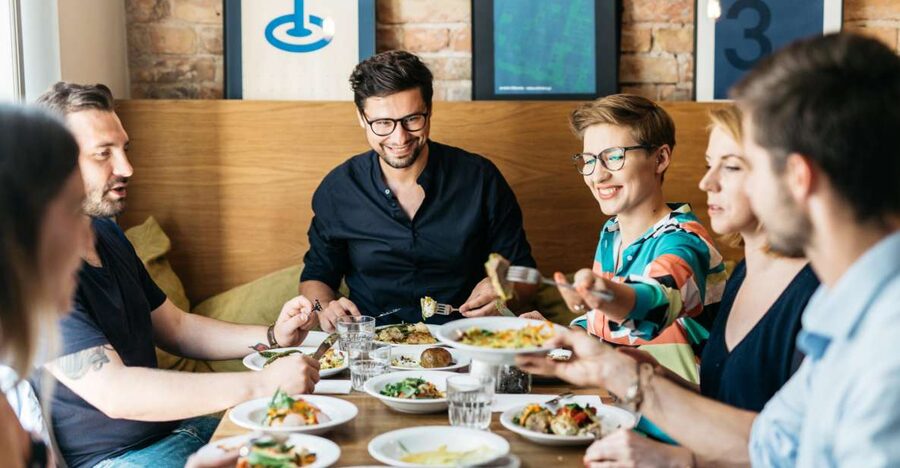
The food is designed to equal a full meal, not a snack crawl. The tasting list covers approximately ten plates, including starters, appetizers, soups, main courses, and dessert. The portions may be tasting-sized, but the combined amount is substantial.
Starters and Polish cheeses
The early part of the meal introduces lighter foods and a range of Polish cheeses. This is a useful correction to the idea that Polish food is only dumplings and meat. Cheese gives you a chance to notice how dairy fits into Polish eating, both as a simple food and as part of a larger meal.
You should pace yourself here. It is easy to eat enthusiastically at the first stop, then discover that soup, mains, and dessert are still waiting. The guide can explain the dishes as you go, and the small group makes it easier to ask about ingredients or preparation.
Same city, a different plate:
- Krakow: Street Food Walking Tour
★ 4.8 · 285 reviews - Krakow Pierogi Cooking Class with Market Visit & Home-Cooked Meal
★ 5.0 · 212 reviews - Krakow: Vodka Tasting Tour: Tapas, Tipsy Tales & Hidden Gems
★ 5.0 · 203 reviews - Krakow: Guided Polish Food and Culture Tour with Tastings
★ 4.8 · 134 reviews
Soup and the shape of a Polish dinner
Soup is an important part of the meal, and it gives the tour a chance to explain how a traditional Polish dinner is structured. You are not just tasting a single famous dish. You are building a picture of what a filling Polish meal can look like from beginning to end.
This is also where the tour’s food history becomes practical. You hear why Poles complain about bread quality and why some people still long for foods associated with the 1970s. Those details show how food memories are tied to daily life, changing standards, and the era a person grew up in.
The guide may also explain the Polish habit of hospitality. Hosts traditionally serve enough food to make the table look overwhelmed. That cultural habit explains why this tour feels closer to lunch or dinner than to a few samples between sights.
Main courses: gołąbki and schabowy
Gołąbki, usually described as stuffed cabbage rolls, and schabowy, a Polish pork cutlet, help you move into the main part of the meal. You will learn the Polish names and the place these dishes hold in ordinary cooking.
Schabowy is the one item that may feel familiar if you have eaten schnitzel or another breaded cutlet elsewhere in Europe. One participant felt this was less distinctive than a dish unique to Poland. That is a fair point. It may not be the most surprising bite of the afternoon, but it still helps explain a common Polish main course and how it fits into a traditional dinner.
The value depends on what you want. If you only want unusual food, a familiar cutlet may seem like a missed chance. If you want a grounded introduction to Polish home cooking, it belongs in the picture.
Dessert and the bridge connection
Dessert arrives after the savory food, and the guide explains what a traditional Warsaw sweet has to do with a bridge. The supplied details do not name the dessert or spell out the connection, so expect this to be a guided story rather than something you need to research in advance.
That final course is useful for another reason: it gives the meal a clear finish. You are not left with a list of dishes and no sense of how they fit together. Food, local custom, and Warsaw references meet in one last explanation.
Polish drinks and the coffee invitation joke
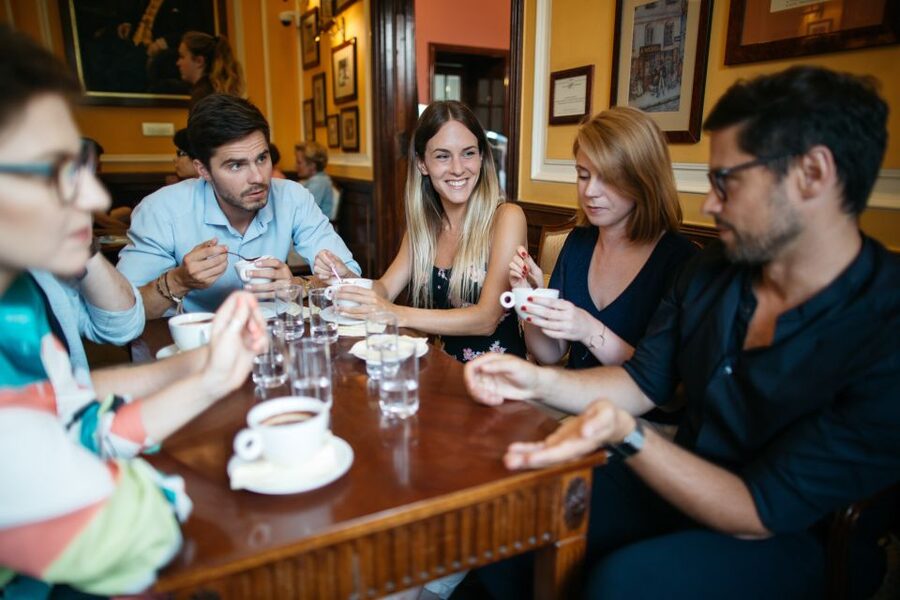
The tour includes water at most establishments. If you select the option with drink pairing, you also receive three Polish drinks. A non-alcoholic option is available, so minors can take part, and you should make sure the booking choice matches what you want to drink.
Additional drinks are not included. If you want anything beyond the listed water and pairing, plan to pay separately.
One of the tour’s more amusing cultural lessons concerns the phrase a cup of coffee. In Poland, a casual coffee invitation may involve much more food and hospitality than an English speaker expects. The guide uses this idea to explain why Polish hosts can make a simple visit feel like a serious meal.
That story fits the afternoon well. The tour is about dishes, but also about how Polish people offer food, remember food, and talk about food. You leave with a better sense of why a meal can carry social meaning.
The guides make the difference
The experience is conducted in English with a live guide, and the guide is an important part of the value. Named guides connected with this tour include Michal, Michael, Anna, and Agata. Individual assignments can change, but the strongest guide reports describe an energetic, patient, funny, and well-informed approach.
Michal has been praised for bringing energy to the food stops and for mixing traditional dishes with newer Polish food. Michael has been described as well prepared on Warsaw topics beyond the menu. Anna has led the tour with patience and charm, while Agata has guided groups of friends through the meal.
That range matters because four hours is a long time to spend with a guide. You want someone who can answer questions without turning every bite into a lecture. You also want enough local context to make the food memorable. The best fit is a guide who can move between ingredients, customs, and Warsaw life without losing the pace of the meal.
The group limit of eight helps here. You can hear the guide, ask about unfamiliar dishes, and talk with the other people at the table. It is a better setup for conversation than a large coach group.
Price and value at $115 per person
At $115 per person, this is not a cheap lunch. The price needs to cover several venues, about ten tastings, a bilingual guide, and the time involved in a four-hour small-group experience. With the drink-pairing option, three Polish drinks add to the food-focused format.
I think the price is easiest to justify if you treat the tour as both lunch and an introduction to Warsaw food culture. You receive enough food to replace a meal, plus explanations, restaurant suggestions, and a written summary with tips for places to try later. If you would otherwise spend an afternoon ordering random dishes and guessing what they are, the structure has real value.
Still, price-sensitive visitors may hesitate. One person found the cost high despite enjoying the tour. If you already know Polish food, speak with local friends, or prefer choosing your own inexpensive meals, you may not need this level of guidance.
The small group also affects the value. You are paying for a more personal setting rather than the lowest possible per-person food cost. For a first visit to Warsaw, that can be worthwhile. For repeat visitors focused mainly on eating cheaply, it may not be.
Who should book this Polish food tour?
I would choose this tour if you want a strong first look at Polish cuisine without spending time decoding every menu. It suits curious eaters, couples, families, and small groups who enjoy food stories as much as food itself.
It can also work well for mixed-age groups. A group that included two older parents and a teenager found the pace, food, and explanations suitable for everyone. The four-hour length gives the experience room to develop, while the walking keeps you from sitting in one place the whole time.
You should think twice if you are vegetarian. Polish cuisine is heavily based on pork, and many dishes served on the tour will not suit you. Allergies should be reported in advance so the menu can be adjusted. The available information does not promise that every dish can be replaced, so ask before booking if your restrictions are serious.
This is also not a good choice if you have a small appetite or plan a large lunch beforehand. The practical advice is to eat a light breakfast and skip lunch. Polish hospitality is generous, and the tour is built around that generosity.
Practical details for a smoother afternoon
The tour lasts four hours, with the start time listed at 1:00 PM. You should plan the rest of your day loosely because a full tasting meal can take the afternoon out of your schedule.
Book the drink-pairing option if trying Polish beverages is important to you. Choose the non-alcoholic option if needed. Extra drinks are not covered, and hotel transportation is not provided.
Cancellation is flexible up to 24 hours before the start for a full refund, and you can reserve now and pay later. The guide can refuse participation or ask someone to leave if that person is drunk, aggressive, or making the tour difficult to continue. That policy is ordinary practical protection for a small food group, and a refusal for that reason does not qualify for a refund.
The tour is listed as English-language, with a live guide. The supplied details do not give a full accessibility description, so contact the provider before booking if you need specific mobility arrangements.
Should you book it?
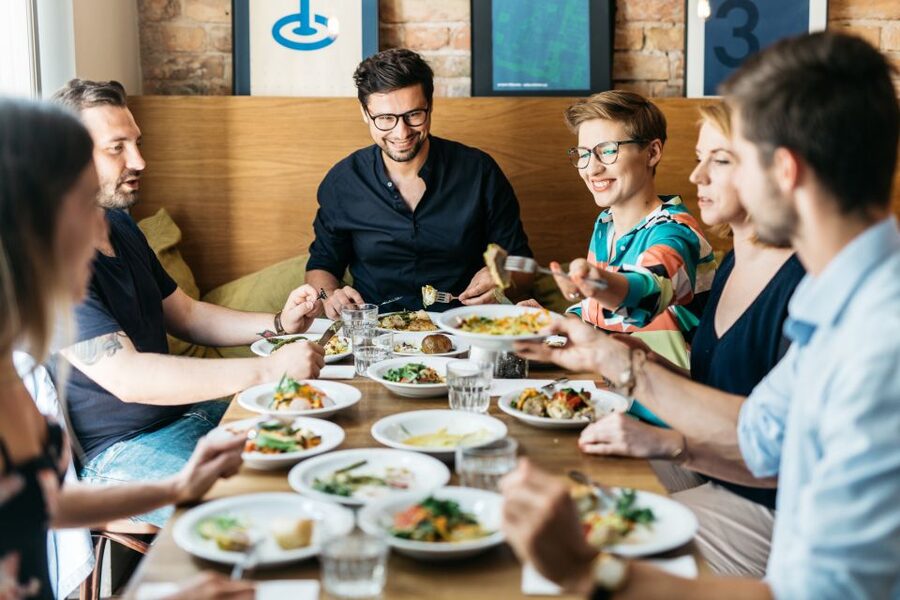
Book it if you want a filling, guided introduction to Polish food with enough context to keep eating well after the tour ends. The combination of ten tastings, four to six establishments, a small group, local customs, and practical restaurant tips gives you more than a standard pierogi stop.
Skip it if you are vegetarian without a confirmed menu adjustment, if $115 feels high for lunch, or if you prefer exploring restaurants independently. For most first-time visitors who want to understand what sits behind the names gołąbki, schabowy, and pierogi, this is a useful and very filling way to start.
FAQ
How long does the Warsaw Polish food tour last?
The tour lasts four hours and begins at 1:00 PM according to the supplied meeting information.
Where is the meeting point?
Meet at Charles de Gaulle roundabout, the roundabout with the large palm tree. The guide waits beside the monument of a woman holding a wounded soldier, in the green square near Nowy Świat, Smolna, and Al. Jerozolimskie.
How much food is included?
The tour includes approximately ten tasting plates, covering starters, appetizers, soups, main courses, and dessert. The amount is intended to equal a full meal.
Are drinks included?
Water is available at most venues. Three Polish drinks are included only with the option that includes drink pairing. Additional drinks are not included, and a non-alcoholic option is available.
Can vegetarians or people with food allergies join?
Polish cuisine on this tour is based heavily on pork, so many dishes may not suit vegetarians. You should report food allergies in advance so the menu can be adjusted.
Is the tour suitable for children?
Minors are welcome when using the non-alcoholic option. The tour is limited to eight participants and includes a large amount of food and walking.
Fresh off the menu around Poland
- Krakow: Traditional Street Food Walking Tour★ 4.6 · 51 reviews
- Krakow: Vodka Tasting Tour: Tapas, Tipsy Tales & Hidden Gems★ 5.0 · 203 reviews
- Krakow: 4-Hour Polish Food Tour★ 4.9 · 39 reviews
- Krakow: Guided Polish Food and Culture Tour with Tastings★ 4.8 · 134 reviews
- Krakow: Traditional Polish Food and Drinks Tasting Tour★ 4.8 · 77 reviews
- Krakow: 6-Course Full Polish Food Tour with Vodka Tasting★ 4.8 · 98 reviews
- Gdansk Private Polish Beer Tasting Tour at Best Pubs & Bars★ 4.8 · 22 reviews
- Gdańsk: Authentic Polish Vodka & Food Experience★ 4.9 · 50 reviews
Poland Food Tours, compared.
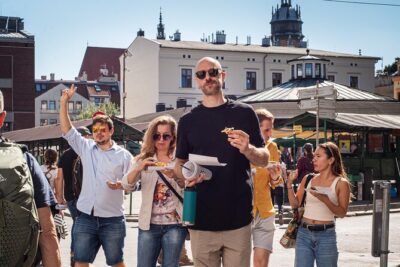
Krakow Food Tasting Tour with Delicious Poland
Read our review →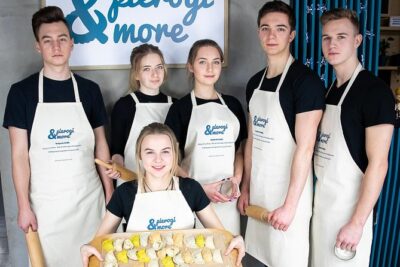
Warsaw’s No 1 cooking class-Polish dumplings with liqueur tasting
Read our review →
Krakow: Tipsy Polish Food Tour With History, Pierogi & Shots
Read our review →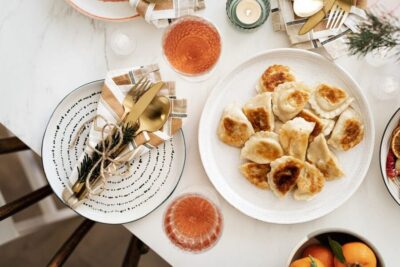
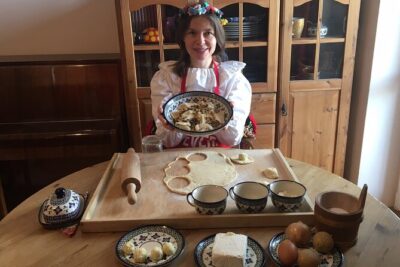
Krakow Pierogi Cooking Class with Market Visit & Home-Cooked Meal
Read our review →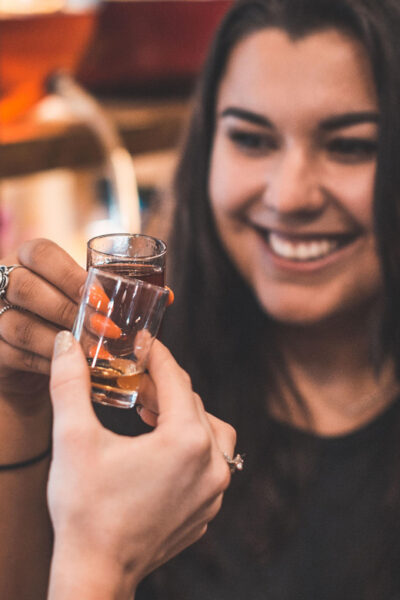
Krakow: Vodka Tasting Tour: Tapas, Tipsy Tales & Hidden Gems
Read our review →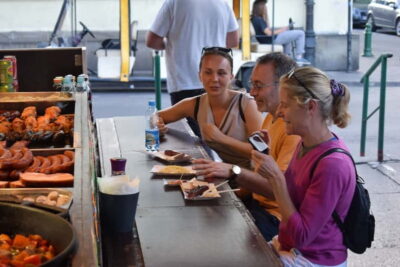
Krakow: Guided Polish Food and Culture Tour with Tastings
Read our review →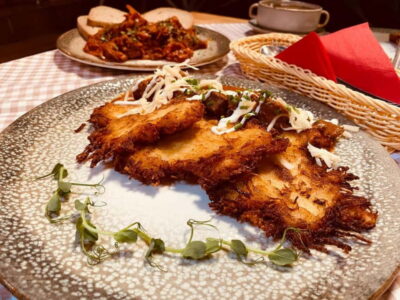
Krakow: 6-Course Full Polish Food Tour with Vodka Tasting
Read our review →Browse the lists this tour appears in