Review · MANAUS
Manaus: Food Tour
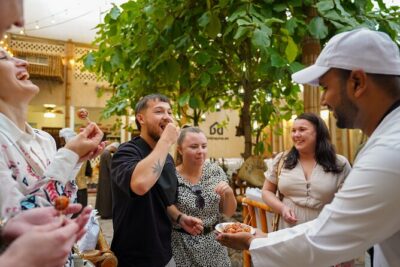
Manaus reveals itself through its food, and this three-hour walk begins at the Adolpho Lisboa Market, the city’s best-known place to see Amazon ingredients gathered under one roof. You’ll sample tapioca, cupuaçu juice, chestnuts, açaí, guaraná, and other regional flavors while learning how local people use them.
I like the focus on foods you may not meet elsewhere, especially the fruit tasting and guaraná mixed with peanuts as an energizing drink. I also like the small-group size and hotel pickup, which make a market visit easier to manage. The main caution is that guide quality and transportation may vary, and the walking portion may not suit anyone with limited mobility.
Key Points
- Adolpho Lisboa Market: Explore Manaus’s municipal market with a bilingual guide and time to see regional produce and foods.
- Amazon fruit tasting: Try cupuaçu, chestnuts, açaí, and guaraná, with explanations about local ingredients.
- Tapioca and regional dishes: Taste tapioca with cupuaçu juice at a family restaurant, with other local foods included.
- Small group format: The tour accepts no more than 10 participants, allowing for a more personal pace.
- Useful hotel service: Pickup and drop-off are included, with your driver meeting you in the hotel lobby.
- A few practical limits: The tour runs in all weather, nut allergies are a concern, and the English level of the guide is not guaranteed.
Starting With Tapioca and Cupuaçu in Manaus
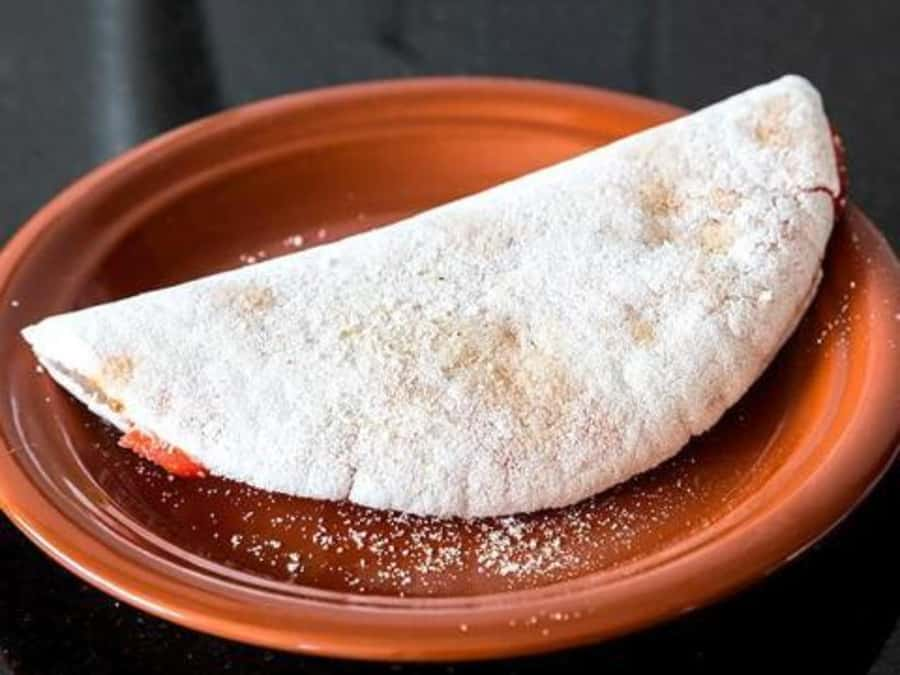
The tour’s food story begins with a simple local combination: tapioca and cupuaçu juice. Tapioca is made from cassava starch and is a familiar part of Brazilian eating, but tasting it in Manaus gives you a useful starting point for understanding northern cuisine.
Cupuaçu is one of the Amazon’s distinctive fruits. Its juice is included here with the tapioca, giving you a chance to compare a familiar staple with a flavor strongly tied to the region. The activity describes the meal as taking place at a family restaurant, which is more appealing than being limited to packaged samples at a market stall.
I appreciate this opening because it turns the first bite into context. You are not simply checking off an exotic food. You are getting a regional dish, a local drink, and a setting where the guide can explain what you are eating.
The exact selection of dishes can vary, so you should think of this as a tasting experience rather than a full restaurant meal. The package includes a selection of typical manauara dishes, but it does not promise a fixed menu beyond the foods and drinks specifically named.
More food tours around the world:
- Reykjavik Food Walk – Local Foodie Adventure in Iceland
★ 5.0 · 18,952 reviews - Dubai: Old Town, Creek, Museums, Souks, & Street Food Tour
★ 4.8 · 10,816 reviews - Madrid: Live Flamenco Show with Food and Drinks Options
★ 4.5 · 9,901 reviews
Walking Through the Adolpho Lisboa Market
After the first tasting, you walk through the Mercado Municipal Adolpho Lisboa. The market is the heart of this experience, not just a backdrop for lunch. You’ll see stalls and products connected to daily life in Manaus, including fruits, fish, nuts, and other regional foods.
A guide adds value here because Amazon ingredients can be unfamiliar even when they look ordinary. You may see fruit you cannot identify, hear a local name that means little to you, or wonder how an ingredient is prepared. A bilingual guide can connect those details to the food you have already tasted.
The market portion is also where you should set realistic expectations. The tour promises a guided walk through the market premises, but the amount of time spent in each section may depend on the group, market conditions, and guide. One past participant found the fish market was barely covered, so if fish is a priority for you, ask the guide at the start to include it.
That is a useful tip for any market tour: say what interests you before the walk gets underway. If you want fruit, fish, spices, or prepared foods, a clear request may help the guide shape the route.
Trying Amazon Fruits One Bite at a Time
Fruit tasting is one of the strongest reasons to book this activity. The Amazon region supplies many ingredients that are difficult to understand from a menu alone. Smell, texture, sweetness, and acidity all matter, and tasting several items side by side makes the experience more memorable.
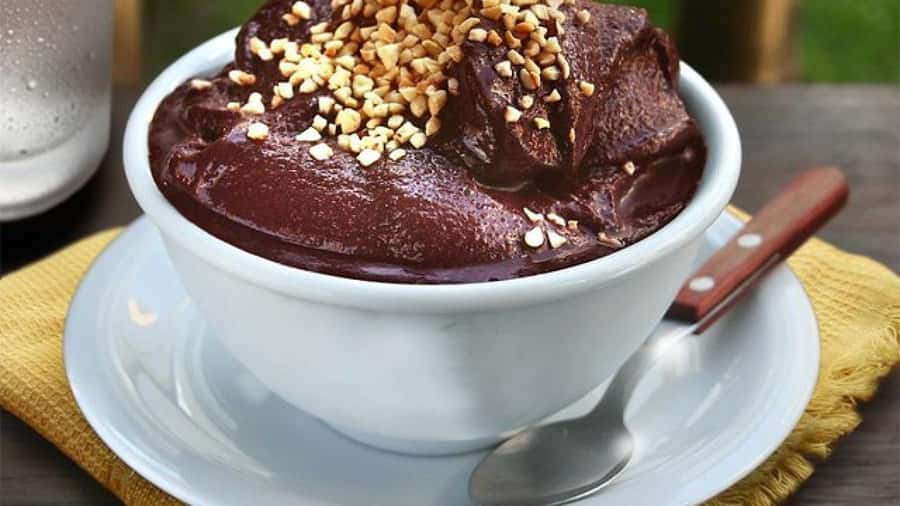
Chestnuts are specifically included. The activity describes them as popular and tasty, and they offer a familiar point of entry into Amazon food culture. You will also have açaí and guaraná tastings, two products widely associated with Brazil but often misunderstood outside the country.
Açaí in Manaus may be presented differently from the sweetened bowls commonly sold in other places. The information provided here does not specify the preparation, so I would treat the tasting as a chance to learn how it is served locally rather than expecting a particular recipe.
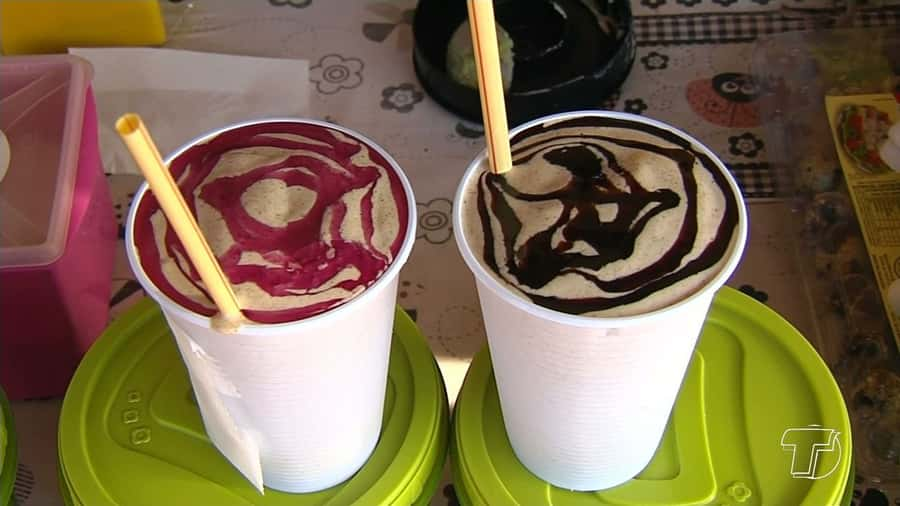
Guaraná is presented as a drink made from the guaraná fruit. It may be mixed with other ingredients, including peanuts, to create a sweet, stimulating beverage. This detail is important: guaraná is not only a bottled soft drink. The tour connects the drink to the fruit itself and to the local habit of combining it with other flavors.
If you enjoy food tours that teach through tasting, this section should be the highlight. You get small, direct encounters with ingredients that are difficult to appreciate through photographs or descriptions.
The Regional Foods You May Taste
The experience includes a selection of typical manauara dishes, with tapioca, cupuaçu juice, açaí, guaraná, and chestnuts named in the program. It does not list every dish in advance, so the menu may change with availability.
One past outing included two regional fish dishes after the fruit tasting. That is encouraging if you want more than fruit and snacks, but it should not be treated as a guaranteed part of every departure unless the operator confirms it. The safest assumption is that you will receive the named tastings and a selection of local foods, with other items depending on the day.
This flexible approach fits a municipal market. The food you encounter may reflect what is available rather than a rehearsed menu. That can make the experience feel more connected to Manaus, though it also means you should not book it expecting a formal multi-course meal.
I would book this for curiosity, not appetite alone. You are paying for introductions, explanations, and access to foods you may not choose on your own. If you want a large lunch, you may need to plan another meal afterward.
Same city, a different plate:
- Ho Chi Minh City Street Food Tour & Sightseeing By Motorbike
★ 5.0 · 9,413 reviews - From Split: Krka Waterfalls, Food & Wine Tasting Tour
★ 5.0 · 9,326 reviews - Medellin: Comuna 13 Graffiti Tour, Cable Car & Street Food
★ 4.8 · 9,046 reviews - Montserrat Half-Day Tour with Tapas and Gourmet Wines
★ 5.0 · 7,359 reviews
What the Guides Add to the Walk
The tour is offered in English and Portuguese, and a bilingual local guide is included. Guide quality matters a great deal on a food walk because the value comes from explaining ingredients, customs, and names that you cannot easily work out yourself.
Félix received particularly strong praise for speaking very good English, explaining the region and its foods, and making the experience comfortable. His route included different fruits in markets used by local people and regional fish afterward. Josi was also praised for explaining and showing a great deal, with the food described as a strong part of the day.
Those names give you useful reference points, but you cannot assume either guide will lead your departure. The available guide may be someone else, and English ability can vary. One poor experience involved very basic English and limited information, making communication difficult. I would confirm the tour language when booking and state clearly that you need an English-speaking guide if that is important to you.
A good guide should do more than point at fruit. You want help with pronunciation, preparation, local use, and the difference between a familiar Brazilian product and its Amazon version. The strongest version of this tour appears to do exactly that.
Three Hours, Ten People, and a Walking Pace
The activity lasts three hours. That is enough time for a meal or tasting, market exploration, and several explanations without taking over your entire day in Manaus.
The group limit is 10 people. I like that size for a market because a very large group can block stalls, lose the guide’s voice, and make tastings awkward. With fewer people, you should have a better chance to ask questions and see what is being shown.
The tour includes walking through the market premises, so comfortable shoes are essential. The operator says the experience is wheelchair accessible, but it also lists the activity as unsuitable for people with mobility impairments. Those details do not fit neatly together. Because the tour involves walking through a market, you should contact the provider before booking if you use a wheelchair or have difficulty walking.
The experience runs rain or shine. Bring light rain protection if the forecast looks uncertain, and do not assume poor weather will cancel the outing. A covered market may offer shelter, but transportation and the walk to or from the vehicle can still be affected.
Hotel Pickup, Drop-Off, and the Vehicle Question
Hotel pickup and drop-off are included, which is useful in Manaus. You are asked to wait in the hotel lobby 10 minutes before the scheduled pickup time. The driver should carry a sign with your last name, giving you a clear way to identify the vehicle.
This service adds real value to a short tour. You do not have to arrange a taxi to the market or navigate an unfamiliar starting point. It also makes the experience easier to fit into a busy Manaus itinerary.
Transportation is one area where you should keep expectations flexible. One participant reported being driven in a personal car that was too small for the driver and four adults, despite promises that a larger vehicle would arrive. That may have been an isolated problem, but it is worth confirming the pickup arrangement if your group has several adults or substantial luggage.
Do not bring luggage to the tour unless necessary. The activity asks you to bring a passport or ID card, but it does not describe luggage storage. Sharp objects and weapons are not allowed.
Is $60 a Fair Price?
At $60 per person, this is not the cheapest way to visit a market. You can enter a public market independently for less, and you could buy individual snacks without paying for a guided experience.
The price makes more sense if you value interpretation and convenience. You receive hotel transportation, a bilingual guide, a guided market walk, regional dishes, and tastings of açaí and guaraná. You are also paying for someone to help you identify foods and make choices in a place where the signs and ingredients may be unfamiliar.
For me, the value depends on the guide. A strong guide who speaks clear English and explains the food can turn three hours into a useful introduction to Manaus. A guide who offers little information and provides cramped transportation makes the same price feel poor.
The small group helps support the price, especially if the group stays close to the 10-person limit. If you are a confident independent eater and already plan to visit the market, you may prefer to spend your money on food itself. If you want help with language, ordering, transport, and regional context, $60 is more defensible.
Food Restrictions and Who Should Skip It
Vegetarian and gluten-free options can be requested in advance. Do not wait until pickup time to mention a dietary need. The food selection is regional and may include ingredients that are difficult to replace at the last minute.
People with nut allergies should not book this activity. Chestnuts are included, and the guaraná drink may be combined with peanuts. Even if substitutions are possible, the stated information specifically excludes people with nut allergies.
The tour suits you best if you enjoy trying unfamiliar foods, can handle a three-hour outing, and want a guided introduction rather than a private restaurant meal. It is also a good fit for visitors who want a small group and do not want to arrange their own ride to the market.
You may want a different plan if you have significant mobility limits, need guaranteed vehicle space, want an exact menu, or care mainly about seeing the fish market. In those cases, confirm the details directly before paying.
Booking Flexibility and Practical Planning
You can cancel up to 24 hours in advance for a full refund. You can also reserve your place and pay later, which is helpful when your Manaus schedule is still shifting.
Bring your passport or ID card and wear comfortable shoes. Arrive in the hotel lobby 10 minutes before pickup, and keep your phone available in case the driver needs to identify your location.
I would schedule this tour early in your stay. That gives you a first look at Amazon ingredients and may help you recognize foods on later restaurant visits. It also leaves time to adjust your plans if you discover that you want a separate fish-market visit or a longer food experience.
Should You Book the Manaus Food Tour?
Book it if you want a convenient, small-group introduction to Manaus through its market food. The combination of tapioca, cupuaçu, Amazon fruits, chestnuts, açaí, and guaraná gives you a clear taste of the region, while guides such as Félix and Josi show how good local interpretation can make the experience more rewarding.
I would book with two checks in mind: confirm the guide’s English ability and ask about the vehicle for your group. If you have a nut allergy or mobility impairment, skip this one. For everyone else, the $60 price is reasonable when the guide is strong and the included tastings are fully delivered, but it is less attractive if you only want a quick market visit or a guaranteed fish-focused route.
FAQ
How long does the Manaus food tour last?
The tour lasts three hours.
What market does the tour visit?
The tour visits the Mercado Municipal Adolpho Lisboa, also called the Adolpho Lisboa Municipal Market.
What foods and drinks are included?
The experience includes a selection of typical manauara dishes, tapioca with cupuaçu juice, chestnut tasting, açaí, and guaraná. Other regional foods may also be included.
Is hotel pickup included?
Yes. Hotel pickup and drop-off are included. You should wait in the hotel lobby 10 minutes before the scheduled pickup time, and the driver will carry a sign with your last name.
What languages are available?
The tour is offered in English and Portuguese with a bilingual local guide.
Can I request vegetarian or gluten-free food?
Yes. Vegetarian and gluten-free options can be requested in advance.
Is the tour suitable for people with nut allergies?
No. The activity is not suitable for people with nut allergies because chestnuts are included and guaraná may be mixed with peanuts.
Fresh off the menu around the world
- Taste of Chiang Mai: Michelin Guide & Street Food Tour★ 4.9 · 159 reviews
- Eat Porto Like a Local: The Ultimate Full-Meal Food Tour★ 5.0 · 97 reviews
- Vienna: The Ultimate Full Meal Austrian Food Tour★ 4.8 · 112 reviews
- Jerez: Traditional Tapas Tour★ 4.6 · 138 reviews
- Taste my Fribourg Self-Guided Food Tour★ 4.5 · 29 reviews
- Taste of Albania: Tirana Food Tour★ 5.0 · 26 reviews
- Taormina Pizza making class★ 4.8 · 140 reviews
- Taormina: Pizza Making Class with Lunch and Wine Tasting★ 4.8 · 145 reviews
Food Tours, compared.
Reykjavik Food Walk – Local Foodie Adventure in Iceland
Read our review →
Dubai: Old Town, Creek, Museums, Souks, & Street Food Tour
Read our review →
Madrid: Live Flamenco Show with Food and Drinks Options
Read our review →
Ho Chi Minh City Street Food Tour & Sightseeing By Motorbike
Read our review →
From Split: Krka Waterfalls, Food & Wine Tasting Tour
Read our review →
Medellin: Comuna 13 Graffiti Tour, Cable Car & Street Food
Read our review →
Montserrat Half-Day Tour with Tapas and Gourmet Wines
Read our review →