
Review · PARIS
Paris Le Marais District Original Food and Wine Tasting Tour
Paris’ Marais is at its best when you eat your way through it. This small-group food walk links bakeries, cheese shops, chocolate counters, market stalls, and local cafés with the neighborhood’s Jewish, French, and Middle Eastern traditions.
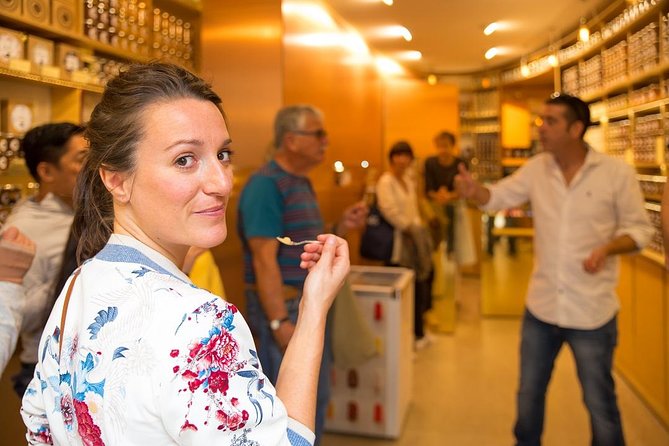
I like the mix of up to 10 tasting stops and short history lessons, especially at the Marché des Enfants Rouges and Rue des Rosiers. I also like the group limit of 10, which gives guides such as Kevan, Lola, Pierre, Oscar, and Bart room to answer questions and adjust the pace.
The main caution is value. At $157.21 per person, you should expect a full food experience, but the amount and type of wine can vary. Some outings include only one or two small glasses, and several meals lean heavily toward sweets.
Key points at a glance
- Up to 10 tastings: Expect cheese, bread, cured meat, jams, tapenade, chocolate, macarons, pastries, falafel, and other French specialties.
- A real Marais walk: The route includes the Marché des Enfants Rouges, Rue des Rosiers, Saint-Paul, Hôtel de Ville, and possibly nearby Place des Vosges.
- Small group format: A maximum of 10 people makes it easier to hear the guide and ask about food, architecture, and local life.
- About 3.5 hours: Morning and afternoon departures let you fit the experience around museums and major sights.
- Wine is part of the food tour, not the whole focus: Plan on a modest tasting rather than a formal wine class.
- Come prepared to walk: Comfortable shoes and rain protection matter, and you need a moderate level of fitness.
Why the Marais makes such a good food tour
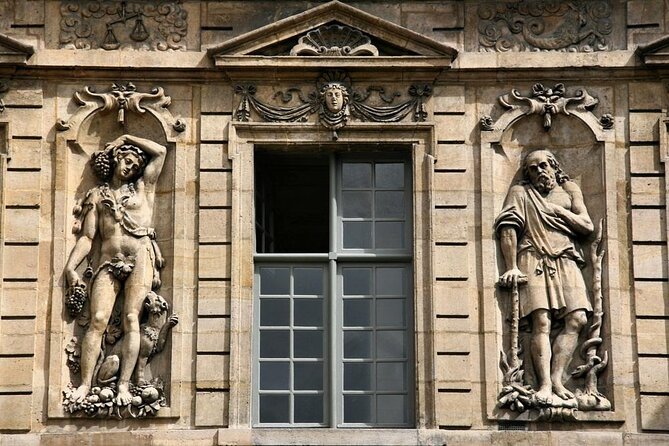
The Marais gives you more than a collection of pretty streets. It is one of the few Paris districts where a short walk can bring together traditional French shops, Jewish bakeries and snack counters, Middle Eastern food, old churches, covered markets, grand civic buildings, and elegant squares.
That variety gives the tour its strongest feature: food becomes a way to understand the neighborhood. You are not simply eating a macaron and moving on. You are also hearing why a certain street matters, how the district changed, and where local food traditions meet modern Paris.
The walk begins at 40 Rue de Bretagne, close to the Marché des Enfants Rouges. That is a useful starting point because you are already in the heart of the Marais, not waiting at a hotel or spending time on a bus. The tour returns to the same meeting point, so you can continue exploring from a familiar place.
I would choose the morning departure if you want to use the afternoon for museums or shopping. The afternoon option works well if you prefer a slower Paris morning and want the food tour to take the place of a late lunch. Either way, eat lightly beforehand. You will be sampling often.
More Food and Wine Tours around Paris:
- Montmartre Hill French Gourmet Food and Wine Tasting Walking Tour
★ 5.0 · 2,588 reviews - 10+ tastings Gourmet Food & Wine Tour in the Heart of Paris
★ 5.0 · 88 reviews - Paris: Montmartre Food and Wine Guided Tour
★ 4.9 · 58 reviews
What you actually eat along the way
The food is broad rather than focused on one product. You might taste cheeses, cured meats, baguette, organic tapenade, jams, wine, chocolate, macarons, pastries, falafel, and other traditional specialties.
That range is a strength. You get a better feel for everyday French eating than you would from a single restaurant meal. Cheese and bread show the classic side of the country. Macarons and chocolate add the polished pastry-shop element. Falafel and other food along Rue des Rosiers show how the Marais extends well beyond a narrow idea of French cuisine.
Several guides also include a more substantial stop. Past outings have featured onion soup, baked cheese, escargot, or a café serving savory food. This is worth knowing because the tour is not always just a string of tiny samples. At the same time, the sit-down dish can vary, and escargot may not suit everyone.
The listing says up to 10 addresses, not exactly 10 guaranteed stops. The number and selection can depend on opening hours, availability, the guide, and the day’s route. I would treat the food list as a strong outline, not a fixed menu.
You should also expect plenty of sweets. Chocolate, macarons, cream puffs, and other pastries appear often in the food mix. If you have a sweet tooth, that is a bonus. If you prefer savory food, tell the provider about dietary needs when booking and remind the guide at the start.
The Marché des Enfants Rouges and Rue de Bretagne
The Marché des Enfants Rouges is one of the most useful stops because it connects food with place. Founded in 1615, it is Paris’ oldest covered market. The market brings together prepared food and local specialties under one roof, giving you a quick look at how Parisians shop and eat in a neighborhood setting.
The market portion is listed at about 30 minutes. That is long enough for a guided tasting and some context, but not enough for an unhurried meal at every stall. Think of it as a lively food stop within a larger walk.
Rue de Bretagne and the surrounding Marais streets also show why this district is popular. You can move from a traditional food shop to a pastry counter, then back into streets lined with old façades and small businesses. The walking itself helps you understand the district’s layout.
The route can feel busy, particularly at popular food stops. A small group helps, but you still need to stay close to the guide and be ready to stand while tasting. This is not a seated food class.
Rue des Rosiers and the Marais’ Jewish food traditions
Rue des Rosiers is one of the most distinctive parts of the route. The street is associated with the Marais’ Jewish quarter and is also known for Middle Eastern food. The tour may include falafel, pastrami, or similar street food, though the exact tasting is not guaranteed.
This stop adds needed contrast to the French cheese, bread, and pastry tastings. Falafel gives you something warm and savory, while the street’s food businesses show how Parisian neighborhoods absorb and preserve different traditions.
I would not book this tour expecting a full tasting menu from every cultural tradition. The route is a sampler. On some days, you may receive falafel but not pastrami. That distinction matters if one particular dish is the reason you are booking.
The walk through Rue des Rosiers is also a good time to ask the guide questions. Guides such as Kevan, Lola, Pierre, and Oscar have been praised for mixing food with local stories. Individual personalities differ, but the best guides make the street feel like part of the meal rather than a gap between tastings.
More food tours around Paris:
- Authentic Parisian Gourmet Food Tour with 10 Local Dishes & Wines
★ 5.0 · 4,754 reviews - Devour Paris Ultimate Food Tour
★ 5.0 · 2,087 reviews - Private Montmartre Food Tour with Wine, Cheese & Pastries
★ 5.0 · 1,027 reviews - Paris Le Marais Food Tour With 10+ Tastings, Cheese, Wine & More
★ 5.0 · 985 reviews
Saint-Paul, Hôtel de Ville, and the history between bites
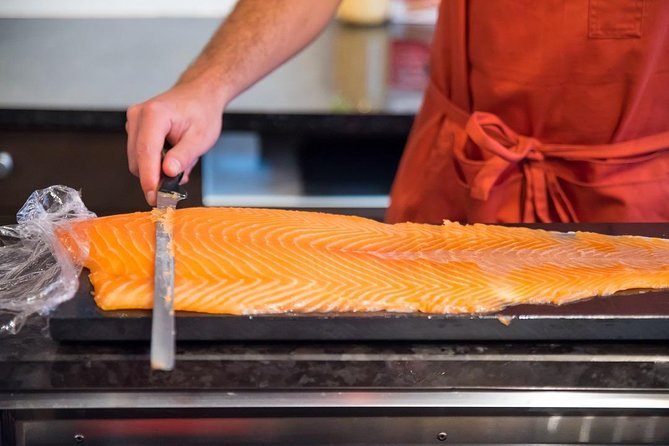
The tour passes the Église Saint-Paul Saint-Louis, a grand Baroque church with a notable 17th-century façade. You do not spend a long time inside, and the itinerary describes it as a pass-by stop, but it gives the walk an architectural pause.
The route then finishes near the Hôtel de Ville, Paris’ impressive city hall. The scheduled stop is brief, around five minutes, so do not expect a full lecture or an extended interior visit. The building works better as a final landmark than as a major attraction on its own.
Place des Vosges is another nearby option after the tour. It is not the main end point, but the square is close enough to continue your walk if you still have energy. Its symmetry and elegant arcades make it a pleasant follow-up to the food route.
One practical point: the historical commentary can vary with the guide and the group. Many people find the stories a major part of the experience, while a few outings have included less explanation at Saint-Paul or Hôtel de Ville than expected. If those landmarks matter to you, ask the guide to pause and explain them rather than assuming there will be a formal stop.
How the small group changes the experience
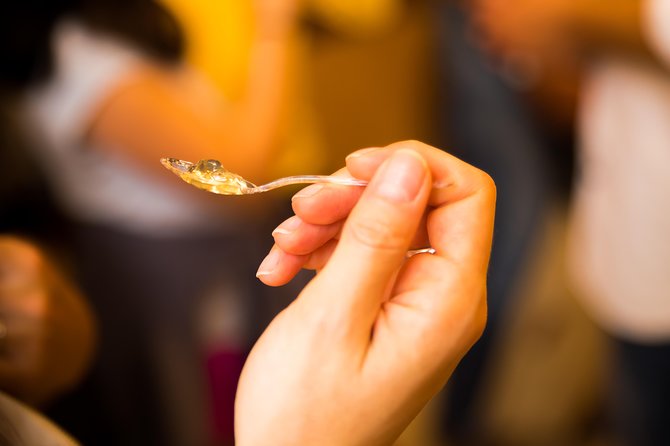
The maximum group size is 10, though some departures may be smaller. That is a useful limit for a walking food tour. You can hear the guide more easily, reach a shop counter without a large crowd, and ask questions without turning the outing into a public lecture.
The guides are a major part of the experience. Kevan is a local Parisian associated with the Marais route. Lola, Pierre, Oscar, Bart, Hugo, Dorine, Artur, and other guides have led different departures. Their approaches can differ, so you should think of this as a guide-led neighborhood walk rather than a fully standardized performance.
The strongest guides combine practical food information with stories about the area. They explain what you are tasting, point out streets you might otherwise pass, and add enough history to give the Marais a human shape. Oscar, Kevan, Lola, and Pierre are especially noted for an easy, personable style in the supplied feedback.
There is also a small-group tradeoff. A group of 10 can move more slowly through tight shops, and not every dietary request can be handled at the last minute. Give the provider your requirements when you book. Children must be accompanied by an adult.
Is $157.21 a fair price?
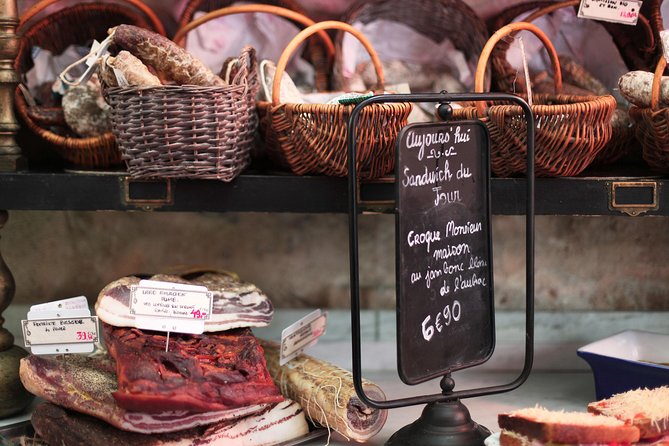
The price is high for a walking tour, but it includes a long route, a small group, multiple tastings, a local guide, and wine. You are paying for access to a sequence of food stops as well as the guide’s time and neighborhood knowledge.
The value depends on what you want from the word food. If you want a guided introduction to the Marais with plenty of samples, the price can make sense. It is particularly useful early in your Paris stay, when you can return to the shops and streets you liked.
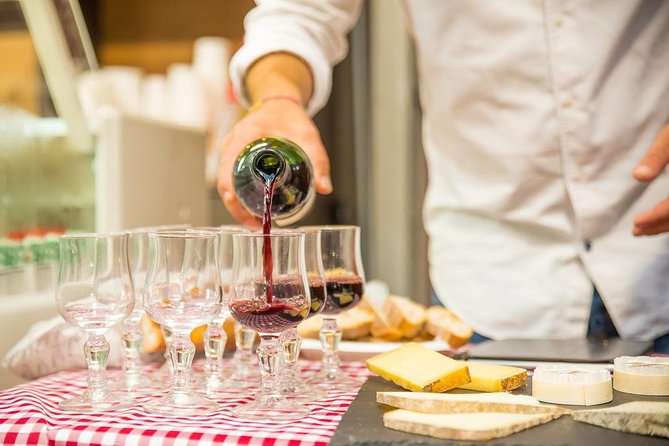
If you want a serious wine experience, the price is harder to defend. This is not presented as a formal wine tour, and the provider explains that the usual format includes about two glasses to keep the walk manageable. Some outings have had one small glass, while others have offered more. You should not expect bottle presentations, tasting notes, or a seated comparison of French regions.
The same applies to the food quantity. Many departures provide enough to keep you satisfied, especially when cheese, bread, savory bites, and a café dish are included. Other departures can feel like a series of small tastes with too many sweets. A full lunch afterward may not be necessary, but I would not count on the tour replacing a large meal.
Walking, timing, and what to bring
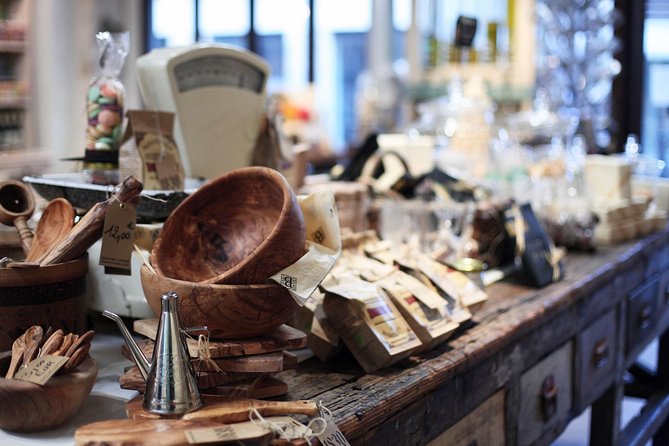
The experience lasts about three hours and 30 minutes. Much of that time is spent walking, standing, tasting, and moving between businesses. You need a moderate level of fitness, and comfortable shoes are more important than stylish ones.
Bring a raincoat. Paris weather can change quickly, and the tour operates outdoors between stops. The route is near public transportation, which makes it easy to reach from other parts of the city, though hotel pickup and drop-off are not included.
The tour is offered in English, but the guide may be multilingual. Confirmation is sent within 48 hours of booking, subject to availability. The tour usually requires a minimum number of participants, so a departure can be changed or canceled if that minimum is not reached.
The cancellation deadline is two full days before the start time for a full refund. After that point, refunds and changes are not accepted under the stated policy. I would avoid booking it so tightly against a flight, train, or timed museum reservation that a small schedule change would cause trouble.
Who should book this Marais food walk?
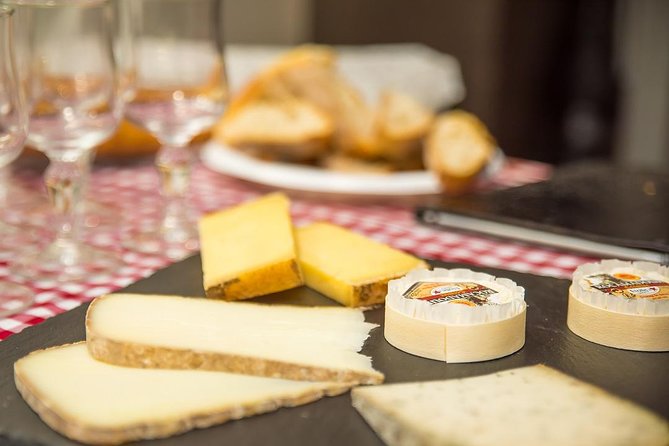
I would choose this tour for a first visit to Paris, especially if you want a gentle introduction to the Marais before exploring it on your own. It suits curious eaters who like tasting many small things and hearing stories while walking.
It also works well for families with older children, couples, solo visitors, and anyone who prefers a small group to a large bus tour. A 12-year-old joined one outing, and children are welcome when accompanied by an adult.
You may want another option if you need strict control over every ingredient, cannot stand or walk for several hours, or want a dedicated wine class. The same is true if your main goal is a large, sit-down meal. This experience is a neighborhood tasting walk first, with wine included as one part of the route.
Final verdict: a strong introduction, with a few clear limits
I would book this tour if I wanted to learn the Marais through food and did not need a fixed menu. The combination of cheese, bread, sweets, street food, market stops, and landmarks gives you a useful first look at one of Paris’ most varied districts.
I would book it near the beginning of my stay, bring an appetite, and tell the provider about dietary needs in advance. I would also keep expectations in check: wine is a modest part of the experience, stop counts can vary, and the guide makes a real difference.
For a small-group walk with local food, history, and a route that reaches beyond the obvious sights, it earns its strong 4.6 out of 5 rating. At $157.21, it is best value for someone who wants an active, varied introduction to the Marais, not simply the most food for the least money.
FAQ
Where does the Paris Marais food tour begin?
The tour begins at 40 Rue de Bretagne, 75003 Paris, France, in the Marais district.
Where does the tour end?
The activity ends back at the original meeting point.
How long does the tour last?
The tour lasts approximately three hours and 30 minutes.
How many people can join the tour?
The tour has a maximum of 10 participants.
What food is included?
Tastings can include chocolate, macarons, cheeses, cured meat, bread, jams, organic tapenade, falafel, pastries, and other French or local specialties.
Is wine included?
Yes. Alcoholic beverages and wine tasting are included, but this is a food tour rather than a dedicated wine course. The provider states that the usual format includes about two glasses.
Does the tour visit the Marché des Enfants Rouges?
Yes. The route includes the Marché des Enfants Rouges, Paris’ oldest covered market.
What should I bring?
Wear comfortable shoes and bring a raincoat. You should be prepared for a moderate amount of walking and standing.
Fresh off the menu around Paris
- Paris: Saint Germain des Prés Guided Foodie Walking Tour★ 4.8 · 146 reviews
- Paris: Taste of Montmartre Food & Wine Walking Tour★ 4.9 · 29 reviews
- Paris: Notre Dame & Latin Quarter Food Tour with 8+ Tastings★ 4.8 · 60 reviews
- Paris: Guided Champagne & Food Tour in St-Germain-des-Pres★ 4.6 · 26 reviews
- Paris Le Marais Food Tour: Full Traditional French Feast★ 4.8 · 119 reviews
- Paris: Pastries and Chocolate Walking Food Tour★ 4.8 · 57 reviews
- Paris: Montmartre Food Tour with 10 Local Tastings & Wines★ 4.8 · 191 reviews
- Paris: Le Marais District Food Tour with 10+ Tastings & Wine★ 4.8 · 382 reviews
Paris Food Tours, compared.
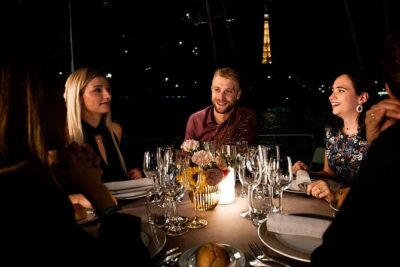
Bateaux Parisiens Seine River Gourmet Dinner & Sightseeing Cruise
Read our review →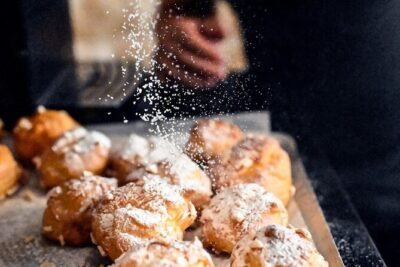
Authentic Parisian Gourmet Food Tour with 10 Local Dishes & Wines
Read our review →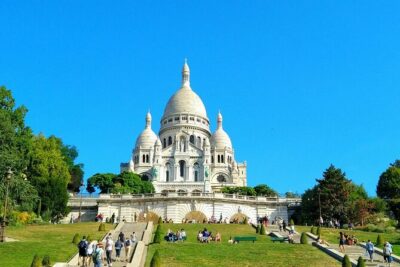
Montmartre Hill French Gourmet Food and Wine Tasting Walking Tour
Read our review →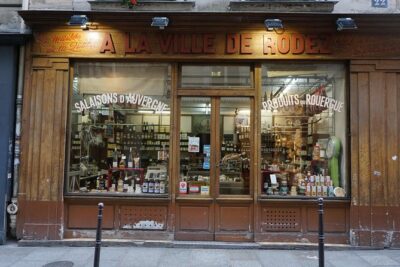
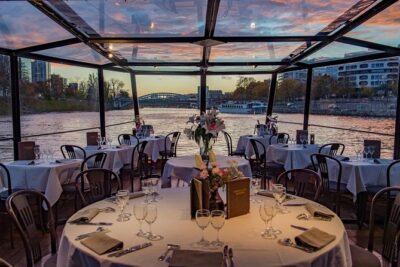
Paris 3-Courses Gourmet Dinner Seine River Cruise with Champagne
Read our review →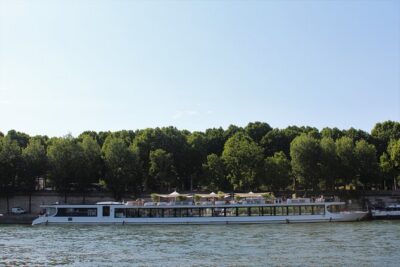
Paris Gourmet Dinner Seine River Cruise with Singer and DJ Set
Read our review →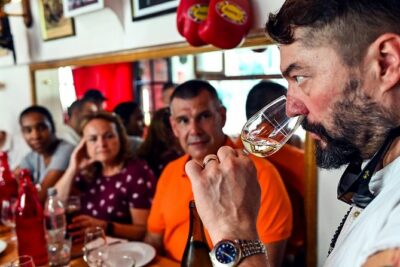
Private Montmartre Food Tour with Wine, Cheese & Pastries
Read our review →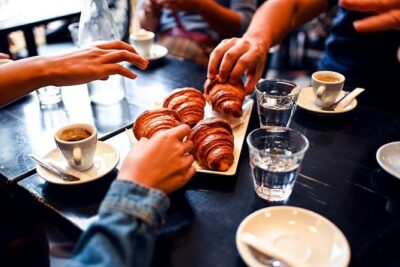
Paris Le Marais Food Tour With 10+ Tastings, Cheese, Wine & More
Read our review →Browse the lists this tour appears in