
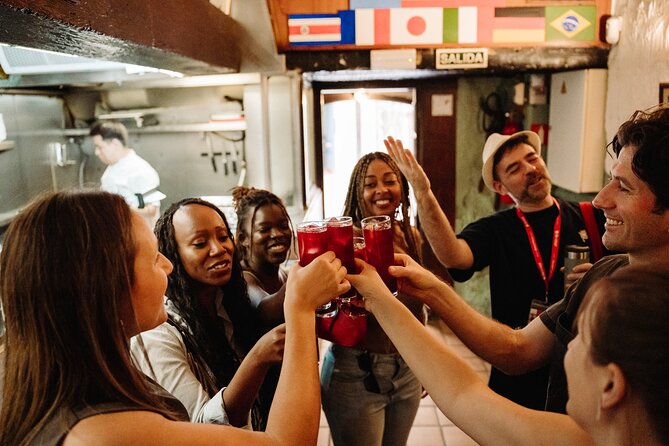
Review · MADRID
Madrid Tapas & Taverns Small Group Food & History Tour
Madrid’s tapas culture makes the city easiest to understand one bar at a time. This three-hour food and history walk takes you into four long-running taverns for nine tapas and four drinks, with stops at Casa Labra, El Escarpín, Mesón del Champiñón, and La Casa del Abuelo.
I like the mix of proper Madrid landmarks and family-run bars, and I like that the food is substantial enough to replace dinner. You also get practical help with menus, drinks, and local customs. The main drawback is group size: up to 24 people is larger than the phrase small group may suggest.
Key points to know before booking
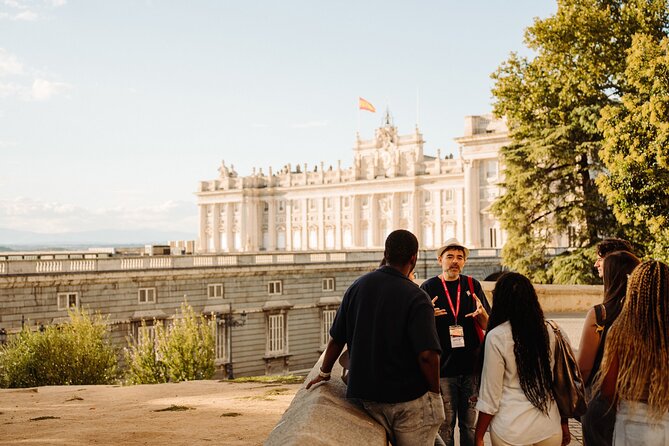
- Four stops, nine tapas, and four drinks: Plan to arrive hungry, since this is more than a light snack crawl.
- Historic taverns with a story: Taste cider at a former horse stable and garlic shrimp at the bar credited with inventing the dish.
- A useful first-day activity: Your guide can suggest other places to eat and help you understand Madrid’s bar customs.
- A walking tour with dinner built in: You will cover the old center at a moderate pace, with stops at the Royal Palace, Plaza Mayor, and Puerta del Sol.
- English-speaking guides with personality: Past guides have included Sam, Arantxa, Cassie, Javier, Montserrat, José, and others, though you cannot choose a specific guide unless the provider allows it.
- Dietary limits need planning: Vegetarian, pescatarian, gluten-free for non-celiac diners, dairy-free, non-alcoholic, and pregnancy adjustments are possible, but vegan and celiac requirements are not supported.
Why this Madrid tapas tour works so well
Madrid is not a city where the best meal always comes with a printed menu and a polished dining room. Much of its food culture happens in old taverns, at crowded counters, with a small plate and a drink arriving before you have quite worked out what you ordered.
That is the strength of this tour. You are not simply eating a sequence of tapas. You are learning how tapeo works, moving through the old center, and seeing how food, drink, and neighborhood life fit together.
The price is $95.53 per person. That is not cheap for three hours, but the package includes four drinks, nine tapas, a guided walk, and an English-speaking guide. If you would otherwise pay for dinner and a separate city walk, the value is fair. It is especially useful at the beginning of a Madrid visit, when you still need help deciding where to eat.
The tour lasts about three to three and a half hours. The advertised maximum is 24 people. That can still feel sociable, but it is not the same as wandering with a group of six or eight. Your experience will depend partly on how well the guide manages street crossings, restaurant timing, and conversation among a larger group.
More Tapas Tours in Madrid
- Madrid Tapas & Wine Tasting Walking Tour – Small Group Local Bars
★ 5.0 · 3,644 reviews - Madrid: Tapas & Wine Tasting Tour with Local Guide
★ 4.8 · 2,171 reviews - Madrid: Food & Wine Tour with 10 Tapas & 4 Drinks Included
★ 4.9 · 984 reviews
Starting at Casa Labra with vermouth and cod
The meeting point is at C. de la Cruz, 14, in central Madrid. Finding the precise entrance may require care. The meeting doors are behind the building and are ornate, so check the location details rather than relying only on a map pin.
The first stop is Casa Labra, a historic tavern in the heart of the city. Here you begin with vermouth, Spain’s favorite aperitif, and a local tapa such as fried cod or the listed tajada. This is a smart opening because vermouth is not just a drink to sample. It is part of the rhythm of Spanish social life, especially before a meal.
Your guide explains the basic rules of Madrid’s tapas scene. You learn how to order, how drinks and food are paired, and how a short stop at one bar can lead naturally to another. I like getting this orientation early, since it makes the rest of your independent meals less awkward.
Casa Labra is a working tavern, not a private tasting room. You might be standing at the bar, and the pace may feel lively. That is part of the point, but anyone expecting a quiet, seated introduction should adjust expectations.
Learning the cider ritual at El Escarpín
The second stop, El Escarpín, brings a different regional note. The restaurant was once a horse stable and is now a family-run place serving homemade dishes from Asturias, in northern Spain.
The special feature here is cider. You will see the traditional pouring method and get a chance to try it yourself. Freshly poured cider is best appreciated as a small performance and a shared ritual, not as a standard glass of sweet apple juice. The tour also includes two Asturian tapas, with the sample menu listing tortilla and Manchego tapas among the food served around this part of the experience.
This stop gives the meal some range. You move from Madrid tavern fare to northern Spanish cooking, while the guide explains how regional food appears in the capital. That makes the tour more useful than a string of similar croquettes and sandwiches.
The cider pour can be messy if you are unused to it, so do not worry about looking perfect. You are there to try the custom. The food portions are described as generous, and the full sequence is intended to function as dinner, not as a few token bites.
Walking through Madrid’s Habsburg center
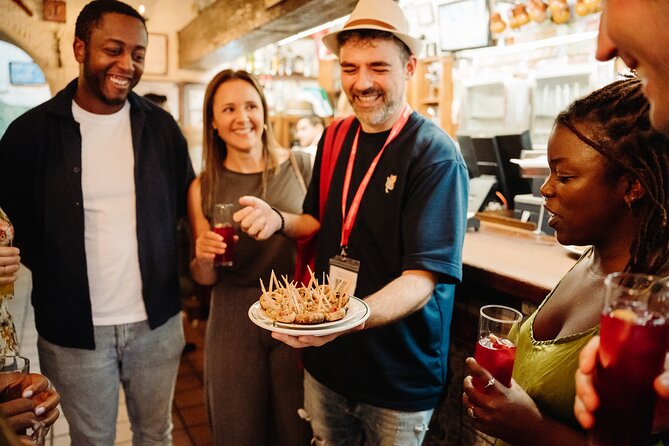
After the early food stops, the tour shifts into a guided walk through central Madrid. The route takes about 35 minutes at this point, with more history woven into the movement between bars.
You pass the Royal Palace, one of the largest royal palaces in the world, and enter the Habsburg quarter. Buildings from the 15th through 17th centuries give this part of Madrid its older feel. Your guide connects the streets to the city’s political and social past rather than leaving you with a list of dates.
This section matters because it breaks up the eating. You get time to walk, talk, and make room for the next round. It also gives you a basic map of the center, which is helpful when you return on your own.
The walking pace is moderate. You should be comfortable on foot for several hours, including time between stops. Wear shoes that can handle Madrid’s hard city streets, and dress for the weather. The evening option can include a change from daylight to cooler night air, while rain or cold can affect the comfort of the walking portions.
Same city, a different plate:
- Madrid: Live Flamenco Show with Food and Drinks Options
★ 4.5 · 9,901 reviews - Madrid Ultimate Spanish Cuisine Food Tour
★ 5.0 · 1,010 reviews - Madrid Historic Centre Food Tour with Authentic Tapas & Wines
★ 5.0 · 814 reviews - Madrid Guided Food Tour with Tapas and Spanish Wine
★ 4.9 · 773 reviews
Mesón del Champiñón and Madrid’s old-bar flavors
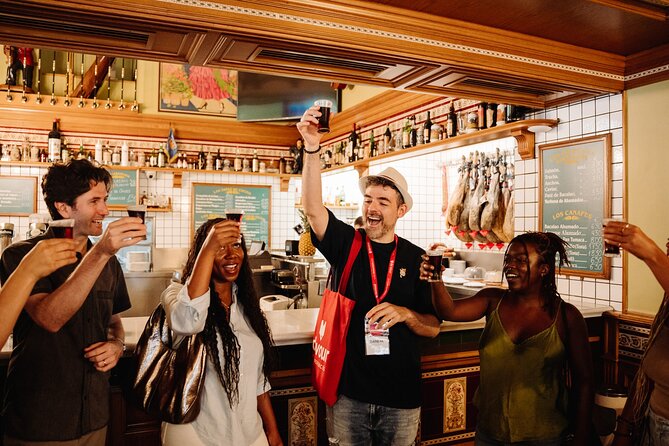
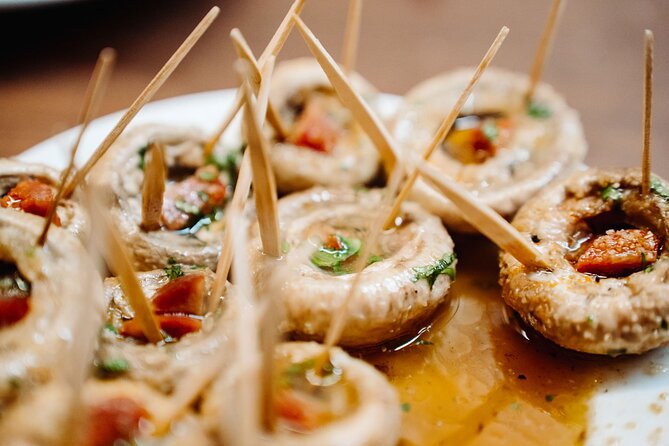
Mesón del Champiñón is the third food stop, a traditional bar in the historic center. The focus is on familiar local favorites that have been served to generations of madrileños. The sample menu includes champis, or mushrooms, green peppers, classic tapita, and a wine cocktail.
This is the sort of stop that can be difficult to identify on your own. A small bar may look unremarkable from the street, yet have one dish people return for year after year. Your guide does the sorting for you and explains what to order instead of asking you to gamble on a menu.
The wine cocktail adds another local drinking custom to the evening. It also keeps the drinks from becoming repetitive. Along with vermouth, cider, wine, and the final drink, you sample several ways Madrid bars handle alcohol.
The possible drawback is that the exact dishes can vary by tour option or restaurant conditions. The listed menu gives you a clear idea of the style, but do not treat every item as guaranteed. If a particular dish matters to you, ask the guide at the start.
Plaza Mayor and Puerta del Sol between bites
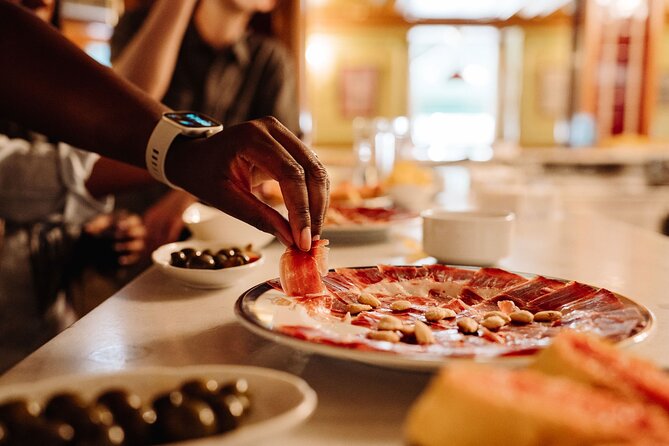
The history walk continues through Plaza Mayor. This broad square has served as a setting for bullfights, plays, and public trials during the Inquisition. It is one of those places where the present-day crowds can obscure the darker and stranger events that took place there.
You then reach Puerta del Sol, one of Madrid’s best-known gathering places. The guide explains why the city’s plazas matter, both as public rooms and as points of civic life. This helps you read Madrid beyond its museums and monuments. A plaza here is not simply a space to photograph. It is where people meet, celebrate, demonstrate, and pass through every day.
These stops are brief, about 15 minutes each, so do not expect a full historical lecture. The value is in getting a clear introduction while moving toward the next tavern. If you want detailed architectural history, you will need a separate museum or palace visit.
Garlic shrimp at La Casa del Abuelo
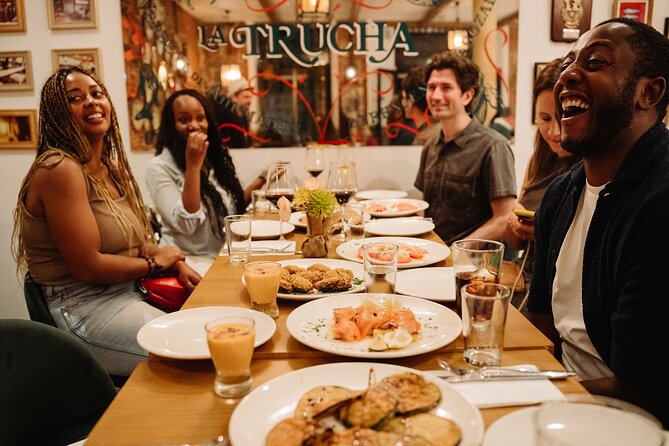
The final food stop is La Casa del Abuelo on Núñez de Arce, a family-run bar open since 1906. This is where you try gambas al ajillo, Madrid’s signature garlic shrimp, served with wine.
The restaurant is associated with the invention of this tapa, which gives the final stop a strong sense of place. Garlic shrimp is simple on paper, but the appeal comes from the hot, garlicky preparation and the atmosphere of eating it in the kind of bar where the dish became famous.
The sample menu also lists tomato salad and a ham croqueta, so the final course may include more than shrimp. At the end, you have a final drink and say goodbye in the center of Madrid.
This is a good finish because the meal ends with a dish tied directly to the city. It also leaves you close to other central neighborhoods, making it easy to continue your evening if you still have energy.
What the food portions and drink pairings mean
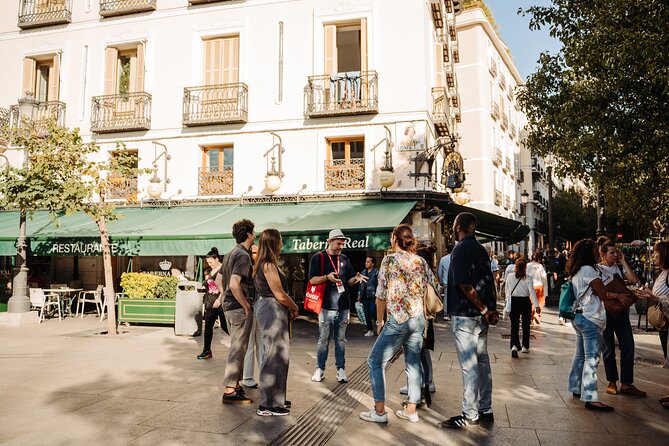
The tour includes nine tapas and four drinks. That is enough food for most people to count it as dinner. Several dishes may be served as small portions, but the stops add up, and the drinks make the experience more filling than the word tapas might suggest.
The listed foods give you a useful cross-section:
- Vermouth with a tajada or another opening tapa
- Manchego-style bites
- Tortilla with Asturian cider
- Mushrooms and green peppers
- Garlic shrimp with wine
- Tomato salad and ham croqueta
You may also encounter dishes such as fried cod, bull’s tail, salmorejo, regional stews, or other specialties depending on the selected option. The supplied menu and past experiences show that the food can change, so consider the list a guide to the style rather than a fixed restaurant contract.
The drinks are central to the experience. Vermouth, freshly poured cider, wine cocktails, and table wine each show a different side of Spanish drinking culture. Non-alcoholic choices are available, but you may not receive a direct replacement at every stop.
Guides, group size, and the personal side of the tour
The guide can make a big difference. The provider uses English-speaking guides, and named guides connected with this experience include Sam, Arantxa, Cassie, José, Javier, Montserrat, Gabriela, Elizabeth, Asier, Daniel, Rosita, and others.
Guides have different strengths. Sam is associated with food, history, and careful attention to dietary needs. Arantxa has been praised for family-run places and a lively approach. Cassie is known for connecting the bar staff, food, and historical stories. José and Javier are noted for clear explanations and good restaurant choices. These names are examples, not a promise that one particular guide will lead your departure.
The guide’s role goes beyond narration. You can ask how to read a menu, what to order later, which drinks are typical, and where to eat after the tour. Write down those suggestions before you leave. The advice may be one of the most useful parts of the experience.
A maximum of 24 people is worth considering. The tour is described as small-group, but this is the upper limit of a fairly substantial walking party. You should expect more personal help than on a large bus tour, but not constant one-to-one conversation.
Dietary needs and practical limits
Vegetarians, pescatarians, people avoiding dairy, pregnant participants, and those choosing non-alcoholic drinks can be accommodated. Gluten-free arrangements are possible for people who are not celiac. You need to email the provider’s Guest Experience team after booking so the ingredients can be arranged.
This is not a suitable tour for vegans or people with celiac disease. Also, a replacement food may not be available at every bar, so people with restrictions should expect some variation in the amount and type of food.
Most people can take part, but you should be able to walk at a moderate pace without difficulty. There is no hotel pickup or drop-off. You meet and finish at the same central Madrid address, which makes the tour easy to combine with other plans in the center.
Free cancellation is available up to 24 hours before the start time for a full refund. Changes or cancellations inside that window are not accepted, and a minimum number of participants is required for the tour to operate.
Is $95.53 a fair price?
At $95.53, this experience costs more than wandering into three or four Madrid bars on your own. You are paying for the food and drinks, but also for access to selected taverns, translation help, historical context, and the guide’s knowledge of local customs.
The value is strongest if you are new to Madrid or unsure how to order tapas. It is also useful if you want dinner handled in one evening without researching every bar yourself. The cost is harder to justify if you already know the city’s food scene, speak Spanish comfortably, and prefer choosing each dish independently.
The generous portions help. You are not paying for a single bite at each stop, and many people will not need another dinner afterward. Treat it as a meal with a city walk included, not simply as a sightseeing tour with snacks.
Who should book this Madrid food walk?
I would choose this tour early in a Madrid visit. You get a working introduction to vermouth, cider, wine, traditional bars, and the social customs around tapas. You can then use the guide’s advice for the rest of your stay.
It suits couples, families with older children, solo visitors who want company, and anyone who likes history delivered in short pieces between meals. It also works well for a special evening, including a birthday, since the food and drinks create a shared rhythm without requiring a formal restaurant dinner.
I would skip it if you want a slow, seated meal, a very small private group, or a strict vegan or celiac-safe menu. I would also avoid booking it at the end of a packed sightseeing day if several hours of walking sounds tiring.
Should you book it?
Book this tour if you want Madrid explained through its taverns rather than only through its monuments. The combination of four bars, nine tapas, four drinks, and a walk through the Royal Palace area, Habsburg quarter, Plaza Mayor, and Puerta del Sol gives you a strong first look at the city.
The best reasons to book are the traditional cider pour, the garlic shrimp at La Casa del Abuelo, the practical food advice, and the chance to enter places you might pass without noticing. Just remember that the group may reach 24 people, the food can vary, and dietary restrictions require advance notice.
FAQ
How long does the Madrid Tapas & Taverns tour last?
The tour lasts approximately three to three and a half hours, including the food stops and walking portions through central Madrid.
How many tapas and drinks are included?
Four tasting stops include nine tapas and four drinks. The food is generally substantial enough to serve as dinner.
Where does the tour begin and end?
The tour begins and ends at C. de la Cruz, 14, Centro, 28012 Madrid, Spain. Hotel pickup and drop-off are not included.
Is the tour offered in English?
Yes. The tour is conducted in English by a local English-speaking guide.
Can the tour accommodate dietary restrictions?
Vegetarian, pescatarian, dairy-free, non-alcoholic, pregnancy-related, and some gluten-free requests can be accommodated. Gluten-free arrangements are not suitable for people with celiac disease, and the tour cannot accommodate vegan diets. Contact the provider after booking with your requirements.
What is the cancellation policy?
You can cancel at least 24 hours before the start time for a full refund. Cancellations or changes made less than 24 hours before the start time are not accepted for a refund.
More food history walks around Madrid
- Tapas Crawl in Madrid Historical Quarter for Lunch or Dinner
★ 4.9 · 45 reviews - Madrid: History of Tapas Walking Tour and Tasting
★ 4.7 · 30 reviews - Barcelona: Tapas Walking Tour with Food, Wine, and History
★ 4.8 · 4,261 reviews - Sevilla Food Tour: Tapas, Wine, History & Traditions
★ 5.0 · 3,468 reviews
Fresh off the menu around Madrid
- No Diet Club – Unique local Food Tour in Madrid !★ 4.9 · 38 reviews
- Madrid: Iberico Ham and Spanish Wine Small-Group Food Tour★ 4.9 · 49 reviews
- Madrid: Street Food Walking Tour in the Plaza Mayor Area★ 5.0 · 119 reviews
- Madrid: Ultimate Food Tour of Local Markets & Tapas★ 4.8 · 151 reviews
- Madrid: The Authentic Morning Food Tour!★ 4.9 · 30 reviews
- Madrid: Guided Food Tour with Tapas Tastings and Drinks★ 4.8 · 72 reviews
- Madrid: Old Madrid Walking Food and Wine Tour★ 4.9 · 111 reviews
- Madrid: History of Tapas Walking Tour and Tasting★ 4.7 · 30 reviews
Madrid Food Tours, compared.

Madrid: Live Flamenco Show with Food and Drinks Options
Read our review →
Madrid Tapas & Wine Tasting Walking Tour – Small Group Local Bars
Read our review →
Madrid: Tapas & Wine Tasting Tour with Local Guide
Read our review →
Madrid: Food & Wine Tour with 10 Tapas & 4 Drinks Included
Read our review →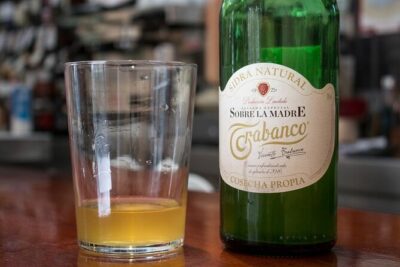
Madrid Historic Centre Food Tour with Authentic Tapas & Wines
Read our review →
Madrid Guided Food Tour with Tapas and Spanish Wine
Read our review →
De Mercados: A Neighborhood Market and Food Tour
Read our review →Browse the lists this tour appears in