Review · CHIANG MAI
Chiang Mai: Evening Local Street Food Market Tour
Chiang Mai’s best food lesson may happen beside a market stall, not in a restaurant. This 150-minute evening tour takes you to at least two local markets for kanom jeen, northern Thai specialties, stewed pork leg, coconut dumplings, and sweets. You eat a lot, but the real prize is learning what to order next time you walk into a market alone.
I like the small maximum-10-person group, which gives you room to ask about strange-looking ingredients and spice levels. I also like the practical Thai language lesson and the printed food guide. The main drawback is simple: this is not a good fit for vegetarians or pescatarians, and anyone who prefers a light dinner may find the amount of food excessive.
Key points to know before you book
- At least two evening markets: Some evenings include three or four food stops, depending on the route and market conditions.
- A full northern Thai meal: Expect kanom jeen, regional dishes, stewed pork leg, coconut dumplings, salads, curries, soups, and desserts.
- Guides make the difference: Jay, Mr. Goal, Chai, T, and other local guides are praised for clear English, humor, food knowledge, and friendly help.
- Useful beyond one evening: You receive a leaflet with food names and Thai phrases for ordering on your own.
- Hotel transfers included: Pickup and return are included within Chiang Mai city center, with a surcharge possible outside the city.
- Come hungry: The food is not a token tasting. Many people find themselves full well before the final sweets.
Why this Chiang Mai food tour works so well
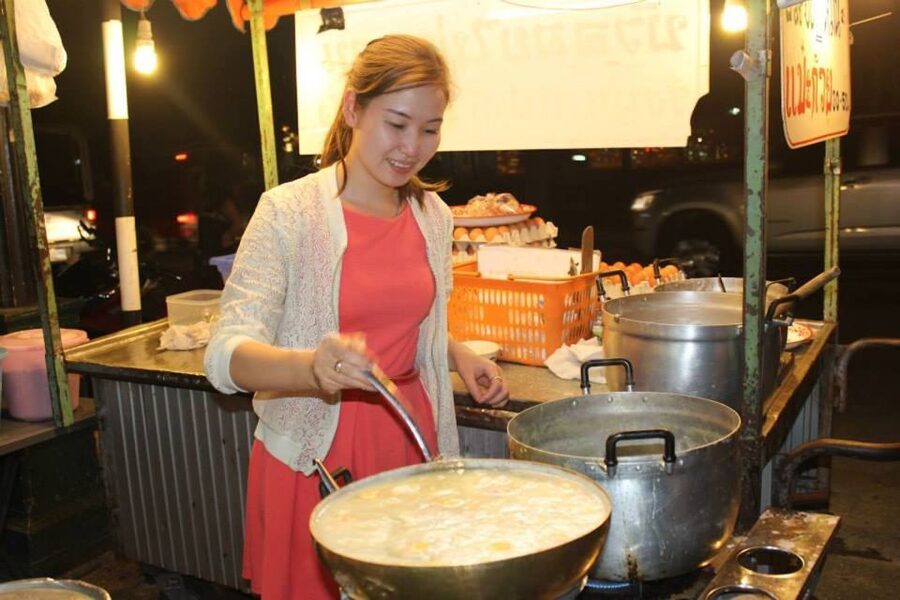
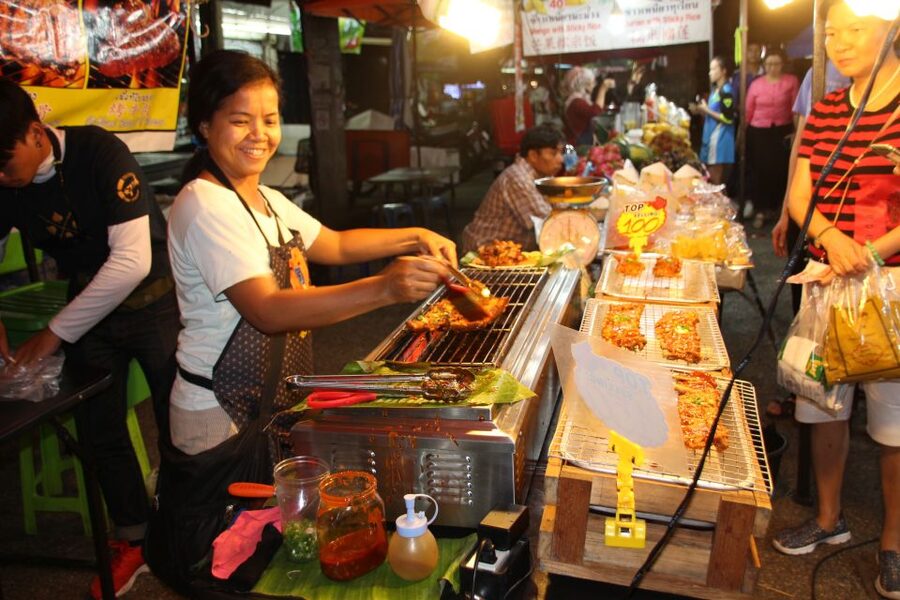
A night market can be thrilling and confusing at the same time. You may see trays of food, steaming pots, grilled meats, unfamiliar herbs, and desserts you cannot identify. Without Thai language skills, it is easy to point at something random or return to the one dish you already know.
This tour gives you a friendly local guide to bridge that gap. You are not simply shown a market and left to browse. Your guide explains what each dish is, where it comes from, how it is eaten, and how much spice to expect. You can ask questions as they arise, which is especially helpful when a dish looks familiar but tastes quite different from its Western version.
The small group matters. Ten people is still enough for a social evening, but it is not a large bus group moving from stall to stall. Guides such as Jay and Mr. Goal are repeatedly praised for being relaxed, funny, and easy to understand. Chai is also noted for clear English and careful explanations. The best guides make the outing feel like a meal with a well-informed local friend.
The tour is also useful early in your stay. If you schedule it near the beginning of your time in Chiang Mai, you will leave with a short list of dishes to seek out later. You will also have a better sense of how to order, what ingredients you are seeing, and which foods suit your taste.
More Evening Food Tours in Thailand
- Small-Group Chiang Mai Evening Street Food Tour
★ 4.5 · 826 reviews - Bangkok Tuk-Tuk Tour by Night with Chinatown Street Food Meal
★ 5.0 · 635 reviews - Bangkok by Night Food Tour with 10+ Tastings in Chinatown
★ 5.0 · 545 reviews
Meeting your guide and getting oriented
Your evening starts with pickup at your Chiang Mai city-center hotel. Be in the lobby 10 minutes before the scheduled pickup time. Transport is included both ways, and the vehicle is described as clean and comfortable.
This detail has more value than it first appears. Chiang Mai’s markets are spread around the city, and getting between them by yourself can take time. A driver also means you can focus on the food rather than arranging rides after eating. Heavy traffic can lengthen the time spent in the vehicle, especially on a busy evening, so do not expect every minute of the 150-minute booking to be spent walking among stalls.
Once you meet the guide and the rest of the group, the food education begins. Your guide may explain basic Thai phrases, greetings, and useful words for ordering. You then get a chance to use them at the stalls instead of studying them as abstract vocabulary.
That hands-on practice is one of the tour’s strongest features. Ordering food in Thai does not require fluency, but knowing a few words can make the exchange more relaxed. Your leaflet adds another layer of value, since it helps you remember dish names after the tour ends.
First market: learning how to read a Thai food stall
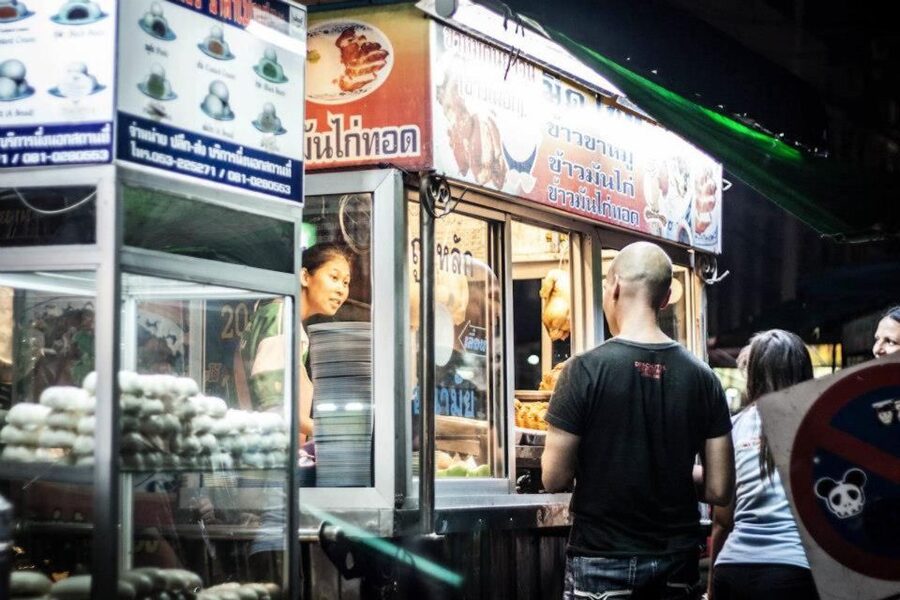
The first market stop is where the evening starts to make sense. You will likely see several dishes at once, with ingredients displayed in pans, trays, baskets, and pots. Your guide helps you sort out what is worth trying and explains how locals approach the food.
One featured dish is kanom jeen, sometimes written as khanom chin. These are soft fermented rice noodles served with a sauce or curry, often alongside fresh vegetables and herbs. It is an important introduction because it shows how Thai meals combine noodles, sauces, herbs, and different textures in one plate.
The point is not to rush through a checklist. Your guide may explain how to mix the noodles with the sauce, what the accompanying vegetables are for, and how to manage heat. If you are used to ordering one main dish for yourself, you will also learn why shared tasting works better in a market setting.
Portions and dishes can vary from night to night. That is a benefit if you like food discovery, but it means you should not treat the listed foods as a fixed menu. You are promised a wide range of tastes, not an exact number of identical plates at every departure.
Northern Thai flavors beyond the usual favorites
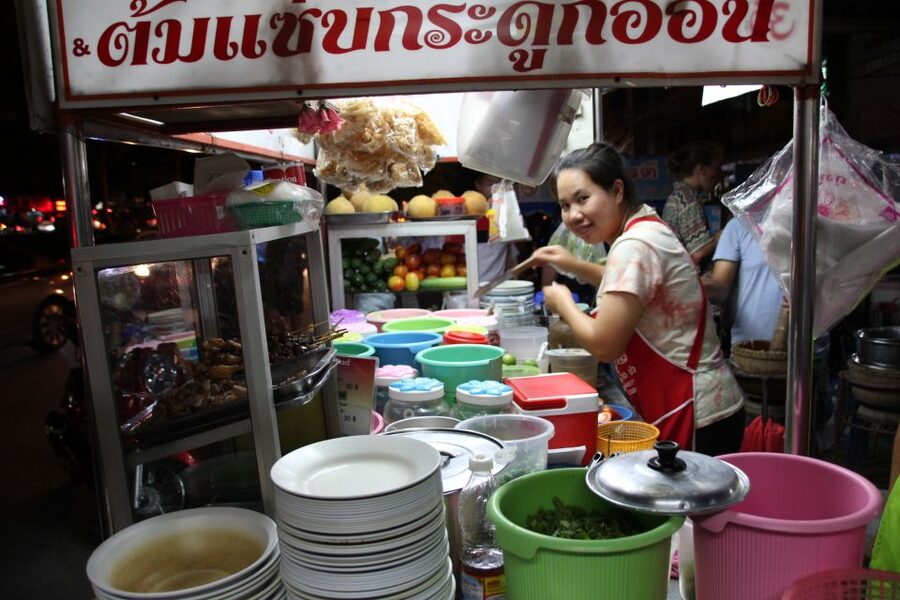
Chiang Mai food is not just pad Thai and mango sticky rice. Northern Thai cooking has its own ingredients, seasonings, and traditions, and this tour gives those regional foods the main stage.
You may try northern curries, salads, soups, and other specialties selected by the guide. Some dishes will be familiar in format, while others may be foods you would not order without help. The guide explains the origin and role of each dish, including the way regional influences have shaped northern Thai cooking.
That context makes the meal more than a series of samples. When you learn why a dish is prepared a certain way, it becomes easier to recognize and order it later. You also gain a better idea of how northern food differs from what you may have eaten in Bangkok or at Thai restaurants back home.
Spice is handled with some flexibility, but do not assume every dish will be mild. The tour includes food ranging from gentle to spicy. Guides have helped groups with different preferences, including people who avoid heat, while still offering plenty for those who enjoy fiery flavors. Tell your guide early if you have a strong spice preference.
More Street Food Tours in Thailand
- Bangkok: Michelin Guide Street Food Tour by Tuk Tuk
★ 4.4 · 1,274 reviews - Bangkok: E-Scooter Night Tour with Local Street Food
★ 4.8 · 488 reviews - Ao Nang: Hands-on Learn to Cook 3 Popular Thai’s street food
★ 4.8 · 417 reviews - Bangkok Tuk-Tuk by Night with Chinatown Street Food Meal
★ 4.6 · 263 reviews
Stewed pork leg and the comfort-food stop
Stewed pork leg is another featured taste. It is a rich, slow-cooked dish with soft meat and a savory sauce, the kind of food that shows the hearty side of Thai market cooking.
This stop offers a useful contrast to noodles, salads, and spicy curries. You get something substantial and comforting, not just small bites. It also helps explain why the tour can be so filling. Several tastings may look modest individually, but together they add up to a complete meal and then some.
If you are sharing with the group, take small portions at the beginning. You can always try more later. That is practical advice for this tour in general, since the variety is generous and the final dessert stops are easy to underestimate.
Coconut dumplings, sweets, and the final stretch
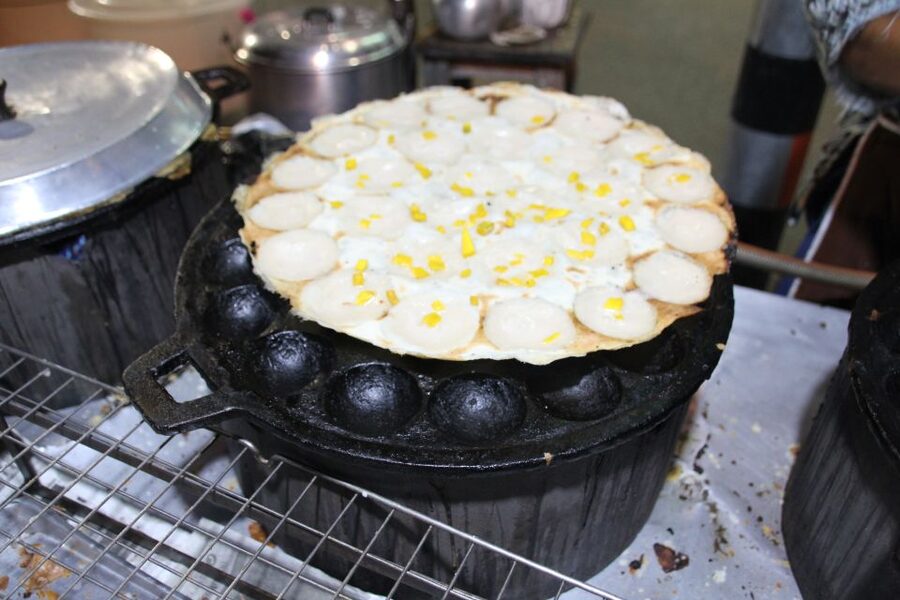
The sweet course is not an afterthought. Coconut dumplings and other Thai desserts bring different textures and flavors to the table, often with coconut, rice, sugar, or fruit in the mix. Your guide explains what you are eating and how these sweets fit into the wider street-food scene.
You may also finish with other desserts and distinctive Thai sweets if the group still has room. Several dishes can appear at this stage, so save some appetite. The tour is known for offering far more than a single dessert sample.
I especially like the way the sweet stop rounds out the meal. Street food is not only about chili, garlic, grilled meat, and curry. Thai desserts show another side of the cuisine, often softer and more delicate, while still using ingredients that may be unfamiliar to you.
The exact dishes depend on the market and the night. That keeps the experience tied to what is fresh and available, but it also means you should not book this expecting a rigid menu. If you have a specific dish in mind, ask the guide. The guide may be able to point you toward it, but it cannot be guaranteed.
What the guide adds to the evening
The guide is the key part of the experience. Food tours can be ordinary if the leader simply points at dishes and says their names. Here, the stronger guides explain ingredients, food customs, local background, and practical ordering language.
Mr. Goal is often described as warm, humorous, and generous with information. Jay is praised for his organization, clear English, and friendly connections with market vendors. Chai is noted for explaining food etiquette and helping the group understand what it is eating. T and Tee are also described as relaxed and engaging.
You should still expect some variation between guides. The company uses several local leaders, and each will have a different personality and route. The consistent goal is clear: introduce you to unfamiliar food and make you comfortable asking questions.
The leaflet is a small but worthwhile extra. It lists foods you have tried and gives Thai phrases for future orders. I would keep it in your day bag for the rest of your Chiang Mai stay. It can turn a one-night tasting into a tool for independent eating.
How much food do you really get?
Come with an empty stomach. The tour includes all dishes and water, and the food can be extensive. Past itineraries have included well over 10 dishes, with one evening offering 14 different salads and main courses followed by four desserts.
The advertised highlights are only a guide to the type of food, not a promise of a precise count. Depending on the night, you may visit two markets or more, with several food stations along the way. Some people find they cannot finish everything, which is a sign that this works better as dinner than as a light snack.
The price is $40 per person. For that amount, you receive the food, water, guide, printed food information, and round-trip city-center transport. Buying every dish independently could cost less if you ate only one or two items, but you would lose the explanations, the language help, the local route, and the chance to taste a broad selection without guesswork.
For solo visitors, the value is especially clear. Ordering a large range of dishes alone is difficult, while a small group lets you share and sample more. Couples and families can also benefit, though children under eight are not permitted. Older children who enjoy trying new foods may fit well, but the quantity and spice level should be considered.
Who should book, and who should skip it?
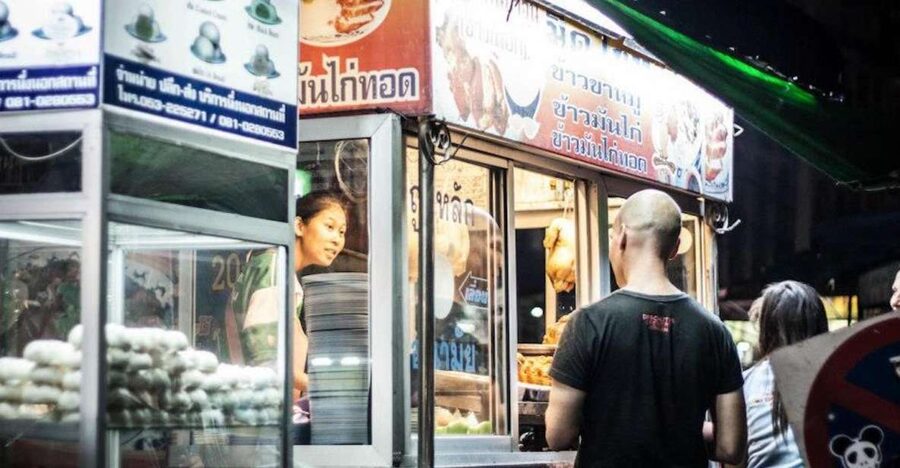
This tour suits you if you want a guided introduction to Chiang Mai food, enjoy trying unfamiliar dishes, or feel unsure about ordering at a local market. It is also a good choice if you want practical cultural information rather than a simple meal.
It suits confident eaters and curious beginners alike. You do not need to know Thai, since the guide helps with ordering, but you should be open to tasting foods outside your usual routine.
The tour is not suitable for vegetarians or pescatarians according to the stated restrictions. One past family group reported that a vegetarian family member received help, but you should not rely on that. Contact the operator before booking if your diet is restricted.
It is also less suitable if you want to choose every dish yourself, avoid spice completely, or prefer a slow restaurant dinner. The route is designed around shared tasting and changing market availability.
Practical details for a smooth evening
Wear comfortable shoes. You will move through markets and food areas, and practical footwear is more useful than anything stylish.
Hotel pickup and drop-off cover accommodations in Chiang Mai city center. Transport from outside the city area may be arranged for a small additional fee, but you need to contact the operator about it. Pickup times vary, so check availability for the departure offered during your stay.
Other drinks, including alcohol, are not included. Water is provided, but bring money if you want something else to drink. Free cancellation is available up to 24 hours before the tour, and you can reserve now and pay later, which helps if your schedule is still changing.
The tour is offered in Thai and English. The transport rating is strong, with 92 percent of customers giving it a perfect score. That matters because moving between several markets is part of the plan, and a comfortable return ride is welcome after a very large meal.
Should you book this Chiang Mai street food tour?
I would book it if this is your first visit to Chiang Mai, especially during your first few nights. The combination of market access, guide explanations, Thai ordering practice, and hotel transport gives you more than a one-off dinner.
The strongest reason to choose it is the range. You can taste kanom jeen, northern Thai dishes, stewed pork leg, coconut dumplings, and several other foods without spending your evening trying to decode menus. The strongest reason to hesitate is the food restriction and sheer volume.
Bring comfortable shoes, arrive hungry, and treat the menu as flexible. If you want a friendly, food-heavy introduction to northern Thai cooking, $40 is a fair price for the amount of food and help included.
FAQ
How long does the Chiang Mai street food tour last?
The tour lasts 150 minutes, including the market visits, food tastings, guide explanations, and return transport to your accommodation.
How many markets will I visit?
You will visit at least two evening street food markets. Depending on the route and the night, the tour may include three or more markets or food stops.
Is hotel pickup included?
Yes. Round-trip pickup and drop-off are included for accommodations in Chiang Mai city center. Transport from outside the city may be arranged for a small surcharge.
Is the tour suitable for vegetarians?
No. The stated information says the tour cannot accommodate vegetarians or pescatarians. Children under eight are also not permitted.
What food will I try?
The food varies from night to night, but featured dishes include kanom jeen, northern Thai specialties, stewed pork leg, coconut dumplings, Thai desserts, soups, curries, salads, and other market foods.
Are drinks included?
Water is included. Other drinks, including alcoholic drinks, are not included.
More Market Food Tours in Thailand
- From Bangkok: Maeklong Railway and Floating Market Food Tour
★ 4.9 · 224 reviews - Takua Pa: Food Market, Tsunami Museum, Temple, & Old Town
★ 4.9 · 165 reviews - Bangkok Electric Tuk Tuk: Street Food & Markets
★ 4.6 · 42 reviews - Chef Guided Food Tour of Pike Place Market
★ 5.0 · 3,733 reviews
Fresh off the menu around Thailand
- Taste of Chiang Mai: Michelin Guide & Street Food Tour★ 4.9 · 159 reviews
- Takua Pa: Food Market, Tsunami Museum, Temple, & Old Town★ 4.9 · 165 reviews
- Phuket: Southern Flavours Food Tour with 15+ Tastings★ 5.0 · 531 reviews
- Phuket: Baba Tastes Food Tour with 15+ Tastings★ 4.9 · 138 reviews
- Phuket: Southern Thai Flavors Food Tastings Tour★ 4.4 · 87 reviews
- Local Life, Culture & Food Walking Tour at Chinatown★ 4.7 · 119 reviews
- Krabi: Morning or Afternoon Culinary Adventure at Smart Cook★ 4.8 · 35 reviews
- From Bangkok: Maeklong Railway and Floating Market Food Tour★ 4.9 · 224 reviews
Chiang Mai Food Tours, compared.
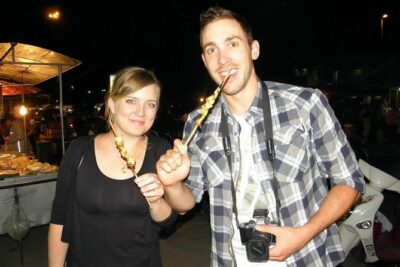
Small-Group Chiang Mai Evening Street Food Tour
Read our review →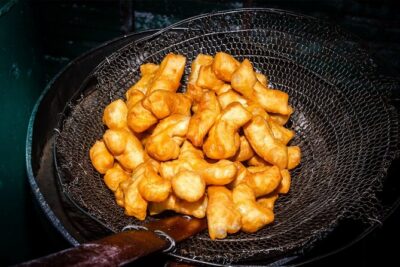
Northern Flavours Chiang Mai Food Tour with 15+ Tastings
Read our review →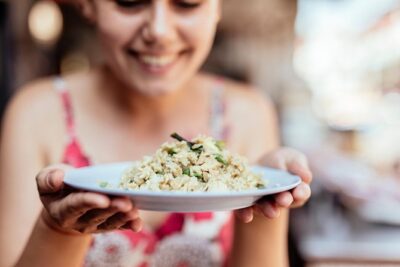
The 10 Tastings of Chiang Mai With Locals: Private Street Food Tour
Read our review →
Taste of Chiang Mai: Michelin Guide & Street Food Tour
Read our review →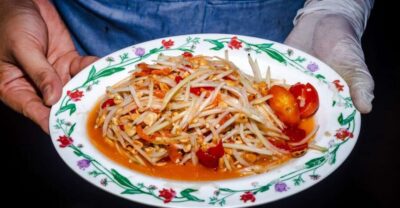
Chiang Mai: Food Tour by Songtheaw Truck with 15+ Tastings
Read our review →