
Review · CRETE
Chania: Old Town Highlights Guided Tour with Street Food
Chania’s best introduction may be the one that keeps feeding you as it walks. This four-hour tour links the Old Town’s Venetian buildings, Ottoman traces, harbor lanes, market shops, and Cretan food stops into one good-natured outing. You may taste everything from bougatsa and meat pies to olive oil, honey, cheese, spreads, pastries, and a full local meal.
I like the generous food portions, which make this more than a tour of tiny samples, and I like the way the guides connect each bite to Cretan life. Guides including Manos, Aria, Elene, Adonis, Goldy, and Antonis are praised for their warmth, humor, and local tips. The main caution is simple: do not eat a big breakfast, and do not book this if you need a wheelchair-accessible route or must avoid gluten.
Key points at a glance
- A four-hour food-and-history walk: See Chania’s Old Town while eating your way through local specialties.
- Real variety: Tastings can include bougatsa, olives, cheese, honey, olive oil, breads, pies, dips, meatballs, baklava, ice cream, liqueurs, and coffee.
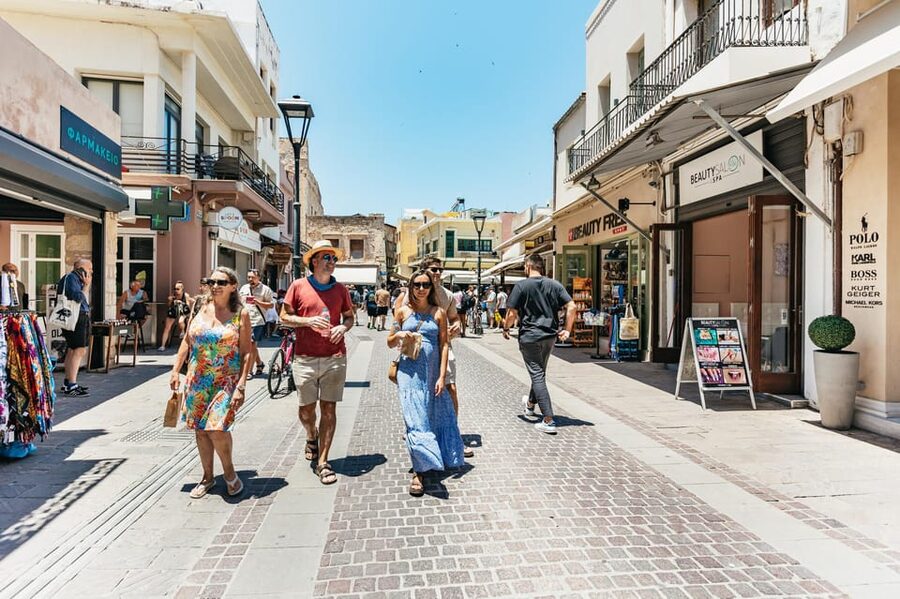
- Local shopping stops: Browse food stores, bakeries, taverns, leather shops, and traditional craft businesses along the route.
- Strong guide element: Manos, Aria, Elene, Adonis, Goldy, Alma, and Antonis are among the guides praised for their storytelling and personal recommendations.
- Best early in your stay: You finish with a better sense of Chania and useful ideas for restaurants and places to explore later.
- Know the limits: Expect cobbled lanes, narrow streets, plenty of walking, and no hotel pickup.
Why this tour works as a first morning in Chania
Chania can feel confusing at first. The old streets twist around the harbor, the market sits close to the historic center, and food shops appear in places you might otherwise pass without a second look. A local guide gives the city a shape.
I especially like using this tour early in a stay. Your guide can point out places to return to, explain which foods are typical of Crete, and suggest restaurants or other local activities. Several guides also send follow-up recommendations or photos, which is useful if you are planning several days on the island.
The four-hour length matters. You have enough time to see the principal parts of the Old Town without rushing from one photo stop to the next. At the same time, this is not a full-day outing that takes over your schedule.
You meet at Bougatsa Chania, a practical starting point near one of the city’s well-known local pastries. The meeting point can be a little tricky to spot because of Greek lettering on the building, so give yourself extra time and keep your phone available. The guide will be looking for you, but arriving early removes needless stress.
More Street Food Tours in Greece:
- Athens: Street Food Tasting Tour
★ 4.9 · 3,343 reviews - Athens: Greek Street Food Tour
★ 4.8 · 246 reviews - Dubai: Old Town, Creek, Museums, Souks, & Street Food Tour
★ 4.8 · 10,816 reviews
Starting with bougatsa and the Chania market
The opening food stop is often bougatsa, the flaky pastry associated with Chania. It gives you an immediate taste of the region and sets the tone for the morning: food is not an interruption between monuments. It is part of the story.
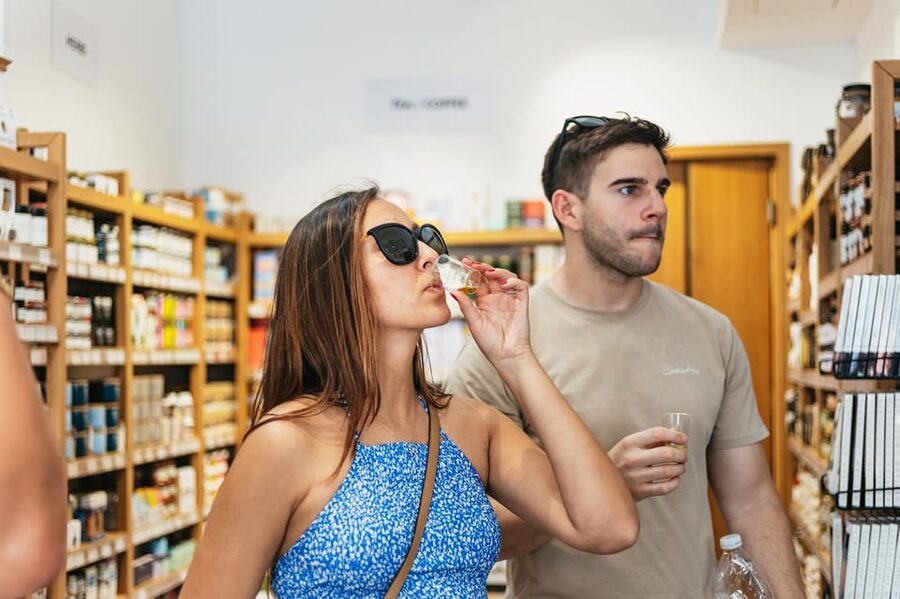
From the market area, the route moves through shops selling Cretan products. You may sample olives, cheeses, honey, herbs, spices, spreads, and several types of olive oil. One stop described by participants included unusual products such as blue honey, pistachio butter, and balsamic glaze. Those tastings can be especially useful if you want to take home something edible but do not know which local products are worth buying.
The market portion also gives you a look at everyday Chania. You are not limited to postcard views of the harbor. You see the sort of food stores locals use, learn how products fit into Cretan cooking, and get help understanding what you are tasting.
I would not expect every food stop to appeal equally to every palate. A food tour is personal, and one person’s favorite honey or cheese may be another person’s ordinary bite. The advantage here is range. You get enough different tastes to find a few new favorites.
Walking through Venetian streets and Ottoman-era Chania
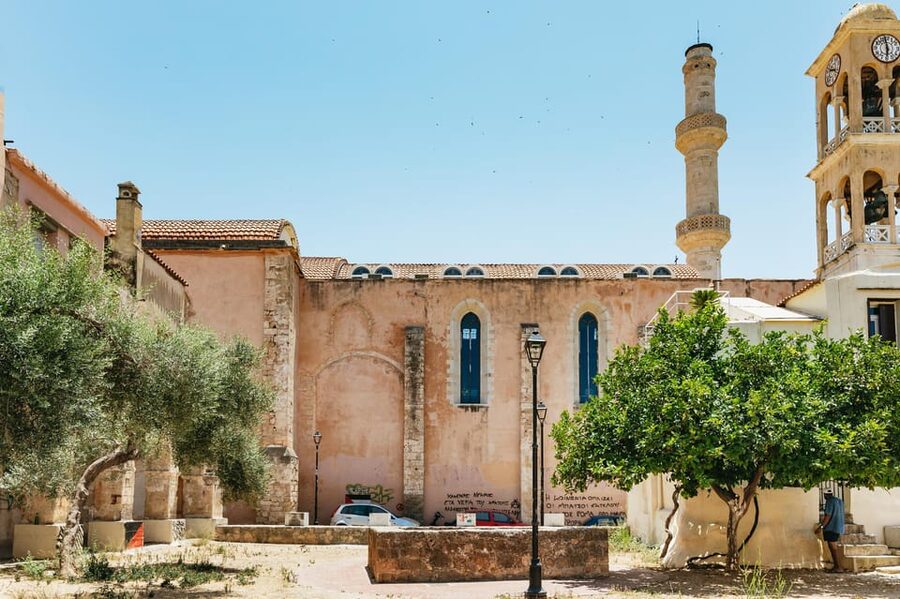
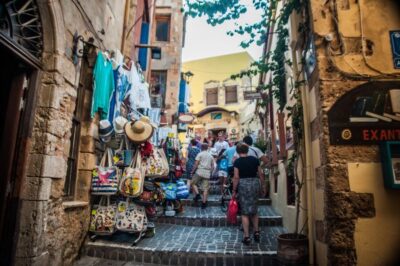
After the early food stops, your guide leads you into the historic center. The Old Town’s narrow cobbled lanes and preserved buildings show several layers of Chania’s past. The tour explains the city’s Venetian heritage, its Renaissance period, and the later Ottoman influence.
This historical context improves the walk. Instead of seeing an attractive doorway or stone wall as background scenery, you learn how different periods shaped the city. The guide also points out notable landmarks and architectural details as you go, so the route becomes a moving lesson rather than a string of disconnected facts.
The pace is one of the tour’s strengths. It is described as relaxed, with room for questions and adjustments to suit the group. That matters in Chania, where narrow streets are better enjoyed slowly than conquered at speed.
You will walk on uneven surfaces and through confined lanes. This is not a good fit for anyone with serious mobility limits. Wheelchair users are specifically excluded, and the activity asks you to leave large bags and luggage behind. Comfortable shoes are essential. Sunglasses are also worth carrying, especially on a bright day.
Food shops, bakers, and craftsmen along the way
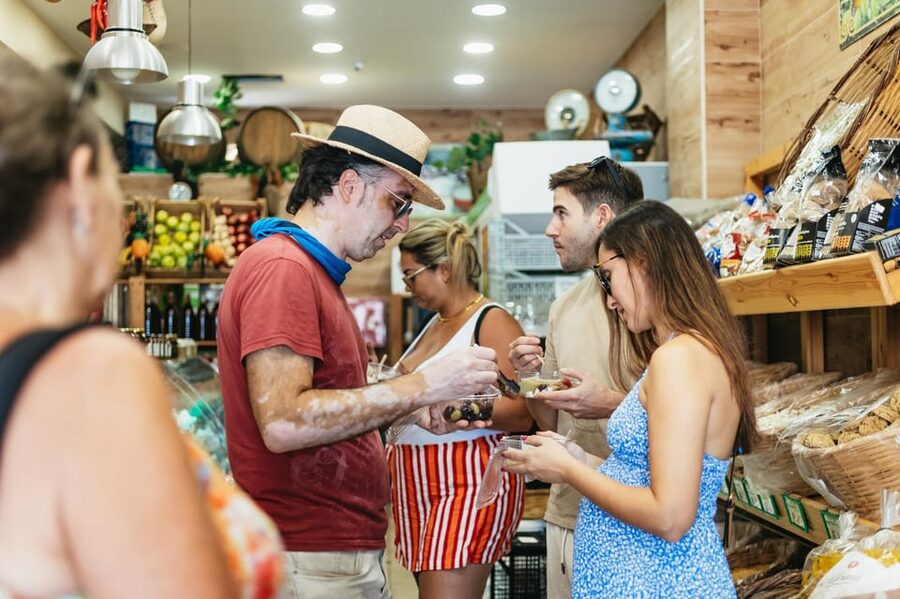
The most memorable parts may be the small businesses tucked into the Old Town. Depending on the route and the guide, you might see a pastry maker at work, visit a baker of local pies, or stop at shops selling olive oil, honey, cheese, and other Cretan goods.
Some outings also include introductions to local craftspeople, such as a knife maker, rug maker, filo maker, or long-established leather shop. One participant bought sandals from a leather business that had been operating for 84 years. These stops give the tour a wider focus. You are learning how Chania eats and works, not just where to take pictures.
This is where a private or small group can be worth considering. A smaller party makes it easier to ask about ingredients, shopping, family traditions, or the history of a shop. It also keeps the walk more personal. The shared option should suit you if you enjoy meeting people from other countries, while a private booking gives you more control over pace and interests.
Do keep your expectations flexible. The exact food and craft stops can vary, and the experience is not presented as a fixed restaurant menu. The guide’s local connections and the shops open that day help shape the route.
More guided tastings around Greece:
- Athens: Guided Greek Food Walking Tour with Tastings
★ 4.9 · 2,859 reviews - Fira: Guided Foodie Walking Tour with Tastings
★ 4.9 · 474 reviews - Athens: Evening Food Tasting Tour with Guide
★ 4.5 · 44 reviews - Dubai: Old Town, Souks, Street Food, Guided Tour & Abra Ride
★ 4.9 · 7,170 reviews
Expect a serious amount of food
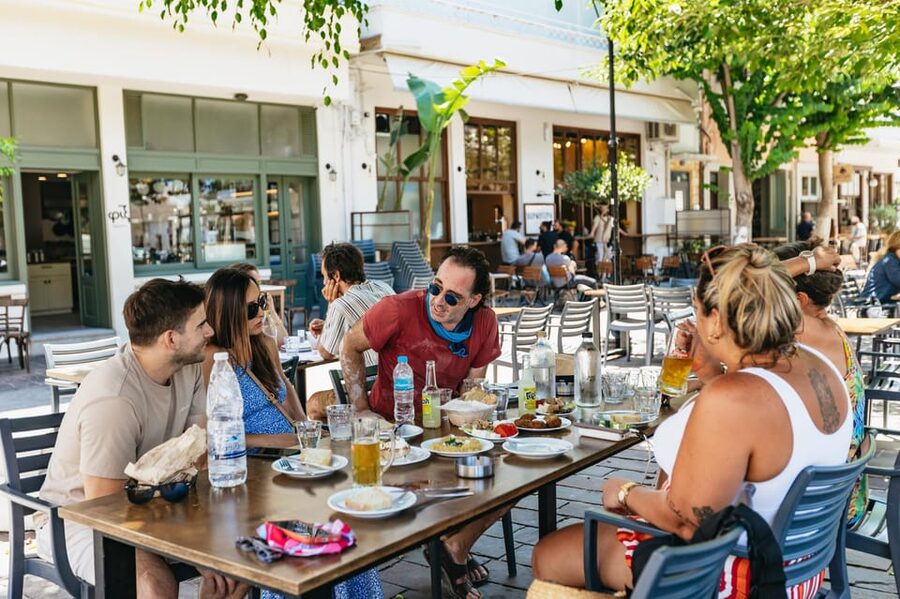
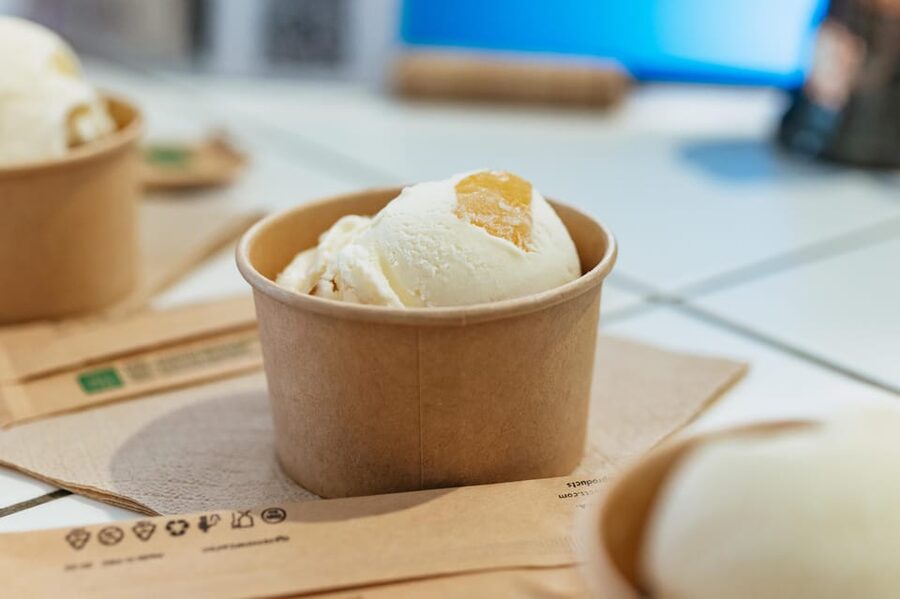
The food is not limited to token tastes. The experience can include many generous portions, and the day may finish with a meal of Cretan dishes under the trees or in a pleasant local setting. Several food lists include olive oils, honey, liqueurs, ice cream, meat pies, baklava, olives, cheeses, dips, meatballs, breads, traditional cake, coffee, and herbal tea.
That is why I would treat this as a late breakfast and lunch combined. The practical advice is to arrive hungry. If you eat a full breakfast first, you may spend the second half of the tour politely refusing food.
The variety also makes the tour useful for people who are still learning what Cretan cuisine means. You can compare sweet and savory foods, fresh products and prepared dishes, bakery items and tavern fare. The guide explains the food as you go, including local language, customs, and the role particular ingredients play in daily life.
The included drink is coffee or herbal tea. Greek coffee and a traditional cake may appear toward the end, giving the meal a slower finish after the walking and tastings.
Gluten intolerance is listed as a reason not to take this activity. Food allergies should be discussed before booking or at the start of the tour. A guide such as Manos has adjusted food choices for allergies, but you should not assume every restriction can be handled safely. Confirm your needs in advance.
The harbor and the city beyond the postcard
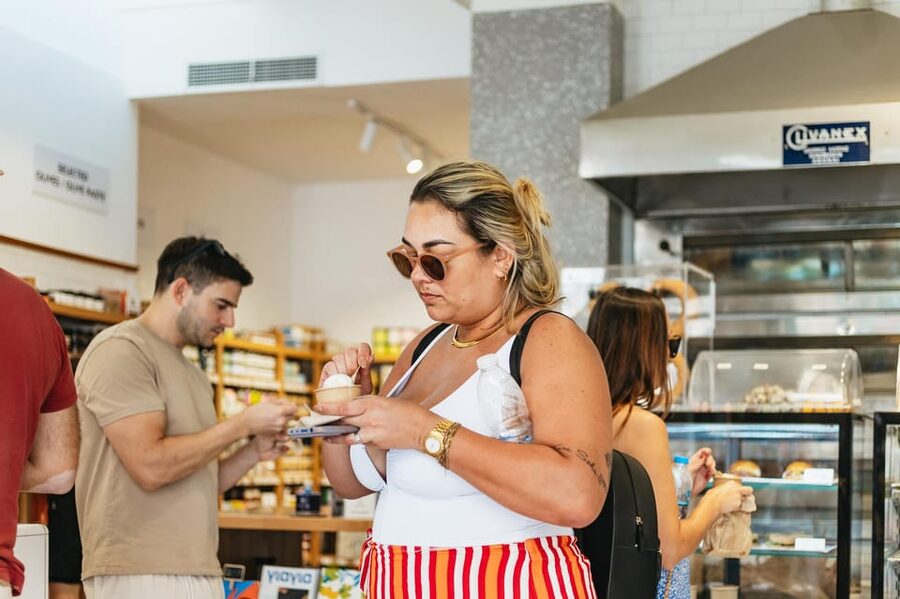
The route can include the harbor area as well as the Old Town. That pairing gives you two sides of Chania: the open waterfront with its famous views and the smaller commercial lanes where daily life continues.
The harbor is easy to admire on your own, but the guide adds context and helps connect it to the streets behind it. You may also get recommendations for quieter places to eat or return to later.
I like this balance because a food tour that stays entirely inside shops can feel narrow, while a history walk with only one pastry stop may leave you hungry. Here, the food, architecture, local businesses, and harbor views support one another.
The route is still a walking tour, not a sightseeing bus. You are on your feet for four hours, with stops to eat and listen. If you need frequent seated breaks, ask about the pace before booking.
Which guide might shape your experience
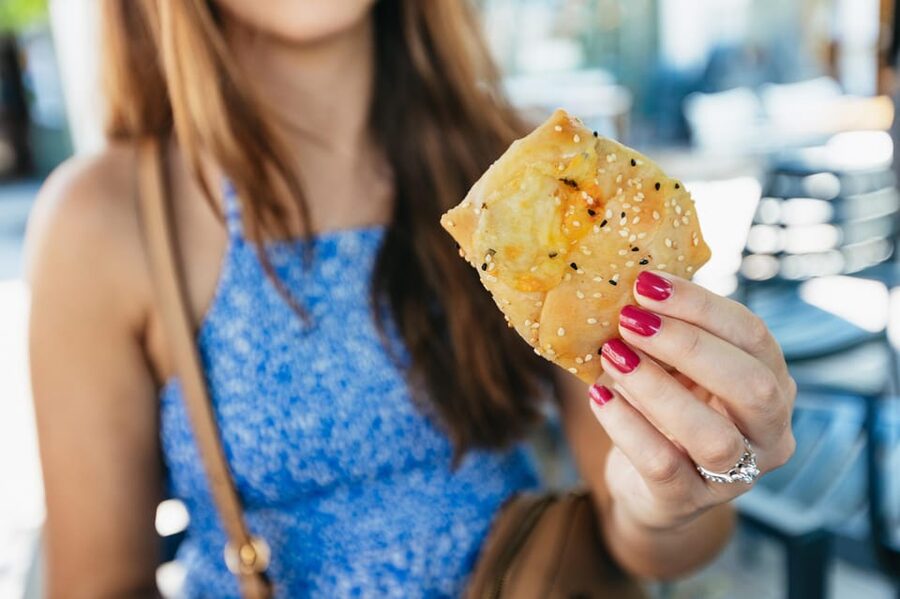
The guide is central to this tour. Names associated with particularly strong experiences include Manos, Aria, Elene, Eleni, Adonis, Antonis, Goldy, and Alma. Their styles differ, but the recurring strengths are clear: friendly conversation, enthusiasm for Chania, good explanations of local life, and willingness to answer questions.
Manos is praised for storytelling, humor, and careful attention to food restrictions. Aria is known for enthusiasm about Cretan food, language, and culture. Elene and Eleni are described as warm, lively, and generous with later recommendations. Adonis is associated with a calm pace, local pride, and a good mix of history and food. Goldy is noted for being easygoing and attentive to group needs.
You cannot necessarily choose a particular guide, so book for the format and content rather than a promised personality. Still, the guide quality is a major reason this tour earns a 4.9 rating from 407 reviews. A good guide turns a food list into a conversation about family habits, local shops, history, and modern life.
Is $106 a fair price?
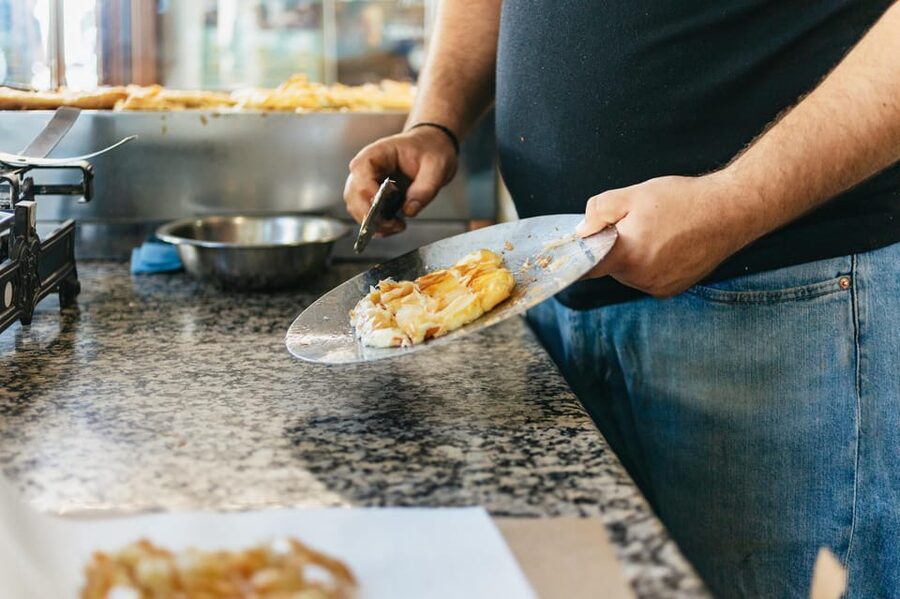
At $106 per person, this is not a cheap orientation walk. It includes four hours, a local guide, the walking route, savory Cretan tastings, and coffee or herbal tea. The price makes more sense when you consider the amount of food and the number of stops.
This is not a tour where you receive one small bite at each location and then need lunch immediately afterward. Portions can be substantial, and the route may finish with a proper local meal. You are also paying for access to shops and food places you might not identify on your own, plus explanations that make each product easier to understand.
Value depends on your priorities. If you mainly want a low-cost look at Chania’s main streets, you can walk the Old Town independently. If you want a meal, market orientation, cultural background, and local advice in one block of time, the price is easier to justify.
A private booking will appeal to couples, families, or small groups that want a more personal pace. A shared small group may offer better value and a social atmosphere. Either way, the food volume is a major part of what you are buying.
The practical details that matter
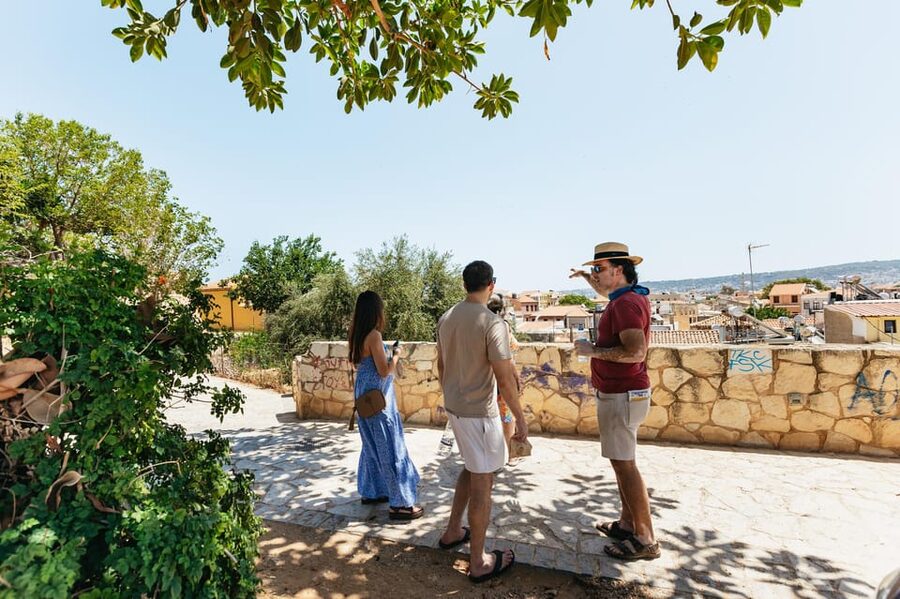
The tour lasts four hours and is offered in English, Greek, or Spanish. Private and small-group formats are available. Hotel pickup and drop-off are not included, so you must reach Bougatsa Chania yourself.
Bring comfortable walking shoes and sunglasses. Leave luggage and large bags elsewhere. The narrow streets and cobbles make light packing sensible even if the tour does not specifically require a dress code.
You can cancel up to 24 hours before the activity for a full refund. Reserve-now, pay-later booking is available, which helps if your wider Crete plans are still shifting.
I would book this for the first or second day of a Chania stay, unless your schedule only allows it later. The practical payoff is strongest before you have chosen all your restaurants and sightseeing stops.
Who should book this Chania food walk?
I recommend it most for first-time visitors who want a quick sense of how Chania fits together. It is also a good match for food lovers who want more than famous Greek dishes, since the tastings range across bakery items, dairy, oils, sweets, prepared foods, and local drinks.
Families can enjoy the variety, and one outing included a 10-year-old. Couples and solo visitors may appreciate the easy social rhythm of a small group. Cruise passengers with one day in Chania can use it as a compact introduction to the city.
I would skip it if you dislike long walks, need step-free access, have gluten intolerance, or prefer a quiet restaurant meal to repeated tastings. I would also avoid eating beforehand. This is one of those tours where the practical advice is unusually important.
Should you book it?
Yes, if you want Chania explained through food rather than monuments alone. The combination of local shops, Venetian and Ottoman-era streets, harbor views, craft stops, and generous tastings gives you a useful first look at the city.
Book it early, arrive at Bougatsa Chania with an empty stomach, wear good shoes, and ask about allergies before the route begins. At $106, it is best value when you take full advantage of the food, questions, and local recommendations. If that sounds like your kind of morning, this is a strong introduction to Chania.
FAQ
How long does the Chania Old Town food tour last?
The tour lasts four hours and includes walking, historical explanations, food tastings, and coffee or herbal tea.
Where does the tour meet?
You meet your guide at Bougatsa Chania in Chania.
Is hotel pickup included?
No. Hotel pickup and drop-off are not included, so you need to make your own way to the meeting point.
What languages are available?
The live guide service is available in English, Greek, and Spanish.
Is the tour private or shared?
Both formats are available. You can choose a private experience or a small shared group, depending on availability.
What food might I taste?
Possible tastings include bougatsa, olives, cheeses, olive oils, honey, herbs, spices, breads, local pies, dips, meatballs, baklava, ice cream, liqueurs, traditional cake, and other Cretan products.
Should I eat breakfast before the tour?
No large breakfast is advisable. The tastings are generous and may include a substantial meal, so arriving hungry helps you enjoy the full experience.
Is the tour suitable for people with gluten intolerance?
No. People with gluten intolerance are listed among those for whom the activity is not suitable. Discuss other allergies or food restrictions before booking.
Can I cancel for a refund?
Yes. You can cancel up to 24 hours in advance for a full refund. Reserve-now, pay-later booking is also available.
Fresh off the menu around Greece
- Santorini: Private Catamaran Cruise with Food & Drinks★ 5.0 · 180 reviews
- Santorini: Wine Tasting Tour & Sunset Viewing★ 4.8 · 255 reviews
- Santorini: Sunset Walking Tour with Local Food and Drinks★ 4.9 · 160 reviews
- Sailing tour around Lindos with food and drinks★ 4.8 · 54 reviews
- Rhodes: Boat Tour with Snorkeling, Gourmet Buffet & Open Bar★ 4.8 · 595 reviews
- Rethymno:Evening tasting tour★ 4.7 · 25 reviews
- Rhodes: Sunset Cruise w/ Gourmet Buffet, Drinks & Live Music★ 4.7 · 321 reviews
- Rethymno Old Town: A Traditional Cretan Food Tour★ 4.9 · 103 reviews
Crete Food Tours, compared.
From Chania: Olive Oil, Wine, Cheese & Honey Tasting Tour
Read our review →
From Chania: Wine and Olive Oil Tasting Tour with Snacks
Read our review →
Crete: Full-Day Cretan Wines, Olive Oil, Raki and Food Tour
Read our review →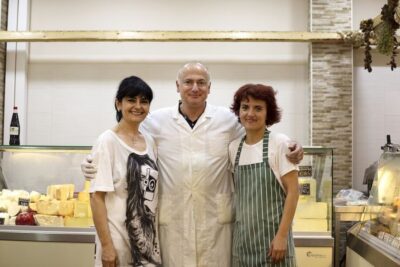
Heraklion: Cretan Wine Tasting Tour & Gourmet Lunch
Read our review →
Rethymno: Private Winery & Olive Oil Tasting Tour with Lunch
Read our review →Browse the lists this tour appears in